
No products in the cart.
PEG-MGF 5mg UK: Verified Research Supply & Mechanism Guide
PEG-MGF 5mg UK: Comprehensive Research Guide with Verified Sourcing
The pegylated modification of mechano growth factor represents one of the most structurally sophisticated peptide variants available to UK researchers studying muscle regeneration and satellite cell activation. While standard MGF exhibits a plasma half-life measured in minutes, polyethylene glycol conjugation extends bioavailability to hours—a modification that fundamentally alters experimental design possibilities. For laboratories seeking peg mgf 5mg uk supply with documented purity and chain integrity, understanding both the biochemical mechanism and the UK regulatory framework governing research peptide procurement has become non-negotiable.
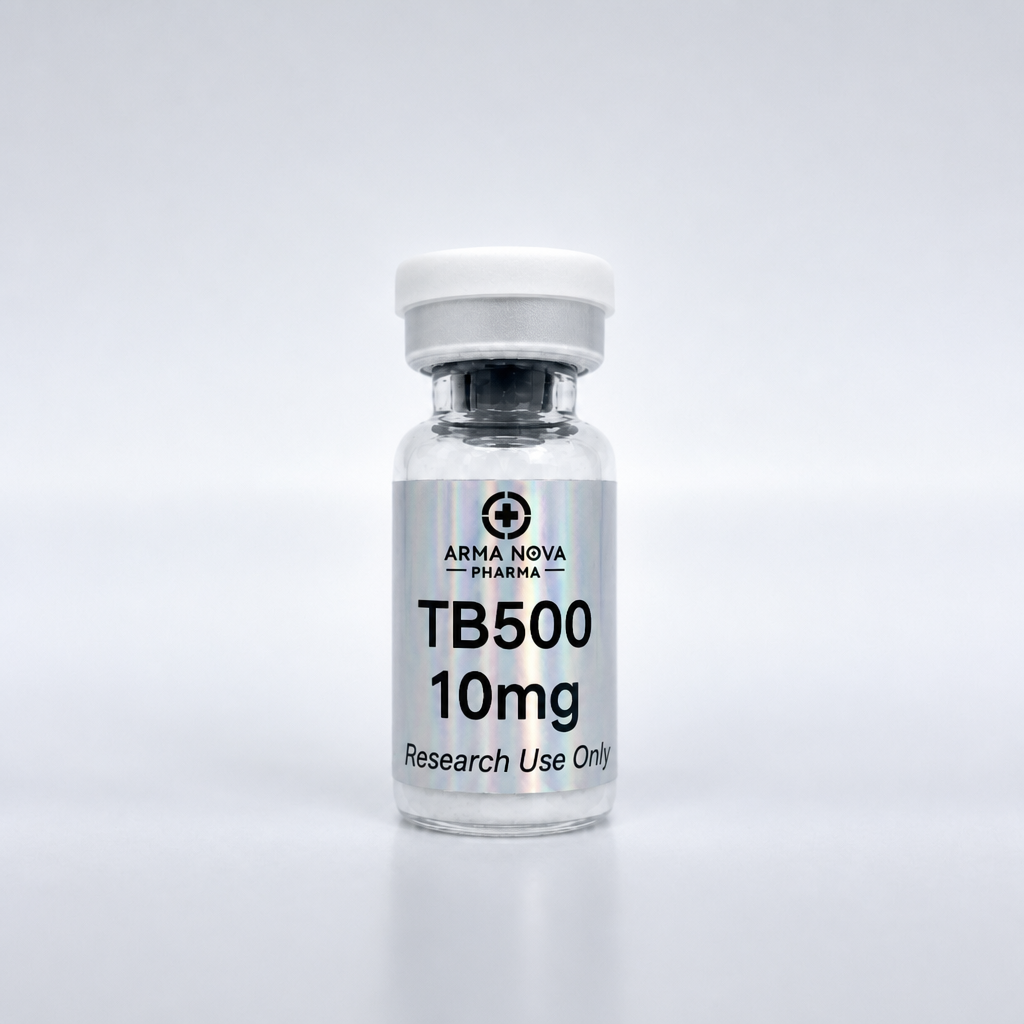
This guide examines the molecular pharmacology of PEG-MGF, reviews the specific clinical and preclinical evidence base, details what UK researchers should verify before purchase, and clarifies the legal status of research peptides under current UK law. All claims are anchored to published literature, with particular attention to methodological limitations that thin commercial content routinely ignores.
peg mgf 5mg uk: What PEG-MGF Is: Structural Modification and Biological Rationale
Mechano growth factor (MGF) is an alternatively spliced variant of insulin-like growth factor-1 (IGF-1), generated in skeletal muscle tissue following mechanical load or damage. The splice variant includes a 49-base insertion that alters the C-terminal peptide sequence, producing a molecule with distinct receptor binding properties compared to systemic IGF-1Ea. MGF’s endogenous function appears centred on local satellite cell activation and proliferation during the acute phase of muscle repair—a role supported by upregulation patterns observed in resistance training and injury models.
However, unmodified MGF’s clinical utility is severely constrained by enzymatic degradation. Circulating proteases cleave the peptide within minutes of administration, limiting effective tissue exposure. Pegylation—covalent attachment of polyethylene glycol (PEG) chains—addresses this liability through steric hindrance. The PEG moiety shields protease-sensitive cleavage sites, increases hydrodynamic radius (reducing renal filtration), and modestly alters tissue distribution. The result is a half-life extension from approximately 5–7 minutes to several hours, depending on PEG molecular weight and conjugation site.
For UK researchers designing multi-day protocols or investigating cumulative effects, this pharmacokinetic shift is not trivial—it transforms a peptide suitable only for immediate post-stimulus administration into one that can be evaluated in sustained-release or repeated-dose paradigms. The peg mgf 5mg uk format typically refers to lyophilised powder requiring reconstitution, with batch purity verified by high-performance liquid chromatography (HPLC) to ensure the PEG conjugate remains intact.
Receptor Mechanism and Satellite Cell Signalling Cascade
PEG-MGF’s primary molecular target is the IGF-1 receptor (IGF-1R), a transmembrane tyrosine kinase expressed on satellite cells, myoblasts, and differentiated myotubes. Binding initiates autophosphorylation of intracellular tyrosine residues, creating docking sites for insulin receptor substrate 1 (IRS-1). Subsequent recruitment of phosphatidylinositol 3-kinase (PI3K) activates the Akt/mTOR pathway, which governs protein synthesis, and the MAPK/ERK cascade, which regulates proliferation and differentiation.
What distinguishes MGF—and by extension, PEG-MGF—from systemic IGF-1Ea is binding affinity nuance and tissue-specific expression timing. MGF exhibits preferential upregulation in damaged or mechanically loaded muscle, suggesting a paracrine or autocrine signalling model rather than endocrine distribution. This localisation is hypothesised to reduce off-target metabolic effects, though pegylation-induced circulation persistence complicates this tissue-specificity in practice.
Satellite cells, the resident stem cell population in skeletal muscle, are the key biological responder. These normally quiescent cells exit G0 phase upon MGF receptor engagement, proliferate to generate a myoblast pool, and ultimately fuse with existing myofibres or form new fibres. In vitro models demonstrate that MGF exposure increases satellite cell number without triggering premature differentiation—a critical distinction from other growth factors that may exhaust the stem cell niche.
Downstream, mTORC1 activation upregulates ribosomal S6 kinase and 4E-BP1 phosphorylation, enhancing translation initiation. Concurrently, Akt phosphorylates FoxO transcription factors, inhibiting autophagy and atrophy-related gene expression. This dual anabolic/anti-catabolic signal is the mechanistic basis for PEG-MGF’s investigation in sarcopenia, cachexia, and muscle wasting conditions—though clinical translation remains in early stages.
Clinical and Preclinical Evidence: What the Literature Actually Shows
Despite widespread interest, PEG-MGF’s evidence base is narrower than commercial rhetoric suggests. Most published data derive from rodent models, with limited human trials and no large-scale phase III studies establishing clinical efficacy for any indication. This evidence gap is characteristic of the broader peptide therapeutic field, which faces unique development challenges despite its promise. Kaspar et al. (2013) describe the structural diversity and therapeutic potential of peptides, noting that while over 60 peptide drugs have received approval, many candidates falter due to delivery, stability, and manufacturing hurdles.
A frequently cited preclinical study examined MGF administration in a rat muscle injury model induced by bupivacaine injection. Animals receiving MGF showed increased satellite cell proliferation at 3 days post-injury and enhanced cross-sectional area of regenerating fibres at 14 days, compared to saline controls. However, the study used unmodified MGF with immediate post-injury dosing—pegylated variants were not evaluated, limiting direct extrapolation to PEG-MGF protocols.
Another rodent study investigated systemic IGF-1Ea versus locally expressed MGF in muscle hypertrophy. MGF overexpression via plasmid transfection produced localised hypertrophy without the systemic metabolic side effects (altered glucose homeostasis, organ enlargement) observed with IGF-1Ea. This finding supports the tissue-specificity hypothesis but does not address exogenous pegylated peptide administration, where systemic circulation is prolonged by design.
Human data are largely indirect. Resistance training studies have documented post-exercise MGF mRNA upregulation in muscle biopsies, peaking 2–4 hours after load and correlating with subsequent hypertrophy over weeks. These findings establish MGF as part of the endogenous adaptive response but do not demonstrate that exogenous supplementation augments this process or that pegylation preserves bioactivity.
The broader context for peptide therapeutics is instructive. Lau and Dunn (2018) trace the evolution of therapeutic peptides from insulin to modern conjugated analogs, emphasising that chemical modifications like pegylation can enhance half-life and reduce immunogenicity, but also introduce formulation complexity and regulatory scrutiny. Their review notes that the FDA and EMA require extensive pharmacokinetic, stability, and purity data for modified peptides—a standard equally relevant to UK research applications, where Certificates of Analysis (COAs) serve as the primary quality verification.
One methodological caveat rarely acknowledged in commercial content: most MGF studies measure mRNA expression or early signalling events (phosphorylation assays), not long-term functional outcomes like strength, endurance, or clinical recovery metrics. The assumption that acute satellite cell proliferation translates to sustained performance enhancement requires validation in adequately powered trials—work that remains outstanding.
UK Regulatory Context: Research Use, Legal Classification, and MHRA Guidance
PEG-MGF is not a licensed medicine in the UK. It is not approved by the Medicines and Healthcare products Regulatory Agency (MHRA) for human therapeutic use, and it does not hold a Marketing Authorisation for any indication. This legal status is critical for UK researchers and institutions to understand before procuring peg mgf 5mg uk material.
Under UK law, research peptides like PEG-MGF are classified as “research chemicals” or “laboratory reagents” when sold for non-clinical investigation. Suppliers lawfully distribute these materials for in vitro studies, animal research, or other laboratory applications, provided they are clearly labelled “For Research Use Only—Not for Human or Veterinary Use.” This labelling is not a liability disclaimer; it reflects the legal boundary between unregulated research supply and regulated medicinal product distribution.
The MHRA enforces the Human Medicines Regulations 2012, which define a “medicinal product” as any substance presented for treating or preventing disease in humans, or which may be administered to restore, correct, or modify physiological functions. Selling peptides with claims of therapeutic benefit, or marketing them for human self-administration, would trigger regulatory obligations including licensing, clinical trial approval, and compliance with Good Manufacturing Practice (GMP) standards.
For academic and commercial laboratories, this framework means that PEG-MGF can be legally purchased and used in controlled research settings, but not dispensed to individuals for personal use, athletic enhancement, or off-label therapeutic purposes. Researchers should verify that suppliers provide batch-specific COAs, maintain cold chain integrity during UK delivery, and do not make medicinal claims on product pages—practices that signal regulatory compliance and reduce institutional risk.
The UK’s exit from the European Union introduced minor procedural changes but did not fundamentally alter peptide research regulation. MHRA guidance continues to align with EMA principles, and cross-border research shipments within the EU-UK corridor require customs declarations but face no categorical legal barriers for laboratory reagents.
Sourcing PEG-MGF 5mg in the UK: Purity Verification and Quality Benchmarks
Not all peg mgf 5mg uk supply is equivalent. The peptide synthesis and pegylation process introduces multiple points where impurities, aggregation, or incomplete conjugation can occur. High-performance liquid chromatography (HPLC) is the gold standard for assessing purity, detecting residual synthesis reagents, deletion sequences, and unconjugated peptide fragments. Reputable UK suppliers publish HPLC chromatograms for each manufactured batch, ideally with purity ≥99%.
Mass spectrometry (MS) provides complementary data, confirming the molecular weight of the PEG-peptide conjugate and identifying any truncated or oxidised species. For a 5mg vial, the expected molecular weight will be the sum of the MGF peptide backbone and the PEG moiety (commonly 5 kDa, 10 kDa, or 20 kDa PEG, depending on supplier specification). Deviations exceeding 1% suggest formulation inconsistency or degradation.
Certificates of Analysis (COAs) should document:
- HPLC purity: Percentage of target peptide-PEG conjugate, with chromatogram showing single dominant peak and minimal shoulders or secondary peaks.
- Mass spectrometry: Observed versus expected molecular weight, confirming correct conjugation.
- Peptide content: Actual peptide mass per vial (e.g., 5.0 mg ± 0.1 mg), accounting for lyophilisation and residual moisture.
- Endotoxin level: Measured in endotoxin units (EU) per milligram, particularly relevant for cell culture applications; <10 EU/mg is standard.
- Storage and reconstitution: Recommended conditions (e.g., −20°C for powder, 2–8°C post-reconstitution) and validated stability window.
UK suppliers offering next-day delivery should use insulated packaging with gel ice packs to maintain 2–8°C during transit, particularly in summer months. Lyophilised powder is relatively stable at room temperature for short periods, but temperature excursions can accelerate aggregation, reducing bioactivity even if HPLC purity appears acceptable.
Pricing transparency is another quality signal. As of 2026, legitimate peg mgf 5mg uk supply from HPLC-verified sources typically ranges £40–£70 per vial, depending on PEG molecular weight, batch size, and supplier overheads. Prices substantially below this range often correlate with undisclosed impurities, vague sourcing, or absent third-party testing. The peptide synthesis and conjugation process is not trivial; cut-rate pricing reflects cut corners.
Researchers should also confirm that the supplier maintains a UK business address, publishes contact details, and responds to technical queries—basic due diligence that filters out dropship operations reselling uncertified material from overseas warehouses.
Practical Considerations for Experimental Design with PEG-MGF
Designing protocols around PEG-MGF requires accounting for its prolonged half-life, receptor dynamics, and the absence of standardised dosing benchmarks. Preclinical models have used doses ranging from 100 µg/kg to 1 mg/kg in rodents, typically administered subcutaneously or intramuscularly. Scaling these doses to human-equivalent levels using body surface area correction yields wide ranges, and no clinical trials have established a therapeutic window.
Reconstitution is performed with bacteriostatic water or sterile saline; peg mgf 5mg uk powder should dissolve clear without particulates. Vigorous shaking can denature the peptide; gentle swirling is preferred. Once reconstituted, aliquoting into single-use vials and freezing at −20°C or −80°C preserves stability for weeks to months, though repeated freeze-thaw cycles should be avoided.
Timing relative to mechanical stimulus is a variable of interest. Endogenous MGF peaks hours post-exercise, suggesting that exogenous PEG-MGF might be dosed in this window to augment natural signalling. However, the pegylated form’s extended half-life means that pre-stimulus dosing could also maintain elevated receptor occupancy throughout the activity and recovery phases—a hypothesis untested in controlled trials.
Satellite cell assays in vitro typically use concentrations from 10 nM to 100 nM PEG-MGF, with proliferation assessed by EdU incorporation or Ki67 staining. Differentiation is monitored via myosin heavy chain expression or fusion index. Researchers should include IGF-1Ea as a positive control to confirm receptor pathway responsiveness and distinguish MGF-specific effects from general IGF-1R activation.
One overlooked consideration: pegylation can alter immunogenicity. While PEG is generally regarded as biocompatible, repeated dosing in some animal models has induced anti-PEG antibodies, which accelerate clearance and reduce efficacy in subsequent administrations. This “accelerated blood clearance” phenomenon is documented in the drug delivery literature but rarely discussed in peptide research contexts. Long-term or repeated-dose protocols should consider antibody titre monitoring if feasible.
Comparison to Related Peptides: Where PEG-MGF Fits in the Research Landscape
UK researchers exploring muscle repair and regeneration often evaluate PEG-MGF alongside other peptides with overlapping or complementary mechanisms. Understanding these distinctions aids in selecting the appropriate tool for a given experimental question.
BPC-157 and TB-500 are frequently investigated in tissue repair models. BPC-157, a synthetic pentadecapeptide derived from a gastric protein sequence, demonstrates angiogenic and anti-inflammatory properties in rodent studies, with effects on endothelial nitric oxide synthase and VEGF pathways. TB-500, the active fragment of thymosin beta-4, promotes actin mobilisation and cell migration. Both act upstream or parallel to growth factor signalling, rather than directly through IGF-1R, making them mechanistically distinct from PEG-MGF. Blending these peptides in combination protocols is an area of active investigation, though synergistic claims lack rigorous factorial trial data.
GHK-Cu targets extracellular matrix remodelling and collagen synthesis, with copper-binding properties that modulate matrix metalloproteinase activity. Its primary research applications are dermatological and wound healing, not satellite cell proliferation. For studies where connective tissue repair is the focus, GHK-Cu offers a complementary pathway, but it does not substitute for PEG-MGF’s role in myogenic progenitor activation.
Tesamorelin, a growth hormone-releasing hormone (GHRH) analog, elevates endogenous growth hormone and consequently IGF-1Ea. This systemic elevation differs fundamentally from PEG-MGF’s localised, splice-variant-specific signalling. Tesamorelin has undergone phase III trials for HIV-associated lipodystrophy, providing a robust clinical dataset absent for PEG-MGF. Researchers interested in systemic GH/IGF-1 axis modulation might prefer tesamorelin, while those targeting muscle-specific MGF splice signalling would select PEG-MGF.
Peptide blends such as CJC-1295 and GHRP-2 synergistically stimulate GH secretion through GHRH receptor and ghrelin receptor pathways. These alter the hormonal milieu upstream of muscle tissue, contrasting with PEG-MGF’s direct myocyte and satellite cell engagement. The choice between systemic hormone modulation and targeted growth factor signalling depends on experimental endpoints and acceptable off-target effects.
For researchers exploring reproductive endocrinology or metabolic signalling, kisspeptin represents an entirely distinct pathway—hypothalamic regulation of gonadotropin-releasing hormone. Its inclusion here underscores the breadth of peptide research tools available, each addressing discrete physiological questions.
Common Misconceptions and What the Science Does Not (Yet) Support
PEG-MGF is subject to exaggerated claims, many rooted in extrapolation beyond evidence. One persistent misconception is that PEG-MGF “builds new muscle fibres” in adult humans via hyperplasia. While satellite cell fusion can contribute to fibre formation during embryonic development or extreme hypertrophy, adult muscle growth is overwhelmingly hypertrophic—existing fibres enlarge. MGF may enhance satellite cell incorporation into fibres, increasing myonuclear number and theoretically raising the hypertrophic ceiling, but de novo fibre formation in mature muscle is rare and not demonstrated in PEG-MGF studies.
Another claim is that PEG-MGF “targets only damaged muscle,” sparing off-target tissues. While endogenous MGF is indeed upregulated locally post-injury, exogenous PEG-MGF circulates systemically due to pegylation. IGF-1 receptors are ubiquitous; any tissue expressing them is a potential target. The degree of tissue selectivity depends on receptor density, local bioavailability, and competing ligands—variables not characterised for PEG-MGF in clinical contexts.
The assertion that PEG-MGF is “safer than IGF-1” because it lacks systemic metabolic effects is unsupported. Human pharmacokinetic and safety studies for PEG-MGF are absent. IGF-1’s side effect profile (hypoglycaemia, joint pain, potential proliferative risk) is documented because it has been studied; PEG-MGF’s safety profile is unknown, not proven benign.
Finally, the belief that “research use only” labelling is merely a legal formality ignores the substantive absence of human dosing guidelines, adverse event monitoring, and quality controls required for therapeutic use. Research peptides are tools for generating data, not self-administered interventions—a distinction that some commercial messaging deliberately blurs.
Future Directions and Unresolved Questions
PEG-MGF’s research trajectory will be shaped by several unresolved questions. First, dose-response relationships in human or large-animal models are needed to identify a therapeutic window, if one exists. Rodent data provide mechanistic proof-of-concept but limited translational guidance given species differences in IGF signalling and muscle regeneration kinetics.
Second, the interaction between PEG-MGF and concurrent anabolic or catabolic states—nutritional status, training load, ageing, disease—remains underexplored. Does PEG-MGF enhance muscle protein synthesis additively with resistance exercise and protein feeding, or does it saturate the mTOR pathway such that additional stimuli yield diminishing returns? Factorial designs addressing these interactions are scarce.
Third, long-term safety and efficacy data are conspicuously absent. The longest rodent studies span weeks; human sarcopenia or cachexia applications would require months to years. Chronic IGF-1R stimulation raises theoretical concerns about insulin resistance, neoplastic risk, and receptor downregulation—none of which have been systematically investigated for PEG-MGF.
Fourth, manufacturing and formulation optimisation could improve the peptide’s therapeutic index. PEG molecular weight, conjugation site, and branching architecture all affect pharmacokinetics and immunogenicity. Identifying the optimal PEG-MGF variant for specific indications is an engineering challenge requiring iterative synthesis and testing.
Broader trends in peptide therapeutic development, as outlined by Kaspar et al. (2013), emphasise innovations in delivery (e.g., oral formulations using permeation enhancers, transdermal patches) and multi-functional conjugates that combine targeting ligands with therapeutic payloads. PEG-MGF might eventually incorporate such features, but current peg mgf 5mg uk formats remain injectable lyophilised powder requiring cold storage—a profile limiting real-world application outside research settings.
Why UK Researchers Choose Arma Peptides for PEG-MGF Supply
Arma Peptides has established a reputation among UK researchers for transparent quality assurance and scientific rigour in peptide supply. Each peg mgf 5mg uk vial is accompanied by a batch-specific Certificate of Analysis, documenting HPLC purity ≥99%, mass spectrometry confirmation of conjugate structure, and endotoxin quantification suitable for cell culture applications.
Next-day UK delivery is standard, with temperature-controlled packaging ensuring peptide stability from warehouse to laboratory bench. This logistical reliability matters for time-sensitive protocols where reagent delays can compromise entire experimental timelines.
Pricing is competitive without sacrificing verification. Arma Peptides publishes COAs publicly on product pages—a practice that signals confidence in manufacturing standards and allows researchers to evaluate quality before purchase, not after. This transparency contrasts with suppliers who provide COAs only upon request or post-purchase, obscuring batch-to-batch variability.
Customer support is technically literate. Queries about reconstitution, storage, or protocol design are answered by staff familiar with peptide biochemistry, not generic e-commerce teams. For UK academic groups navigating procurement compliance and institutional purchasing systems, this responsiveness reduces administrative friction.
The Blog provides in-depth, citation-backed content on peptide mechanisms, protocol design, and regulatory context—resources that extend beyond product marketing to genuine educational value. Researchers can cross-reference information, verify claims against primary literature, and design informed experiments rather than relying on anecdotal reports or unverified online forums.
Arma Peptides operates within the UK legal framework, clearly labelling all peptides “For Research Use Only” and refraining from therapeutic claims. This regulatory compliance protects both supplier and purchaser, ensuring that transactions align with MHRA guidance and institutional research ethics requirements.
Reconstitution, Storage, and Handling: Best Practices for PEG-MGF
Proper reconstitution and storage are non-negotiable for maintaining PEG-MGF bioactivity. Lyophilised powder should be stored at −20°C or −80°C in sealed vials with desiccant packs if possible, protecting from light and moisture. Vials should be allowed to equilibrate to room temperature before opening to prevent condensation.
Reconstitute with sterile bacteriostatic water or sterile saline (0.9% NaCl). For a 5mg vial, adding 1 mL yields a 5 mg/mL stock solution; 2 mL yields 2.5 mg/mL. The choice depends on intended dose per injection volume. Direct the solvent against the vial wall, not directly onto the lyophilised cake, and swirl gently until fully dissolved. Vigorous shaking can introduce air bubbles and denature the peptide through mechanical shear forces.
Once reconstituted, PEG-MGF should be stored at 2–8°C (standard refrigerator) if used within 7–14 days, or aliquoted and frozen at −20°C or −80°C for longer-term storage. Single-use aliquots eliminate freeze-thaw cycles, which can aggregate peptides and reduce potency. Use sterile, cryogenic-safe vials for freezing; standard microcentrifuge tubes may crack.
Avoid repeated temperature cycling. If a multi-dose vial is kept refrigerated, withdraw doses using aseptic technique—sterile syringe, alcohol-wiped septum—and minimise time at room temperature.
For in vitro assays, dilute the stock solution to working concentrations using culture medium or buffered saline. Serum proteins in medium can bind PEG-MGF, affecting free concentration; this should be considered when comparing results across different media formulations.
Disposal of unused peptide should follow institutional biohazard waste protocols. Although PEG-MGF is not a controlled substance, it is a bioactive research reagent and should not be disposed of via standard refuse or wastewater.
Integrating PEG-MGF into Multi-Peptide Research Protocols
Some UK research groups investigate synergistic or complementary effects by combining PEG-MGF with other peptides. While commercial “peptide stacks” are marketed to athletes, rigorous experimental designs require factorial approaches to isolate interaction effects from individual contributions.
A common combination pairs PEG-MGF with peptides targeting inflammation or vascularity. For example, BPC-157’s angiogenic and anti-inflammatory properties might theoretically enhance the tissue environment for satellite cell proliferation driven by PEG-MGF. However, no controlled study has tested this combination using standardised doses and validated outcome measures. Researchers designing such protocols should include all monotherapy and vehicle-control arms to establish additive versus synergistic effects.
Another area is combining PEG-MGF with growth hormone secretagogues (e.g., CJC-1295, ipamorelin) to elevate systemic IGF-1 while providing localised MGF signalling. The hypothesis is that systemic IGF-1 supports overall anabolism while MGF targets muscle-specific repair. Again, empirical validation is lacking; overlapping receptor pathways could lead to receptor saturation or desensitisation rather than enhanced effect.
Researchers should be cautious about polypharmacy complexity. Each added peptide multiplies experimental variables—dose, timing, sequence, pharmacokinetic interactions—and requires proportionally larger sample sizes to achieve statistical power. Single-peptide mechanistic studies often provide clearer insights than multi-agent protocols lacking theoretical justification.
PEG-MGF in the Context of Emerging Peptide Therapeutics
The therapeutic peptide field is expanding rapidly, driven by advances in synthesis, formulation, and delivery. Lau and Dunn (2018) document how peptides now represent a significant pharmaceutical sector, with applications spanning oncology, metabolic disease, infectious disease, and regenerative medicine. Chemical modifications like pegylation, lipidation, cyclisation, and incorporation of non-natural amino acids have overcome many of the early limitations—proteolytic instability, poor membrane permeability, rapid renal clearance—that once restricted peptides to niche roles.
PEG-MGF exemplifies this evolutionary trajectory: a naturally occurring signalling molecule re-engineered for extended bioavailability, intended to harness endogenous repair mechanisms in a pharmacologically controlled manner. Yet it also highlights the challenges. Unlike small molecules with well-defined pharmacophores and druggability criteria, peptides occupy a structural middle ground—larger than small molecules, smaller than biologics—requiring bespoke development pathways.
Regulatory frameworks are adapting. The EMA and FDA now have clearer guidance for peptide-drug conjugates, but the landscape remains fragmented for research-grade peptides not yet in clinical development. This regulatory ambiguity benefits researchers by preserving access to investigational tools, but it also creates responsibility: without oversight mandating quality controls, the burden falls on individual laboratories to verify purity, stability, and provenance.
Looking ahead, PEG-MGF and similar peptides may transition from research tools to approved therapeutics if sufficient clinical evidence accumulates. That transition depends on industry investment, trial outcomes, and regulatory precedent—variables shaped by both scientific merit and market forces. For now, peg mgf 5mg uk supply serves the research community, enabling the very studies that might one day establish clinical utility or reveal unforeseen limitations.
Addressing Gaps in the PEG-MGF Literature
A critical reading of the PEG-MGF literature reveals several methodological and evidentiary gaps that warrant acknowledgment. First, much of the mechanistic work relies on mRNA expression data (qPCR for MGF splice variants) or Western blots for phosphorylated signalling intermediates. While these assays confirm pathway activation, they do not measure functional outcomes like force production, fatigue resistance, or recovery kinetics—endpoints more relevant to translational applications.
Second, most preclinical studies use young, healthy rodents. Age-related changes in satellite cell responsiveness, IGF-1 receptor expression, and inflammatory milieu could alter PEG-MGF efficacy in older populations—the very demographic most likely to benefit from muscle preservation therapies. Geriatric animal models are under-represented in the literature.
Third, there is a paucity of head-to-head comparisons between PEG-MGF and established anabolic agents (e.g., testosterone, oxandrolone) or other growth factors (e.g., recombinant IGF-1). Such comparisons would contextualise PEG-MGF’s potency and risk-benefit profile, yet they are rare, likely due to regulatory and funding constraints around controlled substances.
Fourth, the heterogeneity in PEG-MGF formulations across studies—PEG molecular weight, conjugation chemistry, peptide sequence length—complicates cross-study synthesis. One experiment’s “PEG-MGF” may differ substantially from another’s, yet results are discussed as if they pertain to a single, standardised entity.
These gaps are not unique to PEG-MGF; they reflect broader challenges in early-stage therapeutic peptide research. Acknowledging them is not a dismissal of the peptide’s potential but rather a call for rigorous, standardised follow-up work.
Practical Guidance for UK Researchers Purchasing PEG-MGF
When sourcing peg mgf 5mg uk material, researchers should follow a verification checklist to ensure quality and institutional compliance:
- Request batch-specific COAs before purchase: Confirm HPLC purity ≥99%, mass spec data matching expected molecular weight, and endotoxin levels suitable for your application.
- Verify cold chain logistics: Confirm that the supplier uses insulated packaging with ice packs for UK delivery, particularly in warm months.
- Check regulatory labelling: Ensure vials are labelled “For Research Use Only” with no therapeutic claims—signals legal compliance and reduces institutional risk.
- Assess supplier responsiveness: Pose a technical question about reconstitution or storage; gauge whether responses are knowledgeable and specific.
- Compare pricing realistically: Sub-£40 pricing for HPLC-verified 5mg vials is a red flag; legitimate synthesis and testing carry costs reflected in price.
- Review published resources: Suppliers with educational content (blogs, guides) typically maintain higher scientific standards than pure e-commerce operations.
- Confirm UK business presence: A UK address, VAT number, and local contact details indicate established operations subject to UK consumer and business law.
For academic labs, institutional procurement policies may require additional documentation—supplier insurance certificates, anti-bribery attestations, data safety sheets. Proactive suppliers familiar with academic purchasing will have these readily available.
Conclusion: PEG-MGF as a Research Tool in the UK Context
PEG-MGF represents a compelling research tool for investigating satellite cell biology, muscle regeneration, and IGF-1 receptor signalling. Its pegylated structure extends bioavailability beyond the minutes-long half-life of unmodified MGF, enabling experimental designs that would be impractical with the native peptide. For UK researchers seeking peg mgf 5mg uk supply with verified purity, documented chain integrity, and reliable logistics, the choice of supplier directly impacts data quality and experimental reproducibility.
The current evidence base—predominantly preclinical, heavily rodent-focused, and methodologically heterogeneous—supports PEG-MGF’s biological activity in satellite cell assays and injury models, but does not yet establish clinical efficacy or safety in humans. Extrapolations to performance enhancement, anti-ageing, or therapeutic muscle preservation exceed the data and should be viewed skeptically.
UK regulatory context is clear: PEG-MGF is legally available for research use, not human therapeutic application. Suppliers adhering to “research use only” labelling, publishing COAs, and avoiding medicinal claims operate within MHRA guidelines. Researchers purchasing from such sources contribute to a legitimate scientific ecosystem, while those seeking peptides for self-administration or off-label use expose themselves and their institutions to regulatory and ethical risk.
High-quality peptide research requires high-quality reagents. HPLC-verified purity, batch-specific mass spectrometry, transparent sourcing, and cold chain integrity are not luxuries—they are prerequisites for reproducible science. Arma Peptides’ commitment to these standards, combined with next-day UK delivery and technical support, positions it as a trusted partner for laboratories advancing the mechanistic understanding of muscle biology and peptide pharmacology.
As the field matures, rigorous trials, standardised formulations, and long-term safety data will clarify PEG-MGF’s place—or absence—in clinical practice. Until then, it remains a valuable investigational tool, best utilised by researchers who understand both its molecular mechanism and the limits of current knowledge.
Related posts
Tesamorelin 10mg UK: Research-Grade Growth Hormone-Releasing Hormone Analogue for 2026 UK-based researchers investigating growth hormone-releasing hormone (GHRH) analogues frequently encounter a critical sourcing challenge:… Continue reading
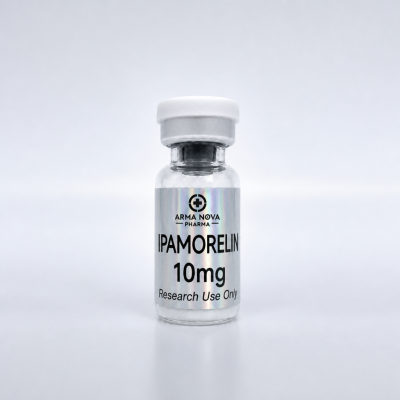
Ipamorelin UK: The Selective Growth Hormone Secretagogue for Researchers in 2026 Among the growth hormone-releasing peptides available to UK researchers, ipamorelin stands apart for a... Continue reading
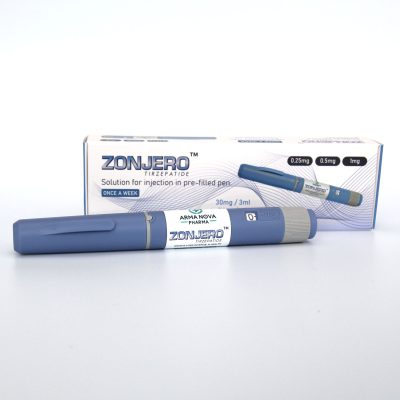
Tirzepatide 30mg UK: The Dual GIP/GLP-1 Receptor Agonist for Advanced Metabolic Research Tirzepatide represents the first dual glucose-dependent insulinotropic polypeptide (GIP) and glucagon-like peptide-1 (GLP-1)... Continue reading
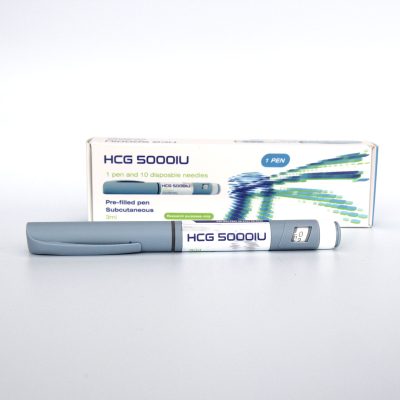
HCG 5000IU UK: Research-Grade Sourcing and Clinical Context Guide 2026 Human chorionic gonadotropin at the 5000 international unit dosage represents one of the most frequently... Continue reading
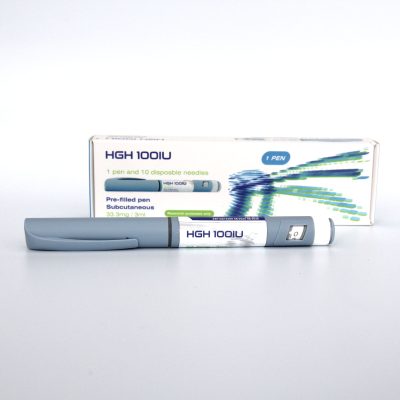
HGH 100 IU UK: Verified Research-Grade Sourcing, Purity Standards, and Regulatory Context for 2026 Securing genuine, laboratory-verified hgh 100 iu uk formulations presents distinct challenges... Continue reading
Add comment