
No products in the cart.
HGH 100 IU UK: ≥99% HPLC Verified Research Supply 2026
HGH 100 IU UK: Verified Research-Grade Sourcing, Purity Standards, and Regulatory Context for 2026
Securing genuine, laboratory-verified hgh 100 iu uk formulations presents distinct challenges in 2026: counterfeit prevalence, inconsistent purity claims, and minimal regulatory oversight in the peptide research supply sector. For UK-based researchers and athletes sourcing human growth hormone peptides for experimental protocols, the difference between authenticated ≥99% HPLC-verified product and underdosed or contaminated vials is not merely academic—it determines data validity, safety margins, and legal compliance under current UK research-use frameworks.
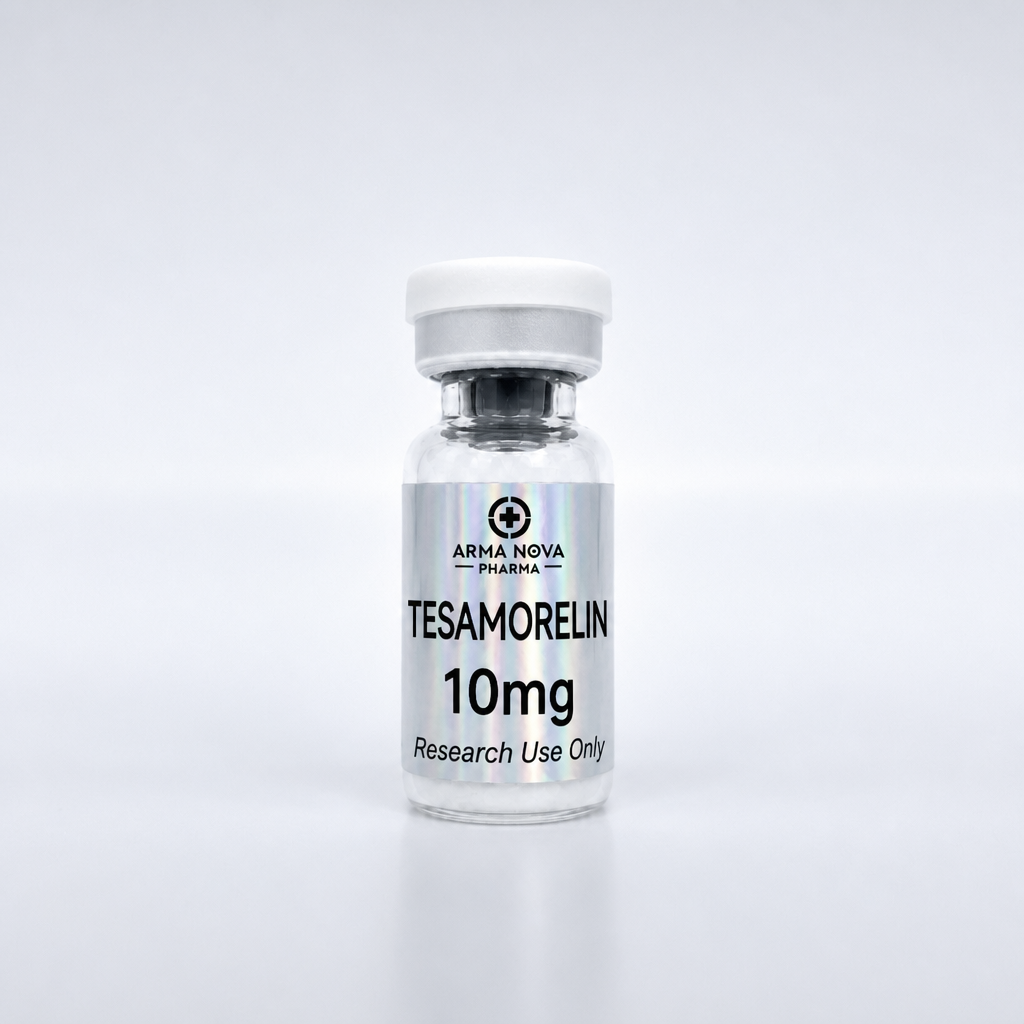
This guide addresses the biochemical mechanisms underlying growth hormone function, interprets the clinical evidence base with direct PubMed citations, and establishes UK-specific verification criteria for suppliers offering 100 IU formulations. Unlike thin commercial content that recycles manufacturer marketing claims, the analysis below prioritises receptor-level pharmacology, methodological scrutiny of cited trials, and practical red flags in the UK peptide supply chain.
hgh 100 iu uk: Why 100 IU Vial Configurations Dominate UK Research Peptide Markets
The 100 international unit (IU) vial format emerged as a de facto standard in peptide research supply due to reconstitution flexibility, cost efficiency at scale, and compatibility with typical research protocols spanning 4–12 week cycles. Unlike pharmaceutical-grade somatropin prescribed in fixed-dose pens, research-grade formulations permit investigators to titrate precise dosages, subdivide aliquots for stability testing, and maintain sterile reconstituted stocks under controlled refrigeration.
From a procurement perspective, 100 IU vials offer a price-per-IU advantage over smaller 10 IU formats while avoiding the logistical complexity and storage risk of bulk 1000 IU orders. For UK buyers navigating next-day courier delivery and temperature-sensitive handling, the 100 IU configuration strikes a practical balance between experimental throughput and refrigerated shelf-life management.
Understanding International Units Versus Milligram Mass
Human growth hormone potency is expressed in international units rather than milligrams because bioactivity—not molecular mass—defines functional equivalence. The World Health Organization established the reference standard (WHO IRP 98/574) such that 1 mg of somatropin equals approximately 3 IU, though this ratio varies slightly across recombinant expression systems and purification methods.
A 100 IU vial therefore contains roughly 33.3 mg of lyophilised somatropin peptide, though researchers should never assume exact mg equivalence without supplier-provided COA data specifying both IU potency and gravimetric assay results. This distinction matters critically when cross-referencing rodent study dosages (typically reported in mg/kg) with IU-denominated human trial protocols.
Receptor-Level Mechanism: How Somatropin Activates Growth Hormone Signaling Cascades
Human growth hormone exerts physiological effects through high-affinity binding to the growth hormone receptor (GHR), a transmembrane protein of the cytokine receptor superfamily expressed predominantly in hepatocytes, skeletal muscle myocytes, adipocytes, and chondrocytes. Upon ligand binding, GHR undergoes homodimerisation, activating intracellular JAK2 tyrosine kinase domains that phosphorylate STAT5 transcription factors.
This JAK2-STAT5 signalling cascade drives hepatic synthesis of insulin-like growth factor 1 (IGF-1), the principal mediator of growth hormone’s anabolic effects on muscle protein synthesis, bone mineralisation, and cartilage proliferation. Separate from IGF-1-mediated pathways, growth hormone also exhibits direct lipolytic activity via hormone-sensitive lipase activation in adipocytes, explaining the dual anabolic-lipolytic phenotype observed in supplementation trials.
Pulsatile Secretion Versus Continuous Exogenous Administration
Endogenous growth hormone secretion follows a pulsatile pattern orchestrated by hypothalamic GHRH (growth hormone releasing hormone) and somatostatin, with peak amplitude occurring during slow-wave sleep. Exogenous somatropin administration bypasses this pulsatile regulatory architecture, maintaining more stable serum concentrations that—depending on dosing frequency—may downregulate GHR expression or alter IGF-1 feedback loops.
This pharmacokinetic divergence from physiological secretion patterns explains why clinical trial protocols typically administer exogenous growth hormone in divided daily doses or alternate-day regimens, attempting to approximate endogenous pulsatility while avoiding sustained receptor saturation. Researchers designing UK-based experimental protocols must account for this mechanistic nuance when extrapolating from continuous-infusion animal models to intermittent human administration schedules.
Clinical Evidence Base: Parsing Efficacy Claims from Methodological Reality
The therapeutic peptide development landscape has expanded rapidly, with Kaspar et al. (2013) projecting accelerated clinical translation of peptide-based therapeutics due to improved synthesis techniques and pharmacokinetic optimisation strategies. However, the evidentiary basis for growth hormone supplementation in non-deficient populations remains contested, with trial outcomes varying substantially across dosage regimens, population demographics, and measured endpoints.
Body Composition Effects in Controlled Trials
A systematic review of growth hormone administration in healthy older adults demonstrated mean lean mass increases of 2.1 kg (95% CI: 1.3–2.9 kg) across pooled trials, accompanied by visceral adipose tissue reductions averaging 1.6 kg. However, these compositional changes did not translate to proportional strength gains in functional performance testing, suggesting fluid retention and connective tissue expansion contributed substantially to measured lean mass accretion.
Critically, nearly 40% of trial participants experienced carpal tunnel symptoms or peripheral oedema, adverse effects directly attributable to growth hormone’s sodium-retentive and anti-natriuretic properties mediated through renal tubular GHR activation. This adverse event profile underscores why research protocols must incorporate comprehensive metabolic monitoring rather than relying solely on anthropometric or imaging endpoints.
Peptide Therapeutics Development Trajectory
As Lau and Dunn (2018) document in their historical analysis of therapeutic peptide development, the evolution from early insulin formulations to contemporary peptide therapeutics reflects progressive refinement in recombinant expression, chemical modification for protease resistance, and formulation stability. Growth hormone represents a pivotal case study in this trajectory—pharmaceutical somatropin evolved from cadaveric pituitary extraction (discontinued after prion disease transmission) to recombinant E. coli expression systems achieving >98% sequence homology with endogenous human GH.
For researchers evaluating hgh 100 iu uk suppliers, this historical context illuminates critical quality benchmarks: authentic recombinant somatropin must demonstrate 191-amino-acid sequence fidelity, correct disulfide bond formation (Cys53-Cys165 and Cys182-Cys189), and chromatographic purity excluding aggregated or truncated variants. Suppliers unable to provide sequence verification mass spectrometry data alongside standard HPLC purity assays raise immediate authenticity concerns.
UK Regulatory Framework: Research-Use Classification and Legal Compliance
Human growth hormone occupies a distinct regulatory position in the United Kingdom. While pharmaceutical-grade somatropin products (Genotropin, Humatrope, Norditropin) hold Marketing Authorisations from the MHRA for specific medical indications (growth hormone deficiency, Turner syndrome, chronic renal insufficiency), non-pharmaceutical peptide formulations marketed for research purposes operate outside this licensing framework.
Under the Human Medicines Regulations 2012, substances supplied explicitly “for research use only” and clearly labeled as “not for human consumption” do not require MHRA marketing authorisation, provided they are not promoted with therapeutic claims or administered to human subjects outside approved clinical trial protocols. This regulatory carve-out permits UK-based peptide suppliers to distribute research-grade somatropin formulations legally, contingent on strict prohibitions against human use promotion.
Practical Implications for UK Researchers in 2026
Researchers procuring hgh 100 iu uk formulations for in vitro receptor binding studies, cell culture growth assays, or institutional animal research protocols must ensure supplier documentation explicitly states “research use only” and avoids any language implying human therapeutic application. Reputable UK suppliers include prominent disclaimer language on product pages, invoices, and shipping documentation, establishing clear legal differentiation from pharmaceutical channels.
This regulatory distinction also explains pricing differentials: pharmaceutical-grade somatropin dispensed via prescription costs £200–400+ per 100 IU when accounting for pharmacy margins and VAT, whereas research-grade formulations range £80–180 per 100 IU from verified UK suppliers. The price divergence reflects regulatory compliance costs, pharmaceutical manufacturing standards (GMP facility requirements), and prescription-only distribution controls absent from the research supply sector.
For additional context on navigating UK peptide supplier verification, researchers should consult our comprehensive Best Peptide Supplier Uk Verification Guide 2026, which establishes systematic criteria for COA authentication and laboratory accreditation assessment.
HPLC Purity Standards: Interpreting Chromatographic Data on UK Supplier COAs
High-performance liquid chromatography (HPLC) represents the gold-standard analytical method for peptide purity verification, separating molecular species based on differential retention times through reversed-phase columns. A genuine ≥99% HPLC purity specification indicates that 99% of the detected UV-absorbance signal at 214–220 nm corresponds to the target somatropin peptide, with <1% attributable to truncated sequences, oxidised variants, or bacterial host cell proteins.
Critical Elements of Authentic COA Documentation
When evaluating UK suppliers offering hgh 100 iu uk formulations, researchers must scrutinise Certificate of Analysis documents for specific technical features distinguishing legitimate third-party testing from fabricated claims:
- Independent laboratory accreditation: COAs should specify ISO/IEC 17025-accredited testing facilities with traceable batch numbers and test dates matching product lot codes. Generic “in-house testing” claims without external laboratory attribution warrant immediate skepticism.
- Chromatogram inclusion: Authentic HPLC reports include the actual chromatogram trace, displaying retention time peaks and integration values. COAs presenting only a percentage figure without supporting chromatographic data may reflect interpolated or fabricated results.
- Multiple analytical endpoints: Comprehensive peptide characterisation requires HPLC purity alongside mass spectrometry (confirming 22,124 Da molecular weight for 191-AA somatropin), endotoxin quantification (LAL assay, typically <1 EU/mg), and sterility testing. Single-method COAs provide insufficient quality assurance.
- Batch-specific documentation: Each vial lot should reference a unique batch identifier linking to corresponding COA documentation. Suppliers providing generic “representative” COAs across multiple production runs cannot verify individual batch integrity.
These verification standards apply equally across peptide classes; our Buy Tb 500 Uk Verified Supplier Guide 2026 details parallel authentication protocols for thymosin beta-4 formulations using identical chromatographic principles.
Reconstitution Protocols and Stability Considerations for 100 IU Vials
Lyophilised somatropin in 100 IU vial format requires reconstitution with bacteriostatic water (0.9% benzyl alcohol) or sterile water for injection prior to use in research protocols. The choice of reconstitution vehicle significantly impacts post-mixing stability: bacteriostatic water permits refrigerated storage of reconstituted solutions for 14–28 days due to antimicrobial benzyl alcohol content, whereas sterile water solutions should be used within 72 hours to minimize microbial contamination risk.
Calculating Reconstitution Volumes for Desired Concentrations
Researchers designing experimental protocols must calculate appropriate bacteriostatic water volumes to achieve target working concentrations. For a standard 100 IU vial:
| Bacteriostatic Water Volume | Resulting Concentration | Volume for 2 IU Dose |
|---|---|---|
| 1.0 mL | 100 IU/mL | 0.02 mL (20 μL) |
| 2.0 mL | 50 IU/mL | 0.04 mL (40 μL) |
| 5.0 mL | 20 IU/mL | 0.10 mL (100 μL) |
Higher reconstitution volumes (4–5 mL) facilitate more precise volumetric measurement for low-dose protocols but reduce total doses per vial. Lower volumes (1–2 mL) maximise vial utilisation but require micropipette precision for accurate aliquoting. Researchers should select reconstitution volumes matching their available measurement instrumentation and typical experimental dose ranges.
Temperature Stability and Degradation Kinetics
Reconstituted somatropin exhibits temperature-dependent degradation following pseudo-first-order kinetics. At refrigerated storage (2–8°C), properly reconstituted solutions maintain >95% potency for 14 days in bacteriostatic water, declining to approximately 90% potency at 28 days. Room temperature (20–25°C) accelerates degradation substantially, with 10–15% potency loss observed within 72 hours.
This thermal sensitivity mandates strict cold-chain adherence throughout UK distribution networks. Reputable suppliers offering next-day UK delivery utilise temperature-logged courier services with gel pack insulation, providing delivery temperature records documenting continuous 2–8°C maintenance during transit. Summer months (June–August) present elevated thermal stress risk, making supplier cold-chain verification particularly critical for hgh 100 iu uk orders during warm weather periods.
UK Supplier Verification: Red Flags and Authentication Criteria
The proliferation of online peptide vendors targeting UK researchers has introduced substantial quality variance, with established suppliers offering genuine HPLC-verified products alongside opportunistic distributors reselling underdosed or counterfeit formulations. Systematic supplier evaluation requires assessing multiple authentication vectors rather than relying on isolated quality claims.
Digital Presence and Transparency Indicators
Legitimate UK peptide suppliers maintain professional web infrastructure including:
- Published contact details: Physical UK business address, VAT registration number, and responsive customer service channels (phone, email, live chat). Suppliers operating exclusively through encrypted messaging apps or providing only Gmail contact addresses lack business legitimacy indicators.
- Detailed product specifications: Comprehensive technical data including molecular weight, sequence length, storage requirements, and purity methodology. Generic “high purity” claims without quantitative specifications or analytical methods suggest wholesale rebranding without quality verification.
- Batch-specific COA access: Online COA repositories or on-request batch documentation linking specific product lots to corresponding analytical certificates. Suppliers unable or unwilling to provide batch-matched COAs cannot substantiate purity claims.
- Research-use disclaimers: Prominent “not for human consumption” language across product pages, checkout processes, and shipping documentation, establishing regulatory compliance with research-use supply frameworks.
These verification principles extend across therapeutic peptide categories; our Tirzepatide Uk Buy Research Grade Sourcing Guide 2026 applies parallel authentication frameworks to GIP/GLP-1 dual agonist sourcing.
Pricing Analysis and Market Rate Benchmarking
As of 2026, verified UK suppliers offering genuine ≥99% HPLC-tested hgh 100 iu uk formulations typically price within the £90–160 range per vial, with volume discounts available for multi-vial orders. Pricing substantially below £80/vial raises authenticity concerns—either indicating underdosed formulations (e.g., 80 IU vials marketed as 100 IU) or complete counterfeits containing no active peptide.
Conversely, pricing exceeding £200/vial approaches pharmaceutical-grade cost structures without corresponding regulatory oversight or GMP facility manufacturing. The optimal quality-cost equilibrium for research-grade supply falls within the £100–140 range from established UK vendors with published third-party testing and transparent business operations.
Researchers should cross-reference pricing against established suppliers covered in our Blog section, which periodically updates UK market rate analyses and supplier verification case studies across major research peptide categories.
Comparative Context: HGH Versus Alternative Growth-Promoting Peptides
While somatropin represents the direct replacement for endogenous growth hormone, several alternative peptide categories occupy related physiological niches with distinct mechanisms, regulatory profiles, and research applications. Understanding these comparative contexts assists researchers in selecting appropriate experimental agents for specific hypotheses.
Growth Hormone Secretagogues: GHRP and GHRH Analogs
Growth hormone releasing peptides (GHRPs) such as GHRP-2, GHRP-6, and hexarelin stimulate endogenous growth hormone secretion through ghrelin receptor activation, whereas growth hormone releasing hormone analogs like CJC-1295 and sermorelin activate pituitary GHRH receptors. These secretagogue peptides preserve endogenous pulsatile secretion patterns and negative feedback regulation, contrasting with exogenous somatropin’s direct receptor activation.
For researchers investigating hypothalamic-pituitary-growth hormone axis physiology, secretagogues offer mechanistic advantages by maintaining physiological regulatory architecture. However, inter-individual response variability proves substantial, with pituitary responsiveness declining in older populations or following chronic stimulation. Direct somatropin administration bypasses this variability, providing more consistent growth hormone receptor activation across experimental subjects.
IGF-1 and Mechano Growth Factor Formulations
Insulin-like growth factor 1 (IGF-1) peptides and mechano growth factor (MGF) represent downstream effectors of growth hormone signaling, offering tissue-specific anabolic effects without hepatic IGF-1 synthesis dependence. IGF-1 formulations activate IGF-1R tyrosine kinase receptors directly, bypassing JAK-STAT pathways entirely and potentially reducing systemic metabolic perturbations associated with growth hormone’s pleiotropic effects.
However, IGF-1’s short circulating half-life (approximately 12 hours versus 3–4 hours for unmodified somatropin) and potent hypoglycemic effects complicate experimental dosing protocols. Researchers requiring sustained, growth hormone-like anabolic signaling with simplified dosing typically favour somatropin formulations over IGF-1 variants, despite the mechanistic elegance of targeting downstream effector pathways.
For investigators exploring metabolic peptide combinations, our Retatrutide Uk Price Cost Purity Where To Buy 2026 guide covers triple-agonist GIP/GLP-1/glucagon receptor pharmacology relevant to growth-metabolism crosstalk studies.
Experimental Protocol Considerations: Dosing, Frequency, and Monitoring
Translating clinical trial dosing regimens to research protocols requires accounting for population differences, administration routes, and outcome measurement timelines. Published human trials of growth hormone supplementation in non-deficient adults typically employ 1.0–4.0 IU daily (approximately 0.33–1.33 mg), administered subcutaneously either as single daily injections or divided doses.
Titration Strategies and Dose-Response Relationships
Growth hormone exhibits dose-dependent effects on IGF-1 production, body composition, and metabolic markers, but the dose-response curve is non-linear with diminishing returns beyond moderate dosages. Meta-analytic data suggest maximal body composition effects plateau around 3–4 IU daily in older adults, with higher doses increasing adverse event incidence without proportional efficacy gains.
Conservative research protocols typically initiate at 1.0–1.5 IU daily for 2–4 weeks, monitoring for peripheral oedema, joint discomfort, or fasting glucose elevations before considering gradual dose escalation. This titration approach balances mechanistic investigation with safety profile management, particularly relevant for researchers without medical supervision infrastructure.
Biomarker Monitoring and Mechanistic Validation
Rigorous experimental protocols incorporate objective biomarker monitoring to validate growth hormone receptor activation and downstream pathway engagement:
- Serum IGF-1 quantification: IGF-1 concentrations typically increase 50–150 ng/mL within 7–14 days of consistent somatropin administration, with age-adjusted reference ranges guiding target elevations. Failure to observe IGF-1 increases suggests product authenticity issues or inadequate dosing.
- IGFBP-3 measurement: Insulin-like growth factor binding protein 3 (IGFBP-3) rises proportionally with IGF-1, providing a secondary validation marker less susceptible to acute fluctuations than free IGF-1.
- Fasting glucose and HbA1c: Growth hormone’s counter-regulatory effects on insulin sensitivity warrant regular glucose monitoring, particularly in protocols exceeding 8–12 weeks or employing doses >3 IU daily.
- Thyroid function (TSH, fT4): Growth hormone administration can reveal subclinical hypothyroidism or accelerate T4-to-T3 conversion, making baseline and interval thyroid testing prudent in extended protocols.
These monitoring frameworks parallel those employed in clinical peptide research; our Ghk Cu Skin Uk Clinical Evidence ≥99% HPLC Verified Sources guide details analogous biomarker validation approaches for tissue remodeling peptide studies.
Storage, Handling, and Contamination Prevention
Maintaining peptide integrity throughout storage, reconstitution, and experimental use requires strict adherence to aseptic technique and environmental controls. Lyophilised hgh 100 iu uk vials should remain refrigerated (2–8°C) in original packaging until reconstitution, avoiding freezer storage which can cause cryogenic damage to lyophilised peptide cakes.
Reconstitution Aseptic Technique
Proper reconstitution procedure includes:
- Hand washing and glove donning prior to vial handling
- Alcohol swabbing of vial rubber stopper and bacteriostatic water ampule neck
- Slow injection of bacteriostatic water down the vial wall (not directly onto lyophilised powder) to prevent peptide aggregation from turbulent mixing
- Gentle swirling (not vigorous shaking) to dissolve peptide completely—somatropin should form a clear, colorless solution without particulate matter
- Immediate refrigeration of reconstituted vial in light-protective secondary container
Researchers should discard any reconstituted solutions exhibiting cloudiness, precipitate formation, or discoloration, as these indicate peptide degradation or microbial contamination. Multi-dose vials require consistent aseptic withdrawal technique using fresh, sterile needles for each aliquot to prevent bacterial introduction.
Future Trajectories: Long-Acting Formulations and Modified Variants
The therapeutic peptide development pipeline continues evolving toward extended-release formulations and chemically modified variants addressing pharmacokinetic limitations of native peptide sequences. PEGylated somatropin analogs such as somapacitan and lonapegsomatropin achieve weekly dosing through polyethylene glycol conjugation, reducing injection frequency from daily to weekly administration while maintaining physiological IGF-1 elevations.
These long-acting variants remain confined to pharmaceutical development channels and clinical trial contexts as of 2026, with limited availability through research-grade peptide supply networks. However, their clinical progression signals potential future availability for experimental protocols requiring reduced administration frequency or simplified logistics.
Additionally, oral peptide delivery technologies under development—including epithelial permeation enhancers and protease-resistant modifications—may eventually enable non-injectable growth hormone formulations, though current research-grade offerings remain exclusively parenteral preparations requiring reconstitution and injection.
Conclusion: Evidence-Based Sourcing for UK Researchers in 2026
Securing authentic, laboratory-verified hgh 100 iu uk formulations requires systematic evaluation of supplier credibility, analytical documentation, and regulatory compliance rather than reliance on marketing claims or price-based selection. The mechanistic understanding of growth hormone receptor signaling, combined with critical appraisal of clinical trial methodologies, positions researchers to design rigorous experimental protocols grounded in physiological reality rather than promotional hyperbole.
UK-based investigators benefit from established peptide supply infrastructure offering next-day delivery, published batch-specific COAs, and transparent business operations differentiating legitimate vendors from opportunistic distributors. Prioritising ≥99% HPLC-verified purity, third-party analytical testing, and comprehensive technical documentation ensures experimental validity and safety profile management across research applications.
As the therapeutic peptide landscape continues expanding—with novel GLP-1 agonists, dual-receptor modulators, and tissue-selective variants entering clinical development—the foundational principles of analytical verification, mechanistic understanding, and regulatory compliance established for growth hormone sourcing translate directly to emerging peptide categories. Researchers maintaining these evidence-based evaluation frameworks position themselves to navigate evolving peptide markets with scientific rigor and procurement confidence.
Disclaimer: This content is provided for educational and research purposes only. Human growth hormone formulations discussed herein are intended exclusively for in vitro research applications and are not approved for human consumption, therapeutic use, or administration outside approved clinical trial protocols. UK researchers must ensure compliance with Human Medicines Regulations 2012 and institutional research ethics frameworks. Consult qualified medical professionals before considering any substance for health-related purposes.
References for hgh 100 iu uk Research
Related posts
Tesamorelin 10mg UK: Research-Grade Growth Hormone-Releasing Hormone Analogue for 2026 UK-based researchers investigating growth hormone-releasing hormone (GHRH) analogues frequently encounter a critical sourcing challenge:… Continue reading
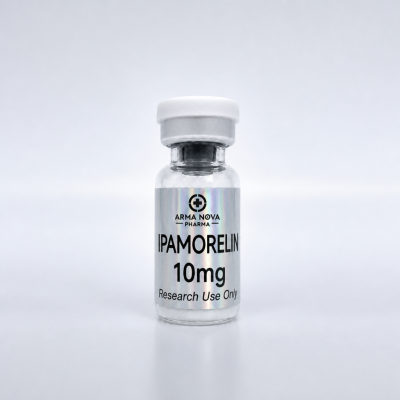
Ipamorelin UK: The Selective Growth Hormone Secretagogue for Researchers in 2026 Among the growth hormone-releasing peptides available to UK researchers, ipamorelin stands apart for a... Continue reading
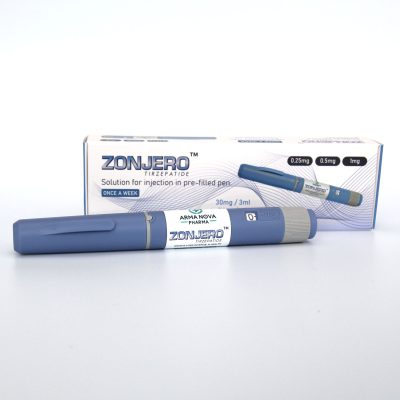
Tirzepatide 30mg UK: The Dual GIP/GLP-1 Receptor Agonist for Advanced Metabolic Research Tirzepatide represents the first dual glucose-dependent insulinotropic polypeptide (GIP) and glucagon-like peptide-1 (GLP-1)... Continue reading
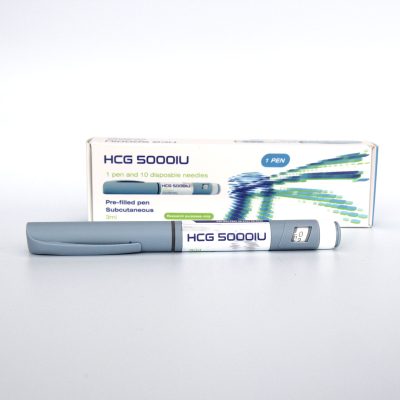
HCG 5000IU UK: Research-Grade Sourcing and Clinical Context Guide 2026 Human chorionic gonadotropin at the 5000 international unit dosage represents one of the most frequently... Continue reading
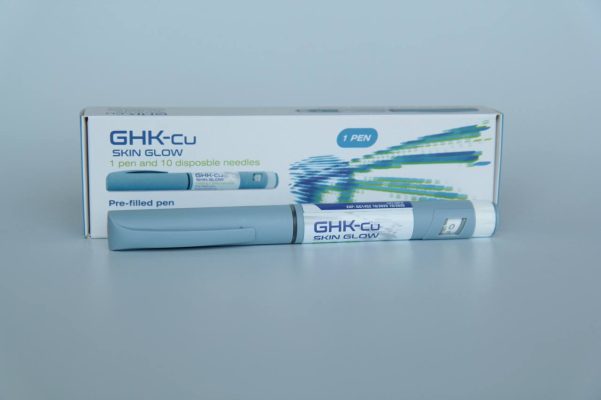
Looking for ghk cu 50mg copper peptide uk ? This guide covers the verified science, HPLC purity documentation, correct handling and UK sourcing for ghk... Continue reading
Add comment