
No products in the cart.
Tesamorelin 10mg UK: Research-Grade GHRH Peptide 2026
Tesamorelin 10mg UK: Research-Grade Growth Hormone-Releasing Hormone Analogue for 2026
UK-based researchers investigating growth hormone-releasing hormone (GHRH) analogues frequently encounter a critical sourcing challenge: accessing pharmaceutical-grade Tesamorelin 10mg with verified analytical certification and dependable domestic delivery. While tesamorelin 10mg UK has gained recognition in metabolic research circles since its FDA approval in 2010 for HIV-associated lipodystrophy, the peptide’s unique structural modifications and receptor selectivity demand rigorous purity standards that many commercial suppliers fail to meet consistently.
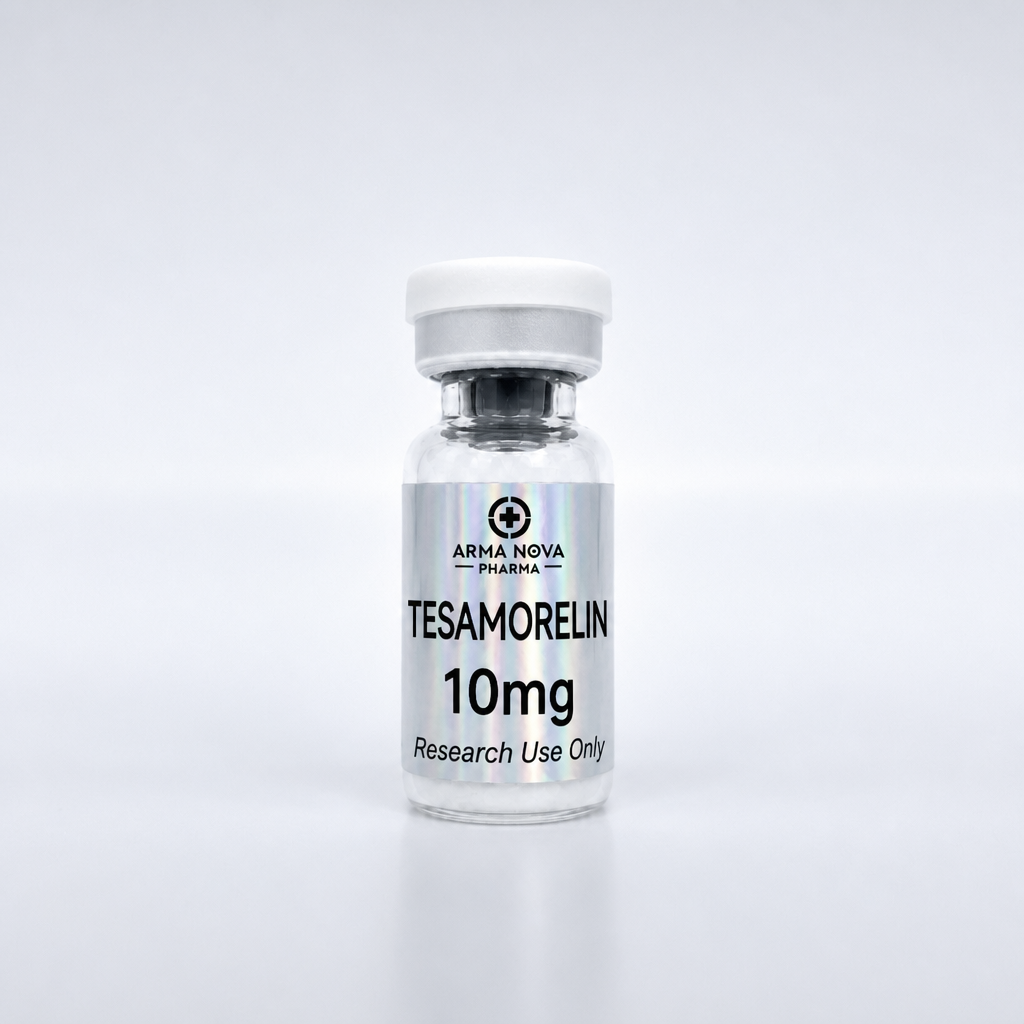
Tesamorelin (also designated as TH9507 or Egrifta™ in clinical contexts) represents a synthetic 44-amino acid peptide with a specific trans-3-hexenoic acid modification at the N-terminus. This structural enhancement extends the peptide’s half-life from approximately 7 minutes for native GHRH-44 to 38-49 minutes, enabling sustained pituitary stimulation without the receptor desensitization observed with continuous GHRH exposure. The distinction matters significantly in research applications examining pulsatile GH secretion patterns.
This article provides UK researchers with the biochemical context, clinical trial evidence, and practical sourcing criteria necessary to evaluate tesamorelin for research use under UK regulatory frameworks. All product references pertain exclusively to research-grade materials supplied with batch-specific certificates of analysis (COAs) confirming ≥99% HPLC-verified purity, available for next-day UK delivery from domestic inventory.
Molecular Mechanism: How Tesamorelin Activates the GHRH Receptor Pathway
Tesamorelin functions as a selective agonist of the growth hormone-releasing hormone receptor (GHRH-R), a G-protein coupled receptor (GPCR) predominantly expressed on somatotroph cells in the anterior pituitary. Understanding the precise activation mechanism clarifies why tesamorelin demonstrates functional superiority over both native GHRH and earlier synthetic analogues.
Upon binding to GHRH-R, tesamorelin triggers conformational changes that activate adenylyl cyclase via Gαs protein coupling. This enzymatic activation increases intracellular cyclic adenosine monophosphate (cAMP) concentrations, which subsequently activates protein kinase A (PKA). PKA phosphorylates voltage-gated calcium channels, increasing calcium influx and ultimately triggering exocytosis of growth hormone-containing secretory granules.
The N-terminal trans-3-hexenoic acid modification differentiates tesamorelin from native GHRH(1-44)-NH₂ by providing lipophilic anchoring that enhances receptor binding affinity and slows enzymatic degradation by dipeptidyl peptidase-4 (DPP-4) and neutral endopeptidase 24.11. Pharmacokinetic studies demonstrate a Tmax of approximately 0.15 hours following subcutaneous administration, with an elimination half-life of 26-38 minutes in human subjects—substantially longer than the 6.8-minute half-life of unmodified GHRH.
Critically, tesamorelin preserves the pulsatile GH secretion pattern characteristic of endogenous GHRH signaling, unlike exogenous recombinant GH which provides continuous supraphysiological levels. This distinction proves relevant in research contexts examining the differential metabolic effects of pulsatile versus continuous GH exposure, particularly regarding insulin sensitivity and lipid metabolism.
Clinical Evidence: Published Trial Data on Tesamorelin
The evidentiary foundation for tesamorelin derives primarily from Phase 2 and Phase 3 clinical trials conducted between 2005 and 2010, focused on HIV-associated lipodystrophy characterized by visceral adipose tissue (VAT) accumulation. These trials provide the highest-quality human data currently available on tesamorelin’s effects on body composition and metabolic parameters.
The Pivotal VAT Reduction Trials (2008-2010)
Two identical, randomized, double-blind, placebo-controlled Phase 3 trials enrolled 816 HIV-positive adults with abdominal obesity (waist circumference >95 cm for men, >94 cm for women). Subjects received either tesamorelin 2 mg subcutaneously daily or placebo for 26 weeks. Primary endpoint analysis demonstrated a mean VAT reduction of -15.2% in tesamorelin-treated subjects versus +5.5% in placebo controls (p<0.0001).
Importantly, the VAT reduction occurred without proportional changes in subcutaneous adipose tissue (SAT), suggesting selective mobilization of visceral fat depots. Secondary endpoints revealed mean reductions in trunk fat (-1.0 kg), triglycerides (-33 mg/dL in subjects with baseline TG ≥150 mg/dL), and modest improvements in IGF-1 levels (+79.8 ng/mL). No significant changes occurred in fasting glucose or HbA1c among subjects without baseline glucose abnormalities.
Follow-up extension studies examined durability of effect, demonstrating VAT rebound upon discontinuation but restoration of reduction upon resumption, confirming a pharmacological rather than permanent metabolic reprogramming effect. This reversibility characterizes peptide therapeutics more broadly, as noted by Kaspar et al. (2013) in their analysis of peptide therapeutic development trajectories.
Growth Hormone and IGF-1 Response Kinetics
Pharmacodynamic studies conducted during Phase 1 dose-finding trials measured GH secretory response following single-dose tesamorelin administration. Peak GH concentrations occurred approximately 20 minutes post-injection, with mean peak levels of 9.5-18.8 ng/mL at doses ranging from 0.5-2.0 mg (dose-dependent response).
Chronic administration over 26 weeks produced sustained elevations in IGF-1 levels, with median increases of approximately 90-100 ng/mL from baseline. Notably, IGF-1 levels remained within or near the upper normal reference range for most subjects, rather than reaching supraphysiological concentrations typical of exogenous GH administration. This distinction carries significant safety implications regarding potential proliferative effects on insulin-like growth factor signaling pathways.
The development pathway for tesamorelin reflects broader trends in peptide therapeutic optimization, where structural modifications balance efficacy, stability, and safety profiles—a developmental strategy extensively reviewed by Lau and Dunn (2018) in their historical analysis of therapeutic peptide evolution.
Tesamorelin 10mg UK: Sourcing Criteria and Quality Verification
For UK researchers requiring authentic tesamorelin 10mg UK supply, distinguishing pharmaceutical-grade material from underdosed or contaminated products requires specific verification protocols. The following criteria represent minimum quality thresholds for legitimate research use.
HPLC Purity Verification Requirements
High-performance liquid chromatography (HPLC) remains the gold-standard analytical method for peptide purity assessment. Legitimate Tesamorelin For Sale Uk Clinical Grade Research Supply should provide batch-specific HPLC chromatograms demonstrating ≥99% purity, with clearly identified retention time peaks and quantified impurity profiles.
Critical quality markers include:
- Total peptide content: HPLC area-under-curve (AUC) analysis confirming ≥99% purity by analytical measurement
- Related peptide impurities: Individual impurity peaks not exceeding 0.5%, total impurities <1.0%
- Deletion sequences: Absence of truncated peptide fragments lacking key amino acid residues
- Oxidation products: Quantification of oxidized methionine or tryptophan residues, which can compromise receptor binding affinity
- Acetate/TFA counterion content: Specification of counterion type and mass percentage, as this affects accurate dosing calculations
The 10mg designation refers to the net peptide mass, excluding counterion and lyophilization excipients. Researchers should verify whether stated mass reflects peptide content alone or includes counterions (typically trifluoroacetate salt), as this affects accurate reconstitution calculations for target molar concentrations.
Certificate of Analysis (COA) Requirements
Each batch should include a published COA documenting:
- Batch/lot number with manufacturing date
- HPLC purity percentage with chromatogram
- Mass spectrometry (MS) molecular weight confirmation (theoretical MW for tesamorelin: approximately 5136 Da)
- Peptide content (% w/w) accounting for counterion contribution
- Storage conditions and expiration dating based on stability testing
- Testing laboratory accreditation (ISO 17025 or equivalent)
Suppliers unable or unwilling to provide batch-specific COAs upon request should be excluded from consideration, regardless of pricing. The proliferation of underdosed or misidentified peptides in commercial channels represents a persistent quality challenge across research peptide markets.
UK Delivery and Storage Considerations
Tesamorelin’s structural stability requires cold-chain management during shipping and storage. Lyophilized powder should be shipped with cold packs (2-8°C) and stored at -20°C until reconstitution. UK next-day delivery from domestic inventory (rather than international shipment requiring customs clearance) minimizes temperature excursion risks during transit.
Following reconstitution with bacteriostatic water or sterile saline, reconstituted solution remains stable for approximately 7-14 days when refrigerated at 2-8°C, though freeze-thaw cycles should be avoided as they promote aggregation and loss of potency. Researchers planning extended experimental timelines should maintain multiple single-use aliquots rather than repeatedly accessing a single vial.
UK Regulatory Context: Research Use Classification
Within the United Kingdom, tesamorelin occupies a distinct regulatory classification that determines lawful use contexts. Understanding this framework prevents inadvertent non-compliance while enabling legitimate research applications.
Medicines and Healthcare Products Regulatory Agency (MHRA) Status
Tesamorelin is not currently approved by the MHRA for clinical use in the UK, though it holds FDA approval in the United States under the brand name Egrifta™ for treatment of excess abdominal fat in HIV-infected patients with lipodystrophy. This approval status differential means tesamorelin cannot be lawfully prescribed, dispensed, or administered for therapeutic purposes within UK healthcare settings without specific importation authorization.
However, research-grade tesamorelin remains legal to possess, supply, and use for bona fide laboratory research purposes under UK law. The critical distinction centers on intended use: materials marketed and sold explicitly “for research use only” (RUO) with appropriate labeling and documentation fall outside MHRA therapeutic goods regulation, provided they are not diverted to human consumption or therapeutic application.
Human Medicines Regulations 2012 Compliance
Under the Human Medicines Regulations 2012, substances become regulated “medicinal products” when placed on the market “for treating or preventing disease in human beings” or for administration “with a view to restoring, correcting, or modifying physiological functions.” Research-grade peptides supplied with explicit RUO labeling and accompanied by technical documentation (COAs, storage instructions, reconstitution protocols for in vitro use) typically fall outside this definition when genuinely intended for laboratory investigation.
UK researchers should maintain clear documentation of research intent, institutional affiliation (where applicable), and experimental protocols to substantiate legitimate research use if questioned. Personal possession without demonstrable research context may invite regulatory scrutiny regarding intended use.
Anti-Doping Regulations (WADA Prohibited List)
Tesamorelin appears on the World Anti-Doping Agency (WADA) Prohibited List under Section S2 (Peptide Hormones, Growth Factors, Related Substances, and Mimetics), specifically as a growth hormone releasing factor. This classification prohibits use by athletes subject to WADA Code compliance at all times (both in-competition and out-of-competition).
UK researchers affiliated with sports science programs or working with athletic populations must ensure tesamorelin research protocols comply with institutional ethics approvals and do not facilitate anti-doping rule violations. The peptide’s detection window in biological matrices (urine, blood) via LC-MS/MS methodology extends approximately 24-48 hours post-administration, though metabolites may persist longer.
Comparative Context: Tesamorelin Versus Alternative GH Secretagogues
UK researchers selecting among growth hormone-modulating peptides should understand tesamorelin’s functional distinctions from related compounds, as mechanism-of-action differences produce divergent physiological outcomes.
Tesamorelin vs. GH-Releasing Peptides (GHRPs)
While tesamorelin activates the GHRH receptor, GH-releasing peptides such as hexarelin and GHRP-6 bind the ghrelin receptor (growth hormone secretagogue receptor, GHS-R1a). This receptor difference produces distinct downstream effects: GHRPs stimulate appetite via hypothalamic orexigenic pathways (a characteristic absent with GHRH-R agonism), and they demonstrate greater GH release per unit dose but less physiological pulsatility.
Research comparing tesamorelin to GHRP-2 in healthy older adults demonstrated comparable peak GH secretion, but tesamorelin produced more sustained IGF-1 elevation over 24 weeks without the pronounced appetite stimulation characteristic of ghrelin pathway activation. For research applications examining metabolic effects independent of caloric intake changes, this distinction proves experimentally significant.
Tesamorelin vs. CJC-1295 (Modified GHRH)
CJC-1295 represents an alternative GHRH analogue with Drug Affinity Complex (DAC) technology extending half-life to approximately 6-8 days via albumin binding. While this prolonged action enables less frequent dosing (weekly vs. daily), it sacrifices the physiological pulsatility preserved by tesamorelin’s shorter half-life.
Preliminary evidence suggests continuous GH elevation (as produced by DAC-modified peptides) may differentially affect insulin sensitivity compared to pulsatile stimulation, though head-to-head comparative trials remain limited. Researchers investigating pulsatile versus tonic GH signaling effects should recognize this pharmacokinetic distinction as experimentally relevant.
Tesamorelin vs. Synthetic GH (Somatropin)
Recombinant human growth hormone (rhGH/somatropin) provides exogenous GH directly, bypassing pituitary regulation entirely. This produces supraphysiological, non-pulsatile GH levels that more potently increase IGF-1 but also demonstrate greater propensity for insulin resistance, edema, and negative feedback suppression of endogenous GH secretion.
Tesamorelin’s indirect mechanism preserves negative feedback regulation via somatostatin, preventing the receptor downregulation and axis suppression observed with chronic exogenous GH. For research examining physiological (rather than pharmacological) GH augmentation, tesamorelin offers a more translatable model.
Researchers interested in alternative peptide mechanisms may also consider Mots C 10mg Uk Research Guide for mitochondrial-derived peptide pathways, Bpc 157 10mg Peptide for cytoprotective signaling research, or Tb500 10mg for tissue repair pathway investigation—each representing mechanistically distinct research tools.
Reconstitution and Handling Protocols for Research Applications
Proper reconstitution technique directly affects peptide stability, aggregation risk, and experimental reproducibility. The following protocol reflects standard practice for tesamorelin 10mg UK research-grade material.
Materials Required
- Lyophilized tesamorelin 10mg vial (stored at -20°C)
- Bacteriostatic water (0.9% benzyl alcohol) or sterile water for injection
- Sterile syringes (1-3 mL capacity with Luer-lock)
- Alcohol swabs for vial stopper disinfection
- Refrigerated storage container (2-8°C)
Reconstitution Procedure
- Temperature equilibration: Remove tesamorelin vial from freezer storage and allow to reach room temperature (approximately 15-20 minutes) to prevent thermal shock during reconstitution.
- Solvent preparation: For 10mg tesamorelin, add 2.0 mL bacteriostatic water to achieve 5 mg/mL concentration (alternative volumes: 1.0 mL for 10 mg/mL or 4.0 mL for 2.5 mg/mL, depending on target dosing requirements).
- Addition technique: Insert needle at an angle against vial wall, allowing solvent to flow gently down the side rather than directly onto lyophilized cake. This minimizes mechanical shearing forces that can denature peptide structure.
- Mixing method: Gently swirl vial in circular motion. Do NOT shake vigorously, as this introduces air bubbles and shear stress promoting aggregation. Solution should become clear within 1-2 minutes; persistent cloudiness indicates aggregation or contamination.
- Storage: Store reconstituted solution at 2-8°C (refrigerated) and use within 14 days. For extended studies, prepare multiple small-volume aliquots and freeze at -20°C for single-use thawing.
Dosing Calculations for Research Contexts
Translating human clinical doses (typically 2 mg daily) to in vitro or animal model contexts requires pharmacokinetic scaling. For rodent models, allometric scaling based on body surface area typically converts human doses using a factor of approximately 0.162 for mice and 0.162 for rats (depending on specific strain body weight).
For example, a 2 mg human dose (approximately 0.028 mg/kg for 70 kg individual) scales to approximately 0.22 mg/kg for a 25g mouse, or 5.5 μg per animal. Researchers should confirm dosing rationale with published preclinical literature in target species and adjust for experimental endpoints (acute GH stimulation vs. chronic metabolic effects).
Potential Research Applications and Experimental Contexts
While the following discussion addresses research contexts documented in published literature, all references pertain exclusively to laboratory investigation—not therapeutic application.
Metabolic Research: Lipid Mobilization and Visceral Adiposity
The most extensively documented research application involves investigating mechanisms of selective visceral fat reduction. Proposed mechanisms include:
- GH-mediated upregulation of hormone-sensitive lipase (HSL) and adipose triglyceride lipase (ATGL) in visceral adipocytes
- Increased fatty acid oxidation via peroxisome proliferator-activated receptor signaling
- Differential receptor expression patterns between visceral and subcutaneous adipose depots
Animal model research could examine depot-specific lipolytic responses, gene expression profiling of adipose tissue following tesamorelin exposure, and interaction effects with dietary interventions or exercise protocols. Such research contributes to fundamental understanding of GH’s tissue-selective metabolic effects.
Neuroendocrine Research: Pituitary Function and Aging
The age-related decline in GH secretion (somatopause) represents an active research area investigating whether restoration of youthful GH pulsatility affects cognitive function, sleep architecture, or muscle protein synthesis. Tesamorelin provides a tool for examining pituitary responsiveness across lifespan, potentially distinguishing hypothalamic vs. pituitary contributions to somatopause.
Research protocols might compare GH secretory responses to tesamorelin in young versus aged animal models, examining whether age-related GH decline stems from reduced GHRH secretion (preserved tesamorelin response) or pituitary somatotroph depletion/dysfunction (blunted response despite GHRH-R stimulation).
Cardiovascular and Metabolic Disease Models
Given associations between visceral adiposity and cardiometabolic risk (insulin resistance, atherogenic dyslipidemia, systemic inflammation), research models examining whether GH-mediated VAT reduction translates to improved metabolic parameters offer translational relevance. Key questions include whether lipid mobilization improves insulin sensitivity or paradoxically worsens it (via increased circulating free fatty acids), and whether inflammatory marker profiles (IL-6, TNF-α, CRP) improve secondary to adipose reduction.
Such research requires careful experimental design accounting for GH’s complex, sometimes opposing metabolic effects: lipolytic and protein-anabolic effects versus insulin-antagonistic actions during active GH elevation.
Safety Profile and Contraindications From Clinical Data
Understanding tesamorelin’s safety profile from human clinical trials informs appropriate experimental design and risk assessment in research contexts.
Common Adverse Events in Clinical Trials
The Phase 3 trials reported adverse event rates of approximately 79% in tesamorelin groups versus 69% in placebo groups, though most events were mild-to-moderate severity. The most frequent treatment-related adverse events included:
- Injection site reactions (ISRs): Erythema, pruritus, pain, or irritation occurring in approximately 26% of tesamorelin-treated subjects versus 12% placebo. Most resolved spontaneously within 5-7 days.
- Arthralgias: Joint pain or stiffness reported in approximately 13% of subjects, potentially related to fluid retention effects of elevated GH/IGF-1.
- Peripheral edema: Mild fluid retention occurring in approximately 6% of subjects, typically resolving with continued treatment or dose interruption.
- Muscle pain/myalgia: Reported in approximately 6% of subjects, mechanism unclear but possibly related to altered muscle protein turnover.
Glucose Metabolism Considerations
Clinical trials monitored glucose parameters closely due to GH’s known insulin-antagonistic effects. Among subjects without baseline diabetes, mean fasting glucose increased by approximately 3 mg/dL and HbA1c by 0.09%—small changes remaining within normal range. However, approximately 6% of subjects developed impaired fasting glucose or glucose intolerance during treatment.
Among subjects with pre-existing diabetes, a higher proportion (approximately 10%) experienced worsening glycemic control, prompting more frequent discontinuations. This finding suggests GH’s insulin-antagonistic effects predominate in insulin-resistant populations, whereas metabolically healthy individuals tolerate GH elevation with minimal glucose dysregulation.
IGF-1 Elevation and Proliferative Concerns
Theoretical concerns about IGF-1-mediated tumor promotion prompted careful malignancy monitoring in clinical trials. No increased cancer incidence emerged during the 26-52 week trial periods, though this duration remains insufficient to detect slowly developing malignancies. Subjects with active malignancy were excluded from trials, and any history of malignancy within 5 years constituted an exclusion criterion.
Retinal examination for diabetic retinopathy progression occurred at baseline and study completion; no increased retinopathy progression rate was observed compared to placebo. However, these findings pertain to relatively short exposure durations in selected populations, limiting generalizability to longer-term or higher-dose scenarios.
UK Pricing Context and Cost-Effectiveness Considerations
Research-grade peptide procurement represents a significant budget allocation for many UK laboratories. Understanding pricing benchmarks enables quality assessment, as dramatic price discrepancies often signal purity or authentication concerns.
Legitimate ≥99% HPLC-verified tesamorelin 10mg UK typically ranges £85-145 per vial when sourced from verified domestic suppliers with published COAs. Pricing below £60 per 10mg vial should trigger scrutiny regarding actual peptide content, purity level, or authentication (misidentified compounds sold as tesamorelin occur occasionally in commercial channels).
Conversely, pricing exceeding £200 per 10mg vial often reflects brand premium rather than superior quality, unless accompanied by additional certifications (pharmaceutical GMP manufacturing, sterility testing beyond standard research-grade specifications). Most academic and private research applications find optimal cost-quality balance in the £95-130 range from suppliers providing:
- Batch-specific HPLC chromatograms and COAs
- Mass spectrometry molecular weight confirmation
- UK domestic stock (next-day delivery capability)
- Responsive technical support for reconstitution/storage questions
Bulk purchasing (5+ vials) typically enables 10-20% volume discounting, though researchers should verify identical batch sourcing across multi-vial orders to ensure experimental consistency. Given the peptide’s sensitivity to temperature excursion and storage duration, purchasing 3-6 month supplies aligned with experimental timelines proves more practical than excessive stockpiling.
Storage Stability and Shelf-Life Data
Peptide degradation kinetics affect experimental reproducibility, particularly in longitudinal studies spanning months. Understanding tesamorelin’s stability envelope prevents premature potency loss.
Lyophilized tesamorelin stored at -20°C in sealed vials demonstrates stability exceeding 24 months based on manufacturer stability testing under ICH guidelines (pharmaceutical storage conditions). Accelerated stability testing at elevated temperatures (40°C/75% RH) shows degradation onset after approximately 2-3 months, confirming the necessity of frozen storage for extended shelf-life.
Following reconstitution with bacteriostatic water, refrigerated storage (2-8°C) maintains ≥95% potency for approximately 14 days. Frozen storage of reconstituted solution at -20°C extends stability to approximately 60-90 days, though repeated freeze-thaw cycles progressively reduce potency by 3-5% per cycle due to aggregation and precipitation of denatured peptide.
For optimal experimental consistency, researchers should:
- Aliquot large reconstituted volumes into single-use portions (e.g., 0.5 mL aliquots from 2.0 mL reconstituted volume)
- Freeze aliquots immediately after initial reconstitution
- Thaw individual aliquots only once, immediately before use
- Track freeze-thaw history to correlate with any dose-response variability
Analytical Method Development: Quantifying Tesamorelin in Biological Matrices
Researchers examining tesamorelin pharmacokinetics or biodistribution require validated analytical methods for peptide quantification in plasma, tissue homogenates, or cell culture media.
LC-MS/MS Detection Parameters
Liquid chromatography-tandem mass spectrometry (LC-MS/MS) provides the requisite sensitivity and specificity for tesamorelin quantification. Typical method parameters include:
- Chromatographic separation: Reverse-phase C18 column (2.1 × 100 mm, 1.7 μm particle size) with acetonitrile/water gradient containing 0.1% formic acid
- Ionization mode: Positive electrospray ionization (ESI+)
- Mass transitions: Multiple reaction monitoring (MRM) of characteristic peptide fragment ions (specific m/z values depend on fragmentation pattern optimization)
- Lower limit of quantification (LLOQ): Typically 0.1-0.5 ng/mL in plasma with 100-200 μL sample volume
- Sample preparation: Protein precipitation (acetonitrile or methanol) or solid-phase extraction (SPE) to remove matrix interferences
Immunoassay Considerations
While ELISA kits for GH and IGF-1 quantification are commercially available and widely used, no validated tesamorelin-specific immunoassay currently exists for research use. Cross-reactivity with endogenous GHRH in GH assays necessitates careful experimental design distinguishing tesamorelin-stimulated GH release from basal secretion.
Time-course sampling protocols typically collect baseline samples prior to tesamorelin administration, followed by serial sampling at 10-15 minute intervals for 2-3 hours to capture peak GH response and return toward baseline. This sampling intensity enables area-under-curve (AUC) calculations quantifying total GH secretory response.
Future Research Directions and Unresolved Questions
Despite two decades of tesamorelin research since initial development, significant knowledge gaps remain regarding optimal use contexts, long-term effects, and mechanistic nuances.
Combination Strategies With Metabolic Interventions
No published trials examine tesamorelin combined with intermittent fasting, ketogenic diets, or exercise training—combinations potentially producing synergistic fat mobilization through complementary mechanisms (hormonal stimulation plus metabolic partitioning). Research protocols examining interaction effects could clarify whether timing of tesamorelin administration relative to feeding/fasting windows or exercise affects efficacy.
Sex Differences in Response Magnitude
Post-hoc subgroup analyses from clinical trials suggested potentially greater VAT reduction in male versus female subjects, though studies were not powered for sex-stratified analysis. Sex differences in GH physiology (higher basal GH in females, different secretory pulse patterns) may affect tesamorelin response, warranting dedicated investigation in research models.
Cognitive and Neuroprotective Effects
GH/IGF-1 signaling influences hippocampal neurogenesis, synaptic plasticity, and amyloid clearance in preclinical models. Whether tesamorelin-mediated GH restoration affects cognitive outcomes in aging or neurodegenerative disease models remains unexplored, representing a potential research avenue connecting metabolic and neurological domains.
Such investigations might examine spatial memory performance, neuroinflammatory markers, or protein aggregate accumulation in aged animal models receiving chronic tesamorelin treatment compared to controls.
Practical Considerations for UK Research Protocol Design
UK researchers incorporating tesamorelin into experimental protocols should address several practical design elements to optimize data quality and regulatory compliance.
Institutional Ethics and Governance
Animal research involving tesamorelin requires Home Office licensing under the Animals (Scientific Procedures) Act 1986 (ASPA). Project license applications should specify:
- Scientific justification for tesamorelin selection over alternative approaches
- Dose selection rationale based on allometric scaling from human data or published preclinical studies
- Humane endpoints and adverse effect monitoring protocols (particularly for glucose dysregulation in diabetic models)
- Severity classification (typically “mild” or “moderate” depending on dosing regimen and monitored parameters)
Recordkeeping and Chain of Custody
Maintaining detailed procurement and usage records protects against potential regulatory questions regarding research legitimacy:
- Supplier invoices specifying “for research use only” designation
- Batch numbers and COA documentation for traceability
- Usage logs documenting date, quantity, experimental purpose, and personnel
- Storage location and access controls (locked refrigerator/freezer with limited personnel access)
Such documentation demonstrates genuine research intent and differentiates legitimate laboratory use from non-research possession.
Comparing Structural Analogues: Modified GHRH Peptides
Beyond tesamorelin, several GHRH analogues with distinct structural modifications exist, each offering different pharmacokinetic or receptor-binding properties potentially advantageous for specific research questions.
Sermorelin (GHRH 1-29): Represents the shortest biologically active fragment of GHRH, retaining full receptor activation capacity. Its extremely short half-life (~5 minutes) limits in vivo utility but enables precise temporal control in acute stimulation protocols.
CJC-1295 without DAC: Also termed “Modified GRF(1-29),” contains amino acid substitutions increasing resistance to enzymatic degradation, extending half-life to approximately 30 minutes (similar to tesamorelin) without the multi-day persistence of DAC-modified versions. This provides pulsatile stimulation with slightly extended duration.
CJC-1295 with DAC: Drug Affinity Complex technology enables albumin binding, producing a half-life of 6-8 days. While convenient for chronic treatment models, this eliminates pulsatile GH secretion patterns, potentially confounding research examining physiological vs. pharmacological GH effects.
The choice among analogues depends on specific research objectives: acute GH stimulation studies favor sermorelin or tesamorelin; chronic exposure models with weekly dosing may justify CJC-1295 DAC; investigations specifically examining pulsatile secretion patterns find tesamorelin or modified GRF(1-29) most appropriate.
Frequently Asked Questions: Tesamorelin Research in UK Contexts
Can tesamorelin be legally purchased in the UK for personal research?
Research-grade tesamorelin marketed explicitly “for research use only” remains legal to purchase and possess in the UK for legitimate laboratory investigation. However, “personal research” conducted outside institutional oversight lacks the documentation and governance structures typically expected for bona fide research, potentially inviting regulatory questions about intended use. Established research contexts—academic laboratories, institutional research programs, or documented independent research with published protocols—provide clearer compliance frameworks.
How does tesamorelin compare to peptide blends or “research stacks”?
Some suppliers market pre-mixed peptide combinations (e.g., tesamorelin + ipamorelin) claiming synergistic effects. However, such combinations lack clinical validation, introduce variables complicating data interpretation (which component produced observed effects?), and prevent dose-titration of individual components. Rigorous research protocols favor single-compound testing with clearly defined variables, reserving combination approaches for later-stage investigations after individual component characterization.
What reconstitution volume produces optimal stability?
Lower peptide concentrations (higher reconstitution volumes) generally improve stability by reducing aggregation risk, but excessively dilute solutions require larger injection volumes in animal models. A practical compromise for 10mg tesamorelin uses 2.0-4.0 mL reconstitution volume (2.5-5.0 mg/mL concentration), balancing stability with manageable dosing volumes. Researchers should maintain consistent reconstitution volumes across experimental series to eliminate concentration as a confounding variable.
Does tesamorelin require cycling or continuous administration in research protocols?
Clinical trials employed continuous daily dosing for 26-52 weeks without scheduled interruptions. However, some research contexts examining receptor regulation or axis suppression might intentionally incorporate dosing cycles (e.g., 5 days on, 2 days off) to assess recovery kinetics or prevent tachyphylaxis. The optimal schedule depends on specific research questions; no universal “best” protocol exists independent of experimental objectives.
Related Research Peptides and Complementary Tools
UK researchers investigating metabolic pathways, body composition, or growth hormone physiology may find value in complementary research peptides addressing adjacent mechanisms:
Pt 141 10mg provides a research tool for examining melanocortin receptor pathways distinct from growth hormone signaling, enabling comparative investigation of different GPCR-mediated effects. The mechanistic divergence between melanocortin and GHRH receptors offers opportunities for studying receptor selectivity and signaling pathway specificity.
For researchers requiring additional methodological resources or comparative context across peptide classes, building familiarity with diverse signaling mechanisms enhances experimental design sophistication and enables more nuanced interpretation of GH-specific effects versus broader metabolic changes.
Conclusion: Tesamorelin 10mg UK for Evidence-Based Research
Accessing authentic, pharmaceutical-grade tesamorelin 10mg UK with verified purity enables UK researchers to investigate growth hormone-releasing hormone receptor physiology, metabolic regulation, and body composition mechanisms using a clinically-validated tool with substantial published evidence. Unlike earlier GHRH analogues with suboptimal pharmacokinetics or poorly characterized research peptides lacking human data, tesamorelin offers both structural stability and a foundation of clinical trial evidence documenting its effects on visceral adiposity, GH secretion, and metabolic parameters.
Critical sourcing criteria—≥99% HPLC purity verification, batch-specific COAs, mass spectrometry molecular weight confirmation, and reliable UK next-day delivery—distinguish legitimate research-grade supply from underdosed or misidentified commercial products. UK researchers should prioritize suppliers providing comprehensive analytical documentation and maintaining domestic inventory to ensure cold-chain integrity during shipping.
The peptide’s established safety profile from Phase 3 trials, well-characterized receptor mechanism, and unique preservation of pulsatile GH secretion patterns position it as a valuable research tool for investigations spanning metabolic disease, aging physiology, and neuroendocrine regulation. As therapeutic peptide development continues to advance—a trajectory extensively documented in contemporary pharmaceutical research—tesamorelin exemplifies the successful translation of structural optimization strategies into functionally superior peptide therapeutics.
All tesamorelin procurement and use must occur within appropriate research contexts under UK law, with materials explicitly designated “for research use only” and not for human therapeutic application outside regulated clinical trials. UK researchers should maintain documentation of research intent, institutional approvals (where applicable), and usage records consistent with legitimate laboratory investigation.
Research Disclaimer: This article addresses tesamorelin exclusively in research contexts for scientific investigation. Tesamorelin is not approved by the MHRA for clinical use in the UK. All references to effects, mechanisms, and applications pertain solely to laboratory research use, not therapeutic application. Researchers must comply with UK regulations including the Human Medicines Regulations 2012, Animals (Scientific Procedures) Act 1986 (for animal studies), and institutional research governance requirements. No content herein constitutes medical advice or recommendation for human use.

Related posts
Ipamorelin UK: The Selective Growth Hormone Secretagogue for Researchers in 2026 Among the growth hormone-releasing peptides available to UK researchers, ipamorelin stands apart for a... Continue reading
Tirzepatide 30mg UK: The Dual GIP/GLP-1 Receptor Agonist for Advanced Metabolic Research Tirzepatide represents the first dual glucose-dependent insulinotropic polypeptide (GIP) and glucagon-like peptide-1 (GLP-1)... Continue reading
HCG 5000IU UK: Research-Grade Sourcing and Clinical Context Guide 2026 Human chorionic gonadotropin at the 5000 international unit dosage represents one of the most frequently... Continue reading
HGH 100 IU UK: Verified Research-Grade Sourcing, Purity Standards, and Regulatory Context for 2026 Securing genuine, laboratory-verified hgh 100 iu uk formulations presents distinct challenges... Continue reading
Looking for ghk cu 50mg copper peptide uk ? This guide covers the verified science, HPLC purity documentation, correct handling and UK sourcing for ghk... Continue reading
Add comment