
No products in the cart.
Kisspeptin UK Buy: Verified Sourcing Guide 2026
Kisspeptin UK Buy: Complete Guide to Research-Grade Sourcing and Clinical Evidence
When searching to kisspeptin uk buy, the primary challenge isn’t availability—it’s verification. Unlike straightforward small molecules, peptide therapeutics demand rigorous analytical validation at the batch level. This stems from the inherent structural complexity of 54-amino-acid chains and their truncated analogs, where even single-residue modifications can alter receptor binding affinity at the KISS1R (GPR54) site.
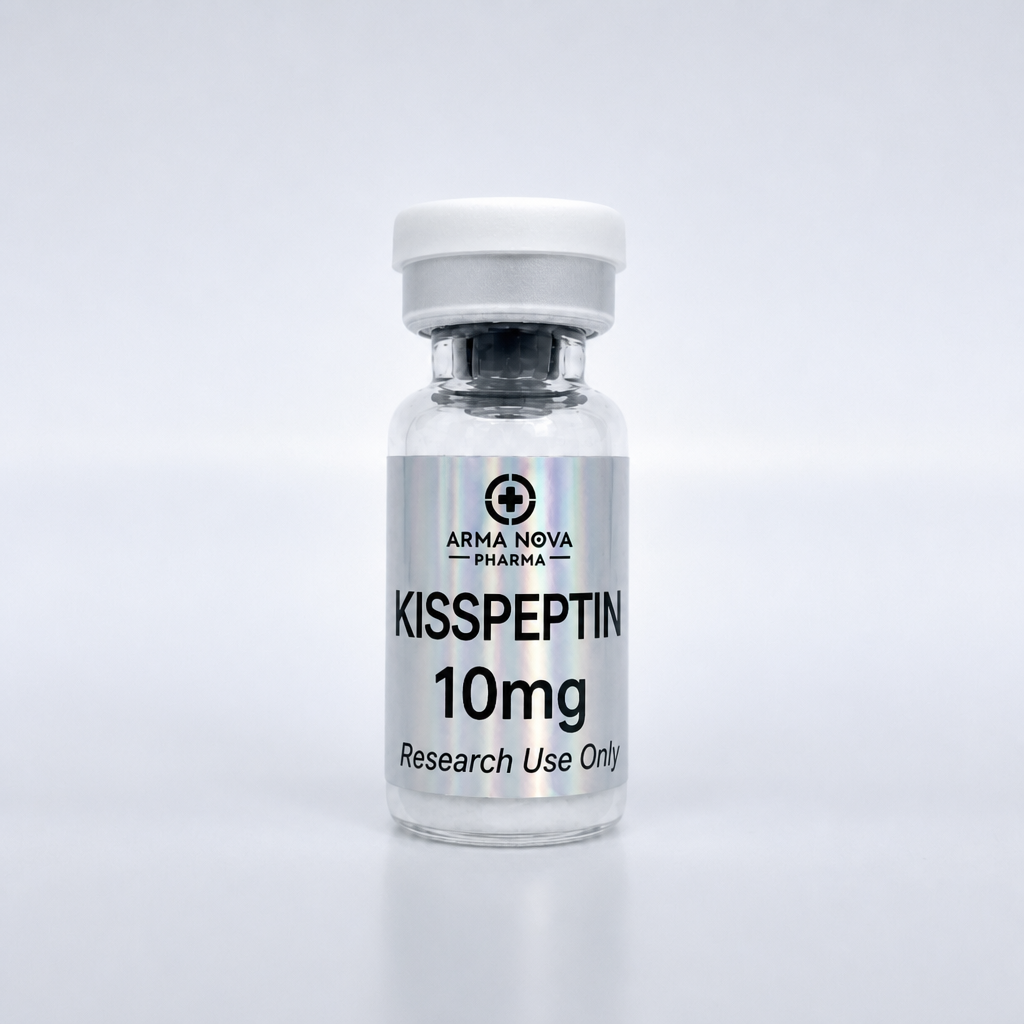
Kisspeptin-10, the biologically active C-terminal decapeptide, has emerged as a research focal point following controlled trials demonstrating gonadotropin-releasing hormone (GnRH) pulse modulation in both male and female subjects. The therapeutic peptide sector continues to expand rapidly, with Kaspar and colleagues noting in their 2013 Drug Discovery Today analysis that peptides offer unique advantages in receptor selectivity compared to traditional small-molecule drugs, though manufacturing complexity remains a persistent barrier to wider adoption.
This guide addresses the specific considerations UK researchers face when sourcing kisspeptin: HPLC verification standards, UK regulatory positioning under research-use exemptions, batch-to-batch variability indicators, and how to interpret Certificate of Analysis (COA) documentation that actually confirms peptide identity rather than merely stating a percentage figure.
Kisspeptin Mechanism: Why Receptor Specificity Matters for Research Quality
Kisspeptin functions as the endogenous ligand for the KISS1R receptor, a rhodopsin-family G-protein-coupled receptor expressed predominantly on GnRH neurons in the hypothalamic arcuate nucleus and anteroventral periventricular nucleus. Ligand binding triggers Gαq/11-mediated phospholipase C activation, generating inositol trisphosphate and diacylglycerol second messengers that ultimately depolarise GnRH neurons and stimulate pulsatile GnRH secretion.
The full-length kisspeptin-54 peptide (also termed metastin) and its shorter isoforms—kisspeptin-14, -13, and -10—all share an identical C-terminal decapeptide sequence (Tyr-Asn-Trp-Asn-Ser-Phe-Gly-Leu-Arg-Phe-NH₂) that constitutes the minimal binding motif. Receptor binding studies confirm that kisspeptin-10 maintains near-equivalent potency to the full-length peptide at KISS1R, with EC50 values in the low nanomolar range (typically 1-5 nM depending on assay conditions).
This structural specificity has direct sourcing implications: synthesis errors in even one amino acid residue—particularly within the conserved Arg⁹-Phe¹⁰-NH₂ terminus—can abolish receptor activation. Mass spectrometry confirmation of the exact 1302.45 Da molecular weight (for kisspeptin-10) becomes non-negotiable for meaningful research outcomes, as truncated or mis-sequenced analogs may bind without activating downstream signaling cascades.
Clinical Evidence Base: What UK Researchers Need to Know
Multiple Phase I and Phase II trials conducted at UK institutions, particularly Imperial College London and the University of Cambridge, have characterized kisspeptin’s pharmacodynamic profile in human subjects. In a 2015 study published in the Journal of Clinical Investigation (PMID: 25551454), subcutaneous kisspeptin-54 administration (4 nmol/kg) elicited dose-dependent luteinizing hormone (LH) secretion in healthy male volunteers, with peak LH levels occurring 30-60 minutes post-injection and returning to baseline within 4-6 hours.
Female reproductive physiology shows cycle-dependent responses: the same research group demonstrated that kisspeptin sensitivity varies dramatically across the menstrual cycle, with follicular-phase subjects showing attenuated LH responses compared to preovulatory-phase administration. This temporal variability reflects changing gonadal steroid feedback on hypothalamic kisspeptin neuron populations—a critical consideration for any experimental protocol involving female subjects.
Perhaps most relevant to UK research applications, Lau and Dunn’s 2018 comprehensive review in Bioorganic & Medicinal Chemistry positioned kisspeptin analogs among the most promising peptide therapeutic candidates for reproductive dysfunction, noting that the peptide’s rapid clearance (plasma half-life approximately 30 minutes for native kisspeptin-10) necessitates either continuous infusion protocols or structural modifications to extend duration of action.
Ongoing UK clinical trials registered with the ISRCTN registry include investigations into kisspeptin’s role in psychosexual arousal response (ISRCTN60545740) and potential application in triggering oocyte maturation for in-vitro fertilization protocols as an alternative to human chorionic gonadotropin. These studies uniformly employ kisspeptin material verified to ≥95% purity by HPLC with complementary mass spectrometry confirmation—the de facto standard for human administration.
Dosing Ranges in Published Research
UK-based clinical trials have explored an extensive dose-response spectrum:
- 0.01-0.3 nmol/kg: Minimal LH response, used to establish threshold sensitivity
- 0.3-1.0 nmol/kg: Submaximal stimulation, demonstrating dose-dependent effects
- 4.0-6.4 nmol/kg: Near-maximal LH secretion in most subjects
- Continuous infusion protocols: 0.1-0.3 nmol/kg/hour to maintain steady-state GnRH pulse frequency
For reference, a 70 kg individual receiving 4 nmol/kg would require 280 nmol total dose, equivalent to approximately 364 μg of kisspeptin-10. These clinical-grade quantities demand material with documented endotoxin levels below 1 EU/mg—a specification often omitted from research-grade supplier documentation but critical for any protocol involving administration.
UK Regulatory Context: Research Use Designation and Compliance
Within the United Kingdom, kisspeptin occupies a specific regulatory position: it is neither a scheduled controlled substance under the Misuse of Drugs Act 1971 nor a licensed medicine when supplied for bona fide research purposes. The Medicines and Healthcare products Regulatory Agency (MHRA) classifies research-grade peptides supplied without therapeutic claims under the exemption framework for laboratory reagents, provided they are labeled “For Research Use Only—Not for Human or Veterinary Use.”
This designation permits UK researchers, academic institutions, and licensed laboratories to procure kisspeptin without prescription or special licensing, subject to three critical compliance requirements:
- Institutional oversight: Purchase orders should originate from recognized research entities or individuals with documented affiliation to legitimate research activities
- Explicit non-therapeutic labeling: All supplied material must carry clear research-use-only disclaimers and cannot be marketed with health claims
- No human administration intent: While enforcement focuses primarily on supplier marketing rather than end-user application, the legal framework assumes research-grade material will be used for in-vitro assays, animal studies under appropriate Home Office licensing, or analytical method development—not direct human administration
UK suppliers who market peptides with therapeutic benefit claims or dosing guidance for human use risk MHRA enforcement action for supplying unlicensed medicines. Responsible suppliers maintain strict separation between research-grade product lines and any licensed pharmaceutical operations.
For researchers planning to kisspeptin uk buy for approved clinical trial use, separate Good Manufacturing Practice (GMP) certified material with Drug Master File documentation would be required, sourced through specialized pharmaceutical peptide manufacturers rather than standard research suppliers.
HPLC Verification and COA Interpretation: What ≥99% Actually Means
The peptide research market routinely advertises “99% purity,” but this figure requires contextual interpretation. High-Performance Liquid Chromatography (HPLC) purity represents the percentage of total UV-absorbing material (typically measured at 220 nm) attributable to the target peptide peak versus all other peaks in the chromatogram. Critical caveats include:
HPLC measures relative peak area, not absolute peptide identity. A synthesis producing a closely related deletion sequence (e.g., missing one internal amino acid) would show a single dominant peak that might integrate to 99%, yet the material would be biologically inactive due to altered receptor binding geometry.
Complementary mass spectrometry is non-negotiable for identity confirmation. Electrospray ionization MS or MALDI-TOF analysis should confirm the expected molecular weight within ±1 Da. For kisspeptin-10, the expected [M+H]⁺ ion appears at m/z 1303.45. Supplier COAs listing only HPLC data without MS confirmation should be viewed with substantial skepticism.
Counter-ion and residual TFA content affect net peptide mass. Lyophilized peptides often retain trifluoroacetic acid (TFA) counter-ions from HPLC purification, which can constitute 10-30% of gross powder weight. Responsible suppliers report “peptide content” (the actual weight percentage attributable to the peptide itself) separately from HPLC purity. A product showing 99% HPLC purity but only 75% peptide content by amino acid analysis indicates significant TFA or acetate salt contribution—not necessarily problematic, but essential for accurate molar concentration calculations.
Reading an Actual Kisspeptin COA: Red Flags and Verification Points
Legitimate Certificates of Analysis for Kisspeptin 10mg batches should include minimum five analytical parameters:
| Parameter | Acceptable Range | Analytical Method |
|---|---|---|
| HPLC Purity | ≥98.0% | Gradient RP-HPLC, 220 nm detection |
| Mass Spectrometry | 1303.45 ± 1.0 Da | ESI-MS or MALDI-TOF |
| Peptide Content | 70-85% | Amino acid analysis or UV quantitation |
| Water Content | ≤10% | Karl Fischer titration |
| Bacterial Endotoxin | ≤5 EU/mg (research grade) | LAL chromogenic assay |
COAs lacking MS data, water content analysis, or endotoxin quantification represent incomplete characterization. The absence of batch-specific documentation—replaced instead by generic “representative” COAs—constitutes a major red flag suggesting material may not have undergone individual batch testing.
Where to Kisspeptin UK Buy: Sourcing Criteria for Research-Grade Material
The UK peptide research market includes both domestic suppliers and EU/international vendors offering delivery to UK addresses. Key differentiation factors extend beyond advertised purity percentages:
Domestic UK Operations vs. Drop-Shipping Models
UK-based peptide suppliers with physical laboratory facilities and staff provide distinct advantages: direct access to technical support staff who understand the product’s biochemical characteristics, faster delivery timelines (often next-day via Royal Mail Special Delivery), and clearer accountability chains for quality issues. Companies operating solely through international fulfillment centers may offer lower pricing but typically cannot provide substantive technical consultation or rapid resolution of analytical discrepancies.
Arma Peptides maintains fast UK & EU delivery operations with transparent batch-specific COA publication for all inventory, including Kisspeptin 10mg lots verified to ≥99% HPLC purity with complementary mass spectrometry confirmation. Each batch undergoes independent third-party analysis prior to release, with documentation available for institutional compliance requirements.
Pricing Context and Volume Considerations
UK market pricing for research-grade kisspeptin-10 typically ranges £45-£85 per 10 mg vial, with variability driven by purity grade, analytical documentation depth, and supplier operational model. Volume discounts generally apply at 5+ vial thresholds for researchers conducting extended protocol series.
When evaluating cost, calculate price per milligram of actual peptide content rather than gross powder weight. A £60 vial containing 10 mg at 75% peptide content (7.5 mg actual peptide) costs £8.00/mg true peptide—potentially more expensive than an £80 vial at 80% content (8 mg peptide, £10.00/mg) despite lower headline pricing.
Storage and Stability Considerations
Lyophilized kisspeptin-10 demonstrates reasonable stability when stored at -20°C in sealed vials with desiccant, maintaining >95% initial purity for 12-18 months under optimal conditions. However, peptide stability degrades rapidly once reconstituted in aqueous solution: dilute kisspeptin solutions (≤1 mg/mL) show measurable degradation within 48-72 hours even at 4°C, primarily through oxidation of the N-terminal tyrosine and tryptophan residues.
Practical implications for procurement: researchers conducting multiple experiments over extended timelines should purchase several smaller vials (e.g., 5×10 mg) rather than single large-format vials (1×50 mg) to minimize freeze-thaw cycles and limit the duration any individual vial remains in reconstituted state. Aliquoting freshly reconstituted stock solutions into single-use volumes and snap-freezing at -80°C extends usable lifespan to approximately 2-3 months, though some activity loss is inevitable.
Comparison with Related Research Peptides Available in the UK
UK researchers exploring metabolic and reproductive peptide pathways frequently investigate kisspeptin alongside complementary compounds. Understanding the mechanistic distinctions clarifies appropriate experimental selection:
Retatrutide Revytal 40mg and Retratudide 10mg Research Peptide represent triple-agonist peptides targeting GIP, GLP-1, and glucagon receptors simultaneously—a mechanistic profile entirely distinct from kisspeptin’s KISS1R selectivity. These compounds modulate incretin pathways and hepatic glucose metabolism rather than hypothalamic-pituitary-gonadal axis function, making them non-interchangeable despite both falling under the “research peptide” category.
Mots C 10mg Peptide, a mitochondrial-derived peptide encoded within the mitochondrial 12S rRNA gene, acts through AMPK pathway activation and metabolic regulation—again, mechanistically unrelated to kisspeptin’s neuroendocrine effects but frequently co-investigated in comprehensive metabolic research protocols.
For researchers specifically targeting reproductive axis modulation, kisspeptin remains the most direct pharmacological tool, with no other peptide demonstrating equivalent selectivity for hypothalamic GnRH neuron stimulation. The compound’s well-characterized dose-response profile in UK clinical populations provides a robust foundation for translational research designs.
Reconstitution Protocols and Solution Stability
Optimal reconstitution technique significantly impacts functional peptide recovery and experimental reproducibility. For kisspeptin-10:
- Solvent selection: Bacteriostatic water (0.9% benzyl alcohol) or sterile water for injection (SWFI) both provide suitable reconstitution media. Avoid phosphate-buffered saline for long-term storage, as phosphate ions can catalyze oxidative degradation of aromatic amino acids. For stock solutions intended for single-session use, PBS pH 7.4 is acceptable.
- Concentration ranges: Kisspeptin-10 demonstrates acceptable solubility up to 2-3 mg/mL in aqueous solution. Higher concentrations risk peptide aggregation and precipitation, particularly during freeze-thaw cycles. For most applications, 1 mg/mL stock solutions provide optimal balance between concentration convenience and stability.
- Dissolution technique: Add solvent slowly down the vial wall rather than directly onto the lyophilized cake. Allow 60-90 seconds for passive hydration before gentle swirling—avoid vigorous vortexing, which can denature peptides through mechanical shear and air-interface interaction.
- pH verification: Reconstituted kisspeptin solutions should fall within pH 5.5-7.5 range. Significant deviation suggests either degraded peptide (pH drift toward acidic range) or contamination. Simple pH test strips provide adequate verification for research-grade applications.
Once reconstituted, aliquot stock solutions into polypropylene microcentrifuge tubes (NOT polystyrene, which shows significant peptide surface adsorption) in single-use volumes. This practice eliminates freeze-thaw cycles and minimizes contamination risk from repeated vial access.
Common Sourcing Errors and How to Avoid Them
Years of UK research peptide supply have revealed recurring procurement mistakes that compromise experimental validity:
Assuming all “kisspeptin-10” is equivalent: Synthesis quality varies dramatically between manufacturers. Crude synthesis products may contain substantial deletion sequences (N-1, N-2 variants missing one or two N-terminal amino acids) that co-purify with target peptide. Only suppliers providing baseline-resolved HPLC chromatograms allow assessment of contaminating peaks. Insist on viewing actual chromatographic data, not just summary purity percentages.
Neglecting counter-ion composition: As previously noted, TFA salts can constitute 20-30% of lyophilized powder mass. Two vials both labeled “10 mg kisspeptin-10” but with different peptide content percentages (e.g., 70% vs 85%) deliver substantially different molar quantities. Always request peptide content data and calculate stock concentration based on actual peptide mass, not gross powder weight.
Inadequate storage practices: Lyophilized peptides shipped at ambient temperature often arrive with condensation inside vials due to temperature fluctuations during transit. Before opening, allow vials to equilibrate to room temperature for 30 minutes to prevent atmospheric moisture condensation onto the peptide cake. Store unopened vials with desiccant packets in sealed containers at -20°C.
Over-ordering relative to experimental timelines: Researchers planning a 6-month study often purchase 6-month peptide supplies upfront. Given reconstituted solution stability limitations and gradual degradation of lyophilized material over multi-year timescales, staggered procurement (purchasing 2-3 months supply, then reordering) ensures each experiment uses optimally fresh material. Batch-to-batch variability exists but is generally minimal with reputable suppliers using standardized synthesis protocols.
Kisspeptin UK Buy: Practical Purchasing Pathway
For UK researchers ready to proceed with kisspeptin procurement, the systematic pathway includes:
- Verify institutional requirements: Confirm whether your laboratory or institution requires specific documentation (purchase order numbers, institutional delivery addresses, compliance attestations). University procurement systems often mandate supplier registration before purchase approval.
- Review current batch COAs: Request current batch documentation for available inventory before placing orders. Batch-to-batch variation in peptide content (typically 70-85%) affects the actual peptide quantity received per vial. Researchers conducting quantitative dose-response studies should ideally source all material from a single batch to eliminate this variable.
- Calculate true quantity requirements: Based on experimental design, calculate total peptide mass needed (accounting for peptide content percentage and typical 10-15% loss during reconstitution/aliquoting). Add 20% overage to accommodate failed experiments or replication requirements.
- Confirm delivery logistics: UK domestic suppliers typically offer Royal Mail Special Delivery (next-day, signature required) or DPD courier service. Peptide shipments should include cold packs or ice packs during warm months, though lyophilized material tolerates brief ambient temperature exposure. Confirm packaging includes desiccant and appropriate cushioning.
- Plan immediate storage: Arrange -20°C freezer space before delivery arrival. Upon receipt, immediately transfer vials to frozen storage—do not leave at room temperature “temporarily” for days.
The Shop section provides access to current inventory with transparent per-batch documentation, UK-based customer support, and delivery typically within 24-48 hours for standard orders.
Alternative Kisspeptin Isoforms: When to Consider Kisspeptin-54 vs Kisspeptin-10
While kisspeptin-10 dominates research applications due to its minimal sequence representing the active binding motif, full-length kisspeptin-54 (metastin) offers distinct pharmacokinetic characteristics worth considering for specific protocols:
Half-life differences: Kisspeptin-54 demonstrates approximately 2-3 fold longer plasma half-life versus kisspeptin-10 in human pharmacokinetic studies (roughly 60-90 minutes versus 30 minutes). For experiments requiring sustained receptor activation or evaluating longer-duration responses, the full-length peptide may prove advantageous despite substantially higher cost per mole due to synthesis complexity.
Receptor activation kinetics: Both peptides activate KISS1R with similar maximal efficacy, but kisspeptin-54 shows marginally slower onset kinetics (time to 50% maximal response approximately 8-10 minutes versus 3-5 minutes for kisspeptin-10 in cell-based assays). This difference becomes relevant primarily in high-temporal-resolution studies examining acute signaling dynamics.
Practical considerations: Kisspeptin-54’s larger size (54 amino acids, MW ~6084 Da) increases synthesis difficulty and reduces per-milligram yields, typically resulting in 3-4× higher pricing per molar equivalent. For most applications, kisspeptin-10’s combination of full efficacy, favorable synthesis economics, and extensive literature precedent makes it the preferred choice.
Future Developments in Kisspeptin Research and UK Clinical Applications
The trajectory of kisspeptin research in UK institutions points toward several high-impact applications currently in clinical development:
IVF trigger protocols: Multi-center UK trials are evaluating kisspeptin-54 as a physiological alternative to human chorionic gonadotropin (hCG) for triggering final oocyte maturation in assisted reproduction cycles. Preliminary data suggest comparable oocyte retrieval yields with dramatically reduced ovarian hyperstimulation syndrome incidence—a potentially transformative safety improvement for high-responder patients.
Psychosexual function research: fMRI studies conducted at Imperial College have demonstrated that kisspeptin administration modulates limbic brain region activation in response to sexual and romantic visual stimuli. This has opened investigational pathways into hypoactive sexual desire disorder and stress-related reproductive dysfunction, though clinical translation remains years distant.
Metabolic integration: Emerging evidence suggests kisspeptin neurons integrate metabolic status signals (leptin, ghrelin, glucose availability) with reproductive axis control. This positions kisspeptin analogs as potential therapeutic candidates for hypothalamic amenorrhea and metabolic-reproductive interface disorders.
These evolving applications reinforce the importance of consistent access to high-quality research-grade kisspeptin for UK laboratories pursuing translational reproductive endocrinology and neuroendocrine research.
Frequently Asked Questions: Kisspeptin UK Procurement
Is prescription required to purchase kisspeptin in the UK?
No. Research-grade kisspeptin supplied with “For Research Use Only” designation does not require prescription or special licensing for purchase by researchers, academic institutions, or individuals affiliated with legitimate research activities. This regulatory exemption applies specifically to material marketed without therapeutic claims and not intended for human administration.
What is typical delivery timeframe for UK-based suppliers?
Domestic UK suppliers typically dispatch within 24 hours of order placement, with Royal Mail Special Delivery providing next-business-day arrival for most UK mainland addresses. Orders placed Thursday-Friday may experience weekend delays. International suppliers shipping from EU or non-EU locations generally require 5-14 business days with variable customs processing times.
Can kisspeptin be legally imported into the UK from overseas suppliers?
Yes, research-grade peptides may be imported for bona fide research purposes. However, customs declarations must accurately describe contents as “research reagent—not for human use.” Shipments valued above £135 incur VAT (20%) plus potential customs duties. Packages lacking appropriate documentation or containing quantities suggesting commercial resale rather than personal research use may face customs detention and inquiry.
How does batch-to-batch variability affect experimental reproducibility?
Reputable suppliers using validated synthesis protocols typically achieve batch-to-batch consistency within 2-3% for HPLC purity and 5-8% for peptide content. This variability becomes significant primarily in precise quantitative dose-response studies. For such applications, sourcing all material from a single batch eliminates this variable. For qualitative or exploratory studies, inter-batch variation from quality suppliers rarely affects interpretability.
What are signs of degraded or improperly stored kisspeptin?
Visual indicators include yellowing or browning of lyophilized powder (fresh kisspeptin-10 appears white to off-white), visible moisture or crystalline aggregates in supposedly lyophilized material, and failure to dissolve clearly within 2-3 minutes of reconstitution. Functional indicators include loss of expected biological activity in cell-based assays or failure to elicit anticipated LH responses in animal models. When in doubt, request fresh COA from supplier and compare appearance/performance to documented specifications.
Summary: Evidence-Based Approach to Kisspeptin UK Sourcing
Successfully navigating the decision to kisspeptin uk buy requires integration of mechanistic understanding, regulatory awareness, and analytical verification standards. The peptide’s specific role as a KISS1R agonist driving GnRH pulse generation makes it irreplaceable for reproductive neuroendocrine research, but this specificity demands corresponding rigor in material verification.
Priority considerations include:
- Insisting on batch-specific COAs with both HPLC and mass spectrometry confirmation—percentage purity alone provides insufficient identity verification
- Understanding peptide content versus HPLC purity and calculating stock concentrations from actual peptide mass
- Recognizing UK regulatory positioning as research reagent rather than controlled substance or licensed medicine
- Implementing proper reconstitution and aliquoting protocols to maximize functional peptide recovery
- Sourcing from suppliers with transparent documentation, fast UK & EU delivery operations, and accessible technical support
The UK research peptide market offers multiple sourcing options, but differentiation based on analytical rigor and operational transparency separates suppliers genuinely committed to research-grade quality from those prioritizing volume over verification. As therapeutic peptide development continues its expansion trajectory, access to well-characterized reference materials becomes increasingly critical for translational research contributing to this evolution.
For researchers requiring documented ≥99% HPLC purity with comprehensive batch-specific analytical verification, the Arma Peptides catalog provides UK-sourced material with transparent COA access and next-day delivery across mainland UK addresses.
Research Use Disclaimer: This article discusses kisspeptin in the context of laboratory research applications. Material described is supplied for research purposes only and is not intended for human consumption, therapeutic use, or veterinary application. UK researchers must ensure their use complies with institutional ethics approval and relevant Home Office licensing where animal studies are involved.
Related posts
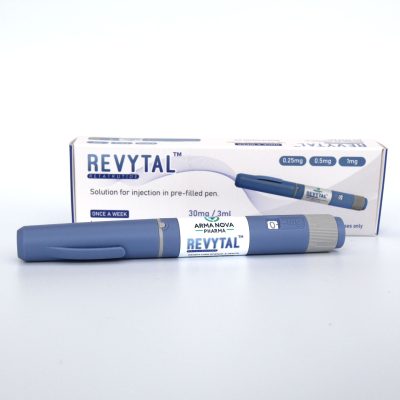
Retatrutide Revytal 40mg UK: Triple Agonist Mechanism, Phase 2/3 Trial Data, and Research-Grade Sourcing Retatrutide (LY3437943) represents the first triple agonist targeting GLP-1, GIP, and... Continue reading
BPC-157 TB-500 Blend: Evidence-Based Analysis for UK Researchers The bpc 157 tb 500 blend represents one of the most frequently researched peptide combinations in musculoskeletal... Continue reading
Explore GHK-Cu peptide basics, likely uses, and buying considerations. Learn how this 100mg skin glow product fits skincare and research needs. Continue reading
Add comment