
No products in the cart.
GHK-Cu Peptide Review: What 100mg Skin Glow Offers
GHK-Cu Peptide Review: What 100mg Skin Glow Offers
If you’ve spent any real time researching peptides for skin support, you’ve almost certainly come across GHK-Cu — the copper-binding tripeptide that researchers and biohackers keep returning to. And for good reason. The science behind this compound is compelling, the interest from the skincare and recovery community keeps growing, and sourcing a high-quality, well-documented 100mg formulation has become a priority for serious buyers. This guide breaks down exactly what GHK-Cu Skin Glow 100mg offers, who it’s built for, what the research context looks like, and how to evaluate whether it belongs in your protocol. No fluff — just the information you need to make a confident decision.
What Is GHK-Cu Skin Glow 100mg?
GHK-Cu (glycyl-L-histidyl-L-lysine copper) is a naturally occurring copper peptide found in human plasma, saliva, and urine. It was first identified in the 1970s and has since become one of the most studied peptides in the context of skin biology, wound healing, and tissue remodeling. The “Cu” in the name refers to copper(II), which binds tightly to the GHK tripeptide and is central to its proposed biological activity.
The GHK-Cu Skin Glow 100mg formulation from Arma Peptides packages this compound at a research-relevant quantity — 100mg — making it suitable for laboratory use, peptide research protocols, and comparative studies. The “Skin Glow” branding reflects the compound’s well-documented association with skin-focused research, particularly studies exploring collagen synthesis, antioxidant activity, and cellular signaling pathways.
What separates this product from generic copper peptide offerings is the quality-focused approach behind it. The product page references laboratory testing documentation, which signals that buyers aren’t just purchasing a compound — they’re purchasing a verified, traceable research material. For anyone serious about peptide research, that distinction matters enormously.
In short, GHK-Cu Skin Glow 100mg is a copper peptide research compound positioned at the intersection of skincare science and peptide biology — offered in a quantity that supports meaningful experimental work without unnecessary excess.
Key Benefits and Features
100mg Research-Ready Quantity for Copper Peptide Skincare Studies
The 100mg quantity is a deliberate choice. It’s large enough to support extended research protocols or multiple experimental runs, but focused enough to keep acquisition costs reasonable for researchers comparing copper peptide skincare options. Whether you’re running a single-variable skin support study or building a comparative protocol, 100mg gives you meaningful working volume without committing to bulk quantities before you’ve validated your approach.
Skin Glow Peptide Formulation Backed by Laboratory Testing
One of the clearest signals of supplier reliability is the presence of third-party or in-house laboratory testing documentation. Arma Peptides links testing data directly from the product experience, which means you can verify purity claims before purchase rather than after. Documented purity isn’t a bonus feature in peptide research — it’s a baseline requirement. This formulation meets that standard.
GHK-Cu for Recovery and Tissue Support Research
Beyond skin-focused applications, GHK-Cu has attracted significant research interest in the context of tissue recovery and repair. Studies have explored the peptide’s role in modulating inflammation, stimulating collagen and glycosaminoglycan synthesis, and activating wound-healing genes. Researchers investigating GHK-Cu for recovery protocols will find the 100mg quantity appropriate for designing controlled in-vitro or preclinical studies in these areas.
Targeted Appeal for Biohackers and Peptide Enthusiasts
The peptide for skin support space attracts a sophisticated buyer — someone who reads primary literature, compares supplier COAs, and understands the difference between research-grade and cosmetic-grade formulations. The Skin Glow product is positioned squarely for this audience. It doesn’t oversell. It presents the compound clearly, supports the purchase with documentation, and lets the science speak for itself.
Transparent Supplier Experience with Discrete Shipping
Peptide buyers consistently cite shipping discretion and packaging integrity as top concerns. Arma Peptides addresses this through a structured fulfillment process designed to protect both the compound’s stability and the buyer’s privacy. Cold-chain considerations, secure packaging, and reliable tracking are part of the supplier’s operational standard — not afterthoughts.
Who Is This For? Addressing Your Pain Points
Let’s be direct about who benefits most from GHK-Cu Skin Glow 100mg — and what problems it actually solves.
If you’re a peptide researcher or biohacker who has been burned by underdocumented suppliers before, you know the frustration of receiving a compound with no verifiable purity data. You’ve probably spent time chasing COAs that were either outdated, incomplete, or suspiciously vague. This product’s lab-linked documentation addresses that frustration head-on. You get what you ordered, and you can verify it.
If you’re an aesthetic-focused researcher exploring GHK-Cu peptide review literature and trying to determine which formulation is worth your time, the Skin Glow branding gives you a clear use-case anchor. You’re not wading through ambiguous multi-purpose compounds. This is copper peptide research, positioned clearly for skin biology applications.
If you’re comparing GHK-Cu vs other peptides — say, Matrixyl, Argireline, or BPC-157 — and trying to understand where GHK-Cu fits in a broader skin support or recovery protocol, the 100mg quantity lets you run meaningful side-by-side studies without overcommitting budget to a single compound.
And if you’re simply new to peptide sourcing and want a supplier whose process you can trust, the combination of clear product labeling, testing documentation, and community access (more on that below) gives you a foundation to start from with confidence.
How to Get Started with GHK-Cu Skin Glow 100mg
Getting started is straightforward. Here’s a practical walkthrough for first-time buyers and returning peptide researchers alike:
- Review the product page and lab documentation. Before purchasing, navigate to the GHK-Cu Skin Glow 100mg product page and locate the laboratory test link. Download or screenshot the COA so you have a personal record of the purity data associated with your batch.
- Confirm your research application. Determine whether your protocol focuses on skin biology, tissue recovery, antioxidant research, or a combination. This helps you plan your working concentration, solvent requirements, and storage conditions before the compound arrives.
- Place your order with confidence. The ordering process is direct and clearly structured. Select the 100mg quantity, confirm shipping details, and proceed through checkout. Expect secure, discreet packaging upon arrival.
- Store correctly upon receipt. GHK-Cu peptides are generally stable when stored lyophilized (freeze-dried) at -20°C. Avoid repeated freeze-thaw cycles once reconstituted. Follow the storage guidance provided with your shipment to maintain compound integrity throughout your research period.
- Join the community for ongoing support. Arma Peptides maintains an active Telegram channel where researchers share protocols, ask sourcing questions, and access exclusive updates. Connecting early gives you a resource network beyond the product itself.
Pro tip: If you’re reconstituting GHK-Cu for the first time, use bacteriostatic water or a dilute acetic acid solution depending on your downstream application. Always work in sterile conditions and label your vials with the date of reconstitution.
Frequently Asked Questions
What is GHK-Cu and why is it used in skin glow peptide research?
GHK-Cu is a naturally occurring copper-binding tripeptide (glycyl-L-histidyl-L-lysine) found in human biological fluids. It has been studied extensively for its role in stimulating collagen synthesis, reducing oxidative stress, and activating genes associated with skin repair and remodeling. Researchers interested in skin glow peptide mechanisms often work with GHK-Cu because it sits at the intersection of copper biology and extracellular matrix regulation. Its relatively small molecular size and well-characterized structure make it a practical research target for both in-vitro and preclinical studies.
How does GHK-Cu 100mg compare to lower-quantity copper peptide offerings?
A 100mg quantity provides significantly more experimental flexibility than smaller 10mg or 25mg vials, particularly for researchers running multiple concentration trials or extended protocols. With GHK-Cu 100mg, you can prepare a working stock solution and aliquot it across several experimental conditions without depleting your supply after a single run. For anyone conducting serious copper peptide skincare research rather than a one-time trial, the 100mg quantity is the more practical and cost-efficient starting point.
Is GHK-Cu for recovery research different from its skin-focused applications?
The underlying biology overlaps significantly. GHK-Cu’s proposed mechanisms — including collagen stimulation, anti-inflammatory signaling, and antioxidant activity — are relevant to both skin repair and broader tissue recovery contexts. Research into GHK-Cu for recovery typically focuses on wound healing models, muscle tissue repair, or nerve regeneration, while skin-focused studies zoom in on dermal fibroblast activity and epidermal barrier function. The same compound supports both research directions; the difference lies in your experimental model and the outcomes you’re measuring.
How do I verify the purity of a GHK-Cu peptide product before buying?
Always look for a supplier that provides a Certificate of Analysis (COA) from a third-party or in-house laboratory, with HPLC purity data and mass spectrometry confirmation of the correct molecular weight. The Arma Peptides product page for GHK-Cu Skin Glow 100mg includes a laboratory test link, allowing you to review purity documentation before completing your purchase. A purity of ≥98% is the standard benchmark for research-grade peptides. If a supplier cannot provide this documentation on request, that is a significant red flag.
What should I know when comparing GHK-Cu vs other peptides for skin support?
GHK-Cu is unique among skin-support peptides because of its copper-binding activity and its ability to modulate gene expression at a broad level — research suggests it may influence the expression of hundreds of genes related to tissue repair and inflammation. Compared to signal peptides like Matrixyl (Palmitoyl Tripeptide-1) or neurotransmitter-inhibiting peptides like Argireline, GHK-Cu operates through a distinct mechanism centered on copper transport and extracellular matrix regulation. For researchers building multi-peptide protocols, GHK-Cu often functions as a foundational compound rather than a single-purpose agent.
Ready to Add GHK-Cu Skin Glow to Your Research Protocol?
GHK-Cu Skin Glow 100mg from Arma Peptides delivers a well-documented, research-grade copper peptide formulation at a quantity that supports serious experimental work. The combination of verified purity, skin-focused positioning, and transparent supplier practices makes this a standout option for researchers, biohackers, and peptide enthusiasts who refuse to compromise on quality. Whether you’re investigating collagen pathways, tissue recovery mechanisms, or building a comparative peptide study, this formulation gives you a reliable starting point.
Don’t wait on a compound this well-regarded. Visit the GHK-Cu Skin Glow 100mg product page to review the lab documentation and place your order — and connect with the Arma Peptides community for Exclusive Deals on Telegram where researchers share protocols and access member-only updates.
Related posts
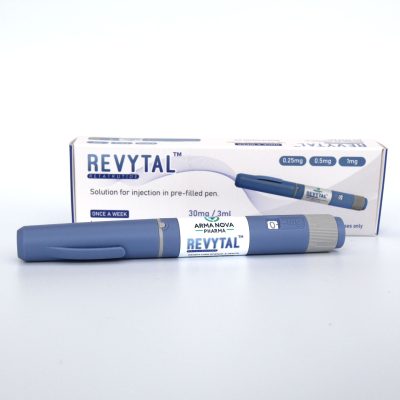
Retatrutide Revytal 40mg UK: Triple Agonist Mechanism, Phase 2/3 Trial Data, and Research-Grade Sourcing Retatrutide (LY3437943) represents the first triple agonist targeting GLP-1, GIP, and... Continue reading
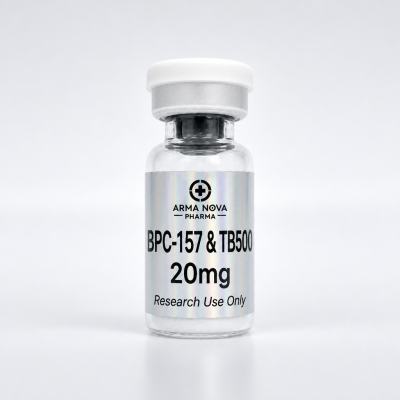
BPC-157 TB-500 Blend: Evidence-Based Analysis for UK Researchers The bpc 157 tb 500 blend represents one of the most frequently researched peptide combinations in musculoskeletal... Continue reading
Tirzepatide UK Buy: The Complete Research-Grade Sourcing and Mechanistic Analysis When researchers and biohackers look to tirzepatide UK buy options, they face a fragmented market... Continue reading