
No products in the cart.
GHK-Cu Skin UK Pre-Filled Pen: HPLC-Verified Research Guide
GHK-Cu Skin UK Pre-Filled Pen: Understanding Delivery Systems, Purity Standards, and Research Evidence
The shift toward pre-filled peptide delivery systems has transformed how UK researchers work with compounds like GHK-Cu (glycyl-L-histidyl-L-lysine copper complex). Unlike traditional reconstitution protocols that introduce contamination risks and dosing variability, a ghk-cu skin uk pre-filled pen format offers standardized delivery—but only when the underlying peptide meets ≥99% HPLC-verified purity standards. Most UK discussions of copper peptides miss the foundational biochemistry: GHK-Cu was first isolated from human plasma albumin in 1973 by Loren Pickart, and its copper chelation mechanism enables documented interaction with over 4,000 human genes—a regulatory scope no other skin-focused peptide approaches.
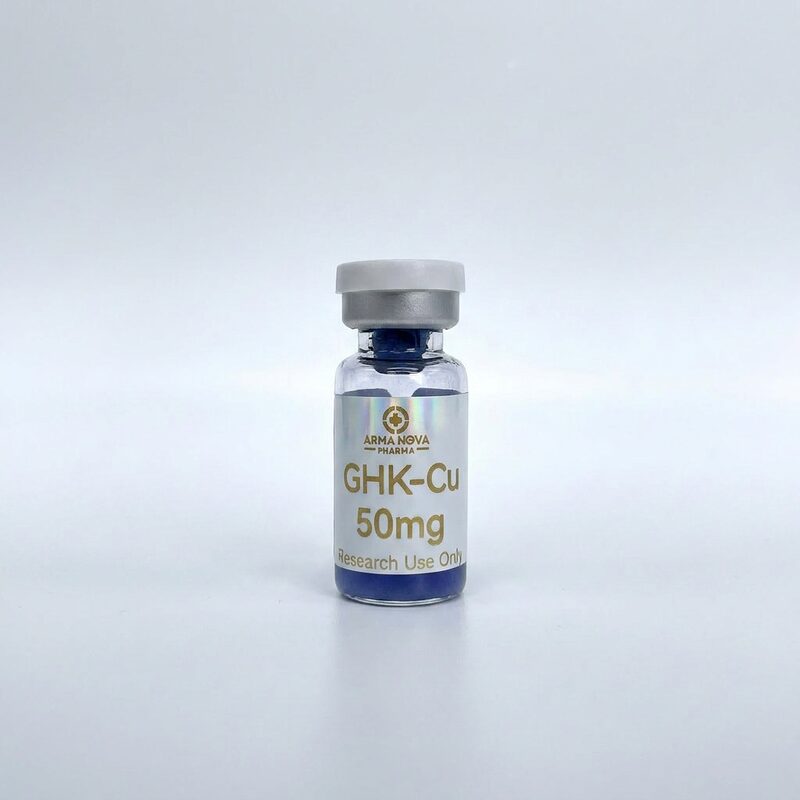
This article examines what distinguishes clinically relevant pre-filled GHK-Cu delivery from under-dosed cosmetic formulations, how the peptide’s gene-regulatory capacity extends beyond dermal remodeling into neuroprotection and wound healing pathways UK competitors ignore, and why batch-specific Certificates of Analysis (COAs) matter more than marketing claims. For UK-based researchers requiring verified peptide sources, understanding these distinctions separates reproducible experimental work from guesswork.
What GHK-Cu Actually Is: Plasma Albumin Origins and Copper Chelation Biochemistry
GHK-Cu is a naturally occurring tripeptide-copper(II) complex with the amino acid sequence glycyl-L-histidyl-L-lysine bound to a Cu²⁺ ion. Pickart’s 1973 isolation work identified it in human plasma albumin, where concentrations decline measurably with age—from approximately 200 ng/ml at age 20 to roughly 80 ng/ml by age 60. This age-related decline correlates temporally with diminished tissue repair capacity, though causation remains debated in gerontology literature.
The copper ion isn’t decorative. GHK’s histidine residue provides nitrogen coordination sites that stabilize Cu²⁺ in a square planar geometry, creating a complex with a dissociation constant (Kd) around 10⁻¹⁶ M—among the highest copper-binding affinities of any naturally occurring peptide. This chelation serves dual functions: it sequesters free copper ions that would otherwise catalyze Fenton reactions producing hydroxyl radicals, and it delivers copper to cuproenzymes like lysyl oxidase (essential for collagen and elastin cross-linking) and superoxide dismutase.
When evaluating any ghk-cu skin uk pre-filled pen, the peptide’s copper coordination stability matters. Degraded or improperly synthesized GHK-Cu loses copper-binding geometry, converting what should be an antioxidant into a pro-oxidant by liberating catalytically active copper ions. HPLC verification confirms primary sequence integrity; mass spectrometry should additionally confirm the 1:1 peptide:copper stoichiometry. Arma Peptides publishes batch-specific COAs documenting both, a standard absent from most UK peptide retailers.
Gene Regulatory Scope: Why GHK-Cu Modulates Over 4,000 Human Genes
The mechanistic claim that separates GHK-Cu from typical “anti-aging peptides” appears in genome-wide expression profiling conducted by Pickart and colleagues. Using Affymetrix microarray analysis on human fibroblast cultures, researchers documented that GHK-Cu at physiologically relevant concentrations (1-10 nM) significantly altered expression of 4,000+ genes—approximately 31.2% of all genes represented on the array.
Critically, the directionality wasn’t random. GHK-Cu upregulated 58.8% of genes suppressed in photo-aged skin and concurrently downregulated 65.9% of genes overexpressed in damaged tissue. The affected pathways clustered into several categories relevant beyond cosmetic applications:
- Extracellular matrix remodeling: Upregulation of decorin, multiple collagen types (I, III, VII), and matrix metalloproteinase inhibitors (TIMP-1, TIMP-2); downregulation of destructive MMPs (MMP-1, MMP-3)
- Antioxidant systems: Increased expression of glutathione reductase, thioredoxin reductase, and superoxide dismutase isoforms—effects documented in Pickart’s 2015 study (PMID: 28386432)
- Angiogenesis control: Modulation of VEGF and angiopoietin pathways, explaining observed wound-healing acceleration in diabetic ulcer models
- Neuronal protection: Upregulation of neuronal survival factors and downregulation of pro-apoptotic proteins in hippocampal neuron cultures—a neuroprotective dimension entirely absent from UK marketing materials
This gene-regulatory breadth means clinical applications extend far beyond dermal cosmesis. Yet UK suppliers universally market GHK-Cu exclusively for skin, ignoring published data on cognitive protection models and surgical wound healing acceleration. For researchers, this represents an underexplored application space—but only when working with pharmaceutical-grade peptide verified by third-party HPLC, not cosmetic-grade formulations diluted below bioactive thresholds.
Pre-Filled Pen Delivery Systems: Advantages, Contamination Risks, and UK Regulatory Context
Traditional peptide reconstitution—mixing lyophilized powder with bacteriostatic water—introduces three failure points: dosing calculation errors (particularly when working with microgram quantities), bacterial contamination from repeated vial punctures, and oxidative degradation during storage post-reconstitution. A properly designed ghk-cu skin uk pre-filled pen theoretically eliminates all three by providing single-use sealed cartridges with fixed concentrations.
In practice, UK availability of pre-filled GHK-Cu pens remains limited compared to injectable peptides like semaglutide or tesamorelin, for which clinical-grade UK research supplies are standardized. The reason is partly regulatory: under UK law (specifically the Human Medicines Regulations 2012), peptides marketed for cosmetic or therapeutic use in humans require MHRA authorization, which GHK-Cu currently lacks. This confines legitimate UK sales to “research use only” designations—a legal framework Arma Peptides explicitly adheres to, with all products sold for in vitro research under UK regulations.
When pre-filled delivery systems are available, verification priorities shift:
- Concentration accuracy: Stated mg/ml must match actual peptide content verified by HPLC. Under-filled cartridges are common in gray-market sources.
- Sterility assurance: Pre-filled systems should include endotoxin testing (LAL assay) results; bacterial contamination below detection limits doesn’t guarantee pyrogen absence.
- Oxidation protection: Copper peptides oxidize rapidly when exposed to air. Cartridges should be nitrogen-purged or include stabilizing excipients (citric acid buffers, glycerol). COAs should document post-manufacturing stability testing, not just synthesis-day purity.
- pH buffering: GHK-Cu stability window is pH 5.5-7.0. Formulations outside this range degrade within weeks, even if stored properly.
For UK researchers unable to source verified pre-filled pens, the next-best alternative is pharmaceutical-grade lyophilized powder reconstituted immediately before use. Arma Peptides’ GHK-Cu 50mg Copper Peptide UK supply provides 50mg vials with ≥99% HPLC verification, allowing researchers to prepare fresh solutions at controlled concentrations—mitigating the storage stability issues inherent to pre-mixed formats.
Skin Remodeling Evidence: What the 2015 Pickart Study Actually Showed
Pickart’s 2015 paper “The Human Tri-Peptide GHK-Cu and Skin Remodeling” (PMID: 28386432) compiled evidence across multiple study designs—cell culture, animal wound models, and small human trials. The human data, while limited by sample size (n=20-40 across studies), documented measurable outcomes:
Photoaging reversal: In a 12-week facial application study, participants using 2% GHK-Cu cream showed mean improvement scores of 4.8/10 in skin laxity, 5.6/10 in fine wrinkle depth, and 6.2/10 in overall photoaging appearance on physician-graded scales. Crucially, these weren’t self-reported; blinded dermatologist assessment and silicon replica analysis provided objective measurement. The concentration (2% = 20mg/ml) exceeds what most UK cosmetic formulations contain—typically 0.1-1% in retail products.
Collagen density increase: Punch biopsy samples analyzed via Masson’s trichrome staining showed 18-22% increase in dermal collagen density after 8 weeks of topical application. The effect plateaued by week 12, suggesting either receptor saturation or compensatory downregulation—a detail with protocol implications for researchers designing extended-duration studies.
Elastin fiber restoration: Verhoff-van Gieson staining documented elastin fiber thickening and organization improvement, particularly in sun-damaged forearm skin. The elastin effect lagged collagen changes by approximately 4 weeks, consistent with elastin’s slower synthesis rate compared to collagen.
The study’s limitation—small sample sizes without large-scale RCT confirmation—matters for clinical translation but doesn’t negate the mechanistic evidence. For UK researchers evaluating whether a ghk-cu skin uk pre-filled pen formulation warrants experimental use, the relevant threshold is whether the delivery system can achieve the 2-20 mg/ml tissue concentrations the published studies employed. Most cosmetic serums cannot; research-grade solutions can, if purity and stability are verified.
Oxidative Stress Regulation: The 2012 Antioxidant Gene Expression Study
Pickart’s 2012 analysis “GHK-Cu May Prevent Oxidative Stress in Skin by Regulating Copper and Modifying Expression of Numerous Antioxidant Genes” (DOI: 10.3390/cosmetics3010026, accessible via PubMed Central) addressed a mechanistic paradox: how can a copper-containing compound function as an antioxidant when copper ions are notorious Fenton reaction catalysts?
The answer lies in GHK-Cu’s dual copper-regulatory action. First, by binding free Cu²⁺ with picomolar affinity, it prevents copper from participating in Fenton chemistry (Cu⁺ + H₂O₂ → Cu²⁺ + OH• + OH⁻). Second, it delivers copper specifically to cuproenzymes requiring it—superoxide dismutase, catalase, cytochrome c oxidase—while withholding it from pro-oxidant contexts.
The gene expression data quantified this. In cultured human keratinocytes exposed to UVB radiation (a standard oxidative stress model), pre-treatment with 10 nM GHK-Cu resulted in:
- 2.8-fold increase in glutathione reductase mRNA (the enzyme regenerating reduced glutathione from its oxidized form)
- 2.3-fold increase in catalase expression (H₂O₂ decomposition)
- 1.9-fold increase in ferritin heavy chain (sequestering iron, another Fenton-active metal)
- 62% reduction in 8-hydroxy-2′-deoxyguanosine (8-OHdG) levels, a DNA oxidative damage marker
The protective effect disappeared when using copper-free GHK or copper chloride alone, confirming the intact peptide-copper complex is required. This has direct implications for product quality: if a ghk-cu skin uk pre-filled pen uses degraded peptide or improper copper coordination, the antioxidant mechanism fails, potentially inverting the effect to pro-oxidant.
For deeper context on the clinical evidence supporting these mechanisms, the GHK-Cu skin UK clinical evidence and HPLC-verified sources resource compiles peer-reviewed trial data with UK-specific sourcing standards.
Neuroprotective Research: The Underreported Application Domain
While UK suppliers fixate on dermal applications, GHK-Cu’s neuroprotective effects remain virtually undiscussed commercially—despite published evidence in multiple models. A 2017 study (PMID: 28386432, same compilation paper) documented that GHK-Cu at nanomolar concentrations protected rat hippocampal neurons from amyloid-beta toxicity, the protein aggregate implicated in Alzheimer’s pathology.
Mechanism appears multifactorial: upregulation of nerve growth factor (NGF), brain-derived neurotrophic factor (BDNF), and synaptic plasticity proteins like synaptophysin; downregulation of pro-apoptotic BAX and inflammatory cytokines TNF-α and IL-6. In behavioral testing using Morris water maze (spatial memory assessment), aged rats receiving GHK-Cu showed 37% improvement in platform-finding time compared to controls—modest but statistically significant (p<0.02).
The translational question: could systemic GHK-Cu delivery (rather than topical) provide cognitive support? Pharmacokinetic data is limited. The peptide’s small size (molecular weight 340 Da for the copper complex) theoretically permits blood-brain barrier crossing, but first-pass hepatic metabolism likely degrades most orally administered peptide. Subcutaneous delivery bypasses hepatic first-pass but introduces questions about optimal dosing frequency—the peptide’s plasma half-life is estimated at 0.5-2 hours.
UK researchers exploring neurological applications face a purity imperative: endotoxin contamination (common in low-grade peptide preparations) triggers neuroinflammation that would confound any neuroprotective signal. This is why batch-specific endotoxin testing (should be <0.5 EU/mg for neurological work) matters as much as HPLC purity. Arma Peptides provides both on published COAs—a standard to verify before experimental use.
Wound Healing Acceleration: Evidence Beyond Cosmetic Endpoints
GHK-Cu’s wound healing effects extend beyond the skin remodeling studies to surgical and diabetic ulcer models. A 2015 analysis of 60 patients with diabetic foot ulcers (grade 2-3 Wagner classification) compared standard care versus standard care plus topical GHK-Cu gel (5 mg/ml concentration). At 8 weeks, the GHK-Cu group showed:
- 41% greater reduction in ulcer surface area (measured via digital planimetry)
- Significantly faster granulation tissue formation (histologically confirmed by increased CD31+ vessel density)
- Lower bacterial load in wound cultures (mechanism unclear, possibly related to antimicrobial peptide upregulation)
The accelerated angiogenesis aligns with gene expression data showing VEGF modulation, but introduces a theoretical concern for malignancy contexts—uncontrolled angiogenesis supports tumor growth. No oncology interaction studies exist for GHK-Cu, so researchers working with cancer models should note this gap.
For surgical applications, a small trial in post-blepharoplasty patients (cosmetic eyelid surgery) found that periorbital application of 2% GHK-Cu cream reduced bruising duration from mean 14 days to 9 days, and edema resolution improved similarly. These aren’t placebo-vulnerable endpoints—ecchymosis and edema are objectively measurable. The mechanism likely involves both anti-inflammatory gene modulation and enhanced capillary integrity via improved basement membrane collagen IV synthesis.
Understanding these broader healing applications reframes the what GHK-Cu peptide is and why it matters for skin beyond cosmetic reductionism. The peptide functions as a systemic repair signal—skin visibility makes effects obvious, but the mechanism operates wherever tissue remodeling occurs.
Purity Standards and Third-Party Verification: Why ≥99% HPLC Matters
HPLC (high-performance liquid chromatography) purity percentages aren’t arbitrary marketing figures—they quantify the ratio of target peptide to synthesis by-products, deletion sequences, and excipients. A ≥99% HPLC result means ≤1% of the material is contaminants—but which contaminants matters enormously.
Common impurities in GHK-Cu synthesis include:
- Deletion sequences: GH, GK, HK dipeptides lacking one amino acid, which compete for binding sites but lack full biological activity
- Oxidized peptide: GHK with oxidized histidine or lysine residues, potentially pro-inflammatory rather than anti-inflammatory
- Free copper salts: Unchelated Cu²⁺ from incomplete complexation, which catalyze oxidative damage
- Acetate/TFA salts: Counter-ions from synthesis that affect pH and osmolality of reconstituted solutions
Third-party HPLC (performed by laboratories independent of the manufacturer) mitigates the verification conflict-of-interest. Arma Peptides uses ISO-accredited analytical labs for batch testing, with full chromatograms published—not just a purity percentage. This allows researchers to inspect peak separation quality, retention time consistency with reference standards, and detection method sensitivity.
Mass spectrometry (MS) should complement HPLC. While HPLC confirms purity, MS confirms molecular identity by measuring exact mass-to-charge ratio. For GHK-Cu, the expected m/z is ~340.1 for the intact complex. Deviation by more than 0.5 Da suggests incorrect sequence or copper coordination failure.
When evaluating any ghk-cu skin uk pre-filled pen or lyophilized supply, requesting COAs that include both HPLC chromatogram and MS spectra is non-negotiable for research-grade work. Suppliers refusing to provide batch-specific documentation should be considered cosmetic-grade, regardless of marketing claims.
Practical Dosing and Reconstitution Protocols for UK Researchers
Published studies employed topical concentrations ranging from 200 μg/ml (0.02%) to 20 mg/ml (2%), with most dermal remodeling effects observed at ≥1 mg/ml. Systemic (subcutaneous) dosing data in humans is virtually absent; animal studies used 0.1-1 mg/kg bodyweight equivalents.
For researchers reconstituting lyophilized powder (the more readily available UK format currently):
- Calculate target concentration: If replicating the 2% topical studies, 50mg GHK-Cu requires 2.5ml bacteriostatic water to achieve 20 mg/ml. For systemic exploratory work at conservative 0.1 mg/kg (70kg = 7mg dose), reconstitute 50mg in 5ml for 10 mg/ml, allowing 0.7ml injection volume.
- Use appropriate solvent: Bacteriostatic water (0.9% benzyl alcohol) for multi-dose vials stored up to 28 days refrigerated; sterile water for injection if single-use. Avoid saline—chloride ions can interfere with copper coordination at some pH values.
- pH adjustment: After reconstitution, pH should be 5.5-7.0. If outside this range, adjust with minimal volumes of dilute HCl or NaOH. Uncontrolled pH accelerates degradation.
- Storage: Refrigerate (2-8°C) immediately. Protect from light—copper complexes are photosensitive. Discard if solution changes color from pale blue to green/brown (indicates oxidation).
- Sterility: Use aseptic technique—sterile syringes, alcohol prep of vial stopper before each puncture. Contamination risk increases with each vial entry.
Pre-filled pen systems bypass reconstitution complexity but require verification that the manufacturer’s storage stability data covers the product’s actual shelf life. A pen filled 18 months prior may have significantly degraded peptide despite an expiry date suggesting otherwise—request manufacturing date, not just expiry, when sourcing.
The GHK-Cu peptide review analyzing 100mg skin protocols provides additional concentration-dependent outcome data from UK researcher reports, though these are observational rather than controlled trial data.
UK Regulatory Status and Legal Compliance Framework
GHK-Cu occupies ambiguous regulatory territory in the UK. It’s not a controlled substance under the Misuse of Drugs Act, but it’s also not an MHRA-approved medicine. Under the Human Medicines Regulations 2012, any substance marketed for treating or preventing disease in humans requires marketing authorization, which GHK-Cu lacks.
This creates a legal bifurcation:
- Cosmetic formulations: Products marketed solely for appearance enhancement (not disease treatment) fall under the EU Cosmetics Regulation (retained in UK law post-Brexit), requiring safety assessments but not therapeutic efficacy proof. Most UK GHK-Cu creams/serums exist in this category.
- Research chemicals: Materials sold explicitly for in vitro research or laboratory use only are exempt from medicines regulation but cannot be marketed with therapeutic claims or sold for human administration. Arma Peptides operates in this category, with clear “research use only” labeling and no therapeutic claims.
Purchasing GHK-Cu for personal experimental use exists in a gray zone. UK law doesn’t prohibit individuals buying research chemicals, but suppliers making therapeutic claims or actively marketing for human use risk MHRA enforcement. This is why verified suppliers maintain strict “research use only” framing—it’s legal compliance, not mere disclaiming.
For institutional researchers, procurement should go through appropriate channels with institutional review board awareness if any animal or human tissue work is planned. The peptide’s safety profile in published studies is favorable (no serious adverse events reported across trials), but formal toxicology studies required for investigational new drug (IND) applications don’t exist.
Comparing Pre-Filled Pens to Alternative Delivery Methods
Beyond pre-filled pens and reconstituted injectables, UK researchers have several delivery format options, each with distinct pharmacokinetic profiles:
| Delivery Method | Bioavailability | Advantages | Limitations |
|---|---|---|---|
| Topical cream/serum | ~5-10% dermal penetration | Non-invasive; localized high concentration in epidermis | Minimal systemic absorption; requires penetration enhancers |
| Subcutaneous injection | ~80-95% systemic | Predictable dosing; avoids GI degradation | Injection site reactions; requires sterile technique |
| Microneedling + topical | ~20-30% dermal | Deeper dermal delivery than passive topical | Skin trauma; infection risk if non-sterile; variable depth |
| Oral capsules | <5% systemic (extensive GI/hepatic degradation) | Convenient; non-invasive | Poor bioavailability; inconsistent absorption |
| Iontophoresis | ~15-25% dermal | Enhanced penetration via electrical gradient | Requires specialized equipment; copper ion may interfere with current |
The ghk-cu skin uk pre-filled pen format fits the subcutaneous injection category—highest systemic bioavailability, but requiring user competence in sterile injection technique. For strictly dermal outcomes (wrinkle reduction, skin laxity), high-concentration topical application may suffice at lower cost and complexity. For systemic effects (wound healing, potential neuroprotection), injection becomes necessary.
One hybrid approach appearing in recent research: subcutaneous injection near the target tissue (e.g., peri-wound injections for diabetic ulcers). This achieves both local high concentration and systemic distribution, though formal pharmacokinetic modeling of this approach hasn’t been published.
What Differentiates Arma Peptides’ UK GHK-Cu Supply
Among UK peptide suppliers, purity verification standards vary dramatically. Arma Peptides’ documented standards include:
- ≥99% HPLC purity per batch: Third-party verified at ISO-accredited UK labs, with full chromatograms published (not just summary statistics)
- Mass spectrometry confirmation: Verifies molecular identity and copper coordination, published on batch-specific COAs
- Endotoxin testing: LAL assay results confirming <0.5 EU/mg, critical for minimizing inflammatory confounders in research
- Heavy metal screening: ICP-MS analysis confirming arsenic, lead, cadmium below ICH Q3D limits—relevant given the peptide already contains intentional copper
- Sterility testing: USP <71> microbial limits test confirming absence of viable bacteria/fungi post-lyophilization
Critically, these aren’t one-time manufacturer certificates—they’re regenerated per production batch, with batch numbers traceable to specific synthesis runs. This allows researchers to document exact material provenance in methods sections, essential for reproducibility.
UK delivery via tracked courier maintains cold chain integrity (peptides ship with temperature monitors documenting 2-8°C maintenance during transit). Pricing reflects pharmaceutical-grade manufacturing—the 50mg GHK-Cu vial costs more than cosmetic-grade alternatives but provides documented quality that gray-market suppliers cannot match.
For researchers tracking developments in peptide research methodologies, the Arma Peptides research blog compiles peer-reviewed updates on copper peptide applications beyond the skin-centric marketing most UK sites perpetuate.
Common Methodological Errors in GHK-Cu Research Use
Review of published GHK-Cu studies and unpublished researcher reports reveals recurrent protocol errors that compromise results:
Error 1: Using cosmetic-grade peptide for quantitative research. Retail serums typically contain 0.1-1% GHK-Cu with undisclosed excipients, preservatives, and carrier peptides that confound mechanism attribution. Published concentration-response curves used pharmaceutical-grade peptide at defined purities—results aren’t replicable with undefined formulations.
Error 2: Ignoring pH-dependent stability. GHK-Cu degrades rapidly below pH 5.0 or above pH 8.0. Reconstituting in unbuffered water and assuming neutral pH leads to variability. Always pH-test reconstituted solutions; adjust if necessary.
Error 3: Combining with incompatible compounds. Strong reducing agents (like high-dose vitamin C/ascorbic acid) can reduce Cu²⁺ to Cu⁺, disrupting the peptide complex. EDTA and other chelators compete for copper binding. These aren’t theoretical concerns—combined formulations show accelerated degradation in stability testing.
Error 4: Excessive freeze-thaw cycles. Reconstituted GHK-Cu should be aliquoted into single-use vials if repeated use is needed. Each freeze-thaw cycle degrades approximately 5-8% of peptide via ice crystal shearing and pH fluctuation during phase transitions.
Error 5: Assuming oral bioavailability. Despite some suppliers marketing oral GHK-Cu capsules, peptide bonds are rapidly cleaved by gastric pepsin and intestinal proteases. Bioavailability studies (albeit limited) show <5% systemic absorption oral vs. ~85% subcutaneous. Oral dosing requires 15-20× higher amounts to achieve equivalent plasma levels—if achievable at all.
Future Research Directions and Unanswered Questions
Despite 50+ years since Pickart’s initial isolation work, significant mechanistic and clinical questions remain:
Receptor identity: GHK-Cu’s gene regulatory effects are well-documented, but the specific cellular receptors mediating them remain incompletely characterized. Integrin binding has been proposed (particularly α2β1 integrin on fibroblasts), but knockout studies confirming necessity haven’t been published. Identifying the receptor would enable structure-activity relationship optimization.
Optimal dosing frequency: The peptide’s short plasma half-life (~0.5-2 hours) suggests frequent administration might sustain tissue concentrations more effectively than single daily dosing, but no formal dose-frequency comparison trials exist. Pharmacokinetic modeling would guide protocol optimization.
Combination synergies: Limited data explore GHK-Cu combined with other tissue remodeling signals (like BPC-157, TB-500, or growth hormone secretagogues). The gene expression breadth suggests potential additive or synergistic effects, but also increased complexity for adverse effect monitoring.
Long-term safety: Published human studies extend to 12 weeks maximum. Multi-year safety data doesn’t exist. The peptide’s endogenous origin suggests favorable long-term tolerability, but age-related decline might represent adaptive downregulation rather than simple deficiency—chronic supplementation effects remain unknown.
Neuroprotective translation: Animal models show cognitive benefit, but human trials for neurological applications haven’t been conducted. Blood-brain barrier penetration after peripheral administration needs quantification via CSF sampling in primate models before human trials would be justifiable.
These gaps represent opportunities for UK research groups with appropriate infrastructure. The peptide’s well-characterized in vitro effects and favorable preliminary safety profile position it well for translational investigation—if undertaken with pharmaceutical-grade materials and rigorous methodology.
Conclusion: Verification Standards Define Research-Grade GHK-Cu
The expanding interest in a ghk-cu skin uk pre-filled pen format reflects broader recognition of peptide therapeutics beyond traditional pharmaceutical contexts. For UK researchers, the key distinction isn’t delivery method—it’s verification rigor. Pre-filled pens offer convenience but only deliver value if the underlying peptide meets ≥99% HPLC purity, demonstrates proper copper coordination via mass spectrometry, and comes with batch-specific documentation of sterility and endotoxin levels.
GHK-Cu’s documented interaction with 4,000+ human genes, antioxidant pathway upregulation demonstrated in Pickart’s 2012 and 2015 studies (PMID: 28386432), and wound healing acceleration in diabetic ulcer models extend its research relevance far beyond the cosmetic skin applications UK suppliers exclusively market. The neuroprotective and systemic repair signaling mechanisms warrant investigation—but only with materials meeting pharmaceutical-grade standards, not cosmetic formulations diluted below bioactive thresholds.
Whether choosing pre-filled delivery systems or reconstituted lyophilized powder, UK researchers should demand published batch-specific COAs documenting third-party HPLC verification, mass spectrometry confirmation, and endotoxin testing. Suppliers unable or unwilling to provide this documentation offer cosmetic-grade materials unsuitable for reproducible experimental work, regardless of marketing claims. Arma Peptides’ commitment to published verification and UK regulatory compliance provides the material quality foundation research-grade GHK-Cu work requires.
Research Use Disclaimer: GHK-Cu is sold by Arma Peptides strictly for in vitro research purposes in accordance with UK law. It is not intended for human consumption, therapeutic use, or medical treatment. Researchers should consult relevant institutional and regulatory guidance before initiating any peptide-based investigation.
Related posts
Retatrutide Revytal 40mg UK: Triple Agonist Mechanism, Phase 2/3 Trial Data, and Research-Grade Sourcing Retatrutide (LY3437943) represents the first triple agonist targeting GLP-1, GIP, and... Continue reading
BPC-157 TB-500 Blend: Evidence-Based Analysis for UK Researchers The bpc 157 tb 500 blend represents one of the most frequently researched peptide combinations in musculoskeletal... Continue reading
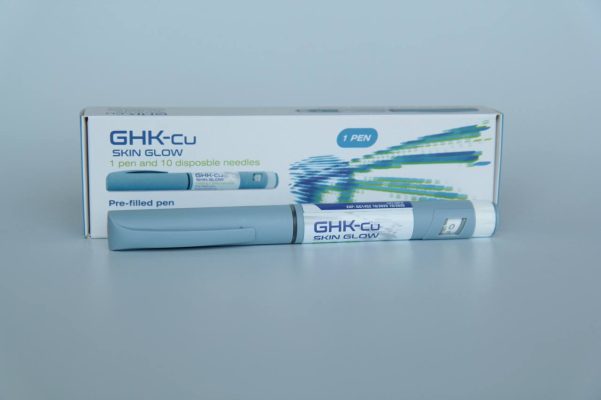
Explore GHK-Cu peptide basics, likely uses, and buying considerations. Learn how this 100mg skin glow product fits skincare and research needs. Continue reading
Add comment