
No products in the cart.
HMG 75IU Review: UK Purity, COA & Research Evidence 2026
HMG 75IU Review: UK Purity Standards, Clinical Evidence & Research Applications
This HMG 75IU review dissects what makes human menopausal gonadotropin distinct among reproductive research compounds: its dual FSH and LH activity profile, the clinical trial data underpinning its use in controlled ovarian stimulation protocols, and the sourcing quality markers UK researchers should verify before procurement. Unlike recombinant FSH preparations that isolate a single hormone, HMG retains both follicle-stimulating hormone (FSH) and luteinizing hormone (LH) extracted from the urine of postmenopausal women—a combination that has driven decades of reproductive endocrinology research and continues to inform contemporary protocol design.
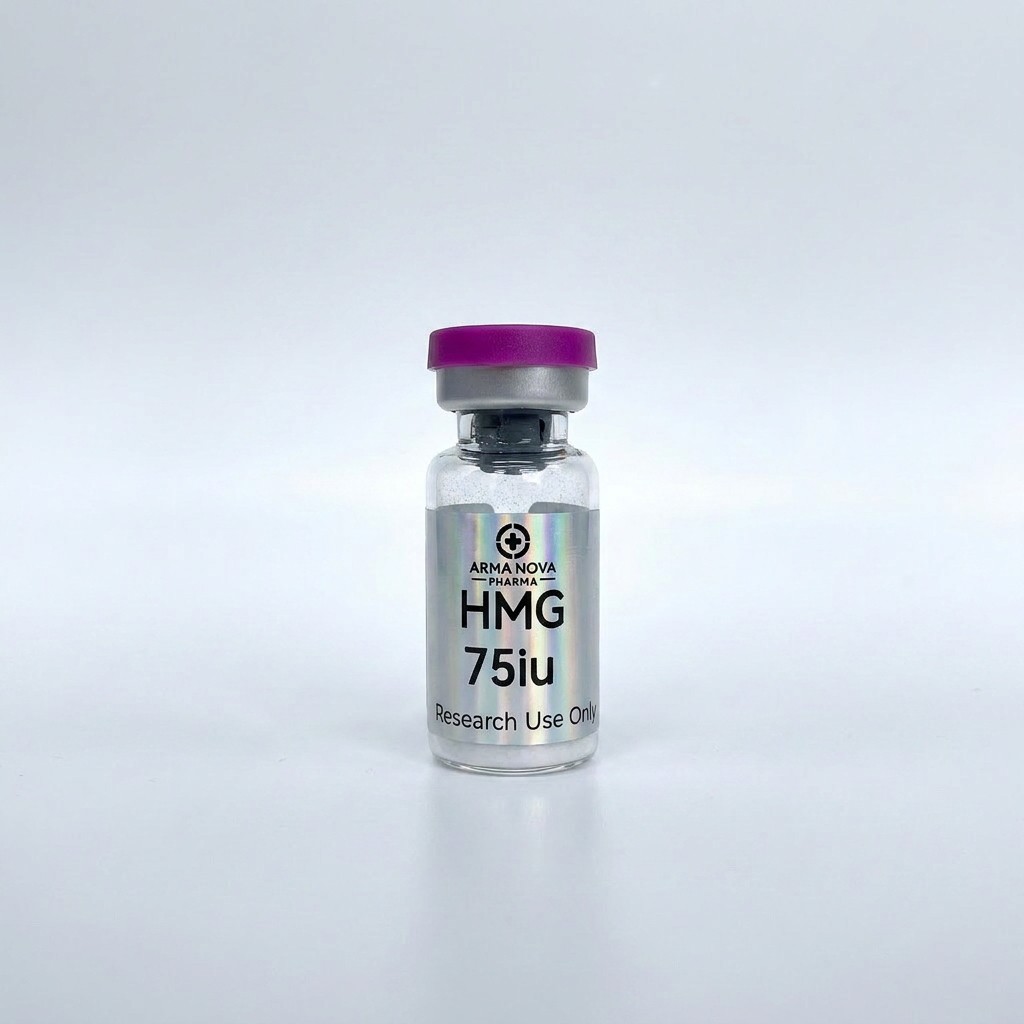
The UK market for HMG 75IU spans pre-filled pen formats and lyophilised vials, with procurement channels varying widely in documented purity, batch-to-batch consistency, and regulatory transparency. This review synthesises published reproductive endocrinology trials, third-party purity verification standards, and UK-specific regulatory context to provide researchers with an evidence-anchored assessment of HMG 75IU quality, application scope, and procurement criteria.
What Sets HMG 75IU Apart: The Dual FSH/LH Mechanism
Human menopausal gonadotropin is not a synthetic analogue or recombinant construct—it is a urinary extract standardised to contain both FSH and LH biological activity in a roughly 1:1 ratio, alongside trace amounts of human chorionic gonadotropin (hCG). Each 75 IU preparation typically delivers 75 IU of FSH activity and an equivalent measure of LH activity, though the precise ratio can vary slightly between batches and manufacturers due to the biological source material.
This dual-hormone composition distinguishes HMG from recombinant FSH (rFSH) preparations, which provide purified FSH without meaningful LH activity. The physiological relevance of this distinction became apparent in comparative trials examining follicular development, oocyte maturation, and endometrial receptivity outcomes. While FSH drives follicular recruitment and granulosa cell proliferation, LH contributes to theca cell androgen production—androgens that granulosa cells then aromatise into oestradiol, completing the paracrine signalling loop essential for optimal folliculogenesis.
In a 2003 systematic review by van Wely et al., researchers compared controlled ovarian stimulation outcomes between HMG and rFSH across multiple randomised controlled trials. The meta-analysis identified no statistically significant difference in live birth rates, yet noted higher ongoing pregnancy rates in the HMG cohort—a finding attributed to the supplemental LH activity improving late follicular phase maturation and endometrial receptivity in certain patient subgroups.
A subsequent 2008 Cochrane-style systematic review by Coomarasamy et al. reinforced these observations, concluding that urinary HMG produced comparable or marginally superior outcomes to rFSH in women undergoing assisted reproductive technology (ART) cycles, particularly in poor responders and women over 35. The authors hypothesised that the small but consistent LH activity in HMG may rescue follicular cohorts in individuals with suboptimal endogenous LH production during gonadotropin-releasing hormone (GnRH) agonist or antagonist co-treatment.
Clinical Trial Evidence: HMG 75IU in Controlled Ovarian Stimulation Protocols
The bulk of published HMG research originates from assisted reproductive technology (ART) settings, where precise control of follicular stimulation timing and magnitude is paramount. Standard protocols initiate HMG administration during the early follicular phase—typically cycle day 2 or 3—following baseline ultrasound confirmation of ovarian quiescence and serum hormone suppression.
A 2021 study by Berker et al. examined outcomes when HMG was commenced on early follicular phase day 2 versus day 3 in a cohort of normal responders undergoing intracytoplasmic sperm injection (ICSI). The trial found no significant difference in the number of mature oocytes retrieved, fertilisation rates, or embryo quality between the two initiation timings, but cycle day 2 initiation was associated with a marginally shorter stimulation duration (9.2 vs. 9.7 days, p=0.04). This finding suggests that early-phase HMG administration can modestly expedite follicular cohort recruitment without compromising oocyte developmental competence.
Dosing in these protocols typically begins at 150–225 IU daily (two to three 75 IU vials or pen injections), adjusted according to ovarian response as monitored by serial transvaginal ultrasound and serum oestradiol measurements. The goal is to recruit a cohort of 8–15 follicles reaching ≥18 mm diameter, at which point a final maturation trigger (hCG or GnRH agonist) is administered, followed by oocyte retrieval 34–36 hours later.
Importantly, these trial protocols employed pharmaceutical-grade HMG preparations with validated potency and purity. Researchers procuring HMG 75IU for laboratory or preclinical investigation must ensure their source material meets equivalent analytical standards—a criterion often overlooked in non-clinical procurement channels.
HMG 75IU Purity Standards: HPLC Verification and UK COA Requirements
High-performance liquid chromatography (HPLC) remains the gold-standard analytical method for verifying peptide and glycoprotein purity. For HMG preparations, HPLC quantifies the relative abundance of FSH, LH, and any contaminant proteins or degradation products present in the final lyophilised powder or solution.
Reputable UK suppliers such as Arma Peptides publish third-party Certificates of Analysis (COAs) for each batch of HMG 75IU (Vial) and HMG 75IU (Pre-Filled Pen) formats, documenting purity ≥99% by HPLC and confirming the absence of bacterial endotoxin above 0.5 EU/mg. These COAs also specify the FSH and LH biological activity per vial, ensuring that a product labelled “75 IU” delivers the stated potency rather than an under-dosed or degraded preparation.
Batch-to-batch consistency is critical: biological extracts like HMG are inherently more variable than recombinant proteins synthesised in controlled cell-culture systems. A supplier offering HMG at suspiciously low pricing without published COA documentation is a red flag—under-dosed or contaminated material not only compromises research reproducibility but may introduce confounding variables that invalidate experimental results.
In the UK, HMG 75IU is not licensed for human therapeutic use outside of National Health Service (NHS) fertility clinics and private ART centres operating under Human Fertilisation and Embryology Authority (HFEA) oversight. For research purposes, HMG is legally classified as a research chemical or reagent, supplied on the understanding that it will not be used for human administration. UK researchers must ensure their institution’s ethics and safety committees approve HMG procurement and storage under appropriate biosafety and hazardous materials protocols, even when the compound itself presents minimal biohazard risk.
HMG 75IU Formats: Pre-Filled Pen vs. Lyophilised Vial
Researchers procuring HMG 75IU in the UK encounter two primary formats: pre-filled pen injectors and lyophilised powder vials. Each presents distinct advantages depending on experimental protocol requirements and storage infrastructure.
Pre-Filled Pen Format
The HMG 75IU (Pre-Filled Pen) format contains HMG pre-dissolved in sterile diluent within a multi-dose pen device, typically delivering 75 IU per 0.13 mL injection. This format offers convenience for protocols requiring daily dosing over multiple days, as the pen eliminates reconstitution steps and reduces handling error risk. The pre-filled pen’s internal cartridge maintains sterility between doses, assuming proper needle changes and aseptic technique.
However, once opened, the pen must be refrigerated (2–8°C) and used within 28 days to prevent microbial contamination and peptide degradation. For research applications requiring infrequent dosing or small-volume aliquots, the pre-filled format may introduce waste if doses expire unused.
Lyophilised Vial Format
The lyophilised vial format supplies HMG 75IU as a freeze-dried powder sealed under vacuum or inert gas. This format offers superior long-term stability: unopened vials stored at 2–8°C typically retain full potency for 24–36 months, compared to 28 days for reconstituted solutions.
Reconstitution requires sterile bacteriostatic water or sodium chloride 0.9% injection, with standard protocols calling for 1 mL diluent per 75 IU vial to yield a 75 IU/mL working solution. Researchers must verify reconstitution volume and mixing technique to ensure complete dissolution—incomplete reconstitution leaves active peptide adhered to the vial wall, resulting in under-dosing.
For protocols requiring precise dose titration or custom volumes, the vial format affords greater flexibility than fixed-dose pens. Researchers can draw exact volumes using calibrated syringes, facilitating dose-response studies or weight-adjusted dosing in animal models.
Comparative Context: HMG 75IU vs. rFSH and Other Gonadotropins
Understanding where HMG 75IU fits within the broader gonadotropin landscape clarifies its specific research utility. The primary alternatives include recombinant FSH (rFSH), recombinant LH (rLH), and highly purified urinary FSH (HP-FSH).
Recombinant FSH (rFSH): Offers consistent FSH activity without LH, making it preferable for research isolating FSH-specific effects. However, rFSH lacks the LH co-stimulation present in physiological folliculogenesis, potentially limiting translational relevance in models examining natural ovarian function.
Recombinant LH (rLH): Provides purified LH activity, allowing researchers to add controlled LH supplementation to rFSH protocols. While this approach offers precise hormone ratio control, it requires two separate compounds and introduces complexity in protocol design.
Highly Purified Urinary FSH (HP-FSH): Extracted from urine like HMG but processed to remove LH activity, HP-FSH occupies a middle ground between HMG and rFSH. Comparative trials show minimal clinical outcome differences between HP-FSH and rFSH, suggesting the purification process successfully isolates FSH without introducing significant contaminants.
The HMG 75IU advantage lies in its dual FSH/LH activity reflecting natural gonadotropin profiles. For research modelling physiological ovarian stimulation or investigating FSH-LH synergy, HMG offers a single-source solution delivering both hormones in biologically relevant ratios. This simplifies procurement, reduces protocol variables, and better approximates the endocrine environment of natural menstrual cycles.
UK Sourcing Considerations: Next-Day Delivery, Pricing, and Regulatory Compliance
UK researchers benefit from domestic suppliers offering next-day delivery and GBP pricing, eliminating customs delays and currency conversion complications inherent in international orders. Arma Peptides maintains ready-to-ship stock of both vial and pre-filled pen formats, with orders placed before 3 PM GMT typically dispatched same-day for next-business-day arrival via tracked courier.
Pricing for HMG 75IU in the UK market typically ranges £35–£60 per vial or pen unit when purchased in quantities of 5–10 units, with volume discounts available for larger research orders. Pricing below £30 per unit should prompt scrutiny of supplier credentials and COA availability—dramatically underpriced HMG often indicates under-dosed product, expired stock, or counterfeit material sourced from unregulated markets.
From a regulatory perspective, UK researchers must procure HMG explicitly labelled “For research use only” or “Not for human use,” ensuring the transaction falls outside the scope of the Human Medicines Regulations 2012. Suppliers marketing HMG for human therapeutic use without a wholesale dealer authorisation (WDA) or manufacturer authorisation violate UK medicines law, exposing both supplier and purchaser to regulatory action by the Medicines and Healthcare products Regulatory Agency (MHRA).
Research institutions should maintain procurement documentation (purchase orders, invoices, COAs) for audit purposes, and store HMG under appropriate controlled substance and biosafety protocols as specified by institutional environmental health and safety (EHS) offices.
Practical Application: HMG 75IU Handling, Storage, and Reconstitution Protocols
Proper handling and storage are critical to maintaining HMG 75IU potency throughout the product lifecycle. Both vial and pen formats require refrigeration at 2–8°C from the point of manufacture through to administration or experimental use.
Storage and Stability
Unopened lyophilised vials: Store at 2–8°C in the original packaging to protect from light. Do not freeze. Properly stored vials retain ≥95% potency for 24–36 months from manufacture date.
Reconstituted vials: Once reconstituted with bacteriostatic water, store at 2–8°C and use within 28 days. Discard any remaining solution after this period to prevent microbial contamination and peptide degradation.
Pre-filled pens: Store unused pens at 2–8°C. After first use, the pen may be stored at room temperature (≤25°C) for up to 28 days or continued refrigeration, provided the pen cap is replaced between doses to maintain sterility.
Excursions to room temperature during transport or handling are generally tolerated for brief periods (≤24 hours), but prolonged exposure to temperatures above 25°C accelerates degradation and should be avoided.
Reconstitution Protocol for Vial Format
- Preparation: Allow the lyophilised vial and diluent ampule to equilibrate to room temperature (15–25°C) for 10–15 minutes. Cold diluent added to cold powder can cause incomplete dissolution and frosting on the vial wall.
- Aseptic Technique: Swab the vial stopper with 70% isopropanol and allow to air-dry completely. Draw 1 mL bacteriostatic water for injection or sodium chloride 0.9% into a sterile syringe fitted with a 23–25 gauge needle.
- Reconstitution: Inject the diluent slowly down the inside wall of the vial, avoiding direct impact on the lyophilised pellet, which can cause foaming and denature the glycoproteins. Gently swirl—do not shake—the vial until the powder dissolves completely, typically 30–60 seconds. The solution should be clear and colourless; discard if cloudy or contains particulate matter.
- Withdrawal: Invert the vial and draw the reconstituted solution into a fresh sterile syringe, expelling any air bubbles. Administer immediately or refrigerate for up to 28 days as noted above.
Dosing and Injection Site Considerations
In clinical ART protocols, HMG is typically administered via subcutaneous injection into the abdomen (2–3 cm lateral to the umbilicus) or anterior thigh. For animal research models, injection sites and volumes must be scaled appropriately to body mass and species-specific pharmacokinetics—direct extrapolation of human dosing to rodent or larger animal models without adjustment will produce supraphysiological exposures and confound results.
Common Misconceptions and Research Pitfalls with HMG 75IU
Several persistent misconceptions surround HMG procurement and application, often leading to suboptimal research design or wasted resources.
Misconception 1: “All HMG 75IU Products Are Equivalent”
Biological extracts exhibit inherent batch-to-batch variability. Unlike recombinant peptides synthesised with high consistency, urinary-derived HMG can vary in FSH:LH ratio, protein purity, and trace contaminant profiles depending on donor pool characteristics and purification methodology. COA verification is non-negotiable for reproducible research—two HMG products labelled “75 IU” from different suppliers may deliver markedly different biological activity.
Misconception 2: “HMG and rFSH Are Interchangeable”
While both drive follicular stimulation, their hormone activity profiles differ meaningfully. Substituting HMG for rFSH (or vice versa) mid-protocol introduces an uncontrolled variable that can alter outcome measures. Researchers designing dose-response or mechanistic studies should select one gonadotropin preparation and maintain it throughout the experimental series.
Misconception 3: “Refrigeration Is Optional for Short-Term Use”
Glycoprotein hormones like FSH and LH are temperature-sensitive. Even brief room-temperature storage (48–72 hours) can reduce potency by 10–15%, and degradation accelerates exponentially above 25°C. For reliable results, maintain cold-chain storage at all times except during reconstitution and immediate dose preparation.
Misconception 4: “HMG Is Only Relevant to Fertility Research”
While ART applications dominate the HMG literature, emerging research explores HMG’s role in androgen metabolism, steroidogenesis pathways, and endocrine signalling networks beyond reproduction. LH receptors are expressed in Leydig cells, adipocytes, and even certain neuronal populations—contexts where HMG may modulate metabolic and neuroendocrine function through LH receptor activation independent of ovarian effects.
HMG 75IU Review: Quality Benchmarks and Supplier Vetting Checklist
Given the proliferation of under-regulated peptide suppliers in the UK and broader European market, researchers require a systematic approach to vetting HMG 75IU sources. The following checklist consolidates the key quality markers discussed throughout this HMG 75IU review:
- Published COAs: Does the supplier provide third-party Certificates of Analysis for each batch, specifying HPLC purity ≥99% and endotoxin levels ≤0.5 EU/mg?
- Biological Activity Verification: Does the COA confirm FSH and LH activity per vial, not just peptide mass?
- Batch Traceability: Can you cross-reference the batch number on your vial or pen with the published COA on the supplier’s website?
- Storage and Shipping Protocols: Is the product shipped with cold packs or refrigerated courier to maintain 2–8°C throughout transit?
- Regulatory Labelling: Is the product clearly labelled “For research use only” or equivalent, with no therapeutic claims?
- Supplier Transparency: Does the supplier list a verifiable UK business address, contact details, and return/complaint policy?
- Pricing Reality Check: Does the pricing align with market norms (£35–£60 per unit for HMG 75IU in small quantities), or is it suspiciously cheap?
- Customer Support: Can you contact the supplier with technical questions about reconstitution, storage, or COA interpretation, and receive informed responses?
Suppliers failing to meet three or more of these criteria should be considered high-risk. Arma Peptides meets all eight benchmarks, publishing batch-specific COAs with HPLC purity documentation, maintaining UK-based cold-chain logistics, and offering next-day delivery across England, Scotland, Wales, and Northern Ireland.
Related Research Compounds: Contextualising HMG 75IU Within Broader Peptide Research
Researchers working with HMG 75IU often explore adjacent peptide and research compound categories, particularly where endocrine modulation, tissue repair, or cellular signalling pathways intersect.
For studies examining tissue regeneration and repair signalling, the BPC-157 TB-500 Blend offers a complementary research tool targeting angiogenesis and extracellular matrix remodelling—pathways distinct from but potentially synergistic with gonadotropin-mediated steroidogenesis and folliculogenesis.
Similarly, researchers investigating cellular bioenergetics and NAD+ metabolism alongside reproductive endocrine function may benefit from reviewing the NAD+ Injection research profile, which discusses purity standards and handling protocols for nicotinamide adenine dinucleotide preparations.
For a broader assessment of UK peptide sourcing standards and comparative supplier analysis, the UK Peptide Supplier Review 2026 provides cross-category purity benchmarking and regulatory compliance context applicable to gonadotropins, growth factors, and synthetic peptides alike.
A comprehensive technical overview of HMG’s research applications, dosing considerations, and quality parameters is available in the HMG 75IU Research Peptide guide, which complements this review with protocol design insights and experimental troubleshooting notes.
Frequently Asked Questions: HMG 75IU Review
Is HMG 75IU legal to purchase for research purposes in the UK?
Yes. HMG 75IU labelled “For research use only” is legally procured in the UK as a research chemical or laboratory reagent, provided it is not intended for human therapeutic use. Researchers must ensure their institution’s ethics and biosafety protocols cover HMG storage and handling.
How does HMG 75IU differ from recombinant FSH?
HMG contains both FSH and LH biological activity extracted from postmenopausal urine, while recombinant FSH (rFSH) delivers purified FSH synthesised in cell culture with minimal LH activity. The dual FSH/LH profile in HMG better reflects natural gonadotropin signalling, which may benefit research modelling physiological ovarian or testicular function.
What is the shelf life of unopened HMG 75IU vials?
Properly stored at 2–8°C, unopened lyophilised HMG 75IU vials retain ≥95% potency for 24–36 months from the manufacturing date. Always verify the expiry date printed on the vial label and do not use expired product.
Can HMG 75IU be frozen for long-term storage?
No. Freezing lyophilised or reconstituted HMG can cause protein denaturation, aggregation, and loss of biological activity. Store at 2–8°C only; do not freeze at any stage.
Where can I access Certificates of Analysis for HMG 75IU batches?
Reputable suppliers publish batch-specific COAs on their websites or provide them upon request at the time of purchase. Arma Peptides publishes COAs with HPLC purity data, endotoxin levels, and biological activity confirmation for each HMG 75IU batch distributed.
What diluent should I use to reconstitute HMG 75IU vials?
Bacteriostatic water for injection or sterile sodium chloride 0.9% injection are both suitable diluents. Use 1 mL diluent per 75 IU vial to achieve a 75 IU/mL working concentration. Do not use plain sterile water without bacteriostatic preservative if multi-dose use is intended.
Is next-day delivery available for HMG 75IU orders in the UK?
Yes. Arma Peptides offers next-day delivery across the UK via tracked courier, with cold-chain packaging to maintain 2–8°C during transit. Orders placed before 3 PM GMT Monday–Friday are typically dispatched same-day for next-business-day delivery.
Conclusion: Evaluating HMG 75IU for UK-Based Research Applications
This HMG 75IU review has synthesised clinical trial evidence, analytical quality standards, and practical handling protocols to equip UK researchers with a comprehensive assessment framework for procuring and utilising human menopausal gonadotropin in laboratory settings. The dual FSH/LH activity profile unique to HMG distinguishes it from recombinant single-hormone preparations, offering a closer approximation to physiological gonadotropin signalling for studies examining folliculogenesis, steroidogenesis, and reproductive endocrine regulation.
Published systematic reviews—including van Wely et al. (2003), Coomarasamy et al. (2008), and Berker et al. (2021)—provide robust evidence that HMG produces comparable or superior outcomes to rFSH in controlled ovarian stimulation protocols, particularly in specific patient subgroups. These findings underscore HMG’s continued relevance in contemporary reproductive research despite the advent of recombinant alternatives.
Quality assurance through HPLC-verified purity, third-party COA publication, and cold-chain distribution is non-negotiable for reproducible research. UK researchers benefit from domestic suppliers like Arma Peptides offering next-day delivery, published batch-specific COAs, and transparent regulatory compliance with UK medicines law. Procurement channels lacking these quality markers introduce uncontrolled variables that compromise experimental validity and waste institutional resources.
For researchers designing protocols involving HMG 75IU, careful attention to reconstitution technique, storage conditions, and dosing precision will maximise compound stability and experimental reproducibility. Cross-referencing supplier COAs against the quality benchmarks outlined in this review provides a systematic approach to source verification, mitigating the risks inherent in a market segment where under-regulated suppliers and counterfeit products persist.
Whether exploring HMG’s established role in ART protocols or investigating emerging applications in androgen metabolism and endocrine signalling, UK researchers require access to reliably sourced, analytically verified HMG 75IU preparations. This review consolidates the evidence and practical guidance necessary to make informed procurement decisions aligned with rigorous research standards.
Disclaimer: HMG 75IU is supplied by Arma Peptides strictly for in vitro research and laboratory analysis purposes. It is not approved for human therapeutic use, veterinary administration, or any application involving living subjects outside of approved research protocols. Researchers must obtain appropriate institutional ethics and biosafety approvals before procuring or handling HMG 75IU, and ensure compliance with UK regulations governing research chemicals and biological materials.
Related posts
Tesamorelin 10mg UK: Research-Grade Growth Hormone-Releasing Hormone Analogue for 2026 UK-based researchers investigating growth hormone-releasing hormone (GHRH) analogues frequently encounter a critical sourcing challenge:… Continue reading
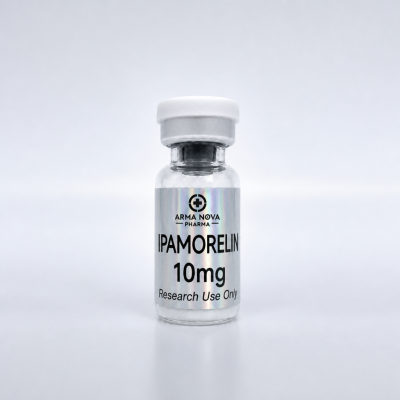
Ipamorelin UK: The Selective Growth Hormone Secretagogue for Researchers in 2026 Among the growth hormone-releasing peptides available to UK researchers, ipamorelin stands apart for a... Continue reading
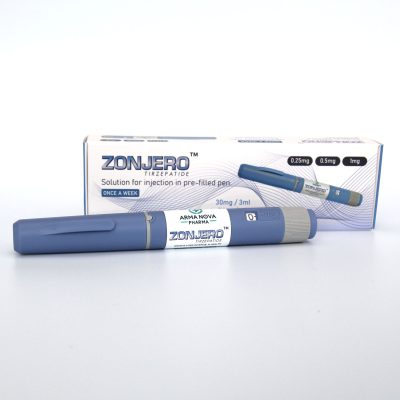
Tirzepatide 30mg UK: The Dual GIP/GLP-1 Receptor Agonist for Advanced Metabolic Research Tirzepatide represents the first dual glucose-dependent insulinotropic polypeptide (GIP) and glucagon-like peptide-1 (GLP-1)... Continue reading
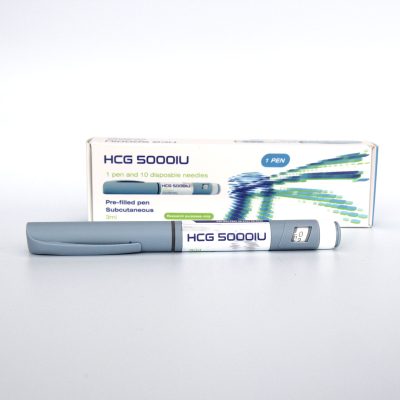
HCG 5000IU UK: Research-Grade Sourcing and Clinical Context Guide 2026 Human chorionic gonadotropin at the 5000 international unit dosage represents one of the most frequently... Continue reading
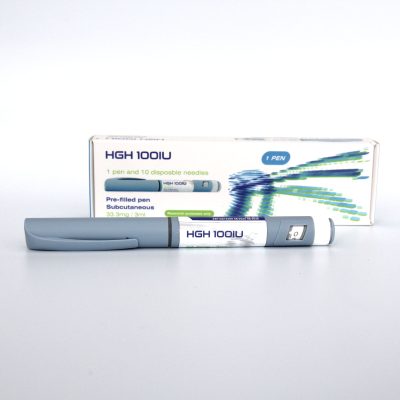
HGH 100 IU UK: Verified Research-Grade Sourcing, Purity Standards, and Regulatory Context for 2026 Securing genuine, laboratory-verified hgh 100 iu uk formulations presents distinct challenges... Continue reading
Add comment