
No products in the cart.
TB500 5mg Peptide UK: HPLC-Verified Research Grade 2026
TB-500 5mg Peptide in the UK: A Mechanistic Analysis of the Synthetic Thymosin Beta-4 Fragment
The tb500 5mg peptide uk market has expanded considerably among research institutions and private laboratories investigating tissue regeneration pathways. Yet most UK suppliers conflate TB-500 with its parent protein, Thymosin Beta-4 (Tβ4), without clarifying the critical distinction: TB-500 is a synthetic fragment corresponding to residues 17-23 of the full 43-amino acid Thymosin Beta-4 sequence. This seven-amino acid segment contains the actin-binding domain responsible for the peptide’s cell migration and wound healing properties documented in peer-reviewed literature.
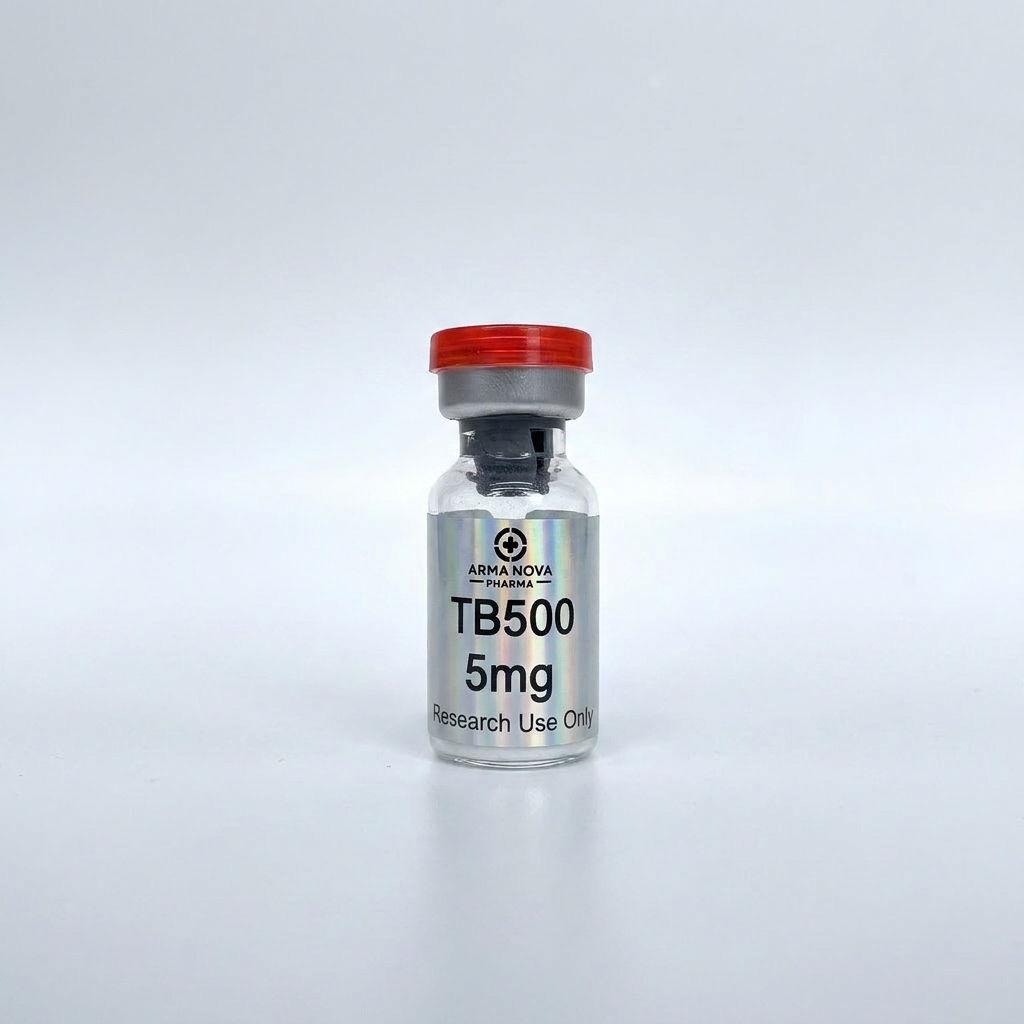
This article dissects the biochemical mechanisms underlying TB-500’s documented effects, examines the evidence base with specific PubMed citations, and provides UK-specific sourcing criteria including HPLC purity verification, Certificate of Analysis (COA) requirements, and regulatory context for research use under UK law.
tb500 5mg peptide uk: Thymosin Beta-4 Versus TB-500: Understanding the Synthetic Fragment
Thymosin Beta-4 is a naturally occurring 43-amino acid polypeptide first isolated from thymus gland tissue in the 1960s. It exists in virtually all mammalian cells except red blood cells, with highest concentrations in platelets, wound fluid, and other tissues responding to injury. The peptide’s primary function centres on sequestering G-actin monomers, preventing their polymerisation into F-actin filaments and thereby regulating cytoskeletal dynamics essential for cell migration, proliferation, and differentiation.
TB-500, by contrast, is a synthetic peptide fragment specifically engineered to isolate the actin-binding region. The 17-23 amino acid sequence (LKKTETQ) constitutes the active domain responsible for actin interaction. Early research hypothesised that this fragment alone could replicate the regenerative effects of full-length Thymosin Beta-4 while offering easier synthesis and potentially improved stability for research applications.
The distinction matters for three reasons. First, pharmacokinetics differ: the smaller molecular weight of TB-500 (approximately 889 Da versus 4963 Da for full Tβ4) theoretically permits faster tissue penetration. Second, synthesis cost and scalability favour the shorter sequence, which explains TB-500’s prevalence in commercial research preparations. Third, the existing literature predominantly examines full-length Thymosin Beta-4, meaning researchers using TB-500 5mg must extrapolate from studies of the parent molecule while acknowledging potential differences in potency or activity.
Mechanism of Action: The Actin-Binding Domain and Cell Migration
The biological activity attributed to TB-500 derives from its actin-binding capacity. Actin exists in cells as either monomeric G-actin or filamentous F-actin, with the balance between these states determining cell shape, motility, and division. Thymosin Beta-4 sequesters G-actin in a 1:1 complex, creating a reservoir of unpolymerised actin available for rapid cytoskeletal reorganisation when cells receive migration signals.
When tissue injury occurs, inflammatory cytokines and growth factors trigger actin polymerisation at the cell’s leading edge, forming lamellipodia and filopodia that drive directional migration toward the wound site. Goldstein and colleagues (2012) characterised Thymosin Beta-4 as a “multi-functional regenerative peptide” with roles extending beyond actin sequestration to include downregulation of inflammatory cytokines, promotion of endothelial cell differentiation, and modulation of extracellular matrix remodelling. Their review consolidated evidence from multiple model systems demonstrating dose-dependent effects on angiogenesis and tissue repair (PMID: 22150678).
The specific actin-binding sequence within TB-500 interacts with the barbed end of actin monomers, preventing their addition to growing filament ends. This sequestration function appears central to the peptide’s effects on keratinocyte migration in wound healing models and cardiomyocyte protection in ischaemic injury models. However, recent work suggests Thymosin Beta-4 may also function through actin-independent pathways, including direct activation of integrin-linked kinase (ILK) and promotion of laminin-5 expression, both critical for epithelial cell migration.
Whether the isolated TB-500 fragment retains these actin-independent activities remains an open question in the research literature. The seven-amino acid sequence lacks several domains present in full-length Tβ4 that may contribute to receptor binding or intracellular signalling. UK researchers purchasing tb500 5mg peptide uk preparations should recognise this mechanistic uncertainty when designing experimental protocols and interpreting results.
Evidence Base: Angiogenesis, Wound Healing, and Cardioprotection
The peer-reviewed literature on Thymosin Beta-4 spans multiple tissue types and injury models, with three primary areas receiving sustained research attention: vascular development, dermal wound healing, and cardiac tissue protection.
Angiogenesis and Vascular Development
Philp and colleagues (2003) published seminal work demonstrating that Thymosin Beta-4 promotes angiogenesis through both VEGF-dependent and VEGF-independent pathways. In their study, topical application of Tβ4 to dermal wounds in adult mice increased vessel density and accelerated wound closure rates by approximately 42% compared to vehicle controls. Importantly, this effect persisted in VEGF-receptor-2-deficient mice, indicating alternative pro-angiogenic mechanisms (PMID: 14654104).
The angiogenic effect appears mediated by upregulation of endothelial nitric oxide synthase (eNOS) and subsequent nitric oxide production, which triggers endothelial cell migration and tube formation. The peptide also increases expression of matrix metalloproteinases (MMPs), particularly MMP-2, facilitating endothelial cell invasion through the extracellular matrix during new vessel formation.
Dermal Wound Healing and Hair Follicle Development
The same Philp et al. (2003) study documented effects on hair follicle neogenesis, with Thymosin Beta-4 treatment promoting hair follicle stem cell differentiation and shaft development in wound-healing models. This finding generated interest in hair restoration research, though translation to human applications remains limited by regulatory constraints.
Mechanistically, the acceleration of wound closure involves multiple cell types: keratinocytes migrate more rapidly across the wound bed, fibroblasts deposit collagen more efficiently, and inflammatory cell infiltration follows a more regulated time course with earlier resolution of inflammation. These multi-cellular effects suggest Thymosin Beta-4 functions as a paracrine coordinator of the healing response rather than a single-target therapeutic.
Cardiac Protection in Ischaemic Injury
Crockford (2007) reviewed the development pathway for Thymosin Beta-4 in ischaemic heart disease, summarising preclinical evidence that the peptide reduces infarct size, preserves cardiac function, and promotes neovascularisation in myocardial infarction models. In rat coronary ligation models, Tβ4 administration reduced infarct area by 30-50% when given within hours of ischaemic injury (PMID: 17450230).
The cardioprotective mechanism involves multiple pathways: activation of integrin-linked kinase promotes cardiomyocyte survival signalling, while increased coronary vessel density improves perfusion to peri-infarct zones. The peptide also mobilises epicardial progenitor cells, which differentiate into vascular smooth muscle and contribute to vessel repair.
Critical analysis reveals most cardiac studies employed full-length Thymosin Beta-4 at doses substantially higher than those typically used in research with TB-500 fragment preparations. Whether the truncated sequence delivers equivalent cardioprotection at proportional doses remains unconfirmed in published literature.
UK Sourcing Criteria: HPLC Purity, COA Verification, and Cold Chain
The quality variance in tb500 5mg peptide uk products reflects differences in peptide synthesis methods, purification processes, and storage handling. Research-grade peptides require solid-phase peptide synthesis (SPPS) followed by preparative high-performance liquid chromatography (HPLC) purification to achieve ≥99% purity. Lower purity grades contain deletion sequences, truncated fragments, and aggregate formations that confound experimental results.
HPLC Verification and Mass Spectrometry
Legitimate UK suppliers provide batch-specific Certificates of Analysis documenting HPLC purity, typically presented as a chromatogram showing a single dominant peak at the expected retention time for TB-500. Mass spectrometry confirmation verifies the molecular weight matches theoretical calculations for the target sequence (889.01 Da for the TB-500 fragment).
Arma Peptides publishes COAs per manufacturing batch for TB-500 5mg preparations, with documented purity ≥99% by HPLC analysis. Each COA includes the synthesis date, purity percentage, molecular weight confirmation, and storage recommendations specific to that batch.
Lyophilisation and Storage Stability
Peptides are supplied as lyophilised (freeze-dried) powder to maximise stability during storage and transport. In lyophilised form, TB-500 remains stable at -20°C for approximately 24-36 months. Once reconstituted with bacteriostatic water or sterile saline, the peptide solution requires refrigeration at 2-8°C and should be used within 30 days to minimise degradation.
UK suppliers offering “next-day delivery” must maintain cold chain protocols during transport, particularly during summer months when ambient temperatures may accelerate peptide degradation. Research institutions should verify that suppliers use insulated packaging with gel ice packs for overnight courier shipments.
UK Regulatory Context: Research Use Only
TB-500 is not authorised for human therapeutic use in the UK by the Medicines and Healthcare products Regulatory Agency (MHRA). It remains classified as a research chemical intended for laboratory investigation only. UK law prohibits marketing peptides for human consumption, athletic performance enhancement, or veterinary use without appropriate licensure.
Researchers purchasing tb500 5mg peptide uk preparations must document institutional affiliation and research purpose. Legitimate suppliers implement verification processes to ensure compliance with UK regulations governing the supply of research biochemicals.
Dosing Protocols in Research Models: Extrapolating from Literature
Published studies of Thymosin Beta-4 employ a wide dosage range depending on model system and administration route. Systemic (intraperitoneal or subcutaneous) doses in rodent models typically range from 6-30 mg/kg, administered 1-3 times weekly for 2-6 weeks. In cardiac injury models, higher acute doses (up to 60 mg/kg) were used in the immediate post-infarction period.
Converting these protocols to TB-500 fragment studies requires consideration of molecular weight differences. If assuming equivalent molar activity, a researcher would theoretically need only 18% of the full Tβ4 mass to deliver the same molar quantity of the active domain. However, this assumption remains unvalidated in comparative studies.
Reconstitution typically uses bacteriostatic water at concentrations of 2-5 mg/mL, with the reconstituted solution stored at 2-8°C. Researchers working with TB-500 10mg vials may prefer higher concentration preparations to reduce injection volumes in animal models.
Note: Dosing information provided relates exclusively to published research protocols in animal models. TB-500 is not approved for human use in the UK. Researchers must obtain appropriate institutional ethics approval before initiating any studies involving live subjects.
Combination Protocols: TB-500 with BPC-157 in Tissue Repair Research
Recent research interest has focused on combination protocols pairing TB-500 with BPC-157, a pentadecapeptide derivative of body protection compound with documented effects on angiogenesis and tendon healing. The rationale combines TB-500’s actin-mediated cell migration effects with BPC-157’s VEGF receptor modulation and nitric oxide signalling.
No published studies directly compare combination protocols to monotherapy in controlled experiments, leaving researchers to design protocols based on mechanistic rationale rather than empirical evidence. Institutions investigating synergistic effects typically employ both peptides at standard monotherapy doses rather than reducing individual doses in the combination.
Arma Peptides offers a BPC-157 + TB-500 Blend formulation in defined ratios for researchers investigating combination protocols, eliminating variability from separate reconstitution procedures. The blend maintains individual peptide stability through co-lyophilisation techniques that prevent cross-reaction during storage.
Common Sourcing Errors and UK-Specific Red Flags
The unregulated status of research peptides creates opportunities for quality shortcuts that compromise experimental validity. UK researchers should recognise these warning signs when evaluating suppliers:
- Missing or Generic COAs: Certificates of Analysis should be batch-specific with unique batch numbers matching product labels. Generic COAs listing “98-99%” purity without specific chromatograms suggest the supplier lacks proper analytical testing.
- Suspiciously Low Pricing: High-purity peptide synthesis involves expensive reagents and time-intensive purification. Prices substantially below market average (currently £35-65 for research-grade 5mg TB-500 in the UK) often indicate lower purity grades or underfilled vials.
- Absence of Reconstitution Guidance: Legitimate suppliers provide detailed protocols for reconstitution, storage, and handling. Absence of this documentation suggests limited technical knowledge or bulk resale of unverified products.
- Marketing Claims About Human Use: UK suppliers making efficacy claims for human athletic performance, muscle growth, or injury treatment violate MHRA regulations. Such marketing indicates non-compliance that likely extends to quality control procedures.
- No Cold Chain for Delivery: Peptides shipped without temperature control during summer months may arrive partially degraded. Insulated packaging with gel packs represents minimum standard for UK courier delivery.
Analytical Verification: Third-Party Testing Options for UK Researchers
Institutions with significant peptide research programmes may opt for third-party verification of supplier claims. UK analytical laboratories offer peptide characterisation services including:
- Reversed-Phase HPLC: Confirms purity percentage and identifies contaminating peptide sequences or degradation products. Cost approximately £150-300 per sample.
- Mass Spectrometry (MALDI-TOF or ESI-MS): Verifies molecular weight within ±1 Da tolerance, confirming sequence identity. Cost approximately £100-200 per sample.
- Amino Acid Analysis: Quantifies actual peptide content versus fill weight, detecting underfilled vials or excessive excipient content. Cost approximately £200-350 per sample.
While third-party testing adds cost, it provides definitive quality verification for high-value research projects where peptide quality directly impacts experimental outcomes. Discrepancies between supplier COAs and independent testing results warrant immediate supplier change.
The Actin-Independent Effects: Beyond the Core Mechanism
Recent research suggests Thymosin Beta-4 exerts effects independent of actin binding, complicating the assumption that the TB-500 fragment replicates full parent molecule activity. Studies document Tβ4 binding to the PINCH-ILK-Parvin complex, activating integrin-linked kinase without requiring actin interaction. This pathway promotes cell survival through Akt phosphorylation and inhibition of pro-apoptotic signalling.
Additional work identifies Thymosin Beta-4 interactions with HDAC1 and HDAC5, suggesting histone deacetylase modulation may contribute to gene expression changes observed in wound healing models. The peptide also appears to sequester actin-related protein 2/3 (Arp2/3) complex, affecting branched actin network formation distinct from G-actin sequestration.
These actin-independent mechanisms depend on peptide regions outside the 17-23 active fragment. TB-500’s truncated sequence likely loses these functions, potentially explaining why informal reports from research institutions sometimes suggest higher doses of TB-500 are needed to replicate effects seen with full Thymosin Beta-4 in published studies.
Researchers designing experiments with tb500 5mg peptide uk preparations should consider including positive controls using recombinant full-length Thymosin Beta-4 to directly compare activity levels. Such comparative data would meaningfully advance understanding of the fragment’s true equivalence to the parent molecule.
Future Directions: Clinical Translation and UK Regulatory Prospects
Thymosin Beta-4 entered Phase II clinical trials for multiple indications including pressure ulcers, venous stasis ulcers, and myocardial infarction. Results demonstrated acceptable safety profiles but inconsistent efficacy, with some trials meeting primary endpoints while others showed non-significant trends toward improvement.
The mixed clinical results reflect challenges in translating preclinical findings to human populations: optimal dosing remains undefined, patient selection criteria require refinement, and the peptide’s short half-life (approximately 2-3 hours in circulation) necessitates frequent administration or sustained-release formulations.
TB-500 specifically has not progressed through formal clinical development, remaining a research tool rather than a therapeutic candidate. UK regulatory approval would require complete preclinical toxicology packages, manufacturing quality systems compliant with Good Manufacturing Practice (GMP) standards, and phased clinical trials demonstrating safety and efficacy—an investment of £50-150 million over 8-12 years.
For the foreseeable future, TB-500 will remain available in the UK exclusively for research purposes, with human therapeutic use prohibited under existing MHRA regulations. Researchers contribute to the evidence base that may eventually support clinical development, but substantial mechanistic questions require resolution before such translation becomes feasible.
UK Delivery Logistics and Peptide Handling Best Practices
Next-day delivery within the UK represents standard service for research peptide suppliers, with courier dispatch typically occurring within 24 hours of order confirmation for in-stock items. Arma Peptides maintains UK inventory to enable rapid fulfilment without international shipping delays that risk cold chain breaks.
Upon receipt, researchers should immediately verify:
- Package Integrity: Insulated packaging should arrive cold to touch with gel packs still partially frozen. Warm packages suggest cold chain failure requiring supplier notification and potential replacement.
- Vial Condition: Lyophilised peptide appears as white to off-white powder compressed at vial bottom. Discoloration, clumping, or powder distributed on vial walls may indicate moisture exposure during storage or transport.
- Batch Number Match: Vial labels should display batch numbers matching the COA provided digitally or in package. Mismatches require immediate supplier contact before use.
- Seal Integrity: Crimp seals should be intact with no gap between aluminium crimp and rubber stopper. Compromised seals indicate potential contamination or tampering.
Transfer lyophilised vials to -20°C storage immediately upon receipt. Avoid repeated freeze-thaw cycles by aliquoting reconstituted solutions into single-use volumes where practical. Standard practice uses cryovials (0.5-1.0 mL capacity) to store aliquots at -80°C for long-term preservation of reconstituted peptide.
Cost Considerations and Institutional Purchasing in UK Research Settings
Research budgets require accurate peptide cost forecasting based on experimental requirements. For a typical wound healing study examining three TB-500 doses against vehicle control in a rodent model (n=10 per group, 4 weeks, twice-weekly injections), researchers would require:
- Dose calculation: 20 mg/kg in 250g rat = 5 mg per injection
- Total injections: 10 rats × 8 injections = 80 injections
- Total TB-500: 80 × 5 mg = 400 mg
- Vials required: 400 mg ÷ 5 mg per vial = 80 vials (assuming complete reconstitution and no waste)
- Estimated cost: 80 vials × £50 average = £4,000 for peptide alone
This calculation excludes reconstitution reagents (bacteriostatic water, sterile saline), injection supplies, and analytical costs for verifying dosing accuracy. Institutional procurement departments may negotiate volume pricing for orders exceeding 50-100 vials, potentially reducing per-vial costs by 15-25%.
UK universities and research institutions typically require suppliers to establish accounts with purchase order billing rather than prepayment. Arma Peptides accommodates institutional purchasing procedures including 30-day payment terms for established accounts with appropriate documentation of research affiliation.
Comparing TB-500 Dosage Forms: 5mg Versus 10mg Vials
Researchers frequently question whether TB-500 10mg vials offer advantages over 5mg preparations beyond obvious quantity differences. The decision involves several practical considerations:
Reconstitution Volume: Higher peptide quantity per vial permits proportionally larger reconstitution volumes while maintaining desired concentration. For researchers requiring 5 mg/mL concentration, a 10mg vial allows 2 mL reconstitution versus 1 mL for a 5mg vial, improving pipetting accuracy for small-volume transfers.
Wastage Reduction: Each vial opening and needle penetration risks contamination and necessitates some product loss in needle dead space and vial retention. Fewer vials reduce cumulative waste across a study.
Storage Space: Freezer space in shared research facilities often limits peptide storage capacity. Fewer vials concentrate the same peptide quantity into reduced storage footprint.
Cost Efficiency: Per-milligram pricing typically favours larger vial sizes by 10-20%, though absolute cost differences may be modest (£0.50-1.00 per mg).
Freeze-Thaw Risk: Larger vials require either reconstituting the entire contents immediately or partial reconstitution with dry peptide remaining in the vial—a practice that risks moisture contamination of the unreconstituted portion. Smaller vials permit single-use reconstitution eliminating this concern.
For large studies with well-defined protocols, 10mg vials offer practical and economic advantages. For exploratory work with evolving protocols or multiple concurrent projects, 5mg vials provide flexibility and reduce risk from contamination events or protocol changes that render reconstituted peptide unusable.
Critical Gaps in the TB-500 Research Literature
Despite substantial research on full-length Thymosin Beta-4, direct characterisation of TB-500 fragment activity remains limited. Key questions unresolved in peer-reviewed literature include:
- Molar Potency Comparison: No published studies directly compare equimolar doses of TB-500 fragment versus full Thymosin Beta-4 in identical experimental models to establish relative potency.
- Pharmacokinetic Profile: Absorption, distribution, metabolism, and elimination characteristics specific to the TB-500 fragment lack systematic investigation in any species.
- Dose-Response Curves: Optimal dosing for TB-500 remains empirical, derived from anecdotal research reports rather than systematic dose-ranging studies with quantified endpoints.
- Long-Term Safety: Chronic administration studies examining potential adverse effects of sustained TB-500 exposure do not appear in PubMed-indexed literature.
- Off-Target Effects: The actin-binding domain’s specificity for intended targets versus potential interactions with other actin-binding proteins or cellular structures requires characterisation.
These gaps reflect TB-500’s status as a research tool rather than a formal drug development candidate. Researchers using tb500 5mg peptide uk preparations effectively conduct exploratory studies that may eventually address these questions, but should acknowledge the preliminary nature of the current evidence base when interpreting results and drawing conclusions.
Peptide Authentication: The Importance of Sequence Verification
One underappreciated quality concern involves peptide sequence errors during synthesis. Solid-phase peptide synthesis occasionally incorporates incorrect amino acids due to coupling failures or side reactions, particularly in sequences containing multiple lysine or glutamine residues (both present in TB-500’s LKKTETQ sequence).
Mass spectrometry confirms overall molecular weight but may miss single-amino-acid substitutions if the replacement has similar mass (e.g., leucine for isoleucine, both 131.17 Da). Definitive sequence verification requires Edman degradation or tandem mass spectrometry (MS/MS), analytical techniques uncommonly applied to routine peptide synthesis batches due to cost.
Reputable suppliers employ pilot-scale synthesis with sequence verification before scaling to production batches, then use HPLC retention time matching against verified reference standards to confirm sequence fidelity. Researchers encountering unexpected experimental results with peptides from new suppliers should consider sequence error as a potential explanation, particularly if the peptide demonstrates altered activity profiles compared to previous suppliers’ material.
Conclusion: Evidence-Based Sourcing for UK Peptide Research
The tb500 5mg peptide uk market serves researchers investigating tissue regeneration mechanisms first characterised in studies of full-length Thymosin Beta-4. While the synthetic fragment offers practical advantages in cost and synthesis scalability, direct evidence confirming equivalent activity to the parent molecule remains limited in peer-reviewed literature.
UK researchers sourcing TB-500 should prioritise suppliers providing batch-specific Certificates of Analysis documenting ≥99% HPLC purity, implementing cold chain delivery protocols, and maintaining regulatory compliance with research chemical supply regulations. The mechanistic rationale for TB-500’s actin-binding effects rests on solid biochemical foundations established in studies by Goldstein, Philp, Crockford, and others, but translation from full Thymosin Beta-4 findings to the truncated fragment requires careful experimental validation.
Arma Peptides maintains UK inventory of research-grade tb500 5mg peptide uk preparations with published COAs, next-day delivery, and documented HPLC purity verification. For UK institutions investigating tissue repair pathways, angiogenesis mechanisms, or cell migration dynamics, access to verified-quality peptides represents a foundational requirement for generating reproducible, publication-worthy data.
As the evidence base expands through continued research, the field will clarify TB-500’s precise relationship to its parent molecule, refine dosing protocols based on systematic investigation rather than empirical trial, and potentially identify clinical applications warranted for formal development pathways. Until then, rigorous sourcing standards and careful experimental design remain essential for advancing understanding of this mechanistically intriguing peptide fragment.
Related posts
Tesamorelin 10mg UK: Research-Grade Growth Hormone-Releasing Hormone Analogue for 2026 UK-based researchers investigating growth hormone-releasing hormone (GHRH) analogues frequently encounter a critical sourcing challenge:… Continue reading
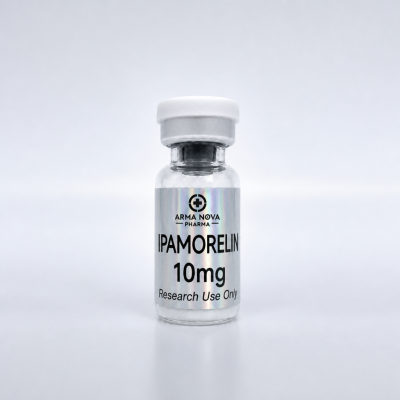
Ipamorelin UK: The Selective Growth Hormone Secretagogue for Researchers in 2026 Among the growth hormone-releasing peptides available to UK researchers, ipamorelin stands apart for a... Continue reading
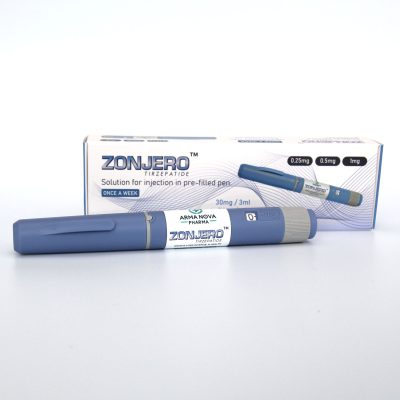
Tirzepatide 30mg UK: The Dual GIP/GLP-1 Receptor Agonist for Advanced Metabolic Research Tirzepatide represents the first dual glucose-dependent insulinotropic polypeptide (GIP) and glucagon-like peptide-1 (GLP-1)... Continue reading
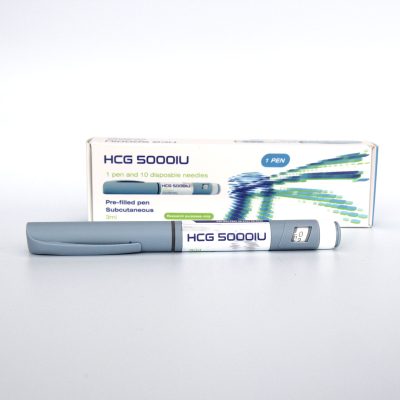
HCG 5000IU UK: Research-Grade Sourcing and Clinical Context Guide 2026 Human chorionic gonadotropin at the 5000 international unit dosage represents one of the most frequently... Continue reading
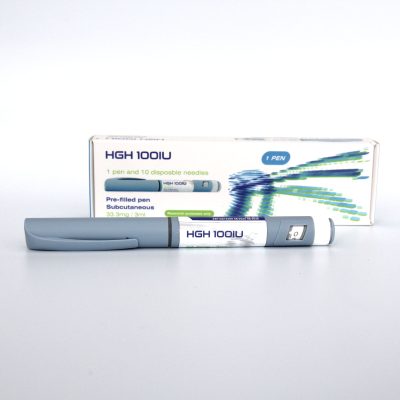
HGH 100 IU UK: Verified Research-Grade Sourcing, Purity Standards, and Regulatory Context for 2026 Securing genuine, laboratory-verified hgh 100 iu uk formulations presents distinct challenges... Continue reading
Add comment