
No products in the cart.
NAD Research Compound: UK Lab-Grade Quality & Evidence
NAD Research Compound: Mechanisms, Evidence, and UK Laboratory Standards
Nicotinamide adenine dinucleotide—commonly abbreviated as NAD+—is a coenzyme present in every living cell, fundamental to over 500 enzymatic reactions spanning energy metabolism, DNA repair, and gene expression regulation. As a nad research compound, it has attracted considerable attention in longevity research, primarily due to documented age-related declines of approximately 50% in tissue concentrations by the sixth decade of life. For UK-based researchers and biohackers seeking laboratory-grade material, understanding the mechanistic basis, evidential quality, and sourcing standards is critical to meaningful experimental work.
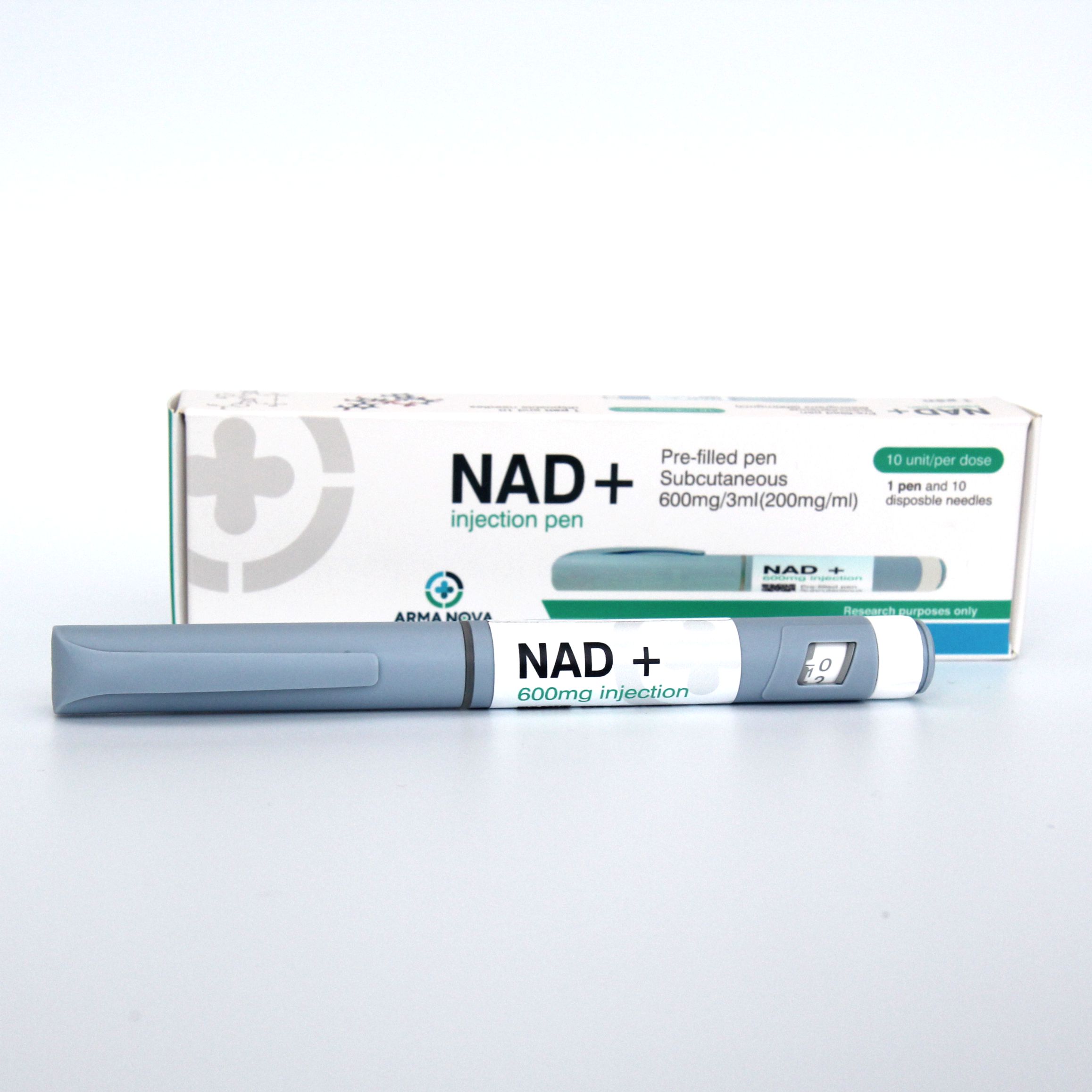
This article examines the biochemical role of NAD+ as a research substrate, reviews published human and animal trial data with direct PubMed citations, and outlines the purity and regulatory considerations relevant to UK purchasers. All product references reflect research-use-only status under UK law; no therapeutic claims are made or implied.
nad research compound: What Distinguishes NAD+ as a Research Compound
NAD+ functions as both an electron carrier in redox reactions—most notably in the mitochondrial electron transport chain—and as a substrate consumed by three principal enzyme families: sirtuins (SIRT1–7), poly(ADP-ribose) polymerases (PARPs), and CD38/CD157 ectoenzymes. Each of these enzymatic pathways depletes NAD+ in the course of catalysis, meaning cellular NAD+ levels reflect a dynamic equilibrium between biosynthesis and consumption.
The reason Nad Research Compound availability declines with age has been traced to multiple concurrent mechanisms. Schultz and Sinclair (2016) demonstrated that the enzyme CD38 increases markedly in ageing tissues, accelerating NAD+ degradation. Concurrently, the efficiency of the salvage pathway—responsible for recycling nicotinamide back into NAD+ via nicotinamide phosphoribosyltransferase (NAMPT)—diminishes, compounding the deficit.
From a research perspective, this decline is not merely correlative with ageing phenotypes; it appears causally implicated. Experimental depletion of NAD+ in young animals recapitulates certain features of metabolic dysfunction and impaired stress resistance, whereas genetic or pharmacological augmentation of NAD+ levels in aged models can partially restore mitochondrial function and improve markers of healthspan.
SIRT1, PARP1, and CD38: Three Enzymatic Pathways That Consume NAD+
Most consumer-facing content on NAD+ emphasises general “anti-ageing” narratives without dissecting the distinct enzymatic consumers of the molecule. For researchers, this granularity matters.
Sirtuins and Metabolic Regulation
SIRT1, the best-characterised mammalian sirtuin, is an NAD+-dependent deacetylase that modifies histones and metabolic transcription factors including PGC-1α, FOXO family proteins, and p53. Activation of SIRT1 has been associated with improved insulin sensitivity, enhanced mitochondrial biogenesis, and upregulation of autophagy. Critically, SIRT1 activity is limited by NAD+ availability—when NAD+ levels fall below a threshold, SIRT1-mediated deacetylation slows, even if the enzyme protein itself is abundant.
The Sinclair laboratory at Harvard Medical School has published extensively on this dependency. In one widely cited murine study, genetic overexpression of NAMPT (which elevates endogenous NAD+) extended median lifespan and improved glucose tolerance in aged mice, effects attributed in part to sustained SIRT1 activity.
PARPs and DNA Repair
Poly(ADP-ribose) polymerases, particularly PARP1, are activated by DNA strand breaks. Upon binding damaged DNA, PARP1 catalyses the attachment of ADP-ribose polymers to target proteins, consuming NAD+ stoichiometrically in the process. A single PARP1 molecule can deplete hundreds of NAD+ molecules per minute under conditions of acute DNA damage.
This represents a potential trade-off: robust DNA repair is protective, but excessive PARP activation—common in contexts of oxidative stress or inflammation—can drain cellular NAD+ reserves, impairing mitochondrial function. Researchers investigating senescence, radiation response, or genotoxic stress often modulate NAD+ availability to assess this balance experimentally.
CD38 as an NAD+ Hydrolase
CD38 is a transmembrane glycoprotein with NADase activity, expressed on immune cells and rising significantly in adipose tissue, liver, and skeletal muscle with age. Unlike sirtuins and PARPs—which use NAD+ as a substrate for specific enzymatic functions—CD38 primarily degrades NAD+ into nicotinamide and ADP-ribose, with the latter sometimes serving as a signalling molecule but often representing net NAD+ loss.
Preclinical work has shown that CD38 knockout mice maintain higher tissue NAD+ levels into old age and exhibit resistance to diet-induced obesity. Conversely, inflammatory states that upregulate CD38 expression correlate with accelerated NAD+ depletion, creating a mechanistic link between chronic inflammation and metabolic decline.
Precursor Strategies: NMN, NR, and Direct NAD+ Administration
Because NAD+ itself is a large, charged molecule, oral bioavailability has historically been questioned. Researchers have therefore focused on three principal strategies to elevate intracellular NAD+: nicotinamide mononucleotide (NMN), nicotinamide riboside (NR), and direct NAD+ supplementation or infusion.
Yoshino et al. (2018) provide a comprehensive comparison of NMN and NR in their Cell Metabolism review. Both compounds are intermediates in the NAD+ salvage pathway: NR is converted to NMN by nicotinamide riboside kinases (NRK1/2), and NMN is then converted to NAD+ by nicotinamide mononucleotide adenylyltransferases (NMNAT1–3). Early pharmacokinetic studies suggested NMN required extracellular conversion to NR before cellular uptake, but more recent identification of the Slc12a8 transporter in the mouse small intestine indicates NMN can be directly absorbed, at least in rodents.
Direct oral or intravenous NAD+ administration has re-emerged as a research focus. While earlier assumptions held that NAD+ would be rapidly degraded in the gut or bloodstream, studies using isotope-labelled NAD+ have detected intact absorption and tissue distribution, albeit with variable efficiency. For laboratory applications—particularly in vitro work or controlled dosing studies—direct nad research compound formulations offer the advantage of bypassing the multi-step enzymatic conversion required by precursors.
In the UK market, NAD+ 600mg UK is available as a research-grade lyophilised powder, verified at ≥99% purity by high-performance liquid chromatography (HPLC), with independent certificate of analysis (COA) documentation provided per batch. This level of transparency is critical when experimental reproducibility depends on compound identity and purity.
Clinical and Translational Evidence in Humans
While much mechanistic work derives from rodent models, a growing body of human trials has begun to characterise the safety, pharmacokinetics, and preliminary efficacy signals of NAD+ precursors and direct NAD+ administration.
Rajman et al. (2018) conducted a systematic review of NAD+-boosting molecules, summarising evidence from animal studies and early-phase human trials. Key findings include:
- Pharmacokinetics: Oral NR doses of 1000 mg in healthy adults produce measurable increases in whole-blood NAD+ within two hours, with peak elevations of approximately 40–90% above baseline, sustained for several hours.
- Safety profile: Doses up to 2000 mg/day NR and 500 mg/day NMN have been administered in controlled trials without significant adverse events, though gastrointestinal discomfort is occasionally reported at higher doses.
- Metabolic markers: In a small trial of obese, insulin-resistant women, ten weeks of NR supplementation improved insulin sensitivity in skeletal muscle, evidenced by enhanced phosphorylation of insulin signalling intermediates, though glucose tolerance tests did not reach statistical significance.
- Neuromuscular outcomes: A pilot study in elderly participants reported subjective improvements in physical performance and reduced fatigue, correlating with elevated plasma NAD+ levels, though objective VO₂ max measurements showed no change.
Direct intravenous NAD+ has been investigated primarily in the context of acute withdrawal syndromes and neurodegenerative conditions. Anecdotal reports from integrative clinics describe rapid subjective improvements in energy and mental clarity, but peer-reviewed placebo-controlled trials remain sparse. Researchers considering IV protocols must account for potential vasodilatory effects and the necessity of slow infusion rates to avoid transient hypotension.
Sourcing and Purity Standards for UK Researchers
The unregulated supplement market has produced considerable variability in NAD+ product quality. For research applications—where experimental validity depends on known compound identity, purity, and stability—the following verification criteria are non-negotiable:
- HPLC verification: High-performance liquid chromatography with UV detection is the gold standard for quantifying NAD+ purity and detecting common contaminants or degradation products such as nicotinamide and ADP-ribose.
- Batch-specific COA: Each production batch should be accompanied by an independent certificate of analysis, listing purity percentage, microbial load, heavy metal content, and residual solvent levels.
- Lyophilised formulation: NAD+ in solution degrades relatively rapidly, especially at room temperature or in the presence of moisture. Lyophilised (freeze-dried) powder formulations maximise shelf stability when stored at −20°C.
- UK-based dispatch: Next-day delivery within the UK minimises transit time and temperature excursions, both of which can compromise product integrity.
Arma Peptides supplies laboratory-grade nad research compound meeting these criteria: ≥99% HPLC-verified purity, published COAs, lyophilised format, and next-day UK delivery from a domestic facility. This is particularly relevant for researchers requiring consistent compound quality across repeated experiments or large-scale screening studies.
It is important to note that NAD+ sold for research purposes in the UK is not licensed as a medicine or food supplement. Under the Human Medicines Regulations 2012 and Novel Foods legislation, products marketed for human therapeutic use require regulatory approval; accordingly, all material discussed here is supplied and labelled strictly for in vitro or animal research applications, not for human consumption.
Experimental Protocols and Practical Considerations
For researchers designing experiments involving NAD+ modulation, several methodological considerations warrant attention:
Dosing and Reconstitution
Lyophilised NAD+ is typically reconstituted in sterile water or phosphate-buffered saline (PBS) immediately prior to use. Stock solutions should be prepared at concentrations of 10–50 mM and stored at −80°C in single-use aliquots to avoid repeated freeze-thaw cycles, which degrade NAD+. For in vitro cell culture studies, final media concentrations generally range from 100 µM to 2 mM, depending on the experimental endpoint.
In animal models, intraperitoneal (IP) injection is the most common route, with doses ranging from 250–500 mg/kg in mice. Oral gavage is feasible but requires higher doses to account for first-pass metabolism and variable absorption. Researchers should pilot dose-response curves in their specific model system, as tissue uptake and conversion efficiency vary by organ and species.
Measurement of NAD+ Levels
Accurate quantification of intracellular NAD+ is essential for validating experimental interventions. Enzymatic cycling assays, which amplify the NAD+ signal via alcohol dehydrogenase or lactate dehydrogenase reactions, offer high sensitivity but require careful sample preparation to prevent oxidation. Liquid chromatography–mass spectrometry (LC-MS) provides greater specificity and can simultaneously quantify NAD+, NADH, and related metabolites, though it requires access to analytical instrumentation.
Tissue samples should be snap-frozen in liquid nitrogen immediately upon harvest and extracted in acidic (for NAD+) or basic (for NADH) solution to stabilise the respective pools. Room-temperature handling rapidly depletes NAD+ via endogenous NADases and PARPs activated during tissue disruption.
Synergy with Other Research Compounds
Many researchers combine NAD+ modulation with other peptide or small-molecule interventions. For example, the Tirzepatide Research Compound Uses Quality And Lab Notes discusses a GLP-1/GIP receptor agonist that improves insulin sensitivity—a phenotype also influenced by NAD+ availability via SIRT1-mediated PGC-1α activation. Similarly, the Retatrutide Research Compound Guide Uses Quality And Safety examines a triple agonist with metabolic effects potentially enhanced by adequate NAD+ substrate availability for mitochondrial function.
When designing combinatorial protocols, researchers should be aware of potential interactive effects—both synergistic and antagonistic—and include appropriate single-agent control groups to isolate individual contributions.
Common Misconceptions and Methodological Pitfalls
Several recurring issues appear in NAD+ research literature and grey-market product claims:
Overinterpretation of Correlative Data
Many ageing studies report declining NAD+ levels alongside functional decline, but correlation does not establish causation. NAD+ depletion may be secondary to mitochondrial dysfunction or increased oxidative stress, rather than a primary driver. Rigorous experiments use genetic models (e.g., tissue-specific NAMPT overexpression or knockout) or pharmacological rescue to establish causality.
Assuming Equivalence of Precursors
NMN, NR, and direct NAD+ are often conflated in popular discourse. While all can elevate intracellular NAD+ under certain conditions, their pharmacokinetics, tissue distribution, and efficiency differ. NR may preferentially elevate liver NAD+, whereas NMN shows stronger effects in skeletal muscle in some rodent studies. Direct NAD+ bypasses the salvage pathway entirely but faces absorption and stability challenges. Researchers should select the form best suited to their specific experimental question.
Ignoring the Role of NAD+ Consumers
Supplementing NAD+ in the context of chronically elevated PARP activity (e.g., in states of persistent DNA damage) or high CD38 expression (e.g., inflammatory conditions) may produce minimal net benefit, as the elevated NAD+ is rapidly consumed. In such cases, addressing the upstream driver—reducing oxidative stress or inflammation—may be more effective than substrate repletion alone.
UK Regulatory Context and Research-Use Designation
In the United Kingdom, the regulatory landscape for NAD+ and related compounds is governed by several overlapping frameworks:
- Human Medicines Regulations 2012: NAD+ is not licensed as a medicinal product, meaning it cannot be legally sold for the treatment or prevention of disease in humans without a marketing authorisation from the Medicines and Healthcare products Regulatory Agency (MHRA).
- Novel Foods Regulation (EU) 2015/2283 (retained in UK law post-Brexit): NAD+ and its precursors were not consumed to a significant degree in the EU before 1997, triggering novel food status. NR has been granted novel food authorisation for use in food supplements up to specified maximum levels, but NAD+ itself has not received such authorisation for general human consumption.
- Research exemption: Compounds supplied explicitly for scientific research—whether in vitro cell culture, animal studies, or analytical method development—are exempt from food and medicine regulations, provided they are clearly labelled “For research use only” and not marketed with therapeutic claims.
Arma Peptides operates within this research exemption framework. All NAD+ products are sold with explicit research-use-only labelling, and no claims regarding disease treatment, health improvement, or fitness for human consumption are made. UK-based academic institutions, contract research organisations, and individual researchers are the intended customer base, and the company provides full documentation (including COAs and MSDS) to support compliance with institutional biosafety and chemical handling protocols.
Researchers should consult their institution’s ethics and safety committees before initiating animal studies involving NAD+ or any other research compound, and ensure that any human subject research—should it be contemplated in future—proceeds only under appropriate ethical approval and regulatory oversight.
Storage, Stability, and Shelf Life
NAD+ stability is a practical consideration often overlooked in experimental design. In aqueous solution at physiological pH and room temperature, NAD+ degrades with a half-life of several hours, accelerated by the presence of divalent cations, heat, and enzymatic activity. Lyophilised NAD+ stored at −20°C in a desiccated environment retains >95% purity for at least 24 months, based on accelerated stability testing.
Once reconstituted, stock solutions should be aliquoted and stored at −80°C. Single-use aliquots prevent repeated freeze-thaw cycles, which cause cumulative degradation. For high-throughput screening or multi-day experiments, fresh reconstitution from lyophilised powder is preferable to prolonged storage of working solutions.
Researchers should periodically verify NAD+ concentration in stored stocks using enzymatic or spectrophotometric assays, especially if unexpected experimental results arise. Degraded NAD+ may contain nicotinamide, ADP-ribose, or other breakdown products that can confound interpretation.
Future Directions in NAD+ Research
The field of NAD+ biology remains dynamic, with several high-priority research questions under active investigation:
- Tissue-specific NAD+ kinetics: Different organs exhibit distinct NAD+ turnover rates and precursor preferences. Developing tissue-targeted delivery strategies or identifying organ-specific rate-limiting enzymes could enable more precise metabolic interventions.
- Circadian regulation: NAD+ biosynthesis and SIRT1 activity oscillate with circadian rhythm, driven by the clock gene CLOCK and its binding partner BMAL1. Time-of-day administration may significantly influence efficacy in both research models and eventual therapeutic applications.
- Interaction with mitochondrial quality control: NAD+ availability influences mitophagy (selective autophagy of damaged mitochondria) via SIRT1-mediated deacetylation of autophagy proteins. Delineating this pathway could inform interventions for age-related mitochondrial dysfunction.
- Biomarkers of NAD+ status: Non-invasive, clinically practical biomarkers—such as urinary metabolite ratios or circulating NMN levels—would enable large-scale population studies and personalised dosing strategies.
For UK-based researchers contributing to these lines of inquiry, access to high-purity, well-characterised nad research compound is foundational. The ability to buy peptides UK from a domestic supplier with transparent quality control shortens procurement timelines and reduces logistical complexity, enabling faster iteration on experimental hypotheses.
Conclusion: Evaluating NAD+ as a Research Tool
NAD+ occupies a central node in cellular metabolism, linking energy production, stress response, and gene regulation through its role as substrate for sirtuins, PARPs, and other NAD+-dependent enzymes. The well-documented decline in NAD+ levels with age, driven by increased degradation via CD38 and diminished biosynthetic capacity, provides a mechanistically plausible target for interventions aimed at preserving metabolic health and stress resilience.
For researchers in the UK, rigorous experimental work requires not only a thorough understanding of NAD+ biochemistry and the existing translational evidence base—including key studies such as Rajman et al. (2018), Schultz and Sinclair (2016), and Yoshino et al. (2018)—but also access to high-purity, independently verified material. The ≥99% HPLC-verified NAD+ available through Arma Peptides, complete with batch-specific COAs and next-day UK delivery, meets the quality standards necessary for reproducible laboratory investigation.
All use remains within the research-only framework defined by UK regulations. No therapeutic claims are made, and researchers are responsible for ensuring compliance with institutional and regulatory requirements governing their specific experimental protocols. For those exploring the mechanistic links between NAD+ homeostasis, longevity pathways, and metabolic regulation, the Nad Research Compound represents a foundational tool—provided it is sourced, handled, and applied with the rigour that scientific inquiry demands.
Further reading on related research compounds and quality verification protocols is available through the Retatrutide Research Compound Review Uses Quality and associated technical documentation on the Arma Peptides platform.
Related posts
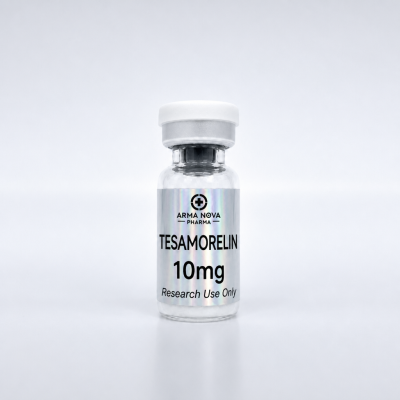
Tesamorelin 10mg UK: Research-Grade Growth Hormone-Releasing Hormone Analogue for 2026 UK-based researchers investigating growth hormone-releasing hormone (GHRH) analogues frequently encounter a critical sourcing challenge:… Continue reading
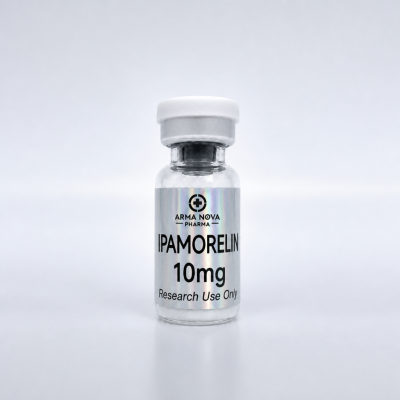
Ipamorelin UK: The Selective Growth Hormone Secretagogue for Researchers in 2026 Among the growth hormone-releasing peptides available to UK researchers, ipamorelin stands apart for a... Continue reading
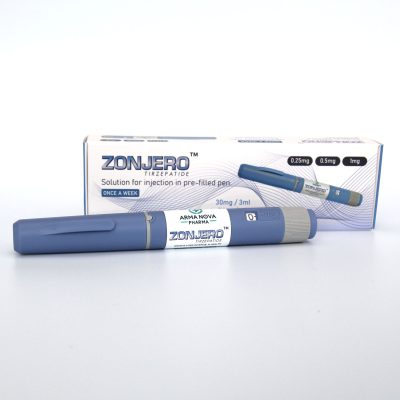
Tirzepatide 30mg UK: The Dual GIP/GLP-1 Receptor Agonist for Advanced Metabolic Research Tirzepatide represents the first dual glucose-dependent insulinotropic polypeptide (GIP) and glucagon-like peptide-1 (GLP-1)... Continue reading
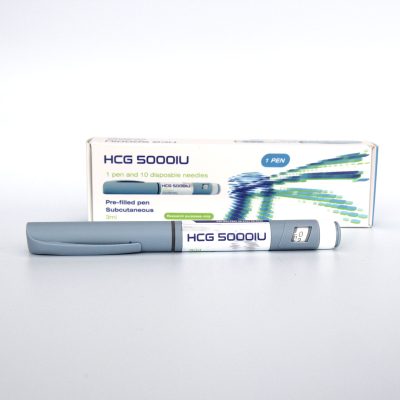
HCG 5000IU UK: Research-Grade Sourcing and Clinical Context Guide 2026 Human chorionic gonadotropin at the 5000 international unit dosage represents one of the most frequently... Continue reading
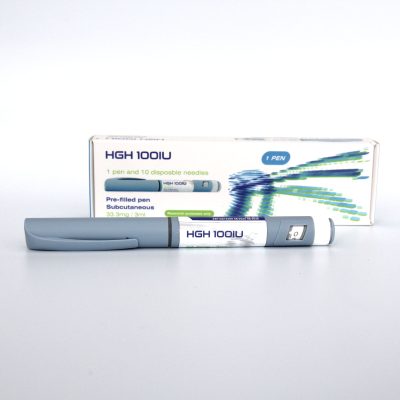
HGH 100 IU UK: Verified Research-Grade Sourcing, Purity Standards, and Regulatory Context for 2026 Securing genuine, laboratory-verified hgh 100 iu uk formulations presents distinct challenges... Continue reading
Add comment