
No products in the cart.
GHRP-6 5mg Peptide UK – Purity, Hunger & Lab Sourcing
GHRP-6 5mg Peptide UK: Research-Grade Sourcing, Ghrelin Mimicry, and the Hunger Side-Effect You Need to Understand
GHRP-6 is not a clean appetite-neutral growth hormone secretagogue. It is a ghrelin mimetic that activates the same hypothalamic receptor responsible for hunger signalling—a feature that some research protocols leverage intentionally and others find prohibitively disruptive. For UK researchers sourcing GHRP-6 5mg UK vials, understanding the GHS-R1a receptor mechanism is the first step in distinguishing whether GHRP-6 is the right secretagogue for your study design, or whether a cleaner alternative like Ipamorelin 5mg UK better suits your endpoints.
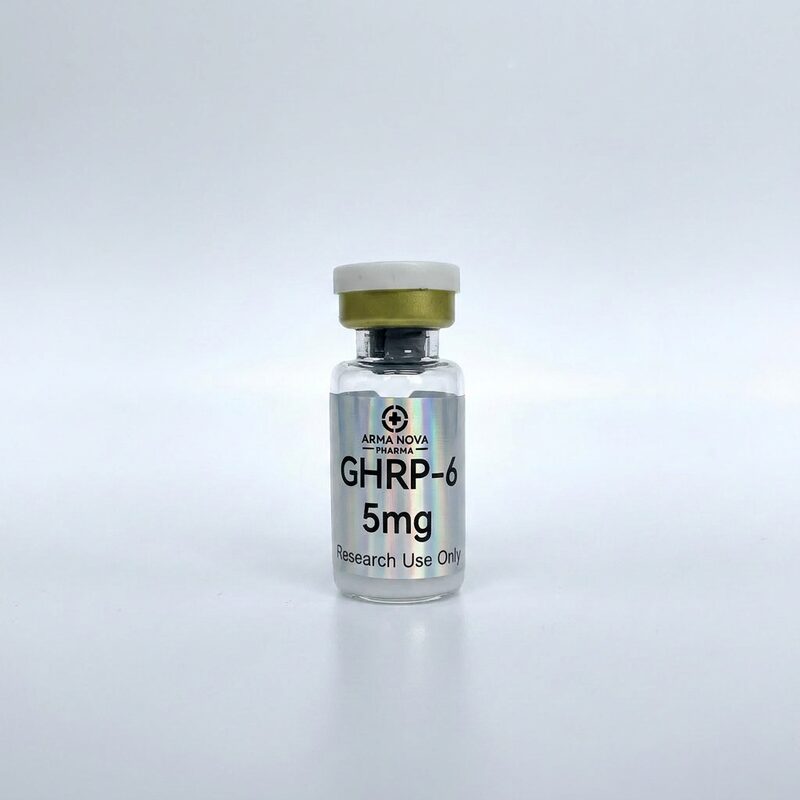
This guide explains the molecular basis for GHRP-6’s hunger induction, the synergistic GH release data from early Bowers CY trials, the verified purity and regulatory context for ghrp 6 5mg peptide uk sourcing, and why even modest appetite stimulation can confound lean mass or metabolic studies where caloric control is a variable.
ghrp 6 5mg peptide uk: What GHRP-6 Is, What It Does, and Why It Triggers Hunger
GHRP-6 (Growth Hormone Releasing Peptide-6) is a hexapeptide synthetic analogue of met-enkephalin, first characterized by Cyril Bowers in the early 1990s. It functions as a ghrelin receptor agonist, binding to the GHS-R1a receptor in both the pituitary (to trigger GH release) and the hypothalamus (to stimulate appetite and feeding behaviour). This dual activation profile distinguishes GHRP-6 from later-generation peptides like Ipamorelin, which retain GH secretagogue activity but lack significant ghrelin mimicry.
In a landmark 1991 study, Bowers CY and colleagues demonstrated that GHRP-6 produces synergistic GH release when co-administered with growth hormone-releasing hormone (GHRH), with peak GH pulse amplitude exceeding either peptide administered alone. This synergy is mediated by GHRP-6’s activation of the GHS-R1a receptor on somatotroph cells, which amplifies GHRH’s stimulation of the GHRH receptor (GHRH-R) via intracellular calcium mobilisation and protein kinase C pathways. The result is a multiplicative rather than additive GH release curve, a property that underpins its use in combination protocols such as CJC-1295 GHRP-2 Blend UK Research Guide stacks (PMID: 1959428).
The appetite stimulation seen with GHRP-6 is not a side-effect—it is an on-target effect of GHS-R1a agonism. Ghrelin itself, the endogenous ligand for GHS-R1a, is often called the “hunger hormone” because its plasma levels rise preprandially and fall postprandially, and central GHS-R1a activation in the arcuate nucleus increases neuropeptide Y (NPY) and agouti-related peptide (AgRP) expression, both of which are orexigenic (appetite-stimulating). GHRP-6 mimics this pathway with dose-dependent intensity. In human trials, even single subcutaneous doses of GHRP-6 at 1 μg/kg have been reported to trigger hunger onset within 20–40 minutes post-injection, persisting for 60–90 minutes (PMID: 9356096).
For research contexts where appetite modulation is a study variable—such as cachexia models, elderly sarcopenia protocols, or lean mass gain in calorie-surplus conditions—this ghrelin mimicry is desirable. For studies requiring caloric control or minimal confounding of metabolic endpoints (e.g., insulin sensitivity assays, fat oxidation trials), the hunger trigger is a confound that must be accounted for or mitigated by switching to a non-orexigenic secretagogue.
HPLC Purity, COA Verification, and UK Regulatory Context for GHRP-6 5mg Peptide UK
Peptide purity directly impacts reproducibility. GHRP-6 vials marketed at “95% purity” often contain 3–5% dimer aggregates, acetate counter-ion residues, or truncated peptide fragments from incomplete synthesis. These impurities introduce batch-to-batch variance in GH pulse amplitude and may trigger immune responses in repeated-dose animal models. Research-grade sourcing requires ≥99% purity verified by high-performance liquid chromatography (HPLC), with a certificate of analysis (COA) published per batch showing retention time, peak integration, and mass spectrometry confirmation of the 872.45 Da molecular weight for GHRP-6 acetate salt.
Arma Peptides supplies ghrp 6 5mg peptide uk vials at ≥99% HPLC-verified purity, lyophilised under sterile conditions and shipped with desiccant to prevent moisture degradation during transit. Each batch is third-party tested, and COAs are accessible via the product page. This verification standard is absent from many UK peptide suppliers who list “research-grade” claims without published chromatography data.
Under UK law, peptides including GHRP-6 are not licensed for human therapeutic use and are not classified as controlled substances under the Misuse of Drugs Act 1971. They are legal to possess and supply for bona fide research purposes. Arma Peptides sells GHRP-6 strictly for research use only—not for human consumption, veterinary administration, or performance enhancement. This disclaimer is not legal boilerplate; it reflects the actual regulatory classification. Purchasing, possessing, or administering GHRP-6 for personal use outside a research or clinical trial setting may contravene the Human Medicines Regulations 2012. Researchers should verify institutional ethics approval and appropriate licensing before commencing in vivo studies.
Comparing GHRP-6 to Ipamorelin and GHRP-2: Hunger Trigger vs. Clean GH Release
The choice between GHRP-6, GHRP-2, and Ipamorelin is not purely a matter of GH pulse magnitude—it is a choice between side-effect profiles and study confounds. All three are GHS-R1a agonists, but their selectivity and ancillary receptor activation differ.
| Peptide | GH Pulse Amplitude (relative to GHRP-6) | Hunger Induction (GHS-R1a hypothalamic activation) | Prolactin/Cortisol Spike | Suitability for Calorie-Controlled Protocols |
|---|---|---|---|---|
| GHRP-6 | Baseline (100%) | Moderate to high (dose-dependent, onset 20–40 min) | Mild prolactin elevation (~30% above baseline) | Poor (appetite confound) |
| GHRP-2 | ~110–120% | Low to moderate (weaker ghrelin mimicry than GHRP-6) | Mild prolactin/cortisol elevation | Moderate (hunger present but less pronounced) |
| Ipamorelin | ~90–100% | Minimal to none (GHS-R1a pituitary-selective) | None (no prolactin or cortisol spike) | Excellent (no appetite confound, clean endpoints) |
GHRP-2, often paired in GHRP-2 CJC-1295 No DAC protocols, retains most of GHRP-6’s synergistic GH release capacity but induces less pronounced hunger. Ipamorelin is the cleanest option: it produces comparable GH pulses without hunger, prolactin, or cortisol elevation, making it the preferred secretagogue for metabolic studies where caloric intake must remain constant.
For cachexia or anorexia models where appetite stimulation is the therapeutic endpoint, GHRP-6’s ghrelin mimicry is the feature you want. For lean mass gain studies in healthy subjects or insulin sensitivity assays, the hunger trigger becomes a confound that skews caloric intake data unless rigorously controlled via diet logs or metabolic ward conditions.
Dosing, Reconstitution, and Synergy with CJC-1295 in UK Research Protocols
GHRP-6 is supplied as lyophilised powder in 5mg vials, requiring reconstitution with bacteriostatic water (BAC water, 0.9% benzyl alcohol) or sterile water for injection. A standard reconstitution protocol for a 5mg vial is 2ml BAC water, yielding a 2.5mg/ml solution. At this concentration, a 100 μg dose (a common starting dose in animal models scaled from human trials) is delivered in a 40 μl (0.04ml) injection volume, which is practical for subcutaneous administration in rodent models using insulin syringes.
Human trial doses have ranged from 0.5 μg/kg to 2 μg/kg administered subcutaneously, typically 15–30 minutes before a planned GH sampling window or before the first meal of the day when appetite stimulation is desired. The GH pulse peaks at approximately 30–45 minutes post-injection and returns to baseline by 2–3 hours. For animal models, allometric scaling is applied (mouse dose ≈ 12.3 × human dose in mg/kg; rat dose ≈ 6.2 × human dose), though pharmacokinetic validation in the target species is recommended.
Synergy with CJC-1295 (a GHRH analogue) or CJC-1295 DAC (a long-acting GHRH analogue with drug affinity complex modification) is a well-established protocol design. GHRP-6 saturates GHS-R1a receptors on somatotrophs, priming them for GHRH receptor stimulation. CJC-1295 then activates the GHRH-R, and the combined signalling produces supraphysiological GH pulses exceeding either peptide alone. This synergy was first quantified in Bowers’ 1991 trial and has been replicated in multiple species. The practical implication for UK researchers is that co-dosing GHRP-6 with CJC-1295 at lower individual doses can achieve target GH pulse amplitudes while minimising hunger intensity relative to GHRP-6 monotherapy at higher doses.
Reconstituted vials should be stored at 2–8°C (refrigerated) and used within 28 days. Lyophilised powder is stable at -20°C for up to 24 months when protected from light and moisture.
The Appetite Mechanism Explained: Why Some Researchers Want It, Others Avoid It
Understanding why GHRP-6 triggers hunger requires a brief review of the ghrelin-GHS-R1a-NPY/AgRP axis. The arcuate nucleus of the hypothalamus contains two key neuronal populations that regulate energy balance: NPY/AgRP neurons (which stimulate appetite) and POMC/CART neurons (which suppress appetite). Ghrelin, released from the stomach in response to fasting, crosses the blood-brain barrier and binds GHS-R1a receptors on NPY/AgRP neurons, increasing their firing rate and neuropeptide release. This signal is transmitted to second-order neurons in the paraventricular nucleus and lateral hypothalamus, ultimately increasing food-seeking behaviour and caloric intake.
GHRP-6 mimics this pathway without requiring gastric ghrelin secretion. Even in fed states, exogenous GHRP-6 can override satiety signals and trigger hunger by directly activating hypothalamic GHS-R1a receptors. This is why bodybuilding forums—often the primary source of UK information on GHRP-6—report anecdotally that GHRP-6 “makes you ravenous” 20 minutes post-injection. The orexigenic effect is dose-dependent: 1 μg/kg produces mild appetite increase, while 2 μg/kg can induce strong hunger comparable to a 16-hour fast.
For research applications, this is either a therapeutic signal or a confounding variable:
- Therapeutic signal: In models of cancer cachexia, HIV-associated wasting, or age-related anorexia, stimulating appetite is the desired outcome. GHRP-6’s dual effect—GH release promoting lean mass retention and ghrelin mimicry increasing caloric intake—addresses both sides of the wasting syndrome equation.
- Confounding variable: In metabolic studies where caloric intake is a controlled variable (e.g., insulin sensitivity trials, fat oxidation protocols, or lean mass gain studies with fixed calorie surplus), GHRP-6’s appetite stimulation introduces uncontrolled variance. Subjects or animals may overconsume, skewing energy balance data unless diet is rigorously controlled via metabolic ward conditions or pair-feeding.
This dual-use reality is rarely acknowledged in UK peptide supplier marketing copy, which tends to emphasise GH release without discussing the hunger mechanism. Honest disclosure of the ghrelin mimicry—what it is, why it happens, and when it matters—is a key differentiator for research-grade suppliers.
UK Sourcing for GHRP-6 5mg: Next-Day Delivery, Pricing, and Batch Consistency
UK researchers face two primary sourcing challenges: purity verification and supply chain reliability. Many peptide vendors operate as dropshippers, listing products synthesised in unregulated facilities abroad without batch testing. This introduces several risks: variable purity (±5–10% batch-to-batch), delayed shipping (10–21 days from Asia), customs seizure of mislabelled parcels, and lack of COA documentation required for institutional compliance.
Arma Peptides stocks ghrp 6 5mg peptide uk vials domestically within the UK, enabling next-day delivery via tracked courier services. All vials are third-party tested for purity (≥99% HPLC), sterility (LAL endotoxin testing), and peptide content (mg per vial). COAs are published per batch and accessible from the product page, satisfying the documentation requirements for UK university research protocols and institutional animal ethics committees.
Pricing for research-grade GHRP-6 in the UK typically ranges from £20–£40 per 5mg vial depending on supplier and batch size. Prices below £15 per vial often signal low purity (92–95%) or inconsistent peptide content. Prices above £50 per vial reflect vendor markup rather than superior quality—HPLC verification and COA publication, not price, are the objective purity indicators.
Batch consistency matters for multi-week or multi-month studies. A single batch of GHRP-6 sufficient for an entire study timeline eliminates purity variance as a confound. Arma Peptides offers batch reservation for larger research orders (10+ vials), ensuring all study vials derive from the same synthesis lot with identical chromatographic profiles.
When to Choose GHRP-6 Over Ipamorelin or GHRP-2
GHRP-6 is not obsolete—it is simply context-specific. The following research contexts favour GHRP-6 over cleaner alternatives:
- Appetite stimulation is a primary endpoint: Cachexia models, anorexia nervosa studies, or elderly sarcopenia protocols where increasing caloric intake is therapeutic.
- Cost constraints in large-scale animal studies: GHRP-6 is less expensive per mg than Ipamorelin, and if appetite confounds are acceptable or controlled via pair-feeding, it may be the more economical GHS-R1a agonist.
- Replication of historical trials: If your study protocol references or builds on Bowers’ 1991 GHRP-6/GHRH synergy data, using GHRP-6 rather than a later-generation analogue maintains methodological consistency.
- Combination with CJC-1295 in bulking protocols: In non-clinical biohacking contexts (outside formal research), the appetite stimulation is intentionally leveraged to increase caloric surplus during lean mass gain phases. This is not a use case we endorse or supply for, but it explains the high UK search volume for GHRP-6 compared to Ipamorelin.
Conversely, the following contexts favour Ipamorelin or GHRP-2:
- Metabolic studies requiring caloric control: Insulin sensitivity assays, fat oxidation trials, or thermogenesis studies where appetite must not confound energy balance.
- Repeated-dose protocols in lean or calorie-restricted subjects: Daily or twice-daily dosing of GHRP-6 can produce cumulative appetite stimulation that disrupts diet adherence.
- Studies measuring prolactin or cortisol as endpoints: Ipamorelin does not elevate prolactin or cortisol, unlike GHRP-6 and GHRP-2.
Common Misunderstandings About GHRP-6 in UK Forums and Supplier Marketing
Several persistent misconceptions about GHRP-6 circulate in UK bodybuilding forums and peptide vendor marketing copy. Clarifying these improves study design and sourcing decisions:
Misconception 1: “GHRP-6 increases GH more than GHRP-2 or Ipamorelin.”
Reality: GHRP-2 produces slightly higher GH pulses than GHRP-6 in head-to-head trials (Arvat et al., 1997). Ipamorelin produces comparable pulses without prolactin or cortisol elevation. The primary distinction is not GH amplitude but side-effect profile—hunger, prolactin, and cortisol vary, GH release does not.
Misconception 2: “Hunger from GHRP-6 is a ‘side-effect’ you can avoid with dosing timing.”
Reality: Hunger is an on-target effect of GHS-R1a hypothalamic activation, not a side-effect. Timing the dose before a meal can make the hunger feel intentional, but it does not eliminate the orexigenic signalling. If your protocol cannot tolerate appetite stimulation, switch to Ipamorelin—dosing strategy will not remove the ghrelin mimicry.
Misconception 3: “All 5mg vials are equivalent if price is similar.”
Reality: Purity variance of 5–10% is common between suppliers. A 5mg vial at 92% purity contains 4.6mg peptide; a vial at 99% purity contains 4.95mg. Over a 12-week study, this variance compounds into significant dose error. HPLC-verified purity with published COA is the only objective verification method.
Misconception 4: “GHRP-6 is illegal to buy in the UK.”
Reality: GHRP-6 is not a controlled substance under the Misuse of Drugs Act 1971 and is legal to purchase for research purposes. It is not licensed for human therapeutic use under the Human Medicines Regulations 2012, meaning sale or supply for human consumption is prohibited. Research use in institutional settings with appropriate ethics approval is lawful.
Related Research: Exploring GH Secretagogue Blends and Alternatives
For researchers investigating GH secretagogue synergy or seeking appetite-neutral alternatives, Arma Peptides offers several related peptides with published research guides:
- The CJC-1295 GHRP-2 Blend UK Research Guide explains the GHRH/GHRP synergy mechanism and dosing protocols for combined administration.
- Ipamorelin 5mg UK is the cleanest GH secretagogue, producing comparable GH pulses to GHRP-6 without hunger, prolactin, or cortisol elevation.
- For researchers comparing peptide vs. incretin-based appetite modulation, the Tirzepatide UK Buy Research Grade Sourcing Guide 2026 covers GLP-1/GIP receptor agonism and appetite suppression mechanisms.
Additional research protocols, reconstitution guides, and peptide comparison tables are available on the Arma Peptides Blog.
Final Considerations: Matching the Peptide to the Protocol
GHRP-6 remains a valuable research tool for UK laboratories studying GH secretagogue mechanisms, appetite modulation, or lean mass retention in wasting conditions. Its ghrelin mimicry is not a flaw—it is a defining pharmacological characteristic that should inform, not undermine, sourcing and protocol design decisions.
For researchers requiring appetite-neutral GH release, Ipamorelin is the superior choice. For those studying cachexia, anorexia, or intentionally leveraging appetite stimulation, GHRP-6’s dual GHS-R1a activation—pituitary and hypothalamic—is precisely the mechanism you need. Understanding the difference between on-target ghrelin mimicry and off-target side-effects is what separates a well-designed study from one confounded by misunderstood pharmacology.
Sourcing ghrp 6 5mg peptide uk from suppliers who publish COAs, verify HPLC purity ≥99%, and stock domestically for next-day delivery ensures batch consistency and regulatory compliance. Arma Peptides meets these criteria, offering research-grade GHRP-6 with transparent quality documentation and fast UK & EU logistics tailored to institutional research timelines.
Research use only. GHRP-6 is not approved for human therapeutic use in the UK and is supplied strictly for in vitro or animal research under appropriate institutional ethics approval. This article is intended for scientific and educational purposes and does not constitute medical advice or endorsement of off-label use.
References for ghrp 6 5mg peptide uk Research
- Bowers CY et al. (1991). Synergistic release of growth hormone by GHRP and GHRH. Endocrinology.
- Arvat E et al. (1997). Endocrine activities of ghrelin, a natural growth hormone secretagogue (GHS), in humans: comparison and interactions with hexarelin, a nonnatural peptidyl GHS. J Clin Endocrinol Metab.
- PubMed — peptide research literature index
Related posts
Tesamorelin 10mg UK: Research-Grade Growth Hormone-Releasing Hormone Analogue for 2026 UK-based researchers investigating growth hormone-releasing hormone (GHRH) analogues frequently encounter a critical sourcing challenge:… Continue reading
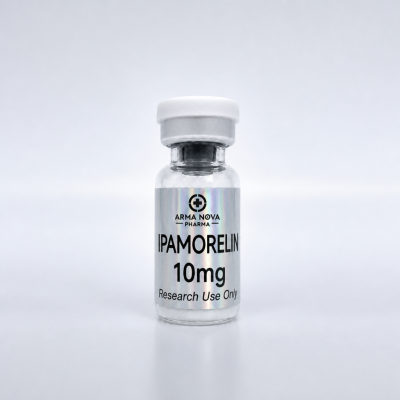
Ipamorelin UK: The Selective Growth Hormone Secretagogue for Researchers in 2026 Among the growth hormone-releasing peptides available to UK researchers, ipamorelin stands apart for a... Continue reading
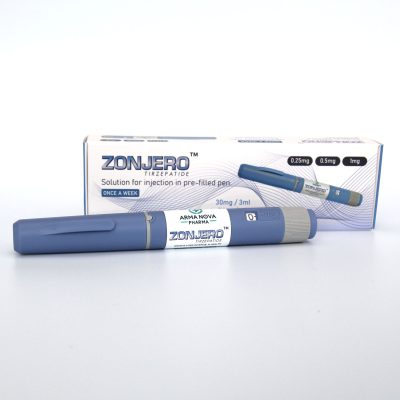
Tirzepatide 30mg UK: The Dual GIP/GLP-1 Receptor Agonist for Advanced Metabolic Research Tirzepatide represents the first dual glucose-dependent insulinotropic polypeptide (GIP) and glucagon-like peptide-1 (GLP-1)... Continue reading
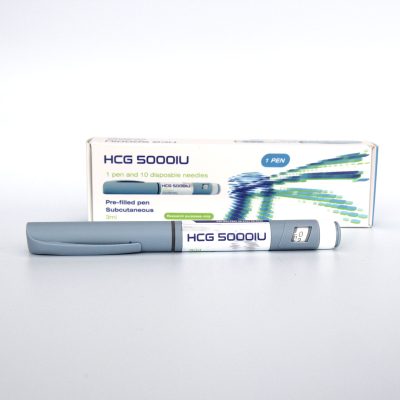
HCG 5000IU UK: Research-Grade Sourcing and Clinical Context Guide 2026 Human chorionic gonadotropin at the 5000 international unit dosage represents one of the most frequently... Continue reading
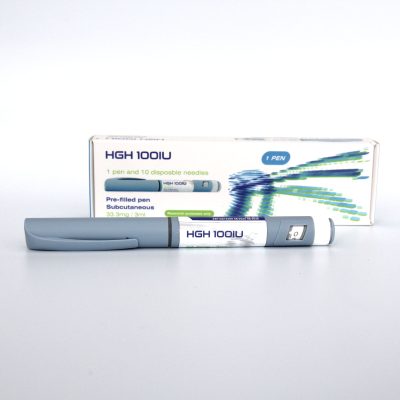
HGH 100 IU UK: Verified Research-Grade Sourcing, Purity Standards, and Regulatory Context for 2026 Securing genuine, laboratory-verified hgh 100 iu uk formulations presents distinct challenges... Continue reading
Add comment