
No products in the cart.
Peptide Suppliers UK: Verified HPLC & COA Guide 2026
Peptide Suppliers UK: How to Identify Verified HPLC-Tested Sources in 2026
The UK peptide research landscape has undergone significant transformation since 2023, with increasing demand from academic institutions, independent researchers, and sports science facilities requiring authentic, analytically verified compounds. Yet most UK-based searches for peptide suppliers UK return commercial sites offering minimal transparency about manufacturing origin, batch testing protocols, or third-party verification. For researchers requiring compounds that meet publication-grade standards, this creates a procurement minefield.
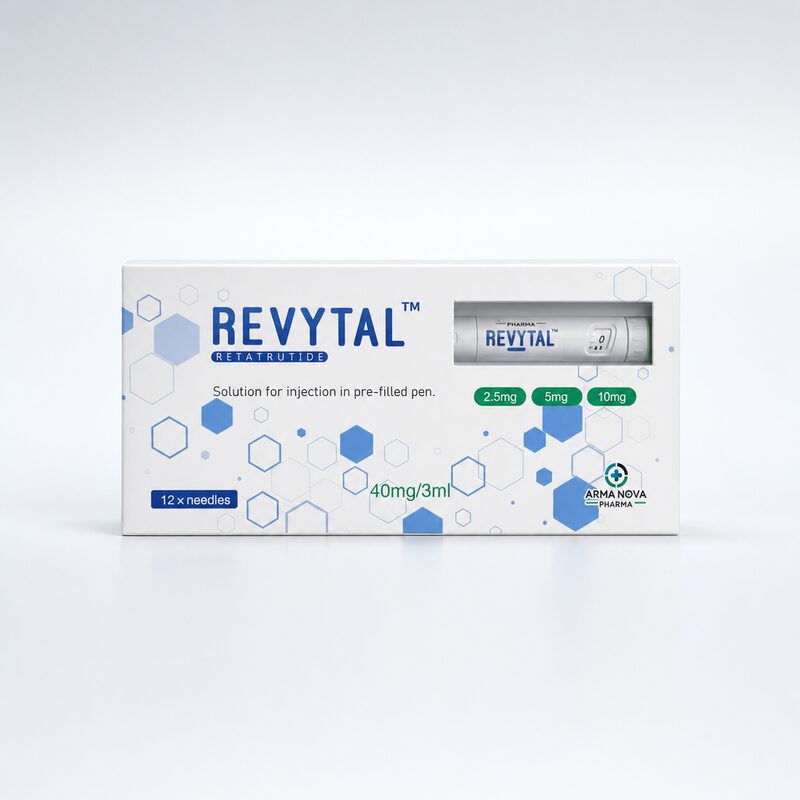
This guide examines the specific verification criteria that distinguish legitimate peptide suppliers UK operations from resellers distributing untested compounds, explains the analytical benchmarks that matter (HPLC purity thresholds, mass spectrometry confirmation, endotoxin limits), references the clinical evidence establishing peptides as a validated therapeutic class, and provides UK-specific regulatory context for lawful procurement under current MHRA oversight frameworks. Whether sourcing for in vitro assays, animal model studies, or personal research applications, understanding these distinctions prevents costly procurement errors and ensures experimental validity.
peptide suppliers uk: Why Peptide Therapeutics Demand Analytical Verification: The Clinical Foundation
Peptides represent one of the fastest-growing classes of therapeutic agents in modern pharmacology. Kaspar and colleagues (2013) documented the expansion trajectory, noting that over 60 peptide drugs had achieved regulatory approval globally, with hundreds more in clinical development. This growth reflects peptides’ unique positioning: large enough to achieve receptor selectivity that small molecules cannot match, yet small enough to synthesize reliably and modify structurally for enhanced stability.
Lau and Dunn’s 2018 comprehensive review highlighted that peptide therapeutics achieve receptor engagement through specific structural motifs—defined amino acid sequences that bind to target proteins with nanomolar or picomolar affinity. This precision depends absolutely on sequence fidelity: a single substituted amino acid can abolish activity or create off-target binding. For researchers sourcing peptides, this biochemical reality establishes a non-negotiable requirement—batch-specific analytical verification confirming both identity and purity.
The therapeutic peptide pipeline includes GLP-1 receptor agonists (semaglutide, tirzepatide), growth hormone secretagogues (ipamorelin, CJC-1295), tissue repair modulators (BPC-157, TB-500), and melanocortin receptor ligands (melanotan II). Each operates through distinct receptor mechanisms requiring intact, correctly folded peptide chains. Contaminants, degradation products, or incorrect sequences present in poorly manufactured batches compromise experimental outcomes and, in applied research contexts, pose safety concerns.
Understanding this clinical foundation clarifies why sourcing from verified peptide suppliers UK operations matters: you’re not purchasing generic chemical reagents, but sequence-specific biomolecules where manufacturing precision directly determines biological function.
The Critical Verification Criteria for UK Peptide Suppliers
Not all analytical certificates carry equal weight. UK researchers evaluating potential suppliers should assess six specific verification dimensions:
HPLC Purity Thresholds and What They Actually Measure
High-performance liquid chromatography (HPLC) separates peptides based on hydrophobicity and charge, producing a chromatogram where peak area corresponds to relative abundance. A “≥99% HPLC purity” specification means the target peptide represents ≥99% of total peptide content—but this metric requires context.
HPLC detects peptide-related impurities (truncated sequences, deletion analogs, synthetic intermediates) but doesn’t quantify non-peptide contaminants like residual solvents, salts, or water content. Lyophilized peptides typically contain 5-15% water and counter-ion mass by weight, which doesn’t appear in HPLC purity calculations. Legitimate suppliers specify both HPLC purity (peptide sequence correctness) and peptide content by mass (actual active compound per vial weight).
For research applications, ≥98% HPLC purity represents the minimum acceptable threshold for most experimental protocols. Clinical-grade synthesis targets ≥99%, with some applications (structure-activity relationship studies, quantitative binding assays) requiring ≥99.5%. Suppliers offering “95% pure” compounds are distributing synthesis-grade material unsuitable for rigorous research.
Mass Spectrometry Confirmation: Identity Verification Beyond HPLC
HPLC confirms purity but doesn’t definitively identify the compound. Mass spectrometry (MS) measures molecular weight with extreme precision, confirming the peptide contains the exact number and type of amino acids specified. The measured mass should match the calculated molecular weight within ±0.5 Da for small peptides, ±2 Da for larger sequences.
Reputable peptide suppliers UK operations provide mass spec data on every Certificate of Analysis (COA), showing both expected and observed mass values. Absence of MS data suggests the supplier hasn’t verified compound identity—essentially asking you to trust the label without proof.
Batch-Specific COAs: The Non-Negotiable Documentation Standard
A generic COA showing “typical results” or “representative analysis” provides no assurance about the specific vial you receive. Authentic verification requires batch-specific documentation where the COA batch number matches the label on your product.
Legitimate suppliers publish COAs containing:
- Batch/lot number matching product labeling
- HPLC chromatogram showing retention time and peak purity percentage
- Mass spectrometry data with expected vs. observed molecular weight
- Peptide content (mg per vial) accounting for counter-ions and water
- Endotoxin level (for peptides intended for in vivo use, should be <1.0 EU/mg)
- Testing date and facility identification
Some UK peptide suppliers provide access to third-party testing through platforms like Janoshik Analytical, adding independent verification beyond manufacturer claims. This triangulated approach—manufacturer synthesis, internal QC testing, and independent third-party confirmation—represents the gold standard for research-grade procurement.
Our Tested Peptide Suppliers page documents which UK sources consistently publish this level of documentation across multiple batches and product lines.
Manufacturing Origin and Synthesis Method Transparency
Most peptides available through UK suppliers originate from contract synthesis facilities in China, India, or Eastern Europe, with UK operations functioning as importers, testers, and distributors. This model isn’t inherently problematic—many legitimate pharmaceutical peptides use the same supply chain—but transparency matters.
Trustworthy suppliers disclose:
- Country of peptide synthesis
- Synthesis method (solid-phase vs. liquid-phase, Fmoc vs. Boc protection strategies)
- Purification approach (preparative HPLC, recrystallization, or other methods)
- Quality control testing location (UK-based testing adds verification layer)
Suppliers refusing to disclose manufacturing origin or claiming “proprietary sources” typically lack direct manufacturer relationships and purchase from gray-market wholesalers without verification infrastructure. When evaluating peptide suppliers UK operations, prioritize those providing manufacturing transparency even when synthesis occurs overseas.
Storage and Stability Data: Shelf Life Beyond Marketing Claims
Peptides degrade through oxidation, deamidation, aggregation, and hydrolysis at rates determined by sequence composition, storage temperature, and moisture exposure. Suppliers should provide stability data specifying:
- Recommended storage temperature (typically -20°C for lyophilized powder)
- Shelf life as lyophilized powder (usually 2-3 years when properly stored)
- Stability after reconstitution (varies by peptide and solvent; sterile water typically 7-14 days at 4°C, longer with bacteriostatic water)
- Freeze-thaw stability (most peptides tolerate 3-5 cycles, but some degrade rapidly)
Claims of “indefinite shelf life” or absence of storage specifications suggest the supplier lacks genuine stability testing data. Peptides are not infinitely stable; realistic shelf-life information demonstrates supplier competence and allows proper experimental planning.
Customer Service Knowledge Depth: Technical Competence as a Selection Filter
A supplier’s ability to answer technical questions reveals operational sophistication. When evaluating UK peptide sources, test knowledge depth by asking:
- What counter-ion form is this peptide supplied as? (Acetate, trifluoroacetate, or free base significantly affect molecular weight and reconstitution behavior)
- What’s the actual peptide content accounting for counter-ions and moisture?
- Has this batch been tested for bacterial endotoxins? What’s the EU/mg level?
- What reconstitution solvent do you recommend for this specific peptide?
- Can you provide the HPLC method parameters used for purity determination?
Representatives who cannot answer these questions or defer entirely to generic FAQ content likely don’t maintain direct manufacturer relationships or internal technical expertise. The best peptide suppliers UK researchers rely on employ staff who understand peptide chemistry fundamentals and can provide substance-specific guidance.
UK Regulatory Framework: Legal Status and Research-Use Context
Peptide procurement in the UK operates within a complex regulatory environment where legal status depends on intended use, specific compound classification, and supplier claims. Understanding this framework prevents inadvertent regulatory violations and ensures lawful sourcing.
Medicines and Healthcare Products Regulatory Agency (MHRA) Oversight
Under UK law, peptides marketed or sold for human therapeutic use require MHRA marketing authorization as medicines. This includes claims about treating, preventing, or diagnosing disease, or claims about modifying physiological function for therapeutic benefit. No research peptide supplier in the UK holds these authorizations for compounds like BPC-157, TB-500, ipamorelin, or similar investigational peptides.
Consequently, all legitimate UK peptide suppliers operate under a “research use only” or “not for human consumption” designation. This isn’t marketing language—it’s a legal requirement that determines whether distribution constitutes unlicensed medicine supply (a criminal offense under the Human Medicines Regulations 2012).
Researchers purchasing peptides must maintain documentation demonstrating research intent: institutional affiliation, research protocols, laboratory facilities, or other evidence supporting non-therapeutic application. While enforcement rarely targets individual researchers conducting private studies, maintaining clear research context provides legal protection.
Specific Controlled Compound Considerations
Most peptides available through research suppliers carry no special controlled substance classification, but exceptions exist:
- Melanotan II and related melanocortin analogs are not scheduled drugs but fall under MHRA medicine regulations with specific enforcement attention due to cosmetic misuse
- GLP-1 agonists (semaglutide, tirzepatide) increasingly face import scrutiny as prescription medicine analogs, though research-grade versions remain accessible through documented research channels
- Growth hormone releasing peptides (GHRP-6, ipamorelin, CJC-1295) remain unscheduled but exist in a regulatory gray zone given their performance-enhancement potential
Reputable UK suppliers clearly label all products “For research purposes only – not for human consumption” and often require customer attestation confirming research intent before completing orders. This mutual documentation creates legal clarity for both supplier and purchaser.
For specific regulatory guidance on individual compounds, our Tirzepatide UK Buy Research Grade Sourcing Guide 2025 and Buy TB-500 UK Verified Supplier Guide 2026 provide compound-specific regulatory context.
Import and Customs Considerations for UK Peptide Procurement
UK-based suppliers offering domestic inventory eliminate customs complexity, but many researchers also consider EU or international sources. Post-Brexit, peptide imports from EU countries face the same customs procedures as non-EU imports:
- Packages may undergo Border Force inspection
- Research chemicals require accurate customs declarations
- Peptides classified as “organic chemicals” under HS codes typically face no import duty but require VAT payment
- Packages declared dishonestly (“cosmetics,” “supplements”) risk seizure and potential legal consequence
Domestic UK suppliers offering next-day delivery from ready-to-ship inventory bypass these complications entirely while providing faster access and simpler regulatory footprint. When comparing international versus domestic peptide suppliers UK options, factor customs risk and delay probability into total cost calculations.
Comparing UK Peptide Supplier Business Models: What the Market Structure Reveals
The UK peptide supply market comprises several distinct business models, each with characteristic strengths and limitations:
Direct Manufacturer-Distributors
These operations maintain direct relationships with synthesis facilities, often conducting UK-based incoming quality control testing before domestic distribution. They typically offer:
- Batch-specific COAs with UK testing dates
- Larger product catalogs (50-200+ peptides)
- Consistent stock availability
- Technical support from staff familiar with manufacturing processes
- Competitive pricing due to direct sourcing
This model represents the optimal balance of verification, availability, and cost for most UK researchers. Arma Peptides operates this model, maintaining direct manufacturer relationships with incoming QC testing performed in the UK before distribution.
Research Chemical Wholesalers
Broader chemical suppliers offering peptides alongside SARMs, nootropics, and various research compounds. Characteristics include:
- Smaller peptide-specific catalogs (10-30 compounds)
- Variable quality across product lines (rigorous testing for some compounds, minimal verification for others)
- Emphasis on rapid shipping over technical documentation
- Less specialized peptide knowledge among customer service staff
These suppliers serve researchers needing diverse compound classes, but peptide-focused operations typically provide superior product verification and technical support for peptide-specific applications.
Relabelers and Gray-Market Resellers
The least transparent category, these operations purchase peptides from anonymous sources, apply private labeling, and provide minimal or fabricated testing documentation. Red flags include:
- No manufacturing origin disclosure
- Generic COAs without batch-specific data
- Identical product photos across multiple “different” suppliers (suggesting common wholesale source)
- Pricing significantly below market norms (indicating untested, low-grade material)
- Poor technical knowledge or contradictory information from customer service
These operations proliferate because peptide synthesis has become commoditized, allowing low-barrier-to-entry reselling. Researchers should avoid suppliers exhibiting multiple red flags, regardless of pricing advantages—untested compounds waste research time and compromise experimental validity.
Our comparative analysis at Top UK Peptide Suppliers Compared 2026 evaluates specific suppliers across these business model categories with verification scoring.
The Economics of Verified Peptide Supply: Pricing Analysis and Value Assessment
Peptide pricing varies dramatically across UK suppliers, with apparent “bargains” often representing false economy once quality factors are considered. Understanding pricing structures enables value-based decision-making.
Synthesis and Testing Cost Realities
Solid-phase peptide synthesis (SPPS), the dominant production method, involves sequential amino acid coupling with intermediate purification. Longer peptides require more synthesis cycles, increasing complexity and cost. Purification via preparative HPLC represents a major cost driver, particularly for high-purity specifications.
Analytical testing adds £50-150 per batch for HPLC/MS analysis, plus additional costs for endotoxin testing, sterility confirmation, or advanced characterization. These fixed costs mean small batch production carries higher per-unit costs than large-scale synthesis.
Typical UK market pricing for verified peptides (as of 2026):
| Peptide Type | Typical Sequence Length | 10mg Price Range (≥98% HPLC) | Cost Per mg |
|---|---|---|---|
| Short peptides (BPC-157, TB-500) | 5-15 amino acids | £35-65 | £3.50-6.50 |
| Medium peptides (Ipamorelin, CJC-1295) | 15-30 amino acids | £45-85 | £4.50-8.50 |
| Long peptides (Semaglutide, Tirzepatide) | 30-40+ amino acids | £90-180 | £9-18 |
Suppliers pricing significantly below these ranges either sacrifice analytical verification, purchase lower-purity material, or operate on unsustainably thin margins suggesting business instability. Pricing moderately above these ranges may reflect added value (domestic stock, faster shipping, superior support) or simply market positioning.
The Hidden Cost of Unverified Compounds
A £30 “bargain” peptide carrying 92% purity and unknown impurity composition creates several hidden costs:
- Experimental error: Incorrect assumed dosing due to lower actual peptide content skews results
- Wasted time: Failed experiments require repetition, consuming weeks of research time
- Reagent waste: Additional experiments consume other research materials and compounds
- Opportunity cost: Delayed results postpone dependent research phases
For a researcher valuing their time at even £20/hour, a single failed experiment requiring 10 hours of additional work costs £200 in time alone—far exceeding the £15-30 saved by purchasing cheaper unverified peptides. This cost-benefit reality explains why serious researchers prioritize verification over minimum pricing when selecting peptide suppliers UK sources.
Practical Procurement Protocol: Step-by-Step Supplier Verification
Apply this systematic verification process when evaluating any UK peptide supplier:
Step 1: Initial Documentation Review
Before placing orders, request:
- Sample COA for your compound of interest (should be batch-specific, not generic)
- Confirmation of whether displayed COAs match current inventory batch numbers
- Specification of peptide content by mass, accounting for counter-ions
Legitimate suppliers provide this information readily. Evasive responses or claims that COAs are “only available after purchase” suggest problematic verification practices.
Step 2: Technical Knowledge Assessment
Contact customer service with specific technical questions:
- “What counter-ion salt is [specific peptide] supplied as?”
- “What reconstitution solvent do you recommend for [specific peptide] intended for [specific application]?”
- “Has batch [number from displayed COA] been tested for endotoxins?”
Competent suppliers answer accurately and specifically. Generic responses or inability to address peptide-specific questions indicates limited technical infrastructure.
Step 3: Small-Volume Test Order
Place a modest initial order (single 5-10mg vial) to evaluate:
- Shipping speed and packaging quality (lyophilized peptides should arrive with cold packs or temperature monitoring)
- Whether product labeling matches COA batch number
- Peptide appearance (should be white to off-white powder with minimal yellowing or clumping)
- Reconstitution behavior (should dissolve clearly in appropriate solvent)
Consider third-party testing for critical research applications. Independent analytical labs like Janoshik Analytical offer peptide testing services (£100-200 per sample) providing definitive verification separate from supplier claims.
Step 4: Ongoing Batch Verification
Even after establishing a trusted supplier relationship, maintain verification vigilance:
- Check COA batch numbers against product labels with each order
- Monitor for changes in peptide appearance, reconstitution behavior, or experimental outcomes
- Periodically request updated COAs for frequently purchased compounds
- Maintain documentation of all batch numbers used in specific experiments
Quality can vary between batches even from reliable manufacturers. Continuous verification ensures experimental reproducibility and rapid identification of any quality degradation.
UK Delivery Logistics and Storage Considerations
Peptide stability begins at synthesis but depends critically on storage and shipping conditions throughout the distribution chain.
Temperature-Controlled Shipping Requirements
Lyophilized peptides remain stable at ambient temperature for short periods (24-72 hours), but optimal practice requires cold chain maintenance. UK suppliers offering next-day delivery from domestic stock minimize temperature exposure risk compared to international shipping requiring 5-14 days in variable conditions.
Premium suppliers include:
- Insulated packaging with cold packs for summer shipping
- Temperature monitoring indicators showing whether packages experienced heat exposure
- Clear instructions for immediate cold storage upon receipt
Standard room-temperature shipping for domestic next-day delivery represents acceptable practice for most peptides given brief transit duration, but summer heat waves and delivery delays create degradation risk. When evaluating peptide suppliers UK options, consider shipping methods alongside analytical verification—verified purity means little if peptides degrade in transit.
Proper Storage Upon Receipt
Immediately upon receiving peptides:
- Verify packaging integrity and product appearance
- Transfer vials to -20°C freezer storage (household freezers adequate; -80°C not necessary for most peptides)
- Store in original sealed vials with desiccant if provided
- Minimize freeze-thaw cycles by aliquoting reconstituted solutions
- Document storage date and conditions for research recordkeeping
Peptides stored properly maintain stability for 2-3 years as lyophilized powder. After reconstitution, stability drops dramatically—typically 7-14 days at 4°C for sterile water solutions, potentially 30+ days with bacteriostatic water. Freezing reconstituted peptides extends stability but may cause aggregation in some sequences; consult supplier guidance for compound-specific recommendations.
Arma Peptides UK: Verification Standards and Service Model
Arma Peptides operates as a direct manufacturer-distributor serving UK researchers through domestic inventory maintained in climate-controlled UK facilities. Our verification protocol includes:
- Batch-specific HPLC and MS testing performed on every product batch before UK distribution
- Published COAs accessible on product pages, with batch numbers matching current inventory
- ≥99% HPLC purity specification across the primary research peptide catalog
- Peptide content by mass disclosure accounting for counter-ions and moisture content
- Next-day UK delivery from domestic stock, eliminating customs delays and international shipping degradation risks
- Technical support from staff trained in peptide chemistry and reconstitution protocols
We maintain direct relationships with GMP-certified synthesis facilities, conducting incoming quality verification in the UK before products enter our distribution system. This model ensures analytical verification independence while maintaining competitive pricing through direct sourcing.
All products are supplied strictly for research purposes in compliance with UK regulations. We require customer confirmation of research intent and maintain documentation supporting lawful distribution under MHRA frameworks.
For comprehensive supplier verification across the UK market, our Best Peptide Supplier UK Verification Guide 2026 provides detailed scoring methodology and comparative analysis.
Common Procurement Mistakes UK Researchers Make
Years of supplying UK researchers reveal recurring procurement errors that compromise experimental quality:
Mistake 1: Prioritizing Price Over Verification
The lowest-priced supplier rarely offers optimal value once experimental failure probability factors into total cost. A £20 saving on peptide purchase becomes irrelevant when resulting experiment failures waste £200+ in time and materials.
Mistake 2: Accepting Generic COAs
Many suppliers display impressive-looking certificates showing 99%+ purity without batch-specific identification. These “representative” COAs may reflect genuine testing of unrelated batches while your specific vial contains untested material. Always verify COA batch numbers match product labeling.
Mistake 3: Ignoring Peptide Content Specifications
A vial labeled “10mg” that’s 99% pure by HPLC but contains 20% water and counter-ions actually contains only ~7.9mg active peptide. Researchers assuming 10mg active content introduce 26% dosing error. Request and use peptide content specifications (often expressed as “peptide content: 78.5%”) for accurate experimental dosing.
Mistake 4: Inadequate Storage Protocol
Leaving reconstituted peptides at room temperature overnight or storing lyophilized powder in humid environments degrades even the highest-quality compounds. Storage errors explain many reports of “ineffective” peptides that initially showed correct analytical profiles.
Mistake 5: Failing to Document Batch Numbers
Research requiring reproducibility needs batch-level documentation. Two vials of “the same peptide” from different batches may vary in purity, counter-ion form, or storage age. Comprehensive experimental documentation includes specific batch numbers, enabling precise replication and troubleshooting when results vary.
The Future of UK Peptide Supply: Regulatory and Market Trends
Several emerging trends will likely reshape UK peptide procurement over the next 2-3 years:
Increased MHRA Enforcement Scrutiny
Rising peptide demand in sports and aesthetic contexts has drawn regulatory attention. While research supply remains lawful under current frameworks, suppliers making therapeutic claims or targeting consumer markets face increasing enforcement action. This regulatory pressure benefits legitimate research suppliers by reducing market confusion and gray-market competition.
The MHRA’s 2024 public health warnings regarding unlicensed semaglutide and tirzepatide weight-loss products signal intensified oversight. Researchers should expect continued regulatory clarification around GLP-1 agonists and other peptides with high consumer interest.
Third-Party Verification Platform Growth
Independent testing laboratories offering consumer-accessible analytical services are expanding, allowing researchers to verify supplier claims independently. This trend toward distributed verification reduces dependence on supplier-provided COAs and creates market pressure rewarding genuinely verified products.
We anticipate this will increasingly separate serious peptide suppliers UK operations willing to stake reputation on third-party verification from low-quality resellers whose products fail independent testing.
Advanced Analytical Characterization
Beyond basic HPLC/MS testing, more sophisticated characterization methods are becoming accessible:
- Amino acid analysis confirming precise sequence composition
- Circular dichroism verifying correct peptide folding
- Aggregation assessment via size-exclusion chromatography
- Bioactivity assays confirming functional receptor engagement
As these methods become more affordable, premium suppliers may differentiate through comprehensive analytical packages exceeding current HPLC/MS standards.
Domestic UK Peptide Synthesis Capacity
Current UK peptide supply relies heavily on Asian manufacturing with UK-based testing and distribution. Brexit-related import complexities and supply chain resilience concerns are driving interest in domestic UK synthesis capacity. While large-scale UK peptide manufacturing facilities remain rare due to cost factors, specialized small-batch synthesis operations may emerge serving premium research markets willing to pay premiums for fully UK-manufactured, UK-tested products.
Conclusion: Evidence-Based Supplier Selection for UK Peptide Research
The expanding therapeutic peptide pipeline documented by Kaspar et al. and Lau and Dunn reflects peptides’ unique positioning as sequence-specific biomolecules achieving target selectivity impossible for traditional small molecules. This biological precision depends absolutely on manufacturing and analytical rigor—requirements that separate legitimate peptide suppliers UK operations from unverified resellers distributing untested compounds.
UK researchers requiring publication-grade experimental validity should prioritize suppliers demonstrating:
- Batch-specific HPLC and mass spectrometry verification for every product batch
- Published COAs with batch numbers matching current inventory
- ≥98% HPLC purity as minimum specification (≥99% for critical applications)
- Transparent disclosure of manufacturing origin, peptide content by mass, and storage recommendations
- Technical support from staff knowledgeable about peptide chemistry and application-specific considerations
- Next-day UK delivery from domestic inventory, minimizing degradation risks and customs complications
- Clear research-use-only positioning compliant with UK regulatory frameworks
These verification criteria aren’t arbitrary bureaucratic requirements—they’re practical safeguards ensuring the peptide sequences you purchase actually contain what labels claim, at purities supporting rigorous research. For experimental protocols where sequence fidelity determines biological function, supplier verification directly determines experimental validity.
The modest price premiums associated with verified suppliers represent economically rational investments when compared against the time-cost and material-waste associated with failed experiments using unverified compounds. As UK peptide research continues expanding across academic, clinical, and private research contexts, procurement competence—the ability to identify genuinely verified sources amid market noise—becomes a foundational research skill.
Whether you’re initiating peptide research or evaluating current supplier relationships, apply the verification criteria detailed throughout this guide systematically. Request documentation, assess technical competence, verify batch-specific testing, and maintain comprehensive procurement records. These practices transform peptide sourcing from purchasing commodity chemicals to procuring validated research tools that support reproducible, publication-quality science.
For ongoing analysis of UK peptide market developments, verification methodology updates, and compound-specific sourcing guidance, visit our Blog for regularly updated research-focused content supporting evidence-based procurement decisions.
Research Use Disclaimer: All peptides discussed in this article are intended exclusively for in vitro research, laboratory studies, or other non-human applications. These compounds are not approved for human therapeutic use, human consumption, or clinical application in the UK. Researchers are responsible for ensuring all procurement and use complies with applicable UK regulations, institutional guidelines, and MHRA frameworks governing research chemical handling.
Related posts
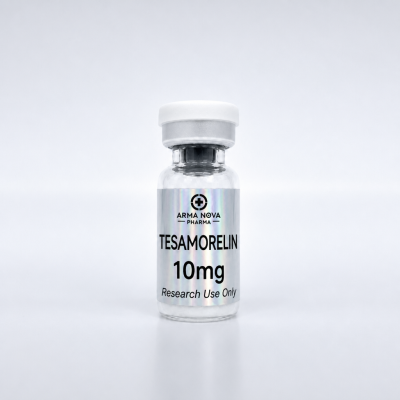
Tesamorelin 10mg UK: Research-Grade Growth Hormone-Releasing Hormone Analogue for 2026 UK-based researchers investigating growth hormone-releasing hormone (GHRH) analogues frequently encounter a critical sourcing challenge:… Continue reading
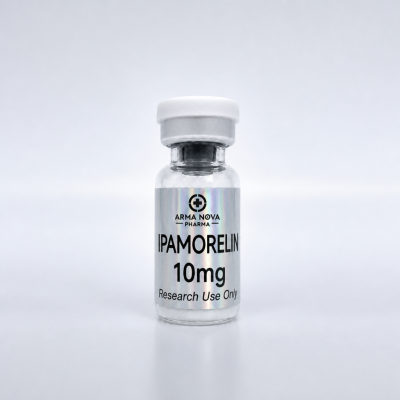
Ipamorelin UK: The Selective Growth Hormone Secretagogue for Researchers in 2026 Among the growth hormone-releasing peptides available to UK researchers, ipamorelin stands apart for a... Continue reading
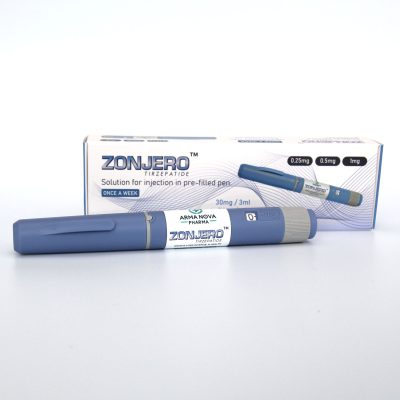
Tirzepatide 30mg UK: The Dual GIP/GLP-1 Receptor Agonist for Advanced Metabolic Research Tirzepatide represents the first dual glucose-dependent insulinotropic polypeptide (GIP) and glucagon-like peptide-1 (GLP-1)... Continue reading
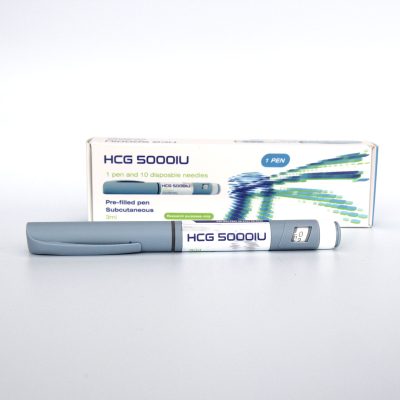
HCG 5000IU UK: Research-Grade Sourcing and Clinical Context Guide 2026 Human chorionic gonadotropin at the 5000 international unit dosage represents one of the most frequently... Continue reading
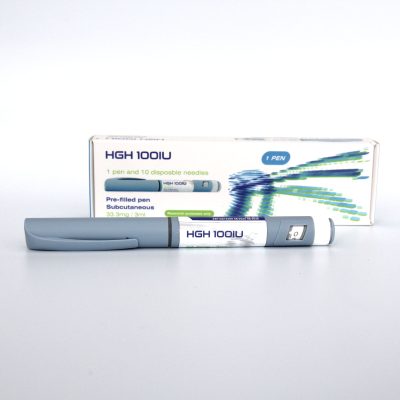
HGH 100 IU UK: Verified Research-Grade Sourcing, Purity Standards, and Regulatory Context for 2026 Securing genuine, laboratory-verified hgh 100 iu uk formulations presents distinct challenges... Continue reading
Add comment