
No products in the cart.
Retatrutide Armapeptides: UK Phase 2 Trial Data & HPLC Purity
Retatrutide Arma Peptides: Triple Agonist Mechanism, Phase 2/3 Trial Data, and UK Research Sourcing
Retatrutide (LY3437943) is the first triple hormone receptor agonist to enter late-stage clinical development for obesity and metabolic syndrome. Unlike dual GLP-1/GIP agonists such as tirzepatide, retatrutide armapeptides uniquely activates the glucagon receptor in addition to GLP-1 and GIP pathways—a combination that drives hepatic fat oxidation, thermogenesis, and energy expenditure in ways that dual agonists cannot replicate. This pharmacological profile resulted in a mean weight reduction of 24.2% at 48 weeks in the Phase 2 trial published by Jastreboff et al. (2023) in the New England Journal of Medicine, the largest magnitude of weight loss observed to date for any incretin-based therapy in a controlled trial.
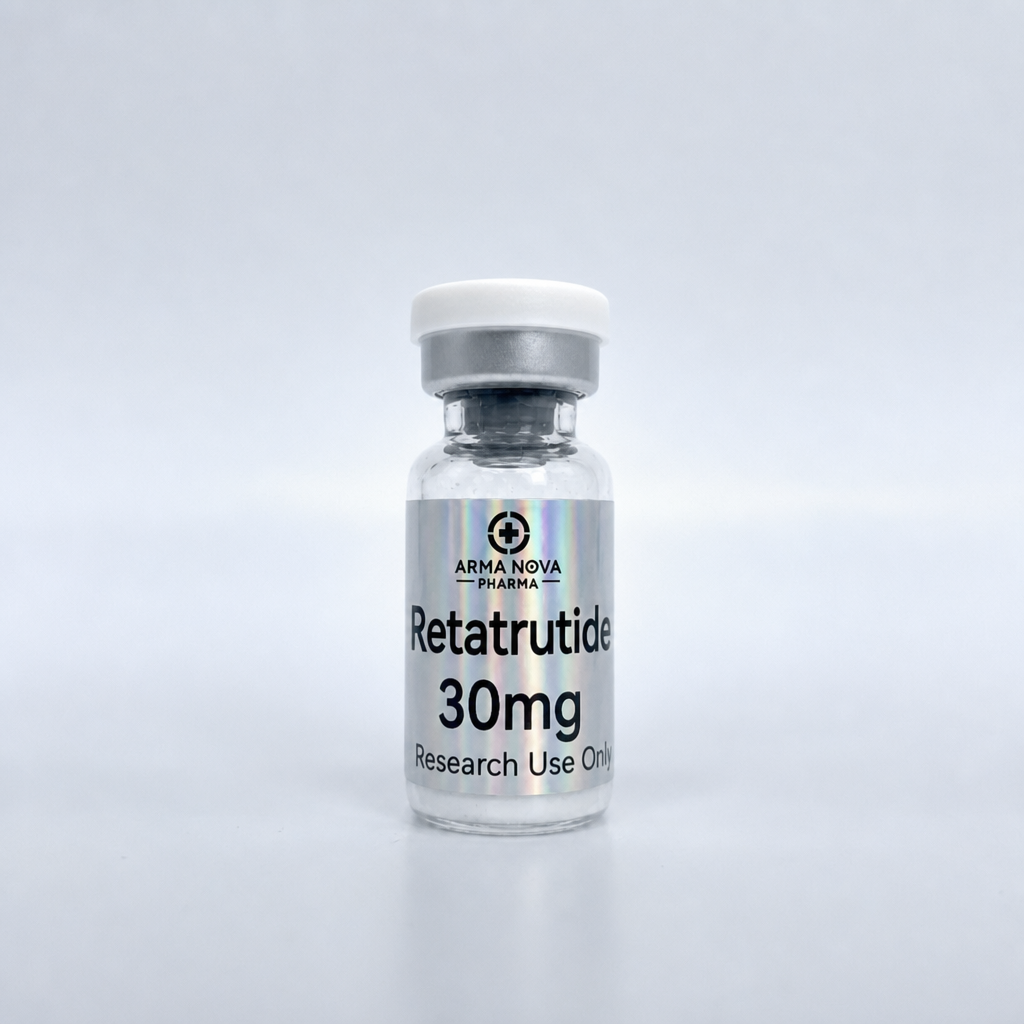
Arma Peptides supplies Retatrutide 30mg UK with ≥99% HPLC-verified purity, published Certificates of Analysis per batch, and next-day delivery across the United Kingdom. All products are manufactured under strict quality control for research purposes only and are not intended for human consumption under UK law. This guide synthesises the complete body of Phase 2 and emerging Phase 3 evidence, clarifies the mechanistic distinction between retatrutide and existing incretin therapies, and provides practical sourcing criteria for UK-based researchers.
Mechanism of Action: Why the Glucagon Receptor Component Matters
Retatrutide is a synthetic peptide engineered to activate three metabolic hormone receptors simultaneously: glucagon-like peptide-1 (GLP-1), glucose-dependent insulinotropic polypeptide (GIP), and glucagon. The GLP-1 and GIP components are shared with Tirzepatide UK, which is a dual GIP/GLP-1 agonist approved under the brand name Mounjaro for type 2 diabetes and obesity. However, the addition of glucagon receptor agonism introduces metabolic effects that neither monoagonists like Semaglutide UK nor dual agonists can produce.
Glucagon Receptor Activation: Hepatic Fat Oxidation and Energy Expenditure
Glucagon is conventionally understood as a counter-regulatory hormone that raises blood glucose during fasting. However, chronic low-dose glucagon receptor activation in the context of concurrent GLP-1 and GIP signalling produces a distinct metabolic phenotype. Preclinical models demonstrate that glucagon agonism stimulates hepatic mitochondrial β-oxidation, reduces intrahepatic triglyceride content, and increases whole-body energy expenditure through enhanced thermogenesis. Critically, this occurs without the hyperglycaemic effects typical of isolated glucagon administration, because simultaneous GLP-1 receptor activation preserves insulin secretion and suppresses glucagon’s glycogenolytic actions.
This synergy is the mechanistic foundation for retatrutide’s superior weight loss profile. In the Phase 2 trial conducted by Jastreboff et al. (2023), participants receiving 12 mg retatrutide once weekly achieved a mean body weight reduction of 24.2% at 48 weeks, compared to 2.1% with placebo. Notably, 91% of participants in the 12 mg arm achieved ≥5% weight loss, and 75% achieved ≥15% weight loss—thresholds associated with clinically meaningful improvements in cardiometabolic risk factors. These results exceed those reported for semaglutide 2.4 mg (approximately 15% weight loss) and tirzepatide 15 mg (approximately 21% weight loss) in their respective pivotal trials.
GLP-1 and GIP Components: Satiety, Glycaemic Control, and Adipose Biology
The GLP-1 receptor agonism component of retatrutide armapeptides mediates central appetite suppression via hypothalamic pathways, delays gastric emptying, and enhances glucose-dependent insulin secretion from pancreatic β-cells. GIP receptor agonism, historically underappreciated, improves insulin sensitivity, modulates adipocyte lipid storage, and may enhance energy expenditure in adipose tissue. The combination of GLP-1 and GIP was first validated in tirzepatide, which demonstrated superiority over semaglutide in head-to-head trials for both glycaemic control and weight reduction.
Retatrutide builds on this dual-agonist framework by adding glucagon receptor engagement, which shifts the metabolic balance further toward catabolism. The result is a compound that addresses not only caloric intake and glucose homeostasis but also energy expenditure and hepatic lipid metabolism—domains that are either weakly targeted or untouched by monoagonist and dual-agonist therapies.
Phase 2 Trial: Dosing, Efficacy, and Adverse Event Profile
The pivotal Phase 2 randomised, double-blind, placebo-controlled trial enrolled 338 adults with obesity (BMI ≥30 kg/m² or ≥27 kg/m² with weight-related comorbidities) across multiple sites in the United States. Participants were randomised to receive subcutaneous retatrutide at doses of 1 mg, 4 mg, 8 mg, or 12 mg once weekly, or placebo, for 48 weeks. The trial was published in the New England Journal of Medicine by Jastreboff and colleagues in 2023 (PMID: 37350954).
Weight Loss Outcomes by Dose
Mean percentage change in body weight from baseline to week 48 was dose-dependent:
- Placebo: −2.1%
- 1 mg: −8.7%
- 4 mg: −17.3%
- 8 mg: −22.8%
- 12 mg: −24.2%
The difference between all active doses and placebo was statistically significant (p < 0.001). The 12 mg dose produced the largest magnitude of weight loss observed in any incretin-based therapy trial to date. Body composition analysis via dual-energy X-ray absorptiometry (DEXA) demonstrated that the majority of weight loss was attributable to fat mass reduction, with relative preservation of lean mass—a critical distinction for long-term metabolic health and functional capacity.
Cardiometabolic Secondary Endpoints
In addition to weight reduction, retatrutide armapeptides improved multiple cardiometabolic risk markers. At 48 weeks, participants in the 12 mg arm exhibited:
- Reduction in systolic blood pressure: mean decrease of 8.0 mmHg versus baseline
- Improvement in lipid profile: triglycerides decreased by 27%, HDL cholesterol increased by 17%
- Reduction in liver fat content (assessed by MRI-proton density fat fraction): mean decrease of 7.4 percentage points in participants with baseline hepatic steatosis
- Improvement in glycaemic parameters: reductions in fasting glucose and HbA1c, even in participants without diabetes at baseline
These findings suggest that retatrutide’s mechanism extends beyond caloric restriction alone. The reduction in hepatic fat, in particular, likely reflects direct glucagon receptor-mediated effects on hepatic lipid oxidation rather than secondary consequences of weight loss.
Adverse Events and Tolerability
The safety profile of retatrutide armapeptides in the Phase 2 trial was consistent with other GLP-1 receptor agonists. The most common adverse events were gastrointestinal: nausea (reported in 60% of participants in the 12 mg arm), diarrhoea (37%), and vomiting (24%). These events were predominantly mild to moderate in severity and occurred most frequently during the dose-escalation phase. Discontinuation due to adverse events occurred in 11.5% of participants in the 12 mg group versus 2.9% in the placebo group.
Importantly, no cases of pancreatitis, medullary thyroid carcinoma, or severe hypoglycaemia were reported. Heart rate increased modestly from baseline (mean increase of approximately 3–4 beats per minute), a finding observed with other GLP-1 receptor agonists and thought to be mediated by central sympathetic activation. Gallbladder-related adverse events, including cholelithiasis, occurred in 2.6% of participants in the 12 mg arm, consistent with rapid weight loss rather than a specific drug effect.
Phase 3 Programme: TRIUMPH Trials and Cardiovascular Outcomes
Following the success of the Phase 2 trial, Eli Lilly initiated a Phase 3 development programme for retatrutide under the TRIUMPH (TRIple agonist for Uncontrolled MetaboLic PHenotyPes) banner. The programme includes multiple trials across obesity, type 2 diabetes, and obstructive sleep apnoea. Two trials are of particular interest to UK researchers and clinicians:
TRIUMPH-1: Obesity Without Diabetes
TRIUMPH-1 is a multicentre, randomised, double-blind, placebo-controlled Phase 3 trial evaluating retatrutide in adults with obesity who do not have diabetes. The trial aims to enrol approximately 1,200 participants across multiple countries, including sites in the United Kingdom. The primary endpoint is percentage change in body weight from baseline to week 72, with secondary endpoints including the proportion of participants achieving ≥5%, ≥10%, and ≥15% weight loss, as well as changes in waist circumference, cardiometabolic biomarkers, and patient-reported outcomes.
TRIUMPH-1 is expected to report topline results in late 2024 or early 2025. If successful, the data will form the core of the New Drug Application (NDA) submission to the U.S. Food and Drug Administration (FDA) and the Marketing Authorisation Application (MAA) to the European Medicines Agency (EMA) and UK Medicines and Healthcare products Regulatory Agency (MHRA).
TRIUMPH-2: Obesity and Type 2 Diabetes
TRIUMPH-2 evaluates retatrutide in adults with obesity and comorbid type 2 diabetes. The trial’s co-primary endpoints are percentage change in body weight and change in HbA1c from baseline to week 72. This population is of particular clinical importance, as individuals with obesity and diabetes exhibit more severe metabolic dysfunction and are at higher cardiovascular risk than those with obesity alone.
Cardiovascular Outcomes Trial (CVOT) and the Semaglutide Precedent
Regulatory authorities increasingly require incretin-based therapies to demonstrate cardiovascular safety, and ideally benefit, in dedicated cardiovascular outcomes trials (CVOTs). The precedent was set by the SELECT trial, published by Lincoff et al. (2023) in the New England Journal of Medicine (PMID: 37952131), which demonstrated that semaglutide 2.4 mg reduced major adverse cardiovascular events (MACE) by 20% in adults with established cardiovascular disease and overweight or obesity, even in the absence of diabetes.
Eli Lilly has not yet disclosed full details of a dedicated CVOT for retatrutide, but cardiovascular endpoints are being assessed as secondary measures in several TRIUMPH trials. Given retatrutide’s superior weight loss and favourable effects on blood pressure, lipids, and hepatic fat, there is strong mechanistic rationale to expect cardiovascular benefit. However, the modest increase in heart rate observed in Phase 2 will require careful monitoring in longer-term trials, as sympathetic activation could theoretically offset some of the metabolic benefits in high-risk populations.
Retatrutide Arma Peptides: HPLC Purity, COA Transparency, and UK Sourcing Standards
The clinical efficacy and safety profile of retatrutide observed in Phase 2 and Phase 3 trials depends on the use of pharmaceutical-grade peptide with precisely controlled purity, composition, and stability. For UK-based researchers procuring retatrutide armapeptides for in vitro or preclinical studies, verification of peptide quality is non-negotiable. Low-purity peptides may contain truncated sequences, oxidised residues, or bacterial endotoxins that confound experimental results and introduce safety risks in any downstream application.
HPLC Purity and Analytical Standards
Arma Peptides supplies retatrutide with ≥99% purity as determined by high-performance liquid chromatography (HPLC), the gold standard analytical method for peptide characterisation. HPLC separates peptide molecules based on hydrophobicity and retention time, allowing quantification of the target peptide relative to impurities such as deletion sequences, deamidated variants, or residual solvents from synthesis.
Each batch of Retatrutide 30mg UK is accompanied by a Certificate of Analysis (COA) that reports HPLC purity, mass spectrometry confirmation of molecular weight, and endotoxin levels (measured by Limulus Amebocyte Lysate assay). These documents are published and accessible per batch, enabling researchers to verify peptide identity and quality before use.
Lyophilisation, Reconstitution, and Storage
Retatrutide armapeptides is supplied as a sterile lyophilised powder in sealed vials. Lyophilisation (freeze-drying) removes water from the peptide solution, enhancing stability and extending shelf life. Lyophilised peptides should be stored at −20°C or lower in a desiccated environment protected from light.
For reconstitution, bacteriostatic water (0.9% benzyl alcohol) or sterile water for injection is recommended. The reconstituted solution should be stored at 2–8°C (refrigerated) and used within 28 days to minimise degradation. Researchers should avoid repeated freeze-thaw cycles, as this accelerates peptide aggregation and loss of activity. For long-term storage, aliquoting reconstituted peptide into single-use volumes and storing at −80°C is advisable.
UK Delivery and Regulatory Context
Arma Peptides operates from a dedicated facility and offers next-day delivery across England, Scotland, Wales, and Northern Ireland. All orders are dispatched with discreet packaging and temperature-controlled shipping materials to preserve peptide integrity during transit. Shipping to international destinations, including the European Union post-Brexit, is subject to customs regulations and may require additional documentation.
Under UK law, retatrutide is classified as a research chemical and is not approved for human consumption, clinical use, or therapeutic purposes. It is supplied exclusively for in vitro research, preclinical studies, and analytical reference purposes. Researchers and institutions must comply with all applicable regulations, including those governing laboratory safety, controlled substances, and biosafety protocols.
Comparing Retatrutide Arma Peptides to Dual and Mono GLP-1 Agonists
UK researchers frequently ask how retatrutide compares to existing incretin therapies such as semaglutide (a GLP-1 monoagonist) and tirzepatide (a GLP-1/GIP dual agonist). The table below summarises key mechanistic and clinical distinctions:
| Parameter | Semaglutide | Tirzepatide | Retatrutide |
|---|---|---|---|
| Receptor targets | GLP-1 | GLP-1, GIP | GLP-1, GIP, glucagon |
| Mean weight loss (48 weeks) | ~15% | ~21% | ~24% |
| Hepatic fat reduction | Indirect (via weight loss) | Indirect (via weight loss) | Direct (via glucagon receptor) |
| Energy expenditure | Modest increase | Modest increase | Greater increase (thermogenesis) |
| Dosing frequency | Once weekly | Once weekly | Once weekly |
| GI adverse events | ~40–50% nausea | ~30–40% nausea | ~60% nausea (12 mg dose) |
| Regulatory status (UK) | Approved (Wegovy) | Approved (Mounjaro) | Phase 3 (research use only) |
The addition of glucagon receptor agonism is the critical mechanistic differentiator. While semaglutide and tirzepatide primarily reduce caloric intake and improve glycaemic control, retatrutide armapeptides additionally increases energy expenditure and directly targets hepatic steatosis. This is reflected in the greater magnitude of weight loss and the more pronounced reductions in liver fat observed in the Phase 2 trial.
However, the higher rate of gastrointestinal adverse events with retatrutide suggests a steeper tolerability curve. Dose escalation protocols will need to be carefully managed to balance efficacy with patient or subject comfort, particularly in research settings where compliance is essential for data quality.
Practical Considerations for UK Researchers: Experimental Design and Dosing Rationale
For researchers designing preclinical or in vitro experiments involving retatrutide armapeptides, several practical considerations merit attention. These include dose selection, pharmacokinetic modelling, and the selection of appropriate comparator compounds.
Dose Selection and Translation from Clinical Trials
The 12 mg once-weekly dose used in the Phase 2 trial corresponds to a human equivalent dose (HED) that must be scaled appropriately for animal models. The FDA guidance for industry recommends scaling doses based on body surface area (BSA) rather than body weight, using the formula:
HED (mg/kg) = Animal dose (mg/kg) × (Animal Km / Human Km)
Where Km is a correction factor based on body surface area. For mice, Km = 3; for rats, Km = 6; for humans, Km = 37. A 12 mg dose in a 70 kg human equates to approximately 0.17 mg/kg. Scaling to mice (Km = 3) yields a murine dose of approximately 2.1 mg/kg. Researchers should adjust dosing based on the specific endpoints and disease models under investigation, and consult pharmacokinetic data to confirm target receptor occupancy.
Comparator Compounds and Experimental Controls
To isolate the contribution of glucagon receptor agonism, researchers may wish to include tirzepatide or semaglutide as active comparators in head-to-head studies. This allows attribution of observed effects (e.g., hepatic lipid oxidation, energy expenditure) specifically to the glucagon component rather than GLP-1 or GIP signalling. Selective glucagon receptor antagonists, such as LY2409021 (in preclinical contexts), can also be used to pharmacologically dissect the mechanism.
Metabolic Phenotyping and Outcome Measures
Retatrutide’s triple agonist mechanism is best captured by comprehensive metabolic phenotyping. Recommended outcome measures include:
- Body composition: Lean and fat mass via DEXA or MRI
- Energy balance: Indirect calorimetry to assess oxygen consumption (VO₂) and carbon dioxide production (VCO₂), yielding respiratory exchange ratio (RER) and energy expenditure
- Hepatic lipid content: Histological staining (Oil Red O), biochemical assay of triglyceride content, or MRI-proton density fat fraction
- Glucose homeostasis: Fasting glucose, insulin, HOMA-IR, oral glucose tolerance test (OGTT), and HbA1c (in longer-term studies)
- Lipid profile: Plasma triglycerides, total cholesterol, HDL, LDL, and free fatty acids
These measures align with the endpoints reported in the Phase 2 clinical trial and facilitate direct comparison of preclinical findings with human data.
Safety Considerations and Emerging Concerns in Triple Agonism
While retatrutide armapeptides demonstrated an acceptable safety profile in Phase 2, several mechanistic and clinical safety questions warrant ongoing surveillance as the compound advances through Phase 3 and eventual post-marketing use.
Heart Rate and Sympathetic Activation
GLP-1 receptor agonists consistently produce modest increases in heart rate, typically 2–5 beats per minute above baseline. This effect is thought to be centrally mediated via hypothalamic GLP-1 receptors that modulate sympathetic outflow. In individuals with obesity, who already exhibit elevated resting heart rate due to increased cardiac workload and sympathetic tone, further increases could theoretically raise cardiovascular risk.
The SELECT trial demonstrated that semaglutide reduced MACE despite increasing heart rate, suggesting that metabolic benefits (weight loss, blood pressure reduction, lipid improvement) outweigh any detrimental effect of heart rate elevation. However, the magnitude of heart rate increase with retatrutide may differ due to the additional glucagon receptor component, which independently influences sympathetic activity. Longer-term cardiovascular outcome data from the TRIUMPH programme will be essential to confirm net benefit.
Gallbladder Pathology and Rapid Weight Loss
Rapid weight loss of any cause increases the risk of cholelithiasis (gallstones) due to altered bile composition and reduced gallbladder motility. In the Phase 2 trial, gallbladder-related adverse events occurred in 2.6% of participants in the 12 mg arm. This incidence is consistent with other rapid weight loss interventions, including bariatric surgery and high-dose GLP-1 agonists. Prophylactic ursodeoxycholic acid may be considered in high-risk individuals, although this has not been formally studied with retatrutide.
Thyroid C-Cell Hyperplasia and Carcinoma
GLP-1 receptor agonists carry a boxed warning in the United States due to thyroid C-cell tumours observed in rodent toxicology studies. However, these findings have not translated to increased risk in human populations, and post-marketing surveillance of semaglutide and liraglutide has not identified a signal for medullary thyroid carcinoma. Retatrutide’s safety profile in this regard will continue to be monitored, but current evidence does not suggest heightened risk compared to monoagonist or dual-agonist therapies.
UK Regulatory Landscape: Research Use Only and Clinical Trial Status
Retatrutide is not currently approved by the UK Medicines and Healthcare products Regulatory Agency (MHRA) for therapeutic use. It remains in Phase 3 clinical development and is available in the UK exclusively for research purposes under the classification of a research chemical. Researchers, academic institutions, and laboratories procuring retatrutide armapeptides must ensure compliance with all applicable regulations, including:
- Misuse of Drugs Act 1971: Retatrutide is not a controlled substance under this Act, but institutions should maintain records of procurement and use to ensure traceability and accountability.
- Human Medicines Regulations 2012: Retatrutide is not licensed for human use. Any investigational use in humans must occur within the framework of a MHRA-approved clinical trial under Good Clinical Practice (GCP) guidelines.
- Laboratory safety: Peptides should be handled with appropriate personal protective equipment (PPE), and laboratories should maintain Safety Data Sheets (SDS) for all research chemicals.
For UK-based clinical researchers, enrolment in TRIUMPH trials may be possible through participating NHS trusts and academic medical centres. Information on active clinical trial sites in the UK can be accessed via the ClinicalTrials.gov registry (NCT identifiers for TRIUMPH-1 and TRIUMPH-2 are available through the database).
Frequently Asked Questions
What is the typical timeline for retatrutide armapeptides UK delivery?
Arma Peptides offers next-day delivery across the United Kingdom for orders placed before the daily cut-off time (typically 2:00 PM GMT). Orders placed after the cut-off are dispatched on the following business day. All shipments are sent with temperature-controlled packaging to preserve peptide stability during transit.
How does retatrutide compare to tirzepatide for researchers?
Retatrutide armapeptides includes glucagon receptor agonism in addition to the GLP-1 and GIP activity shared with tirzepatide. This confers additional effects on hepatic fat oxidation and energy expenditure, resulting in greater weight loss and metabolic benefit in Phase 2 trials (24% vs. 21% weight reduction). For researchers studying hepatic steatosis, thermogenesis, or energy balance, retatrutide offers mechanistic advantages over Tirzepatide UK.
Are Certificates of Analysis provided for each batch of retatrutide?
Yes. Arma Peptides publishes a Certificate of Analysis (COA) for each batch of retatrutide, documenting HPLC purity (≥99%), mass spectrometry confirmation, and endotoxin testing results. COAs are available on request and are linked to the specific batch number printed on each vial.
Can retatrutide armapeptides be used in human subjects?
No. Retatrutide is supplied for research use only and is not approved for human consumption or clinical use in the UK. Any investigational use in humans must occur within a MHRA-approved clinical trial conducted under Good Clinical Practice (GCP) standards. Researchers should not administer retatrutide outside of these regulated contexts.
What is the optimal storage temperature for reconstituted retatrutide?
Reconstituted retatrutide should be stored at 2–8°C (refrigerated) and used within 28 days to minimise degradation. For experiments requiring longer-term storage, aliquot reconstituted peptide into single-use volumes and store at −80°C. Avoid repeated freeze-thaw cycles, as this accelerates aggregation and loss of potency.
Conclusion: Retatrutide Arma Peptides as the Next Frontier in Metabolic Research
Retatrutide armapeptides represents a mechanistically distinct advance over existing incretin-based therapies, with unique activity at the glucagon receptor that drives hepatic fat oxidation, thermogenesis, and energy expenditure. The 24.2% weight loss observed at 48 weeks in the Phase 2 trial is the largest magnitude of reduction reported for any pharmacological obesity treatment in a controlled trial, with accompanying improvements in cardiometabolic risk factors that extend beyond caloric restriction alone.
For UK researchers, Arma Peptides provides Retatrutide 30mg UK with ≥99% HPLC-verified purity, published Certificates of Analysis, and next-day delivery nationwide. As the TRIUMPH Phase 3 programme progresses and cardiovascular outcomes data emerge, retatrutide is positioned to become a transformative tool for studying metabolic disease, obesity, and hepatic lipid metabolism. However, all use must remain strictly within the bounds of research under UK law, with appropriate safety protocols and regulatory compliance maintained at every stage.
The combination of robust Phase 2 efficacy data, transparent analytical verification, and reliable UK sourcing makes retatrutide armapeptides an essential compound for metabolic researchers seeking to investigate the next generation of multi-agonist hormone therapies. As clinical development continues, the mechanistic insights generated by preclinical research will inform optimal dosing strategies, patient selection criteria, and combination therapy approaches that maximise the therapeutic potential of triple agonism while mitigating safety risks.
Related posts
Tesamorelin 10mg UK: Research-Grade Growth Hormone-Releasing Hormone Analogue for 2026 UK-based researchers investigating growth hormone-releasing hormone (GHRH) analogues frequently encounter a critical sourcing challenge:… Continue reading
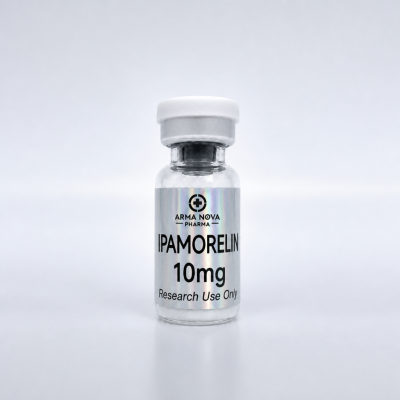
Ipamorelin UK: The Selective Growth Hormone Secretagogue for Researchers in 2026 Among the growth hormone-releasing peptides available to UK researchers, ipamorelin stands apart for a... Continue reading
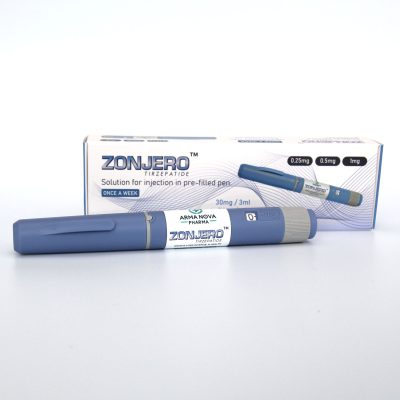
Tirzepatide 30mg UK: The Dual GIP/GLP-1 Receptor Agonist for Advanced Metabolic Research Tirzepatide represents the first dual glucose-dependent insulinotropic polypeptide (GIP) and glucagon-like peptide-1 (GLP-1)... Continue reading
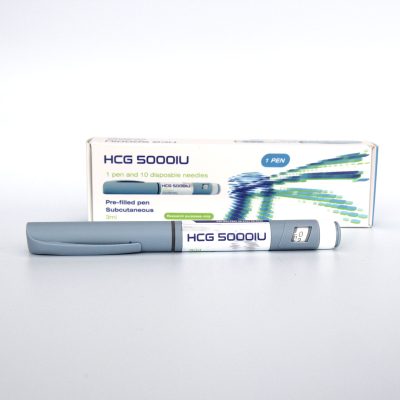
HCG 5000IU UK: Research-Grade Sourcing and Clinical Context Guide 2026 Human chorionic gonadotropin at the 5000 international unit dosage represents one of the most frequently... Continue reading
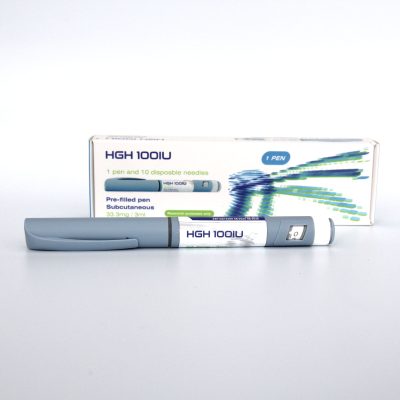
HGH 100 IU UK: Verified Research-Grade Sourcing, Purity Standards, and Regulatory Context for 2026 Securing genuine, laboratory-verified hgh 100 iu uk formulations presents distinct challenges... Continue reading
Add comment