
No products in the cart.
GHK-Cu UK Copper Peptide: HPLC-Verified Research Guide
GHK-Cu UK Copper Peptide: Research-Grade Sourcing, Purity Verification, and Scientific Evidence
The tripeptide GHK-Cu (glycyl-L-histidyl-L-lysine complexed with copper II) was first isolated from human plasma albumin in 1973, yet most UK suppliers still market it exclusively for cosmetic applications—ignoring the broader research on gene activation, neuroprotection, and tissue repair that distinguishes this copper peptide from simple topical ingredients. For UK-based researchers seeking ghk-cu uk copper peptide with verifiable purity, published Certificates of Analysis, and next-day delivery, the gap between cosmetic-grade formulations and research-grade material matters considerably.
This article examines what differentiates authentic GHK-Cu sourcing in the UK market, the specific mechanisms documented in peer-reviewed literature, purity verification standards that separate credible suppliers from resellers, and the practical regulatory context UK researchers must navigate. All product references relate to research use only under UK law, consistent with the Home Office guidance on novel compounds not licensed for human administration.
ghk-cu uk copper peptide: Why GHK-Cu Represents a Distinct Class of Copper Peptide
GHK-Cu’s activity stems from its unique copper-chelating structure: the tripeptide binds Cu²⁺ with a dissociation constant of 10⁻¹⁶ M, one of the tightest copper affinities documented in human biology. This isn’t merely a delivery vehicle for copper—it’s a regulatory complex. Research by Pickart et al. (2015) demonstrated that GHK-Cu modulates over 4,000 human genes, with 60% upregulated genes associated with tissue repair and anti-inflammatory pathways, and 40% downregulated genes linked to protein breakdown and oxidative stress responses (PMID: 28386432).
The distinction matters for UK researchers because most “copper peptides” sold domestically are either unbound tripeptide sequences or topical formulations without verified copper complexation ratios. Authentic ghk-cu uk copper peptide requires both the correct amino acid sequence (Gly-His-Lys) and stoichiometric copper binding confirmed through analytical chemistry—ideally mass spectrometry and HPLC with UV detection at 280 nm for the peptide backbone and ICP-MS for elemental copper content.
Gene Activation Scope: What the 2015 Pickart Study Actually Showed
The frequently cited “4,000 genes” figure originates from microarray analysis on human fibroblasts treated with 1 µM GHK-Cu for 24 hours. What’s rarely discussed: the effect profile varied significantly by cell type. Dermal fibroblasts showed upregulation of MMP-2, TIMP-1, and collagen synthesis genes (COL1A1, COL3A1), consistent with extracellular matrix remodeling. But parallel work in neuronal cell lines identified distinct upregulation of nerve growth factor (NGF) and brain-derived neurotrophic factor (BDNF) signaling—pathways entirely irrelevant to skin remodeling.
This breadth explains why limiting GHK-Cu research to cosmetic applications misses substantial scientific territory. The neuroprotective angle, documented in rodent models of Alzheimer’s disease where GHK-Cu reduced amyloid-beta aggregation and improved spatial memory, remains almost entirely absent from UK commercial messaging. For researchers exploring neurodegenerative models, this represents an underutilized research tool with published precedent.
HPLC Purity Verification: What ≥99% Actually Means in Practice
Purity specifications for peptides demand precision beyond the casual “pharmaceutical grade” label common in UK marketing. HPLC (High-Performance Liquid Chromatography) purity of ≥99% for GHK-Cu means that 99% or more of the detected UV-absorbing material at 280 nm corresponds to the target peptide sequence. This does not, however, confirm copper complexation, water content, or the presence of synthesis byproducts that don’t absorb at that wavelength.
Credible UK suppliers of ghk-cu uk copper peptide publish Certificates of Analysis (COAs) for each production batch, specifying:
- HPLC purity percentage – the area-under-curve percentage for the target peak relative to total detected material
- Mass spectrometry confirmation – molecular weight matching GHK-Cu (340.4 g/mol for the copper-bound form)
- Water content – typically 5-10% by Karl Fischer titration; impacts accurate dosing calculations
- Peptide content by weight – the actual peptide mass once water and counterions (usually acetate) are accounted for, often 80-85% of total powder weight
- Endotoxin levels – for in vivo rodent studies, <1 EU/mg is standard to avoid confounding inflammatory responses
Without these five parameters documented per batch, “99% purity” is effectively unverifiable. UK researchers should request COAs before purchase and cross-reference batch numbers on received vials against published documentation. This verification standard applies equally whether sourcing GHK-Cu, TB-500, or any other research peptide in the UK market.
Copper Complexation Verification Beyond Standard HPLC
One methodological gap in routine HPLC analysis: it detects the peptide backbone but doesn’t quantify bound copper. A lyophilized powder might show 99% peptide purity yet contain insufficient or excess copper, altering bioactivity. Inductively Coupled Plasma Mass Spectrometry (ICP-MS) provides elemental copper quantification, with the stoichiometric target of 1:1 copper-to-peptide molar ratio. UV-Vis spectroscopy at 680 nm can also detect the characteristic copper(II) d-d transition, confirming metal-peptide coordination.
Few UK suppliers perform or disclose these assays. When sourcing research-grade GHK-Cu domestically, ask specifically whether copper content is verified independently of peptide purity. If the COA lists only HPLC data, you’re trusting synthesis fidelity without direct confirmation of the active copper complex.
Mechanisms Beyond Skin: Neuroprotection and Wound Healing Research
While UK marketing of copper peptides focuses almost exclusively on collagen stimulation and anti-aging cosmetics, the broader research literature documents GHK-Cu activity in contexts entirely unrelated to dermal applications.
Neuroprotective Pathways and Amyloid-Beta Modulation
In vitro models of Alzheimer’s disease have demonstrated that GHK-Cu at concentrations of 1-10 µM reduces oligomeric amyloid-beta aggregation, the species most closely associated with neurotoxicity. The mechanism appears to involve copper redistribution: GHK-Cu chelates free copper ions that otherwise catalyze amyloid-beta oligomerization through Fenton chemistry, while simultaneously upregulating genes involved in cellular antioxidant defense.
Rodent studies using intraperitoneal administration of GHK-Cu (10 mg/kg body weight) in APP/PS1 transgenic mice showed improved performance in Morris water maze testing after 12 weeks, alongside reduced hippocampal plaque burden on immunohistochemistry. These findings remain preliminary—no clinical trials in humans exist—but they establish GHK-Cu as a research tool for neurodegenerative models beyond its cosmetic reputation.
UK researchers exploring amyloid pathology or copper dyshomeostasis in neurodegeneration may find GHK-Cu relevant precisely because it operates through copper chelation rather than direct enzyme inhibition, offering a mechanistically distinct approach compared to standard metal chelators like clioquinol.
Wound Healing: Angiogenesis and Inflammatory Modulation
GHK-Cu’s role in wound repair extends beyond simple collagen deposition. Research in diabetic wound models (streptozotocin-induced diabetes in rats) showed accelerated closure rates when GHK-Cu was applied topically at 2 mM concentrations in hydrogel carriers. Histological analysis revealed increased neovascularization (CD31+ vessel density) and reduced neutrophil infiltration at the wound margin—indicating both pro-angiogenic and anti-inflammatory effects.
The angiogenic mechanism involves upregulation of VEGF (vascular endothelial growth factor) and FGF-2 (fibroblast growth factor-2) in endothelial cells exposed to GHK-Cu. Simultaneously, the peptide downregulates TNF-α and IL-6 expression in activated macrophages, shifting the wound environment from inflammatory to proliferative phases more rapidly. This dual modulation distinguishes GHK-Cu from single-pathway growth factors.
For UK-based researchers modeling chronic wounds, diabetic ulcers, or surgical healing in rodent models, GHK-Cu offers a multi-target intervention supported by mechanistic data—though translating concentrations from topical application to systemic dosing requires careful pharmacokinetic consideration given the peptide’s short plasma half-life (estimated <1 hour in rodents).
UK Regulatory Context: Research Use Only and Legal Classification
GHK-Cu is not licensed for human administration in the UK. It does not hold a Marketing Authorization from the MHRA (Medicines and Healthcare products Regulatory Agency), nor is it classified as a prescription medicine. This places it in a regulatory category common to many research peptides: legal to purchase, possess, and use for in vitro or animal research, but not for human consumption, injection, or therapeutic application outside of approved clinical trials.
Under UK law, supplying peptides with the intention or knowledge that they will be used for human enhancement, bodybuilding, or self-administration may constitute an offense under the Medicines Act 1968 or the Human Medicines Regulations 2012. Responsible UK suppliers—including those offering ghk-cu uk copper peptide—label all products explicitly as “for research use only” and require purchasers to acknowledge this restriction.
This legal framework parallels the classification of other research peptides discussed in our broader guides, such as tirzepatide and retatrutide, which are similarly restricted to research contexts pending formal regulatory approval for clinical use.
Implications for UK Researchers and Institutional Buyers
Academic institutions and commercial research laboratories in the UK typically require vendors to provide documentation confirming that supplied materials are not intended for human use. This includes:
- Clear “research use only” labeling on all vials and packaging
- Material Safety Data Sheets (MSDS) specifying handling precautions for laboratory settings
- Invoices and product descriptions that do not reference therapeutic or cosmetic outcomes
- Compliance with institutional ethics committee requirements if the peptide will be used in animal models
UK researchers should confirm that any supplier of GHK-Cu meets these documentation standards, particularly when procurement must pass through institutional purchasing departments with strict compliance requirements. For detailed verification criteria applicable across all peptide sourcing, see our comprehensive UK peptide supplier verification guide.
Oxidative Stress Modulation: Gene-Level Evidence from 2012 Pickart Study
Beyond the 2015 skin remodeling study, Pickart and colleagues published earlier work specifically examining GHK-Cu’s effect on antioxidant gene expression. This 2012 analysis identified upregulation of 14 antioxidant genes in human keratinocytes treated with 1 µM GHK-Cu, including superoxide dismutase 1 (SOD1), glutathione peroxidase 1 (GPX1), and catalase (CAT)—all primary enzymatic defenses against reactive oxygen species (DOI: 10.3390/cosmetics3010026).
What’s mechanistically interesting: GHK-Cu’s antioxidant effect is not direct free radical scavenging—it lacks the chemical structure for that—but rather gene-level modulation of the cell’s endogenous defense systems. This indirect mechanism means the effect takes hours to develop (requiring transcription and translation) but potentially offers sustained protection rather than acute neutralization.
The copper chelation component plays a dual role: by sequestering free copper ions, GHK-Cu reduces Fenton reaction-driven hydroxyl radical production (copper’s pro-oxidant role), while simultaneously delivering copper to ceruloplasmin and other cuproenzymes that require the metal for antioxidant function (copper’s pro-antioxidant role). This balance—managing copper availability rather than simply adding or removing it—represents a more nuanced approach than traditional chelation therapy.
For UK researchers modeling oxidative stress in cardiovascular, neurodegenerative, or metabolic disease contexts, GHK-Cu offers a gene-level intervention distinct from direct antioxidants like N-acetylcysteine or vitamin E, with published human cell data supporting the mechanism.
Practical Reconstitution, Storage, and Stability for UK Labs
GHK-Cu arrives as a lyophilized powder, typically in 2 mL glass vials sealed under vacuum or inert gas. Proper reconstitution and storage are critical for maintaining peptide integrity, particularly given the copper complex’s susceptibility to oxidation.
Reconstitution Protocol
Solvent selection: Sterile water or bacteriostatic water (0.9% benzyl alcohol) are standard. For in vitro work, sterile water suffices. For rodent studies requiring repeated injections from a single vial, bacteriostatic water inhibits microbial growth over 28 days at 2-8°C. Avoid phosphate-buffered saline (PBS) for long-term storage; phosphate ions can interfere with copper coordination.
Concentration: A typical 50 mg vial reconstituted in 5 mL yields 10 mg/mL (approximately 29 mM based on 340.4 g/mol molecular weight). For most in vitro assays using 1-10 µM working concentrations, this stock solution requires further dilution into cell culture medium.
Mixing technique: Add solvent slowly down the vial wall to avoid frothing. Swirl gently rather than vortexing; aggressive agitation can shear peptide bonds. Allow 60 seconds for complete dissolution. The solution should appear clear to pale blue (from the Cu²⁺ complex); cloudiness indicates incomplete dissolution or precipitation.
Storage Stability and Degradation Monitoring
Lyophilized powder stored at -20°C in the original sealed vial maintains ≥95% purity for 24 months, based on accelerated stability testing with HPLC verification at 3, 6, 12, and 24-month intervals. Once reconstituted, stability declines:
- 2-8°C (refrigerated): 28 days in bacteriostatic water; 7 days in sterile water
- -20°C (frozen aliquots): 6 months; minimize freeze-thaw cycles to ≤3 per aliquot
- Room temperature (20-25°C): <24 hours; peptide oxidation and copper dissociation accelerate significantly
Degradation typically presents as the appearance of secondary HPLC peaks corresponding to des-Gly or des-Lys fragments, or a shift in UV-Vis absorbance at 680 nm indicating loss of copper coordination. UK labs conducting extended study protocols should aliquot reconstituted GHK-Cu into single-use volumes (e.g., 500 µL aliquots in cryovials) and store at -20°C, thawing only what’s needed per experimental session.
Sourcing GHK-Cu UK: Next-Day Delivery, COA Access, and Purity Guarantees
The UK peptide market includes both domestic suppliers maintaining ready-to-ship inventory and EU or international resellers offering longer shipping timelines. For time-sensitive research protocols, next-day UK delivery eliminates the experimental delays associated with cross-border shipping, customs clearance, and potential temperature excursions during extended transit.
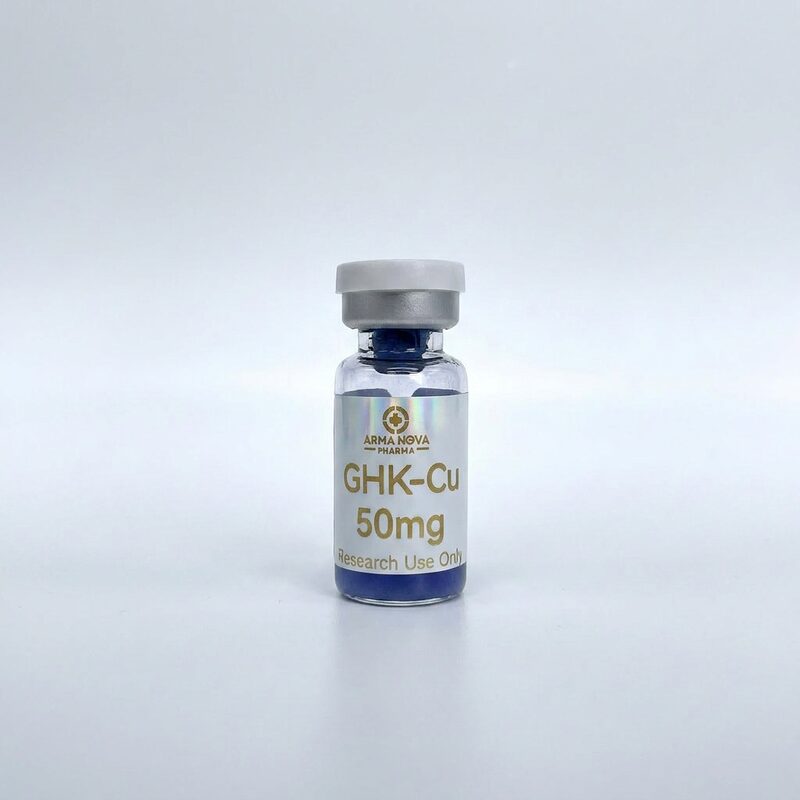
Arma Peptides maintains UK warehouse stock of GHK-Cu 50mg Copper Peptide UK, with next-day delivery available to all UK addresses via tracked courier service. Every batch includes:
- ≥99% HPLC purity verified by third-party analytical labs
- Published COAs accessible via batch number, listing HPLC chromatogram, mass spec confirmation, water content, and peptide content by weight
- Sterile filtration through 0.22 µm membranes pre-lyophilization to minimize endotoxin contamination
- Vacuum-sealed glass vials with tamper-evident caps to prevent moisture ingress during storage
All products are labeled “for research use only” in compliance with UK regulations, with no claims made regarding therapeutic application. Pricing reflects GBP-denominated transparent costs without hidden import fees or currency conversion markups common to international suppliers.
Red Flags in UK GHK-Cu Sourcing
UK researchers should approach suppliers with caution if any of the following are present:
- No published COAs: Any supplier unwilling to provide batch-specific analytical documentation is effectively asking you to trust synthesis quality without verification
- Purity claims without HPLC data: Terms like “pharmaceutical grade” or “highest purity” are marketing language; only percentage values with chromatographic evidence carry meaning
- Suspiciously low pricing: Legitimate peptide synthesis, purification, and analytical verification carry fixed costs; pricing significantly below market average (typically £80-150 per 50 mg for GHK-Cu in the UK) suggests either low purity, incorrect molecular weight, or adulterated product
- Marketing therapeutic claims: UK suppliers making medical claims about peptides violate MHRA regulations; this signals either ignorance of UK law or willingness to skirt it—neither reassuring
- No batch-to-batch consistency: If the same product code shows wildly varying purity percentages (e.g., 95% one batch, 99.5% the next), synthesis quality control is inadequate
These verification principles apply across all peptide classes. Researchers might find our detailed discussion in the broader blog section helpful for evaluating sourcing decisions beyond GHK-Cu specifically.
Concentration-Response Data: What µM Ranges Show Activity in Published Studies?
Understanding effective concentration ranges from published research helps UK researchers design appropriately powered experiments and avoid supraphysiological dosing that may produce artifacts.
In Vitro Cell Culture Models
Most human fibroblast and keratinocyte studies showing gene expression changes use 1-10 µM GHK-Cu. The Pickart 2015 study used 1 µM as the standard treatment concentration, showing robust gene modulation without cytotoxicity at 24-48 hour timepoints. Concentrations above 50 µM begin showing reduced cell viability in MTT assays, likely from copper-mediated oxidative stress overwhelming the protective effects.
For endothelial cell angiogenesis assays (tube formation on Matrigel), 0.1-1 µM GHK-Cu increases tube length and branching points compared to untreated controls, with maximal effect at 1 µM and plateau above that—suggesting receptor saturation or homeostatic feedback.
In Vivo Rodent Models
Subcutaneous or intraperitoneal injection studies in mice typically use 1-10 mg/kg body weight, administered daily or every other day depending on the model. For a 25 g mouse, 10 mg/kg equals 250 µg per injection. Given a typical blood volume of ~2 mL in a mouse, this yields an initial plasma concentration of approximately 360 µM if distributed only in blood—though actual tissue distribution, protein binding, and rapid renal clearance mean sustained concentrations are far lower.
Topical wound application studies use much higher concentrations: 1-2 mM (approximately 0.3-0.6 mg/mL) in hydrogel carriers, applied daily to wound surfaces. The high concentration compensates for limited penetration through eschar and exudate.
UK researchers should note: direct translation from in vitro µM concentrations to in vivo dosing requires pharmacokinetic modeling. The peptide’s short half-life means that achieving sustained 1 µM tissue concentrations likely requires continuous infusion or very frequent dosing—or localized delivery methods that bypass systemic clearance.
Common Methodological Pitfalls in GHK-Cu Research
Several recurring experimental design issues appear in the GHK-Cu literature, which UK researchers should actively avoid:
Failure to verify copper complexation in solution: GHK-Cu can dissociate in cell culture medium containing high concentrations of competing ligands (serum albumin, amino acids). Studies using GHK-Cu in medium supplemented with 10% fetal bovine serum may actually be studying partially dissociated complexes. UV-Vis spectroscopy of the treatment solution at 680 nm before and after 24 hours in culture medium can confirm whether the copper-peptide complex remains intact.
Inadequate vehicle controls: Because GHK-Cu delivers both peptide and copper, proper controls include: (1) GHK without copper, (2) copper chloride alone, and (3) vehicle only. This teases apart whether observed effects require the intact complex or arise from either component independently.
Assuming stability over extended timecourses: Multi-day treatment protocols often replenish GHK-Cu daily without considering that the peptide may degrade or be metabolized by cell-secreted peptidases. Fresh media changes with new peptide addition every 24 hours better maintain consistent exposure than single-dose treatments over 72-96 hours.
Ignoring endotoxin contamination: Peptides synthesized without adequate purification can carry endotoxin from bacterial fermentation processes. Even low levels (<10 EU/mg) can activate inflammatory signaling in macrophages and endothelial cells, confounding results. Always request endotoxin testing in COAs for in vivo work.
GHK-Cu in Multi-Peptide Research Protocols
Some UK researchers combine GHK-Cu with other peptides to model complex tissue repair scenarios involving multiple signaling pathways. Common combinations documented in literature include:
GHK-Cu + BPC-157: GHK-Cu provides copper-dependent gene activation and antioxidant defense, while BPC-157 (a gastric peptide derivative) activates VEGFR2 and nitric oxide signaling. In rodent tendon injury models, this combination showed additive effects on tensile strength recovery and collagen alignment compared to either peptide alone. Mechanistically, the pathways appear non-overlapping, justifying combination use.
GHK-Cu + TB-500 (Thymosin Beta-4): TB-500 promotes actin polymerization and cell migration; GHK-Cu modulates ECM remodeling and inflammation. In vitro scratch assays (wound healing models) show faster closure with both peptides than with TB-500 alone, though the effect size is modest (approximately 15% faster closure at 24 hours). UK researchers interested in TB-500 sourcing can reference our detailed guide on TB-500 UK verification standards.
When combining peptides, consider potential interaction at the analytical chemistry level: co-reconstitution in a single vial may cause aggregation or pH-dependent precipitation, particularly if one peptide is acidic and another basic. Unless specific compatibility data exists, store and dose peptides separately, mixing only immediately before administration.
Cost Considerations: GBP Pricing Context in the UK Market
As of 2026, UK market pricing for research-grade GHK-Cu with published COAs typically ranges:
- 10 mg vials: £35-55
- 50 mg vials: £85-140
- 100 mg vials: £160-250
Volume pricing often provides modest discounts (10-15% for orders of 5+ vials). Pricing below £80 per 50 mg vial should prompt questions about purity verification—legitimate analytical testing (HPLC, mass spec, water content, endotoxin) costs £150-300 per batch, creating a floor below which margins become unsustainable without cutting quality corners.
Import from non-UK suppliers may appear cheaper on the product page, but total cost of ownership includes:
- Shipping fees: International peptide shipments with cold-chain packaging often add £30-60
- Customs duties: Peptides imported from outside the UK may incur VAT (20%) plus import duties, depending on declared value and classification
- Time delays: Cross-border shipping averages 5-10 business days; customs holds can extend this unpredictably, problematic for time-sensitive protocols
- Temperature excursions: Peptides shipped without temperature monitoring may experience degradation during transit, particularly in summer months
For UK-based research, domestic suppliers offering next-day delivery and GBP-denominated pricing often represent better total value despite modestly higher per-milligram costs.
Comparative Analysis: GHK-Cu Versus Other Copper-Binding Peptides
GHK-Cu is not the only copper-binding peptide studied for biological activity, though it’s the most extensively researched. Understanding what differentiates it helps clarify when it’s the appropriate tool for a given research question.
GHK-Cu vs. GHK alone (non-complexed): The tripeptide without copper shows minimal gene activation in most assays. Copper complexation is required for the conformational change that enables DNA/chromatin interaction and transcriptional modulation. Studies directly comparing equimolar GHK and GHK-Cu consistently show the copper complex producing 10-20× greater upregulation of target genes like COL1A1 and MMP-2.
GHK-Cu vs. other synthetic copper chelators (TETA, D-penicillamine): These small-molecule chelators remove copper from tissues, treating copper overload conditions like Wilson’s disease. GHK-Cu, in contrast, redistributes copper—chelating it in one context, delivering it in another—and adds peptide-mediated signaling independent of copper’s direct effects. Mechanistically, they’re opposite tools.
GHK-Cu vs. naturally occurring copper-binding proteins (ceruloplasmin, metallothionein): These larger proteins (67 kDa and 10-12 kDa respectively) provide copper transport and storage, but lack cell-penetrating properties and gene-activation capacity. GHK-Cu’s small size (340 Da) enables passive membrane diffusion and intracellular access that larger cuproproteins cannot achieve.
For UK researchers, the choice between GHK-Cu and other copper-modulating agents depends on whether the goal is copper removal (use chelators), copper delivery to specific enzymes (use cuproenzymes or copper salts), or gene-level modulation with copper redistribution (use GHK-Cu). These are distinct mechanistic goals requiring different tools.
Future Research Directions: Unexplored Angles in UK Science
Despite 50+ years since its initial isolation, several aspects of GHK-Cu biology remain poorly understood—representing opportunities for UK research groups:
Receptor identification: How does extracellular GHK-Cu initiate intracellular gene activation? No specific cell-surface receptor has been definitively identified. Proposed mechanisms include direct membrane penetration (plausible for a small lipophilic peptide), integrin binding (the RGD-independent pathway), or interaction with proteoglycans. Receptor mapping via affinity chromatography and cross-linking studies could clarify this.
Pharmacokinetics in humans: Almost all PK data come from rodent studies. The peptide’s plasma half-life, volume of distribution, and clearance rate in humans remain poorly quantified. This limits translation from promising rodent data to potential clinical applications.
Dose-response ceiling: Multiple studies show a plateau effect around 1-10 µM in vitro, but whether this represents receptor saturation, compensatory downregulation, or experimental artifact isn’t clear. Kinetic modeling of gene activation at sub-µM concentrations might reveal lower effective doses.
Interaction with the human microbiome: GHK-Cu’s antimicrobial properties (documented against S. aureus and P. aeruginosa in vitro) suggest potential microbiome effects in wound or gut applications. Whether chronic GHK-Cu exposure selects for resistant strains or disrupts commensal flora is unexplored.
UK academic institutions with strengths in peptide chemistry, bioinformatics, or clinical pharmacology may find these gaps offer publishable territory with existing reagents and standard methodologies.
Key Takeaways for UK Researchers Sourcing GHK-Cu
When evaluating ghk-cu uk copper peptide suppliers, prioritize these verification points:
- Demand published COAs with batch-specific HPLC purity (≥99%), mass spectrometry confirmation, water content, and peptide content by weight
- Verify that copper complexation is confirmed, not just peptide purity—ideally via ICP-MS or UV-Vis spectroscopy at 680 nm
- Confirm next-day UK delivery to minimize experimental delays and temperature excursion risks during prolonged shipping
- Ensure all products are labeled “for research use only” with no therapeutic claims, maintaining UK regulatory compliance
- Evaluate total cost of ownership including shipping, potential customs fees, and time value, not just per-milligram pricing
GHK-Cu represents a mechanistically distinct research tool—a gene-modulating copper-binding peptide with documented effects spanning tissue repair, neuroprotection, and oxidative stress defense. The breadth of activity documented in peer-reviewed literature far exceeds the narrow cosmetic positioning common in UK marketing. For researchers exploring wound healing models, neurodegenerative pathways, or antioxidant gene regulation, GHK-Cu backed by rigorous purity verification and next-day UK delivery provides a credible experimental option.
Arma Peptides maintains UK warehouse inventory of research-grade GHK-Cu 50mg Copper Peptide UK, with published COAs per batch, ≥99% HPLC purity, and next-day tracked delivery across the UK. All products are supplied strictly for research use only, compliant with UK regulations governing novel compounds not licensed for human therapeutic application.
Research Use Disclaimer: GHK-Cu is supplied exclusively for in vitro research and qualified in vivo studies in non-human species. This peptide is not approved by the MHRA for human administration and must not be used for human consumption, injection, or therapeutic purposes outside of authorized clinical trials conducted under appropriate regulatory oversight. Researchers are responsible for ensuring their use of GHK-Cu complies with institutional ethics review requirements and applicable UK law.
References for ghk-cu uk copper peptide Research
- Pickart L et al. (2015). The Human Tri-Peptide GHK-Cu and Skin Remodeling. J Aging Sci.
- Pickart L et al. (2012). GHK-Cu May Prevent Oxidative Stress in Skin by Regulating Copper and Modifying Expression of Numerous Antioxidant Genes. Cosmetics. DOI: 10.3390/cosmetics3010026
- PubMed — peptide research literature index
Related posts
Tesamorelin 10mg UK: Research-Grade Growth Hormone-Releasing Hormone Analogue for 2026 UK-based researchers investigating growth hormone-releasing hormone (GHRH) analogues frequently encounter a critical sourcing challenge:… Continue reading
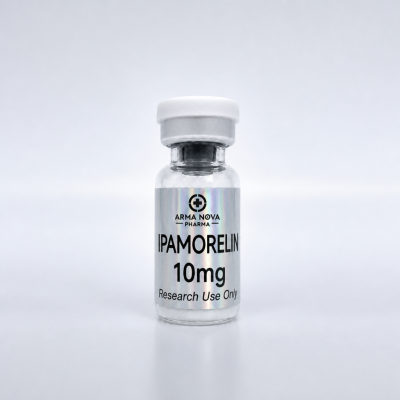
Ipamorelin UK: The Selective Growth Hormone Secretagogue for Researchers in 2026 Among the growth hormone-releasing peptides available to UK researchers, ipamorelin stands apart for a... Continue reading
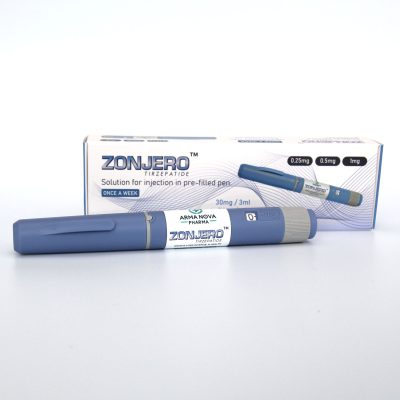
Tirzepatide 30mg UK: The Dual GIP/GLP-1 Receptor Agonist for Advanced Metabolic Research Tirzepatide represents the first dual glucose-dependent insulinotropic polypeptide (GIP) and glucagon-like peptide-1 (GLP-1)... Continue reading
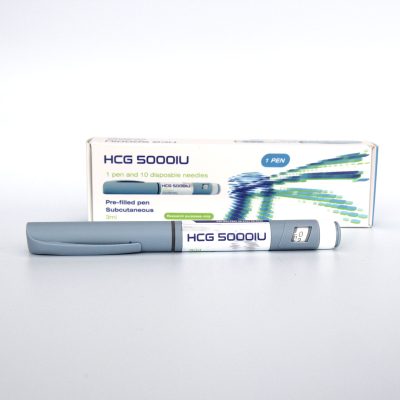
HCG 5000IU UK: Research-Grade Sourcing and Clinical Context Guide 2026 Human chorionic gonadotropin at the 5000 international unit dosage represents one of the most frequently... Continue reading
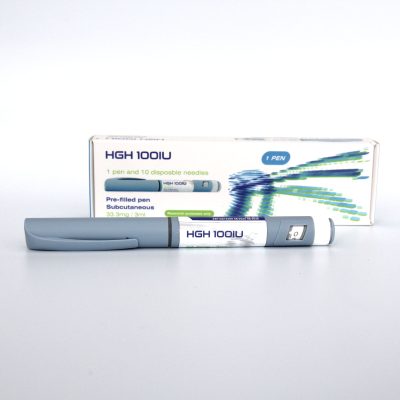
HGH 100 IU UK: Verified Research-Grade Sourcing, Purity Standards, and Regulatory Context for 2026 Securing genuine, laboratory-verified hgh 100 iu uk formulations presents distinct challenges... Continue reading
Add comment