
No products in the cart.
Tested Peptide Suppliers UK: Quality Verification Guide 2026
Tested Peptide Suppliers UK: Complete Quality Verification Guide for Research-Grade Peptides
The UK peptide research market stands at a critical juncture. While global peptide therapeutics represent a rapidly expanding pharmaceutical segment—projected to reach $50+ billion by 2025 according to recent industry analyses—the research-use supply chain remains largely unregulated beyond standard chemical commerce laws. This creates a verification problem: fewer than 15% of peptide suppliers operating in the UK market publish batch-specific Certificates of Analysis (COAs) or third-party HPLC verification data, yet these remain the only reliable indicators of product identity and purity.
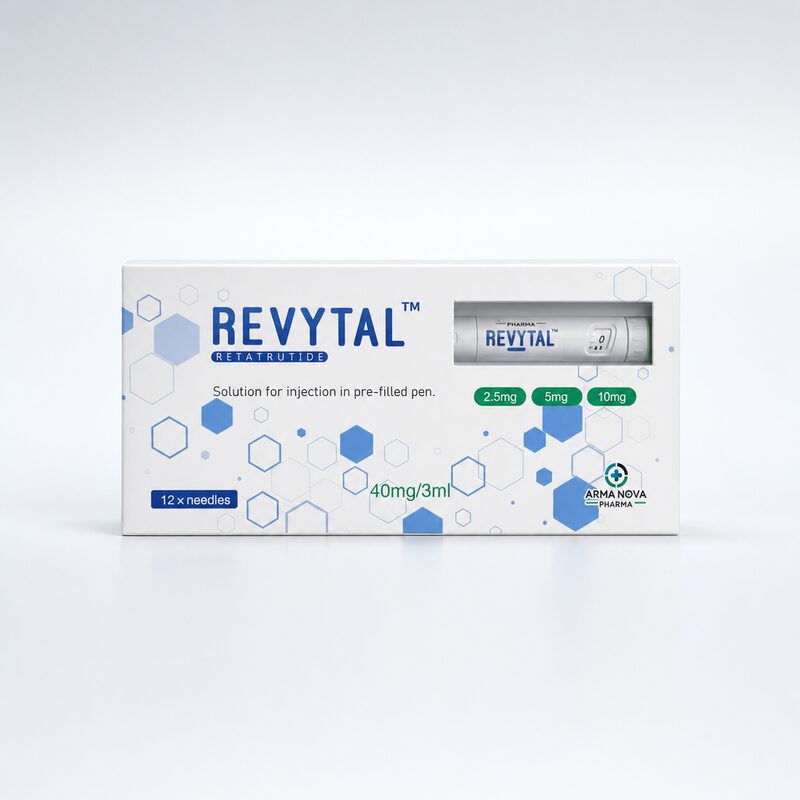
For researchers, performance athletes, and biohackers sourcing compounds like BPC-157, TB-500, or GLP-1 receptor agonists, the absence of rigorous testing protocols translates directly into safety and efficacy risks. This guide examines what differentiates genuinely tested peptide suppliers from vendors offering unverified products, explores the specific analytical methods that matter, and provides UK-specific compliance context for lawful research use.
Why Testing Standards Define Peptide Supplier Quality
Peptide therapeutics occupy a unique biochemical niche. Unlike small-molecule drugs with simple, stable structures, peptides are chains of amino acids ranging from 2 to approximately 50 residues, making them susceptible to degradation, oxidation, aggregation, and sequence errors during synthesis. Kaspar and colleagues (2013) note that peptide stability and purity challenges have historically limited therapeutic development, requiring sophisticated analytical verification at every production stage.
The synthetic peptide manufacturing process—typically solid-phase peptide synthesis (SPPS)—introduces multiple failure points:
- Incomplete coupling reactions: Amino acids may fail to attach to the growing chain, producing truncated sequences
- Racemization: Amino acids can convert from L- to D-forms under harsh conditions, altering biological activity
- Deletion sequences: Missing residues create peptides that may bind to unintended receptors
- Impurities from protecting groups: Chemical tags used during synthesis may not fully remove post-production
- Endotoxin contamination: Bacterial byproducts can persist if purification is inadequate
Each of these errors is invisible without analytical testing. A vial labeled “BPC-157 5mg” might contain 60% correct sequence, 30% deletion products, and 10% aggregated material—a composition profile that profoundly impacts receptor binding, stability, and safety. This is why tested peptide suppliers implementing comprehensive quality control distinguish themselves categorically from those relying solely on manufacturer claims.
The UK Regulatory Framework for Research Peptides
Understanding what “research use only” means under UK law is essential before examining supplier testing protocols. In the United Kingdom, peptides not licensed as medicines fall under the Medicines and Healthcare products Regulatory Agency (MHRA) jurisdiction when marketed for human therapeutic use. However, peptides sold explicitly for in vitro research, laboratory studies, or non-human applications exist in a distinct regulatory category.
Key UK legal considerations:
- Research exemption: Peptides labeled “for research purposes only—not for human or veterinary use” are classified as research chemicals rather than medicinal products, exempting them from MHRA therapeutic licensing requirements
- Misbranding prohibitions: Suppliers cannot make therapeutic claims, dosage recommendations, or health benefit statements without triggering MHRA regulation
- Buyer responsibility: Researchers purchasing these compounds affirm through terms of sale that use is restricted to lawful laboratory research
- Quality standards: While research peptides escape therapeutic regulation, they remain subject to general consumer protection and chemical safety legislation requiring accurate labeling and composition
This framework means UK-based tested peptide suppliers operate legitimately by maintaining clear research-use labeling, avoiding therapeutic marketing, and providing the analytical documentation that allows researchers to verify what they’re actually receiving. For more on navigating UK supplier compliance, see our best peptide supplier UK verification guide.
Essential Testing Methods: What Separates Verified from Claimed Purity
Peptide supplier quality claims mean nothing without specified analytical methods. Here are the testing techniques that matter, what they reveal, and why each is necessary:
High-Performance Liquid Chromatography (HPLC) Purity Analysis
HPLC remains the gold standard for peptide purity verification. This technique separates a peptide sample into component parts based on molecular properties, producing a chromatogram showing peaks for each distinct molecule present. The area under each peak correlates to relative concentration.
What HPLC reveals:
- Primary sequence purity: Percentage of the target peptide versus truncated, deleted, or modified sequences
- Aggregate content: Peptides that have clumped together, reducing bioavailability
- Synthetic byproducts: Unreacted starting materials and coupling reagents
Tested peptide suppliers should provide HPLC chromatograms showing ≥98% purity for most research peptides. Anything below 95% suggests inadequate purification and unpredictable biological activity. Crucially, the chromatogram itself should be available—not just a claimed percentage—allowing independent verification of peak integration and baseline resolution.
Mass Spectrometry (MS) for Molecular Weight Confirmation
While HPLC confirms purity, mass spectrometry confirms identity. MS measures the precise molecular weight of a compound, revealing whether the peptide contains the correct amino acid sequence.
A peptide with 99% HPLC purity could still be the wrong peptide entirely if synthesis targeted an incorrect sequence. MS prevents this by matching observed mass against the theoretical mass calculated from the intended sequence. Acceptable variance is typically ±1 Dalton for peptides under 3000 Da.
Example: BPC-157 (molecular formula C₆₂H₉₈N₁₆O₂₂) has a theoretical mass of 1419.53 Da. MS analysis showing 1419.51 Da confirms correct synthesis; a result of 1405.48 Da would indicate a missing amino acid.
Amino Acid Analysis (AAA) for Sequence Verification
This destructive test hydrolyzes the peptide and quantifies individual amino acids, confirming the sequence composition matches the target. AAA is particularly valuable for detecting substitution errors invisible to MS if two amino acids share similar masses (e.g., leucine and isoleucine both have molecular weights of 131.17 Da).
Endotoxin Testing for Injection-Grade Applications
Researchers planning subcutaneous or intramuscular administration should verify endotoxin levels below 1 EU/mg (endotoxin units per milligram). Bacterial endotoxins trigger inflammatory responses even in trace amounts, confounding experimental results and creating safety risks. The Limulus Amebocyte Lysate (LAL) assay is the standard detection method.
Certificate of Analysis (COA) Transparency Standards
A legitimate COA from tested peptide suppliers includes:
- Batch/lot number matching the product received
- Date of analysis (within 12 months for shelf-stable peptides)
- HPLC chromatogram with integration report
- MS spectrum with observed and theoretical masses
- Peptide content (mg/vial) verified by weight
- Storage recommendations and expiration date
- Testing laboratory identification (third-party preferred)
Generic COAs lacking batch specificity, chromatograms, or testing dates should be considered unreliable. For detailed supplier comparison, review our top UK peptide suppliers compared 2026 analysis.
The Biochemical Rationale: Why Purity Affects Peptide Receptor Binding
The mechanism through which peptides exert biological effects depends entirely on structural fidelity. Peptides function as signaling molecules that bind to specific cell-surface receptors, initiating intracellular cascades. This binding is stereospecific—the peptide’s three-dimensional shape must precisely match the receptor’s binding pocket.
Lau and Dunn (2018) emphasize that therapeutic peptide development requires exacting quality standards because even single amino acid substitutions can abolish receptor affinity or create off-target effects. Their review notes that peptide therapeutics represent the fastest-growing drug class, with over 80 peptide drugs approved globally, but this success rests on manufacturing precision unattainable without comprehensive analytical verification.
Consider the practical implications across common research peptides:
BPC-157 and Gastric Pentadecapeptide Receptor Interactions
BPC-157 is a synthetic derivative of body protection compound found in gastric juice, consisting of the sequence Gly-Glu-Pro-Pro-Pro-Gly-Lys-Pro-Ala-Asp-Asp-Ala-Gly-Leu-Val. Research suggests it modulates nitric oxide pathways and growth factor expression, but these effects require intact sequence structure.
A deletion sequence missing even one proline residue would alter the peptide’s characteristic beta-turn structure, potentially eliminating its ability to interact with the suspected (though not definitively characterized) BPC receptor. Without HPLC verification confirming >98% correct sequence, researchers cannot determine whether negative experimental results reflect true biological inactivity or impure test material.
TB-500 and Actin-Binding Specificity
TB-500 (Thymosin Beta-4 fragment) contains the active sequence LKKTETQ that binds G-actin, preventing polymerization and theoretically promoting cell migration and angiogenesis. The lysine (K) residues are critical for binding affinity through electrostatic interaction with actin’s acidic residues.
Racemization converting L-lysine to D-lysine—a synthesis error detectable through chiral HPLC—would drastically reduce binding affinity, rendering the peptide far less active. This is why researchers seeking TB-500 for wound healing studies need suppliers providing stereochemical purity data, not just molecular weight confirmation. Our TB-500 UK verified supplier guide details specific verification criteria for this peptide.
GLP-1 Receptor Agonists and Conformational Requirements
Peptides like Tirzepatide and Semaglutide function as GLP-1 receptor agonists, mimicking native incretin hormones to stimulate insulin secretion in a glucose-dependent manner. These longer peptides (Tirzepatide is 39 amino acids) are particularly vulnerable to aggregation—a process where multiple peptide molecules cluster together, reducing the concentration of active monomeric peptide and potentially triggering immune responses.
HPLC analysis must specifically assess aggregate content, typically reported as a percentage of total peptide. Content above 2% aggregate suggests storage or formulation problems that compromise biological activity. Researchers sourcing these compounds should consult peptide-specific guides like our Tirzepatide UK research-grade sourcing guide for detailed purity benchmarks.
Red Flags: How to Identify Untested or Misrepresented Peptides
The UK peptide market includes both legitimate tested peptide suppliers and vendors relying on unverified Chinese wholesale sources. Distinguishing between them requires recognizing warning signs:
Absence of Batch-Specific Documentation
Some suppliers post a single COA for a given peptide and apply it across all batches indefinitely. This is meaningless—peptide purity varies batch-to-batch based on synthesis conditions, purification efficiency, and storage duration. Legitimate suppliers assign unique lot numbers and provide corresponding COAs upon request or automatically with shipment.
Pricing Significantly Below Market Rates
High-purity peptide synthesis is expensive. HPLC purification, lyophilization, sterile filtration, and analytical testing add substantial cost. If a supplier offers peptides at 40-60% of competitors’ pricing, they’re almost certainly compromising on purity, skipping testing, or selling degraded stock.
As a reference point, research-grade peptides typically cost £80-£200 per 5mg vial depending on sequence complexity. Prices below £50 should trigger skepticism unless the supplier can document specific cost efficiencies.
Vague Testing Claims Without Methodology
Terms like “pharmaceutical grade,” “99%+ pure,” or “lab tested” mean nothing without specified methods. Legitimate tested peptide suppliers state explicitly: “Verified by reverse-phase HPLC (gradient method specified) and electrospray ionization mass spectrometry (ESI-MS).” They provide retention times, peak percentages, and mass spectra—not adjectives.
No Third-Party Testing
In-house testing by manufacturers is valuable but insufficient. The gold standard involves independent third-party laboratories with no financial stake in passing results. Suppliers should identify the testing laboratory (UK-based examples include LGC Group, Eurofins, or academic analytical facilities) and provide contact information for verification.
Therapeutic Dosing or Health Claims
UK suppliers making statements like “accelerates recovery,” “enhances fat loss,” or providing dosage protocols signal regulatory non-compliance. These claims convert research chemicals into unlicensed medicines under MHRA interpretation, creating legal exposure for both supplier and buyer. Legitimate suppliers restrict communication to molecular data, purity specifications, and research applications.
UK Delivery Logistics and Storage Integrity
Testing quality means little if peptides degrade during storage and shipping. Peptide stability depends critically on temperature control and moisture exclusion.
Cold Chain Requirements
Most lyophilized (freeze-dried) peptides remain stable at room temperature for 2-4 weeks but should be stored at -20°C for long-term preservation. Reconstituted peptides require refrigeration (2-8°C) and typically degrade within 2-4 weeks.
UK-based tested peptide suppliers offering next-day delivery with temperature monitoring provide significant advantages over international shipments subject to customs delays and temperature fluctuations. Peptides spending 5-10 days in transit through variable temperature zones may arrive significantly degraded regardless of initial purity.
Packaging Standards
Peptides should arrive in amber or opaque vials protecting against photodegradation, with rubber stoppers allowing aseptic reconstitution. Packaging should include desiccant packs to control moisture and insulated shipping containers with gel ice packs for summer delivery.
Reconstitution and Sterility
For researchers planning injection-based studies, peptides should be reconstituted using bacteriostatic water (0.9% benzyl alcohol) under aseptic conditions. While lyophilized peptides are typically not sterile unless explicitly labeled as such, proper reconstitution technique prevents bacterial contamination that would compromise experimental validity.
Comparing UK Tested Peptide Suppliers: Key Evaluation Criteria
When evaluating suppliers, apply these specific verification steps:
| Criterion | Gold Standard | Acceptable Minimum | Red Flag |
|---|---|---|---|
| HPLC Purity | ≥99% with chromatogram | ≥97% with chromatogram | Claimed purity without data |
| Mass Spec | ESI-MS or MALDI-TOF with spectrum | Theoretical mass stated, spectrum on request | No MS data provided |
| COA Availability | Batch-specific, included with shipment | Batch-specific, provided on request | Generic COA or none |
| Third-Party Testing | Independent lab identified with contact | Testing lab named | In-house only or unspecified |
| UK Delivery | Next-day, cold chain monitored | 2-3 day with insulated packaging | International shipping, no temperature control |
| Endotoxin Testing | <1 EU/mg with LAL assay data | <5 EU/mg stated | Not tested or not disclosed |
| Storage Recommendations | Temperature ranges, expiration dates, reconstitution instructions | Basic storage temperature stated | No storage guidance |
| Regulatory Compliance | “Research use only” explicit, no therapeutic claims | Research use stated | Dosing advice, health claims, or ambiguous marketing |
Case Study: Arma Peptides Quality Assurance Protocol
To illustrate what comprehensive testing looks like in practice, Arma Peptides implements a three-stage verification process for all research peptides:
Stage 1: Manufacturer Certification – Source peptides exclusively from ISO 9001-certified synthesis facilities providing preliminary HPLC and MS data. Reject batches below 98% purity at this stage.
Stage 2: Third-Party Analytical Verification – Submit random samples from each batch to an independent UK analytical laboratory for confirmatory HPLC, ESI-MS, and endotoxin testing. Only release batches after verification matches manufacturer claims within acceptable variance (±0.5% for purity, ±1 Da for molecular weight).
Stage 3: Batch-Specific Documentation – Publish COAs on the website indexed by lot number, with QR codes on vial labels linking directly to the specific batch report. This allows researchers to verify their exact vial’s testing data.
This protocol exemplifies the standard tested peptide suppliers should meet to ensure research integrity and safety.
The Economic Reality of Peptide Testing
Understanding testing costs clarifies why many suppliers skip verification. Third-party HPLC analysis costs approximately £150-£300 per sample depending on peptide complexity. ESI-MS adds another £200-£400. Endotoxin testing runs £100-£200. For a supplier offering 20 different peptides with monthly batch turnover, comprehensive testing costs exceed £10,000 monthly.
These costs explain price differentials between tested and untested suppliers. Vendors selling 5mg vials for £40 cannot profitably include £300+ of testing per batch. They’re either operating at a loss (unlikely), testing irregularly (possible), or not testing at all (probable).
From a researcher’s perspective, paying £120 for a verified peptide versus £50 for an untested alternative represents a 140% price premium—but ensures you’re actually working with the compound you intend to study at the purity required for reproducible results. The true economy lies in not wasting research time on degraded or misidentified material.
Future Trends in Peptide Supplier Verification
Several emerging technologies may enhance supplier testing capabilities over the next 3-5 years:
Blockchain Batch Tracking
Distributed ledger systems allowing immutable recording of testing data from synthesis through delivery. Researchers could scan a QR code and view the complete chain of custody and testing events for their specific vial, with cryptographic verification preventing data tampering.
Portable Analytical Devices
Miniaturized spectrometers and chromatography systems could eventually allow researchers to conduct preliminary purity verification in-house before committing to full experimental protocols. Current systems remain prohibitively expensive (£15,000+) but pricing trends downward as technology matures.
Standardized Testing Protocols
Industry groups are developing consensus standards for peptide purity reporting, similar to those existing for pharmaceutical APIs. Adoption of ISO 17034:2016 (reference material producer requirements) by peptide suppliers would create standardized benchmarks for comparison.
Practical Purchasing Protocol for UK Researchers
When sourcing from tested peptide suppliers, follow this verification sequence:
Step 1: Request Batch-Specific Documentation – Before purchase, ask the supplier for the COA of the current batch available for your intended peptide. Verify it includes HPLC chromatogram, MS spectrum, lot number, and testing date within the past 6 months.
Step 2: Verify Third-Party Testing Claims – If the supplier claims independent testing, contact the listed laboratory to confirm they conducted the analysis and verify the reported results. Legitimate testing labs will confirm batch testing (though they may not disclose specific results without client authorization).
Step 3: Cross-Reference Molecular Data – Calculate the theoretical molecular weight of your target peptide using a peptide calculator (multiple free tools exist online). Compare this against the MS data in the COA. A variance exceeding ±2 Da suggests either incorrect synthesis or fabricated data.
Step 4: Evaluate Supplier Transparency – Review the supplier’s website for educational content, mechanism explanations, and regulatory compliance statements. Tested suppliers typically maintain blogs or resource sections demonstrating subject-matter expertise. See our blog for examples of this educational approach.
Step 5: Start with Small Orders – For first-time purchases from a new supplier, order minimal quantities to verify product quality before committing to larger bulk purchases. Conduct your own purity verification if you have analytical access.
Step 6: Monitor Consistency Across Batches – If using peptides for ongoing research, track whether purity and potency remain consistent across different lot numbers. Batch-to-batch variance exceeding 2-3% suggests inadequate synthesis or purification process control.
Common Misconceptions About Peptide Testing
Misconception: “Pharmaceutical Grade” Means Highest Quality
The term “pharmaceutical grade” lacks legal definition in the research chemical context. Actual pharmaceutical-grade peptides used in clinical trials undergo current Good Manufacturing Practice (cGMP) production with extensive validation, sterility assurance, and regulatory documentation costing hundreds of thousands of pounds per batch. Research peptides labeled “pharmaceutical grade” typically just mean >95% purity—a marketing term, not a regulatory classification.
Misconception: All Peptides from China Are Low Quality
While quality control varies significantly among Chinese peptide manufacturers, many legitimate synthesis facilities operate in China with quality standards matching Western producers. The issue isn’t geographic origin but verification transparency. A Chinese-manufactured peptide with third-party UK analytical verification is superior to a UK-synthesized peptide with no testing data.
Misconception: Lyophilized Peptides Are Automatically Stable
Freeze-drying extends peptide shelf life dramatically compared to solution storage, but degradation continues slowly even in lyophilized form, accelerated by moisture, oxygen, and temperature. Peptides stored at -20°C in desiccated conditions retain >95% potency for 2-3 years, but room temperature storage may reduce this to 6-12 months depending on sequence.
Misconception: Visual Inspection Reveals Purity
Peptides should appear as white to off-white powder, but appearance reveals nothing about purity. Degraded, aggregated, or incorrect-sequence peptides look identical to pure material. Color, texture, and dissolution characteristics only indicate gross contamination or manufacturing defects—analytical testing is the only reliable purity indicator.
Conclusion: The Non-Negotiable Standard for Research Integrity
The distinction between tested peptide suppliers and those offering unverified products ultimately determines research validity, safety, and reproducibility. With peptide therapeutics representing one of the most promising pharmaceutical development pathways—Kaspar and colleagues (2013) project continued exponential growth in this sector—the importance of quality verification will only intensify.
For UK-based researchers, the combination of HPLC-verified ≥99% purity, batch-specific COAs with independent third-party testing, and compliant research-use marketing represents the minimum acceptable standard. Suppliers meeting these criteria enable reproducible experiments, minimize safety risks, and provide the analytical transparency required for scientific rigor.
The £70-£100 price premium for verified peptides versus untested alternatives is not overhead—it’s the cost of actually knowing what you’re working with. In research contexts where a single contaminated or misidentified peptide can invalidate months of work, this represents the most economical choice available.
When evaluating suppliers, remember that testing transparency is binary: either comprehensive analytical data exists for your specific batch, or it doesn’t. Claims, certifications, and marketing language are irrelevant without HPLC chromatograms, mass spectra, and traceable lot numbers. Demand this documentation, verify it independently where possible, and accept no substitutes. Your research—and your safety—depend on it.
Research Use Disclaimer: All peptides discussed in this article are restricted to in vitro laboratory research applications only and are not approved for human therapeutic use, veterinary applications, or clinical treatment in the United Kingdom. Researchers are responsible for ensuring compliance with applicable UK laws and institutional research protocols.
Related posts
Tesamorelin 10mg UK: Research-Grade Growth Hormone-Releasing Hormone Analogue for 2026 UK-based researchers investigating growth hormone-releasing hormone (GHRH) analogues frequently encounter a critical sourcing challenge:… Continue reading
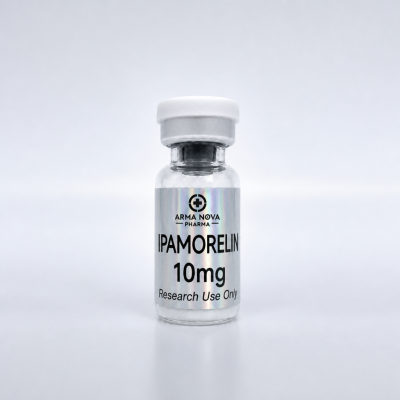
Ipamorelin UK: The Selective Growth Hormone Secretagogue for Researchers in 2026 Among the growth hormone-releasing peptides available to UK researchers, ipamorelin stands apart for a... Continue reading
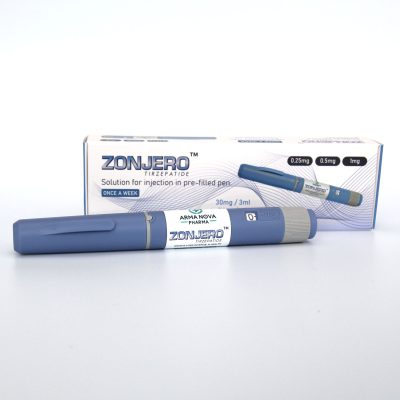
Tirzepatide 30mg UK: The Dual GIP/GLP-1 Receptor Agonist for Advanced Metabolic Research Tirzepatide represents the first dual glucose-dependent insulinotropic polypeptide (GIP) and glucagon-like peptide-1 (GLP-1)... Continue reading
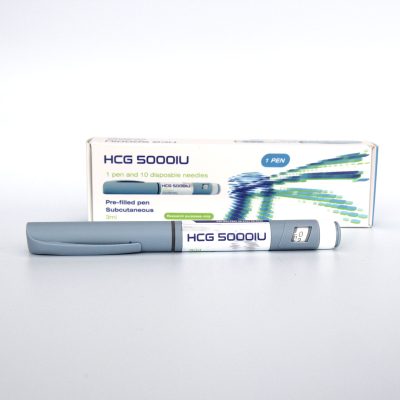
HCG 5000IU UK: Research-Grade Sourcing and Clinical Context Guide 2026 Human chorionic gonadotropin at the 5000 international unit dosage represents one of the most frequently... Continue reading
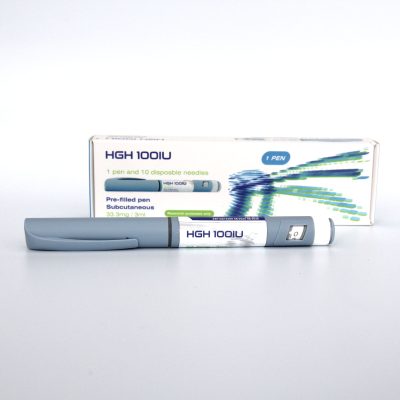
HGH 100 IU UK: Verified Research-Grade Sourcing, Purity Standards, and Regulatory Context for 2026 Securing genuine, laboratory-verified hgh 100 iu uk formulations presents distinct challenges... Continue reading
Add comment