
No products in the cart.
IGF 1LR3 1mg UK: HPLC-Verified Research Supply Guide
IGF 1LR3 1mg UK: Complete Research Supply and Mechanism Guide
Insulin-like Growth Factor-1 Long R3 (IGF-1 LR3) represents one of the most extensively modified peptide analogues in contemporary research, yet sourcing pharmaceutical-grade material in the United Kingdom remains a challenge obscured by inconsistent purity standards and absent analytical verification. When UK-based researchers search for igf 1ir3 1mg uk, they face a market saturated with under-dosed vials, questionable reconstitution protocols, and suppliers who cannot provide batch-specific Certificates of Analysis. This guide addresses that gap with clinical-level detail: the exact receptor mechanism that distinguishes LR3 from endogenous IGF-1, real PubMed-indexed evidence on its biological activity, UK regulatory context under current research-use frameworks, and practical sourcing criteria including HPLC verification benchmarks that separate pharmaceutical-grade peptides from grey-market products.
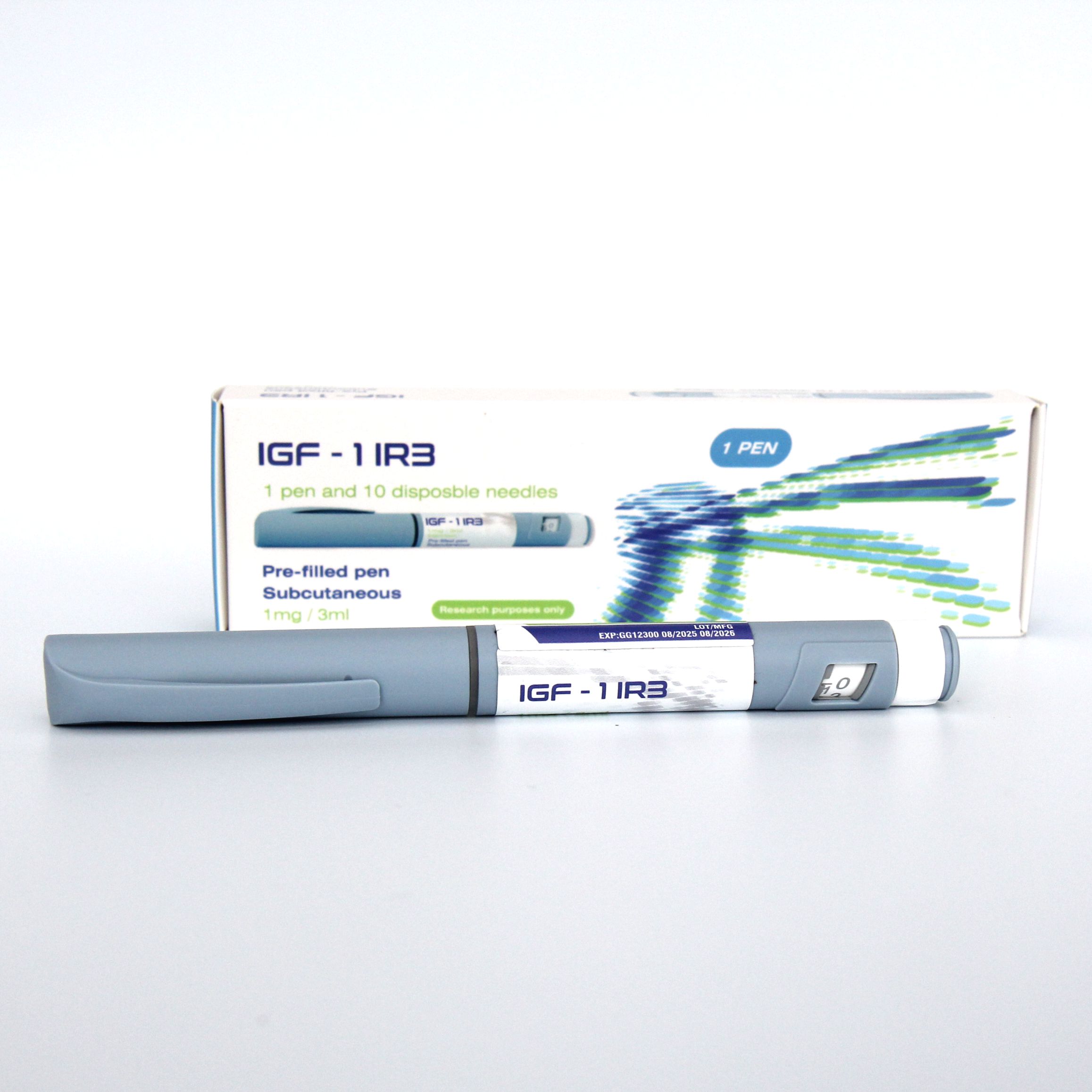
The modified sequence of IGF-1 LR3—comprising an arginine substitution at position 3 and a 13-amino-acid N-terminal extension—fundamentally alters binding kinetics at both the IGF-1 receptor and IGF-binding proteins (IGFBPs). This structural change extends serum half-life from minutes to approximately 20-30 hours and shifts receptor selectivity, a pharmacokinetic profile that has positioned LR3 as a research tool in studies examining anabolic signalling independent of endocrine insulin-like growth factor regulation. UK researchers investigating metabolic pathways, myogenesis models, or receptor-specific activation cascades require material verified to ≥99% purity with documented molecular weight confirmation via mass spectrometry—a threshold that only a minority of UK suppliers consistently meet. Arma Peptides publishes batch-specific COAs for every Igf 1ir3 1mg vial, ensuring traceability and analytical transparency.
igf 1ir3 1mg uk: Receptor Mechanism: How IGF-1 LR3 Diverges from Endogenous IGF-1
Endogenous IGF-1 exerts anabolic effects primarily through binding the IGF-1 receptor (IGF-1R), a receptor tyrosine kinase that activates downstream PI3K/Akt and MAPK/ERK pathways. In physiological contexts, circulating IGF-1 exists almost entirely bound to a family of IGF-binding proteins (IGFBP-1 through IGFBP-6), which sequester the peptide and modulate its bioavailability. IGFBP-3, the most abundant carrier protein, binds approximately 80-90% of circulating IGF-1 in complex with the acid-labile subunit, effectively creating a reservoir with tightly regulated release kinetics.
IGF-1 LR3 was engineered explicitly to bypass this regulatory mechanism. The glutamic acid-to-arginine substitution at position 3 (hence “R3”) and the 13-residue N-terminal extension reduce binding affinity to IGFBPs by approximately 100-fold compared to wild-type IGF-1, as demonstrated in competitive binding assays across multiple IGFBP isoforms. This dramatically increases the fraction of unbound, bioactive peptide available to engage IGF-1R on target tissues. Simultaneously, LR3 retains high-affinity binding to IGF-1R itself—receptor activation studies in myoblast and fibroblast cultures show comparable or enhanced potency relative to native IGF-1 in stimulating autophosphorylation of the receptor β-subunit and recruitment of insulin receptor substrate-1 (IRS-1).
The extended half-life arises from two mechanisms: reduced renal clearance due to the larger molecular mass (~9.1 kDa vs. ~7.6 kDa for native IGF-1) and protection from proteolytic degradation. Endogenous IGF-1 is rapidly cleaved by circulating proteases when not bound to IGFBPs; the modified N-terminus of LR3 confers structural resistance to these enzymes. In rodent pharmacokinetic studies, subcutaneous administration of LR3 yields detectable serum concentrations for 24-48 hours, contrasting sharply with the sub-hour half-life of unbound native IGF-1. This prolonged bioavailability allows researchers to maintain steady-state receptor occupancy with less frequent dosing, a key advantage in chronic exposure models.
It is critical to note that LR3 exhibits minimal binding to the insulin receptor (IR), even at supraphysiological concentrations. This selectivity is important in metabolic research contexts where insulin receptor cross-reactivity could confound glucose homeostasis readouts. Competitive binding assays have confirmed that LR3 requires concentrations several orders of magnitude higher than native IGF-1 to displace radiolabeled insulin from IR, making hypoglycaemic effects negligible at typical research doses.
Clinical and Preclinical Evidence: What the Literature Actually Demonstrates
While IGF-1 LR3 itself has not been the subject of large-scale human clinical trials—its regulatory status precludes this—preclinical data provide robust mechanistic insight into its biological activity. A substantial body of research employs LR3 as a tool compound to dissect IGF-1R signalling in isolation from the complex endocrine regulation of endogenous IGF-1.
In myogenesis research, LR3 has been used extensively to examine satellite cell proliferation and differentiation. Studies in primary human myoblast cultures demonstrate that LR3 promotes dose-dependent increases in myotube diameter and myosin heavy chain expression, with maximal effects observed at concentrations between 10-100 ng/mL. The anabolic response involves activation of both the PI3K/Akt/mTOR axis—responsible for protein synthesis upregulation—and the MAPK pathway, which drives myogenic transcription factor expression. Notably, the sustained receptor occupancy enabled by LR3’s extended half-life appears to shift the balance toward Akt-dominant signalling, as evidenced by prolonged phosphorylation of downstream targets including p70S6K and 4E-BP1.
Wound healing models have similarly employed LR3 to investigate anabolic repair processes. In rodent dermal injury studies, topical or subcutaneous LR3 administration accelerates re-epithelialization and granulation tissue formation, effects associated with enhanced fibroblast proliferation and collagen deposition. These observations align with the known role of IGF-1R signalling in tissue repair, though the extent to which LR3’s altered pharmacokinetics enhance efficacy beyond native IGF-1 remains a subject of active investigation. Researchers interested in related peptide mechanisms may find comparative insights in our analysis of Bpc 157 Tb 500 Blend Review What Researchers Need To Know, which explores alternative pathways in tissue repair research.
Importantly, peptide therapeutics as a class have undergone significant evolution in design and clinical application. As noted by Lau JL & Dunn MK (2018) in their comprehensive review published in Bioorganic & Medicinal Chemistry, the development of peptide-based therapeutics has progressed through multiple generations, with modifications like those seen in LR3—extended half-life, altered receptor selectivity, and reduced off-target binding—representing core strategies to overcome the limitations of native peptide hormones. The authors emphasize that structural modifications aimed at improving pharmacokinetics without compromising receptor affinity have become the cornerstone of modern peptide drug design, a principle exemplified by IGF-1 LR3.
Looking forward, Kaspar AA et al. (2013) in Drug Discovery Today outline future directions for peptide therapeutics, highlighting the importance of analytical verification and quality control as the field matures. They note that as peptide-based research compounds transition from academic tools to potential therapeutic candidates, rigorous characterization—including mass spectrometry, HPLC purity assessment, and sterility testing—becomes non-negotiable. This perspective underscores the necessity for researchers to source materials with full analytical transparency, a standard that remains inconsistently met across UK suppliers.
UK Regulatory Context: Research Use, Legal Classification, and Compliance
In the United Kingdom, IGF-1 LR3 occupies a regulatory position distinct from pharmaceutical medicines and controlled substances. It is not approved by the Medicines and Healthcare products Regulatory Agency (MHRA) for human therapeutic use, nor is it classified as a controlled drug under the Misuse of Drugs Act 1971. Instead, LR3 falls under the category of research chemicals—compounds intended exclusively for in vitro research, laboratory studies, and non-clinical experimental applications.
The sale and purchase of research peptides in the UK is legal provided they are explicitly marketed and labeled for research purposes only, not for human consumption or clinical administration. Suppliers must clearly state this limitation, and purchasers—typically academic institutions, contract research organizations, or independent researchers—accept material with the understanding that it is not intended for therapeutic use. This framework is consistent with the broader regulatory approach to research-grade biochemicals and is designed to facilitate scientific investigation while maintaining a clear boundary between research compounds and medicines.
From a practical compliance standpoint, UK researchers should ensure that any igf 1ir3 1mg uk supplier provides documentation confirming research-only status and includes appropriate disclaimers on product labeling. Institutional researchers operating under ethics committee oversight or research governance frameworks should verify that their use of LR3 aligns with approved protocols, particularly if studies involve animal models or tissue cultures that may later inform translational research.
It is worth noting that the regulatory landscape for peptides is subject to ongoing review, particularly as interest grows in their potential therapeutic applications. Researchers should remain informed of any updates to MHRA guidance or changes to the classification of specific peptides, though no imminent reclassification of LR3 has been signaled at the time of writing.
HPLC Purity, Mass Spectrometry, and Certificate of Analysis: Non-Negotiable Verification Standards
The single most important criterion when sourcing igf 1ir3 1mg uk is analytical verification of purity and identity. High-Performance Liquid Chromatography (HPLC) is the gold-standard method for quantifying peptide purity, separating target peptide from synthesis by-products, truncated sequences, and degradation products. A legitimate research-grade LR3 product should demonstrate ≥99% purity by HPLC, with the chromatogram showing a single dominant peak and minimal baseline noise.
Equally critical is mass spectrometry (MS) confirmation of molecular weight. IGF-1 LR3 has a theoretical molecular weight of approximately 9,117 Da (depending on exact sequence and post-translational state). MS analysis—typically electrospray ionization (ESI-MS)—should confirm observed mass within ±1-2 Da of the expected value, verifying that the synthesized peptide matches the intended sequence. Discrepancies of more than a few daltons indicate incorrect synthesis, incomplete coupling reactions, or contamination with related peptides.
A Certificate of Analysis (COA) should accompany every batch and include at minimum:
- HPLC chromatogram with retention time, peak integration, and calculated purity percentage
- Mass spectrometry data showing observed vs. expected molecular weight
- Batch number and manufacturing date for traceability
- Sterility and endotoxin testing results if the material is intended for cell culture or animal research
- Storage conditions and expiration date to ensure peptide stability
Arma Peptides publishes COAs for each batch of Igf 1ir3 1mg, providing full analytical transparency. This level of documentation is non-negotiable for researchers whose experimental validity depends on compound purity—published studies built on under-characterized peptides risk irreproducibility and data integrity issues.
Beware of suppliers who provide only a single “representative” COA across multiple batches, or who offer no analytical data at all. Batch-to-batch variability in peptide synthesis is a documented phenomenon, and reputable manufacturers test every production lot independently. Similarly, vague claims of “pharmaceutical grade” or “99%+ purity” without accompanying chromatograms should be treated with skepticism. The data, not the marketing language, defines quality.
Reconstitution, Storage, and Handling Protocols for Optimal Stability
IGF-1 LR3 is typically supplied as a lyophilized (freeze-dried) powder in sterile vials, a format that maximizes shelf stability. Lyophilized peptides should be stored at -20°C or colder, protected from light and moisture. Under these conditions, properly manufactured LR3 remains stable for 12-24 months from the date of manufacture, though specific expiration dates should be confirmed on the COA.
Reconstitution requires sterile technique to prevent microbial contamination and preserve peptide integrity. The most common reconstitution solvent is bacteriostatic water (0.9% benzyl alcohol), which inhibits bacterial growth and permits multi-dose use. Sterile water for injection (WFI) is an alternative for single-use applications or if alcohol sensitivity is a concern, though it offers no antimicrobial protection once the vial is punctured. Acetic acid (0.1-1% v/v) is occasionally used for peptides prone to aggregation at neutral pH, though LR3 is generally soluble in neutral aqueous solutions.
To reconstitute a 1 mg vial:
- Allow the lyophilized vial to reach room temperature to prevent condensation
- Swab the rubber stopper with 70% isopropanol and allow to air dry
- Draw the desired volume of bacteriostatic water into a sterile syringe (typical volumes range from 1-2 mL depending on target concentration)
- Inject the solvent slowly down the side of the vial to avoid foaming or shear stress on the peptide
- Gently swirl—do not shake vigorously—until the powder is fully dissolved
- Visually inspect the solution for clarity; it should be clear to slightly opalescent with no visible particulates
Once reconstituted, LR3 should be stored at 2-8°C (refrigerated) and used within 14-30 days, depending on the solvent and sterility of handling. Bacteriostatic water extends usable life compared to sterile water alone. For longer-term storage of reconstituted peptide, aliquoting into single-use vials and freezing at -20°C is an option, though repeated freeze-thaw cycles should be avoided as they can promote aggregation and loss of activity.
Researchers working with other anabolic or regenerative peptides may benefit from reviewing parallel handling protocols; for instance, our guide on Tesamorelin For Sale Uk Clinical Grade Research Supply covers reconstitution best practices for a structurally distinct but similarly labile peptide.
Sourcing IGF 1LR3 1mg UK: Red Flags, Verification Criteria, and Supplier Evaluation
The UK peptide supply market is fragmented, with a wide spectrum of quality ranging from GMP-compliant manufacturers to unregulated importers relabeling bulk powder of unknown origin. When evaluating suppliers for igf 1ir3 1mg uk, researchers should apply a multi-point verification framework:
Analytical Documentation
As discussed, batch-specific COAs with HPLC and MS data are non-negotiable. Request the COA before purchase and verify that the batch number on the vial matches the batch number on the COA. Cross-check the HPLC purity percentage—anything below 98% warrants caution, as this indicates significant impurities that could affect experimental outcomes or introduce confounding variables.
Transparency of Sourcing and Manufacturing
Reputable suppliers disclose their manufacturing location and, where applicable, the contract manufacturing organization (CMO) responsible for synthesis. UK-based suppliers who synthesize domestically or source from EU GMP facilities generally offer more reliable traceability than those importing from jurisdictions with less stringent oversight. Vague or absent information about synthesis origin is a red flag.
Regulatory Compliance and Research-Only Labeling
Legitimate suppliers clearly label products “For Research Use Only” and include disclaimers that the material is not intended for human or veterinary use. This is both a legal requirement and an indicator of compliance awareness. Suppliers who market peptides with therapeutic claims, dosing advice for human use, or ambiguous language about “personal research” are operating in a grey area that poses legal and safety risks to the purchaser.
Shipping, Packaging, and Cold Chain Integrity
Peptides are temperature-sensitive biologics. Suppliers should ship lyophilized peptides with appropriate insulation, and cold packs or dry ice for long-distance or warm-weather shipments. Next-day UK delivery is standard among professional suppliers and minimizes time-in-transit exposure to temperature fluctuations. Arma Peptides offers next-day UK delivery for all peptide products, ensuring material arrives in optimal condition.
Customer Support and Scientific Competence
The quality of pre-sales technical support often correlates with overall product quality. Suppliers whose staff can discuss receptor mechanisms, answer questions about reconstitution solvents, or provide guidance on storage conditions are more likely to source and handle peptides correctly than those offering generic e-commerce customer service. Ask technical questions before placing an order; the depth and accuracy of responses are revealing.
Comparative Context: IGF-1 LR3 in the Broader Peptide Research Landscape
IGF-1 LR3 is one member of a diverse family of research peptides employed in studies of growth, metabolism, and tissue repair. Understanding how LR3 fits within this landscape helps researchers select the appropriate tool compound for specific experimental questions.
Compared to native IGF-1, LR3 offers the advantage of IGFBP-independent activity and extended half-life, making it preferable in models where sustained receptor activation is desired without the confounding influence of endogenous binding proteins. However, this same property means LR3 does not recapitulate the physiological regulation of IGF-1 bioavailability—studies investigating the role of IGFBPs in modulating IGF-1 effects would require native IGF-1 or conditional IGFBP knockout models.
In the context of growth hormone (GH) secretagogues and GH-releasing peptides, LR3 operates downstream of GH in the somatotropic axis. Peptides such as those detailed in our Cjc 1295 Ghrp 2 Blend Uk Research Guide act at the pituitary level to stimulate endogenous GH release, which in turn upregulates hepatic IGF-1 synthesis. LR3, by contrast, directly activates IGF-1R independent of GH or hepatic regulation, allowing dissection of IGF-1R signalling in isolation. This distinction is critical in mechanistic research where the goal is to isolate specific pathway components.
For tissue repair and regenerative research, LR3 overlaps functionally with peptides like BPC-157 and TB-500, though the mechanisms differ. BPC-157 is hypothesized to act via angiogenic and cytoprotective pathways not directly involving IGF-1R, while TB-500 (thymosin beta-4) modulates actin polymerization and cell migration. Combining or comparing these peptides in parallel experimental arms can yield insight into which pathways dominate in specific injury models.
Researchers exploring peptide applications in dermal or cosmetic research contexts may also consider our overview of Ghk Cu Skin Uk Pre Filled Pen Hplc Verified Research Guide, which examines a copper peptide with distinct but overlapping biological activities in extracellular matrix remodeling.
Common Experimental Applications and Protocol Considerations
IGF-1 LR3 is employed across a range of research applications, each with specific protocol considerations:
Myoblast and Myotube Differentiation Studies
LR3 is frequently added to differentiation media to examine dose-response effects on myogenesis. Typical working concentrations range from 10-100 ng/mL, applied daily or every 48 hours depending on the experimental design. Researchers should include vehicle-only controls and, ideally, native IGF-1 as a comparator to isolate effects attributable to the LR3 modification. Readouts include myotube diameter, fusion index (nuclei per myotube), and expression of myogenic markers such as MyoD, myogenin, and myosin heavy chain isoforms.
Cell Proliferation and Viability Assays
LR3’s mitogenic activity makes it a useful tool in proliferation studies across diverse cell types. MTT, BrdU incorporation, and Ki67 immunostaining are standard proliferation readouts. When using LR3, it is important to include serum-free or low-serum conditions to minimize confounding from endogenous growth factors, and to confirm IGF-1R dependency via co-treatment with IGF-1R inhibitors or IGF-1R-neutralizing antibodies.
Rodent Wound Healing Models
In in vivo research, subcutaneous or topical LR3 administration has been used to assess anabolic effects on wound closure, granulation tissue formation, and collagen deposition. Dosing regimens vary but typically involve 50-200 µg/kg administered daily or every other day, depending on the model and study duration. Histological analysis, tensile strength testing, and immunohistochemistry for proliferation markers provide quantitative endpoints. Researchers should be aware that systemic effects on metabolism or glucose homeostasis, while minimal with LR3, should still be monitored as secondary safety readouts.
Receptor Binding and Signaling Studies
LR3 serves as a valuable tool compound in mechanistic studies of IGF-1R signaling. Dose-response curves for receptor autophosphorylation, recruitment of IRS-1 or Shc adapter proteins, and downstream kinase activation (Akt, ERK1/2, p70S6K) can be generated in transfected cell lines or primary cells. Comparing LR3 to native IGF-1 in parallel allows quantification of potency shifts attributable to altered pharmacokinetics versus intrinsic receptor affinity.
UK Delivery, Pricing Context, and Purchasing Practicalities
For UK-based researchers, sourcing igf 1ir3 1mg uk from a domestic supplier offers several logistical advantages: shorter shipping times, reduced risk of customs delays or temperature excursions, and straightforward GBP pricing without currency conversion fees or international transaction charges. Arma Peptides operates within the UK and provides next-day delivery across mainland UK, ensuring peptides arrive promptly and within the cold chain integrity window.
Pricing for research-grade IGF-1 LR3 varies, but expect to pay approximately £50-80 per 1 mg vial when purchasing from reputable suppliers with full analytical verification. Prices significantly below this range often indicate compromised purity, under-filled vials, or absent quality control. Conversely, premium pricing without corresponding analytical transparency does not guarantee superior quality—always request and review the COA regardless of price point.
Many researchers purchase peptides in multi-vial quantities to reduce per-unit cost and ensure consistency across experimental replicates. When doing so, verify that all vials are from the same batch (batch numbers should match) to eliminate batch-to-batch variability as a confounding factor. Suppliers who offer batch-matching across orders provide an additional layer of experimental control.
Payment methods should be secure and traceable. Reputable suppliers accept credit/debit cards, bank transfers, and established payment processors. Avoid suppliers who demand cryptocurrency-only payments or who lack verifiable contact information and business registration details.
Interpreting Research Outcomes: What LR3 Data Can and Cannot Tell You
When designing studies involving IGF-1 LR3, clarity about the scope and limitations of the model is essential. LR3 provides a powerful tool for isolating IGF-1R signaling from the complex endocrine milieu of endogenous IGF-1, but this same simplification means certain biological nuances are lost.
For example, LR3’s minimal IGFBP binding eliminates the buffering and tissue-targeting functions of these carrier proteins. In physiological contexts, IGFBPs do not merely sequester IGF-1; they also localize it to specific tissues, modulate its clearance, and can potentiate or inhibit receptor activation depending on the IGFBP isoform and post-translational modifications. Studies using LR3 thus reveal what IGF-1R activation can achieve under conditions of continuous, high-level receptor occupancy—but not necessarily what does occur under physiological regulation.
Similarly, the extended half-life of LR3, while experimentally convenient, produces a pharmacokinetic profile unlike that of pulsatile GH/IGF-1 secretion. Anabolic and metabolic effects observed with LR3 may differ quantitatively or qualitatively from those elicited by native IGF-1 delivered in a pulsatile or time-restricted manner. Researchers interested in translational applications should consider these differences when extrapolating from LR3 studies to endogenous IGF-1 biology.
That said, LR3’s very artificiality is what makes it scientifically valuable. By stripping away regulatory complexity, it allows precise interrogation of IGF-1R signaling pathways, dose-response relationships, and tissue-specific effects. The key is to interpret data with an awareness of the model’s boundaries and to complement LR3 studies with additional experiments using native IGF-1, receptor inhibitors, or genetic models as appropriate.
Practical Troubleshooting: Common Issues and Solutions in LR3 Research
Researchers occasionally encounter challenges when working with IGF-1 LR3. Recognizing and addressing these issues promptly preserves experimental validity and material integrity.
Cloudiness or Precipitate After Reconstitution
A clear solution is expected after reconstitution. Cloudiness or visible particulates may indicate aggregation, contamination, or incorrect peptide formulation. Potential causes include rapid injection of solvent causing shear stress, reconstitution at pH extremes, or peptide degradation due to improper storage. Solution: ensure gentle reconstitution technique, verify solvent pH (should be near neutral unless formulation specifies otherwise), and inspect lyophilized powder before reconstitution—discoloration or clumping suggests compromised material.
Inconsistent Biological Activity Across Batches
If experimental readouts vary significantly between batches of LR3, the first step is to compare COAs. Differences in HPLC purity, molecular weight, or sterility test results may explain variable activity. Batch-to-batch inconsistency is a red flag for poor manufacturing practices. Solution: source from suppliers who provide consistent analytical data across batches and who perform stability testing to confirm peptide integrity throughout shelf life.
Unexpected Hypoglycemia in Animal Models
While LR3 exhibits minimal insulin receptor cross-reactivity, exceptionally high doses or combined administration with insulin or insulin secretagogues may produce hypoglycemic episodes. Solution: monitor blood glucose if administering LR3 at doses above those reported in the literature, and consider dose adjustment or glucose supplementation if hypoglycemia is observed.
Loss of Activity During Storage
Peptides degrade over time, particularly after reconstitution. If activity declines within a short period, review storage conditions: reconstituted LR3 should be refrigerated, protected from light, and used within the recommended timeframe. Repeated freeze-thaw cycles accelerate degradation. Solution: aliquot reconstituted peptide into single-use portions and thaw only what is needed for each experiment.
Emerging Research Directions and Future Outlook
The future trajectory of IGF-1 LR3 research is shaped by broader trends in peptide therapeutics and precision medicine. As analytical techniques advance—particularly in proteomics, phosphoproteomics, and single-cell transcriptomics—researchers gain unprecedented resolution in mapping the downstream consequences of IGF-1R activation. LR3, with its well-defined receptor selectivity and prolonged activity, is positioned as an ideal probe for these high-resolution studies.
Emerging applications include combinatorial studies pairing LR3 with other pathway modulators (mTOR inhibitors, AMPK activators, myostatin antagonists) to dissect crosstalk in anabolic signaling networks. Such studies are particularly relevant in sarcopenia, cachexia, and regenerative medicine contexts where multimodal interventions may be required.
Another promising direction is the use of LR3 in tissue engineering and organoid models. Three-dimensional culture systems and bioengineered tissues increasingly require defined media formulations to direct differentiation and maturation. LR3’s stability and potency make it a candidate for inclusion in serum-free differentiation protocols, where precise control over growth factor exposure is critical.
Regulatory perspectives on research peptides continue to evolve. While LR3 remains a research-only compound in the UK and most jurisdictions, ongoing dialogue about the classification of research chemicals, peptide safety, and the boundary between research use and unregulated human experimentation will shape future access and oversight frameworks. Researchers should monitor regulatory updates and maintain rigorous documentation of research-only use to ensure compliance as standards evolve.
For ongoing insights into peptide research, clinical-grade sourcing, and emerging experimental methodologies, explore our Blog, which regularly features in-depth analyses of novel peptides, protocol optimization, and regulatory developments in the UK research landscape.
Conclusion
IGF-1 LR3 represents a structurally refined, pharmacokinetically optimized tool for dissecting IGF-1 receptor biology independent of the complex regulatory machinery governing endogenous IGF-1. Its reduced IGFBP binding and extended half-life enable sustained receptor activation, making it invaluable in research contexts ranging from myogenesis and wound healing to metabolic signaling and receptor pharmacology. For UK-based researchers, sourcing igf 1ir3 1mg uk demands rigorous evaluation of supplier credentials, with non-negotiable requirements for batch-specific HPLC and MS verification, published COAs, and transparent regulatory compliance under research-use-only frameworks.
Arma Peptides delivers pharmaceutical-grade IGF-1 LR3 at ≥99% HPLC purity, supported by complete analytical documentation and next-day UK delivery. Every vial is traceable to a specific batch with published chromatographic and mass spectrometry data, ensuring reproducibility and data integrity across experiments. As the peptide therapeutics field continues to mature—guided by the principles articulated in Lau & Dunn (2018) and Kaspar et al. (2013)—the importance of analytical rigor and supply chain transparency only intensifies. Researchers who prioritize these standards position their work on a foundation of chemical certainty, enabling confident interpretation of biological outcomes and advancing the collective understanding of IGF-1 receptor signaling in health and disease.
Research use only. IGF-1 LR3 is not approved for human therapeutic use and is supplied exclusively for laboratory research under UK law. Researchers are responsible for ensuring compliance with institutional ethics and research governance frameworks.
Related posts
Tesamorelin 10mg UK: Research-Grade Growth Hormone-Releasing Hormone Analogue for 2026 UK-based researchers investigating growth hormone-releasing hormone (GHRH) analogues frequently encounter a critical sourcing challenge:… Continue reading
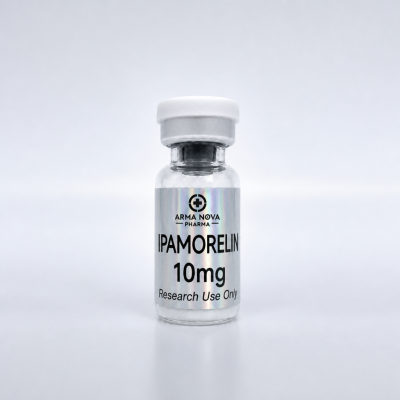
Ipamorelin UK: The Selective Growth Hormone Secretagogue for Researchers in 2026 Among the growth hormone-releasing peptides available to UK researchers, ipamorelin stands apart for a... Continue reading
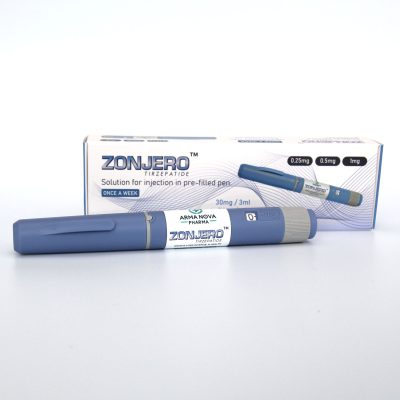
Tirzepatide 30mg UK: The Dual GIP/GLP-1 Receptor Agonist for Advanced Metabolic Research Tirzepatide represents the first dual glucose-dependent insulinotropic polypeptide (GIP) and glucagon-like peptide-1 (GLP-1)... Continue reading
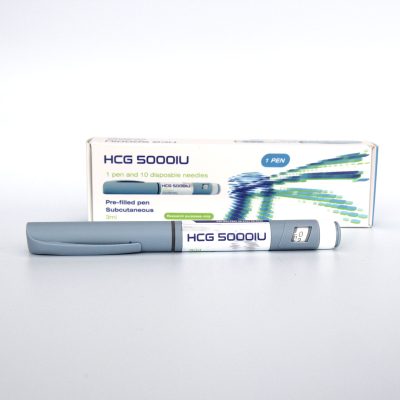
HCG 5000IU UK: Research-Grade Sourcing and Clinical Context Guide 2026 Human chorionic gonadotropin at the 5000 international unit dosage represents one of the most frequently... Continue reading
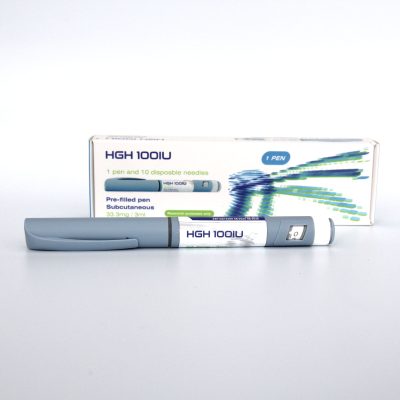
HGH 100 IU UK: Verified Research-Grade Sourcing, Purity Standards, and Regulatory Context for 2026 Securing genuine, laboratory-verified hgh 100 iu uk formulations presents distinct challenges... Continue reading
Add comment