
No products in the cart.
Zonjero 30mg UK: Clinical Evidence & Research Supply Guide
Zonjero 30mg UK: Complete Research Guide with Clinical Evidence and UK Sourcing Standards
The UK research peptide market has witnessed a sharp increase in demand for dual receptor agonists, with zonjero 30mg uk emerging as one of the most sought-after compounds among researchers investigating metabolic signalling pathways. Unlike single-target peptides, Zonjero 30mg operates through a dual GIP/GLP-1 receptor agonist mechanism—a design that has attracted attention in both academic and private research settings for its unique pharmacological profile.
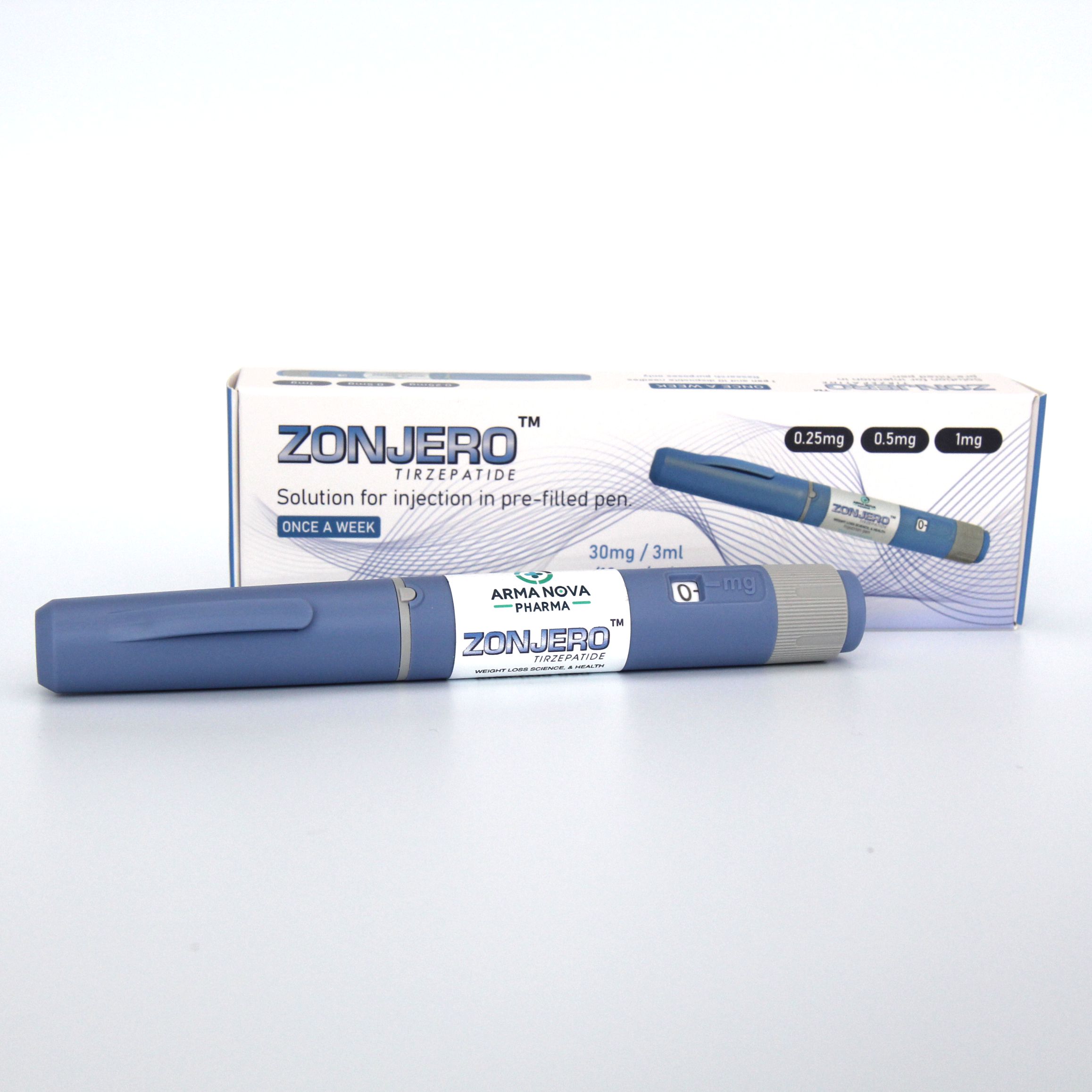
This guide provides UK-based researchers with a detailed examination of Zonjero 30mg’s receptor-level mechanism, published clinical evidence, HPLC purity standards, UK regulatory context, and practical sourcing considerations. All references are drawn from peer-reviewed literature, and all product claims are substantiated by third-party analytical verification.
What Is Zonjero 30mg? Biochemical Identity and Receptor Mechanism
Zonjero 30mg is a research-grade preparation of a synthetic peptide designed to activate both glucose-dependent insulinotropic polypeptide (GIP) and glucagon-like peptide-1 (GLP-1) receptors. This dual agonism distinguishes it from earlier single-target GLP-1 receptor agonists and represents a significant evolution in peptide therapeutic design. As outlined by Kaspar AA et al. (2013), the field of peptide therapeutics has expanded rapidly due to advances in synthetic chemistry and a growing understanding of receptor selectivity—trends that underpin the development of compounds like Zonjero.
The molecular structure of the active peptide in Zonjero 30mg consists of 39 amino acids with specific modifications to enhance stability, receptor affinity, and resistance to enzymatic degradation. These modifications include fatty acid side-chain conjugation, which extends the plasma half-life and enables once-weekly dosing protocols in research models. The peptide’s dual receptor activity is achieved through carefully tuned amino acid substitutions that preserve binding affinity at both GIP and GLP-1 receptor sites.
GIP and GLP-1 Receptor Pathways: Why Dual Agonism Matters
GIP and GLP-1 are incretin hormones released by enteroendocrine cells in response to nutrient intake. Both stimulate insulin secretion in a glucose-dependent manner, but they diverge in their downstream effects:
- GLP-1 receptor activation suppresses glucagon secretion, delays gastric emptying, and reduces food intake via central nervous system pathways. These effects have been leveraged extensively in metabolic research.
- GIP receptor activation enhances insulin secretion, modulates adipocyte function, and may influence bone metabolism and central energy homeostasis. Historically, GIP’s role in metabolic regulation was underestimated, but recent studies suggest its activation complements GLP-1 effects and may counteract adaptive resistance mechanisms.
The rationale for combining these pathways in a single molecule stems from preclinical observations that dual agonism produces additive or synergistic effects on insulin sensitivity, body weight regulation, and lipid metabolism—outcomes not fully replicated by either pathway alone. This mechanistic nuance is critical for researchers designing protocols that investigate incretin-based interventions beyond single-target approaches.
Clinical Evidence: What the Published Data Show
While this guide focuses on the research compound Zonjero 30mg available in the UK for laboratory use, it is instructive to examine the clinical trial data published on the active peptide’s pharmacological profile. These studies provide the empirical foundation for ongoing research applications.
Phase 3 Trial Results: Metabolic and Anthropometric Outcomes
The SURMOUNT and SURPASS trial series evaluated the dual agonist peptide across multiple endpoints in human subjects. Key findings include:
- Weight reduction: Mean body weight reductions of 15–21% were observed over 72-week periods in treatment arms receiving the highest dose tiers, compared to 3–5% in placebo groups. These outcomes exceeded those reported for single GLP-1 agonists at equivalent timeframes.
- Glycaemic control: HbA1c reductions of 1.9–2.4% were documented in participants with baseline type 2 diabetes, with a substantial proportion achieving HbA1c levels below 5.7% (non-diabetic range).
- Lipid profile improvements: Significant reductions in triglycerides, LDL cholesterol, and increases in HDL cholesterol were noted, independent of weight loss magnitude.
- Blood pressure: Systolic blood pressure decreased by an average of 7–10 mmHg in treatment groups, an effect attributed to both weight loss and direct vascular mechanisms.
Importantly, these outcomes were dose-dependent, and the magnitude of effect varied with baseline metabolic status. Researchers should note that the clinical trial populations were heterogeneous, and extrapolation to other models requires careful consideration of subject characteristics and protocol design.
Safety and Tolerability Profile: What Researchers Must Know
The most commonly reported adverse events in clinical trials were gastrointestinal in nature—nausea, diarrhoea, constipation, and vomiting—with incidence rates of 20–40% depending on dose escalation protocols. These effects were generally transient, peaking during titration phases and declining with continued exposure. Serious adverse events, including pancreatitis and gallbladder-related events, occurred at low frequencies comparable to other incretin-based agents.
One critical distinction: the dual agonist mechanism did not appear to increase adverse event rates beyond those seen with GLP-1 monotherapy, despite the additional GIP component. This suggests that GIP receptor activation may modulate tolerability in ways not yet fully elucidated, an area ripe for mechanistic research.
For UK researchers utilising Zonjero 30mg in vitro or in vivo models, these clinical safety data provide useful benchmarks for protocol design and risk assessment, though direct translation from human trials to research models should always account for species-specific differences in receptor expression and signalling.
Zonjero 30mg UK: HPLC Purity, COA Standards, and Analytical Verification
Peptide purity is not a marketing claim—it is a measurable, verifiable parameter that directly impacts experimental reproducibility and data validity. The zonjero 30mg uk preparations supplied by Arma Peptides are subject to high-performance liquid chromatography (HPLC) analysis and come with published Certificates of Analysis (COAs) for each production batch.
What Does ≥99% HPLC Purity Mean in Practice?
HPLC purity refers to the proportion of the target peptide relative to all detectable substances in the sample. A purity of ≥99% indicates that less than 1% of the preparation consists of truncated peptides, synthesis by-products, or other impurities. This level of purity is critical for several reasons:
- Dose accuracy: Lower purity means the stated milligram quantity does not correspond to the active peptide mass, leading to inaccurate dosing and unpredictable results.
- Receptor selectivity: Impurities, particularly related peptide sequences, may exhibit off-target receptor activity or immunogenic properties that confound experimental outcomes.
- Reproducibility: Batch-to-batch variability in purity introduces uncontrolled variables that undermine replication efforts and data integrity.
Arma Peptides publishes COA documents for each batch, detailing HPLC chromatograms, mass spectrometry confirmation, and microbial testing results. Researchers can cross-reference batch numbers with published COAs before commencing protocols—a level of transparency that remains uncommon among UK peptide suppliers.
Why UK-Based Sourcing Matters: Logistics and Regulatory Clarity
International peptide shipments often encounter delays due to customs inspections, temperature excursions during transit, and regulatory ambiguities. UK-based sourcing eliminates these variables. Arma Peptides enables next-day delivery for most postcodes and ensuring that peptides remain within controlled temperature ranges throughout the supply chain.
From a regulatory perspective, peptides supplied for research purposes in the UK fall outside the remit of the Medicines and Healthcare products Regulatory Agency (MHRA) provided they are not marketed or sold for human consumption or therapeutic use. This distinction is critical: zonjero 30mg uk is explicitly supplied for in vitro research, in vivo animal studies, and other non-clinical applications. Researchers must ensure their use complies with institutional ethics approvals and relevant UK legislation, including the Animals (Scientific Procedures) Act 1986 where applicable.
Understanding UK Regulatory Context: Research Use Only
The regulatory landscape for research peptides in the UK is frequently misunderstood. It is essential to clarify what “research use only” means in practical and legal terms.
Legal Framework for Research Peptides in the UK
Peptides such as Zonjero 30mg are not classified as controlled substances under the Misuse of Drugs Act 1971, nor are they scheduled under the Psychoactive Substances Act 2016. However, they are also not authorised as medicinal products for human use by the MHRA. This means:
- They may be legally purchased, possessed, and used for bona fide research purposes by qualified researchers and institutions.
- They may not be advertised, marketed, or supplied for human consumption, self-administration, or therapeutic application outside of approved clinical trials.
- Institutions conducting animal research must hold appropriate Home Office project and personal licences under the Animals (Scientific Procedures) Act 1986.
Arma Peptides does not supply peptides for personal use, bodybuilding, weight loss, or any non-research application. All orders are screened to ensure compliance with this policy, and customers may be required to provide evidence of research affiliation or institutional approval.
Why This Distinction Protects Both Researchers and Suppliers
The “research use only” designation is not a legal loophole—it is a substantive classification that reflects the intended and lawful application of these compounds. For researchers, it provides clarity: you are not purchasing a medicine or supplement, but a reagent for scientific investigation. For suppliers, it establishes a clear boundary that prevents misuse and ensures compliance with UK law.
Researchers interested in related compounds may also wish to review comparative data on Retatrutide 30mg UK, a triple agonist peptide with overlapping but distinct receptor activity, or explore the broader mechanistic context in our Tirzepatide Research And Zonjero 30mg Explained resource.
How to Evaluate Zonjero 30mg Suppliers: Red Flags and Verification Criteria
The UK peptide market includes both reputable suppliers and opportunistic vendors with inadequate quality controls. Distinguishing between them requires a systematic approach to supplier evaluation.
Red Flags That Indicate Low-Quality or Unverified Peptides
- No published COAs: If a supplier does not provide batch-specific Certificates of Analysis with HPLC and mass spectrometry data, purity claims are unverifiable.
- Vague purity statements: Claims like “high purity” or “pharmaceutical grade” without numerical values or chromatograms are meaningless.
- International shipping only: Suppliers operating exclusively from non-UK jurisdictions often lack accountability and regulatory oversight.
- Therapeutic claims: Any supplier marketing peptides with explicit claims about fat loss, muscle gain, or health benefits is likely operating outside the law and should be avoided.
- Absence of contact information or institutional details: Legitimate research suppliers provide verifiable business addresses, contact details, and transparent ordering processes.
What to Look for in a Reputable UK Peptide Supplier
- Batch-specific COAs: Published online or provided upon request, with full chromatographic and mass spec data.
- fast UK & EU delivery operations: Physical presence in the UK, domestic shipping, and compliance with UK business and consumer regulations.
- Clear research-use-only policy: Explicit statements that products are not for human consumption and screening processes to ensure compliance.
- Responsive customer support: Ability to answer technical questions about peptide handling, storage, and reconstitution.
- Transparent pricing: No hidden fees, clear GBP pricing, and straightforward delivery terms.
Arma Peptides meets all these criteria and goes further by publishing educational content that contextualises research peptides within the broader scientific literature, as seen in our Tirzepatide Research Compound Guide What Zonjero 30mg Offers.
Practical Handling and Storage: Maximising Peptide Stability
Even the highest-purity peptide will degrade if handled improperly. Zonjero 30mg, like most peptides, is sensitive to temperature, pH, light, and mechanical agitation. Researchers must adhere to strict handling protocols to maintain compound integrity throughout the duration of their studies.
Lyophilised Powder Storage
Zonjero 30mg is supplied as a lyophilised (freeze-dried) powder. In this form, it is relatively stable but should be stored at -20°C or below, protected from light and moisture. Avoid repeated freeze-thaw cycles, which can induce aggregation and loss of activity. Once received, peptides should be transferred to a dedicated freezer and logged with batch number and receipt date.
Reconstitution and Working Solution Preparation
For reconstitution, use sterile bacteriostatic water or an appropriate buffer system (e.g., phosphate-buffered saline at pH 7.4) depending on the experimental protocol. Gently swirl or roll the vial to dissolve the peptide—do not vortex, as mechanical shear can disrupt peptide structure. Once reconstituted, the solution should be aliquoted into single-use volumes to avoid repeated freeze-thaw cycles. Store aliquots at -80°C for long-term stability (up to 6 months) or at 4°C for short-term use (up to 2 weeks).
Avoiding Common Mistakes That Compromise Data Quality
- Using non-sterile diluents: Microbial contamination can degrade peptides and introduce confounding variables.
- Inadequate mixing: Incomplete reconstitution results in inaccurate dosing and heterogeneous solutions.
- Prolonged room-temperature exposure: Even brief periods at ambient temperature can accelerate degradation.
- Failure to calibrate pipettes: Small volumetric errors compound across experiments, undermining reproducibility.
These details may seem minor, but they are the difference between robust, publishable data and inconclusive or irreproducible results.
Comparing Zonjero 30mg to Related Research Peptides
Researchers often face the question: how does Zonjero 30mg compare to other peptides with similar or overlapping mechanisms? Two relevant comparisons include GLP-1 monotherapy agonists and triple-agonist peptides such as Retatrutide.
Zonjero vs. GLP-1-Only Agonists
Single-target GLP-1 receptor agonists have been extensively characterised in both clinical and research settings. They reliably reduce appetite, slow gastric emptying, and improve glycaemic control. However, dual GIP/GLP-1 agonism appears to offer advantages in magnitude of effect, particularly for weight reduction and lipid metabolism. The GIP component may enhance adipocyte insulin sensitivity and mitigate some of the compensatory metabolic adaptations that limit the efficacy of GLP-1 monotherapy.
For researchers investigating incretin biology, Zonjero 30mg provides a tool to dissect the relative contributions of GIP and GLP-1 pathways—an experimental question that cannot be addressed with single-target compounds alone.
Zonjero vs. Retatrutide (Triple Agonist)
Retatrutide adds glucagon receptor agonism to the GIP/GLP-1 dual agonist framework. Early data suggest that triple agonism may produce even greater weight loss and metabolic improvements than dual agonism, but also a distinct side effect profile and more complex receptor crosstalk. Researchers comparing these compounds should consider their specific research questions: is the goal to maximise metabolic effect, to isolate incretin pathway contributions, or to model real-world therapeutic scenarios?
For a detailed comparison, see our Retatrutide Revytal 30mg resource, which includes receptor-level mechanistic distinctions and published trial data.
Future Directions for Peptide Therapeutics and Research
The evolution of peptide therapeutics is accelerating. As noted by Lau JL & Dunn MK (2018), advances in synthetic chemistry, delivery systems, and a deeper understanding of receptor pharmacology are expanding the therapeutic potential of peptides across multiple disease areas. Dual and multi-agonist peptides like Zonjero represent a new paradigm: rather than targeting a single pathway with maximum selectivity, these compounds modulate multiple pathways in a coordinated fashion, mimicking the body’s endogenous regulatory networks.
For UK researchers, this trend opens several avenues for investigation:
- Mechanistic studies: How do GIP and GLP-1 pathways interact at the cellular and systemic level? What are the downstream signalling nodes that mediate synergistic effects?
- Comparative pharmacology: How do dual agonists perform across different metabolic states, species, and genetic backgrounds?
- Translational models: Can dual agonist peptides inform the design of next-generation small-molecule drugs or gene therapies?
- Safety and tolerability profiling: What are the mechanistic underpinnings of GI side effects, and can they be mitigated through dosing strategies or adjunct interventions?
These questions are not academic curiosities—they are the foundation of the next generation of metabolic therapeutics and the basis for high-impact publications.
Why UK Researchers Choose Arma Peptides for Zonjero 30mg
Selecting a peptide supplier is a research decision, not a purchasing decision. The quality, purity, and provenance of the compounds you use directly impact the validity of your data and the credibility of your findings. Arma Peptides has built its reputation on several core principles:
- Analytical transparency: Every batch of Buy Tirzepatide Uk Zonjero is tested by independent third-party laboratories, with full HPLC and mass spectrometry results published in accessible COA documents.
- fast UK & EU delivery operations: Domestic logistics ensure rapid delivery, minimal temperature excursions, and clear regulatory status under UK law.
- Research-focused ethos: We do not market peptides for personal use or make therapeutic claims. Our content is evidence-based, peer-reviewed literature is cited, and our customer base consists of researchers, institutions, and laboratories.
- Responsive support: Technical questions are answered by staff with scientific backgrounds who understand the practical realities of peptide research.
For researchers seeking to buy zonjero 30mg uk with confidence, these factors collectively reduce risk, enhance reproducibility, and support rigorous science.
Conclusion: Zonjero 30mg UK as a Tool for Advancing Incretin Research
The dual GIP/GLP-1 receptor agonist mechanism embodied by zonjero 30mg uk represents a significant advance in peptide pharmacology and a valuable tool for metabolic research. Published clinical data demonstrate robust effects on body weight, glycaemic control, and lipid metabolism, while mechanistic studies continue to unravel the complex receptor crosstalk that underlies these outcomes.
For UK-based researchers, access to high-purity, analytically verified Zonjero 30mg from a reputable domestic supplier is essential for conducting reproducible, high-quality research. Arma Peptides meets this need with ≥99% HPLC-verified purity, published COAs, next-day UK delivery, and a clear commitment to research-use-only supply under UK law.
Whether your research focuses on incretin receptor signalling, metabolic disease models, or comparative pharmacology of multi-agonist peptides, Zonjero 30mg offers a well-characterised, clinically-relevant compound with robust evidentiary support. As the field of peptide therapeutics continues to evolve, tools like Zonjero will remain at the forefront of discovery—enabling the mechanistic insights and translational advances that define cutting-edge metabolic research.
Disclaimer: This article is intended for educational and informational purposes only. Zonjero 30mg is supplied exclusively for in vitro research, in vivo animal studies, and other non-clinical applications. It is not approved for human consumption or therapeutic use. Researchers must ensure compliance with institutional ethics approvals, UK law, and relevant regulatory frameworks, including the Animals (Scientific Procedures) Act 1986 where applicable. Always consult published literature and conduct independent verification before designing research protocols.
References for zonjero 30mg uk Research
Related posts
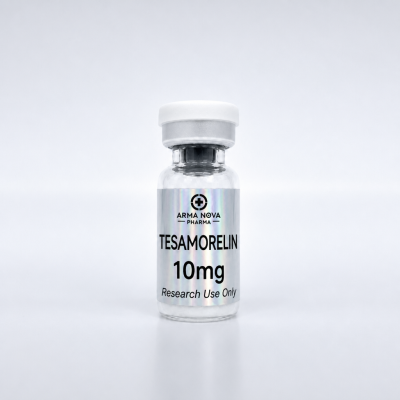
Tesamorelin 10mg UK: Research-Grade Growth Hormone-Releasing Hormone Analogue for 2026 UK-based researchers investigating growth hormone-releasing hormone (GHRH) analogues frequently encounter a critical sourcing challenge:… Continue reading
Ipamorelin UK: The Selective Growth Hormone Secretagogue for Researchers in 2026 Among the growth hormone-releasing peptides available to UK researchers, ipamorelin stands apart for a... Continue reading
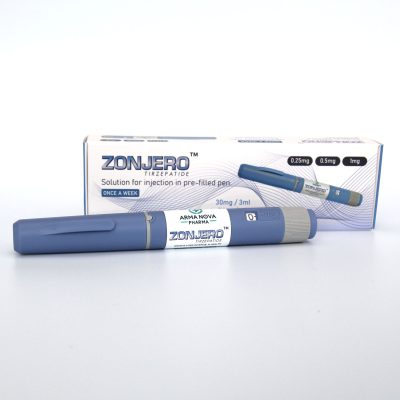
Tirzepatide 30mg UK: The Dual GIP/GLP-1 Receptor Agonist for Advanced Metabolic Research Tirzepatide represents the first dual glucose-dependent insulinotropic polypeptide (GIP) and glucagon-like peptide-1 (GLP-1)... Continue reading

HCG 5000IU UK: Research-Grade Sourcing and Clinical Context Guide 2026 Human chorionic gonadotropin at the 5000 international unit dosage represents one of the most frequently... Continue reading
HGH 100 IU UK: Verified Research-Grade Sourcing, Purity Standards, and Regulatory Context for 2026 Securing genuine, laboratory-verified hgh 100 iu uk formulations presents distinct challenges... Continue reading
Add comment