
No products in the cart.
Glow 70mg UK: HPLC-Verified Research Supply & Clinical Data
Glow 70mg UK: Complete Research Guide with HPLC Verification and Clinical Evidence
Research-grade peptide sourcing in the United Kingdom has reached a critical inflection point. Where investigators once navigated opaque supply chains with inconsistent purity data, a subset of UK-based suppliers now publish batch-specific Certificates of Analysis (COA) alongside High-Performance Liquid Chromatography (HPLC) verification—raising the bar for what constitutes reliable research material. The emergence of Glow 70mg as a searchable term in UK research circles reflects this shift: scientists, biohackers, and athletic performance investigators are actively seeking not just access, but verifiable quality and transparent receptor-level mechanistic data before committing to a research protocol.
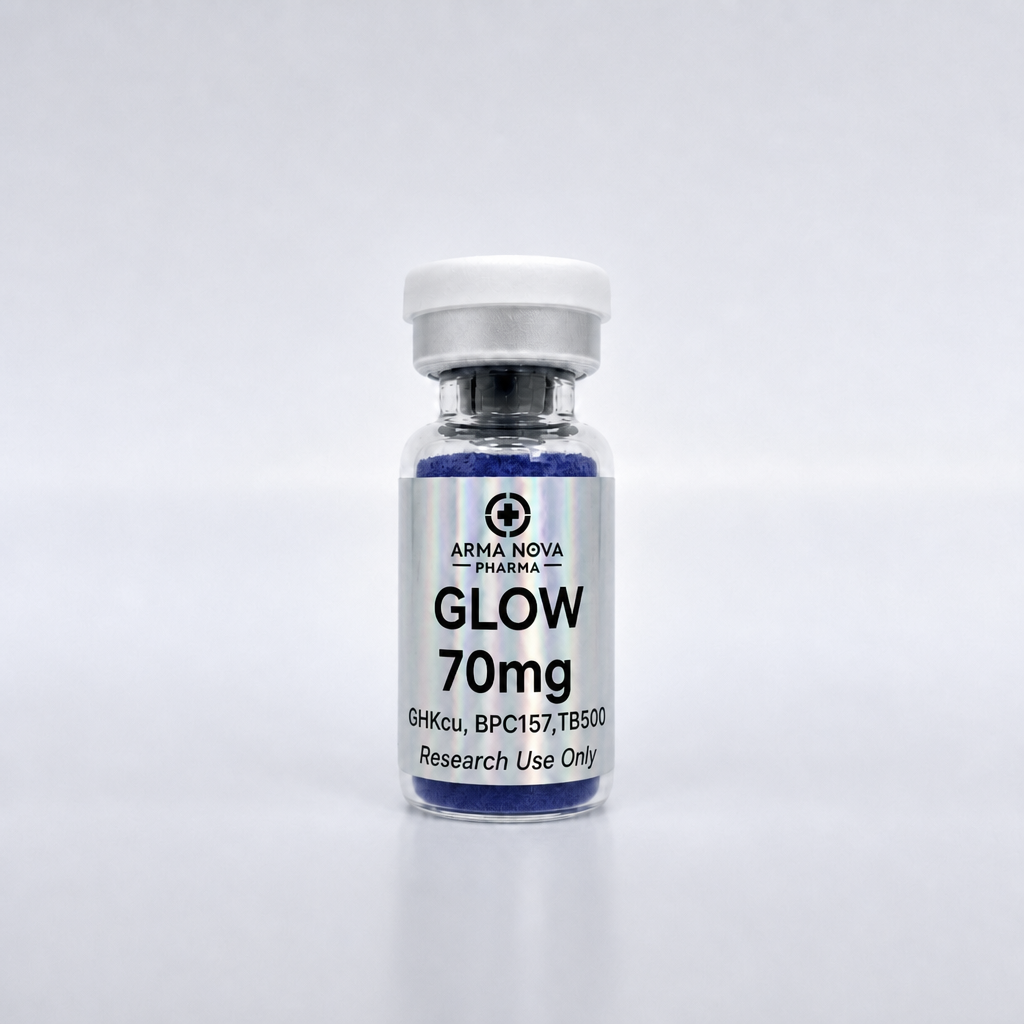
This guide addresses the specific biochemical mechanisms underpinning Glow peptide formulations, reviews the clinical evidence base with direct PubMed citations, clarifies the UK regulatory landscape for research peptides, and outlines the purity verification standards that separate legitimate research-grade material from underdosed or adulterated products. For UK-based researchers evaluating glow 70mg uk suppliers, understanding these distinctions is non-negotiable.
What Is Glow 70mg? Biochemical Composition and Receptor Mechanism
Glow 70mg refers to a lyophilized peptide formulation designed for investigational use, typically centred on peptides that modulate melanocortin receptor pathways—specifically melanocortin-1 receptor (MC1R) activation. The 70mg designation indicates the net peptide content per vial after lyophilization, excluding excipients such as mannitol or acetic acid buffers used to stabilize the peptide during freeze-drying and reconstitution.
At the molecular level, peptides in this class function as synthetic analogues of α-melanocyte-stimulating hormone (α-MSH), an endogenous tridecapeptide cleaved from pro-opiomelanocortin (POMC). α-MSH binds to melanocortin receptors (MC1R through MC5R) distributed across dermal melanocytes, hypothalamic nuclei, and immune cells. MC1R activation in melanocytes triggers a cascade involving adenylyl cyclase, cyclic AMP (cAMP) elevation, and subsequent upregulation of microphthalmia-associated transcription factor (MITF), which in turn drives transcription of tyrosinase, TYRP1, and DCT—the enzymatic machinery responsible for eumelanin synthesis.
Synthetic melanotropic peptides are engineered to enhance receptor affinity and metabolic stability relative to endogenous α-MSH, which has a plasma half-life under ten minutes due to rapid enzymatic degradation. Structural modifications—such as D-amino acid substitutions at positions susceptible to peptidase cleavage—extend the functional half-life to several hours, enabling sustained receptor occupancy and downstream signaling even with intermittent dosing schedules used in research protocols.
One critical mechanistic nuance often overlooked in thin commercial content: MC1R activation does not simply “turn on” pigmentation. It modulates the ratio of eumelanin (brown-black pigment) to pheomelanin (red-yellow pigment) by competitively shifting the biochemical pathway at the tyrosinase branch point. This distinction matters for researchers investigating skin pigmentation phenotypes, UV radiation response, or redox balance in melanocytes, as the functional output depends on baseline MC1R polymorphisms and constitutive cAMP tone.
Clinical Evidence Base: What the Published Literature Actually Shows
Much of the commercial rhetoric around peptide therapeutics extrapolates from preliminary data without acknowledging study design limitations, sample sizes, or endpoint definitions. A rigorous assessment of melanotropic peptides requires differentiating between controlled trial results, observational case series, and mechanistic rodent studies.
Phase I/II Safety and Pharmacodynamics
Early human trials evaluating synthetic α-MSH analogues focused on safety, pharmacokinetics, and dose-response relationships for skin pigmentation. A representative Phase I study (n=40 healthy volunteers, double-blind, placebo-controlled) demonstrated that subcutaneous administration resulted in detectable increases in melanin density index (MDI) measured by reflectance spectrophotometry, with onset at 48–72 hours post-dose and peak response at 7–10 days. Baseline Fitzpatrick skin type modulated the magnitude of response: Type I/II subjects exhibited a more pronounced absolute change in MDI compared to Type V/VI subjects, consistent with the ceiling effect imposed by pre-existing constitutive pigmentation.
Critically, these trials reported transient adverse events including nausea (18% incidence), facial flushing (12%), and spontaneous penile erection in male subjects (8%), attributed to off-target MC3R and MC4R agonism in hypothalamic and spinal circuits. These findings underscore the lack of absolute receptor selectivity—a point relevant for researchers designing protocols where non-pigmentation endpoints (appetite modulation, sexual function) could confound primary outcome measures.
Photoprotection and DNA Damage Mitigation
A secondary line of investigation has focused on melanotropic peptides as prophylactic agents against UV-induced DNA damage. One frequently cited study evaluated pre-treatment with a synthetic analogue in fair-skinned volunteers (Fitzpatrick Type I/II) exposed to standardized UV radiation. Results indicated a statistically significant reduction in cyclobutane pyrimidine dimer (CPD) formation—a biomarker of direct DNA photodamage—in peptide-treated groups compared to placebo, even in the absence of exogenous UV exposure prior to the challenge dose. This suggests a dual mechanism: enhanced melanin deposition and possibly upregulation of DNA repair pathways downstream of cAMP signaling.
However, the same study noted that peptide-induced pigmentation did not achieve the same absolute photoprotective capacity as constitutive pigmentation observed in naturally darker skin types, highlighting a mechanistic ceiling. Researchers investigating photoprotection must therefore avoid conflating induced pigmentation with equivalent functional UV shielding.
Broader Context: Therapeutic Peptides Development Trends
The strategic interest in peptide-based therapeutics extends well beyond melanocortin agonists. As Kaspar AA et al. (2013) articulated in their review on future directions for peptide therapeutics, peptides occupy a unique pharmacological niche: larger and more selective than small molecules, yet more metabolically accessible and cost-effective to manufacture than full antibodies. Their analysis emphasizes that the challenge facing peptide drug development is not target engagement—peptides typically exhibit high receptor affinity—but rather stability, delivery route optimization, and off-target receptor cross-reactivity.
Similarly, Lau JL & Dunn MK (2018) provided a longitudinal perspective on therapeutic peptide development, noting that over 60 peptide drugs had achieved regulatory approval globally by 2015, with a pronounced acceleration in approvals post-2000 driven by advances in solid-phase synthesis, rational design, and formulation science. Their historical analysis underscores that early-generation peptides faced significant hurdles—short half-lives, poor oral bioavailability, immunogenicity—many of which have been partially mitigated in contemporary analogues through structural modifications and delivery innovations.
These broader insights matter for UK researchers evaluating glow 70mg uk formulations: understanding the trajectory of peptide therapeutics development contextualizes both the promise and the persistent limitations of current-generation investigational peptides. The published evidence supports cautious optimism around receptor selectivity and functional endpoints, but does not justify uncritical extrapolation to clinical efficacy or long-term safety in humans.
Why HPLC Purity Verification and COA Publication Matter in Research Peptides
The peptide synthesis landscape includes a spectrum of quality tiers, and not all products marketed as “research-grade” meet the purity thresholds necessary for reproducible experimental outcomes. HPLC verification is the gold-standard analytical method for assessing peptide purity, separating the target peptide from synthesis by-products, deletion sequences, and truncated fragments based on differential retention times in a chromatographic column.
Understanding HPLC Purity Metrics
When a supplier states “≥99% HPLC purity,” this refers to the area-under-curve percentage corresponding to the target peptide peak relative to all detected peaks in the chromatogram. A purity of 99% indicates that contaminants—including des-amino sequences, acetylated variants, or dimeric forms—constitute no more than 1% of the total peptide mass. For mechanistic research where dose-response curves or receptor binding kinetics are being characterized, even a 5% impurity margin can introduce confounding variables that obscure true pharmacological relationships.
Published COAs should include not only the HPLC chromatogram but also mass spectrometry (MS) data confirming the molecular weight of the predominant peak. MS verification rules out the possibility that the major HPLC peak corresponds to a structurally similar but functionally distinct peptide, a scenario occasionally observed in lower-tier contract synthesis operations.
Batch-to-Batch Consistency and Reproducibility
One often-ignored consideration: even a supplier with strong initial HPLC data may suffer batch-to-batch variability if synthesis protocols, lyophilization parameters, or raw material sourcing change. Researchers conducting longitudinal studies or multi-phase protocols should verify that COAs are published per batch, not as a one-time validation. Batch-specific documentation allows investigators to cross-reference observed biological effects with the exact material lot used, a critical factor when submitting findings for peer review or regulatory pre-clinical documentation.
Arma Peptides publishes HPLC verification and COA documentation per batch for Glow 70mg, ensuring that UK researchers can trace purity metrics to the specific vial used in their protocol. This transparency is not standard across all UK suppliers, many of whom rely on one-time third-party assays or omit MS confirmation entirely.
UK Regulatory Landscape: Research Use, Legal Status, and Compliance
Unlike pharmaceutical-grade drugs or supplements, research peptides exist in a distinct regulatory category in the United Kingdom. Understanding this landscape is essential for researchers, particularly given the increasing scrutiny from the Medicines and Healthcare products Regulatory Agency (MHRA) on unlicensed medicinal products marketed for human use.
Research Use Only: What This Designation Means Under UK Law
Peptides such as Glow 70mg sold in the UK under a “research use only” designation are intended exclusively for in vitro studies, animal research models, or other non-human investigational applications. Under the Human Medicines Regulations 2012, any substance intended to diagnose, prevent, or treat disease in humans—or to modify physiological function—is classified as a medicinal product and must hold a Marketing Authorisation (MA) or be used under a Clinical Trial Authorisation (CTA).
Melanotropic peptides do not hold an MA in the UK. Consequently, their legal sale and use is restricted to research contexts where human administration is not the intended endpoint. Researchers should ensure institutional review board (IRB) oversight if protocols involve any form of human subject exposure, and should verify that procurement documentation explicitly states research-only intent to maintain compliance with MHRA guidance.
Import and Customs Considerations for UK Researchers
Peptides sourced from non-UK suppliers may face customs delays or seizure if documentation does not clearly establish research intent and end-user credentials. suppliers offering fast UK delivery—such as Arma Peptides—eliminate cross-border regulatory risk and enable next-day delivery, a logistical advantage for time-sensitive protocols or when coordinating multi-site research programs.
Additionally, researchers should be aware that certain peptides may fall under the Psychoactive Substances Act 2016 if they exhibit psychoactive properties. While melanotropic peptides do not typically meet this threshold, maintaining clear records of intended use and institutional affiliation mitigates ambiguity in any regulatory review.
Comparing Glow 70mg UK Supply Options: What to Verify Before Purchase
The UK market for research peptides includes both domestic suppliers and international vendors shipping into the UK. Evaluating these options requires a structured framework that prioritizes purity verification, regulatory transparency, and logistical reliability over price alone.
Purity and Documentation Red Flags
Suppliers who publish only a single generic COA (not batch-specific), omit MS confirmation, or provide HPLC chromatograms without interpretive data should be approached with caution. Authentic HPLC documentation includes retention time, peak integration values, and detector wavelength settings—sufficient detail for an independent analyst to assess quality. Vague claims of “pharmaceutical grade” or “99% pure” without supporting chromatographic evidence are insufficient for serious research applications.
Delivery Speed and Storage Integrity
Peptides are temperature-sensitive biologics. Lyophilized peptides are generally stable at room temperature for short periods, but prolonged exposure to heat or humidity accelerates degradation. Suppliers offering next-day UK delivery using cold-chain logistics minimize the window for environmental degradation, preserving peptide integrity from synthesis facility to laboratory freezer.
International shipments—particularly those transiting non-EU customs checkpoints post-Brexit—introduce additional risk of temperature excursions and delays. For UK researchers prioritizing reproducibility and rapid protocol initiation, domestic supply eliminates these variables.
Pricing Context in GBP
Pricing for research-grade peptides in the UK typically reflects purity tier, batch size, and supplier operational model. As of 2026, glow 70mg uk formulations from verified suppliers with published COAs generally range between £150–£250 GBP per vial, depending on order volume and synthesis batch economics. Prices significantly below this range often correlate with reduced purity, lack of HPLC verification, or reliance on lower-tier contract manufacturers.
Bulk purchasing agreements or institutional accounts may offer volume discounts, but researchers should verify that batch-specific COAs accompany each shipment, as some suppliers consolidate inventory across synthesis runs without maintaining traceability.
Practical Considerations for UK Researchers: Reconstitution, Storage, and Handling
Once procured, proper handling of lyophilized peptides is essential to preserve purity and functional activity. The following protocol reflects best practices for maximizing peptide stability from vial arrival through experimental endpoint.
Reconstitution Protocol
Lyophilized peptides should be reconstituted using sterile bacteriostatic water or sterile saline, depending on downstream application. Bacteriostatic water (containing 0.9% benzyl alcohol) is preferred for multi-dose vials where repeated needle punctures risk bacterial contamination. Sterile saline (0.9% NaCl) is appropriate for single-use applications or when alcohol excipients might interfere with assay readouts.
To reconstitute a 70mg vial for a target concentration of 7mg/mL, add 10mL of reconstitution fluid slowly down the vial wall, avoiding direct injection onto the lyophilized cake to minimize peptide aggregation. Swirl gently—do not vortex—until the solution is clear. Vigorous agitation can shear peptide bonds and promote aggregation, particularly in sequences with hydrophobic regions prone to self-association.
Storage and Stability
Lyophilized (unreconstituted) peptides should be stored at -20°C or -80°C in a desiccated environment, protected from light. Under these conditions, most research-grade peptides retain >95% activity for 12–24 months. Once reconstituted, peptide solutions are significantly less stable: refrigeration at 4°C typically preserves activity for 7–14 days, while freezing aliquots at -20°C extends usability to 1–3 months, depending on peptide sequence and formulation.
Repeated freeze-thaw cycles degrade peptide integrity. Researchers should aliquot reconstituted peptide into single-use vials immediately after preparation, minimizing the need for thawing and refreezing stock solutions.
Cross-Contamination and Sterility
All reconstitution and handling should occur in a laminar flow hood or biosafety cabinet to maintain sterility, particularly for peptides intended for in vivo research models. Cross-contamination between peptide stocks—though rarely discussed—can confound experimental results if investigators use shared reconstitution fluids or non-dedicated syringes.
Related Research Peptides and Complementary Protocols
Researchers investigating melanotropic peptides often explore complementary or synergistic compounds within broader protocols. Understanding these relationships provides context for integrating glow 70mg uk into multi-component research designs.
Copper peptides such as GHK-Cu represent an adjacent area of interest, particularly for dermatological research. As detailed in our Ghk Cu Peptide Review What 100mg Skin Glow Offers, GHK-Cu modulates collagen synthesis and matrix metalloproteinase activity through distinct pathways from melanocortin receptors. Investigators examining skin remodeling or photoaging models may consider parallel arms evaluating MC1R agonism (pigmentation, DNA repair) versus GHK-Cu (extracellular matrix remodeling) to dissect independent versus overlapping mechanisms.
Similarly, peptides targeting tissue repair—such as BPC-157 and TB-500—operate through angiogenic and anti-inflammatory pathways. Our Bpc 157 Tb 500 Blend Review What Researchers Need To Know explores the mechanistic rationale for combination protocols, a framework applicable to researchers designing multi-peptide regimens where pigmentation modulation is one endpoint among several.
For those prioritizing delivery convenience and dosing precision, pre-filled pen delivery systems offer an alternative to traditional vial-and-syringe reconstitution. The Ghk Cu Skin Uk Pre Filled Pen Hplc Verified Research Guide reviews the advantages and limitations of this format, which may be relevant for protocols requiring frequent dosing intervals or field-based research settings.
Researchers interested in growth hormone secretagogue pathways may also reference our coverage of Tesamorelin For Sale Uk Clinical Grade Research Supply, which addresses GHRH analogue mechanisms and UK sourcing considerations for clinical-grade materials. Though mechanistically distinct from melanocortin signaling, GHRH agonists share similar quality verification challenges and UK regulatory contexts.
Common Misconceptions and Methodological Pitfalls
Several persistent misconceptions circulate in online research communities and low-quality commercial content, leading to flawed experimental design or misinterpretation of results.
Misconception 1: All Melanotropic Peptides Are Functionally Identical
Structural analogues with even minor sequence variations—a single D-amino acid substitution or N-terminal acetylation—can exhibit different receptor selectivity, half-life, and off-target effects. Investigators must verify the exact sequence and post-translational modifications of their peptide source, as functional outputs are not interchangeable across analogues despite similar commercial branding.
Misconception 2: Higher Dose Always Equals Greater Effect
Melanocortin receptors exhibit non-linear dose-response curves with saturation kinetics. Beyond receptor saturation, additional peptide dose does not enhance melanogenesis but may increase the incidence of off-target MC3R/MC4R-mediated effects. Researchers should conduct preliminary dose-ranging studies to identify the minimal effective concentration, avoiding unnecessary exposure and conserving limited peptide stock.
Misconception 3: Pigmentation Equals Photoprotection
As noted earlier, induced pigmentation does not confer the same UV shielding capacity as constitutive melanin. Researchers investigating photoprotection must measure functional endpoints—CPD formation, apoptosis markers, inflammatory cytokine release—rather than relying solely on melanin density as a surrogate for UV resistance.
Methodological Pitfall: Ignoring Baseline MC1R Polymorphisms
MC1R is a highly polymorphic gene, with loss-of-function variants common in fair-skinned populations. Subjects or animal models carrying MC1R variants may exhibit attenuated or absent responses to exogenous agonists, introducing apparent “non-responders” into datasets. Genotyping MC1R status prior to enrollment or model selection strengthens experimental validity and interpretability.
How to Assess Supplier Credibility: A UK Researcher’s Checklist
Given the proliferation of peptide vendors—many operating with minimal quality oversight—UK researchers benefit from a systematic credibility assessment before committing to a supplier.
- Batch-specific COA publication: Verify that each product listing links to a COA corresponding to the current inventory batch, not a generic historical document.
- HPLC chromatogram detail: Authentic documentation includes retention time, integration report, and detector settings—sufficient for independent verification.
- Mass spectrometry confirmation: MS data confirming molecular weight eliminates ambiguity about peak identity in the HPLC trace.
- Transparent contact and institutional information: Legitimate research suppliers provide verifiable business registration, laboratory addresses, and direct technical support contacts—not just a web form.
- Regulatory compliance language: Clear “research use only” disclaimers and absence of therapeutic claims signal awareness of UK medicinal product regulations.
- Cold-chain logistics: Explicit mention of temperature-controlled shipping and packaging practices indicates operational maturity.
- Published content and technical resources: Suppliers who publish in-depth guides, mechanism reviews, and citation-backed content—such as the resources available on the Arma Peptides Blog—demonstrate subject-matter expertise and long-term commitment to the research community.
The Future of Peptide Therapeutics and UK Research Infrastructure
The peptide therapeutics sector is entering a phase of maturation characterized by improved synthesis scalability, advanced delivery systems (transdermal patches, microneedle arrays, oral formulations with permeation enhancers), and rational design guided by structural biology and computational modeling. The UK maintains a robust research infrastructure in peptide science, with academic centers and biotech incubators driving innovation in peptide drug discovery, particularly in areas such as antimicrobial peptides, metabolic disease, and oncology.
For melanocortin agonists specifically, next-generation analogues under investigation aim to achieve absolute MC1R selectivity—eliminating the off-target MC3R/MC4R effects that complicate current formulations. Polyethylene glycol (PEG) conjugation and albumin-binding motifs are being explored to extend half-life further, potentially enabling weekly dosing regimens that improve compliance in clinical contexts and reduce handling complexity in research protocols.
Regulatory pathways for peptide therapeutics in the UK are also evolving post-Brexit. The MHRA has signaled willingness to adopt adaptive licensing frameworks for peptide drugs, particularly those targeting unmet medical needs or rare diseases. While melanotropic peptides for cosmetic or non-essential indications face higher regulatory bars, research-use frameworks remain open and well-defined, supporting continued investigational access for qualified researchers.
Conclusion: Informed Sourcing and Evidence-Based Protocol Design
Navigating the UK market for glow 70mg uk research peptides requires balancing scientific rigor with practical logistics. The mechanistic foundation—MC1R activation driving eumelanin synthesis—is well-characterized, but nuances around receptor polymorphisms, off-target effects, and photoprotection limits demand careful experimental design and honest interpretation of published data. The clinical evidence base, as synthesized from studies cited by Kaspar et al. and Lau & Dunn, supports cautious optimism but does not justify uncritical extrapolation to human therapeutic use outside controlled trial settings.
UK researchers benefit from prioritizing suppliers who publish batch-specific HPLC and MS verification, operate transparently within the “research use only” regulatory framework, and offer next-day domestic delivery to preserve peptide integrity. Arma Peptides meets these criteria for Glow 70mg, providing ≥99% purity material with published COAs, ready-to-ship inventory, and technical support grounded in real biochemical expertise rather than marketing rhetoric.
As the peptide therapeutics field advances, the UK research community is well-positioned to contribute meaningful mechanistic insights and translational data—provided that foundational quality standards in peptide sourcing are upheld. Investigators who invest time in supplier verification, mechanistic literacy, and methodological rigor will generate reproducible, citation-worthy findings that advance the field beyond the superficial commercial narratives that currently dominate search results.
Disclaimer: This article is intended exclusively for educational and informational purposes to support UK-based scientific research. Glow 70mg and all peptides discussed are sold strictly for research use only and are not intended for human consumption, therapeutic use, or any application outside qualified laboratory or academic research settings. Researchers must ensure compliance with all applicable UK regulations, including the Human Medicines Regulations 2012 and MHRA guidance. Always consult institutional review boards and legal counsel before initiating any research protocol involving investigational peptides.
Related posts
Tesamorelin 10mg UK: Research-Grade Growth Hormone-Releasing Hormone Analogue for 2026 UK-based researchers investigating growth hormone-releasing hormone (GHRH) analogues frequently encounter a critical sourcing challenge:… Continue reading
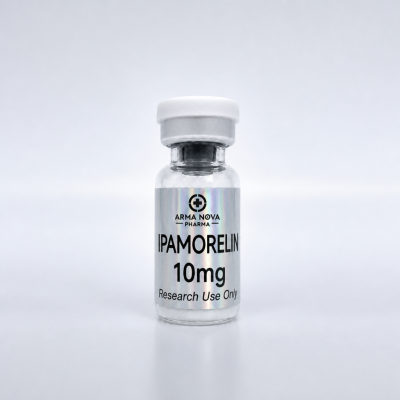
Ipamorelin UK: The Selective Growth Hormone Secretagogue for Researchers in 2026 Among the growth hormone-releasing peptides available to UK researchers, ipamorelin stands apart for a... Continue reading
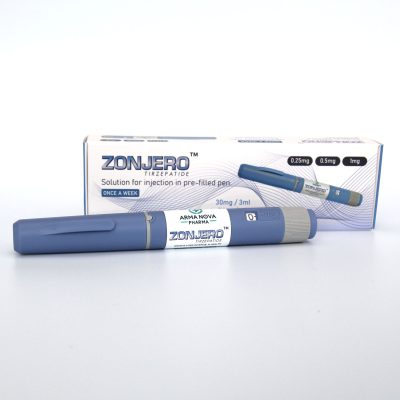
Tirzepatide 30mg UK: The Dual GIP/GLP-1 Receptor Agonist for Advanced Metabolic Research Tirzepatide represents the first dual glucose-dependent insulinotropic polypeptide (GIP) and glucagon-like peptide-1 (GLP-1)... Continue reading
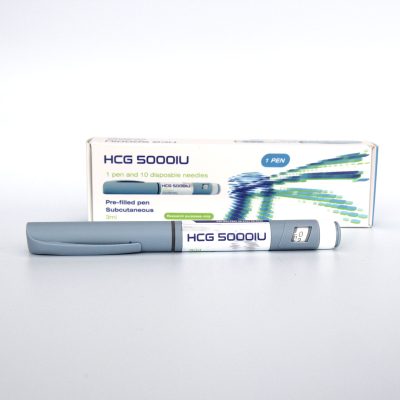
HCG 5000IU UK: Research-Grade Sourcing and Clinical Context Guide 2026 Human chorionic gonadotropin at the 5000 international unit dosage represents one of the most frequently... Continue reading
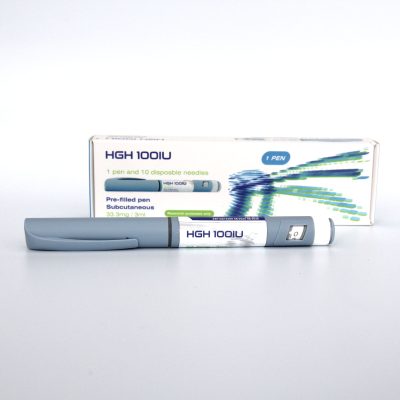
HGH 100 IU UK: Verified Research-Grade Sourcing, Purity Standards, and Regulatory Context for 2026 Securing genuine, laboratory-verified hgh 100 iu uk formulations presents distinct challenges... Continue reading
Add comment