
No products in the cart.
Kisspeptin 10mg UK: Lab-Grade Research Peptide Guide
Kisspeptin 10mg UK: Research-Grade Peptide for Reproductive Endocrinology Studies
Kisspeptin-10 has emerged as one of the most investigated peptides in reproductive neuroendocrinology, with a precise mechanism of action targeting the KISS1R receptor (formerly GPR54) in the hypothalamic-pituitary-gonadal (HPG) axis. For UK-based researchers studying fertility pathways, puberty onset mechanisms, or gonadotropin regulation, sourcing Kisspeptin 10mg at research-grade purity with verifiable analytical documentation has become a critical procurement challenge. This guide addresses the biochemical specificity of kisspeptin 10mg uk formulations, the clinical evidence base supporting its research applications, and the UK regulatory framework governing peptide research reagents.
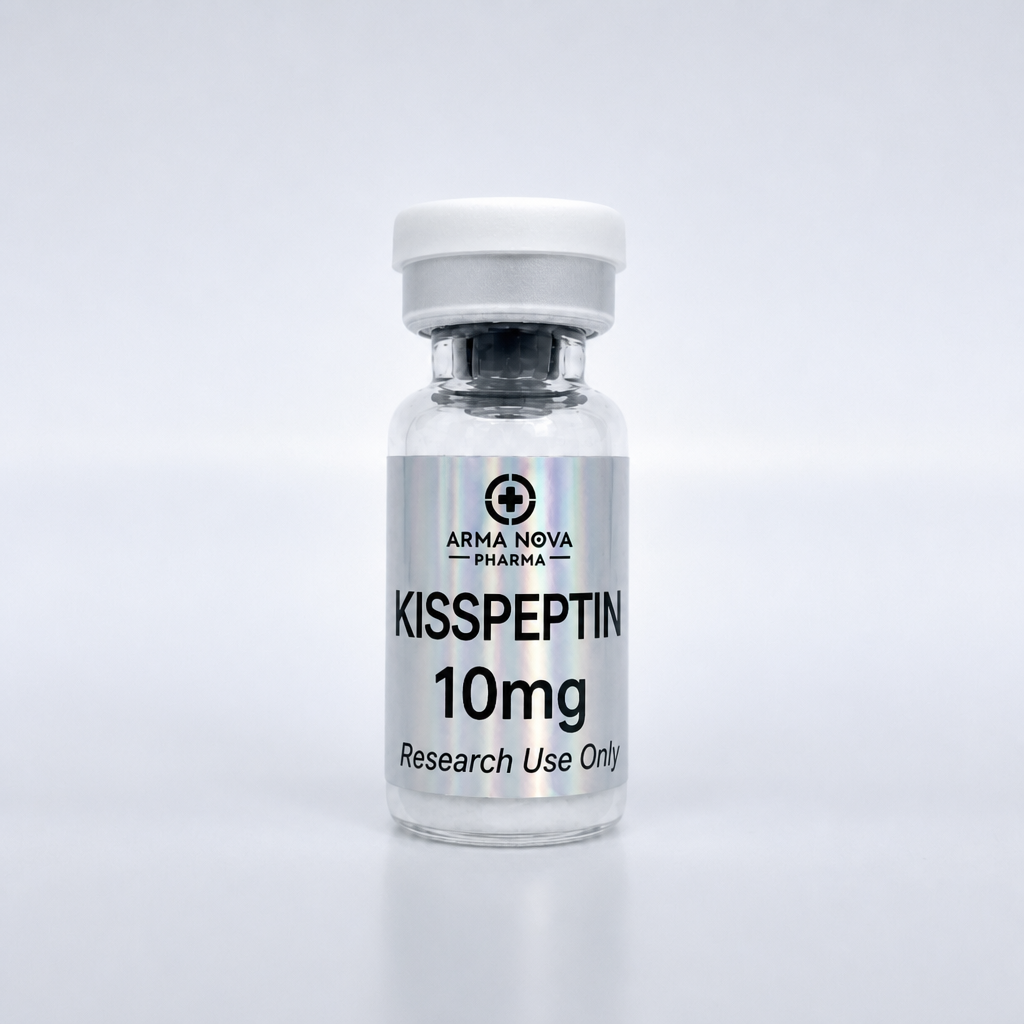
Unlike broad-spectrum peptides with multiple receptor targets, kisspeptin-10 exhibits high selectivity for KISS1R, making it a precise experimental tool for dissecting HPG axis signaling. The 10mg vial format represents the standard research quantity for in vitro receptor binding assays, ex vivo tissue studies, and dose-response characterization. UK researchers require not only the correct peptide sequence (Tyr-Asn-Trp-Asn-Ser-Phe-Gly-Leu-Arg-Phe-NH₂) but also confirmation of structural integrity through HPLC analysis, mass spectrometry verification, and endotoxin quantification—parameters that distinguish pharmaceutical-grade research material from ambiguous supplement-grade products.
Molecular Mechanism: KISS1R Activation and Downstream GnRH Signaling
Kisspeptin-10 is the biologically active C-terminal decapeptide fragment cleaved from the 145-amino acid KISS1 gene product. Its primary target is the KISS1 receptor, a G-protein coupled receptor (GPCR) expressed predominantly on hypothalamic GnRH neurons. Upon kisspeptin binding, KISS1R couples to Gq proteins, triggering phospholipase C activation, IP₃-mediated calcium mobilization, and subsequent depolarization of GnRH neurons. This cascade results in pulsatile GnRH secretion into the hypophyseal portal system, which in turn drives anterior pituitary secretion of luteinizing hormone (LH) and follicle-stimulating hormone (FSH).
The specificity of this pathway has been validated through multiple knock-out and knock-in studies. Mice lacking functional KISS1R exhibit hypogonadotropic hypogonadism and fail to undergo puberty, demonstrating that kisspeptin signaling is not redundant but obligatory for reproductive function. Human mutations in the KISS1R gene (previously termed GPR54) produce the same phenotype—absent or delayed puberty with low gonadotropin levels despite structurally intact pituitary and gonadal tissues. This genetic evidence establishes kisspeptin as the master upstream regulator of the reproductive axis, a position that explains its research relevance for studying fertility disorders, precocious puberty, and hypothalamic amenorrhea.
From a pharmacological perspective, kisspeptin-10’s receptor kinetics are well-characterized. The peptide displays an EC₅₀ in the low nanomolar range (typically 1-10 nM) for intracellular calcium mobilization in KISS1R-expressing cell lines. The Arg-Phe-NH₂ C-terminus is critical for receptor binding, while modifications to the N-terminal Tyr residue substantially reduce potency. These structure-activity relationships inform quality control criteria: even minor degradation or sequence errors can render the peptide biologically inactive, making HPLC-verified purity a non-negotiable specification for research applications.
Clinical Research Evidence: Translating Kisspeptin Mechanism to Human Physiology
The translational pipeline for therapeutic peptides has undergone significant maturation over the past decade. As Kaspar and colleagues documented in their 2013 analysis, peptide therapeutics now represent a legitimate drug class with predictable pharmacokinetic profiles and targetable receptor engagement (PMID: 23085456). Kisspeptin exemplifies this trend: early rodent studies established proof-of-mechanism, while controlled human trials have since demonstrated reproducible gonadotropin responses following intravenous or subcutaneous kisspeptin administration.
A landmark 2005 study in healthy male volunteers showed that a single bolus of kisspeptin-10 (doses ranging from 0.01 to 3 μg/kg) triggered dose-dependent increases in plasma LH levels within 30 minutes, with peak responses occurring at 60-90 minutes. The effect was selective: LH rose by 3-5 fold at higher doses, FSH increased modestly (1.5-2 fold), while other pituitary hormones (TSH, ACTH, prolactin) remained unchanged. This hormonal selectivity confirmed that exogenous kisspeptin recapitulates the endogenous GnRH pulse generator without non-specific neuroendocrine activation.
Subsequent trials extended these findings to clinical populations. Women with hypothalamic amenorrhea—a condition characterized by absent GnRH pulsatility despite intact pituitary and ovarian tissues—responded to repeated kisspeptin-10 injections with restored LH pulsatility and follicular development. This demonstrated that kisspeptin can bypass upstream hypothalamic dysfunction, positioning it as a potential fertility treatment that works independently of traditional gonadotropin protocols. Similarly, studies in men with idiopathic hypogonadotropic hypogonadism showed that chronic kisspeptin administration stimulated testosterone production via endogenous LH secretion, offering a more physiologic alternative to exogenous testosterone replacement.
However, the translational pathway is not without complexity. As noted in the 2018 review by Lau and Dunn, peptide therapeutics face unique challenges including metabolic instability, immunogenicity risk, and delivery route limitations (PMID: 27890521). Kisspeptin-10 has a plasma half-life of approximately 4-6 minutes in humans, necessitating frequent dosing or continuous infusion for sustained effect. The rapid clearance is mediated by aminopeptidases and endopeptidases in plasma and tissues, which sequentially cleave the N-terminal residues until the peptide loses receptor affinity. Research into longer-acting analogues—incorporating D-amino acids, N-methylation, or cyclization—is ongoing, but the native decapeptide remains the gold standard for mechanistic studies.
Kisspeptin 10mg UK: Sourcing Criteria and Quality Verification
For researchers seeking kisspeptin 10mg uk supply, the primary concern is peptide integrity. Unlike small molecule compounds with stable covalent structures, peptides are vulnerable to hydrolysis, oxidation, and aggregation during synthesis, lyophilization, storage, and reconstitution. The following quality control parameters define pharmaceutical-grade research material:
- Purity by HPLC: ≥99% is the industry standard for mechanistic research. Lower purity batches contain truncated sequences, deletion peptides, and synthetic byproducts that may exhibit off-target effects or competitive inhibition.
- Mass spectrometry confirmation: Electrospray ionization (ESI-MS) or MALDI-TOF should verify the expected molecular weight (1302.5 Da for kisspeptin-10 with C-terminal amidation). This detects sequence errors, incomplete synthesis, or missing post-translational modifications.
- Endotoxin quantification: For any peptide intended for in vivo or ex vivo tissue work, endotoxin contamination (measured by LAL assay) should be <1 EU/mg. Bacterial endotoxins activate innate immune responses that confound neuroendocrine experiments.
- Sterility and stability: Lyophilized peptides should be stored at -20°C or below in sealed amber vials with desiccant. Reconstituted aliquots are stable at 4°C for up to one week or at -80°C for several months when prepared in sterile bacteriostatic water or acetate buffer (pH 4-5).
Arma Peptides provides Kisspeptin 10mg with batch-specific Certificates of Analysis (COAs) published for each lot, detailing HPLC purity, mass spec verification, and endotoxin levels. This transparency allows researchers to cross-reference supplier claims against independent analytical data—a critical step given the prevalence of underdosed or misidentified peptides in the grey-market research chemical sector.
UK delivery logistics also matter for peptide stability. Cold-chain interruptions during transit can degrade lyophilized material, particularly if vials undergo repeated freeze-thaw cycles. Next-day UK delivery minimizes thermal exposure, and discrete packaging with gel ice packs maintains sub-ambient temperatures. For laboratories conducting receptor binding assays or dose-response studies, even a 5-10% loss of potency can skew EC₅₀ calculations and misrepresent pharmacological relationships.
UK Regulatory Context: Research Use Only and Legal Clarity
Peptides occupy a unique regulatory space in the UK. They are not classified as controlled substances under the Misuse of Drugs Act 1971, nor are they scheduled under the Psychoactive Substances Act 2016. However, they are subject to the Human Medicines Regulations 2012 if marketed for human therapeutic use. Kisspeptin-10 currently has no approved medicinal product license in the UK, which means it cannot be legally sold or supplied for human administration outside of a clinical trial approved by the MHRA and Research Ethics Committee.
The legal pathway for kisspeptin procurement in the UK is therefore “research use only.” This designation permits sale and purchase for bona fide scientific investigation—including in vitro cell culture studies, ex vivo tissue experiments, and in vivo animal models conducted under Home Office Project Licenses (regulated by the Animals [Scientific Procedures] Act 1986). What it explicitly excludes is human self-administration, cosmetic use, or any form of therapeutic application outside a formal clinical trial framework.
This regulatory structure is consistent with other research peptides commonly used in UK laboratories. For context, Mots C 10mg Uk Research Guide and Bpc 157 10mg Peptide operate under identical “research use only” terms. The distinction matters: suppliers who market peptides with implied or explicit human use claims (e.g., “boosts libido,” “enhances fertility”) risk enforcement action from the MHRA for unauthorized medicinal product supply. Conversely, suppliers who maintain clear research-use labeling, provide analytical documentation, and avoid therapeutic claims operate within the established regulatory framework.
From a practical standpoint, UK researchers should ensure that purchase orders reference an institutional affiliation or research project context. Many reputable suppliers request confirmation of research status (e.g., university email domain, laboratory address) to maintain compliance. This vetting process protects both the supplier and the buyer from regulatory ambiguity.
Comparative Context: Kisspeptin Versus Other Reproductive Peptides
Kisspeptin-10’s mechanism is often compared to other peptides with neuroendocrine or reproductive activity. Understanding these distinctions clarifies why kisspeptin occupies a unique research niche:
| Peptide | Primary Target | Reproductive Effect | Research Application |
|---|---|---|---|
| Kisspeptin-10 | KISS1R (GnRH neurons) | Stimulates LH/FSH via GnRH | HPG axis studies, fertility models |
| PT-141 | MC4R (central melanocortin system) | Sexual arousal (CNS-mediated) | Desire/arousal pathways, not gonadotropins |
| GnRH analogues | GnRH receptor (pituitary) | Stimulates LH/FSH directly | Ovulation induction, IVF protocols |
| hCG | LH/hCG receptor (gonad) | Mimics LH surge | Ovulation trigger, testosterone support |
Key distinction: Kisspeptin acts upstream of GnRH, whereas GnRH analogues and hCG act downstream. This positions kisspeptin as a more physiologic tool for studying the central regulation of reproduction, rather than bypassing it. For researchers investigating hypothalamic integration of metabolic signals (leptin, insulin, ghrelin) with reproductive function, kisspeptin is the logical experimental probe because KISS1 neurons are known to express receptors for these metabolic hormones and integrate their signals into GnRH output.
In contrast, PT-141 10mg (bremelanotide) acts centrally on melanocortin receptors to modulate sexual arousal and desire, but does not significantly alter gonadotropin levels or ovarian/testicular function. The two peptides are often conflated in popular discussions of “fertility peptides,” but their mechanisms and research applications are orthogonal.
Practical Considerations: Reconstitution, Storage, and Experimental Design
When UK researchers receive a kisspeptin 10mg uk vial, proper handling determines whether the material retains biological activity through the study duration. The following protocol reflects best practices derived from peptide stability literature:
Reconstitution: Lyophilized kisspeptin-10 should be reconstituted in sterile bacteriostatic water (0.9% benzyl alcohol) or sterile 0.01 M acetic acid (pH ~4) to minimize fibrillation. The acidic environment protonates histidine and arginine residues, reducing aggregation. Typical working stock concentration is 1-2 mg/mL. Avoid vigorous shaking; instead, gently swirl or invert the vial to dissolve the powder.
Aliquoting: Once reconstituted, the peptide solution should be divided into single-use aliquots to avoid freeze-thaw cycles. Polypropylene cryovials are preferred over glass due to lower surface adsorption. Each aliquot should be snap-frozen in liquid nitrogen and stored at -80°C.
Working dilutions: For in vitro assays, prepare working dilutions in assay buffer (e.g., HEPES-buffered saline with 0.1% BSA to prevent surface loss) immediately before use. Kisspeptin-10 adsorbs to plastic surfaces; adding carrier protein (BSA or HSA) at 0.1-1% reduces this loss and improves dose-response reproducibility.
In vivo considerations: For animal studies conducted under UK Home Office licenses, kisspeptin-10 is typically administered via intravenous, intraperitoneal, or subcutaneous injection. Doses in rodent models range from 1-10 nmol per animal (approximately 1.3-13 μg per mouse), delivered in sterile saline. Plasma LH should be measured at 15-30 minute intervals post-injection to capture the peak response. Due to the short half-life, continuous infusion via osmotic minipump may be required for chronic studies.
Experimental Applications in Current Reproductive Research
Kisspeptin-10 is currently employed across several active research domains in the UK and internationally:
Polycystic ovary syndrome (PCOS) models: PCOS is associated with elevated LH:FSH ratios and hyperandrogenism. Some research groups are investigating whether altered kisspeptin neuron activity contributes to this hormonal imbalance. By administering exogenous kisspeptin to rodent PCOS models (e.g., prenatal androgen-exposed females), researchers can test whether GnRH pulsatility is normalized or further disrupted, providing mechanistic insight into the neuroendocrine origins of PCOS.
Metabolic-reproductive crosstalk: Leptin-deficient mice (ob/ob) are infertile due to absent GnRH pulsatility, but exogenous kisspeptin can partially restore LH secretion even in the absence of leptin. This dissociation demonstrates that kisspeptin neurons lie downstream of leptin signaling but upstream of GnRH neurons. Current studies use kisspeptin to map the precise metabolic checkpoints that gate reproductive function during energy deficit.
Puberty timing research: The onset of puberty is initiated by increased kisspeptin tone driving sustained GnRH release. Developmental studies in primates and rodents use kisspeptin administration to test whether early or delayed puberty can be induced or reversed. These experiments have implications for understanding idiopathic precocious puberty and constitutional delay of growth and puberty.
Aging and reproductive senescence: Female reproductive aging is associated with declining ovarian reserve, but also with changes in hypothalamic GnRH pulse amplitude and frequency. Some data suggest that kisspeptin neuron number or activity declines with age. Exogenous kisspeptin administration in aged female rodents tests whether hypothalamic dysfunction (rather than ovarian exhaustion alone) contributes to fertility decline.
These applications require precise experimental tools. A peptide with 95% purity might suffice for crude screening, but mechanistic dose-response studies demand ≥99% purity to avoid confounding by contaminant peptides. This is why UK research groups prioritizing reproducibility source from suppliers with published COAs rather than relying on uncertified grey-market material.
Kisspeptin Analogues and Future Directions
While kisspeptin-10 remains the reference compound, medicinal chemistry efforts have generated dozens of analogues aimed at improving pharmacokinetic properties or receptor selectivity. Modifications include:
- C-terminal modifications: Replacing the C-terminal Arg-Phe-NH₂ with unnatural amino acids or peptidomimetics can maintain receptor affinity while resisting peptidase cleavage.
- N-terminal truncation: Shorter fragments (e.g., kisspeptin-5 or -7) retain activity but with reduced potency. These serve as minimal pharmacophores for structure-activity studies.
- D-amino acid substitution: Incorporating D-amino acids at peptidase cleavage sites extends half-life but may alter receptor kinetics or introduce immunogenicity.
- PEGylation and lipidation: Conjugating polyethylene glycol or fatty acids increases molecular weight and reduces renal clearance, extending circulating half-life to several hours.
These analogues are valuable for proof-of-concept studies, but the native sequence remains the standard for mechanistic work. When a study reports “kisspeptin effects,” it typically refers to the unmodified decapeptide unless otherwise specified. UK researchers should verify the exact sequence and modifications in supplier documentation to ensure comparability with published literature.
Connecting Kisspeptin Research to Broader Peptide Therapeutics Trends
The trajectory of kisspeptin research mirrors broader trends in peptide drug development. As Lau and Dunn observed in their 2018 review, over 60 peptide drugs have received FDA approval, with indications spanning oncology, metabolic disease, and infectious disease (PMID: 27890521). Peptides offer the specificity of biologics (like monoclonal antibodies) with the synthetic accessibility of small molecules, positioning them as a “middle ground” therapeutic class.
Kisspeptin’s clinical development has been slower than initially anticipated, primarily due to the short half-life challenge. However, the underlying science remains robust: the peptide’s mechanism is well-validated, its safety profile in human trials is favorable (no serious adverse events reported in multiple Phase I studies), and its potential applications—ranging from IVF protocols to hypothalamic amenorrhea treatment—represent unmet clinical needs. Research-grade kisspeptin 10mg uk supply supports the ongoing academic and preclinical work that will ultimately inform next-generation analogue development and clinical trial design.
For context, other research peptides with similar development timelines include TB500 10mg (thymosin beta-4), which has been studied for tissue repair and angiogenesis for over a decade without yet achieving mainstream clinical approval, yet remains a valuable research tool. The “research use only” phase is not a dead end but rather the necessary groundwork for eventual translation.
UK Buyer’s Checklist: What to Verify Before Purchase
Before procuring kisspeptin 10mg uk, researchers should confirm the following with any supplier:
- Published COA per batch: Not a generic template, but a document with specific lot number, HPLC chromatogram, mass spec data, and endotoxin results.
- HPLC purity ≥99%: Anything below 98% introduces too much variability for pharmacological studies.
- Correct sequence and modifications: Kisspeptin-10 should be the C-terminal decapeptide (residues 112-121 of human kisspeptin) with C-terminal amidation. Verify this in the product description and COA.
- Storage and shipping conditions: Lyophilized peptide should arrive in sealed vials with desiccant, shipped with cold packs or dry ice for next-day UK delivery.
- Clear research-use labeling: Avoid suppliers making therapeutic claims or marketing for human use. This is a regulatory red flag and suggests non-compliance.
- Responsive technical support: Legitimate suppliers should be able to answer questions about reconstitution, stability, and analytical methods. Lack of technical knowledge often correlates with low-quality product.
Arma Peptides meets these criteria, providing Kisspeptin Uk Buy Verified Sourcing Guide 2026 documentation and batch-specific analytics for all peptide products. This transparency distinguishes pharmaceutical-grade research supply from the supplement-adjacent grey market.
Conclusion: Kisspeptin 10mg as a Precision Tool for Reproductive Neuroendocrinology
Kisspeptin-10 is not a speculative compound with ambiguous mechanisms; it is a well-characterized neuropeptide with a defined receptor target, reproducible hormonal effects, and a clear position in the HPG axis signaling cascade. For UK researchers investigating fertility, puberty, metabolic-reproductive integration, or hypothalamic regulation of reproduction, kisspeptin 10mg uk sourced at ≥99% HPLC purity with published analytical documentation is an essential experimental tool.
The regulatory framework in the UK permits peptide purchase for bona fide research applications, provided suppliers maintain “research use only” compliance and avoid medicinal claims. Next-day UK delivery with cold-chain logistics preserves peptide integrity during transit, and batch-specific COAs allow independent verification of supplier claims—both critical factors for reproducible science.
As therapeutic peptide development continues to mature, kisspeptin and its analogues may eventually transition from research reagents to licensed medicines for specific reproductive disorders. Until then, the research-grade 10mg vial format remains the standard for mechanistic studies, dose-response characterization, and translational investigation. UK laboratories prioritizing experimental rigor should source from suppliers who provide the analytical transparency and logistical reliability that high-quality peptide research demands.
Disclaimer: Kisspeptin-10 is supplied strictly for in vitro and in vivo research purposes under appropriate institutional oversight. It is not approved for human therapeutic use in the UK and should not be administered to humans outside of MHRA-approved clinical trials. Researchers are responsible for ensuring compliance with all applicable UK regulations, including the Animals (Scientific Procedures) Act 1986 for animal studies and the Human Medicines Regulations 2012 for any human-related research.

Related posts
Tesamorelin 10mg UK: Research-Grade Growth Hormone-Releasing Hormone Analogue for 2026 UK-based researchers investigating growth hormone-releasing hormone (GHRH) analogues frequently encounter a critical sourcing challenge:… Continue reading
Ipamorelin UK: The Selective Growth Hormone Secretagogue for Researchers in 2026 Among the growth hormone-releasing peptides available to UK researchers, ipamorelin stands apart for a... Continue reading
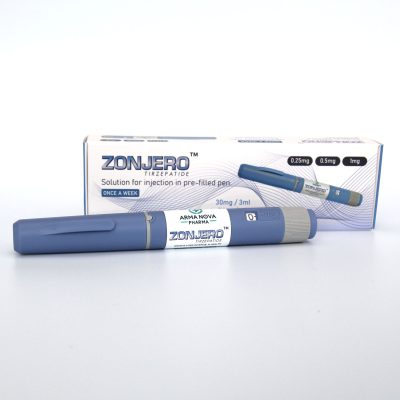
Tirzepatide 30mg UK: The Dual GIP/GLP-1 Receptor Agonist for Advanced Metabolic Research Tirzepatide represents the first dual glucose-dependent insulinotropic polypeptide (GIP) and glucagon-like peptide-1 (GLP-1)... Continue reading
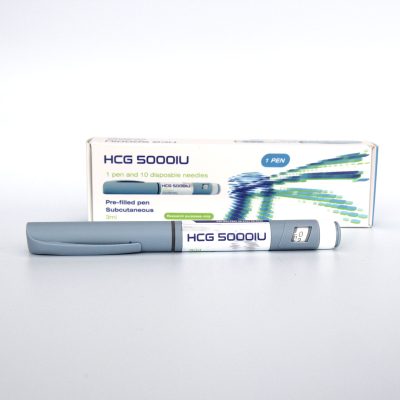
HCG 5000IU UK: Research-Grade Sourcing and Clinical Context Guide 2026 Human chorionic gonadotropin at the 5000 international unit dosage represents one of the most frequently... Continue reading
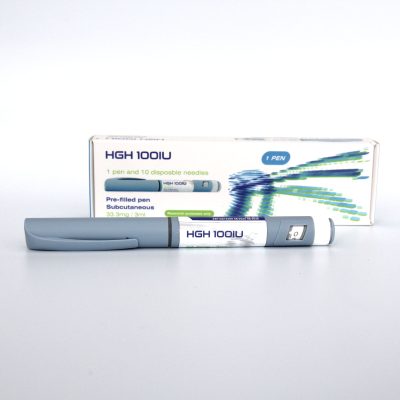
HGH 100 IU UK: Verified Research-Grade Sourcing, Purity Standards, and Regulatory Context for 2026 Securing genuine, laboratory-verified hgh 100 iu uk formulations presents distinct challenges... Continue reading
Add comment