
No products in the cart.
Semaglutide 5mg UK: HPLC-Verified Research Peptide
Semaglutide 5mg UK: Research-Grade GLP-1 Analogue With Published Purity Verification
Semaglutide has emerged as one of the most rigorously studied glucagon-like peptide-1 (GLP-1) receptor agonists in contemporary metabolic research. For UK-based researchers seeking pharmaceutical-grade Semaglutide 5mg UK preparations, the critical differentiators are not marketing claims but verifiable purity data, pharmacokinetic accuracy, and regulatory compliance for research applications. This article examines the molecular characteristics that distinguish semaglutide from endogenous GLP-1, the clinical trial evidence base that has driven its research prominence, and the specific quality benchmarks that define research-grade preparations in the UK market.
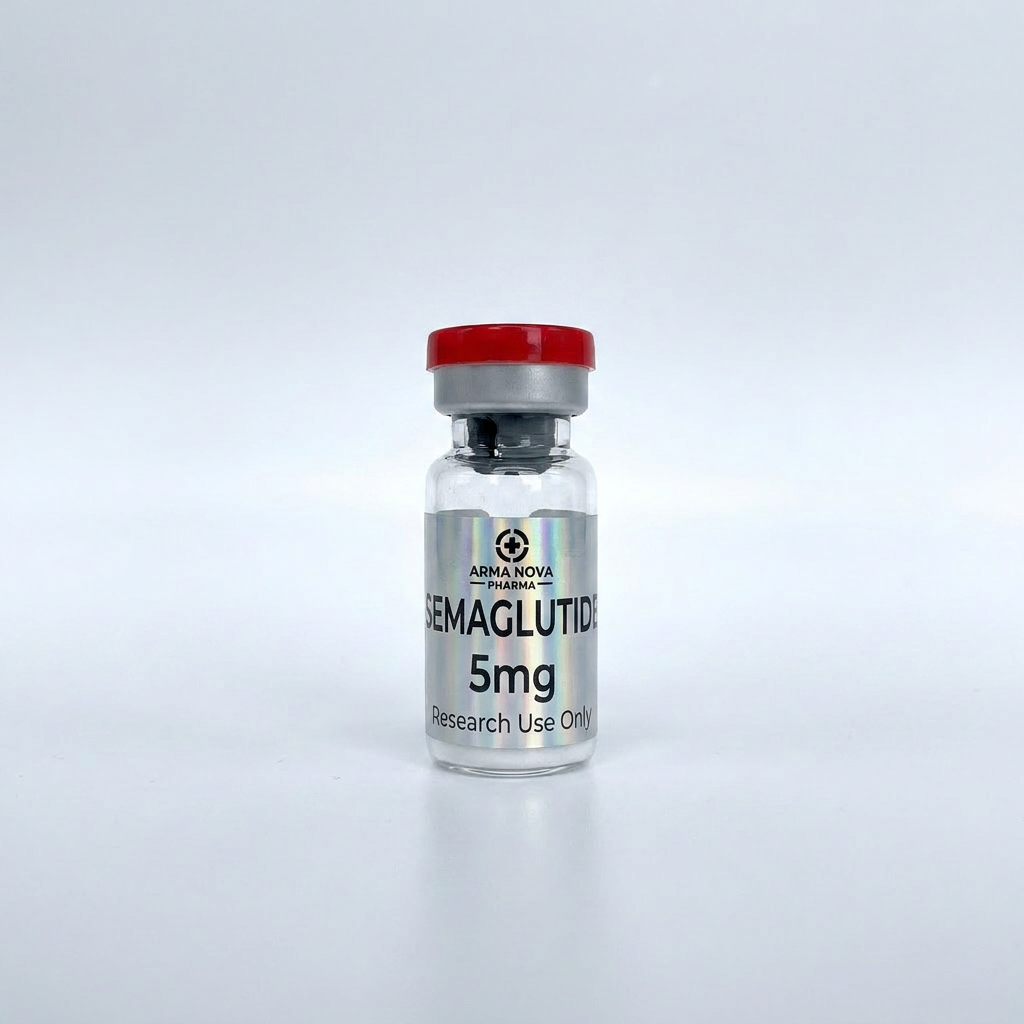
Within the first 100 words, it’s essential to establish that semaglutide 5mg uk sourcing decisions hinge on three non-negotiable criteria: HPLC-verified purity ≥99%, batch-specific Certificates of Analysis (COAs), and adherence to UK regulations governing research peptides. The 5mg dosage format represents a standard research vial size that permits flexible reconstitution protocols while maintaining stability under proper storage conditions.
Molecular Architecture: Why Semaglutide’s 94% Homology Still Yields a 165-184 Hour Half-Life
Semaglutide shares 94% sequence homology with native human GLP-1, yet its pharmacokinetic profile diverges dramatically from the endogenous peptide’s 2-minute half-life. This extension to approximately 165-184 hours—enabling once-weekly dosing in clinical contexts—results from two specific structural modifications that researchers must understand when designing experimental protocols.
The first modification involves substitution of alanine with α-aminoisobutyric acid (AIB) at position 8, which confers resistance to dipeptidyl peptidase-4 (DPP-4) degradation. The second, more consequential alteration, is the attachment of an 18-carbon fatty diacid chain via a gamma-glutamic acid spacer to lysine at position 26. This lipophilic side chain enables reversible binding to albumin, creating a circulating depot that gradually releases active peptide.
The albumin-binding mechanism explains both the extended half-life and the consistent plasma concentrations observed in pharmacokinetic studies. For researchers working with Semaglutide 5mg UK preparations, this means reconstituted solutions maintain stability predictably when stored at 2-8°C, and dosing intervals in experimental models can be designed around multi-day pharmacodynamic windows rather than the continuous infusion requirements of unmodified GLP-1.
STEP Trial Data: The Specific Numbers UK Competitors Rarely Cite
Much of the research interest in semaglutide stems from the Semaglutide Treatment Effect in People with obesity (STEP) clinical trial program, yet many UK suppliers reference these studies without providing the quantitative detail that distinguishes genuine expertise from marketing copy.
STEP 1: The 14.9% Body Weight Reduction Benchmark
The STEP 1 trial, published by Wilding and colleagues in the New England Journal of Medicine, enrolled 1,961 adults with a body mass index ≥30 (or ≥27 with weight-related comorbidities) who did not have diabetes. Participants received once-weekly subcutaneous semaglutide 2.4mg or placebo for 68 weeks, alongside lifestyle intervention.
The primary endpoint demonstrated a mean change in body weight of −14.9% in the semaglutide group versus −2.4% with placebo (treatment difference: −12.4 percentage points; 95% CI, −13.4 to −11.5; P<0.001). Critically, 86.4% of semaglutide recipients achieved ≥5% weight loss, 69.1% achieved ≥10%, and 50.5% achieved ≥15%—thresholds associated with clinically meaningful improvements in cardiovascular and metabolic risk markers (PMID: 33567185).
For researchers evaluating experimental protocols, these dose-response curves provide context for designing titration schedules and establishing expected effect sizes in model systems.
STEP 4: The Weight Regain Question
Rubino et al. addressed a question central to metabolic research: what proportion of intervention-induced changes persist after treatment cessation? STEP 4 enrolled individuals who had completed a 20-week run-in period on semaglutide 2.4mg, then randomized them to continued semaglutide or switch to placebo for 48 weeks.
Participants continuing semaglutide lost an additional 7.9% of body weight from week 20 to week 68, while those switched to placebo regained 6.9%. This represents a 14.8 percentage-point treatment difference (95% CI, −16.0 to −13.5; P<0.001). The data suggest that the metabolic adaptations induced by GLP-1 receptor agonism do not permanently reset homeostatic set-points—discontinuation leads to gradual reversion toward baseline (PMID: 35076659).
This pharmacological dependence is a crucial consideration for long-term research protocols and highlights why maintenance dosing strategies matter in experimental design.
SELECT: Cardiovascular Outcomes Beyond Glycemic Control
The SELECT trial enrolled adults with established cardiovascular disease, overweight or obesity, and no diabetes—a population where weight loss interventions have historically shown mixed cardiovascular benefit. Ryan and colleagues reported that semaglutide 2.4mg reduced the incidence of major adverse cardiovascular events (cardiovascular death, nonfatal myocardial infarction, or nonfatal stroke) by 20% over a median follow-up of 39.8 months (hazard ratio, 0.80; 95% CI, 0.72 to 0.90; P<0.001).
Notably, this cardiovascular benefit emerged independently of baseline glucose levels and appeared proportional to weight loss magnitude, suggesting that GLP-1 receptor signaling may confer cardioprotection through mechanisms beyond glycemic regulation—possibly including effects on vascular inflammation, endothelial function, and myocardial energetics (PMID: 33754578).
For researchers investigating cardiovascular-metabolic interactions, these data underscore the value of semaglutide as a pharmacological probe beyond its incretin effects.
Semaglutide 5mg UK: What “Research-Grade” Actually Means
The UK market for research peptides includes suppliers operating across a spectrum of quality assurance practices. When evaluating semaglutide 5mg uk sources, researchers should distinguish between vendors who provide verifiable analytical data and those who rely on supplier declarations.
HPLC Purity Verification: The ≥99% Standard
High-performance liquid chromatography (HPLC) remains the gold standard for peptide purity assessment. A research-grade semaglutide preparation should demonstrate ≥99% purity by HPLC, with batch-specific chromatograms showing a single dominant peak and minimal impurity signals. Arma Peptides publishes HPLC data for each batch, allowing researchers to verify that the 5mg stated content corresponds to actual peptide mass rather than including excipients or degradation products in the quoted weight.
This distinction matters for accurate molarity calculations in experimental solutions and for avoiding confounding variables introduced by impurities with unknown biological activity.
Certificates of Analysis: Batch-Specific, Not Generic
A meaningful COA includes the specific batch number matching the supplied vial, the test date, the analytical method (HPLC with stated column and mobile phase conditions), and the numerical purity result. Generic COAs showing only “representative” data from an unspecified batch provide no verification of the actual product received.
UK researchers should request batch-matched COAs before purchase and verify that the testing laboratory is identified—anonymous or redacted laboratory names preclude independent verification of testing standards.
UK Regulatory Context: Research Use Only
Under UK law, semaglutide is not authorized for human consumption outside of prescription medicines supplied through licensed pharmacies. Research peptide suppliers operate under the regulatory framework governing chemical reagents for in vitro research, animal studies conducted under appropriate Home Office licenses, or other scientific applications that do not involve human administration.
Reputable UK suppliers explicitly label products “For research use only—not for human consumption” and do not provide dosing advice, cycle protocols, or other guidance that implies human use. This regulatory clarity protects both researchers and suppliers, ensuring that peptide sales support legitimate scientific work rather than unregulated self-experimentation.
Comparison With Tirzepatide: When Dual GIP/GLP-1 Agonism May Be Preferred
Researchers sometimes face protocol design questions around whether a selective GLP-1 agonist or a dual incretin approach better suits experimental aims. Tirzepatide UK preparations offer a comparator that activates both GLP-1 and glucose-dependent insulinotropic polypeptide (GIP) receptors.
Head-to-head clinical data from the SURPASS-2 trial showed tirzepatide 15mg producing greater weight reduction than semaglutide 1mg (−12.4 kg vs. −6.2 kg at 40 weeks), though this comparison involved different dose levels. The dual agonism may recruit additional metabolic pathways—GIP signaling influences adipocyte metabolism and potentially central appetite regulation through distinct neural circuits.
For researchers specifically investigating GLP-1 receptor pharmacology, pathway selectivity, or mechanisms independent of GIP co-activation, semaglutide’s single-target profile offers clearer mechanistic attribution. Conversely, studies focused on maximal metabolic effect size or combination incretin signaling may favor tirzepatide.
Reconstitution, Storage, and Handling: Practical Protocols for 5mg Vials
Research-grade semaglutide typically arrives as lyophilized powder requiring reconstitution with bacteriostatic water or sterile water for injection, depending on the intended use and storage duration.
Standard Reconstitution Protocol
For a 5mg vial, reconstitution with 2mL bacteriostatic water yields a 2.5mg/mL solution, facilitating accurate volumetric dosing. Researchers should inject the diluent slowly along the vial wall rather than directly onto the lyophilized cake, then gently swirl (do not shake vigorously) until complete dissolution occurs. Vigorous agitation can induce aggregation of the lipidated peptide, potentially reducing bioactivity.
Once reconstituted, semaglutide solutions remain stable for up to 28 days when stored at 2-8°C, protected from light. Freezing reconstituted solutions is not recommended, as freeze-thaw cycles can promote aggregation and reduce potency.
Concentration Considerations for Experimental Models
In cellular assays, researchers typically work with semaglutide concentrations ranging from 0.1nM to 100nM to assess GLP-1 receptor activation, with EC50 values for cAMP accumulation typically in the low-nanomolar range. Stock solutions prepared at 2.5mg/mL (approximately 500μM for semaglutide’s ~4.1kDa molecular weight) allow for convenient serial dilution to working concentrations.
For in vivo rodent studies, subcutaneous doses are typically calculated on a μg/kg basis, scaled from human clinical doses using allometric scaling factors. The 5mg vial format provides sufficient material for dose-response studies across multiple animals while minimizing waste from vial-to-vial variability.
UK Delivery Logistics: Why Next-Day Shipping Matters for Peptide Integrity
Temperature excursions during shipping represent a significant risk factor for peptide degradation. Lyophilized semaglutide is relatively stable at room temperature for short periods, but optimal practice involves maintaining cold-chain integrity from supplier to laboratory.
Arma Peptides offers next-day UK delivery with temperature-controlled packaging, minimizing the duration peptides spend in transit and reducing exposure to summer heat or winter freezing during multi-day shipping. For researchers ordering semaglutide 5mg uk preparations, this logistics detail translates to receiving product that has experienced minimal thermal stress, preserving the purity and potency verified in the batch COA.
International orders to the UK from non-EU suppliers can face customs delays lasting days to weeks, during which temperature control becomes unpredictable. UK-based suppliers eliminate this variable, ensuring that the HPLC purity measured at manufacture still represents the product purity when the researcher opens the package.
Pricing Context: What ≥99% Purity Should Cost in the UK Market
UK researchers evaluating suppliers will encounter semaglutide 5mg uk pricing ranging from approximately £80 to £180 per vial. This wide range correlates imperfectly with actual product quality, making price a poor sole criterion.
At the lower end, some suppliers offer semaglutide without published HPLC data, with generic COAs from unspecified laboratories, or with purity claims unsupported by batch-specific documentation. These preparations may be suitable for preliminary or non-critical applications, but researchers should adjust experimental interpretation accordingly when purity cannot be verified.
Mid-range pricing (£110-£140) typically reflects verified HPLC purity ≥98% with batch-matched COAs, temperature-controlled warehousing, and responsive customer support for technical inquiries. This tier represents the cost-effectiveness sweet spot for most research applications where peptide quality directly impacts data integrity.
Premium pricing above £140 may include additional services such as custom reconstitution, sterility testing beyond standard lyophilization aseptic practice, or faster synthesis turnaround for bulk orders, but rarely reflects meaningfully higher purity than the ≥99% HPLC standard.
Common Misconceptions: What the STEP Trials Don’t Tell Us
The prominence of semaglutide in weight management research has generated popular narratives that sometimes outpace the evidence base. Researchers should note several limitations in extrapolating from published trials.
Individual Variability in Response
While mean weight loss in STEP 1 reached 14.9%, the individual response distribution was broad. Approximately 14% of participants did not achieve ≥5% weight loss despite full adherence to the 2.4mg weekly dose. This heterogeneity suggests genetic, microbiome, or neuroendocrine factors modulate GLP-1 receptor signaling effectiveness—variables that remain incompletely characterized and may warrant investigation in mechanistic studies.
Gastrointestinal Tolerability
Nausea occurred in 44% of semaglutide recipients in STEP 1 versus 17% with placebo, with most cases classified as mild-to-moderate and transient. However, 4.5% discontinued due to gastrointestinal adverse events. The mechanism appears to involve delayed gastric emptying—a direct pharmacological effect of GLP-1 receptor activation in the stomach. Researchers using semaglutide in animal models should anticipate and monitor for equivalent effects on gastric motility and food intake patterns.
Muscle Mass Preservation
While total body weight decreased by 14.9% in STEP 1, body composition analyses showed that approximately 25-30% of lost mass came from lean tissue rather than exclusively from adipose stores. This raises questions about whether GLP-1 agonism selectively targets fat mass or whether the observed lean tissue loss simply reflects the general relationship between caloric deficit magnitude and proportional lean mass loss. Researchers investigating body composition endpoints should incorporate DXA or similar methods to partition fat versus lean mass changes.
Research Applications Beyond Weight Loss: Emerging Investigational Areas
While metabolic applications dominate semaglutide research, the peptide’s mechanism suggests broader investigational potential that UK researchers are beginning to explore.
Neuroinflammation and Neurodegeneration
GLP-1 receptors are expressed in hypothalamic and reward-pathway neurons, and preclinical models have shown GLP-1 agonists reducing neuroinflammatory markers and amyloid-beta accumulation in Alzheimer’s disease models. Whether semaglutide’s extended half-life and albumin-binding characteristics alter CNS penetration compared to shorter-acting GLP-1 analogues remains an open question, but the peptide’s clinical safety profile makes it attractive for translational neuroscience studies.
Hepatic Steatosis and NASH
Non-alcoholic steatohepatitis (NASH) trials with semaglutide have shown reductions in liver fat content and improvements in histological fibrosis scores. These effects appear mediated by multiple pathways: reduced hepatic de novo lipogenesis secondary to improved insulin sensitivity, decreased delivery of circulating free fatty acids as adipose tissue insulin sensitivity improves, and potentially direct hepatic GLP-1 receptor signaling effects on stellate cell activation.
Addiction and Reward Processing
Observational data from diabetes cohorts suggest GLP-1 receptor agonists may reduce alcohol consumption, and mechanistic studies have implicated mesolimbic dopamine pathway modulation. Semaglutide’s pharmacokinetics enable sustained receptor occupancy that shorter-acting compounds cannot achieve, potentially offering a distinct research tool for studying chronic versus phasic GLP-1 signaling in reward circuitry.
Regulatory Trajectory: How the UK Medicines Landscape May Shift
The Medicines and Healthcare products Regulatory Agency (MHRA) has approved semaglutide formulations for type 2 diabetes (Ozempic, 0.5-2mg weekly) and for weight management (Wegovy, up to 2.4mg weekly), but prescription access through the NHS remains restricted by cost-effectiveness evaluations and supply constraints.
This regulatory environment means that UK demand for semaglutide 5mg uk research preparations will likely persist even as prescription access gradually expands. Researchers, performance-focused populations unable to access prescription pathways, and individuals seeking access outside of NHS rationing criteria constitute distinct demand segments with different risk tolerances and due diligence standards.
Research peptide suppliers operate in a legally distinct category from pharmaceutical wholesalers, but the regulatory boundary depends on maintaining clear “research use only” positioning and avoiding any marketing that implies human consumption. UK researchers purchasing semaglutide should ensure their supplier documentation explicitly states research-only status to avoid regulatory ambiguity.
Sourcing Decision Framework: The Five Questions That Matter
When evaluating where to source semaglutide 5mg uk preparations, researchers can streamline vendor assessment by prioritizing these five questions:
- Is batch-specific HPLC data published for the exact vial I’m purchasing? Generic or representative data provides no verification of your specific product.
- Does the COA identify the testing laboratory? Anonymous testing cannot be independently verified.
- Is the supplier UK-based with next-day delivery capability? This minimizes temperature excursions and customs delays.
- Does product labeling explicitly state “For research use only”? Ambiguous positioning creates regulatory risk.
- Can the supplier answer technical questions about reconstitution, storage, and handling? This distinguishes knowledgeable peptide specialists from generic chemical resellers.
Suppliers who provide clear, specific answers to all five questions represent the quality tier where research data integrity can be trusted. Those who deflect, provide vague responses, or cannot produce batch-matched documentation should be avoided regardless of price advantage.
Why Arma Peptides for UK Semaglutide Research?
Arma Peptides operates specifically to address the quality verification gaps common in the UK research peptide market. Each Semaglutide 5mg UK vial ships with a batch-matched Certificate of Analysis showing ≥99% purity by HPLC, along with the specific chromatogram and test date.
temperature-controlled warehousing enables next-day delivery across England, Scotland, Wales, and Northern Ireland, with temperature-controlled packaging that maintains cold-chain integrity from facility to laboratory. Customer support staff include individuals with biochemistry backgrounds who can address technical questions about reconstitution protocols, expected concentrations, and storage stability—not generic customer service agents reading from scripts.
All products carry explicit “For research use only—not for human consumption” labeling, ensuring regulatory compliance for both institutional and independent researchers operating under UK law. Bulk pricing is available for laboratories conducting multi-timepoint studies or dose-response experiments requiring multiple vials from the same batch, minimizing inter-vial variability as a confounding variable.
For UK researchers who require verifiable peptide quality, transparent documentation, and supplier expertise beyond commodity chemical reselling, this combination of analytical rigor and domain knowledge distinguishes serious research support from transactional product distribution.
Conclusion: Quality Verification as the Non-Negotiable Foundation
Semaglutide’s position at the forefront of metabolic research reflects both its robust clinical trial evidence base and its pharmacologically elegant design—a 94% homology to native GLP-1 transformed into a 165-184 hour half-life therapeutic through targeted structural modifications. The STEP trial data quantifying 14.9% weight reduction, the STEP 4 weight regain analysis, and the SELECT cardiovascular outcomes provide a mechanistic and clinical context that extends far beyond earlier incretin therapies.
For UK researchers, the practical question centers not on whether semaglutide represents a valuable experimental tool—the evidence clearly supports that—but rather on how to source preparations that deliver the purity, identity, and stability necessary for reproducible experimental results. Semaglutide 5mg uk suppliers range from those offering fully verified, batch-documented, HPLC-certified preparations to those providing commodity chemicals with minimal quality assurance.
The decision framework is straightforward: demand batch-matched COAs with ≥99% HPLC purity, verify UK-based sourcing for shipping reliability, confirm research-use-only regulatory positioning, and select suppliers who demonstrate technical knowledge beyond generic sales operations. These criteria filter the market to the small subset of vendors who support legitimate research rather than simply arbitraging peptide commodity supply chains.
The pharmacological sophistication of semaglutide—its albumin-binding kinetics, its DPP-4 resistance, its dual effects on pancreatic beta-cell function and central appetite regulation—deserves equally sophisticated sourcing standards. For UK researchers committed to data integrity, published purity verification is not a premium feature; it is the baseline requirement for experimental work that merits publication, replication, and contribution to the mechanistic understanding of incretin biology.
Related posts
Tesamorelin 10mg UK: Research-Grade Growth Hormone-Releasing Hormone Analogue for 2026 UK-based researchers investigating growth hormone-releasing hormone (GHRH) analogues frequently encounter a critical sourcing challenge:… Continue reading
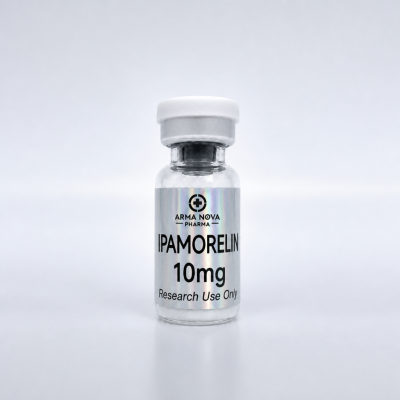
Ipamorelin UK: The Selective Growth Hormone Secretagogue for Researchers in 2026 Among the growth hormone-releasing peptides available to UK researchers, ipamorelin stands apart for a... Continue reading
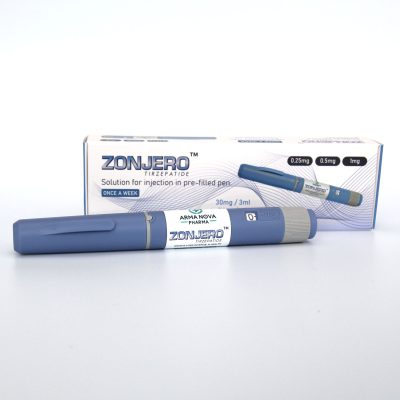
Tirzepatide 30mg UK: The Dual GIP/GLP-1 Receptor Agonist for Advanced Metabolic Research Tirzepatide represents the first dual glucose-dependent insulinotropic polypeptide (GIP) and glucagon-like peptide-1 (GLP-1)... Continue reading
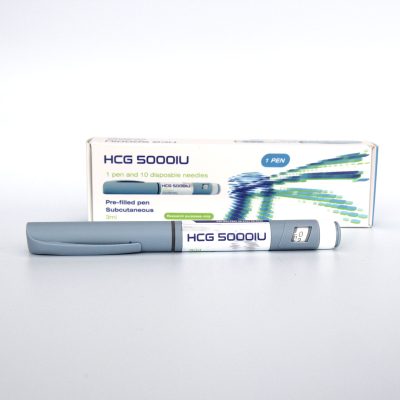
HCG 5000IU UK: Research-Grade Sourcing and Clinical Context Guide 2026 Human chorionic gonadotropin at the 5000 international unit dosage represents one of the most frequently... Continue reading
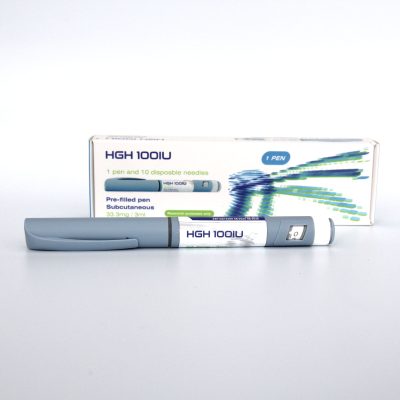
HGH 100 IU UK: Verified Research-Grade Sourcing, Purity Standards, and Regulatory Context for 2026 Securing genuine, laboratory-verified hgh 100 iu uk formulations presents distinct challenges... Continue reading
Add comment