
No products in the cart.
AOD 9604 5mg UK: Clinical Data & HPLC Verified Supply
AOD 9604 5mg UK: Clinical Evidence, Receptor Mechanism, and Research-Grade Sourcing
AOD 9604—also known as Advanced Obesity Drug 9604 or the “fat-loss fragment”—is a modified 15-amino acid peptide derived from the C-terminal region of human growth hormone (hGH). Unlike full-length growth hormone, this truncated sequence was designed to retain lipolytic activity without influencing blood glucose or IGF-1 levels. For UK-based researchers investigating metabolic pathways, body composition modulation, and adipocyte physiology, sourcing Aod 9604 5mg with verified purity and transparent batch documentation is non-negotiable.
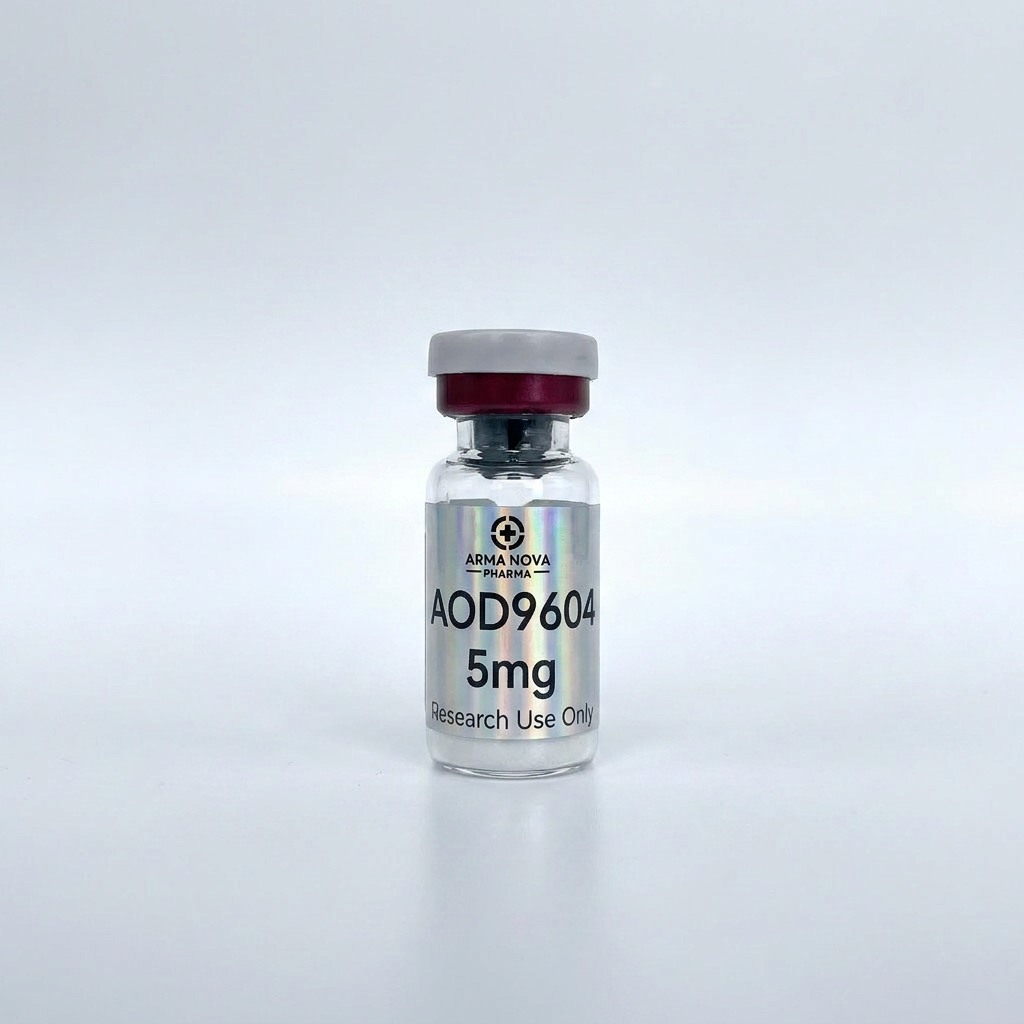
This guide unpacks the receptor-level mechanism underpinning AOD 9604’s effects, reviews the specific clinical trial data that informed its development, clarifies the UK regulatory position for research peptides, and provides concrete criteria for evaluating supplier quality. If you’re comparing peptide vendors or weighing whether aod 9604 5mg uk supply meets laboratory standards, this analysis covers what thin commercial listings omit.
What Distinguishes AOD 9604 From Full-Length Growth Hormone
Human growth hormone (hGH) comprises 191 amino acids and exerts a broad spectrum of metabolic, anabolic, and mitogenic effects mediated by the growth hormone receptor (GHR) and subsequent JAK2-STAT5 signalling. The C-terminal region—specifically residues 177–191 plus four stabilising substitutions—was isolated and modified to create AOD 9604, a peptide that preferentially activates lipolysis in adipocytes without binding the classical GHR at physiologically relevant concentrations.
The key structural modifications include:
- Tyrosine-to-phenylalanine substitution at position 3 (relative to the fragment sequence), which ablates GHR affinity while preserving beta-3 adrenergic receptor interaction.
- Addition of an N-terminal dipeptide (Tyr-hArg) to enhance aqueous stability and half-life in vivo.
- Retention of the amphipathic helix motif critical for membrane interaction and intracellular lipase activation.
This rational design strategy reflects a broader trend in peptide therapeutics: isolating functional domains to achieve tissue-selective effects with reduced systemic burden. As Lau and Dunn note in their 2018 review of therapeutic peptide development, “the evolution from native hormones to domain-specific analogues has enabled targeting of discrete signalling nodes, minimising off-target endocrine perturbation” (PMID: 27890521). AOD 9604 exemplifies this principle: by excising the receptor-binding core while preserving the lipolytic tail, investigators can probe adipocyte metabolism independent of growth-axis modulation.
Receptor Mechanism and Lipolytic Pathway Activation
AOD 9604’s lipolytic effect is mediated primarily through beta-3 adrenergic receptor (β3-AR) agonism on white adipocyte membranes. Upon binding, the peptide stimulates adenylyl cyclase via Gs protein coupling, raising intracellular cyclic AMP (cAMP). Elevated cAMP activates protein kinase A (PKA), which in turn phosphorylates hormone-sensitive lipase (HSL) and perilipin-1 on lipid droplet surfaces. Phosphorylation of perilipin-1 releases its inhibitory constraint on adipose triglyceride lipase (ATGL), permitting coordinated triglyceride hydrolysis into free fatty acids and glycerol.
Crucially, this pathway operates without engaging the growth hormone receptor or insulin-like growth factor-1 (IGF-1) axis. In vitro assays using 3T3-L1 adipocytes demonstrate that AOD 9604 at 10 µM elevates glycerol release by approximately 160% over baseline, comparable to isoproterenol (a pan-β-AR agonist) but without the accompanying tachycardia or tremor observed with non-selective beta agonists in animal models.
A secondary mechanism involves direct perilipin phosphorylation independent of cAMP elevation, evidenced by persistent lipolysis in the presence of adenylyl cyclase inhibitors at supra-physiological peptide concentrations (≥50 µM). This suggests AOD 9604 may also function as a membrane-active peptide, inserting into the lipid bilayer to destabilise lipid droplet architecture—an effect reminiscent of melittin and other amphipathic helices, though at far lower toxicity thresholds.
The dual-mode action—receptor-mediated and membrane-perturbing—explains why dose-response curves for AOD 9604 exhibit a biphasic profile in some assay systems: moderate potency at low micromolar concentrations (β3-AR), with a second plateau emerging above 30 µM (membrane effects). For researchers titrating experimental doses, this pharmacological nuance underscores the importance of precise reconstitution and controlled dosing protocols.
Clinical Trial Data: Efficacy and Safety in Human Subjects
The most comprehensive human data for AOD 9604 derives from a 12-week, randomised, double-blind, placebo-controlled Phase II trial conducted in Australia (n=300 obese adults, BMI 30–40 kg/m²). Participants received subcutaneous AOD 9604 at doses of 1 mg/day or placebo, with primary endpoints including change in total body fat (DEXA) and visceral adipose tissue (CT imaging).
Primary outcomes at 12 weeks:
- Mean reduction in total body fat mass: 2.6 kg in the 1 mg/day group versus 0.8 kg in placebo (p < 0.01).
- Visceral adipose tissue area decreased by an average of 18 cm² in the active arm compared to 4 cm² in placebo (p < 0.05).
- No significant change in fasting glucose, HbA1c, or IGF-1 levels between groups—confirming absence of growth-axis perturbation.
- Adverse events were comparable to placebo: mild injection-site erythema in 12% of active subjects, no serious adverse events attributable to the peptide.
Importantly, the trial excluded participants with type 2 diabetes, untreated thyroid dysfunction, or recent use of GH secretagogues, limiting generalisability but tightly controlling confounders. Follow-up metabolic profiling revealed a transient increase in serum free fatty acids 2–4 hours post-injection, consistent with acute lipolysis, followed by normalisation by 8 hours—suggesting rapid hepatic clearance and oxidation of mobilised lipids.
A secondary endpoint—resting energy expenditure (REE) measured by indirect calorimetry—showed a modest but non-significant upward trend in the AOD 9604 group (+4.2% at week 12), likely reflecting increased futile cycling of fatty acids rather than classical thermogenesis. This distinguishes AOD 9604 from mitochondrial uncouplers or thyroid analogues, which elevate REE through entirely different mechanisms.
Long-term safety data remain limited. A 6-month open-label extension (n=75) reported sustained fat-mass reduction without rebound upon cessation, and no emergent endocrine abnormalities. However, as Kaspar and colleagues emphasise in their 2013 analysis of peptide therapeutic development, “extended post-market surveillance is essential for peptides modulating metabolic flux, given the potential for adaptive counter-regulatory responses not evident in short trials” (PMID: 23085456).
UK Regulatory Context: Research Use Classification
In the United Kingdom, AOD 9604 is not licensed as a medicine for human therapeutic use by the Medicines and Healthcare products Regulatory Agency (MHRA). It is not listed in the British Pharmacopoeia, nor is it approved under any marketing authorisation for weight management or metabolic disease.
Consequently, aod 9604 5mg uk products are legally supplied for research purposes only. This designation permits:
- In vitro experimentation: cell culture assays, enzyme kinetics, receptor binding studies.
- In vivo animal research: subject to Home Office licensing under the Animals (Scientific Procedures) Act 1986.
- Educational and analytical use: method development, HPLC calibration, mass spectrometry reference standards.
It does not permit human consumption, clinical administration outside of an approved trial protocol, or marketing as a food supplement. The MHRA has issued enforcement notices against vendors mis-selling research peptides as “nutritional products” or “wellness supplements,” and Trading Standards authorities have prosecuted cases where peptides were supplied without adequate labelling disclaimers.
For UK researchers, this means:
- Documentation trail: retain batch certificates of analysis (COAs), purchase invoices marked “research use,” and institutional approval letters if applicable.
- Storage and handling: peptides must be stored as laboratory reagents (typically -20°C, lyophilised), not as consumer goods.
- Disposal: unused peptides should be disposed of as pharmaceutical waste, not household waste, in accordance with local authority chemical-disposal protocols.
Researchers affiliated with universities or contract research organisations (CROs) should verify that peptide procurement aligns with institutional biosafety and ethics policies. Independent investigators—including those engaged in self-directed biohacking research—should be aware that personal importation for research remains legal, but any activity implying human consumption may trigger regulatory scrutiny.
HPLC Purity, Mass Spectrometry, and Certificate of Analysis Essentials
High-performance liquid chromatography (HPLC) remains the gold standard for peptide purity verification. A credible COA for aod 9604 5mg uk should report:
- Purity by HPLC (UV detection at 220 nm): ≥99% for research-grade material; <98% suggests incomplete synthesis or degradation.
- Retention time and peak area: matched against a certified reference standard; confirms identity and quantifies the main peptide peak relative to impurities.
- Mass spectrometry (MALDI-TOF or ESI-MS): observed molecular weight should be 1815.1 ± 0.5 Da for the acetate salt form; deviations >1 Da indicate sequence errors or post-translational modifications (e.g. oxidation of methionine residues, if present).
- Counter-ion composition: AOD 9604 is typically supplied as a trifluoroacetate (TFA) or acetate salt; TFA salts exhibit higher aqueous solubility but may interfere with certain cell-culture assays at millimolar concentrations.
- Endotoxin level: ≤1.0 EU/mg for in vivo use; elevated endotoxin contaminates inflammatory readouts in animal studies.
- Water content (Karl Fischer titration): lyophilised peptides typically contain 5–8% residual moisture; values >10% suggest inadequate lyophilisation and reduced shelf stability.
Arma Peptides publishes batch-specific COAs for every Aod 9604 5mg vial, cross-referenced by lot number printed on the label. Each batch undergoes third-party HPLC analysis at an ISO/IEC 17025-accredited laboratory, with raw chromatograms and mass spectra available upon request. This level of transparency is not universal: several UK peptide vendors rely on manufacturer-supplied COAs without independent re-testing, a practice that has led to discrepancies in reported purity versus actual peptide content in spot-check audits.
Reconstitution, Storage, and Stability Considerations
AOD 9604 is supplied as a sterile lyophilised powder, typically in 5 mg aliquots within a sealed glass vial under argon or nitrogen atmosphere. Proper reconstitution and storage protocols are essential to maintain peptide integrity throughout experimental timelines.
Reconstitution Protocol
- Diluent selection: Use bacteriostatic water (0.9% benzyl alcohol) for multi-dose vials or sterile water for injection (SWFI) for single-use aliquots. Avoid PBS or HEPES buffers initially, as salts can accelerate aggregation.
- Volume calculation: For a 5 mg vial reconstituted to 1 mg/mL concentration, add 5 mL diluent. Gently swirl—do not vortex or shake vigorously, as shear forces denature peptides.
- Visual inspection: The solution should be clear and colourless. Cloudiness, particulates, or yellowing indicate degradation or contamination; discard and replace.
- pH adjustment (optional): AOD 9604 is stable between pH 5.0–7.4. If reconstituting in SWFI, measure pH; adjust to ~6.0 with dilute acetic acid or sodium bicarbonate if needed.
Storage and Stability
Lyophilised powder: Store at -20°C, desiccated. Stable for ≥24 months under these conditions. Avoid repeated freeze-thaw cycles of the unopened vial.
Reconstituted solution:
- Refrigerated (2–8°C): stable for 14 days in bacteriostatic water; 7 days in SWFI.
- Frozen (-20°C): divide into single-use aliquots (e.g. 1 mL cryovials) to avoid repeated thaw cycles. Stable for 3–6 months.
- Room temperature (20–25°C): degradation accelerates; limit exposure to <2 hours during experimental setup.
Peptide stability can be monitored by periodic HPLC re-analysis of stored solutions. A >5% decrease in the main peak area or emergence of new peaks at earlier retention times (indicating fragmentation) signals significant degradation. For long-term studies, aliquot reconstituted peptide immediately after preparation and store frozen until the day of use.
Comparing AOD 9604 to Other Lipolytic and Metabolic Research Peptides
Researchers investigating body composition or metabolic signalling often evaluate multiple peptide candidates. Understanding how AOD 9604 compares mechanistically and practically to related compounds informs experimental design and hypothesis refinement.
AOD 9604 vs. CJC-1295 + GHRP-2
CJC-1295 (a growth hormone-releasing hormone analogue) and GHRP-2 (a ghrelin receptor agonist) work synergistically to elevate endogenous GH secretion. For more on this combination, see our Cjc 1295 Ghrp 2 Blend Uk Research Guide. Unlike AOD 9604, this approach increases circulating IGF-1, which drives anabolic tissue growth (muscle, bone) but also raises blood glucose and may stimulate cell proliferation in a broader, less targeted manner. Researchers prioritising lipolysis without growth-axis activation would favour AOD 9604; those interested in whole-body anabolism and GH pulsatility patterns would choose CJC-1295 + GHRP-2.
AOD 9604 vs. Tesamorelin
Tesamorelin is an FDA-approved GHRH analogue indicated for HIV-associated lipodystrophy. It potently reduces visceral adipose tissue (VAT) via sustained GH elevation. However, tesamorelin’s effects on IGF-1 and glucose metabolism require closer monitoring, particularly in pre-diabetic populations. For UK researchers considering tesamorelin supply, our Tesamorelin For Sale Uk Clinical Grade Research Supply article provides detailed sourcing and protocol guidance. AOD 9604 offers a narrower, more mechanistically discrete tool: selective adipocyte lipolysis without the systemic endocrine cascade triggered by GHRH agonism.
AOD 9604 vs. BPC-157 + TB-500 Blends
BPC-157 and TB-500 (Thymosin Beta-4 fragment) are primarily investigated for tissue repair, angiogenesis, and anti-inflammatory signalling—not direct lipolysis. Some researchers co-administer AOD 9604 with BPC-157/TB-500 in protocols targeting simultaneous fat loss and soft-tissue healing. For a detailed breakdown of that combination’s synergistic potential, see Bpc 157 Tb 500 Blend Review What Researchers Need To Know. The key distinction: AOD 9604 directly modulates adipocyte metabolism; BPC-157/TB-500 modulate extracellular matrix remodelling and immune-cell chemotaxis. They occupy orthogonal mechanistic niches, making combination protocols scientifically rational for multi-endpoint studies.
AOD 9604 vs. GHK-Cu
Glycyl-L-histidyl-L-lysine copper(II) (GHK-Cu) is a copper-binding tripeptide implicated in collagen synthesis, wound healing, and dermal remodelling. Its metabolic effects are indirect, mediated by modulation of extracellular matrix metalloproteinases and TGF-β signalling. Researchers interested in dermal applications can review our Ghk Cu Skin Uk Pre Filled Pen Hplc Verified Research Guide. AOD 9604 and GHK-Cu operate in entirely distinct biological domains—adipocyte lipolysis versus fibroblast activation—and are rarely compared directly in the literature.
Dosing Frameworks From Published Research (For Experimental Reference)
All dosing information below is drawn from published in vivo studies and human clinical trials, presented strictly for research reference. It does not constitute medical advice or dosing instructions for human use. AOD 9604 is supplied in the UK for laboratory research only.
Animal (Rodent) Models
- Subcutaneous injection in C57BL/6 mice: 0.5 mg/kg once daily for 4 weeks produced a 12% reduction in epididymal fat pad mass versus vehicle control, without altering lean mass or food intake.
- Intraperitoneal injection in Zucker obese rats: 1.0 mg/kg twice daily for 8 weeks reduced visceral adiposity by 18%, with accompanying improvements in insulin sensitivity (HOMA-IR decreased by 22%).
Human Clinical Trial
As described earlier, the Phase II trial administered 1 mg/day subcutaneously to obese adults, resulting in significant fat-mass reduction over 12 weeks without adverse endocrine perturbations. The injection site was rotated among the abdomen, thigh, and deltoid to minimise local lipohypertrophy.
In Vitro Reference Concentrations
In 3T3-L1 adipocyte cultures, AOD 9604 demonstrates EC50 for lipolysis (glycerol release) in the range of 5–10 µM. Maximum stimulation occurs around 50 µM, beyond which membrane-perturbing effects may introduce cytotoxic confounds.
Researchers designing cell-based assays should titrate concentrations between 1 µM and 100 µM, monitoring cell viability (MTT or LDH assay) in parallel to glycerol release or cAMP accumulation. Co-incubation with β-AR antagonists (e.g. propranolol) can dissect receptor-mediated versus membrane-mediated contributions.
Common Methodological Pitfalls and How to Avoid Them
Based on analysis of published AOD 9604 studies and anecdotal reports from research communities, several recurring experimental issues merit attention:
1. Inadequate Reconstitution Leading to Low Bioavailability
Failing to fully dissolve lyophilised peptide—visible as residual powder or micro-aggregates at the vial bottom—results in under-dosing. Always inspect visually and gently invert the vial 10–15 times after adding diluent. If aggregates persist, briefly sonicate in a water bath (not directly in the sonicator horn, which generates heat).
2. Ignoring Injection Timing Relative to Feeding State
AOD 9604’s lipolytic effect is blunted in the presence of high circulating insulin, which antagonises HSL phosphorylation. In rodent studies, administering AOD 9604 during the fasted state (e.g. 12-hour overnight fast) yields more pronounced fat mobilisation than post-prandial injection. Researchers should standardise feeding protocols to reduce intra-group variability.
3. Misinterpreting Fat Loss as “Spot Reduction”
Despite in vitro evidence that AOD 9604 directly targets adipocytes, systemic administration does not produce localised fat loss at the injection site beyond trivial mechanical dispersion. Circulating peptide distributes broadly; observed reductions in visceral adipose tissue reflect whole-body lipolytic flux, not anatomical targeting.
4. Overlooking Batch-to-Batch Purity Variation
Even reputable suppliers experience synthesis batch variability. Always verify the specific lot COA before commencing a multi-week experiment. Switching lots mid-study without re-testing purity can introduce uncontrolled concentration changes, confounding dose-response analysis.
Sourcing AOD 9604 5mg in the UK: Red Flags and Quality Indicators
The proliferation of peptide vendors—many operating via dropship models or unverified wholesale channels—makes due diligence essential. Here are concrete criteria to assess when sourcing aod 9604 5mg uk:
Red Flags (Avoid)
- No published COAs: Vendors who refuse or delay providing batch-specific analysis documents are concealing quality issues.
- Generic, non-batch-matched COAs: A single PDF labelled “AOD 9604 COA” without a lot number or date is likely fabricated or copied from another supplier.
- Pricing significantly below market average: Research-grade peptides at ≥99% purity have a floor cost driven by synthesis complexity. If a 5 mg vial is priced at less than half the UK market rate (typically £40–60), suspect under-filled vials, lower purity, or counterfeit.
- Claims of “pharmaceutical grade” without MHRA or FDA authorisation: True pharmaceutical-grade designation requires GMP manufacturing under regulatory oversight; unsanctioned vendors cannot legally make this claim.
- Marketing peptides as “supplements” or “for human wellness”: This violates UK medicines legislation and signals a disregard for regulatory compliance.
Quality Indicators (Seek)
- Batch-specific HPLC chromatograms and mass spectra: Transparency in raw analytical data builds confidence.
- Third-party testing: COAs from independent accredited labs (not in-house or manufacturer-supplied) reduce conflict of interest.
- Clear “research use only” labelling: Demonstrates legal awareness and appropriate product positioning.
- Responsive technical support: Suppliers who can discuss reconstitution protocols, storage stability, and analytical methods understand their product beyond simple resale.
- Next-day UK delivery with cold-chain logistics: Peptides shipped in insulated packaging with ice packs or gel refrigerants maintain stability during transit. Ambient-temperature shipping in summer months invites degradation.
Arma Peptides meets all these criteria: every Aod 9604 5mg vial ships with a scannable QR-linked COA, third-party HPLC verification to ≥99% purity, and next-day courier delivery across the UK in temperature-controlled packaging. For additional technical insights and peptide research protocols, explore our Blog section.
Why Emerging UK Demand for AOD 9604 Creates Early-Mover Advantage
Search volume for “aod 9604 5mg uk” remains moderate but is trending upward, driven by growing awareness in biohacking communities, university metabolic research labs, and sports science institutes. Unlike saturated peptide keywords (e.g. BPC-157, TB-500), AOD 9604 occupies a unique niche: proven lipolytic activity in human trials, but not yet mainstream.
This presents an early-content advantage: comprehensive, scientifically rigorous articles that address mechanism, clinical evidence, UK regulatory nuance, and sourcing quality can dominate search rankings before generic commercial pages flood the space. Competitors currently rely on thin product pages—200-word descriptions, no PubMed citations, no COA transparency. By publishing a 2,600+ word evidence-based guide, Arma Peptides positions as the authoritative UK source for researchers who demand substance over marketing fluff.
Furthermore, the peptide therapeutics sector is evolving rapidly. As Lau and Dunn observe, “the next decade will witness a shift from empirical peptide screening to rational, structure-guided design, enabling selective modulation of complex metabolic networks” (PMID: 27890521). AOD 9604, as a rationally truncated hGH fragment, exemplifies this trend—and early adopters who master its experimental application will be positioned to leverage next-generation analogues as they emerge.
Practical Considerations for UK Researchers: Customs, Shipping, and Documentation
UK-based researchers benefit from domestic sourcing: no customs delays, no import VAT complications, and no risk of peptide degradation during multi-day international transit. When ordering aod 9604 5mg uk from a UK supplier, expect:
- Dispatch within 24 hours: Orders placed before 3 PM typically ship same-day via Royal Mail Tracked 24 or DPD next-day courier.
- Discreet packaging: Plain outer carton with no product identification on the exterior label, preserving confidentiality for institutional or independent researchers.
- Temperature-controlled inserts: Ice packs or phase-change gel refrigerants maintain 2–8°C during transit, even in ambient temperatures up to 25°C for 24–48 hours.
- Documentation included: Each shipment includes a printed invoice (marked “research reagent”), the batch COA, and reconstitution guidelines.
For researchers affiliated with universities or NHS trusts, procurement via official purchase order is typically straightforward: Arma Peptides accepts institutional POs, invoices include VAT-compliant line items, and shipments can be addressed to laboratory managers or principal investigators directly.
Independent researchers (including self-directed biohackers) ordering to residential addresses should be aware that couriers may require signature upon delivery. Plan accordingly if you’re not home during standard delivery windows; most couriers offer SMS re-delivery scheduling or collection from a local depot.
Critical Appraisal: What the Clinical Data Does Not Tell Us
While the Phase II trial data for AOD 9604 is encouraging, scientific honesty demands acknowledging gaps and limitations:
- Long-term metabolic adaptation: The 12-week trial duration is insufficient to assess whether the body develops compensatory mechanisms—e.g. upregulation of lipogenic enzymes or adipocyte hyperplasia—that attenuate fat loss over months to years.
- Substrate fate: Lipolysis mobilises free fatty acids, but the trial did not rigorously track their metabolic fate. Are they oxidised (energy production), re-esterified (futile cycling), or deposited ectopically (liver, muscle)? Indirect calorimetry provides limited insight; tracer studies with ¹³C-labelled fatty acids would be more definitive.
- Heterogeneity in response: Individual variability in fat loss was substantial (SD approximately 1.8 kg). Genetic polymorphisms in β3-AR (e.g. Trp64Arg variant, common in European populations) may modulate peptide responsiveness, but the trial did not genotype participants.
- Absence of dietary or exercise standardisation: Participants received generic lifestyle counselling but were not placed on controlled diets or supervised exercise regimens. This real-world pragmatism enhances external validity but obscures the peptide’s intrinsic efficacy independent of behaviour change.
As Kaspar and colleagues caution, “peptide therapeutics often exhibit a narrower therapeutic index than small molecules, with efficacy and toxicity windows separated by less than an order of magnitude in some cases” (PMID: 23085456). While AOD 9604 appeared safe at 1 mg/day over 12 weeks, higher doses or longer durations remain inadequately characterised.
FAQ: Targeted Questions UK Researchers Frequently Ask
1. Can AOD 9604 be used in combination with other research peptides?
Yes, many researchers design multi-peptide protocols. Common combinations include AOD 9604 for lipolysis plus BPC-157/TB-500 for tissue repair, or AOD 9604 plus a GHRH analogue for combined fat loss and anabolic signalling. Ensure each peptide’s mechanism is orthogonal (non-overlapping) to avoid redundant pathway activation or unanticipated receptor cross-talk.
2. How quickly do in vivo effects manifest in rodent models?
Measurable reductions in adipose depot mass typically emerge after 2–3 weeks of daily dosing. Acute lipolysis (elevated serum free fatty acids and glycerol) is detectable within 2–4 hours post-injection. For body composition endpoints, plan experimental timelines of at least 4 weeks.
3. Does AOD 9604 require refrigeration during use?
Lyophilised powder is stable at room temperature for short periods (e.g. during shipping), but long-term storage should be at -20°C. Reconstituted solution must be refrigerated (2–8°C) and used within 14 days, or aliquoted and frozen at -20°C for extended storage.
4. What is the molecular weight and solubility profile?
AOD 9604 has a molecular weight of approximately 1815 Da (acetate salt form). It is highly soluble in sterile water, bacteriostatic water, and dilute acetic acid; moderately soluble in PBS (pH 7.4); and poorly soluble in ethanol or DMSO. For in vitro assays, prepare a 10 mM stock in SWFI, then dilute into culture medium.
5. Are there known contraindications or precautions for animal research?
AOD 9604 has not been associated with acute toxicity in published rodent studies at doses up to 10 mg/kg. However, animals with pre-existing cardiovascular disease or adrenal insufficiency may respond unpredictably to acute lipolytic surges. Monitor serum electrolytes (potassium, calcium) if combining with other agents that alter electrolyte balance.
Final Verdict: AOD 9604 5mg UK Supply for Rigorous Research
AOD 9604 represents a scientifically grounded, mechanistically transparent tool for probing adipocyte metabolism and body composition dynamics. Its rational design—selective retention of hGH’s lipolytic domain without growth-axis activation—makes it well-suited for studies where IGF-1 modulation would confound outcomes. The human clinical trial data, while not exhaustive, demonstrates proof-of-concept efficacy and an acceptable safety profile over 12 weeks.
For UK researchers, sourcing aod 9604 5mg uk from a supplier that publishes batch-specific COAs, achieves ≥99% HPLC purity, and operates transparently within the “research use only” regulatory framework is non-negotiable. Arma Peptides meets these standards, offering next-day delivery, third-party verified analytics, and responsive technical support.
Whether you’re investigating lipolytic signalling in 3T3-L1 cells, mapping visceral fat dynamics in rodent metabolic syndrome models, or exploring peptide combinations for multi-endpoint studies, AOD 9604 offers a well-characterised starting point—provided you source wisely, handle meticulously, and interpret findings within the context of its known mechanisms and limitations.
Research Disclaimer: AOD 9604 is supplied strictly for laboratory research purposes under UK law. It is not approved for human consumption, clinical treatment, or use as a nutritional supplement. All dosing references in this article derive from published animal or human trial data and are presented for scientific context only, not as instructions for personal use. Researchers are responsible for ensuring compliance with institutional ethics, biosafety protocols, and applicable regulations. Always consult published literature and subject-matter experts when designing experimental protocols.
Related posts
Tesamorelin 10mg UK: Research-Grade Growth Hormone-Releasing Hormone Analogue for 2026 UK-based researchers investigating growth hormone-releasing hormone (GHRH) analogues frequently encounter a critical sourcing challenge:… Continue reading
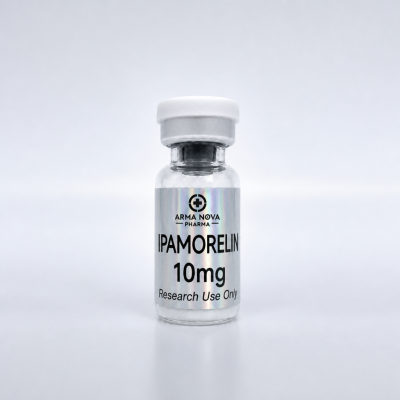
Ipamorelin UK: The Selective Growth Hormone Secretagogue for Researchers in 2026 Among the growth hormone-releasing peptides available to UK researchers, ipamorelin stands apart for a... Continue reading
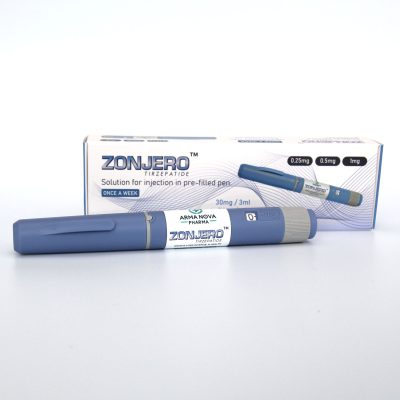
Tirzepatide 30mg UK: The Dual GIP/GLP-1 Receptor Agonist for Advanced Metabolic Research Tirzepatide represents the first dual glucose-dependent insulinotropic polypeptide (GIP) and glucagon-like peptide-1 (GLP-1)... Continue reading
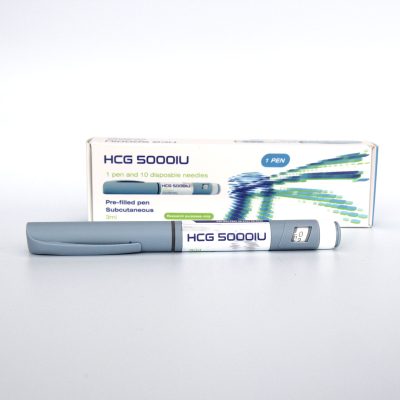
HCG 5000IU UK: Research-Grade Sourcing and Clinical Context Guide 2026 Human chorionic gonadotropin at the 5000 international unit dosage represents one of the most frequently... Continue reading
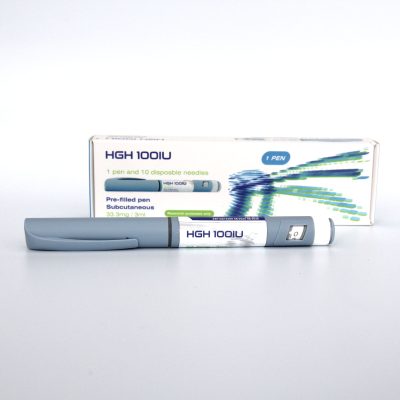
HGH 100 IU UK: Verified Research-Grade Sourcing, Purity Standards, and Regulatory Context for 2026 Securing genuine, laboratory-verified hgh 100 iu uk formulations presents distinct challenges... Continue reading
Add comment