
No products in the cart.
Peptide Best Supplier: UK Purity & Delivery Guide 2026
How to Identify the Peptide Best Supplier: A UK Researcher’s Verification Framework
The UK peptide supply market has fractured into two distinct tiers: laboratories selling research-grade compounds with published batch documentation, and commercial operations repackaging generic materials with minimal quality control. For researchers sourcing peptides for experimental protocols—whether studying metabolic pathways, tissue repair mechanisms, or receptor signalling—the difference between a verified supplier and an unvetted vendor directly impacts data integrity.
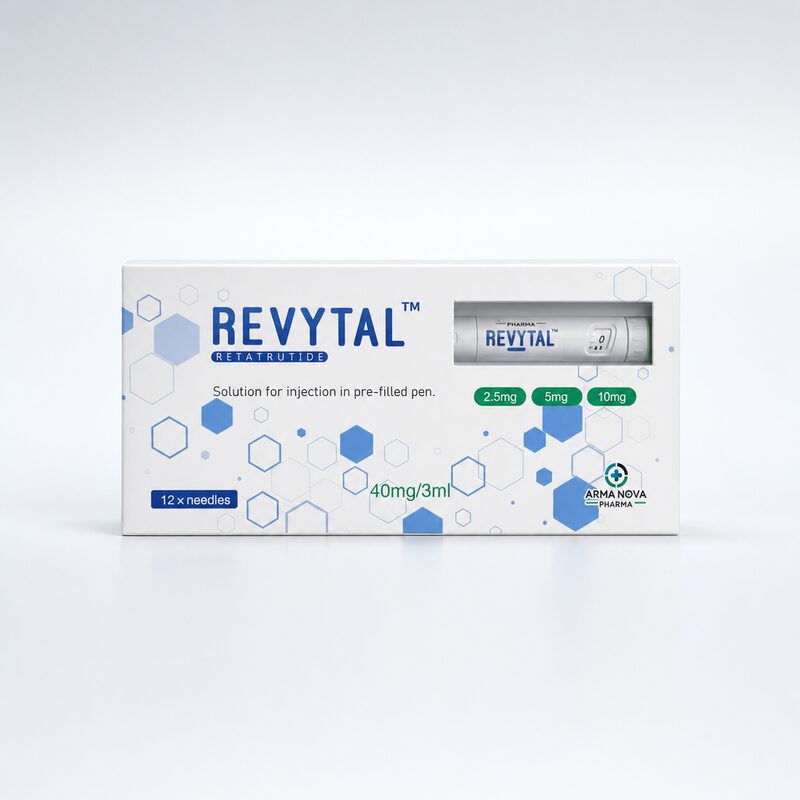
This guide establishes a structured framework for evaluating peptide suppliers against measurable criteria: analytical verification, regulatory compliance, supply chain transparency, and delivery reliability. Unlike promotional content that emphasises branding over biochemistry, this analysis examines the specific quality markers that distinguish research-grade materials from consumer-oriented products marketed without adequate documentation.
When assessing any peptide best supplier candidate, three non-negotiable verification points apply: publicly accessible Certificates of Analysis (COAs) showing ≥99% purity via High-Performance Liquid Chromatography (HPLC), transparent sourcing with batch traceability, and explicit UK regulatory compliance labelling (research use only, not for human or veterinary administration). These criteria aren’t arbitrary—they reflect the minimum standards required to maintain experimental reproducibility and comply with UK law governing the supply of research chemicals.
Why Peptide Purity Verification Matters for Research Outcomes
Peptide purity directly determines experimental validity. A sequence containing 95% target peptide and 5% deletion sequences, acetylated variants, or oxidised residues will produce inconsistent receptor binding profiles compared to a ≥99% pure preparation. This contamination threshold matters particularly for studies involving G-protein coupled receptors (GPCRs), where even minor sequence alterations change binding affinity and downstream signalling cascades.
HPLC remains the analytical gold standard for peptide verification because it separates compounds by hydrophobicity and charge, producing a chromatogram that quantifies the target peak relative to impurities. Mass spectrometry (MS) complements this by confirming molecular weight, but HPLC provides the purity percentage—the figure that appears on legitimate COAs.
Published research confirms that peptide therapeutics have evolved from niche compounds to a significant drug development sector. As Kaspar and colleagues noted in their 2013 analysis, the peptide therapeutic market has expanded precisely because synthesis and purification technologies improved sufficiently to produce compounds meeting pharmaceutical-grade specifications. That same analytical rigor applies to research-grade materials: without verified purity, you’re conducting experiments with undefined reagents.
When evaluating suppliers, request COAs before purchase. Legitimate operations publish these documents per batch, showing retention time, peak integration, and percentage purity. Vendors who provide only generic certificates without batch numbers or chromatogram data should be excluded from consideration—this suggests the product hasn’t undergone independent analytical testing.
What Defines a Peptide Best Supplier: Eight Measurable Criteria
Supplier evaluation requires moving beyond marketing claims to quantifiable standards. The following framework applies systematic criteria that differentiate research-grade operations from commercial resellers:
1. Analytical Documentation: HPLC and Mass Spectrometry Verification
Every batch should include an HPLC chromatogram showing ≥99% purity and mass spectrometry data confirming molecular weight within ±0.1% of the theoretical value. COAs must include the testing laboratory name, date, batch number, and analyst signature. Generic certificates without this information lack evidentiary value.
Arma Peptides publishes batch-specific COAs for every product, generated by independent UK-accredited analytical laboratories. This transparency allows researchers to verify that the peptide received matches the documented specification before initiating protocols.
2. Supply Chain Transparency: Manufacturing and Synthesis Origin
Peptides synthesised via solid-phase peptide synthesis (SPPS) require specific reagents, resins, and protecting groups. Suppliers should disclose whether synthesis occurs in-house or via contract manufacturing, the synthesis method employed (Fmoc vs Boc chemistry), and the purification technique (preparative HPLC vs other methods).
fast UK & EU delivery operations offering next-day delivery typically maintain domestic inventory synthesised by established peptide manufacturers. This reduces shipping delays and customs complications while ensuring products meet UK regulatory requirements at the point of sale. For detailed guidance on supplier evaluation, see our 7 proven tips for reliable research sourcing.
3. Regulatory Compliance: Research Use Only Labelling and UK Law
Under UK law, peptides sold for research purposes must not be labelled, marketed, or implied for human consumption or administration. The Medicines and Healthcare products Regulatory Agency (MHRA) regulates substances intended for therapeutic use, while research chemicals fall under different legislative frameworks requiring explicit “not for human use” disclaimers.
Reputable suppliers include clear regulatory statements on product pages, invoices, and packaging. This protects both the vendor and the researcher from legal complications. Any supplier marketing peptides with health claims, dosing instructions for humans, or implied therapeutic benefits is operating outside UK regulatory boundaries and should be avoided.
4. Storage and Stability: Handling Requirements and Shelf Life Data
Peptides degrade via multiple pathways: oxidation of methionine and cysteine residues, deamidation of asparagine and glutamine, and aggregation driven by hydrophobic interactions. Storage conditions directly impact stability.
Quality suppliers provide specific storage instructions (typically -20°C for lyophilised powder, -80°C for reconstituted solutions) and stability data showing how long peptides maintain ≥95% purity under defined conditions. This information allows researchers to calculate appropriate order quantities and storage protocols.
5. Reconstitution Guidance: Solvent Selection and Concentration Protocols
Peptide solubility depends on sequence composition. Hydrophilic sequences dissolve readily in sterile water; hydrophobic peptides require organic co-solvents like DMSO or propylene glycol. Incorrect reconstitution causes aggregation, precipitation, or incomplete dissolution—problems that invalidate subsequent experiments.
The peptide best supplier operations provide sequence-specific reconstitution protocols, including recommended solvents, concentration ranges, and dissolution techniques. Generic instructions suggesting “dissolve in water” without sequence-specific guidance indicate insufficient technical expertise.
6. Packaging and Contamination Control: Sterile Handling and Aseptic Filling
Lyophilised peptides should arrive in sealed borosilicate glass vials with crimp-sealed rubber stoppers, not plastic containers or unsealed packaging. This prevents moisture absorption, oxidation, and microbial contamination during storage and transit.
Suppliers using pharmaceutical-grade packaging demonstrate understanding of peptide stability requirements. Poor packaging correlates with poor handling practices throughout the supply chain.
7. Customer Support: Technical Consultation and Protocol Assistance
Researchers occasionally encounter reconstitution challenges, storage questions, or protocol optimisation issues. Suppliers with in-house scientific teams provide technical consultation rather than generic customer service responses.
This support infrastructure distinguishes specialist peptide suppliers from general chemical resellers. The ability to discuss receptor mechanisms, dosing calculations, or stability concerns with knowledgeable staff adds significant value beyond the product itself.
8. Delivery Speed and Logistics: UK Warehouse Stock and Next-Day Options
For UK-based research teams, domestic inventory enables next-day delivery via Royal Mail Special Delivery or DPD courier services. International shipments introduce customs delays, temperature excursions during transit, and import duty complications.
Arma Peptides maintains UK warehouse stock across its product range, offering next-day delivery throughout England, Scotland, Wales, and Northern Ireland. This logistical advantage matters when experimental timelines require rapid peptide availability or when previous suppliers have failed to deliver as promised.
The Clinical Evidence Base: Why Peptide Quality Matters for Translational Research
The pharmaceutical industry’s investment in peptide therapeutics reflects their unique properties: high receptor specificity, potent biological activity, and generally favourable safety profiles compared to small molecules. Understanding this context clarifies why research-grade purity standards exist.
A comprehensive review by Lau and Dunn (2018) traces the evolution of peptide therapeutics from insulin to contemporary GLP-1 receptor agonists, documenting how synthetic and analytical advances enabled the development of metabolically stable peptides with pharmacokinetic profiles suitable for clinical use. The review emphasises that therapeutic peptides require rigorous quality control because even minor impurities can trigger immunogenic responses or alter efficacy.
This principle extends to research applications. Investigators studying peptide mechanisms—whether examining tissue repair pathways, metabolic regulation, or cellular signalling—need compounds that accurately represent the target sequence. Contaminated preparations introduce experimental noise that obscures genuine effects.
Consider research into metabolic peptides like GLP-1 analogs or growth hormone secretagogues. These compounds modulate complex receptor systems with multiple downstream effectors. Using peptides containing sequence variants or oxidised residues produces data that doesn’t reflect the intended molecular interaction. For researchers exploring metabolic peptides, our comprehensive guide to weight loss peptides examines specific compounds with documented receptor mechanisms.
The clinical literature also demonstrates why source matters. Therapeutic peptides undergo extensive characterisation including sequence confirmation, post-translational modification analysis, and stability testing under stressed conditions. Research-grade suppliers should apply analogous quality standards, even though their products aren’t intended for clinical use.
Comparing UK Peptide Suppliers: Red Flags and Trust Signals
The UK market includes established research suppliers, European distributors, and direct-from-manufacturer operations. Each model presents distinct advantages and risks.
| Supplier Characteristic | Trust Signal (Proceed) | Red Flag (Avoid) |
|---|---|---|
| Analytical Documentation | Batch-specific HPLC and MS data, published COAs with lab name and date | Generic certificates, no batch numbers, or “available on request” with no follow-through |
| Regulatory Compliance | Clear “research use only” labelling, no health claims, explicit UK law compliance statements | Marketing with dosing instructions, health benefits, or therapeutic claims |
| Website Content Quality | Technical information including sequence data, molecular weight, storage requirements, mechanism citations | Stock photos, generic descriptions, spelling errors, or copied content from competitors |
| Pricing Transparency | Clear GBP pricing including VAT, no hidden fees, shipping costs stated upfront | Prices requiring account creation to view, USD-only pricing with unclear conversion rates |
| Communication Channels | UK phone number, email response within 24 hours, physical UK business address | Contact forms only, no phone contact, overseas addresses with UK website domain |
| Payment Methods | Standard UK payment processors (card, bank transfer), secure checkout | Cryptocurrency-only, Western Union, or unusually convoluted payment methods |
| Product Range Scope | Curated selection of well-characterised peptides with detailed specifications | Hundreds of products with minimal information, suggesting drop-shipping rather than inventory |
| Return and Refund Policy | Clear terms for damaged shipments, analytical discrepancies, or delivery failures | No policy stated, or terms that disclaim all responsibility regardless of product quality |
These criteria provide an objective framework for supplier evaluation. When reviewing potential sources, apply each criterion systematically rather than relying on subjective impressions or marketing aesthetics.
For a comprehensive comparison of UK peptide suppliers and verification protocols, consult our 2026 UK verification guide, which examines specific suppliers against these quality standards.
UK-Specific Considerations: Regulatory Context and Import Realities
Researchers sourcing peptides within the UK benefit from domestic regulatory clarity and simplified logistics. However, understanding the legal framework prevents inadvertent compliance issues.
MHRA Regulations and Research Chemical Status
The Medicines and Healthcare products Regulatory Agency (MHRA) regulates medicinal products intended for human use. Peptides sold explicitly for research purposes fall outside MHRA jurisdiction provided they carry appropriate “not for human use” labelling and aren’t marketed with therapeutic claims.
This distinction matters. A peptide marketed as “BPC-157 for joint health” implies therapeutic intent and potentially triggers MHRA oversight. The same compound labelled “BPC-157 pentadecapeptide, research grade, not for human administration” clearly designates research status.
Responsible suppliers maintain this distinction rigorously. Any operation blurring the line between research chemicals and unlicensed medicines creates legal risk for both vendor and purchaser.
Import Complications and Customs Delays
Ordering peptides from non-UK suppliers introduces customs clearance requirements, potential import duty charges, and declaration complications. Peptides shipped from outside the UK may be held for inspection, particularly if packaging lacks clear contents labelling or if the declared value seems inconsistent with typical peptide pricing.
These delays prove particularly problematic for time-sensitive research. A shipment held in customs inspection for 7-14 days defeats the purpose of ordering from an international supplier, especially when domestic UK sources offer next-day delivery without customs complications.
Temperature control during international transit presents another concern. Peptides shipped from Asia or North America may experience temperature fluctuations during multi-day transit, potentially causing degradation before arrival. UK-based suppliers with domestic inventory eliminate this risk entirely.
VAT and Pricing Transparency
UK businesses must charge VAT on peptide sales to UK customers. Suppliers displaying prices should clearly indicate whether VAT is included or added at checkout. International suppliers shipping to the UK may not charge VAT upfront, but customs may assess it upon import along with handling fees—surprise costs that inflate the effective price significantly.
Transparent UK suppliers display GBP pricing inclusive of VAT with no hidden fees. This pricing clarity allows accurate budget planning and eliminates unpleasant surprises during checkout.
Case Study: Evaluating a Specific Peptide Supplier
Applying the verification framework to a real example demonstrates how these criteria function in practice. Consider a researcher seeking TB-500 (Thymosin Beta-4 fragment) for tissue repair studies.
The researcher identifies three potential suppliers: an international vendor advertising “pharmaceutical grade TB-500,” a UK-based operation with published COAs, and a budget supplier offering significantly lower pricing without analytical documentation.
Supplier A (International) displays professional website design but provides only generic COA templates without batch-specific data. The site includes dosing protocols for humans and marketing language emphasising “healing” and “recovery.” Pricing appears in USD requiring conversion. Shipping estimates indicate 7-14 day delivery with no temperature-controlled transit option. Analysis: Multiple red flags—lack of batch documentation, implied therapeutic use, unclear pricing, and logistical complications. Not recommended.
Supplier B (UK-Based) publishes HPLC chromatograms for each batch showing 99.2% purity for TB-500, provides mass spectrometry confirmation, includes clear “research use only” labelling, displays GBP pricing inclusive of VAT, offers next-day Royal Mail delivery, and provides UK phone contact with technical support. Analysis: Meets all trust criteria. Recommended for serious research applications.
Supplier C (Budget) offers TB-500 at 40% below market rate with no COA available, minimal product information, and overseas fulfilment. No regulatory compliance statements appear on product pages. Analysis: Price suggests either contaminated product, incorrect peptide, or underdosed vials. Savings disappear if experiments fail due to poor material quality. Not recommended.
This evaluation process takes perhaps 20 minutes but prevents wasted money on substandard materials and invalidated experiments. For detailed TB-500 supplier analysis, see our verified TB-500 UK supplier guide.
Beyond Basic Quality: Advanced Verification Techniques
Researchers conducting high-stakes experiments may want independent verification beyond supplier-provided COAs. Several UK analytical laboratories offer peptide testing services, allowing independent confirmation of purity and identity.
Independent HPLC Analysis
Analytical chemistry facilities at universities or commercial testing laboratories can perform HPLC analysis on peptide samples. This costs approximately £150-300 per sample but provides definitive purity confirmation independent of supplier claims.
For large peptide orders or critical experiments, independent testing offers peace of mind. If the supplier-provided COA shows 99.1% purity and your independent analysis confirms 99.0%, confidence increases. If independent analysis shows only 87% purity, you’ve identified a fraudulent supplier before wasting material on failed experiments.
Mass Spectrometry Confirmation
MS analysis confirms molecular weight, verifying the peptide identity. This technique detects substitutions, deletions, or completely incorrect peptides shipped under false labelling. Some UK facilities offer combined HPLC-MS services providing both purity quantification and identity confirmation in a single analysis.
When Independent Verification Makes Sense
Not every peptide order warrants independent testing, but consider it when:
- Using a new supplier for the first time, especially for large orders
- Conducting experiments where material quality critically impacts outcomes
- Publishing research where peptide purity might face reviewer scrutiny
- Ordering expensive peptides where analytical costs represent small percentage of total material costs
- Experiencing unexplained experimental failures that might reflect material quality issues
These situations justify the analytical expense by protecting larger investments in time, other reagents, and experimental animal costs (if applicable).
Practical Peptide Sourcing: A Step-by-Step UK Researcher Protocol
Implementing the evaluation framework requires a systematic approach. Follow this protocol when sourcing any peptide for research applications:
Step 1: Define Your Requirements
Specify the exact peptide sequence, quantity needed, acceptable purity threshold (typically ≥98% for most applications, ≥99% for receptor binding studies), and delivery timeline. Clear requirements prevent selecting suppliers that can’t meet your actual needs.
Step 2: Identify Candidate Suppliers
Search for UK-based suppliers offering the target peptide. Prioritise domestic sources to avoid customs complications and enable rapid delivery. Create a shortlist of 3-5 potential vendors for systematic evaluation.
Step 3: Review Analytical Documentation
Request batch-specific COAs showing HPLC purity and MS confirmation. Eliminate suppliers who can’t provide this documentation or offer only generic certificates. Verify the testing laboratory is independent and accredited.
Step 4: Assess Regulatory Compliance
Confirm clear “research use only” labelling with no therapeutic claims or dosing instructions for humans. Check for UK business registration (Companies House records are publicly searchable). Eliminate suppliers operating in regulatory grey zones.
Step 5: Evaluate Communication and Support
Contact suppliers with technical questions about reconstitution, storage, or handling. Assess response time, knowledge depth, and willingness to provide detailed information. Poor technical support indicates poor overall operation quality.
Step 6: Compare Pricing and Logistics
Calculate total delivered cost including VAT, shipping, and any additional fees. Evaluate delivery speed and temperature-controlled shipping options. The cheapest supplier rarely represents best value when accounting for quality risks.
Step 7: Place Initial Small Order
For new suppliers, order minimum quantities initially to assess material quality, packaging, delivery performance, and analytical documentation accuracy before committing to bulk purchases.
Step 8: Verify Receipt and Storage
Upon delivery, confirm the product matches ordering specifications, packaging is intact with no signs of temperature exposure, and included documentation matches the advertised COA. Transfer immediately to appropriate storage conditions (-20°C for most lyophilised peptides).
Step 9: Consider Independent Testing
For critical applications or first-time supplier verification, submit samples for independent HPLC analysis as discussed above.
Step 10: Document Supplier Performance
Maintain records of analytical data, delivery performance, and experimental outcomes linked to specific batches. This documentation proves invaluable for troubleshooting inconsistent results and demonstrates experimental rigor in publications.
Why Arma Peptides Meets the Peptide Best Supplier Criteria
Arma Peptides was established to address the quality gaps evident in the UK peptide supply market. Rather than positioning as a general chemical reseller, we focus exclusively on research-grade peptides manufactured to pharmaceutical synthesis standards and verified through independent analytical testing.
Every batch undergoes HPLC analysis confirming ≥99% purity, with mass spectrometry verifying sequence identity. COAs are published per batch, not generic templates—researchers receive the actual analytical data for the specific material shipped. This transparency addresses the verification deficit that plagues many commercial suppliers.
Our UK warehouse holds inventory across core peptide categories including metabolic peptides (GLP-1 receptor agonists, growth hormone secretagogues), tissue repair compounds (BPC-157, TB-500), and research peptides for various experimental applications. Domestic inventory enables next-day delivery throughout the UK via Royal Mail Special Delivery, eliminating customs delays and temperature excursions during international transit.
All products carry explicit “research use only” labelling complying with UK regulatory requirements. We provide no dosing instructions for humans, no therapeutic claims, and no marketing implying our peptides are intended for administration. This regulatory compliance protects researchers from legal complications while maintaining clear operational boundaries.
Technical support comes from staff with biochemistry and peptide chemistry backgrounds, not generic customer service representatives. We assist with reconstitution challenges, storage optimization, protocol design questions, and experimental troubleshooting—consultation that adds value beyond the peptide itself.
Pricing displays clearly in GBP inclusive of VAT with no hidden fees or surprise charges at checkout. Standard UK payment methods are accepted including card payments and bank transfer through secure processing systems.
For researchers seeking a reliable peptide best supplier meeting stringent quality standards, Arma Peptides delivers the analytical verification, regulatory compliance, and logistical reliability that serious research demands. Our full UK supplier profile details our synthesis partnerships, testing protocols, and quality assurance systems.
Common Peptide Sourcing Mistakes and How to Avoid Them
Even experienced researchers occasionally make sourcing errors that compromise experimental validity or waste budget. Recognising these patterns prevents repeating them:
Mistake 1: Prioritising Price Over Purity
Peptides advertised at significantly below-market rates typically reflect compromised purity, incorrect sequences, or underdosed vials. A 95% pure peptide priced 30% cheaper than a 99% pure alternative represents no savings if the additional 4% impurity invalidates your results. Price should be evaluated after verifying quality, not before.
Mistake 2: Accepting Generic COAs Without Batch Verification
Some suppliers display impressive-looking certificates that aren’t linked to specific product batches. These generic COAs may represent a single high-quality batch tested years ago, with subsequent production showing degraded quality. Only batch-specific documentation proves the peptide you receive was actually tested.
Mistake 3: Ignoring Regulatory Compliance Status
Purchasing peptides marketed with therapeutic claims or dosing instructions creates legal risk. UK regulations distinguish research chemicals from unlicensed medicines based on marketing and intended use, not chemical composition. Suppliers blurring this distinction may attract regulatory scrutiny that extends to customer lists.
Mistake 4: Ordering Without Reviewing Reconstitution Protocols
Different peptide sequences require different solvents and techniques for proper reconstitution. Ordering without confirming the supplier provides sequence-specific protocols often leads to wasted material through precipitation, aggregation, or incomplete dissolution.
Mistake 5: Choosing International Suppliers Without Considering Logistics
Lower pricing from overseas vendors often disappears when accounting for shipping delays, customs complications, import duty, and risk of temperature exposure during transit. UK researchers typically achieve better value from domestic suppliers despite higher sticker prices.
Mistake 6: Failing to Maintain Analytical Documentation
Discarding COAs or failing to record batch numbers prevents troubleshooting inconsistent experimental results. When publications face reviewer questions about material quality, comprehensive analytical documentation provides essential evidence of experimental rigor.
Mistake 7: Switching Suppliers Mid-Study Without Verification
Different suppliers produce peptides with varying impurity profiles even when meeting the same purity specification. Changing suppliers during ongoing experiments introduces an uncontrolled variable that may affect outcomes. If switching is necessary, verify the new source produces equivalent quality through side-by-side comparison.
Future Directions in Peptide Synthesis and Quality Verification
The peptide research supply industry continues evolving toward higher quality standards driven by both technological advances and researcher demands for better materials. Several trends merit attention:
Automated synthesis platforms now enable faster production with fewer synthesis errors, potentially improving average purity across the industry. However, this technological capability only benefits researchers if suppliers invest in these systems rather than continuing with older synthetic methods to maintain profit margins.
Advanced analytical techniques including two-dimensional HPLC and high-resolution mass spectrometry provide even more detailed characterisation than standard methods. These techniques detect minor impurities and sequence variants invisible to conventional HPLC-UV detection, enabling superior quality control for critical applications.
Regulatory frameworks continue tightening around research chemicals as authorities respond to misuse concerns. Researchers benefit from this trend through clearer operational boundaries and reduced risk of purchasing from operations engaging in questionable practices. However, increased regulation may also limit availability of certain peptides if compliance costs push smaller suppliers from the market.
The clinical peptide therapeutics pipeline remains robust, with dozens of peptides in late-stage development. As Kaspar and colleagues projected, the peptide drug market continues expanding as synthesis technology enables production of metabolically stable analogs with pharmacokinetic properties suitable for clinical applications. This clinical investment drives improvements in synthesis and analytical methods that eventually benefit research-grade supply.
For UK researchers, the optimal strategy involves establishing relationships with transparent suppliers meeting current quality standards while remaining alert to evolving best practices. The verification framework presented here provides a foundation, but regular reassessment ensures continued alignment with advancing standards.
Conclusion: A Framework for Confident Peptide Sourcing
Identifying the peptide best supplier requires moving beyond marketing aesthetics to measurable quality criteria. The framework presented here—analytical verification via HPLC and MS, transparent sourcing with batch traceability, explicit UK regulatory compliance, and reliable logistics—provides objective standards for supplier evaluation.
UK researchers benefit from domestic suppliers offering next-day delivery, clear GBP pricing inclusive of VAT, and operations complying with UK regulatory requirements. International sources introduce customs delays, temperature control risks, and import complications that often negate apparent price advantages.
The peptide supply market includes both rigorous operations applying pharmaceutical-grade quality standards and commercial resellers with minimal quality control. Distinguishing between these categories prevents wasted research budget on materials that compromise experimental validity.
Arma Peptides provides the analytical documentation, regulatory compliance, and logistical reliability that define a quality supplier: ≥99% HPLC-verified purity with published batch-specific COAs, clear research-use-only positioning, UK warehouse inventory enabling next-day delivery, and technical support from peptide chemistry specialists. For comprehensive supplier comparison, review our UK peptide supplier analysis examining verification standards across the market.
Ultimately, peptide sourcing represents a quality-versus-risk trade-off. The cheapest material rarely proves most economical when accounting for failed experiments, wasted researcher time, and compromised data. Applying systematic verification criteria ensures your peptide supplier supports rather than undermines research objectives.
Disclaimer: All peptides discussed are intended exclusively for in vitro research applications and are not approved for human or veterinary use. This content provides information for researchers evaluating peptide suppliers and does not constitute medical or therapeutic advice. Researchers must comply with UK regulations governing research chemical handling and use.
Related posts
Tesamorelin 10mg UK: Research-Grade Growth Hormone-Releasing Hormone Analogue for 2026 UK-based researchers investigating growth hormone-releasing hormone (GHRH) analogues frequently encounter a critical sourcing challenge:… Continue reading
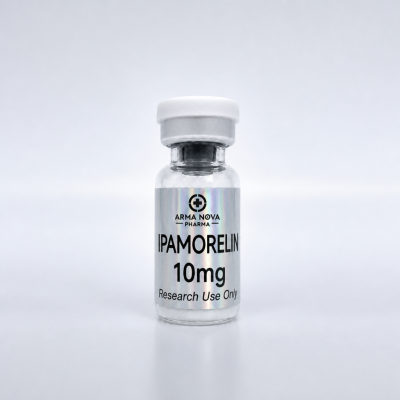
Ipamorelin UK: The Selective Growth Hormone Secretagogue for Researchers in 2026 Among the growth hormone-releasing peptides available to UK researchers, ipamorelin stands apart for a... Continue reading
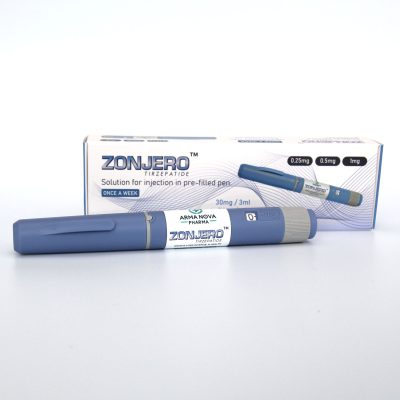
Tirzepatide 30mg UK: The Dual GIP/GLP-1 Receptor Agonist for Advanced Metabolic Research Tirzepatide represents the first dual glucose-dependent insulinotropic polypeptide (GIP) and glucagon-like peptide-1 (GLP-1)... Continue reading
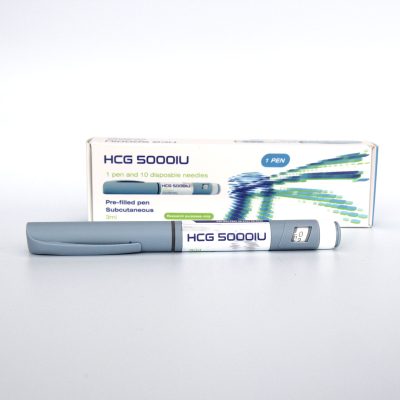
HCG 5000IU UK: Research-Grade Sourcing and Clinical Context Guide 2026 Human chorionic gonadotropin at the 5000 international unit dosage represents one of the most frequently... Continue reading
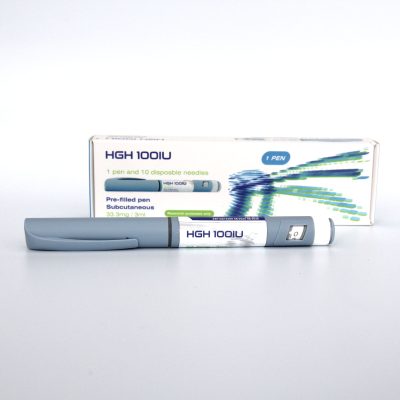
HGH 100 IU UK: Verified Research-Grade Sourcing, Purity Standards, and Regulatory Context for 2026 Securing genuine, laboratory-verified hgh 100 iu uk formulations presents distinct challenges... Continue reading
Add comment