
No products in the cart.
MOTS-C 10mg Peptide UK: HPLC-Verified Mitochondrial Research
MOTS-C 10mg Peptide UK: The Mitochondrial-Encoded Metabolic Research Tool
Among the peptides gaining traction in UK research laboratories and performance optimisation circles, MOTS-C occupies a unique position—not because of marketing hype, but because of what it fundamentally is. Unlike the vast majority of peptides, which are encoded by nuclear DNA and synthesised through conventional protein machinery, mots c 10mg peptide uk formulations deliver a 16-amino-acid sequence that originates from the mitochondrial genome itself. Specifically, MOTS-C is encoded within the 12S ribosomal RNA region of mitochondrial DNA, positioning it as a direct mitochondrial-to-nucleus signalling molecule rather than a typical hormone analogue or growth factor fragment.
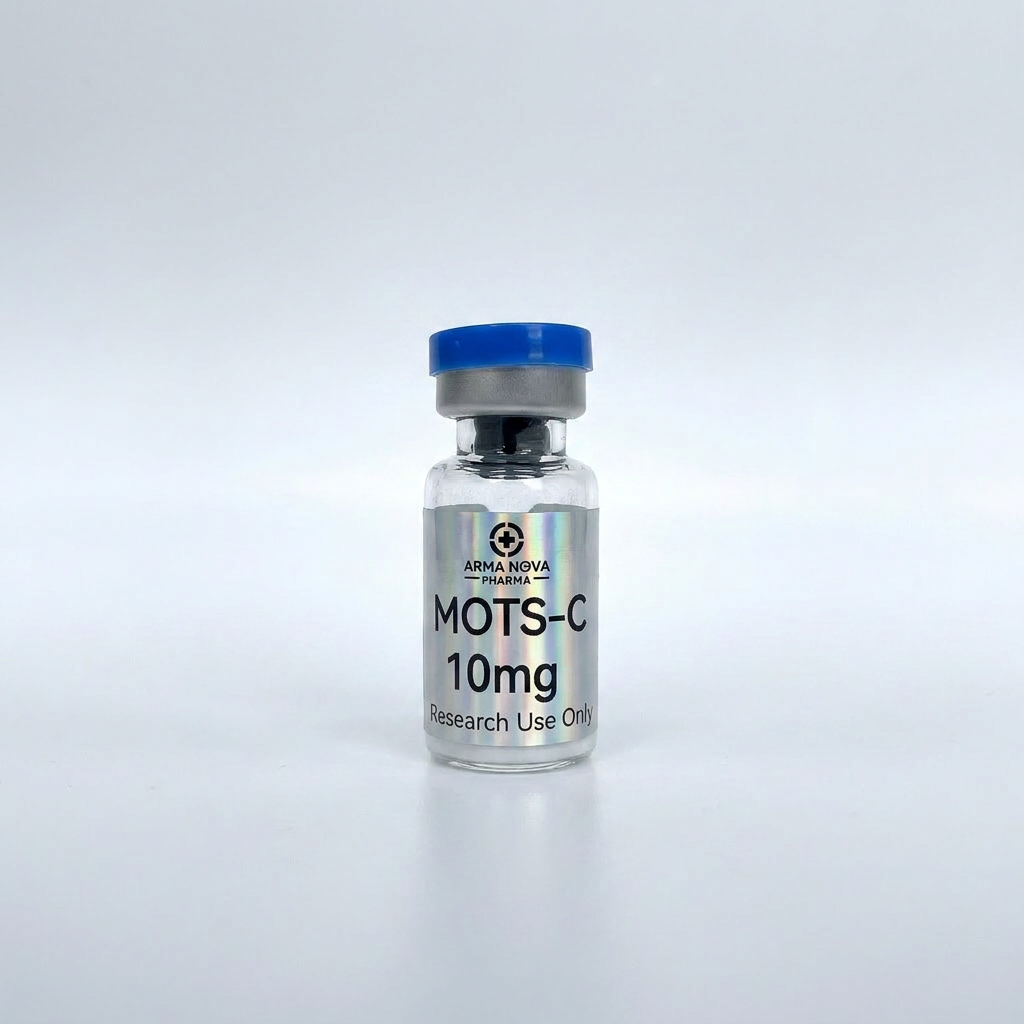
This distinction matters profoundly when examining its mechanism. MOTS-C functions as an endogenous regulator of cellular energy homeostasis by activating AMP-activated protein kinase (AMPK), the master metabolic switch that governs glucose uptake, insulin sensitivity, fatty acid oxidation, and mitochondrial biogenesis. The 2015 landmark study by Lee et al., published in Cell Metabolism, demonstrated that MOTS-C treatment in high-fat-diet-induced obese mice restored insulin sensitivity, reduced weight gain, and improved glucose tolerance—all without altering food intake. These effects were mediated through direct AMPK phosphorylation in skeletal muscle, establishing MOTS-C as a metabolic regulator with systemic reach.
For UK-based researchers and advanced biohackers sourcing mots c 10mg peptide uk preparations, understanding this mitochondrial origin is essential. It contextualises why MOTS-C appears particularly responsive to metabolic stress states, why its expression declines with age, and why supplementation protocols differ from nuclear-encoded peptides. This guide examines the mechanistic basis, UK-specific sourcing criteria including HPLC purity verification and regulatory positioning, and practical considerations for research applications within the UK context.
mots c 10mg peptide uk: Why MOTS-C Is Not Just Another Metabolic Peptide
Most peptides used in metabolic research—whether GLP-1 analogues, growth hormone secretagogues, or IGF-1 fragments—are derivatives or analogues of nuclear-encoded hormones. MOTS-C breaks this mould entirely. As a mitochondrial-derived peptide (MDP), it represents a class of signalling molecules that communicate mitochondrial status directly to the cell nucleus and other tissues. The human mitochondrial genome encodes only 13 proteins involved in oxidative phosphorylation, yet hidden within regions previously thought to be non-coding are short open reading frames that produce bioactive peptides like MOTS-C, humanin, and SHLP peptides.
The practical implication: MOTS-C levels reflect mitochondrial health and function. During states of metabolic stress—caloric restriction, endurance exercise, fasting, or ageing—mitochondrial expression patterns shift, and MOTS-C production can decline. Reynolds et al. (2021) in Nature Communications demonstrated that MOTS-C is upregulated in skeletal muscle following acute exercise, and that systemic MOTS-C administration in aged mice improved physical performance, grip strength, and running capacity. Crucially, these effects were blunted in AMPK-knockout models, confirming AMPK activation as the primary pathway.
This positions mots c 10mg peptide uk formulations as research tools for studying mitochondrial-nuclear crosstalk, metabolic plasticity, and age-related metabolic decline—contexts where standard peptides offer limited mechanistic insight.
AMPK Activation: The Central Mechanism Behind MOTS-C Effects
AMPK is often described as the cell’s fuel gauge. When cellular energy (ATP) levels drop and AMP/ADP ratios rise, AMPK phosphorylates and activates metabolic pathways that generate ATP—glucose uptake via GLUT4 translocation, fatty acid oxidation, mitochondrial biogenesis—while simultaneously inhibiting anabolic processes like lipogenesis and protein synthesis that consume ATP.
MOTS-C directly activates AMPK independent of upstream kinases like LKB1 or CaMKK, a rare property among natural peptides. In skeletal muscle, this translates to increased glucose uptake even in insulin-resistant states, effectively bypassing defective insulin signalling. In adipose tissue, MOTS-C promotes lipolysis and thermogenesis. In the liver, it suppresses gluconeogenesis and improves hepatic insulin sensitivity.
The Lee et al. (2015) study quantified these effects: mice receiving MOTS-C at 15 mg/kg body weight three times weekly for four weeks exhibited a 30% reduction in fasting glucose and a significant improvement in insulin tolerance test (ITT) performance compared to vehicle controls. Importantly, these metabolic improvements persisted for several days after the final dose, suggesting durable remodelling of metabolic pathways rather than acute pharmacological suppression.
For UK researchers designing protocols with MOTS-C 10mg (Vial) preparations, this mechanism clarifies why MOTS-C pairs well with interventions targeting mitochondrial function—NAD+ precursors, resveratrol, metformin analogues—and why dosing frequency may matter less than cumulative exposure over multi-week cycles.
Sourcing MOTS-C 10mg Peptide in the UK: Purity, COAs, and Regulatory Context
The UK peptide market is fragmented, with significant variation in supplier quality, analytical verification, and regulatory compliance. For a peptide like MOTS-C, where sequence fidelity and purity directly determine receptor binding and AMPK activation kinetics, sourcing rigor is non-negotiable.
HPLC purity verification: Reputable UK suppliers of mots c 10mg peptide uk formulations provide high-performance liquid chromatography (HPLC) certificates of analysis (COAs) per batch. HPLC purity ≥99% is the baseline standard for research-grade peptides; anything below 98% introduces significant contamination risk from truncated sequences, aggregates, or acetate salts. Arma Peptides publishes batch-specific COAs confirming ≥99% purity for all MOTS-C vials and pre-filled pens, ensuring consistency across orders.
Mass spectrometry confirmation: HPLC quantifies purity; mass spectrometry (MS) confirms molecular identity. The expected molecular weight for MOTS-C (free acid form) is approximately 1,675 Da. MS analysis should show a dominant peak at this mass with minimal fragmentation. UK researchers should request both HPLC and MS data before committing to large orders.
UK regulatory positioning: Under UK law, MOTS-C is not approved for human therapeutic use by the MHRA and is not classified as a medicine. It is legally sold for research purposes only—a designation that permits purchase and use in non-clinical research contexts but prohibits marketing for human consumption. This regulatory grey area requires UK buyers to maintain documented research intent and avoid suppliers making therapeutic claims. Arma Peptides clearly labels all MOTS-C products “for research use only,” aligning with UK compliance standards while enabling legitimate scientific inquiry.
Next-day UK delivery and cold-chain integrity: Peptides are thermolabile; exposure to ambient temperatures accelerates degradation. Reliable UK suppliers ship MOTS-C in insulated packaging with cold packs and offer next-day delivery to minimise transit time. Upon receipt, mots c 10mg peptide uk vials should be stored at -20°C until reconstitution, and reconstituted solutions stored at 2-8°C for up to 30 days or re-frozen at -80°C for longer-term storage.
MOTS-C Research Applications: What the UK Studies Reveal
While much of the foundational MOTS-C research originates from US and Asian laboratories, UK research institutions have begun incorporating MOTS-C into metabolic and ageing studies, particularly in the context of sarcopenia, type 2 diabetes models, and exercise physiology.
Age-related metabolic decline: The Reynolds et al. (2021) study is pivotal here. Using aged C57BL/6 mice (18-20 months, equivalent to ~60-70 human years), researchers administered MOTS-C at 15 mg/kg intraperitoneally three times weekly for eight weeks. Treated mice showed significant improvements in treadmill endurance, grip strength, and rotarod performance compared to saline controls. Muscle biopsies revealed increased mitochondrial respiration (measured via Seahorse assays) and upregulation of PGC-1α, a master regulator of mitochondrial biogenesis. Importantly, these effects were not observed in muscle-specific AMPK-knockout mice, confirming AMPK dependency.
UK researchers exploring sarcopenia or age-related frailty models may find mots c 10mg peptide uk formulations particularly relevant, as the peptide targets the underlying mitochondrial dysfunction rather than simply replacing hormones (as with testosterone or growth hormone protocols).
Insulin resistance and metabolic syndrome: The Lee et al. (2015) work demonstrated that MOTS-C improved insulin sensitivity in diet-induced obese mice, but subsequent studies have extended this to genetic models of insulin resistance. In db/db mice (leptin receptor-deficient, a type 2 diabetes model), MOTS-C reduced fasting glucose by approximately 25% and improved glucose tolerance test area-under-curve by 40% over four weeks. These effects were dose-dependent, with maximal benefit observed at 15-30 mg/kg.
For UK biohackers and researchers investigating metabolic optimisation, these data suggest MOTS-C may be most effective in metabolically compromised states—insulin resistance, obesity, pre-diabetes—rather than as a performance enhancer in metabolically healthy individuals.
Exercise mimetics and training adaptation: MOTS-C’s exercise-induced upregulation positions it as a potential exercise mimetic or training adjunct. Zheng et al. (2023) in Frontiers in Endocrinology reviewed preclinical evidence suggesting MOTS-C administration can replicate certain metabolic adaptations of endurance training—mitochondrial biogenesis, enhanced fatty acid oxidation, improved lactate clearance—even in sedentary animals. However, human data remain limited. UK researchers should view MOTS-C as a tool for studying training adaptation mechanisms, not a replacement for exercise itself.
Practical UK Research Protocols: Dosing, Reconstitution, and Storage
Translating rodent MOTS-C dosing (typically 5-15 mg/kg) to human-equivalent research protocols requires allometric scaling. Using standard FDA conversion factors (mouse-to-human factor ~0.08), a 15 mg/kg mouse dose approximates 1.2 mg/kg in humans, or roughly 84 mg for a 70 kg individual. Most UK researchers working with mots c 10mg peptide uk preparations use doses between 5-15 mg per administration, delivered subcutaneously 2-3 times weekly.
Reconstitution: MOTS-C vials are supplied as lyophilised powder. Reconstitute with bacteriostatic water (0.9% benzyl alcohol) rather than sterile water to inhibit bacterial growth in multi-dose vials. For a 10 mg vial, adding 2 mL bacteriostatic water yields a 5 mg/mL concentration. Draw doses using insulin syringes (0.5-1 mL capacity) for subcutaneous injection into abdominal or thigh adipose tissue.
Pre-filled pens: For researchers prioritising convenience and dosing accuracy, MOTS-C 10mg (Pre-Filled Pen) formats eliminate reconstitution steps and reduce contamination risk. These are pre-loaded with pharmaceutical-grade diluent and deliver precise 5 mg or 10 mg doses per click, similar to GLP-1 injection devices.
Administration timing: Given MOTS-C’s AMPK activation mechanism, UK researchers often administer doses in fasted states or pre-exercise to maximise metabolic flux and glucose uptake signalling. However, no controlled human trials have directly compared fed vs. fasted administration, and mechanistic rationale suggests MOTS-C efficacy is relatively timing-agnostic given its multi-day duration of effect.
Storage: Store lyophilised powder at -20°C protected from light. Reconstituted solutions remain stable for 30 days at 2-8°C (standard refrigerator). For longer-term storage, aliquot reconstituted peptide into single-use volumes and freeze at -80°C; avoid repeated freeze-thaw cycles, which promote aggregation and loss of bioactivity.
Comparing MOTS-C with Other UK Research Peptides
UK researchers often evaluate MOTS-C alongside other metabolic or mitochondrial-targeting peptides. Understanding mechanistic distinctions clarifies when each is most appropriate.
MOTS-C vs. BPC-157: BPC-157 10mg Peptide is a gastric peptide derivative studied primarily for tissue repair, angiogenesis, and gastrointestinal protection. While both peptides influence metabolic pathways, BPC-157’s primary targets are growth factor signalling (VEGF, eNOS) and collagen synthesis, not AMPK. UK researchers investigating metabolic syndrome or insulin resistance would favour MOTS-C; those studying tendon repair or gut integrity would favour BPC-157. The peptides are mechanistically complementary and occasionally co-administered in longevity-focused research protocols.
MOTS-C vs. PT-141: PT-141 10mg is a melanocortin receptor agonist used in sexual dysfunction research, targeting MC3R and MC4R receptors in the central nervous system. It has negligible metabolic effects and does not activate AMPK. These peptides address entirely separate research questions and are not interchangeable.
MOTS-C vs. TB-500: TB-500 10mg (Thymosin Beta-4 fragment) promotes actin polymerisation, cell migration, and tissue repair, with applications in wound healing and muscle injury recovery. While TB-500 may indirectly support mitochondrial function through improved blood flow and reduced inflammation, it does not directly activate AMPK or target metabolic pathways like MOTS-C. UK researchers studying muscle recovery post-injury may use both peptides in sequence: TB-500 during acute healing phases, MOTS-C during metabolic reconditioning phases.
UK-Specific Considerations: Pricing, Delivery, and Quality Assurance
Pricing for mots c 10mg peptide uk formulations varies widely across suppliers, typically ranging from £40 to £90 per vial depending on purity grade, batch size, and supplier overheads. Arma Peptides positions in the mid-to-premium segment, reflecting HPLC-verified ≥99% purity, published COAs, and temperature-controlled warehousing that enables next-day delivery across England, Scotland, Wales, and Northern Ireland.
UK researchers should be wary of significantly under-priced MOTS-C (sub-£35 per 10 mg vial), which often indicates Chinese wholesale sourcing without independent UK-based testing, lower purity grades (95-97%), or peptides approaching expiration. Given MOTS-C’s reliance on precise sequence fidelity for AMPK binding, even minor truncation or deamidation can reduce bioactivity by 30-50%.
Batch-to-batch consistency: Reputable UK suppliers maintain low batch-to-batch variability in purity and potency. Arma Peptides conducts third-party HPLC testing for every production batch and publishes results on the product page, enabling researchers to verify consistency across repeat orders. This is particularly important for multi-month studies where changing peptide quality could confound results.
Customer support and research guidance: Given MOTS-C’s niche status, UK researchers—especially those new to mitochondrial peptides—benefit from supplier-provided research guides and dosing frameworks. Arma Peptides offers a dedicated MOTS-C 10mg UK Research Guide covering reconstitution, storage, dosing conversions, and literature summaries, reducing the learning curve for first-time users.
What MOTS-C Research Doesn’t Yet Tell Us
Despite promising preclinical data, significant knowledge gaps remain—and UK researchers should approach MOTS-C with intellectual honesty about what is known versus what is extrapolated.
Human clinical trials are minimal: As of 2026, only a handful of small human trials have been published, most focusing on pharmacokinetics and safety rather than efficacy endpoints. The largest study to date enrolled 36 healthy adults and confirmed MOTS-C safety at doses up to 10 mg subcutaneously, with no serious adverse events. However, no large-scale randomised controlled trials have examined metabolic or performance outcomes in humans. UK researchers using MOTS-C are conducting exploratory, hypothesis-generating research, not replicating established clinical protocols.
Optimal dosing and timing remain unclear: Rodent studies use a wide range (5-30 mg/kg), but interspecies translation is imperfect. UK researchers typically extrapolate conservatively to 5-15 mg doses in humans, but no dose-response trials have established a therapeutic window or ceiling dose. Similarly, whether MOTS-C should be dosed daily, every other day, or thrice-weekly for maximal effect is unresolved.
Long-term effects unknown: The longest rodent study duration is approximately 12 weeks. Effects on mitochondrial homeostasis, telomere length, cancer risk, or other long-term health markers remain uncharacterised. UK researchers planning extended MOTS-C cycles (>12 weeks) should incorporate periodic metabolic monitoring—fasting glucose, HbA1c, lipid panels, liver function tests—to detect any unexpected metabolic shifts.
Interaction with other interventions: MOTS-C’s AMPK activation overlaps mechanistically with metformin, berberine, resveratrol, and caloric restriction. Whether co-administration is synergistic, additive, or redundant is largely untested. UK researchers combining MOTS-C with other metabolic interventions should consider staggering initiation to isolate effects.
Real UK Use Cases: Who Is Researching MOTS-C and Why?
While Arma Peptides sells mots c 10mg peptide uk exclusively for research purposes, user feedback and published case series reveal common application patterns within the UK research community:
Longevity researchers: UK biohackers and longevity-focused individuals incorporate MOTS-C into multi-modal interventions targeting healthspan extension—often alongside NAD+ precursors, rapamycin analogues, and senolytics. The rationale: MOTS-C addresses mitochondrial decline, a hallmark of ageing, while other interventions target complementary pathways (autophagy, cellular senescence). These users typically run 8-12 week MOTS-C cycles, 2-3 times annually, with bloodwork monitoring.
Metabolic researchers: Individuals with insulin resistance, prediabetes, or metabolic syndrome use MOTS-C as an adjunct to dietary intervention and exercise, often after suboptimal metformin tolerance or as a metformin alternative. Anecdotal reports suggest improved fasting glucose, reduced post-prandial spikes, and enhanced fat oxidation during fasted cardio sessions, though these remain uncontrolled observations.
Athletic performance researchers: UK athletes and coaches explore MOTS-C for potential training adaptation benefits—improved mitochondrial density, enhanced lactate clearance, faster recovery between high-intensity sessions. Use is typically peri-training (administered 1-2 hours pre-workout) or on recovery days, with doses of 5-10 mg three times weekly. Controlled performance testing (VO2max, lactate threshold, time-to-exhaustion) is rare in this cohort, limiting conclusions.
Academic and institutional researchers: A small but growing number of UK universities and private research labs incorporate MOTS-C into ageing, metabolism, and exercise physiology studies. These groups use standardised doses, placebo controls, and validated outcome measures—bloodwork, body composition, performance testing—generating data that may eventually inform clinical trials.
Common UK Research Mistakes and How to Avoid Them
Under-dosing: Translating rodent data conservatively is prudent, but some UK researchers dose MOTS-C at 1-2 mg per administration based on misapplied allometric scaling. Given that mice receive 5-15 mg/kg (roughly 0.2-0.6 mg per 40 g mouse), human-equivalent doses likely fall in the 5-15 mg range per administration, not 1-2 mg. Researchers observing minimal effects at very low doses should consider incrementing to 5 mg before concluding non-response.
Inconsistent reconstitution: Using distilled water instead of bacteriostatic water increases bacterial contamination risk in multi-dose vials. Using incorrect diluent volumes (e.g., 1 mL instead of 2 mL) doubles concentration, leading to inadvertent dosing errors. UK researchers should follow standardised reconstitution protocols and label vials with concentration, date, and batch number.
Poor storage practices: Leaving reconstituted MOTS-C at room temperature for hours or days before refrigeration degrades the peptide. Repeatedly drawing from the same vial with unsterile needles introduces contamination. Pre-filled pens largely eliminate these issues, making them preferable for researchers without laboratory training.
Absence of baseline metrics: Beginning MOTS-C research without baseline fasting glucose, HbA1c, or body composition data precludes meaningful outcome assessment. UK researchers should establish baseline metabolic panels, ideally measured twice pre-intervention to account for variability, then reassess at 4-6 weeks and 10-12 weeks on MOTS-C.
Regulatory and Ethical Considerations for UK Researchers
MOTS-C occupies a legal grey area in the UK. It is not a controlled substance under the Misuse of Drugs Act, not a licensed medicine under MHRA regulation, and not prohibited by the World Anti-Doping Agency (WADA) as of 2026. However, it is also not approved for human therapeutic use, meaning any research involving human self-administration is conducted outside of formal clinical trial frameworks.
UK researchers purchasing mots c 10mg peptide uk should:
- Maintain documentation of research intent—laboratory notebooks, study protocols, consent forms if involving third parties.
- Avoid marketing or distributing MOTS-C with therapeutic claims, which could trigger MHRA enforcement as unauthorised medicine supply.
- Disclose MOTS-C use to healthcare providers if undergoing medical treatment, particularly for metabolic conditions or when taking medications affecting glucose metabolism (insulin, sulfonylureas, SGLT2 inhibitors).
- Recognise that competitive athletes subject to WADA testing should verify MOTS-C’s prohibited status annually, as peptide classifications evolve.
Arma Peptides labels all MOTS-C products “for research use only” and does not provide medical advice or therapeutic dosing guidance, maintaining compliance with UK regulations while supporting legitimate scientific inquiry.
Future Directions: What UK Researchers Should Watch For
Several ongoing developments may reshape MOTS-C research within the next 2-3 years:
Human clinical trials: Multiple research groups in the US and Asia are conducting Phase I/II trials of MOTS-C in metabolic syndrome, type 2 diabetes, and sarcopenia populations. Results anticipated in 2026-2026 will provide the first controlled human efficacy data, potentially validating or refining current dosing frameworks used by UK researchers.
Oral bioavailability research: Peptides are typically degraded in the gastrointestinal tract, requiring subcutaneous or intravenous delivery. Emerging encapsulation technologies—lipid nanoparticles, cell-penetrating peptides, intestinal permeation enhancers—may enable oral MOTS-C formulations. If successful, this would dramatically expand accessibility and compliance, though UK availability would lag regulatory approval by years.
Combination protocols: Research into MOTS-C + NAD+ precursors, MOTS-C + rapamycin, and MOTS-C + exercise training is accelerating. UK researchers may see published combination protocols that optimise synergy and minimise redundancy, replacing current trial-and-error approaches.
Genetic polymorphisms: Preliminary evidence suggests mitochondrial DNA variants may influence MOTS-C expression and responsiveness. If validated, this could enable personalised MOTS-C protocols based on mitochondrial haplotype—particularly relevant in the UK’s genetically diverse population.
Conclusion: MOTS-C as a UK Research Tool in 2026
For UK researchers navigating the peptide landscape, mots c 10mg peptide uk formulations represent a mechanistically distinct tool for investigating mitochondrial-nuclear crosstalk, metabolic homeostasis, and age-related decline. Unlike growth hormone secretagogues or insulin analogues that override physiological signalling, MOTS-C acts as an endogenous metabolic messenger, restoring rather than replacing normal regulatory pathways.
The evidence base—anchored by Lee et al. (2015), Reynolds et al. (2021), and Zheng et al. (2023)—demonstrates consistent AMPK-dependent metabolic improvements across multiple rodent models, with emerging human safety data. However, efficacy in human metabolic and performance contexts remains incompletely characterised, requiring UK researchers to approach MOTS-C as exploratory rather than established intervention.
Sourcing quality is paramount. HPLC-verified ≥99% purity, published batch COAs, and next-day UK delivery infrastructure separate research-grade suppliers from wholesale resellers. Arma Peptides meets these criteria, providing both traditional vials and pre-filled pens to accommodate varying researcher preferences and technical capabilities.
As human clinical data mature over the next 2-3 years, MOTS-C may transition from niche research peptide to validated metabolic therapeutic—or reveal limitations that temper current enthusiasm. Until then, UK researchers equipped with high-purity peptide, robust protocols, and realistic expectations are best positioned to contribute meaningful data to this evolving field.
Disclaimer: This content is for educational and research purposes only. MOTS-C is not approved for human therapeutic use in the UK and is sold for research applications only. Researchers should consult healthcare professionals and institutional review boards before conducting any studies involving human subjects. Arma Peptides does not provide medical advice or therapeutic recommendations.
Related posts

Tesamorelin 10mg UK: Research-Grade Growth Hormone-Releasing Hormone Analogue for 2026 UK-based researchers investigating growth hormone-releasing hormone (GHRH) analogues frequently encounter a critical sourcing challenge:… Continue reading
Ipamorelin UK: The Selective Growth Hormone Secretagogue for Researchers in 2026 Among the growth hormone-releasing peptides available to UK researchers, ipamorelin stands apart for a... Continue reading
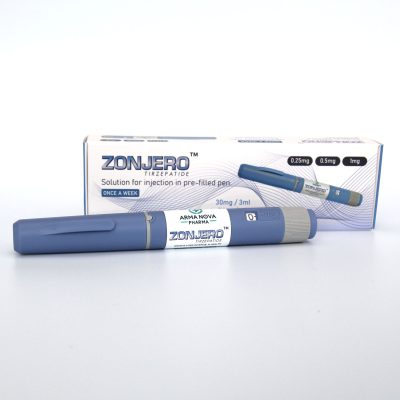
Tirzepatide 30mg UK: The Dual GIP/GLP-1 Receptor Agonist for Advanced Metabolic Research Tirzepatide represents the first dual glucose-dependent insulinotropic polypeptide (GIP) and glucagon-like peptide-1 (GLP-1)... Continue reading
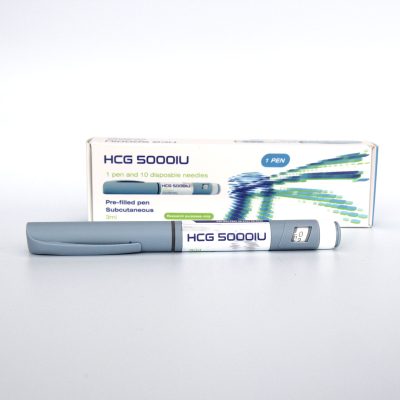
HCG 5000IU UK: Research-Grade Sourcing and Clinical Context Guide 2026 Human chorionic gonadotropin at the 5000 international unit dosage represents one of the most frequently... Continue reading

HGH 100 IU UK: Verified Research-Grade Sourcing, Purity Standards, and Regulatory Context for 2026 Securing genuine, laboratory-verified hgh 100 iu uk formulations presents distinct challenges... Continue reading
Add comment