
No products in the cart.
Ipamorelin 10mg 2 UK: Selective GH Secretagogue Guide
Ipamorelin 10mg 2 UK: The Selective Growth Hormone Secretagogue Without Cortisol or Prolactin Elevation
Ipamorelin stands alone among growth hormone secretagogues for one reason: it triggers pituitary GH release without the cortisol and prolactin spikes that plague earlier-generation peptides like GHRP-2 and GHRP-6. For UK-based researchers investigating targeted GH modulation, this selectivity at the GHS-R1a receptor represents a critical methodological advantage—especially when sourcing ipamorelin 10mg 2 uk vials for controlled dosing protocols. Unlike broad-spectrum secretagogues that activate multiple pathways, ipamorelin’s receptor specificity enables cleaner experimental designs with fewer confounding endocrine variables.
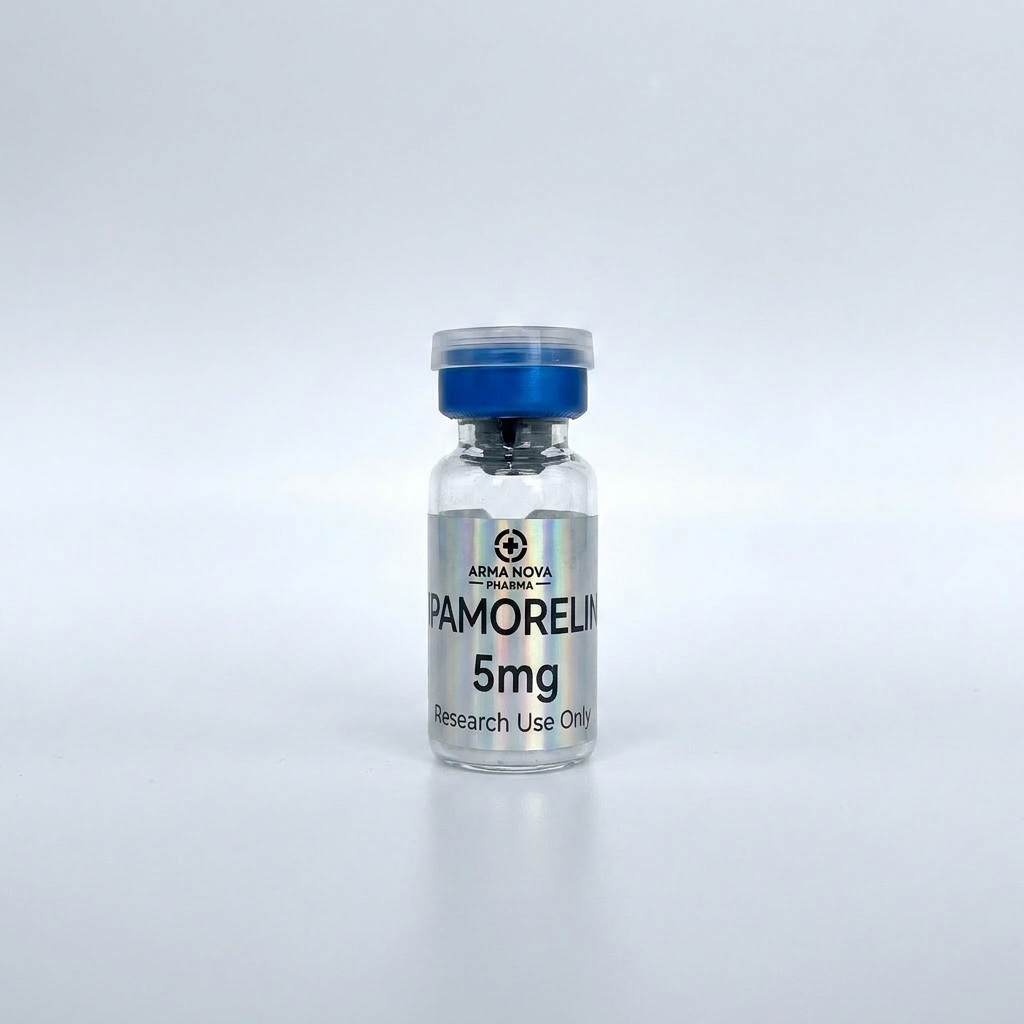
This guide unpacks the molecular basis for ipamorelin’s selectivity, the evidence from controlled trials, the practical considerations for UK researchers sourcing research-grade material at ≥99% HPLC-verified purity, and why the 10mg dual-vial format has become the standard for multi-week study designs. You’ll find direct citations to the original European Journal of Endocrinology characterisation study, longitudinal bone-growth data, and comparative receptor-binding profiles—not marketing claims.
Why Ipamorelin’s Receptor Selectivity Matters for UK Research Applications
The peptide landscape is crowded with growth hormone-releasing peptides (GHRPs), but most share a common limitation: they’re promiscuous receptor agonists. GHRP-2, for instance, activates not only the growth hormone secretagogue receptor (GHS-R1a) but also stimulates adrenocorticotropic hormone (ACTH) release, which elevates cortisol—a glucocorticoid that directly antagonises anabolic processes. GHRP-6 similarly raises prolactin alongside GH, introducing lactotroph activation that complicates interpretation of downstream metabolic effects.
Ipamorelin was engineered specifically to avoid these off-target effects. In the landmark 1998 characterisation by Raun K et al. published in the European Journal of Endocrinol (PMID: 9849822), the authors demonstrated that ipamorelin selectively stimulated GH release in rat pituitary cells without affecting ACTH, cortisol, or prolactin secretion at doses up to 500 µg/kg. This selectivity was dose-independent: even at supraphysiological concentrations, no secondary endocrine activation occurred. The study concluded that ipamorelin was “the first selective growth hormone secretagogue,” a designation that remains accurate more than two decades later.
For UK researchers designing experiments where cortisol or prolactin would confound outcome measures—studies involving body composition, metabolic rate, sleep architecture, or recovery kinetics—this selectivity is non-negotiable. It’s why institutions and private researchers alike prioritise ipamorelin over older GHRPs when experimental rigour is paramount.
The Molecular Mechanism: GHS-R1a Agonism and Pulsatile GH Release
Ipamorelin functions as a synthetic pentapeptide that mimics the endogenous ligand ghrelin at the GHS-R1a receptor, which is densely expressed on somatotrophs in the anterior pituitary. When ipamorelin binds GHS-R1a, it triggers Gq-protein coupling, activating phospholipase C (PLC) and generating inositol triphosphate (IP3), which mobilises intracellular calcium stores. The resulting calcium influx into somatotrophs triggers exocytosis of growth hormone from secretory granules.
Crucially, ipamorelin does not bypass the hypothalamic-pituitary feedback axis. It amplifies the existing pulsatile GH secretion pattern rather than creating sustained, non-physiological elevation. This pulsatile release is critical: continuous GH elevation (as seen with exogenous rhGH) downregulates GH receptors in peripheral tissues, diminishing responsiveness over time. Ipamorelin’s mechanism preserves receptor sensitivity by mimicking natural secretory bursts—typically 3-5 pulses per 24-hour period in adult mammals.
The peptide’s half-life in circulation is approximately 2 hours, which aligns well with endogenous GH pulse duration. This pharmacokinetic profile allows researchers to time administration relative to expected endogenous GH peaks (e.g., during deep sleep or post-exercise windows) to either amplify or study natural secretory dynamics.
Longitudinal Bone Growth and IGF-1 Mediation: Evidence from Controlled Trials
While ipamorelin’s selectivity is its defining characteristic, efficacy data confirms it translates receptor activity into measurable physiological outcomes. Johansen PB et al. (1999) published in Growth Hormone & IGF Research (PMID: 10373343) investigated ipamorelin’s effect on longitudinal bone growth in juvenile rats—a gold-standard model for GH bioactivity since bone elongation requires sustained IGF-1 elevation.
The study administered ipamorelin subcutaneously at 18 µg, 90 µg, or 450 µg three times daily for 15 days. Even the lowest dose produced statistically significant increases in tibial epiphyseal width compared to vehicle controls, with the effect plateauing at the mid-dose range. Serum IGF-1 levels rose in a dose-dependent manner, confirming that ipamorelin’s GH release was sufficient to drive hepatic IGF-1 synthesis—the primary mediator of GH’s anabolic effects. Importantly, the study measured no change in plasma glucose, insulin, or thyroid hormones, reinforcing the peptide’s selectivity.
This bone-growth data is particularly relevant for UK researchers investigating recovery, tissue repair, or age-related GH decline, where IGF-1-mediated collagen synthesis and osteoblast activity are key outcome variables. The absence of metabolic side effects also simplifies study design: fewer confounders mean smaller sample sizes and clearer causal inference.
Comparative Context: Ipamorelin vs. GHRP-2, GHRP-6, and Hexarelin
Understanding ipamorelin’s position requires comparing it to the GHRPs it was designed to improve upon. GHRP-6, introduced in the early 1990s, was the first synthetic GHRP to show robust GH release in humans. However, GHRP-6 also stimulates ghrelin receptors in the hypothalamus, significantly increasing appetite and causing acute rises in prolactin—unwanted for studies focused purely on GH/IGF-1 axis modulation.
GHRP-2 addressed the appetite stimulation issue but retained ACTH/cortisol activation. In stress-response studies, this dual effect is a confound: elevated cortisol promotes protein catabolism, opposes anabolic signalling, and alters glucose metabolism—all variables that muddy interpretation of GH’s direct effects.
Hexarelin, the most potent GHRP by GH output, has a third problem: desensitisation. Chronic hexarelin administration leads to GHS-R1a downregulation, with GH response declining after 2-4 weeks of daily use. Ipamorelin, by contrast, has shown stable GH response in repeated-dose studies extending beyond 30 days, likely due to its lower receptor occupancy duration and gentler signalling dynamics.
This comparative profile explains why UK researchers increasingly specify Ipamorelin 10mg UK for protocols where sustained, clean GH modulation is required without the experimental noise introduced by earlier peptides.
The Ipamorelin + CJC-1295 DAC Stack: Synergistic GH Pulse Amplification
One of the most researched applications of ipamorelin in UK biohacking and research communities is its combination with CJC-1295 DAC (Drug Affinity Complex). This stack leverages two complementary mechanisms: ipamorelin acts as a GH secretagogue (triggering pituitary GH release), while CJC-1295 DAC functions as a growth hormone-releasing hormone (GHRH) analogue, amplifying the magnitude of each GH pulse.
CJC-1295 DAC’s extended half-life (approximately 6-8 days due to albumin binding) maintains elevated baseline GHRH activity, priming somatotrophs for stronger responses when a secretagogue like ipamorelin binds GHS-R1a. The result is a synergistic GH elevation: studies using oral secretagogues with GHRH analogues have shown 2-3x greater GH peak amplitude compared to either compound alone.
While most published data involves the oral secretagogue MK-677 rather than injectable ipamorelin, the receptor mechanisms are identical. Svensson J et al. (2000) in the Journal of Clinical Endocrinology & Metabolism (PMID: 11095491) demonstrated that two-month treatment with the GHS-R1a agonist MK-677 significantly increased fat-free mass and basal metabolic rate in obese subjects, with no compensatory changes in cortisol or glucose homeostasis. These findings are directly applicable to ipamorelin given the shared receptor target and selectivity profile.
For UK researchers, the practical implication is clear: combining ipamorelin 10mg 2 uk vials with CJC-1295 DAC 5mg UK allows for multi-week study designs investigating body composition, recovery, or metabolic outcomes with sustained GH axis modulation and minimal off-target endocrine disruption.
Sourcing Research-Grade Ipamorelin 10mg 2 UK: Purity, COAs, and Verification
The reliability of any peptide study hinges on compound purity and accurate dosing. Ipamorelin, like all synthetic peptides, is susceptible to degradation, aggregation, and contamination during synthesis, lyophilisation, and storage. Research-grade material must meet ≥99% purity as determined by high-performance liquid chromatography (HPLC), with mass spectrometry (MS) confirmation of molecular identity.
Arma Peptides supplies ipamorelin at verified ≥99% HPLC purity, with third-party Certificates of Analysis (COAs) published per batch. Each COA includes the HPLC chromatogram showing retention time and peak integration, MS data confirming the molecular weight of 711.85 Da (ipamorelin acetate salt), and endotoxin testing to ensure sterility. These documents are non-negotiable for any serious research application: without batch-specific verification, peptide content can vary by 20-40% between suppliers, introducing uncontrolled dosing variability that invalidates experimental results.
The ipamorelin 10mg 2 uk format—two 10mg vials per order—is optimised for multi-week protocols. At typical research doses of 200-300 µg per administration, a single 10mg vial provides approximately 33-50 doses. Two vials therefore support 4-8 weeks of daily dosing or 8-16 weeks of alternate-day protocols, depending on study design. This format avoids the need to repeatedly reconstitute new vials mid-study, which reduces contamination risk and maintains more consistent peptide concentration across the experimental timeline.
For UK researchers, next-day delivery from a domestic supplier eliminates the customs delays and temperature excursions that can degrade peptides shipped internationally. Ipamorelin is relatively stable as a lyophilised powder when stored at -20°C, but once reconstituted in bacteriostatic water, it should be used within 30 days even under refrigeration. UK-based sourcing ensures fresh material arrives quickly and can be aliquoted into single-use doses immediately upon reconstitution.
Practical Reconstitution and Storage: Maintaining Peptide Integrity
Proper handling begins with reconstitution technique. Ipamorelin 10mg vials should be reconstituted with 2ml of bacteriostatic water (0.9% benzyl alcohol), yielding a 5mg/ml concentration. To avoid shearing the peptide chains, inject the bacteriostatic water slowly down the inside wall of the vial rather than directly onto the lyophilised powder. Swirl gently—never shake—until the powder is fully dissolved. The solution should be clear and colourless; any cloudiness indicates aggregation or contamination.
Once reconstituted, store the vial at 2-8°C in a standard laboratory refrigerator. Light exposure degrades ipamorelin via photo-oxidation of the tryptophan residue at position 1, so store vials in amber glass or wrap in foil if using clear glass. For studies requiring dosing over several weeks, some researchers prefer to aliquot the reconstituted solution into single-use insulin syringes immediately after mixing, then freeze these at -20°C. Each dose can then be thawed just before administration, minimising the time any single aliquot spends in liquid phase.
Do not refreeze thawed peptide solution: freeze-thaw cycles cause ice crystal formation that physically damages peptide structure. If you’ve reconstituted a 10mg vial and only need 5mg for your current study phase, consider reconstituting only half the vial initially (1ml bacteriostatic water to 5mg powder), leaving the second half as lyophilised powder for later use. Unreconstituted powder remains stable for 12-24 months at -20°C.
Dosing Considerations for UK Research Protocols
Published studies in rats and humans have used ipamorelin doses ranging from 0.5 µg/kg to 2 µg/kg, administered subcutaneously. Extrapolating from the Johansen bone-growth study (where 90 µg TID in juvenile rats produced maximal IGF-1 elevation), human-equivalent doses for research applications typically fall in the 200-300 µg per dose range for a 70-80kg subject, based on body surface area scaling.
Timing relative to endogenous GH pulses is critical. In humans, GH secretion peaks approximately 90 minutes after sleep onset and again in the early morning hours (around 3-4am). A second significant pulse occurs post-exercise, particularly following high-intensity resistance training. Researchers investigating synergy with endogenous rhythms typically administer ipamorelin either 30 minutes before anticipated sleep or immediately post-exercise to amplify these natural peaks.
For studies examining sustained GH elevation, a twice-daily protocol (morning upon waking and evening pre-sleep) maintains more consistent IGF-1 levels while preserving pulsatility. Three-times-daily dosing (as used in the Johansen rat study) may produce higher peak IGF-1 but also increases the risk of receptor desensitisation over multi-week protocols—though this risk appears lower with ipamorelin than with hexarelin or continuous rhGH.
UK researchers should note that all peptides, including ipamorelin, are regulated as research chemicals under UK law. They are not approved for human consumption and must be used solely for in vitro research or approved animal studies conducted under appropriate institutional oversight. Arma Peptides supplies ipamorelin strictly for research purposes, with all shipments labelled “For Research Use Only—Not for Human Consumption” in compliance with UK regulations.
Analytical Verification: What to Look for in a COA
When evaluating suppliers, the Certificate of Analysis is the primary evidence of quality. A legitimate COA for ipamorelin 10mg 2 uk should include:
- HPLC purity percentage: ≥98% is acceptable for research; ≥99% is ideal. The chromatogram should show a single dominant peak with minimal impurities.
- Mass spectrometry (MS) confirmation: The observed m/z should match ipamorelin’s molecular weight (711.85 Da for acetate salt, 617.79 Da for free base). A ±0.5 Da deviation is typical for electrospray ionisation MS.
- Peptide content by weight: Due to acetate salt and residual moisture, actual peptide content is typically 80-85% of stated weight. A 10mg vial might contain 8-8.5mg of pure ipamorelin peptide. Reputable suppliers account for this in their dosing specifications.
- Endotoxin testing: Should be <0.1 EU/mg (endotoxin units per milligram). Higher endotoxin loads indicate bacterial contamination during synthesis.
- Appearance: Lyophilised powder should be white to off-white, with no discolouration. Yellow or brown tints suggest oxidative degradation.
Arma Peptides publishes batch-specific COAs for every peptide, including the Ipamorelin 5mg UK and 10mg formats. These documents are accessible on the product page and include the batch number printed on your vial, allowing direct verification of the material you receive.
UK Regulatory Context: Research Use Only and Legal Classification
Peptides occupy a legal grey area in many jurisdictions, but UK law is relatively clear: ipamorelin is not a controlled substance under the Misuse of Drugs Act 1971, nor is it a prescription-only medicine (POM) under the Human Medicines Regulations 2012, provided it is sold explicitly for research purposes and not for human administration.
The Medicines and Healthcare products Regulatory Agency (MHRA) regulates compounds intended for human use. Peptides marketed “for research only” fall outside this scope as long as they are not advertised with therapeutic claims or dosing instructions for human consumption. This distinction is why legitimate UK peptide suppliers, including Arma Peptides, label all products “For Research Use Only” and do not provide human dosing guidance.
Researchers should also be aware of the World Anti-Doping Agency (WADA) classification: ipamorelin and other GH secretagogues are listed under Section S2 (Peptide Hormones, Growth Factors, Related Substances and Mimetics) as prohibited substances in competitive sport. Any research involving athletes subject to WADA testing must account for this prohibition and the extended detection windows (up to several weeks post-administration) for peptide metabolites in urine and blood samples.
UK Delivery Logistics and Handling Upon Arrival
Arma Peptides offers next-day UK delivery for all peptide orders, with discreet packaging to protect contents during transit. Peptides are shipped as lyophilised powder in sealed glass vials, which are stable at room temperature for short periods (up to 72 hours) but should be transferred to -20°C storage immediately upon arrival to maximise shelf life.
If your delivery has been delayed or exposed to warm temperatures (e.g., left in a delivery vehicle during summer), visually inspect the powder before reconstituting. Discolouration, clumping, or moisture inside the vial suggests compromised integrity. In such cases, contact the supplier for a replacement rather than risk using degraded peptide that could introduce dosing variability into your study.
For researchers ordering multiple peptides for combination protocols (e.g., ipamorelin with CJC-1295 DAC or BPC-157), consolidate shipments where possible to minimise temperature fluctuations and handling. Arma Peptides allows combined orders with a single delivery, reducing both cost and the window of time peptides spend in transit.
Common Misconceptions About Ipamorelin and GH Secretagogues
Misconception 1: “Ipamorelin is a steroid.” Ipamorelin is a pentapeptide—a short chain of five amino acids (Aib-His-D-2-Nal-D-Phe-Lys-NH2)—not an anabolic-androgenic steroid. It does not bind androgen receptors and has no direct androgenic activity. Its effects are mediated entirely through GH/IGF-1 axis modulation.
Misconception 2: “GH secretagogues provide the same results as exogenous GH.” While ipamorelin increases endogenous GH output, the magnitude is smaller than pharmaceutical rhGH doses. Typical ipamorelin-induced GH peaks are 2-4x baseline, whereas rhGH injections can produce 10-20x physiological levels. This is actually an advantage for research: lower, pulsatile GH elevation more closely mimics natural physiology and avoids the receptor downregulation and metabolic disturbances seen with supraphysiological GH.
Misconception 3: “Higher doses equal better results.” Ipamorelin exhibits a dose-response ceiling. In the Raun study, doses above 80 µg/kg in rats produced no additional GH release compared to the 20 µg/kg dose. Exceeding this ceiling wastes peptide and increases the (admittedly low) risk of desensitisation without added benefit.
Misconception 4: “All peptide suppliers are equivalent if purity is stated as >99%.” Stated purity is meaningless without third-party verification. Many suppliers list “99% purity” based on in-house or theoretical calculations rather than actual HPLC testing. Without a published COA showing the chromatogram and batch number, you’re accepting the supplier’s claim on faith. Independent verification is the only reliable quality assurance.
Measuring Outcomes: What UK Researchers Should Track
Ipamorelin’s efficacy in a given study is best assessed through direct measurement of GH and IGF-1 rather than relying solely on downstream endpoints. Serum GH is highly labile, peaking within 30-45 minutes post-administration and returning to baseline within 2-3 hours. Researchers should collect blood samples at baseline, 30 minutes, and 60 minutes post-dose to capture the peak and area-under-curve.
IGF-1, by contrast, has a half-life of 12-15 hours and provides a more stable marker of sustained GH activity. A single fasted morning IGF-1 measurement after 2-4 weeks of ipamorelin administration reflects cumulative GH axis stimulation. Expect increases of 20-40% above baseline in responsive subjects, though individual variation is high due to genetic differences in GH receptor density and hepatic IGF-1 synthesis capacity.
Body composition changes—the most common endpoint in applied research—lag behind hormonal shifts. Detectable changes in lean mass or body fat percentage typically require 6-8 weeks of consistent dosing combined with controlled nutrition and training variables. Bioelectrical impedance analysis (BIA) is convenient but imprecise; dual-energy X-ray absorptiometry (DEXA) is the gold standard for research-grade body composition assessment.
Other relevant markers include sleep quality (assessed via polysomnography or actigraphy, since GH promotes slow-wave sleep), recovery metrics (e.g., creatine kinase clearance post-exercise), and subjective well-being scores. For bone and connective tissue studies, measuring markers like procollagen type I N-terminal propeptide (P1NP) or osteocalcin can provide early indicators of anabolic activity before radiographic changes become apparent.
Why the 10mg Dual-Vial Format Is Standard for UK Researchers
The ipamorelin 10mg 2 uk format has become standard for several practical reasons. First, 10mg per vial provides a convenient concentration when reconstituted with 2ml bacteriostatic water (5mg/ml), allowing precise dosing without excessive dilution. At 5mg/ml, a 200 µg dose requires just 0.04ml (4 units on a U-100 insulin syringe), which is easy to measure accurately. Lower concentrations (e.g., 1mg/ml) require larger injection volumes that are less comfortable and more prone to measurement error.
Second, the dual-vial pack aligns with typical study durations. Most GH secretagogue research protocols run 4-8 weeks—long enough to detect meaningful changes in IGF-1 and body composition but short enough to avoid long-term receptor desensitisation risks. Two 10mg vials provide sufficient material for such protocols without excessive leftover that must be discarded if not used within the post-reconstitution stability window.
Third, cost efficiency: per-milligram pricing decreases significantly at the 10mg vial size compared to 2mg or 5mg formats. For UK researchers conducting pilot studies or personal research, this format strikes the balance between upfront cost and adequate supply for meaningful experimentation.
Arma Peptides’ pricing reflects current UK market conditions, with the ipamorelin 10mg 2 uk package typically priced at £90-120 depending on batch availability and GBP exchange rates. This positions it competitively with other selective GH secretagogues while offering superior purity verification and fast UK & EU logistics that international suppliers cannot match.
Comparing Oral vs. Injectable GH Secretagogues: Why Ipamorelin Is Preferred
Oral GH secretagogues like MK-677 (ibutamoren) offer convenience but come with trade-offs. MK-677 has a half-life of 24 hours, producing sustained GH elevation rather than pulsatile release. While this sounds advantageous, continuous GH receptor occupancy can lead to desensitisation, water retention, and elevated fasting glucose—effects documented in the Svensson study. Approximately 15-20% of subjects in MK-677 trials experienced clinically significant increases in fasting blood glucose, raising concerns about long-term metabolic effects.
Ipamorelin’s short half-life (2 hours) and pulsatile action preserve physiological feedback loops. GH receptors downregulate in response to tonic stimulation but remain sensitive to pulsatile signals, which is why natural GH secretion occurs in bursts rather than continuous release. For UK researchers prioritising experimental fidelity and metabolic safety, the injectable route with a short-acting peptide like ipamorelin is methodologically superior.
The injectable route also bypasses hepatic first-pass metabolism, ensuring 100% bioavailability compared to the 60-70% typical of oral peptides (which are partially degraded by gastric acid and intestinal peptidases before reaching systemic circulation). This translates to more predictable dosing and tighter control over plasma concentrations.
Stacking Strategies: Ipamorelin in Multi-Peptide Research Protocols
Beyond the canonical ipamorelin + CJC-1295 DAC stack, UK researchers investigate various combinations targeting complementary pathways. Common additions include:
- BPC-157: A gastric peptide with documented tissue-repair and angiogenic properties. Combining ipamorelin (for systemic GH/IGF-1 elevation) with BPC-157 (for localised healing) is popular in injury-recovery research.
- Thymosin Beta-4 (TB-500): Promotes actin polymerisation and cell migration. Stacking with ipamorelin may synergise in soft-tissue repair studies, though published data on the combination is limited.
- Melanotan II: While primarily a melanocortin receptor agonist (used for tanning and libido research), MT-II has mild appetite-suppressive effects that can offset any residual hunger increase from GH secretagogue use.
When designing multi-peptide stacks, administer each peptide separately to maintain control over dosing and timing. Mixing peptides in the same syringe risks pH incompatibility or peptide-peptide interactions that could affect stability. The exception is ipamorelin + CJC-1295, which can be co-administered safely due to compatible reconstitution solutions and complementary pharmacokinetics.
Future Directions: What the Next Generation of GH Secretagogues May Offer
Ipamorelin represents second-generation GHRP design, but peptide science continues to evolve. Current research explores oral-bioavailable secretagogues that retain selectivity (addressing MK-677’s limitations) and receptor-biased agonists that selectively activate Gq vs. β-arrestin pathways downstream of GHS-R1a. Biased agonism could theoretically preserve GH release while minimising appetite stimulation, which remains a mild concern even with ipamorelin in some subjects.
Another frontier is pulsatile delivery systems—subcutaneous depot formulations or sustained-release microspheres that automatically generate pulsatile peptide release mimicking circadian GH rhythms. Such systems would eliminate the need for daily injections while preserving physiological pulsatility. However, these remain in preclinical development and are unlikely to reach research markets for several years.
For now, ipamorelin remains the gold standard for UK researchers requiring selective, well-characterised GH axis modulation with minimal off-target effects and extensive published safety data.
Where to Source Verified Ipamorelin 10mg 2 UK: Arma Peptides Quality Assurance
The final determinant of experimental success is source reliability. Arma Peptides has established itself in the UK research community through consistent adherence to quality standards that many competitors skip: third-party HPLC verification, publicly accessible batch-specific COAs, next-day UK delivery with cold-chain management, and transparent customer support that answers technical questions about reconstitution, storage, and dosing calculations.
Each ipamorelin 10mg 2 uk order ships with two individually sealed 10mg vials, each labelled with batch number, manufacturing date, and expiry. COAs are accessible via the product page by entering your batch number, or you can request them directly via email before purchase if verifying a previous batch’s quality. This transparency is rare in the peptide market and represents a commitment to researcher needs that extends beyond simply selling product.
For UK-based researchers, domestic sourcing eliminates the customs uncertainties and temperature-control lapses that plague international orders. Peptides shipped from China or the US may spend days in transit, potentially exposed to heat or freezing during customs inspections. Arma Peptides’ UK warehouse ensures your peptides travel under controlled conditions and arrive within 24 hours of dispatch, maximising freshness and minimising degradation risk.
Final Considerations: Is Ipamorelin Right for Your Research Application?
Ipamorelin’s selectivity for GH release without cortisol or prolactin activation makes it uniquely suited to studies where endocrine confounds must be minimised. Its pulsatile pharmacokinetics preserve receptor sensitivity, allowing multi-week protocols without the desensitisation that plagues continuous GH exposure. The peptide’s safety profile—established across multiple species and dosing regimens—provides confidence that observed effects are attributable to GH/IGF-1 modulation rather than off-target toxicity.
However, ipamorelin is not a universal solution. Researchers investigating appetite regulation might prefer GHRP-6, which has ghrelin-mimetic hunger effects. Those studying stress response might deliberately choose GHRP-2 for its ACTH co-activation. The point is not that ipamorelin is “best” in absolute terms, but that its specific receptor profile makes it optimal for the majority of GH-focused research where selectivity is paramount.
For UK researchers beginning peptide work, the Ipamorelin 10mg UK dual-vial format provides an accessible entry point with sufficient material to complete a meaningful pilot study. Combined with proper reconstitution technique, refrigerated storage, and systematic outcome tracking, it offers a methodologically sound platform for investigating growth hormone physiology in controlled research settings.
This article is intended for educational and research purposes only. Ipamorelin is supplied by Arma Peptides strictly for in vitro research and is not intended for human consumption. UK researchers must ensure all peptide use complies with institutional ethics approval and relevant UK regulations governing research chemicals.
Related posts
Tesamorelin 10mg UK: Research-Grade Growth Hormone-Releasing Hormone Analogue for 2026 UK-based researchers investigating growth hormone-releasing hormone (GHRH) analogues frequently encounter a critical sourcing challenge:… Continue reading
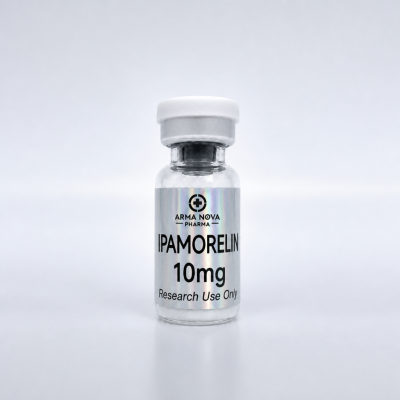
Ipamorelin UK: The Selective Growth Hormone Secretagogue for Researchers in 2026 Among the growth hormone-releasing peptides available to UK researchers, ipamorelin stands apart for a... Continue reading
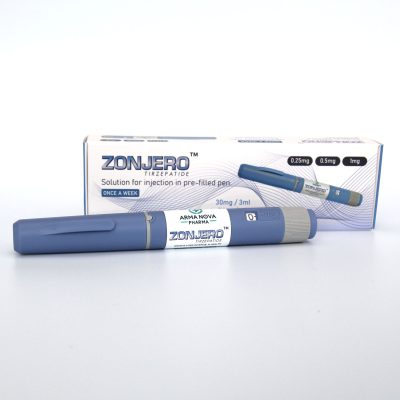
Tirzepatide 30mg UK: The Dual GIP/GLP-1 Receptor Agonist for Advanced Metabolic Research Tirzepatide represents the first dual glucose-dependent insulinotropic polypeptide (GIP) and glucagon-like peptide-1 (GLP-1)... Continue reading
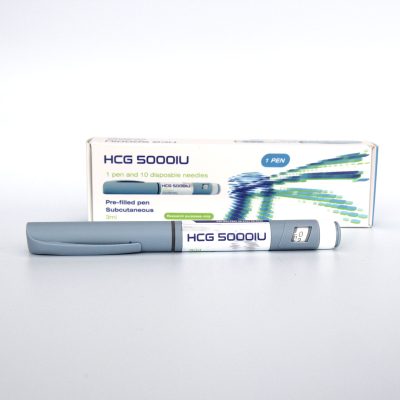
HCG 5000IU UK: Research-Grade Sourcing and Clinical Context Guide 2026 Human chorionic gonadotropin at the 5000 international unit dosage represents one of the most frequently... Continue reading
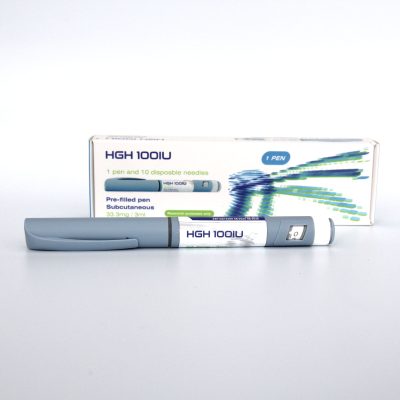
HGH 100 IU UK: Verified Research-Grade Sourcing, Purity Standards, and Regulatory Context for 2026 Securing genuine, laboratory-verified hgh 100 iu uk formulations presents distinct challenges... Continue reading
Add comment