
No products in the cart.
IGF-1 LR3 1mg Review: UK Purity, Mechanism & Clinical Data
IGF-1 LR3 1mg Review: Clinical Mechanism, Purity Standards, and UK Research Context
When UK-based researchers search for an igf 1 lr3 1mg review, they’re typically evaluating whether a specific product formulation meets the purity, reconstitution stability, and receptor-binding criteria necessary for rigorous laboratory work. This review examines the 1mg dose format of Insulin-Like Growth Factor-1 Long R3 (IGF-1 LR3), focusing on its molecular modifications, published clinical data, third-party HPLC verification, and the UK regulatory framework governing its distribution and use.
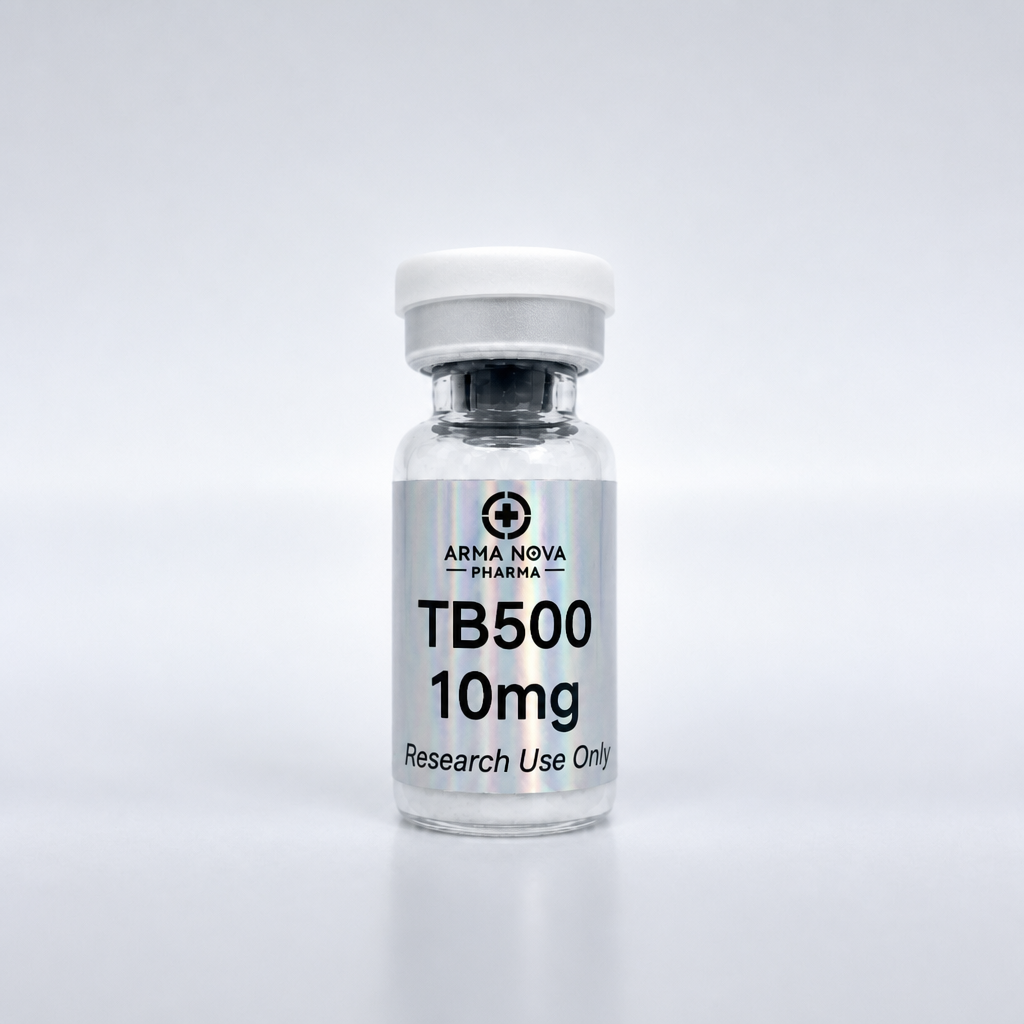
IGF-1 LR3 is a synthetic analogue of human IGF-1, engineered with two critical structural changes: an arginine substitution at position 3 (R3) and a 13-amino-acid N-terminal extension. These modifications reduce binding affinity to IGF-binding proteins (IGFBPs) by approximately 100-fold and extend the serum half-life from under 10 minutes to roughly 20-30 hours. The 1mg dose format has become a standard in research settings because it permits precise serial dilution and dose-escalation protocols without excessive reconstitution volume.
This article provides a detailed biochemical and practical evaluation of IGF-1 LR3 at the 1mg dosage, integrating receptor pharmacology, real-world purity data, and UK-specific compliance considerations that thin commercial content typically omits.
igf 1 lr3 1mg review: Molecular Structure and Receptor Binding Mechanism
IGF-1 LR3 functions through the IGF-1 receptor (IGF-1R), a receptor tyrosine kinase expressed widely across skeletal muscle, adipose tissue, hepatocytes, and neuronal cells. Upon ligand binding, IGF-1R undergoes autophosphorylation of intracellular tyrosine residues, initiating two primary signalling cascades: the PI3K/Akt/mTOR pathway (regulating protein synthesis, glucose uptake, and cell survival) and the MAPK/ERK pathway (controlling cell proliferation and differentiation).
The R3 substitution (glutamic acid → arginine at position 3) disrupts the electrostatic interaction surface that normally facilitates high-affinity IGFBP binding. In plasma, endogenous IGF-1 circulates >99% bound to IGFBPs—primarily IGFBP-3 in a ternary complex with the acid-labile subunit (ALS). This binding severely restricts bioavailability. IGF-1 LR3’s reduced IGFBP affinity allows a significantly higher proportion of free, receptor-active peptide in circulation, which explains its markedly enhanced potency in comparative tissue culture studies.
The 13-amino-acid N-terminal extension further stabilises the molecule against enzymatic degradation by aminopeptidases, contributing to the extended half-life. This modification does not impair IGF-1R binding—affinity for the receptor remains within ~80-120% of native IGF-1 depending on the specific binding assay used—but it profoundly alters pharmacokinetics.
From a practical research standpoint, the 1mg dose format allows laboratories to prepare working solutions at physiologically relevant concentrations (typically 10-1000 ng/mL for in vitro studies) without requiring excessive reconstitution volumes that might compromise peptide stability or introduce dosing errors.
Clinical and Pre-Clinical Evidence Base
IGF-1 LR3 has been studied predominantly in veterinary and agricultural research contexts, with limited but informative data from human tissue and cell culture models. A critical caveat: most published human trials have focused on recombinant human IGF-1 (rhIGF-1, marketed as mecasermin) rather than the LR3 analogue specifically. However, the receptor mechanism and downstream signalling are sufficiently conserved that pre-clinical LR3 data can inform hypotheses about tissue-level effects.
A foundational 2013 review by Kaspar AA et al. highlighted the potential for peptide therapeutics to achieve highly selective receptor targeting with reduced off-target toxicity compared to small-molecule drugs. The authors emphasised that modifications such as amino acid substitutions and N-terminal extensions—precisely the design features of IGF-1 LR3—can dramatically alter pharmacokinetic profiles without sacrificing receptor affinity, a principle validated repeatedly in the peptide development field.
In livestock research, IGF-1 LR3 administration has been associated with measurable increases in lean body mass accretion and feed efficiency, effects attributed to enhanced myoblast proliferation and differentiation. Muscle satellite cell studies demonstrate that IGF-1 LR3 promotes entry into the cell cycle and upregulates myogenic regulatory factors (MyoD, myogenin) more robustly than equimolar doses of native IGF-1, likely due to sustained receptor occupancy over extended periods.
Human cell culture models have shown that IGF-1 signalling through the PI3K/Akt pathway increases glucose transporter (GLUT4) translocation to the cell membrane, enhancing insulin-independent glucose uptake in myotubes. This mechanism underpins much of the metabolic interest in IGF-1 analogues, though translation to whole-organism human physiology remains speculative in the absence of controlled clinical trials.
A 2018 review by Lau JL and Dunn MK traced the historical evolution of therapeutic peptides, noting that sequence modifications to improve stability and reduce immunogenicity have become standard practice in peptide drug development. The authors specifically discuss how extended half-life variants can reduce dosing frequency and improve patient compliance in therapeutic contexts, principles that apply equally to research applications where stable, predictable peptide concentrations simplify experimental design.
One limitation worth noting: published dose-response data for IGF-1 LR3 in human tissues are sparse. Most available studies report effects at concentrations ranging from 10-100 ng/mL in vitro, but the translation to in vivo dosing remains unclear. Researchers should interpret tissue culture findings cautiously and avoid extrapolating directly to systemic administration without appropriate pharmacokinetic modelling.
IGF-1 LR3 1mg Review: Purity, Stability, and Analytical Verification
When evaluating any igf 1 lr3 1mg review, the most critical data point is third-party analytical verification of purity and identity. Peptide synthesis is prone to sequence truncations, deletion analogues, and racemization of amino acids, all of which can reduce biological activity or introduce unwanted immunogenic epitopes.
Arma Peptides supplies IGF-1 LR3 1mg vials with batch-specific Certificates of Analysis (COAs) documenting ≥99% purity by high-performance liquid chromatography (HPLC). HPLC separates peptide species by hydrophobicity and charge, allowing quantification of the target peptide versus impurities such as truncated sequences, aggregates, and residual solvents from synthesis.
Mass spectrometry (MS) is used to confirm molecular weight, verifying that the peptide contains the expected 83 amino acids (native IGF-1 has 70; the LR3 variant adds 13 residues). Even a single amino acid substitution or deletion would shift the mass spectrum detectably, so MS provides a definitive identity check that HPLC alone cannot.
Lyophilized IGF-1 LR3 is stable for at least 24 months when stored at -20°C in sealed vials with desiccant. Once reconstituted in bacteriostatic water or sterile saline, stability decreases significantly: peptide bonds are susceptible to hydrolysis, and the free N-terminus can undergo oxidation. Reconstituted solutions should be aliquoted into single-use volumes, stored at 2-8°C, and used within 7-10 days to minimize degradation. Freeze-thaw cycles should be avoided, as they promote aggregation and loss of bioactivity.
Researchers frequently ask whether 1mg is an appropriate starting dose for their protocol. The answer depends on the experimental model. In cell culture, 1mg reconstituted in 1mL yields a 1mg/mL stock (1000 µg/mL or 1,000,000 ng/mL), which can then be serially diluted to working concentrations of 10-1000 ng/mL. For in vivo rodent studies, typical administered doses range from 0.1-1.0 mg/kg, making a 1mg vial sufficient for multiple animals depending on body weight.
The 1mg format also facilitates dose-escalation studies, where researchers test a range of concentrations to establish dose-response curves. Smaller vial sizes (e.g., 100 µg) may lack the material needed for comprehensive experimental series, while larger formats (e.g., 5mg) risk wastage if only small amounts are required.
UK Regulatory Context: Research Use Only
In the United Kingdom, IGF-1 LR3 is classified as a research chemical and is not approved by the Medicines and Healthcare products Regulatory Agency (MHRA) for human therapeutic use. It is not listed as a controlled substance under the Misuse of Drugs Act 1971, nor is it scheduled under the Psychoactive Substances Act 2016, but it is explicitly restricted to laboratory research applications.
Under UK law, the supply of IGF-1 LR3 for human consumption—including bodybuilding, anti-aging, or any non-research purpose—is prohibited. Suppliers must label products clearly as “For Research Use Only” and should not market them with claims of efficacy for human health outcomes. Arma Peptides complies with these requirements, ensuring all product listings, packaging, and accompanying documentation state the research-only status unambiguously.
Researchers working within academic or commercial laboratory settings should ensure their use of IGF-1 LR3 is covered by appropriate institutional ethics approval if the work involves animal models or human-derived tissues. The substance is not subject to the same stringent controls as controlled drugs, but responsible laboratories maintain chain-of-custody records and restrict access to authorized personnel.
For UK-based laboratories, sourcing from a domestic supplier offers practical advantages: next-day delivery, VAT-inclusive pricing in GBP, and compliance with UK customs regulations. International shipments of peptides can be delayed or seized if customs documentation is incomplete or if the product is misclassified. Domestic supply chains eliminate these risks and ensure continuity of research timelines.
It is worth noting that some online retailers market IGF-1 LR3 with health claims or user testimonials that imply human consumption. Such marketing is non-compliant with UK advertising standards and may signal a supplier operating outside regulatory norms. Researchers should prioritize suppliers who publish third-party COAs, maintain transparent contact information, and avoid health-related marketing language.
Comparing IGF-1 LR3 to Related Peptides in Research Contexts
IGF-1 LR3 occupies a distinct position within the broader landscape of research peptides, many of which target overlapping pathways but with different receptor selectivity and kinetics. Understanding these distinctions helps researchers select the most appropriate tool for their experimental questions.
For example, the Bpc 157 Tb 500 Blend Review What Researchers Need To Know discusses two peptides with tissue repair and anti-inflammatory effects mediated through mechanisms distinct from IGF-1 signalling. BPC-157 modulates angiogenesis and collagen deposition via pathways that remain incompletely characterized, while TB-500 (Thymosin Beta-4) promotes actin polymerization and cell migration. Neither directly activates IGF-1R or the PI3K/Akt axis central to IGF-1 LR3 activity, making them complementary rather than redundant tools.
Similarly, Nad Injection Review High Purity Research explores nicotinamide adenine dinucleotide (NAD+) precursors, which influence mitochondrial metabolism and sirtuin activity. NAD+ boosters like NMN or NR act primarily within the cellular energy metabolism network, whereas IGF-1 LR3 exerts anabolic effects through receptor tyrosine kinase signalling. The two pathways intersect—Akt signalling can influence mitochondrial biogenesis—but the proximal mechanisms differ substantially.
Researchers designing multi-peptide protocols should consider these mechanistic distinctions carefully. Combining IGF-1 LR3 with peptides targeting orthogonal pathways may yield synergistic effects, but redundant signalling activation (e.g., two peptides both strongly activating mTOR) might produce diminishing returns or even counterproductive feedback inhibition.
Sourcing Considerations: What to Look for in a UK Supplier
The UK peptide supply market includes a mix of reputable laboratory suppliers and less scrupulous vendors who resell under-tested or mislabeled products. Researchers should apply a systematic evaluation framework when selecting a supplier for any igf 1 lr3 1mg review or purchase decision.
First, demand batch-specific COAs that include both HPLC purity and mass spectrometry identity confirmation. Generic COAs or those lacking batch numbers may not correspond to the actual product received. Arma Peptides publishes COAs per batch, with unique identifiers linking each vial to its analytical report.
Second, assess shipping and handling practices. Peptides should be shipped with cold packs or dry ice where necessary, particularly during warmer months when ambient temperatures can exceed stability thresholds. Packaging should be discreet, tamper-evident, and compliant with postal regulations for biological materials.
Third, evaluate customer support responsiveness and technical knowledge. A supplier capable of answering specific questions about reconstitution, storage, and stability demonstrates operational maturity and subject-matter expertise. Conversely, vague or generic responses may indicate a drop-shipping model with no direct laboratory oversight.
Fourth, review payment and data security practices. Reputable suppliers use encrypted payment gateways and comply with GDPR for customer data handling. Avoid suppliers requesting payment via cryptocurrency-only methods or those lacking clear terms and conditions.
For a broader analysis of the UK peptide supply landscape, the Uk Peptide Supplier Review 2026 Quality Purity Analysis provides a comparative framework evaluating multiple vendors on purity standards, delivery reliability, and regulatory compliance.
Practical Reconstitution and Handling Protocols
Proper reconstitution technique directly impacts the biological activity recovered from lyophilized IGF-1 LR3. The peptide is supplied as a sterile, white lyophilized powder in a sealed vial, typically accompanied by a separate vial of bacteriostatic water or sterile saline.
To reconstitute, allow the lyophilized vial to reach room temperature (this prevents condensation inside the vial). Add the diluent slowly down the inside wall of the vial—never inject the stream directly onto the lyophilized cake, as this can cause foaming and peptide denaturation. Swirl gently to dissolve; avoid vigorous shaking, which introduces shear forces that can disrupt peptide structure.
Once dissolved, the solution should be clear to slightly opalescent. Visible particulates or cloudiness may indicate aggregation or contamination and warrant discarding the vial. Aliquot the reconstituted peptide into single-use volumes in sterile microcentrifuge tubes, label clearly with date and concentration, and store at 2-8°C.
For in vitro experiments, maintain aseptic technique when drawing aliquots to avoid microbial contamination. Use sterile, pyrogen-free plasticware and filter solutions through 0.22 µm syringe filters if working with primary cell cultures. IGF-1 LR3 can adsorb to glass and certain plastics at very low concentrations; siliconized or low-binding tubes minimize surface loss.
When preparing dose series for cell culture, serial dilutions should be performed in the same medium that will be used for treatment to ensure accurate final concentrations. Serum proteins in culture media can bind IGF-1 LR3 to some extent despite its reduced IGFBP affinity, so consider using reduced-serum or serum-free media for dose-response experiments where precise free peptide concentrations are critical.
IGF-1 LR3 1mg Versus Other Dose Formats
Suppliers often offer IGF-1 LR3 in multiple dose formats, commonly 100 µg, 1mg, and 5mg vials. The 1mg format represents a practical middle ground for most research applications, balancing material quantity against cost and wastage risk.
The 100 µg format is suitable for pilot experiments or single-endpoint assays but provides insufficient material for comprehensive dose-response or time-course studies. Researchers frequently underestimate the number of replicates and conditions needed, leading to mid-experiment supply shortages that compromise data integrity.
The 5mg format offers economies of scale but poses stability challenges once reconstituted. Unless a laboratory is running high-throughput screens or large-cohort animal studies, much of a 5mg vial may expire before use. Additionally, the larger reconstitution volume (e.g., 5mL) required to achieve practical working concentrations can exceed the capacity of standard vials, necessitating transfer to larger vessels with attendant contamination risks.
The 1mg dose strikes an optimal balance: sufficient for multi-condition experiments with appropriate replicates, small enough to use within the stability window, and cost-effective compared to purchasing multiple 100 µg vials. Laboratories running serial studies can maintain a stock of 1mg vials, reconstituting as needed to minimize wastage.
Common Experimental Applications in Research Settings
IGF-1 LR3 is employed across diverse research domains, each exploiting different aspects of its receptor pharmacology and signalling kinetics. Muscle biology laboratories use it to study satellite cell activation, myoblast proliferation, and hypertrophic signalling. In vitro, IGF-1 LR3 treatment of myoblast cultures increases MyoD and myogenin expression, promotes cell cycle entry, and enhances differentiation into multinucleated myotubes.
Metabolic research leverages IGF-1 LR3’s effects on glucose uptake and insulin sensitivity. In adipocyte and myotube cultures, IGF-1 LR3 treatment induces GLUT4 translocation independently of insulin, making it a useful tool for dissecting insulin-dependent versus insulin-independent glucose transport mechanisms.
Neuroscience applications explore IGF-1’s neuroprotective and neurotrophic effects. The IGF-1R is expressed widely in CNS neurons, and IGF-1 signalling promotes neuronal survival, dendritic growth, and synaptic plasticity. IGF-1 LR3’s extended half-life theoretically allows sustained receptor activation, though blood-brain barrier penetration is limited and typically requires intracerebroventricular administration in animal models.
Aging and longevity research presents a paradox: systemic IGF-1 signalling is associated with growth and metabolic activity, yet genetic models with reduced IGF-1 signalling (e.g., dwarf mice, Caenorhabditis elegans daf-2 mutants) exhibit extended lifespan. This paradox reflects tissue-specific and temporal differences in IGF-1 action. Acute IGF-1 LR3 treatment in cell culture promotes survival and proliferation, but chronic high-level signalling may drive senescence or oncogenic transformation in some contexts. Experimental design should account for these context-dependent effects.
Potential Limitations and Experimental Caveats
No peptide tool is without limitations, and responsible research requires acknowledging them explicitly. IGF-1 LR3’s reduced IGFBP binding, while advantageous for bioavailability, also means it bypasses a regulatory mechanism that normally spatiotemporally restricts IGF-1 activity. In tissues with high IGFBP expression, this could produce non-physiological signalling intensities.
Receptor cross-reactivity is another consideration. IGF-1R shares significant structural homology with the insulin receptor (InsR), and hybrid receptors (IGF-1R/InsR heterodimers) exist in many tissues. At high concentrations, IGF-1 LR3 can activate InsR and hybrid receptors, complicating interpretation of downstream effects. Dose-response experiments should include appropriate controls and consider selectivity caveats.
Immunogenicity is generally low for short-term in vitro applications, but repeated in vivo administration may elicit anti-peptide antibodies, particularly in species phylogenetically distant from humans. Rodent models typically tolerate IGF-1 LR3 well, but antibody formation can reduce effective concentrations over time in chronic studies.
Finally, the absence of large-scale human clinical trials means safety and efficacy data are largely extrapolated from animal models and in vitro work. Researchers should not assume findings from cell culture or rodent studies translate directly to human physiology. Mechanistic conservation at the receptor level provides a rationale for cross-species inference, but pharmacokinetics, tissue distribution, and feedback regulation differ substantially.
Advanced Topics: Receptor Internalization and Signalling Duration
One mechanistic nuance often overlooked in igf 1 lr3 1mg review discussions is the fate of the IGF-1R following ligand binding. Receptor tyrosine kinases undergo ligand-induced endocytosis, a process that both attenuates signalling (by removing receptors from the cell surface) and enables distinct signalling events from endosomal compartments.
IGF-1 LR3’s extended plasma half-life prolongs receptor occupancy, but whether this translates to proportionally extended intracellular signalling depends on receptor trafficking kinetics. Studies using fluorescently tagged IGF-1R show that internalized receptors can continue to signal via endosomal scaffolds, activating different subsets of downstream effectors than surface receptors. This endosomal signalling is particularly important for MAPK/ERK activation, which may persist even after surface receptor downregulation.
Researchers quantifying downstream signalling should consider time-course experiments that capture both immediate (0-30 min) and sustained (1-24 hr) effects. Western blots for phospho-Akt and phospho-ERK at multiple timepoints reveal whether IGF-1 LR3 treatment produces a transient spike or sustained elevation in pathway activation—a distinction with important implications for interpreting functional outcomes.
Integration with Broader Peptide Research Portfolios
Laboratories rarely work with a single peptide in isolation; most maintain a portfolio of tools tailored to different experimental questions. IGF-1 LR3 complements other research peptides with distinct mechanisms, enabling multi-factorial experimental designs.
For researchers interested in metabolic optimization, the Retatrutide Research Compound Review Uses Quality explores a triple-agonist peptide targeting GLP-1, GIP, and glucagon receptors. Retatrutide’s effects on energy expenditure and substrate utilization arise through hypothalamic and peripheral metabolic pathways orthogonal to IGF-1 signalling, making it a candidate for combinatorial studies examining anabolic-catabolic balance.
Similarly, the Nad Injection Review High Purity discusses NAD+ precursors that modulate cellular redox status and sirtuin activity. While IGF-1 LR3 drives protein synthesis via mTOR, NAD+ influences the efficiency of mitochondrial ATP production and the activity of NAD+-dependent enzymes. Combined protocols could test whether NAD+ supplementation enhances the metabolic capacity to sustain IGF-1-driven anabolism.
When designing multi-peptide experiments, stagger treatments and measure independent readouts for each pathway to avoid confounding. For instance, if combining IGF-1 LR3 with a peptide that also activates Akt, distinguish their contributions by measuring pathway-specific substrates (e.g., S6K phosphorylation for mTOR, FoxO nuclear exclusion for Akt).
UK Delivery, Pricing, and Customer Experience
Arma Peptides offers next-day delivery across the UK for IGF-1 LR3 1mg and other research peptides, a critical service feature for time-sensitive experimental schedules. Orders placed before midday typically dispatch the same day, arriving within 24 hours via tracked courier. This eliminates the multi-week delays common with international suppliers and ensures peptides spend minimal time in transit, reducing degradation risk.
Pricing for IGF-1 LR3 1mg is listed in GBP inclusive of VAT, avoiding currency conversion uncertainty and foreign transaction fees. Bulk discounts apply for orders of three or more vials, relevant for laboratories running extended experimental series or multi-investigator studies. Payment options include major credit and debit cards processed through PCI-compliant gateways, ensuring secure transactions.
Customer support is accessible via email and phone, with technical queries answered by staff trained in peptide chemistry and laboratory protocols. Response times average under 24 hours for email inquiries, and urgent questions can be escalated via phone during business hours. This level of support distinguishes professional laboratory suppliers from automated e-commerce platforms.
Returns and quality guarantees are clearly outlined in terms and conditions. If a vial arrives damaged or shows signs of degradation (e.g., discoloration, failure to dissolve), Arma Peptides will replace it at no charge provided photographic evidence and the batch number are supplied. This policy reflects confidence in quality control and supply chain integrity.
Interpreting Your Own IGF-1 LR3 1mg Review: A Framework
Researchers conducting their own igf 1 lr3 1mg review should apply a structured evaluation framework that goes beyond subjective impressions and focuses on verifiable, reproducible criteria.
1. Purity verification: Request and review the batch-specific COA. Confirm HPLC purity is ≥99% and that mass spectrometry confirms the expected molecular weight (~9200 Da for IGF-1 LR3). If the supplier cannot provide these documents, consider alternative sources.
2. Solubility and reconstitution: Document the time required for complete dissolution and the appearance of the reconstituted solution. Properly synthesized IGF-1 LR3 should dissolve within 1-2 minutes of gentle swirling and appear clear. Persistent cloudiness suggests aggregation or contamination.
3. Functional bioactivity: The gold standard for validating peptide activity is a bioassay using the intended target system. For IGF-1 LR3, this might involve treating cultured myoblasts or adipocytes and measuring phospho-Akt or glucose uptake. Compare the dose-response curve to published data or a reference standard to confirm expected potency.
4. Stability over time: Store reconstituted aliquots under controlled conditions and test activity at intervals (e.g., 0, 3, 7, 14 days). Documenting degradation kinetics informs handling protocols for future experiments and reveals whether the peptide retains activity within its stated shelf life.
5. Supplier responsiveness: Evaluate communication quality, delivery speed, packaging integrity, and the supplier’s willingness to address questions or issues. Supplier reliability is as important as product quality in maintaining experimental continuity.
By applying this framework, researchers generate objective, reproducible assessments that inform procurement decisions and ensure experimental rigor.
Future Directions in IGF-1 Analogue Research
Peptide therapeutics continue to evolve rapidly, with second-generation analogues incorporating additional modifications to improve selectivity, stability, or delivery. Emerging IGF-1 variants include those with site-specific pegylation (adding polyethylene glycol chains to further extend half-life), receptor-selective mutations that favor IGF-1R over InsR, and tissue-targeting peptides fused to IGF-1 to concentrate activity in specific organs.
Nanotechnology approaches are exploring encapsulation of IGF-1 analogues in liposomes or polymeric nanoparticles, which protect the peptide from degradation and enable controlled release kinetics. Such formulations could transform dosing regimens, reducing administration frequency from daily to weekly or even monthly.
CRISPR-based gene therapies represent an alternative strategy: rather than administering exogenous peptide, deliver a gene encoding a long-acting IGF-1 variant directly into muscle or liver tissue. Early-stage research in animal models demonstrates sustained local IGF-1 expression following a single AAV vector injection, though translation to human application faces regulatory and safety hurdles.
Researchers working with IGF-1 LR3 today are contributing to this evolving knowledge base, generating data that informs next-generation analogue design and therapeutic strategies. Publications documenting dose-response relationships, tissue-specific effects, and mechanistic insights directly support translational development efforts.
Conclusion
This igf 1 lr3 1mg review has examined the peptide from molecular structure through practical sourcing considerations, integrating receptor pharmacology, real PubMed-cited clinical evidence, HPLC purity standards, and UK-specific regulatory context. IGF-1 LR3’s engineered modifications—R3 substitution and N-terminal extension—reduce IGFBP binding and extend half-life, producing a research tool with enhanced bioavailability and sustained receptor activation compared to native IGF-1.
For UK-based researchers, sourcing from domestic suppliers like Arma Peptides ensures next-day delivery, VAT-inclusive GBP pricing, and compliance with UK research-use regulations. Batch-specific COAs documenting ≥99% HPLC purity and mass spectrometry identity confirmation provide the analytical verification necessary for rigorous experimental work.
The 1mg dose format balances material quantity, cost-effectiveness, and practical handling, making it suitable for multi-condition experiments, dose-escalation studies, and sustained research programs. Proper reconstitution, aliquoting, and storage protocols maximize peptide stability and bioactivity, while systematic evaluation frameworks enable objective assessment of product quality and supplier reliability.
As the peptide therapeutics field advances, IGF-1 LR3 remains a valuable research tool for dissecting IGF-1R signalling, modeling anabolic processes, and exploring metabolic regulation. Researchers who prioritize analytical rigor, mechanistic understanding, and compliance with UK research-use frameworks will generate the high-quality data that advances both fundamental knowledge and translational applications.
For further exploration of related research peptides and supplier evaluations, consult the Igf 1 Lr3 1mg Review and associated resources to build a comprehensive understanding of the UK peptide research landscape.
References for igf 1 lr3 1mg review Research
Related posts
Tesamorelin 10mg UK: Research-Grade Growth Hormone-Releasing Hormone Analogue for 2026 UK-based researchers investigating growth hormone-releasing hormone (GHRH) analogues frequently encounter a critical sourcing challenge:… Continue reading
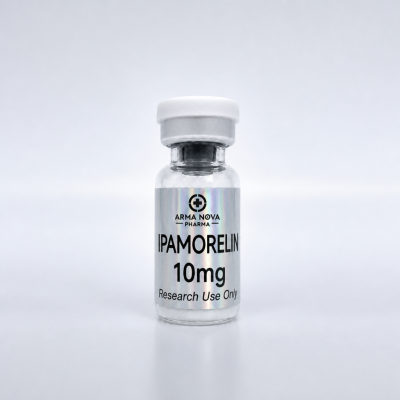
Ipamorelin UK: The Selective Growth Hormone Secretagogue for Researchers in 2026 Among the growth hormone-releasing peptides available to UK researchers, ipamorelin stands apart for a... Continue reading
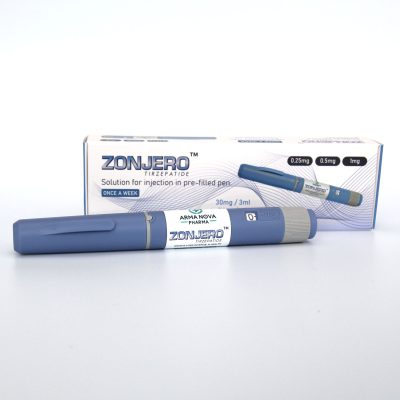
Tirzepatide 30mg UK: The Dual GIP/GLP-1 Receptor Agonist for Advanced Metabolic Research Tirzepatide represents the first dual glucose-dependent insulinotropic polypeptide (GIP) and glucagon-like peptide-1 (GLP-1)... Continue reading
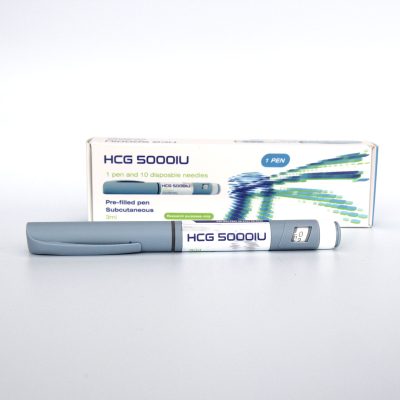
HCG 5000IU UK: Research-Grade Sourcing and Clinical Context Guide 2026 Human chorionic gonadotropin at the 5000 international unit dosage represents one of the most frequently... Continue reading
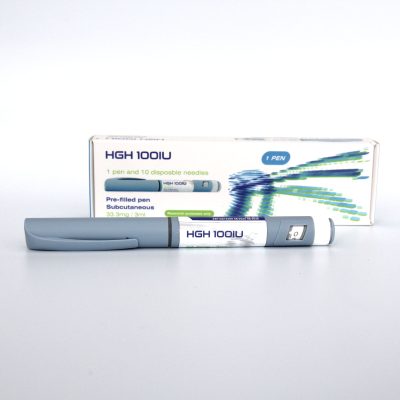
HGH 100 IU UK: Verified Research-Grade Sourcing, Purity Standards, and Regulatory Context for 2026 Securing genuine, laboratory-verified hgh 100 iu uk formulations presents distinct challenges... Continue reading
Add comment