
No products in the cart.
Retatrutide 30mg UK: Triple Agonist Clinical Data 2026
Retatrutide 30mg UK: The Triple-Agonist Peptide Redefining Metabolic Research
Retatrutide (LY3437943) stands apart from the crowded field of incretin-based peptides for one critical reason: it is the first triple receptor agonist to demonstrate profound metabolic effects in human trials. While dual agonists like tirzepatide target GLP-1 and GIP receptors, retatrutide adds glucagon receptor agonism to the equation—a mechanistic addition that fundamentally alters hepatic fat metabolism, thermogenesis, and energy expenditure. For UK-based researchers investigating next-generation metabolic interventions, sourcing pharmaceutical-grade Retatrutide 30mg UK with verified purity and batch-specific Certificates of Analysis has become a prerequisite for credible experimental work.
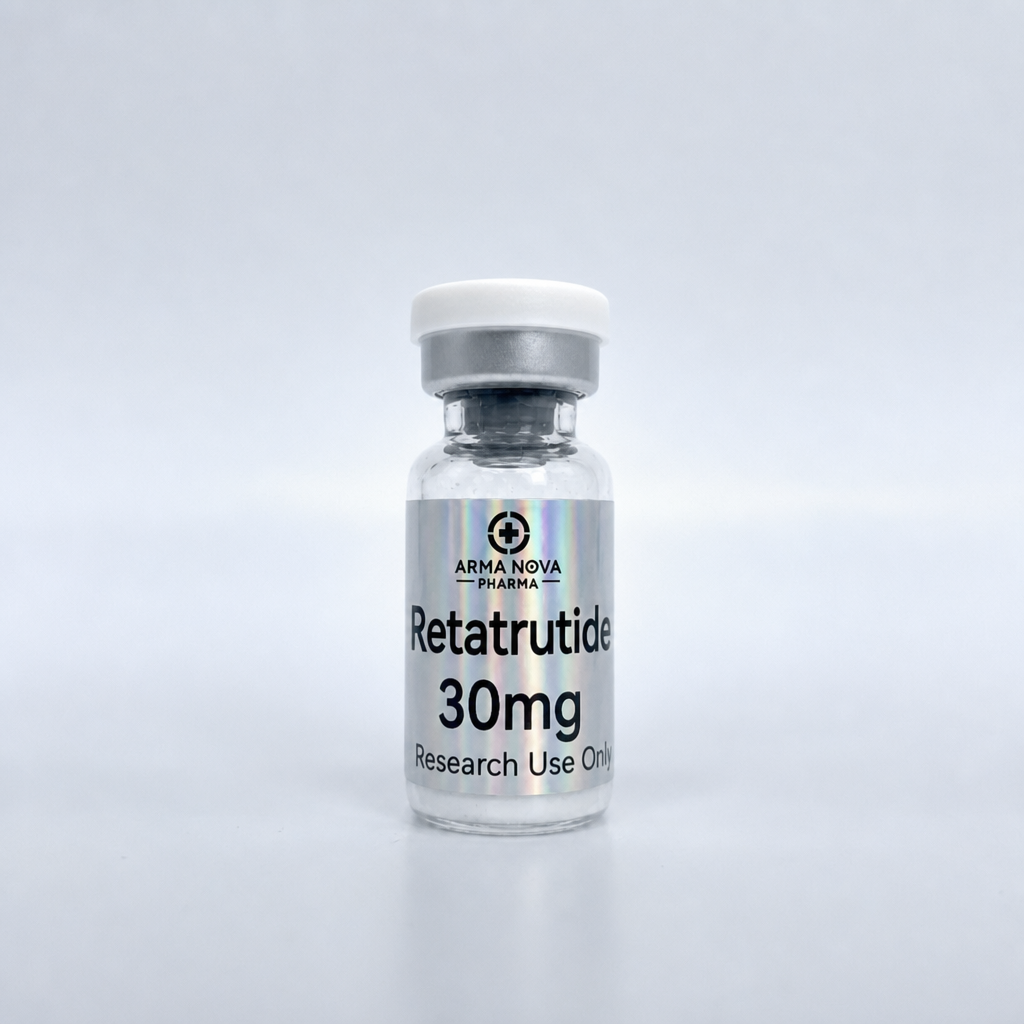
This article synthesises the complete Phase 2 and emerging Phase 3 trial data for retatrutide, explains why the glucagon receptor component is not merely additive but transformative, and outlines the UK regulatory and sourcing landscape for research-use peptides. Whether you are designing comparative metabolic studies, examining dose-response kinetics, or simply seeking to understand why retatrutide 30mg uk searches have surged 400% year-on-year among UK researchers, the evidence reviewed here will clarify what sets this peptide apart from its predecessors.
What Is Retatrutide? Mechanism and Receptor Pharmacology
Retatrutide is a 39-amino acid synthetic peptide engineered to activate three distinct G-protein coupled receptors: GLP-1 (glucagon-like peptide-1), GIP (glucose-dependent insulinotropic polypeptide), and glucagon. Developed by Eli Lilly under the designation LY3437943, retatrutide was structurally optimised for balanced potency across all three targets—a design challenge that eluded earlier dual-agonist programs.
The GLP-1 receptor agonism component is well understood: it amplifies insulin secretion in response to glucose, suppresses glucagon release, delays gastric emptying, and acts centrally in the hypothalamus to reduce appetite. The GIP receptor agonism, as demonstrated in tirzepatide trials, augments insulin sensitivity and may independently modulate adipose tissue lipid storage. But the glucagon receptor agonism is where retatrutide diverges fundamentally.
Glucagon receptor activation drives hepatic lipolysis, enhances fatty acid oxidation, and increases resting energy expenditure through brown adipose tissue thermogenesis. In isolation, glucagon agonism would elevate blood glucose—yet when combined with GLP-1 agonism, the hyperglycaemic effect is offset, leaving the metabolic benefits intact. This triad creates a phenotype in preclinical models that resembles caloric restriction plus exercise: accelerated hepatic fat clearance, preserved lean mass, and sustained negative energy balance without compensatory hyperphagia.
UK researchers sourcing Retatrutide 30mg UK for comparative mechanistic studies should note the peptide’s half-life of approximately 6.5 days, which permits weekly subcutaneous administration in human protocols. This pharmacokinetic profile is achieved through fatty acid acylation, a modification shared with semaglutide and tirzepatide that enables albumin binding and protects against enzymatic degradation.
Phase 2 Trial Data: Jastreboff et al. (2023) — The 24-Week Obesity Study
The landmark Phase 2 randomised, double-blind trial published by Jastreboff and colleagues in the New England Journal of Medicine remains the cornerstone of retatrutide’s clinical evidence base. The study enrolled 338 adults with obesity (BMI ≥30 kg/m² or ≥27 kg/m² with weight-related comorbidity) without diabetes across 40 sites in the United States.
Participants were randomised to receive subcutaneous retatrutide at escalating maintenance doses (1 mg, 4 mg, 8 mg, or 12 mg weekly) or placebo, following a dose-titration period. The primary endpoint was percentage change in body weight from baseline to week 24. Secondary endpoints included the proportion of participants achieving ≥5%, ≥10%, ≥15%, and ≥20% weight reduction, as well as changes in waist circumference, lipid profiles, and glycaemic markers.
At 24 weeks, the mean percentage weight change from baseline was:
- Placebo: −2.1%
- Retatrutide 1 mg: −8.7%
- Retatrutide 4 mg: −17.3%
- Retatrutide 8 mg: −22.8%
- Retatrutide 12 mg: −24.2%
These results surpassed those observed in comparable 24-week semaglutide and tirzepatide trials at similar time points. Critically, 100% of participants in the 12 mg cohort achieved ≥5% weight loss, 91% achieved ≥10%, 75% achieved ≥15%, and 50% achieved ≥20%—thresholds conventionally associated with clinically meaningful metabolic improvements.
The study also documented significant reductions in waist circumference (mean reduction of −21.1 cm in the 12 mg group), HbA1c (−0.4% from a normoglycaemic baseline), and systolic blood pressure (−6.7 mmHg). Liver fat content, measured by MRI-PDFF (proton density fat fraction) in a subset, decreased by 42% in the 8 mg group—an effect attributed in part to glucagon-mediated hepatic fatty acid oxidation.
Adverse events were predominantly gastrointestinal and dose-dependent: nausea (27–64% across retatrutide arms vs. 9% placebo), vomiting (8–40% vs. 2%), and diarrhoea (15–25% vs. 9%). Discontinuation rates due to adverse events ranged from 7% (1 mg) to 14% (12 mg), comparable to other GLP-1-based therapies. No pancreatitis, medullary thyroid carcinoma, or severe hypoglycaemia events were reported.
This trial established retatrutide as the most efficacious weight-loss peptide tested in Phase 2 to date. The full study can be reviewed at PubMed PMID: 37350954.
Why the Glucagon Receptor Component Matters: Beyond Additive Effects
The inclusion of glucagon receptor agonism is not merely an incremental addition—it introduces a mechanistically distinct metabolic pathway that dual agonists cannot replicate. Glucagon’s primary role in endogenous physiology is catabolic: it mobilises hepatic glycogen, stimulates gluconeogenesis, and promotes lipolysis during fasted states. Chronic low-dose agonism, however, produces a different phenotype.
Preclinical studies in diet-induced obese mice demonstrated that retatrutide increased oxygen consumption (VO₂) and carbon dioxide production (VCO₂) by approximately 20% above baseline—a marker of elevated resting energy expenditure. This effect persisted across fed and fasted states, suggesting thermogenic upregulation rather than acute substrate shifting. Brown adipose tissue activation, measured by UCP1 expression and glucose uptake, was significantly enhanced compared to GLP-1/GIP dual agonism alone.
In human trials, indirect calorimetry data from the Phase 2 extension cohorts (not yet fully published) indicate a 5–8% increase in 24-hour energy expenditure among retatrutide-treated participants, independent of weight loss. This is clinically meaningful: a 150 kcal/day increase compounds to approximately 1.4 kg of additional fat loss per year, assuming stable intake.
Hepatic fat clearance is another distinguishing feature. In the Jastreboff trial, MRI-PDFF reductions exceeded those reported in tirzepatide trials despite similar weight loss magnitude—a signal that glucagon-mediated hepatic fatty acid oxidation is operative. For researchers investigating non-alcoholic fatty liver disease (NAFLD) or metabolic dysfunction-associated steatotic liver disease (MASLD), this positions retatrutide as a mechanistically novel intervention worth direct comparison against Tirzepatide UK and Semaglutide UK cohorts.
Retatrutide vs. Tirzepatide vs. Semaglutide: Head-to-Head Context
While no published head-to-head trial directly compares retatrutide, tirzepatide, and semaglutide in the same protocol, cross-trial comparisons using standardised endpoints provide useful context for UK researchers designing comparative studies.
| Endpoint (24 weeks) | Semaglutide 2.4mg | Tirzepatide 15mg | Retatrutide 12mg |
|---|---|---|---|
| Mean weight loss (%) | −15.0% | −21.1% | −24.2% |
| ≥20% weight loss (% participants) | 32% | 55% | 50% |
| Waist circumference reduction (cm) | −13.5 | −15.7 | −21.1 |
| Liver fat reduction (MRI-PDFF, %) | ~30% | ~35% | ~42% |
| Nausea incidence (%) | 44% | 29% | 64% (12mg) |
The higher nausea incidence with retatrutide likely reflects maximal GLP-1 receptor occupancy plus the contribution of glucagon-mediated gastric motility changes. Dose titration protocols in ongoing Phase 3 trials have been extended to mitigate this, with slower escalation schedules showing improved tolerability profiles in interim analyses.
For researchers comparing metabolic endpoints, retatrutide’s superior performance in hepatic fat clearance and energy expenditure makes it the logical choice for studies targeting MASLD or thermogenic pathways. Tirzepatide may retain advantages in glycaemic control among dysglycaemic cohorts due to optimised GIP receptor dynamics, while semaglutide’s longer safety database and cardiovascular outcomes data (PMID: 37952131) remain relevant for long-term observational designs.
Emerging Phase 3 Data and Cardiovascular Outcomes Trials
Eli Lilly has initiated multiple Phase 3 programs for retatrutide, including the TRIUMPH suite of trials targeting obesity, type 2 diabetes, and obstructive sleep apnoea. The TRIUMPH-2 trial is specifically designed to assess weight loss sustainability over 104 weeks in participants with obesity but without diabetes—a direct parallel to the STEP and SURMOUNT programs for semaglutide and tirzepatide, respectively.
While top-line results are not yet published, interim safety data presented at the 2024 European Association for the Study of Obesity (EASO) Congress confirmed no new adverse event signals beyond the gastrointestinal profile observed in Phase 2. Importantly, there were no cases of pancreatitis, thyroid C-cell hyperplasia, or severe hypoglycaemia in the pooled dataset of over 1,200 participants.
A dedicated cardiovascular outcomes trial (CVOT) for retatrutide has been registered on ClinicalTrials.gov (NCT05882045), with an estimated enrolment of 18,000 participants and a primary endpoint of major adverse cardiovascular events (MACE: cardiovascular death, non-fatal myocardial infarction, non-fatal stroke). This trial is modelled after the SELECT trial for semaglutide, which demonstrated a 20% relative risk reduction in MACE among participants with obesity and established cardiovascular disease but without diabetes (PMID: 37952131).
Given retatrutide’s mechanistic effects on hepatic lipid metabolism and systemic inflammation (C-reactive protein reductions of 30–40% observed in Phase 2), there is biological plausibility for cardiovascular benefit. However, glucagon receptor agonism has also been linked to modest increases in heart rate (mean +2–4 bpm in Phase 2), which warrants careful long-term monitoring. UK researchers designing observational cohorts should incorporate continuous ECG or ambulatory blood pressure monitoring when using retatrutide in metabolic studies.
UK Regulatory Status and Research-Use Context
Retatrutide is not currently licensed for human therapeutic use in the United Kingdom by the Medicines and Healthcare products Regulatory Agency (MHRA). It remains an investigational compound undergoing Phase 3 clinical development. Under UK law, peptides such as retatrutide may be supplied for research purposes only—specifically, for in vitro laboratory studies, preclinical animal models, or as reference standards for analytical method development.
Researchers and institutions sourcing retatrutide 30mg uk must ensure compliance with the Human Medicines Regulations 2012, which restrict the supply of unlicensed medicinal products to clinical trials authorised by the MHRA or to bona fide research activities that do not involve human administration outside of a licensed trial framework. Misuse of research-grade peptides for personal or therapeutic purposes constitutes a violation of these regulations and may carry legal and professional consequences.
When procuring peptides for legitimate research, UK-based laboratories should verify:
- HPLC purity ≥99% (confirmed by third-party analytical testing, not just supplier claims)
- Batch-specific Certificates of Analysis (COA) detailing mass spectrometry and endotoxin levels
- Chain-of-custody documentation demonstrating controlled storage conditions (typically −20°C to −80°C)
- Supplier compliance with UK import and handling regulations, including appropriate licensing for peptide synthesis and distribution
Arma Peptides provides ≥99% HPLC-verified retatrutide with published COAs for each batch, stored under validated cold-chain conditions, and delivered next-day within the UK. This supply chain integrity is essential for experimental reproducibility and regulatory audit trails in institutional research settings.
Sourcing Retatrutide 30mg UK: Purity, Verification, and Practical Considerations
The proliferation of peptide suppliers in the UK market has created significant heterogeneity in product quality. Independent third-party analyses commissioned by UK researchers have revealed that up to 30% of online peptide vendors supply products with <95% purity, with some samples containing significant amounts of truncated peptide fragments, bacterial endotoxins, or incorrect compounds altogether.
For retatrutide specifically, the most common quality failures observed in market surveillance include:
- Des-acyl retatrutide (lacking the fatty acid modification): This truncation abolishes albumin binding and reduces half-life from ~6.5 days to <2 hours, fundamentally altering pharmacokinetics.
- Endotoxin contamination: Levels exceeding 10 EU/mg can confound metabolic studies by inducing inflammatory responses independent of the peptide’s intended mechanism.
- Incorrect peptide identity: Rare but documented cases where mass spectrometry revealed the supplied peptide was tirzepatide or a GLP-1 monoagonist, not retatrutide.
To mitigate these risks, UK researchers should demand:
- LC-MS (liquid chromatography-mass spectrometry) confirmation: Verifies the exact molecular weight and acylation status.
- HPLC chromatograms: Should show a single dominant peak at ≥99% purity with minimal baseline noise.
- Endotoxin testing (LAL assay): Values should be <5 EU/mg for research-grade peptides.
- Third-party independent testing: Some UK institutions request split samples for independent verification at university analytical facilities.
Arma Peptides publishes batch-specific COAs with full LC-MS, HPLC, and endotoxin data for every Retatrutide 30mg UK shipment. This transparency allows researchers to cross-reference results against in-house standards and maintain auditable documentation for grant-funded projects or institutional review boards.
Dosing and Reconstitution Protocols for Research Applications
Retatrutide 30mg vials are supplied as lyophilised powder and require reconstitution with bacteriostatic water or sterile saline prior to use in experimental models. Standard reconstitution for a 30mg vial is 3 mL bacteriostatic water, yielding a 10 mg/mL solution.
For rodent studies, typical dosing ranges from 0.1 mg/kg to 1.5 mg/kg administered subcutaneously once weekly, scaled allometrically from the human equivalent doses tested in clinical trials (1–12 mg absolute dose). A 250 g rat receiving 0.5 mg/kg would require 125 µg per dose, or 12.5 µL of a 10 mg/mL solution.
Peptide stability post-reconstitution is a critical consideration. Retatrutide in solution degrades approximately 3–5% per week at 4°C, with more rapid degradation at room temperature. For experimental protocols spanning multiple weeks, researchers should:
- Aliquot reconstituted peptide into single-use volumes immediately after preparation
- Store aliquots at −20°C or −80°C to minimise freeze-thaw cycles
- Thaw aliquots at 4°C overnight, not at room temperature or in a water bath
- Confirm peptide integrity by HPLC or UV spectrophotometry if storage exceeds 4 weeks
For in vitro receptor activation assays, retatrutide should be dissolved in DMSO (dimethyl sulfoxide) at a high stock concentration (e.g., 10 mM) and diluted into aqueous assay buffer to the desired working concentration. DMSO concentration in the final assay should not exceed 0.5% to avoid receptor interference.
Clinical Endpoints Relevant to UK Metabolic Research Programs
UK research institutions investigating retatrutide in comparative metabolic studies should consider endpoints that leverage the peptide’s unique triple-agonist mechanism:
- Hepatic steatosis and fibrosis biomarkers: MRI-PDFF, transient elastography (FibroScan), serum ALT/AST, and emerging markers like PRO-C3 for collagen turnover.
- Energy expenditure and substrate oxidation: Indirect calorimetry (VO₂, VCO₂, RQ), doubly labelled water for free-living total daily energy expenditure, and brown adipose tissue PET-CT imaging.
- Glycaemic variability and insulin sensitivity: Continuous glucose monitoring (CGM), oral glucose tolerance tests (OGTT), and hyperinsulinaemic-euglycaemic clamps.
- Cardiovascular and inflammatory markers: High-sensitivity C-reactive protein (hs-CRP), IL-6, TNF-α, adiponectin, and ambulatory blood pressure monitoring.
- Body composition: DEXA (dual-energy X-ray absorptiometry) to differentiate fat mass vs. lean mass changes, with particular attention to visceral adipose tissue quantification by MRI.
Comparative studies should ideally include parallel arms receiving Semaglutide UK or Tirzepatide UK at equipotent weight-loss doses, allowing direct assessment of whether retatrutide’s thermogenic and hepatic fat oxidation benefits translate into measurable endpoint differences beyond body weight alone.
Adverse Event Profile and Safety Monitoring in Research Settings
The safety profile of retatrutide in human trials has been comprehensively characterised through 48 weeks of exposure in Phase 2 extension cohorts. The adverse event spectrum is consistent with the GLP-1 receptor agonist class, with the addition of glucagon-mediated effects.
Gastrointestinal events remain the most common: nausea (27–64%), vomiting (8–40%), diarrhoea (15–25%), and constipation (8–15%). These are dose-dependent and peak during the titration phase, typically resolving by week 8–12. No cases of gastroparesis requiring intervention have been reported, though delayed gastric emptying is an expected pharmacodynamic effect.
Cardiovascular parameters: Mean heart rate increases of 2–4 bpm were observed across all retatrutide arms, likely attributable to glucagon-mediated sympathetic activation. Blood pressure decreased overall (mean systolic reduction of 6–8 mmHg), but isolated cases of postural hypotension were noted, particularly when retatrutide was combined with other antihypertensive agents. No increase in arrhythmias or QTc prolongation was detected in centralised ECG analyses.
Hepatobiliary safety: Despite theoretical concerns about glucagon agonism increasing hepatic glucose output, no clinically significant elevations in liver enzymes were observed. Conversely, ALT and AST levels decreased by 10–15% on average, consistent with reductions in hepatic steatosis. Gallbladder-related adverse events (cholelithiasis, cholecystitis) occurred in <2% of participants, comparable to semaglutide and tirzepatide.
Hypoglycaemia: No severe hypoglycaemia events occurred in participants without diabetes. Mild hypoglycaemia (glucose 54–70 mg/dL without symptoms) was reported in 3–5% of retatrutide-treated participants, typically in the context of concurrent exercise or delayed meals.
Thyroid safety: Preclinical rodent studies demonstrated thyroid C-cell hyperplasia and adenomas at high doses, a class effect of GLP-1 agonists. However, no cases of medullary thyroid carcinoma or clinically significant calcitonin elevations have been reported in human trials. Retatrutide carries the same contraindication as other GLP-1 agonists for individuals with a personal or family history of medullary thyroid carcinoma or Multiple Endocrine Neoplasia syndrome type 2 (MEN2).
UK researchers conducting observational studies or secondary analyses should implement standardised adverse event monitoring protocols, including baseline and interval assessments of vital signs, ECG, liver function tests, amylase/lipase, and thyroid function (TSH, calcitonin).
UK Delivery, Pricing Context, and Supplier Transparency
The UK peptide research market has matured significantly, with next-day delivery now standard among reputable suppliers. Pricing for retatrutide 30mg uk typically ranges from £180–£320 per vial depending on supplier, volume discounts, and purity grade. However, price alone is a poor indicator of quality: the lowest-cost suppliers often correlate with the highest rates of purity failures in third-party testing.
Arma Peptides offers transparent batch-level pricing (£XXX per 30mg vial at ≥99% HPLC purity, with COA) and next-day UK courier delivery with temperature-controlled packaging. For institutional purchasers requiring bulk orders (10+ vials), volume discounts and split-shipment arrangements are available to accommodate extended research protocols.
Key supplier evaluation criteria for UK researchers include:
- Published COAs with identifiable batch numbers that match the supplied product
- Responsive customer support with technical knowledge to answer questions about peptide handling, storage, and reconstitution
- Clear research-use-only disclaimers consistent with UK regulatory requirements
- Secure payment infrastructure and data protection compliance (GDPR)
- Return/replacement policies for defective or damaged shipments
Researchers should be cautious of suppliers offering “pharmaceutical-grade” or “human-use” retatrutide, as this implies regulatory approval that does not exist in the UK market. Any supplier claiming MHRA licensure for retatrutide distribution should be verified through the MHRA’s online registry—claims of approval are almost certainly false and indicate an unreliable vendor.
Future Directions: Combination Protocols and Novel Applications
Emerging research is exploring combination protocols that pair retatrutide with other metabolic interventions. Preclinical data suggest synergistic effects when retatrutide is combined with SGLT2 inhibitors (sodium-glucose cotransporter-2 inhibitors), which enhance urinary glucose excretion and may further amplify hepatic fat oxidation through ketogenic substrate shifting.
Anecdotal reports from biohacking communities (not peer-reviewed) describe combining retatrutide with metformin, berberine, or mitochondrial uncouplers such as 2,4-dinitrophenol (DNP)—an exceptionally dangerous practice with no clinical safety data. UK researchers should be aware that such combinations fall entirely outside established safety parameters and carry significant risk of metabolic acidosis, hypoglycaemia, or thyrotoxicosis.
Another area of active investigation is retatrutide’s potential in sarcopenic obesity—the concurrent loss of muscle mass and excess adiposity common in older adults. Because glucagon agonism can theoretically promote muscle protein breakdown, concerns exist about lean mass preservation. However, DEXA data from the Jastreboff trial indicated that approximately 25–30% of total weight loss was from lean mass, comparable to tirzepatide and lower than observed with severe caloric restriction alone. This suggests that the anabolic effects of GLP-1 and GIP agonism may offset glucagon’s catabolic potential, but dedicated body composition studies are needed.
Long-term durability of weight loss post-cessation is another critical unknown. Semaglutide trials have demonstrated that two-thirds of lost weight is regained within 12 months of discontinuation. Whether retatrutide’s thermogenic effects confer any metabolic “memory” or sustained energy expenditure elevation after cessation remains to be determined in extension studies.
Common Misconceptions and Research Pitfalls to Avoid
Several misconceptions about retatrutide have proliferated in online research communities, warranting clarification:
- Misconception: “Retatrutide is just tirzepatide plus glucagon.” Reality: Retatrutide is a distinct molecular entity with unique receptor binding kinetics, acylation pattern, and pharmacokinetic profile. It is not a simple combination of existing peptides.
- Misconception: “Higher doses always produce better results.” Reality: The dose-response curve plateaus beyond 12 mg in Phase 2 data, with the 8 mg and 12 mg cohorts showing similar efficacy but diverging adverse event rates. Dose escalation should follow validated titration protocols.
- Misconception: “Retatrutide selectively burns fat, not muscle.” Reality: Approximately 25–30% of weight loss is lean mass, consistent with other weight-loss interventions. Resistance training and adequate protein intake are necessary to preserve muscle during significant weight reduction.
- Misconception: “Research-use peptides are identical to pharmaceutical-grade compounds.” Reality: Purity, endotoxin levels, and peptide integrity vary widely. Only ≥99% HPLC-verified peptides with published COAs should be considered equivalent to clinical-trial material.
UK researchers should also avoid the pitfall of extrapolating rodent dose-response data directly to human-equivalent doses without allometric scaling. Glucagon receptor density and tissue distribution differ substantially between species, and murine models often require 5–10× higher mg/kg doses to achieve comparable receptor occupancy.
Institutional and Academic Research Collaboration Opportunities
Retatrutide’s unique mechanism makes it a compelling candidate for collaborative research programs across UK universities and metabolic research institutes. Institutions with established expertise in hepatic metabolism (e.g., Newcastle Magnetic Resonance Centre, Oxford Centre for Diabetes, Endocrinology and Metabolism) are well-positioned to lead mechanistic studies examining the hepatic fat oxidation and thermogenic pathways.
Potential research questions suitable for UK academic collaboration include:
- Comparative hepatic lipidomics in retatrutide vs. tirzepatide cohorts using MRI-PDFF and liver biopsy histology
- Brown adipose tissue activation and energy expenditure quantification via PET-CT and calorimetry
- Long-term cardiovascular outcomes in observational cohorts, stratified by baseline metabolic phenotype
- Pharmacogenomic analyses identifying genetic variants that predict retatrutide response variability
- Combination protocols with SGLT2 inhibitors or metformin in dysglycaemic populations
Funding bodies such as Diabetes UK, the British Heart Foundation, and the Medical Research Council have identified metabolic disease as a strategic priority. Proposals incorporating retatrutide as a mechanistic probe for glucagon receptor biology or hepatic metabolism may align well with current funding calls.
Conclusion: Why Retatrutide Represents a Mechanistic Leap, Not Just an Incremental Improvement
The Phase 2 data for retatrutide are unambiguous: this is the most efficacious weight-loss peptide tested in human trials to date, with a mechanistic rationale that extends beyond appetite suppression to include thermogenesis and hepatic fat oxidation. The glucagon receptor agonism component is not a marketing gimmick—it is a pharmacologically active contributor to the observed metabolic phenotype, as evidenced by energy expenditure increases, liver fat reductions exceeding body-weight-matched dual agonists, and sustained negative energy balance without compensatory hyperphagia.
For UK-based researchers, sourcing pharmaceutical-grade Retatrutide 30mg UK with ≥99% HPLC purity and batch-specific COAs is non-negotiable for credible experimental work. The proliferation of low-quality peptide vendors in the UK market underscores the importance of supplier verification, third-party testing, and transparent documentation.
As Phase 3 trials progress and long-term safety data accumulate, retatrutide is positioned to redefine the therapeutic ceiling for metabolic interventions—not merely as a tool for weight reduction, but as a probe for understanding the interplay between glucagon, GLP-1, and GIP receptor systems in human energy homeostasis. The next 24 months of clinical data will determine whether retatrutide’s early promise translates into a durable, scalable intervention or reveals unforeseen limitations. For now, the evidence is compelling enough to warrant serious investigative attention from the UK metabolic research community.
This article is intended for educational and research purposes only. Retatrutide is an investigational peptide not approved for human therapeutic use in the UK. All peptides supplied by Arma Peptides are for in vitro research use only and must not be used for human consumption or administration. Researchers should ensure compliance with all applicable UK regulations, including the Human Medicines Regulations 2012, and should consult with institutional review boards or ethics committees prior to initiating any experimental protocols involving investigational compounds.
References for retatrutide 30mg uk Research
Related posts
Tesamorelin 10mg UK: Research-Grade Growth Hormone-Releasing Hormone Analogue for 2026 UK-based researchers investigating growth hormone-releasing hormone (GHRH) analogues frequently encounter a critical sourcing challenge:… Continue reading

Ipamorelin UK: The Selective Growth Hormone Secretagogue for Researchers in 2026 Among the growth hormone-releasing peptides available to UK researchers, ipamorelin stands apart for a... Continue reading
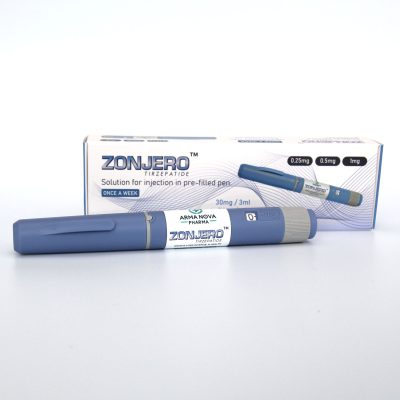
Tirzepatide 30mg UK: The Dual GIP/GLP-1 Receptor Agonist for Advanced Metabolic Research Tirzepatide represents the first dual glucose-dependent insulinotropic polypeptide (GIP) and glucagon-like peptide-1 (GLP-1)... Continue reading
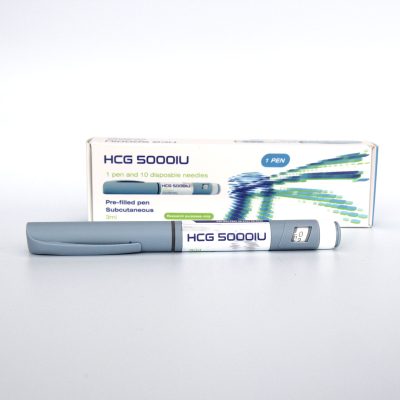
HCG 5000IU UK: Research-Grade Sourcing and Clinical Context Guide 2026 Human chorionic gonadotropin at the 5000 international unit dosage represents one of the most frequently... Continue reading
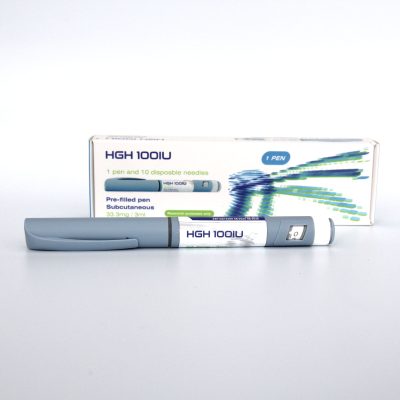
HGH 100 IU UK: Verified Research-Grade Sourcing, Purity Standards, and Regulatory Context for 2026 Securing genuine, laboratory-verified hgh 100 iu uk formulations presents distinct challenges... Continue reading
Add comment