
No products in the cart.
Bac Water 10ml UK: HPLC-Verified Reconstitution Guide
Bac Water 10ml UK: The Definitive Research-Grade Reconstitution Guide
Every peptide researcher in the United Kingdom eventually confronts the same fundamental question: where to source pharmaceutical-grade bacteriostatic water that won’t compromise lyophilised research compounds. Unlike the casual consumer market, research applications demand verifiable sterility, precisely controlled benzyl alcohol concentration, and documented pH stability—specifications that generic “sterile water” sellers routinely fail to meet. For UK-based researchers reconstituting peptides such as BPC-157, TB-500, or growth hormone secretagogues, selecting appropriate Bac Water 10ml constitutes the difference between reliable experimental outcomes and data contaminated by bacterial proliferation, peptide degradation, or injection-site reactions.
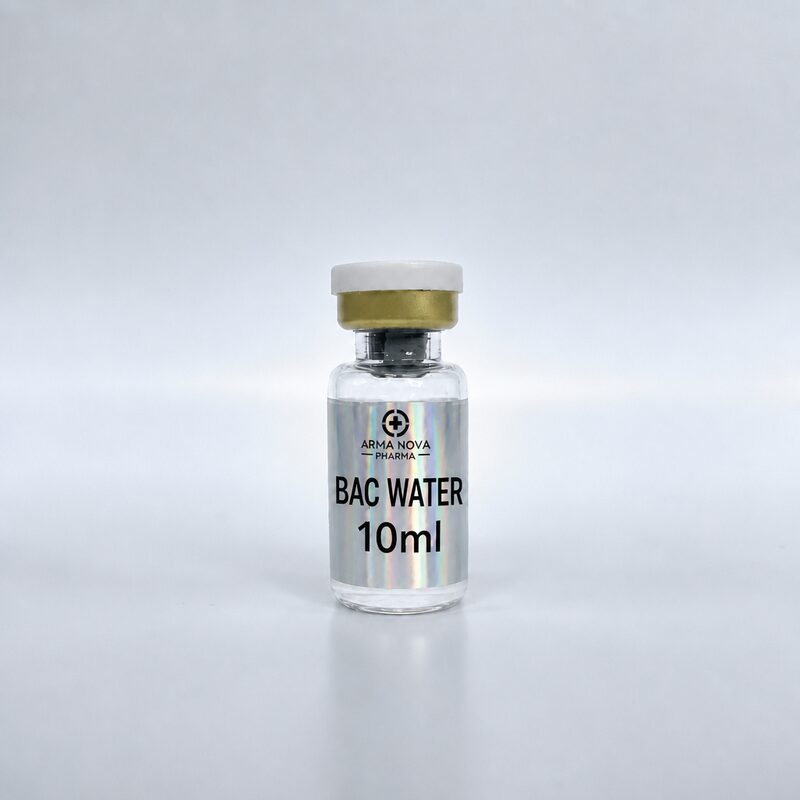
This guide explains the biochemical rationale for bacteriostatic water in peptide research, the specific quality markers that distinguish clinical-grade from substandard preparations, and the UK regulatory framework governing research-use solvents. We reference published clinical evidence, HPLC verification protocols, and UK-specific sourcing considerations to provide the most authoritative resource on bac water 10ml uk procurement currently available.
bac water 10ml uk: Why Bacteriostatic Water Matters in Peptide Reconstitution
Therapeutic peptides—defined as amino acid sequences typically ranging from 2 to 50 residues—have become central to modern pharmaceutical development. As Kaspar and colleagues documented in their 2013 analysis, peptides occupy a unique therapeutic space between small molecules and biologics, offering high target specificity with reduced off-target toxicity compared to conventional drugs (PMID: 23085456). However, this same structural specificity creates stability challenges. Peptides in lyophilised (freeze-dried) form remain shelf-stable for months, but once reconstituted, they become vulnerable to both chemical degradation and microbial contamination.
Bacteriostatic water addresses the contamination risk through inclusion of 0.9% benzyl alcohol—a preservative that inhibits bacterial growth without lysing existing microbial cells. This distinction matters: sterile water contains zero preservatives, making it appropriate only for immediate single-use applications. Any vial accessed multiple times over days or weeks—the standard research protocol for multi-dose peptide vials—requires bacteriostatic properties to prevent Staphylococcus epidermidis, Pseudomonas aeruginosa, or other common laboratory contaminants from proliferating in the solution.
The UK market presents specific sourcing challenges. Many retailers offer “bacteriostatic water” without publishing Certificates of Analysis (COAs), leaving researchers unable to verify actual benzyl alcohol concentration, endotoxin levels, or sterility assurance. Others ship from non-UK warehouses, introducing customs delays and temperature excursions that compromise product integrity. For researchers requiring documented purity and next-day UK delivery, these gaps represent unacceptable experimental variables.
HPLC Verification and Certificate of Analysis Requirements
High-Performance Liquid Chromatography (HPLC) remains the analytical gold standard for verifying solvent purity in pharmaceutical applications. Unlike simple visual inspection or pH testing, HPLC separates sample components at the molecular level, quantifying contaminants at parts-per-million resolution. For bac water 10ml uk used in research settings, HPLC verification should confirm:
- Benzyl alcohol concentration: 0.9% ± 0.1% (9 mg/mL). Concentrations below 0.8% fail to provide adequate bacteriostatic activity; concentrations above 1.0% increase injection-site irritation risk.
- Endotoxin levels: <0.5 EU/mL per United States Pharmacopeia (USP) standards. Endotoxins—lipopolysaccharide fragments from Gram-negative bacterial cell walls—trigger inflammatory cascades even at sub-nanogram quantities, confounding experimental outcomes in peptide research.
- Heavy metal content: Lead, arsenic, cadmium, and mercury collectively <10 ppm. These contaminants catalyse oxidative peptide degradation, particularly of methionine and cysteine residues.
- Particulate matter: <10 particles ≥10 μm and <2 particles ≥25 μm per mL (USP <788> standards). Particulates serve as nucleation sites for peptide aggregation and can cause injection-site granulomas.
Reputable UK suppliers publish batch-specific COAs documenting these parameters. Suppliers who decline to provide COAs—or who offer only generic “specification sheets” without actual test results—should be avoided. The Bac Water 10ml offered through Arma Peptides includes published COAs demonstrating ≥99% purity verified by third-party HPLC analysis, with batch numbers traceable to manufacturing records.
The Biochemical Role of Benzyl Alcohol in Multi-Dose Vials
Understanding benzyl alcohol’s mechanism clarifies why concentration precision matters. Benzyl alcohol functions as a bacteriostatic agent through disruption of bacterial cell membrane integrity. At 0.9% concentration, it partitions into the lipid bilayer of bacterial membranes, increasing permeability to ions and small molecules. This disruption halts bacterial replication without causing immediate cell lysis—hence “bacteriostatic” rather than “bactericidal.”
This mechanism creates a practical advantage for research applications: bacteriostatic water doesn’t eliminate bacteria already present (which shouldn’t exist in properly sterilised preparations), but prevents new bacterial colonies from establishing during the multi-week period a reconstituted peptide vial remains in use. For researchers drawing multiple doses from a single 10ml vial, this protection proves essential.
However, benzyl alcohol provides no protection against fungal contamination, chemical degradation, or peptide aggregation. These failure modes require additional controls: refrigerated storage (2-8°C for most peptides), protection from light (amber vials or foil wrapping), and adherence to manufacturer-specified reconstitution volumes. The bacteriostatic water handles microbial risk; proper handling protocols address everything else.
UK Regulatory Context: Research Use Classification
Within the United Kingdom, bacteriostatic water occupies a regulatory grey zone distinct from both pharmaceutical injectables and simple laboratory reagents. Under the Human Medicines Regulations 2012, bacteriostatic water itself is not classified as a medicine—it contains no active pharmaceutical ingredient. However, when combined with peptides for administration, the resulting solution may fall under medicines regulations depending on intended use.
For UK researchers, this creates a specific legal framework:
- Research use only: Bacteriostatic water and research peptides may be legally purchased and possessed in the UK for laboratory research, in vitro studies, or analytical purposes. This category explicitly excludes human administration, veterinary use, or any therapeutic application.
- Not for human consumption: All reputable UK suppliers label bacteriostatic water and research peptides with “Not for Human Use” disclaimers. This reflects both regulatory requirements and liability considerations. Researchers must ensure their institutional protocols align with these restrictions.
- MHRA oversight: The Medicines and Healthcare products Regulatory Agency (MHRA) governs pharmaceutical products for human use. Research-grade solvents purchased for in vitro work fall outside MHRA licensing requirements, but any attempt to market them for therapeutic use triggers regulatory action.
This framework allows legitimate scientific research while preventing unauthorised therapeutic applications. UK researchers should maintain documentation demonstrating research intent—laboratory notebooks, institutional approval letters, or published protocols—as this context supports lawful possession and use.
Comparing Bacteriostatic Water to Alternative Reconstitution Solvents
Researchers occasionally question whether alternatives to bacteriostatic water might offer advantages. Understanding the specific trade-offs clarifies why bacteriostatic water remains the standard for multi-dose peptide reconstitution:
| Solvent | Advantages | Disadvantages | Appropriate Use Case |
|---|---|---|---|
| Bacteriostatic Water (0.9% benzyl alcohol) | Multi-dose protection, broad peptide compatibility, low injection-site irritation | Not suitable for neonatal use (benzyl alcohol toxicity), contraindicated for certain peptides (manufacturer-specified) | Standard for multi-dose peptide vials with refrigerated storage over 2-4 weeks |
| Sterile Water for Injection (preservative-free) | No preservatives, suitable for single-dose applications | No bacterial growth inhibition—entire vial must be used within 24 hours once accessed | Single-dose applications or when benzyl alcohol is contraindicated |
| 0.9% Sodium Chloride (normal saline) | Isotonic, reduces injection-site discomfort | No bacteriostatic properties unless benzyl alcohol added, chloride ions may accelerate degradation of certain peptides | Immediate reconstitution before single administration; short-term use |
| Acetic Acid Solution (dilute) | Enhances solubility of certain acidic peptides | Low pH may degrade acid-sensitive peptides, increased injection discomfort, requires precise concentration control | Specialised applications for peptides with documented solubility issues in neutral pH water |
For the majority of research applications involving lyophilised peptides—including the sequences discussed in our Bpc 157 Tb 500 Blend Review What Researchers Need To Know article—bacteriostatic water provides the optimal balance of stability, safety, and convenience. Researchers should deviate from this standard only when peptide manufacturers explicitly specify alternative reconstitution protocols.
Peptide Therapeutics Development: Historical Context and Current Trajectory
To understand why proper reconstitution matters, it helps to appreciate the broader trajectory of peptide therapeutics. Lau and Dunn’s comprehensive 2018 review traced peptide drug development from the 1920s isolation of insulin through contemporary synthetic peptides targeting G-protein-coupled receptors, ion channels, and protein-protein interactions (PMID: 27890521). The authors documented over 60 peptide drugs currently approved in the United States, Europe, and Japan, with more than 140 peptides in active clinical trials.
This expansion reflects several technological advances: solid-phase peptide synthesis allowing economical production of custom sequences, improved understanding of peptide pharmacokinetics, and development of modified peptides with enhanced stability and bioavailability. However, these same peptides retain the core vulnerability that necessitates bacteriostatic water: aqueous instability.
Consider tesamorelin, the growth hormone-releasing hormone analog discussed in our Tesamorelin For Sale Uk Clinical Grade Research Supply guide. Tesamorelin’s 44-amino-acid sequence makes it susceptible to hydrolysis, oxidation, and aggregation once reconstituted. Clinical formulations address this through lyophilisation, preservative-containing diluents, and cold-chain distribution—the same principles that govern research-grade peptide handling.
The UK research community contributes significantly to peptide therapeutics development, with universities and biotechnology firms investigating novel sequences for metabolic disorders, tissue repair, and age-related conditions. This research depends on consistent experimental conditions, which in turn requires reliable reconstitution solvents. When researchers source bac water 10ml uk from suppliers lacking quality documentation, they introduce uncontrolled variables that compromise years of upstream work.
Practical Reconstitution Protocol: Step-by-Step Methodology
Proper reconstitution technique prevents contamination, ensures accurate concentration, and maximises peptide stability. This protocol applies to most lyophilised peptide research compounds:
Pre-Reconstitution Preparation
- Equilibrate temperature: Remove peptide vial and bacteriostatic water from refrigerated storage 15-20 minutes before reconstitution. Cold solutions can cause condensation inside vials, introducing contamination risk.
- Verify calculations: Determine required bacteriostatic water volume based on target peptide concentration. Most peptides use 1-2 mg/mL as a working concentration. For a 5mg peptide vial targeting 1mg/mL, add 5mL bacteriostatic water.
- Inspect vials: Examine both peptide and bacteriostatic water vials for cracks, cloudiness, or particulate matter. Discard any compromised vials.
- Sanitise workspace: Clean work surface with 70% isopropanol. Prepare alcohol swabs, sterile syringes (typically 3mL or 5mL), and sterile needles (18-20 gauge for drawing, 21-25 gauge for injection).
Reconstitution Procedure
- Clean vial tops: Swab rubber stoppers of both peptide and bacteriostatic water vials with 70% isopropanol. Allow 30 seconds drying time.
- Draw bacteriostatic water: Using sterile syringe and needle, withdraw calculated volume of Bac Water 10ml. Avoid introducing air bubbles, which can denature peptides during injection.
- Inject along vial wall: Insert needle into peptide vial at an angle, directing the stream against the glass wall rather than directly onto the lyophilised powder. This gentle reconstitution prevents foaming and mechanical shearing of peptide chains.
- Allow passive dissolution: After injection, allow vial to sit undisturbed for 3-5 minutes. Most peptides dissolve spontaneously without agitation. If powder remains visible after 5 minutes, gently swirl (never shake) the vial in a circular motion.
- Inspect solution: Reconstituted peptide should appear clear to slightly opalescent. Cloudiness, unusual color, or visible particles indicate degradation or contamination—discard such preparations.
- Label and date: Mark vial with reconstitution date and final concentration. Most reconstituted peptides remain stable for 14-28 days when refrigerated at 2-8°C, but this varies by sequence.
Post-Reconstitution Storage
- Refrigeration: Store reconstituted peptides at 2-8°C immediately after use. Avoid freezer storage unless manufacturer specifically recommends it—freeze-thaw cycles degrade most peptides.
- Light protection: Wrap vials in aluminum foil or store in opaque containers. Many peptides contain aromatic amino acids (tyrosine, tryptophan, phenylalanine) susceptible to photodegradation.
- Access control: Use fresh sterile needle and syringe for each withdrawal. Never reuse needles, as this introduces contaminants and dulls the needle tip, creating rubber particulates.
- Stability monitoring: Periodically inspect solution for clarity. Any change in appearance suggests degradation—discontinue use and reconstitute a fresh vial.
Researchers working with peptide blends—such as those detailed in our Cjc 1295 Ghrp 2 Blend Uk Research Guide—should follow manufacturer-specific reconstitution instructions, as multi-peptide formulations may require adjusted protocols to accommodate differing solubility characteristics.
Quality Markers: Distinguishing Clinical-Grade from Substandard Preparations
The UK market for bacteriostatic water includes suppliers across a quality spectrum. Researchers should evaluate potential sources using these specific markers:
Primary Quality Indicators
- Published COAs: Batch-specific Certificates of Analysis should be publicly accessible or provided upon request. Generic specification sheets without actual test results indicate inadequate quality control.
- HPLC verification: COAs should document HPLC analysis confirming ≥99% purity and precise benzyl alcohol concentration. Mass spectrometry or simple pH testing alone is insufficient.
- Sterility assurance: Look for documentation of sterility testing per USP <71> standards (14-day incubation in Fluid Thioglycollate Medium and Soybean-Casein Digest Medium). Sterility cannot be assumed from filtration alone.
- Endotoxin testing: LAL (Limulus Amebocyte Lysate) test results should confirm <0.5 EU/mL. This assay detects even trace endotoxin contamination that would otherwise go unnoticed.
Secondary Quality Indicators
- Type I borosilicate glass vials: USP Type I glass offers superior chemical resistance and minimal ion leaching compared to Type II or III glass. This matters for long-term storage.
- Tamper-evident closures: Flip-off caps with aluminum seals prevent undetected contamination during shipping and storage.
- GMP manufacturing: Good Manufacturing Practice certification indicates systematic quality control. While not legally required for research-grade materials, it signals supplier seriousness.
- Batch tracking: Each vial should bear a lot number allowing traceability to manufacturing records. This enables recalls if quality issues emerge and demonstrates process control.
- UK warehousing: Domestic inventory enables next-day delivery and eliminates customs-related temperature excursions. International shipments introduce uncontrolled storage variables.
When evaluating bac water 10ml uk suppliers, researchers should prioritise those meeting all primary quality indicators and most secondary markers. Cost savings from cheaper suppliers evaporate when contaminated or degraded solvents compromise months of experimental work.
Common Errors in Bacteriostatic Water Selection and Use
Even experienced researchers occasionally make missteps that compromise peptide stability. These errors account for the majority of “peptide didn’t work” complaints:
Selection Errors
- Assuming sterile water provides bacteriostatic protection: Sterile water lacks preservatives. Using it for multi-dose vials guarantees bacterial contamination within days.
- Purchasing without verifying COAs: Suppliers who refuse to provide Certificates of Analysis typically lack adequate quality control. Buying blind invites contamination, incorrect benzyl alcohol concentration, or degraded product.
- Confusing bacteriostatic water with bacteriostatic saline: Bacteriostatic sodium chloride (0.9% NaCl with 0.9% benzyl alcohol) is not interchangeable with bacteriostatic water. The chloride ions can degrade certain peptides, particularly those containing free thiol groups.
- Ignoring peptide-specific recommendations: Some peptides require preservative-free diluents or specific pH buffers. Always check manufacturer reconstitution instructions before defaulting to bacteriostatic water.
Reconstitution Errors
- Vigorous shaking: Mechanical agitation denatures peptides through shearing forces and foam generation. Always inject gently and allow passive dissolution.
- Incorrect volume calculations: Using excessive water creates inconveniently dilute solutions requiring large injection volumes. Insufficient water yields supersaturated solutions prone to peptide aggregation. Follow manufacturer-recommended reconstitution volumes.
- Direct injection onto lyophilised powder:Forceful streams mechanically damage peptide structure. Always direct the stream against the vial wall.
- Reconstituting entire inventory at once: Once reconstituted, peptides begin degrading regardless of storage conditions. Reconstitute only what you’ll use within the stability window (typically 2-4 weeks).
Storage Errors
- Room-temperature storage: Most reconstituted peptides require refrigeration at 2-8°C. Room temperature accelerates hydrolysis, oxidation, and bacterial growth despite benzyl alcohol presence.
- Freeze-thaw cycling: Unless specifically recommended, freezing reconstituted peptides causes ice crystal formation that mechanically damages peptide structure and concentrates solutes to denaturing levels.
- Light exposure: Aromatic amino acids absorb UV light, triggering photochemical degradation. Store vials in darkness or wrap in foil.
- Needle reuse: Each needle puncture introduces contamination risk and dulls the needle tip. Use fresh sterile needle and syringe for every withdrawal.
Avoiding these errors requires modest additional effort but dramatically improves experimental consistency. Researchers should treat reconstitution as a critical protocol step deserving the same care as the peptide administration itself.
The Economics of Quality: Why Premium Bacteriostatic Water Justifies Its Cost
UK researchers occasionally express sticker shock when comparing HPLC-verified bacteriostatic water to generic alternatives available at half the price. This perspective misses the economic calculus:
Consider a researcher purchasing a 5mg vial of a research peptide for £120. Reconstituting with £8 HPLC-verified bacteriostatic water costs £128 total. Using £3 generic bacteriostatic water of unknown quality costs £123 total. If the generic water causes peptide degradation (bacterial contamination, incorrect pH, heavy metal contamination), the researcher loses £120 worth of peptide to save £5 on solvent—a 24:1 loss ratio.
This calculation becomes more stark with expensive peptides. For peptides costing £300-500 per vial—common for modified sequences or long-chain peptides—the premium for verified bacteriostatic water represents 1-3% of total cost. No rational risk assessment justifies saving 1-3% at the expense of the remaining 97-99%.
Beyond direct replacement costs, contaminated or degraded peptides compromise experimental validity. Researchers may waste weeks pursuing false leads when observed effects result from solvent issues rather than peptide properties. Published laboratories factor these opportunity costs into procurement decisions, consistently choosing documented quality over marginal savings.
UK-Specific Sourcing Considerations and Next-Day Delivery
Geographic location creates practical constraints for UK researchers. Bacteriostatic water sourced internationally faces several disadvantages:
- Shipping delays: International orders typically require 7-14 days, extending experimental timelines and complicating project scheduling.
- Temperature excursions: Multi-day shipping without temperature control can expose bacteriostatic water to damaging heat or freezing, potentially degrading sterility or causing phase separation of benzyl alcohol.
- Customs uncertainty: Cross-border shipments occasionally face customs holds, introducing unpredictable delays and additional temperature excursion risk.
- Import duties and VAT: Packages entering the UK from non-EU countries incur 20% VAT plus potential customs duties, often eliminating apparent cost savings from lower foreign pricing.
- Return/replacement difficulties: International suppliers offer limited recourse if bacteriostatic water arrives contaminated or damaged. Return shipping costs may exceed product value.
UK-based suppliers with domestic inventory eliminate these issues. Next-day delivery within the UK ensures minimal transit time, controlled storage conditions, and easy returns if quality issues arise. For time-sensitive research, domestic sourcing proves essential.
Arma Peptides maintains UK warehouse inventory specifically to provide reliable access to HPLC-verified bac water 10ml uk with next-day delivery throughout England, Scotland, Wales, and Northern Ireland. This domestic supply chain ensures that researchers can restock bacteriostatic water on short notice without compromising quality or introducing experimental delays.
Peptide-Specific Reconstitution Considerations
While bacteriostatic water serves as the universal standard for most lyophilised peptides, certain sequences warrant special attention:
Copper Peptides (GHK-Cu)
Copper peptides like those discussed in our Ghk Cu Skin Uk Pre Filled Pen Hplc Verified Research Guide contain coordinated copper ions that can catalyse oxidative reactions in aqueous solution. While bacteriostatic water remains appropriate for reconstitution, researchers should take extra precautions to minimise oxygen exposure (fill vials completely to reduce headspace) and light exposure (foil wrapping). Some formulations include antioxidants like ascorbic acid or EDTA to chelate free copper ions that dissociate from the peptide complex.
Multi-Peptide Blends
Formulations containing multiple peptide sequences—such as BPC-157/TB-500 blends or CJC-1295/GHRP-2 combinations—require reconstitution volumes that accommodate the least soluble component. Manufacturers of multi-peptide blends typically optimize lyophilisation conditions and recommend specific reconstitution volumes to ensure all peptides dissolve completely. Deviating from these recommendations risks leaving insoluble peptide aggregates that reduce effective concentration and potentially clog injection needles.
Modified Peptides
Peptides with chemical modifications—PEGylation, acetylation, cyclisation, or D-amino acid substitutions—may exhibit altered solubility profiles compared to their unmodified parent sequences. Manufacturers should provide reconstitution guidance accounting for these modifications. If none is provided, researchers should reconstitute conservatively (lower concentration, more bacteriostatic water) to ensure complete dissolution, then concentrate if needed rather than risk aggregation from insufficient solvent.
Long-Chain Peptides
Peptides exceeding 30-40 amino acids often show reduced aqueous solubility and increased aggregation tendency. These sequences may require longer passive dissolution times (10-15 minutes rather than 3-5 minutes) or gentle warming to 37°C to achieve complete reconstitution. Never microwave peptide solutions, as this creates hot spots that denature peptide structure; instead, use a water bath at controlled temperature if warming is required.
Red Flags: When to Avoid a Bacteriostatic Water Supplier
Certain warning signs indicate suppliers unlikely to provide reliable research-grade bacteriostatic water:
- No published COAs or refusal to provide them upon request: This suggests inadequate testing or results that wouldn’t withstand scrutiny.
- Claims of “pharmaceutical grade” without supporting documentation: True pharmaceutical-grade materials come with extensive testing documentation. Vague claims without evidence indicate marketing rhetoric rather than actual quality.
- Prices dramatically below market average: Quality HPLC analysis, sterility testing, and proper manufacturing cost money. Prices 50%+ below competitor averages suggest corners are being cut somewhere—typically testing or raw material quality.
- Generic product images or lack of batch numbers on vials: Professional suppliers photograph actual products and print batch numbers on labels for traceability. Stock photos or unlabeled vials indicate casual quality control.
- Marketing therapeutic benefits for human use: Reputable research suppliers explicitly label products “Not for Human Use” and avoid therapeutic claims. Suppliers marketing research materials for human consumption ignore regulatory boundaries and likely cut other corners.
- No verifiable UK business address: Legitimate UK suppliers maintain transparent business registrations with Companies House. Anonymous websites or PO box addresses only suggest operations seeking to avoid accountability.
- Positive reviews that read suspiciously uniform: Authentic reviews mention specific use cases, quality observations, and occasional complaints. Uniformly glowing reviews using similar language suggest fabrication.
Researchers should conduct basic due diligence before purchasing bac water 10ml uk. Checking Companies House registrations, requesting sample COAs before ordering, and verifying warehouse locations takes minimal time but prevents costly mistakes.
The Future of Peptide Research and Reconstitution Technology
Peptide therapeutics continue expanding into new clinical domains. Recent research explores peptide-drug conjugates combining peptide targeting with small-molecule payloads, stapled peptides with enhanced stability and cell penetration, and peptide-based vaccines triggering specific immune responses. Each advance creates new reconstitution requirements.
Novel formulation technologies may eventually replace traditional lyophilisation and bacteriostatic water reconstitution. Spray-dried peptides, solid lipid nanoparticles encapsulating peptides, and self-assembling peptide hydrogels represent active research areas. However, these technologies remain developmental, with unclear timelines to widespread adoption. For the foreseeable future—likely the next decade—lyophilised peptides reconstituted with bacteriostatic water will remain the research standard.
UK researchers contribute significantly to this development trajectory. The Francis Crick Institute, Cambridge MRC Laboratory of Molecular Biology, and numerous biotechnology firms investigate peptide structures, delivery systems, and therapeutic applications. This research infrastructure demands reliable access to quality reconstitution solvents—a need that UK-based suppliers are uniquely positioned to meet.
Conclusion: Quality Reconstitution as Research Infrastructure
Bacteriostatic water represents fundamental research infrastructure—as essential to peptide experimentation as pipettes, centrifuges, or analytical balances. Yet because it’s “just water,” researchers sometimes neglect quality verification, sourcing from whoever offers the lowest price rather than documented reliability.
This approach inverts proper risk management. The costliest component of any peptide experiment is the researcher’s time: planning protocols, executing procedures, analysing results. When contaminated or substandard bacteriostatic water invalidates that work, the financial loss is trivial compared to the squandered effort and delayed timelines. Career advancement, publication records, and institutional reputation depend on experimental validity—which in turn depends on controlling every variable, including reconstitution solvent quality.
For UK researchers seeking HPLC-verified bac water 10ml uk with documented purity, published batch-specific COAs, and reliable next-day delivery, domestic suppliers meeting pharmaceutical standards offer the only sensible choice. The marginal cost premium over generic alternatives—typically £5-8 per 10ml vial—represents insurance against catastrophic experimental failure, making it one of the highest-return investments in the entire research budget.
Researchers should treat bacteriostatic water procurement with the same diligence applied to peptide sourcing itself: verify quality documentation, confirm HPLC analysis, ensure domestic warehousing for supply reliability, and maintain relationships with suppliers who prioritise scientific integrity over margin optimization. These practices transform bacteriostatic water from a commodity purchase into a controlled variable, enabling the reproducible research that advances scientific understanding.
For additional guidance on peptide research protocols, reconstitution techniques, and UK-specific sourcing considerations, explore our comprehensive resources at the Blog section, where we maintain the UK’s most detailed peptide research knowledge base.
Research Use Disclaimer: This article discusses bacteriostatic water and peptides in the context of laboratory research applications only. These materials are not intended for human consumption, therapeutic use, veterinary applications, or any purpose other than in vitro scientific investigation. UK researchers must ensure their use of research materials complies with institutional protocols and relevant regulations governing laboratory research. Information provided herein is for educational purposes and does not constitute medical advice, treatment recommendations, or endorsement of any particular use beyond legitimate scientific research.
References for bac water 10ml uk Research
Related posts
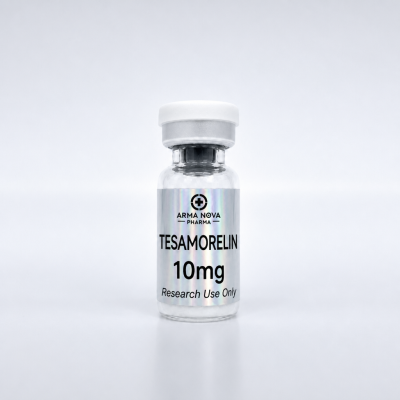
Tesamorelin 10mg UK: Research-Grade Growth Hormone-Releasing Hormone Analogue for 2026 UK-based researchers investigating growth hormone-releasing hormone (GHRH) analogues frequently encounter a critical sourcing challenge:… Continue reading
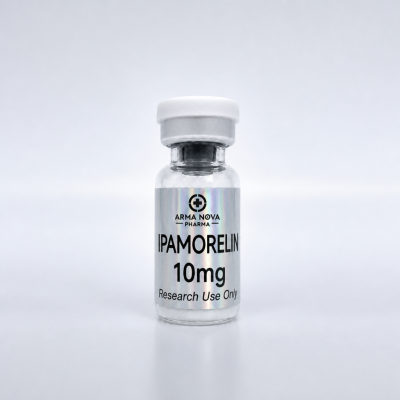
Ipamorelin UK: The Selective Growth Hormone Secretagogue for Researchers in 2026 Among the growth hormone-releasing peptides available to UK researchers, ipamorelin stands apart for a... Continue reading
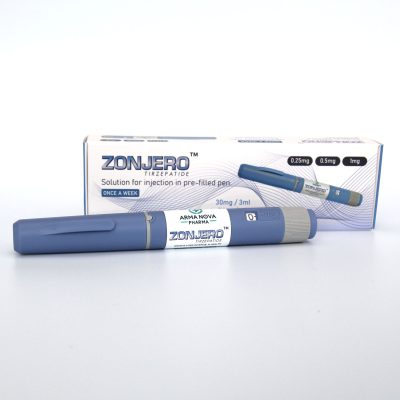
Tirzepatide 30mg UK: The Dual GIP/GLP-1 Receptor Agonist for Advanced Metabolic Research Tirzepatide represents the first dual glucose-dependent insulinotropic polypeptide (GIP) and glucagon-like peptide-1 (GLP-1)... Continue reading
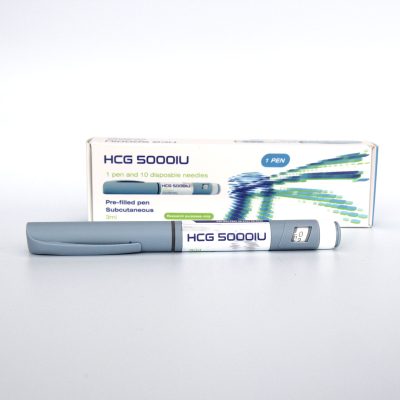
HCG 5000IU UK: Research-Grade Sourcing and Clinical Context Guide 2026 Human chorionic gonadotropin at the 5000 international unit dosage represents one of the most frequently... Continue reading
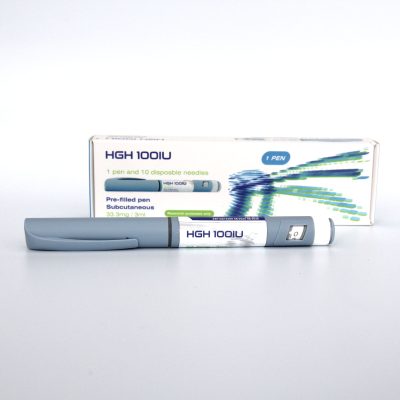
HGH 100 IU UK: Verified Research-Grade Sourcing, Purity Standards, and Regulatory Context for 2026 Securing genuine, laboratory-verified hgh 100 iu uk formulations presents distinct challenges... Continue reading
Add comment