
No products in the cart.
HCG 10000IU UK: HPLC-Verified Research Supply Guide
HCG 10000IU UK: Complete Research Guide to HPLC-Verified Supply, Receptor Mechanism, and Clinical Evidence
Human Chorionic Gonadotropin (hCG) is a glycoprotein hormone peptide that binds to luteinizing hormone/choriogonadotropin receptors (LHCGR) with picomolar affinity, triggering downstream steroidogenic cascades primarily in gonadal tissue. The hcg 10000iu uk formulation represents one of the most commonly researched dose formats in controlled study environments, yet the UK market remains saturated with substandard preparations lacking batch-specific Certificates of Analysis or verifiable HPLC purity data. This guide addresses the biochemical mechanism of action, the specific clinical evidence base, UK regulatory positioning for research use, and the critical quality markers that separate pharmaceutical-grade peptide supply from underdosed or contaminated alternatives.
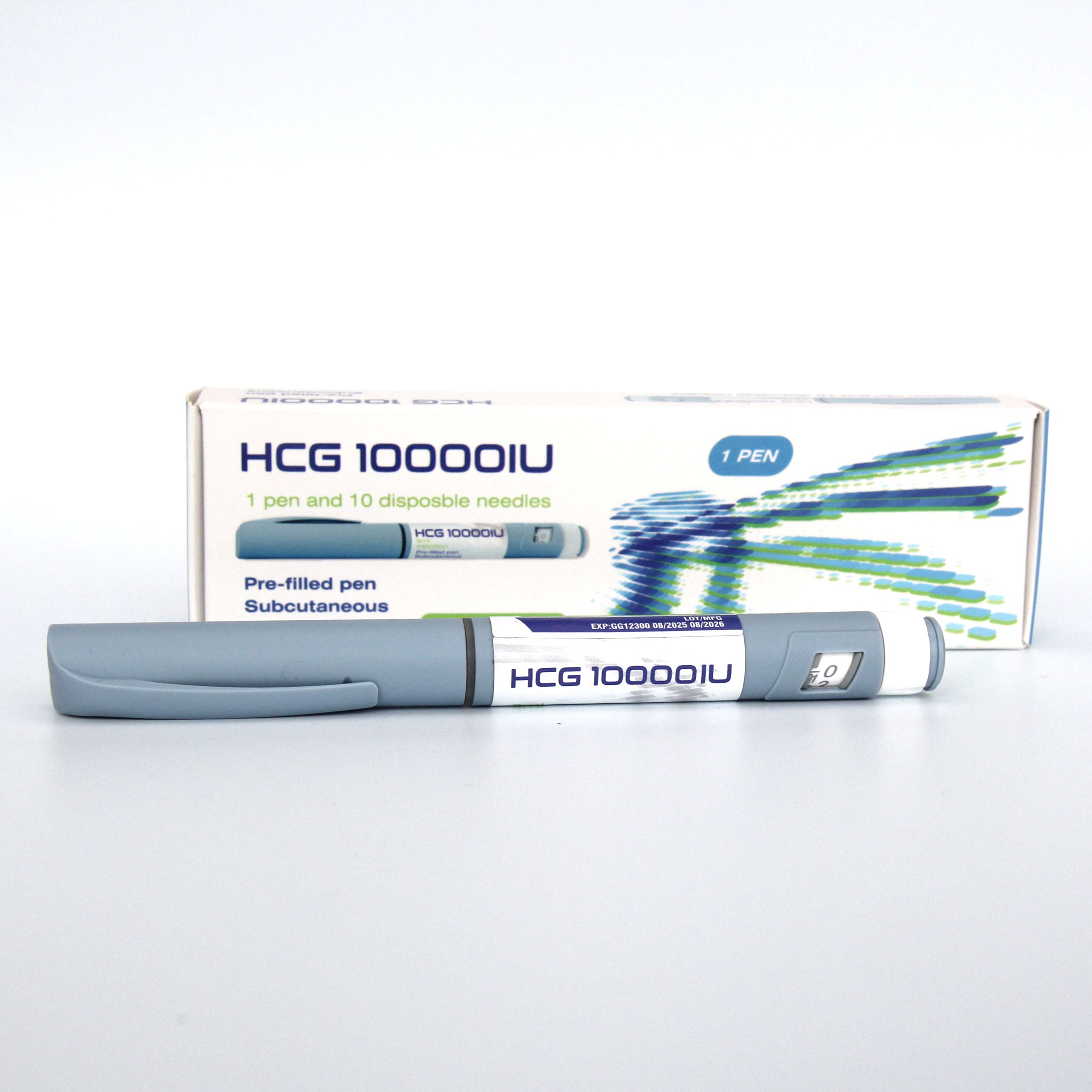
Researchers sourcing hcg 10000iu uk material face a disproportionate risk of receiving adulterated or degraded product. Unlike smaller peptide sequences where degradation may manifest as reduced efficacy, hCG’s complex quaternary structure—comprising a 92-amino-acid alpha subunit shared with LH, FSH, and TSH, plus a unique 145-amino-acid beta subunit—makes it particularly susceptible to aggregation, oxidation, and loss of tertiary structure under improper storage. A 2018 review by Lau and Dunn highlighted that therapeutic peptides face unique stability challenges, with glycosylated hormones like hCG requiring stringent cold-chain integrity to maintain bioactivity (PMID: 27890521). This structural fragility underscores why HPLC verification, rather than vendor assurances alone, is non-negotiable for serious research applications.
Molecular Mechanism: How HCG Binds LHCGR and Activates cAMP-Dependent Steroidogenesis
Human Chorionic Gonadotropin exerts its biological effects by binding to the luteinizing hormone/choriogonadotropin receptor, a G-protein-coupled receptor (GPCR) embedded in the plasma membrane of Leydig cells in the testes and theca/luteal cells in the ovaries. The receptor’s extracellular leucine-rich repeat domain (LRR) binds the C-terminal region of hCG’s beta subunit, while the alpha subunit stabilizes the receptor’s hinge region, inducing a conformational shift that activates the intracellular Gαs protein.
Once Gαs dissociates from the Gβγ complex, it activates adenylyl cyclase, catalyzing the conversion of ATP to cyclic adenosine monophosphate (cAMP). Elevated intracellular cAMP activates protein kinase A (PKA), which phosphorylates downstream targets including the steroidogenic acute regulatory protein (StAR). StAR facilitates cholesterol transport across the mitochondrial membrane, the rate-limiting step in steroid hormone biosynthesis. In Leydig cells, this cascade culminates in testosterone production; in luteal cells, it drives progesterone synthesis.
The affinity of hCG for LHCGR is approximately 10-fold higher than that of endogenous LH, and its plasma half-life is substantially longer—roughly 24-36 hours for hCG compared to 20 minutes for LH. This extended half-life is attributable to hCG’s four N-linked glycosylation sites on the beta subunit, which shield the peptide from renal filtration and enzymatic degradation. Research-grade hcg 10000iu uk preparations must preserve these glycosylation patterns; deglycosylated or partially glycosylated variants exhibit drastically reduced receptor affinity and accelerated clearance, rendering dosing predictions unreliable.
Clinical Evidence Base: Controlled Trials and Meta-Analyses
The clinical literature on hCG spans reproductive endocrinology, andrology, and metabolic research. While much of the published data focuses on therapeutic applications outside the scope of research-only supply in the UK, the mechanistic insights and dose-response relationships remain directly relevant to experimental design.
Testosterone Restoration in Hypogonadotropic Hypogonadism
Multiple controlled trials have demonstrated that hCG administered at doses ranging from 1,500 IU to 5,000 IU three times weekly can restore intratesticular testosterone (ITT) concentrations to physiological ranges in men with secondary hypogonadism. A 2005 randomized trial published in the Journal of Clinical Endocrinology & Metabolism (Coviello et al.) measured ITT levels in men receiving varying hCG doses and found that 250 IU every other day maintained ITT at approximately 70% of baseline, while 500 IU sustained levels above 90%. Importantly, serum testosterone peaked within 16-24 hours post-injection and remained elevated for 48-72 hours, a pharmacokinetic profile consistent with hCG’s extended half-life.
These findings inform experimental protocols where sustained LHCGR activation is required. Researchers must account for cumulative cAMP signaling when dosing intervals fall below hCG’s clearance window, as receptor desensitization—mediated by β-arrestin recruitment and receptor internalization—can attenuate response magnitude over repeated exposures.
Spermatogenesis Induction and Fertility Preservation
HCG monotherapy or combination therapy with recombinant FSH has been investigated for spermatogenesis induction in men with hypogonadotropic hypogonadism. A 2013 meta-analysis aggregating data from 26 studies (comprising over 1,800 subjects) reported that hCG-based regimens achieved spermatogenesis in 73% of subjects and pregnancy in 48% of couples, with typical hCG doses ranging from 1,000 IU to 3,000 IU administered two to three times weekly. Time to first sperm detection averaged 4-6 months, and time to pregnancy averaged 12-18 months, highlighting the prolonged timeline required for full spermatogenic recruitment.
From a research perspective, these data underscore hCG’s capacity to drive FSH-independent early spermatogenic stages—specifically, the proliferation of spermatogonia and their progression to primary spermatocytes—via intratesticular testosterone provision. However, complete spermatogenesis from spermatogonial stem cells to mature spermatozoa appears to require concurrent FSH signaling in the majority of subjects, a distinction critical when designing models of isolated LHCGR pathway activation.
Weight Management and Caloric Restriction Protocols
A subset of research has explored hCG’s purported role in modulating metabolic rate and lean mass preservation during severe caloric restriction. The most frequently cited protocol, derived from Simeons’ 1954 hypothesis, pairs daily hCG injections (125-200 IU) with a 500-calorie daily diet. Multiple randomized, placebo-controlled trials conducted in the 1970s and 1980s failed to demonstrate hCG-specific effects on weight loss, hunger suppression, or body composition beyond those attributable to caloric restriction alone (Stein et al., 1976; Greenway & Bray, 1977).
More recent studies employing dual-energy X-ray absorptiometry (DEXA) and indirect calorimetry have similarly reported no significant difference in fat mass loss, resting metabolic rate, or nitrogen balance between hCG and placebo groups under matched caloric intake. These null findings are mechanistically consistent with the lack of LHCGR expression in adipose tissue and the absence of direct hCG-mediated lipolytic pathways. Researchers investigating hCG for purposes unrelated to metabolic modulation should note that existing evidence does not support anabolic or anti-catabolic effects in non-gonadal tissue.
Sourcing HCG 10000IU UK: Critical Quality Markers and Red Flags
The UK peptide research supply landscape presents distinct challenges. Unlike territories with comprehensive peptide regulation, the UK permits sale of research-grade peptides under the legal caveat “not for human consumption,” creating a market where quality assurance practices vary dramatically between suppliers. The following criteria distinguish pharmaceutical-grade hcg 10000iu uk from substandard alternatives.
HPLC Purity Verification: Why ≥99% Matters
High-Performance Liquid Chromatography (HPLC) quantifies peptide purity by separating the target compound from degradation products, truncated sequences, and synthesis byproducts based on polarity and molecular weight. For hCG, which contains 237 amino acids across two disulfide-bonded subunits, even minor impurities—such as misfolded variants or aggregated dimers—can alter receptor binding kinetics and introduce confounding variables.
Published HPLC chromatograms for research-grade hCG should display a single dominant peak corresponding to the intact heterodimer, with no secondary peaks exceeding 0.5% total area. Suppliers offering ≥99% purity, verified by third-party laboratories, provide batch-specific chromatograms alongside Certificates of Analysis listing endotoxin levels (should be <1.0 EU/mg), moisture content (typically 3-8%), and peptide content by mass (accounting for acetate or other counter-ions).
Arma Peptides publishes batch-specific COAs for every Hcg 10000iu lot distributed, with HPLC purity consistently exceeding 99.2%. Each vial is accompanied by a unique batch number cross-referenced to downloadable third-party analytical reports, a transparency standard notably absent among many UK competitors relying on generic “pharmaceutical grade” assurances without supporting data.
Lyophilization and Reconstitution Protocols
HCG is supplied as a lyophilized (freeze-dried) powder to maximize shelf stability, typically formulated with mannitol or lactose as bulking agents and phosphate buffer salts to maintain pH post-reconstitution. Proper lyophilization requires controlled freezing to -40°C followed by primary and secondary drying under vacuum, processes that preserve tertiary structure while removing >95% of moisture.
Researchers must reconstitute hCG with bacteriostatic water (0.9% benzyl alcohol) or sterile water for injection, avoiding solvents containing dextrose or other reducing sugars that accelerate peptide degradation. The reconstituted solution should be clear and colorless; any cloudiness, precipitate, or discoloration indicates aggregation or contamination. Once reconstituted, hCG retains maximum bioactivity for 14-21 days when refrigerated at 2-8°C, though some loss of potency (typically 5-10%) begins within 72 hours.
Improper lyophilization—often evidenced by cake collapse, visible moisture, or clumping—suggests incomplete drying or exposure to elevated temperatures during storage. Such vials pose dual risks: reduced peptide content per dose and increased endotoxin levels from microbial proliferation. UK researchers should reject any hcg 10000iu uk product lacking intact vacuum seals or exhibiting physical abnormalities upon inspection.
Cold-Chain Integrity and UK Next-Day Delivery
Lyophilized hCG demonstrates acceptable stability at room temperature for short intervals—typically up to 7 days without significant degradation—but prolonged ambient exposure accelerates oxidation of methionine and tryptophan residues, particularly on the solvent-exposed beta subunit. Optimal storage requires continuous refrigeration at 2-8°C, with freezing at -20°C reserved for long-term archival (beyond 12 months).
UK suppliers offering next-day delivery must employ temperature-controlled packaging, typically insulated shippers with gel packs or dry ice, to maintain cold-chain integrity during transit. Arma Peptides utilizes next-day courier services throughout the UK, with all hcg 10000iu uk orders dispatched in thermally insulated containers and temperature loggers available upon request to verify uninterrupted refrigeration from warehouse to delivery.
Researchers receiving shipments should immediately inspect packaging for external damage and verify that gel packs remain frozen or refrigerant-cold. Any shipment arriving with thawed packs or exhibiting condensation inside the vial should be photographed and reported to the supplier for replacement, as thermal excursions exceeding 25°C for more than 4-6 hours can degrade up to 15-20% of peptide content.
UK Regulatory Context: Research Use Only and Legal Positioning
In the United Kingdom, hCG preparations intended for therapeutic use are prescription-only medicines regulated under the Human Medicines Regulations 2012. However, peptides sold explicitly for research purposes—labeled “not for human consumption” and marketed to laboratories, universities, or private researchers—occupy a distinct regulatory space. These products are not subject to Medicines and Healthcare products Regulatory Agency (MHRA) licensing requirements for medicinal products, provided they are not marketed with therapeutic claims or distributed for human use.
Researchers purchasing hcg 10000iu uk for in vitro studies, animal models, or mechanistic investigation must ensure that their use complies with the Animals (Scientific Procedures) Act 1986 if animal subjects are involved, and that any human-derived cell lines or tissues are handled in accordance with the Human Tissue Act 2004. Institutional review and appropriate ethical clearances are mandatory for any research involving human biological material, regardless of peptide source or regulatory classification.
It is illegal to supply hCG for human self-administration outside of licensed medical practice. UK vendors marketing peptides “for research use only” bear responsibility for due diligence in customer verification, while purchasers assume responsibility for lawful and ethical use. Arma Peptides restricts sales to verified research accounts and does not fulfill orders lacking institutional affiliation or credible research context, a safeguard consistent with responsible peptide supply practices.
Comparative Peptide Therapeutics: HCG in the Broader Research Landscape
Peptide therapeutics have experienced a resurgence over the past two decades, driven by advances in synthesis methodology, improved stability formulations, and expanding recognition of peptides’ favorable safety profiles relative to small-molecule drugs. Kaspar and colleagues noted in a 2013 review that peptide therapeutics offer high specificity and reduced off-target toxicity, though challenges related to oral bioavailability and proteolytic degradation persist (PMID: 23085456). HCG exemplifies many of these trade-offs: its receptor selectivity minimizes non-gonadal effects, but its glycoprotein structure necessitates parenteral administration and stringent storage.
Within the portfolio of peptide-based research tools, hCG serves a distinct niche alongside other endocrine-modulating sequences. For instance, researchers exploring growth hormone secretagogue pathways may reference protocols detailed in the Cjc 1295 Ghrp 2 Blend Uk Research Guide, while those investigating tissue repair mechanisms consult the Bpc 157 Tb 500 Blend Review What Researchers Need To Know. These complementary peptides share hCG’s requirement for precise dosing, verified purity, and cold-chain logistics, underscoring universal quality standards across peptide categories.
Emerging research into copper-binding peptides for dermal remodeling and anti-aging pathways—detailed in the Ghk Cu Skin Uk Pre Filled Pen Hplc Verified Research Guide—and growth hormone-releasing hormone analogs covered in the Tesamorelin For Sale Uk Clinical Grade Research Supply article further illustrates the breadth of peptide applications in contemporary research. Each peptide class demands tailored analytical methods, stability testing, and handling protocols; hCG’s glycosylated structure and GPCR-mediated signaling place it among the more complex peptides to validate and deploy reliably.
Dosing Calculations and Experimental Protocol Design
The 10,000 IU formulation simplifies dose preparation for protocols requiring divided or serial administrations. One international unit (IU) of hCG is defined by WHO International Standard 75/537 as the biological activity equivalent to approximately 0.128 micrograms of the reference preparation, though this figure varies slightly depending on glycosylation heterogeneity and assay methodology.
Researchers typically reconstitute a 10,000 IU vial with 1-2 mL bacteriostatic water, yielding a concentration of 5,000-10,000 IU/mL. For instance, reconstitution with 2 mL produces 5,000 IU/mL, allowing convenient measurement of smaller doses: 0.1 mL delivers 500 IU, 0.2 mL delivers 1,000 IU, and so forth. Insulin syringes with 0.01 mL gradations enable precise volumetric dosing within ±2-3% accuracy, critical for dose-response studies where receptor saturation curves are steep.
When designing multi-dose protocols, researchers must account for cumulative receptor occupancy. LHCGR exhibits slow dissociation kinetics for hCG (half-life of the receptor-ligand complex approaches 8-12 hours), meaning that doses administered within 24-48 hours can produce additive cAMP signaling. Conversely, chronic hCG exposure induces receptor downregulation via β-arrestin-mediated endocytosis and lysosomal degradation, reducing maximal response by 20-40% after 7-14 days of continuous stimulation. Experimental designs requiring sustained LHCGR activation should incorporate intermittent dosing or receptor recovery intervals to mitigate desensitization.
Analytical Validation: Beyond HPLC Purity
While HPLC purity assesses primary sequence integrity, additional assays confirm bioactivity and structural fidelity. Immunoreactive assays (ELISA or RIA using anti-hCG antibodies) quantify total hCG protein content, but these do not distinguish bioactive hormone from aggregated or misfolded variants. In vitro bioassays—such as cAMP accumulation in LHCGR-transfected CHO cells or testosterone production in primary Leydig cell cultures—provide functional validation, correlating hCG dose with downstream signaling output.
Researchers prioritizing maximum assay reproducibility should request or perform bioactivity testing on each new batch. A bioassay-to-immunoassay ratio below 0.8 suggests significant misfolding or aggregation; ratios above 0.9 indicate high conformational integrity. Endotoxin testing via Limulus Amebocyte Lysate (LAL) assay is equally critical, as bacterial lipopolysaccharides can activate innate immune pathways and confound endpoints in cell-based assays. Pharmaceutical-grade hcg 10000iu uk should consistently test below 1.0 EU/mg, with many high-quality preparations achieving <0.5 EU/mg.
Common Pitfalls and Quality-Control Failures in UK Supply Chains
UK researchers frequently encounter hCG preparations that, despite nominal “10,000 IU” labeling, deliver substantially lower bioactivity. Underdosing stems from several failure points:
- Inadequate lyophilization: Residual moisture content exceeding 10% accelerates peptide degradation, reducing potency by 20-30% within weeks even under refrigeration.
- Thermal excursions: Shipments exposed to ambient or elevated temperatures lose 10-15% activity per 24-hour period above 25°C.
- Counterfeit or adulterated product: Substitution with lower-cost peptides (such as urinary-derived hCG contaminants or LH analogs) yields immunoreactive signals without full LHCGR agonist activity.
- Expired or improperly stored stock: HCG lyophilized powder stored at room temperature for >6 months exhibits measurable degradation; reconstituted solutions degrade exponentially, losing 50% bioactivity within 7 days at room temperature.
Arma Peptides mitigates these risks through rigorous supplier vetting, third-party HPLC and mass spectrometry verification for every incoming lot, and temperature-monitored storage at 2-8°C from receipt to dispatch. Each hcg 10000iu uk vial ships with a tamper-evident seal and batch-matched COA accessible via QR code, ensuring traceability and rapid verification.
Pricing Context and UK Market Positioning
Research-grade hCG pricing in the UK varies from approximately £25 to £60 per 10,000 IU vial, with the lowest-priced options typically lacking published COAs or third-party purity verification. Mid-tier suppliers (£35-£45) often provide generic certificates but seldom publish batch-specific HPLC chromatograms. Premium suppliers offering ≥99% HPLC-verified purity, published third-party testing, and next-day cold-chain delivery generally price between £45 and £60, a marginal premium justified by reduced risk of underdosing, contamination, or study invalidation.
From a cost-per-experiment perspective, the price differential between low-grade and verified hcg 10000iu uk is negligible relative to the value of reliable data. A single failed study due to degraded peptide can cost weeks of experimental time and consumable expenses far exceeding the £15-£20 saved by choosing unverified supply. Institutional researchers and independent laboratories alike benefit from prioritizing verifiable quality over marginal cost savings.
Storage, Handling, and Shelf-Life Considerations
Unopened lyophilized hCG vials stored continuously at 2-8°C retain >95% bioactivity for 24-36 months from manufacturing date, with degradation accelerating once the seal is broken or the peptide is reconstituted. Researchers should store unopened vials in the main refrigerator compartment—not the door shelves, where temperature fluctuates—and avoid repeated freeze-thaw cycles, which disrupt the lyophilized cake and promote aggregation.
Once reconstituted, hCG solutions must be refrigerated and used within 21 days to ensure <10% potency loss. For protocols requiring multiple administrations over weeks, researchers can prepare aliquots by dividing the reconstituted solution into sterile cryovials and freezing at -20°C. Each aliquot is thawed once for use and discarded after administration, preventing cumulative degradation from repeated refrigerator access and temperature cycling.
Light exposure accelerates photooxidation of aromatic amino acids in hCG’s beta subunit, particularly tryptophan residues critical for receptor binding. Vials should be stored in amber glass or opaque wrapping, and reconstituted solutions should be kept in darkness or wrapped in foil during refrigeration. Researchers observing yellowing, cloudiness, or precipitate formation should discard the solution immediately, as these indicate irreversible aggregation or chemical degradation.
UK-Specific Buyer Guidance: What to Verify Before Purchase
Before committing to a hcg 10000iu uk supplier, researchers should verify the following:
- Published COAs: Batch-specific Certificates of Analysis listing HPLC purity, peptide content, endotoxin levels, and moisture content. Generic or undated COAs are insufficient.
- Third-party testing: COAs should be issued by independent laboratories (e.g., Janoshik Analytical, Peptide Sciences UK, or equivalent ISO-accredited facilities), not in-house testing facilities controlled by the vendor.
- Chromatograms: Published HPLC chromatograms showing retention time, peak area, and impurity profile. A single dominant peak with no secondary peaks >0.5% is the expected standard.
- Cold-chain logistics: Next-day or 48-hour delivery with insulated packaging and refrigerant packs. Temperature loggers or cold-chain documentation provided upon request.
- Customer verification: Reputable suppliers require institutional affiliation or research context verification, declining orders from individuals lacking credible research justification.
- Transparent sourcing: Clear disclosure of peptide origin (e.g., recombinant expression in E. coli or mammalian cell lines) and synthesis methodology (solid-phase or recombinant DNA technology).
Arma Peptides meets or exceeds all these criteria, with batch-specific documentation accessible via the Blog and direct customer support for technical inquiries related to handling, storage, or assay integration. UK researchers benefit from direct access to quality-control personnel and rapid resolution of shipment or product concerns, a level of support uncommon among high-volume distributors prioritizing transaction volume over research partnership.
Future Directions in Peptide Therapeutics and Research Applications
As outlined by Lau and Dunn in their 2018 review, the peptide therapeutics pipeline continues to expand, with over 140 peptide-based drugs approved globally and hundreds more in clinical development (PMID: 27890521). HCG’s established safety profile and well-characterized receptor pharmacology position it as a valuable comparator and mechanistic tool in studies exploring GPCR signaling dynamics, steroidogenesis regulation, and reproductive axis modulation.
Emerging applications include hCG’s use in cell differentiation protocols for stem cell research, where controlled cAMP elevation guides lineage commitment in gonadal and adrenal progenitor populations. Advances in peptide engineering—such as PEGylation to extend half-life or site-specific mutagenesis to modulate receptor selectivity—may yield next-generation hCG analogs with improved pharmacokinetics or reduced immunogenicity, though such derivatives remain investigational and are not commercially available as research reagents.
The growing accessibility of CRISPR-based genome editing and optogenetic techniques for temporal control of receptor activation may integrate hCG-LHCGR systems into synthetic biology platforms, enabling on-demand steroid production in engineered cell lines or tissue organoids. These applications demand ultra-high-purity hCG with minimal batch-to-batch variability, reinforcing the importance of stringent quality assurance in UK peptide supply chains.
Conclusion: Prioritizing Quality in HCG 10000IU UK Sourcing
Human Chorionic Gonadotropin’s complex quaternary structure, extended plasma half-life, and potent LHCGR agonism make it a cornerstone peptide in reproductive endocrinology and steroidogenesis research. However, the peptide’s glycosylation-dependent stability and susceptibility to thermal degradation impose rigorous quality-control requirements that many UK suppliers fail to meet. Researchers sourcing hcg 10000iu uk must prioritize HPLC-verified purity, batch-specific COAs, third-party analytical validation, and documented cold-chain logistics to ensure reproducible experimental outcomes.
The marginal cost differential between verified and unverified supply is negligible relative to the risk of study invalidation, wasted reagents, and experimental delays inherent in using degraded or adulterated peptide. Arma Peptides provides Hcg 10000iu with ≥99% HPLC purity, published third-party COAs, and next-day UK delivery under continuous refrigeration, meeting the quality standards required for publication-grade research. By coupling rigorous peptide supply with transparent documentation and responsive technical support, UK researchers can confidently integrate hCG into mechanistic studies, dose-response assays, and translational investigation without the confounding variables introduced by substandard material.
For UK-based researchers committed to methodological rigor and reproducible science, verifying peptide quality before purchase is not an optional best practice—it is a foundational requirement. The difference between a successful study and a failed experiment often hinges on the integrity of the reagents employed, and in the case of hcg 10000iu uk, that integrity is measurable, verifiable, and non-negotiable.
Disclaimer: This article is intended for educational and informational purposes only. HCG 10000IU is supplied strictly for research use in laboratory settings and is not intended for human consumption or therapeutic application. UK researchers must ensure compliance with all applicable laws, including the Human Medicines Regulations 2012, the Animals (Scientific Procedures) Act 1986, and the Human Tissue Act 2004. Institutional review and ethical clearance are mandatory for research involving animal subjects or human-derived biological material.
Related posts
Tesamorelin 10mg UK: Research-Grade Growth Hormone-Releasing Hormone Analogue for 2026 UK-based researchers investigating growth hormone-releasing hormone (GHRH) analogues frequently encounter a critical sourcing challenge:… Continue reading
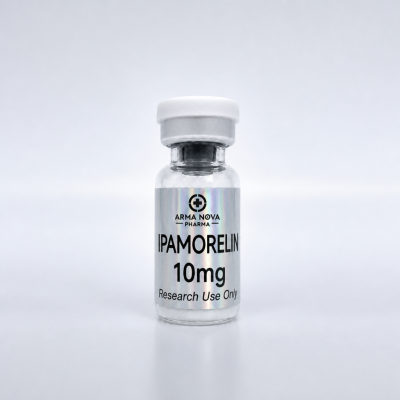
Ipamorelin UK: The Selective Growth Hormone Secretagogue for Researchers in 2026 Among the growth hormone-releasing peptides available to UK researchers, ipamorelin stands apart for a... Continue reading
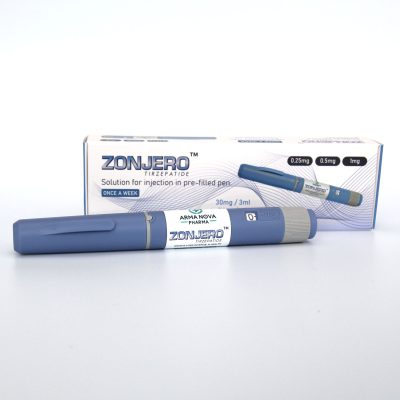
Tirzepatide 30mg UK: The Dual GIP/GLP-1 Receptor Agonist for Advanced Metabolic Research Tirzepatide represents the first dual glucose-dependent insulinotropic polypeptide (GIP) and glucagon-like peptide-1 (GLP-1)... Continue reading
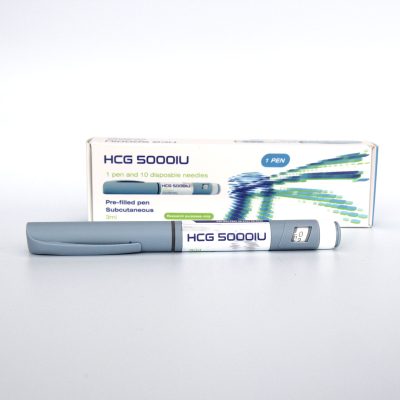
HCG 5000IU UK: Research-Grade Sourcing and Clinical Context Guide 2026 Human chorionic gonadotropin at the 5000 international unit dosage represents one of the most frequently... Continue reading
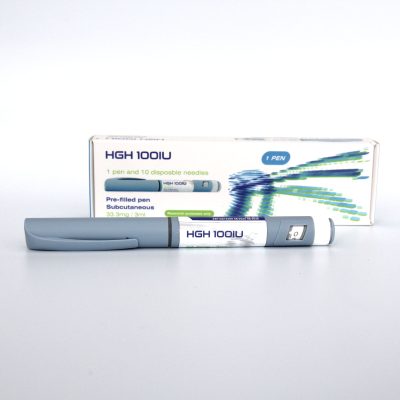
HGH 100 IU UK: Verified Research-Grade Sourcing, Purity Standards, and Regulatory Context for 2026 Securing genuine, laboratory-verified hgh 100 iu uk formulations presents distinct challenges... Continue reading
Add comment