
No products in the cart.
TB500 10mg UK: Research-Grade Peptide Verification Guide
TB-500 10mg UK: The Complete Research Verification and Sourcing Guide
Securing pharmaceutical-grade tb500 10mg uk peptide vials for laboratory research requires far more than a simple online transaction. The UK peptide market suffers from a persistent verification problem: suppliers routinely conflate TB-500 with its parent protein Thymosin Beta-4, quote inflated purity percentages without batch-specific Certificates of Analysis, and ship under-dosed or degraded product. For UK-based researchers conducting rigorous cellular assays, tissue repair investigations, or comparative peptide studies, these quality gaps invalidate experimental outcomes before pipetting begins.
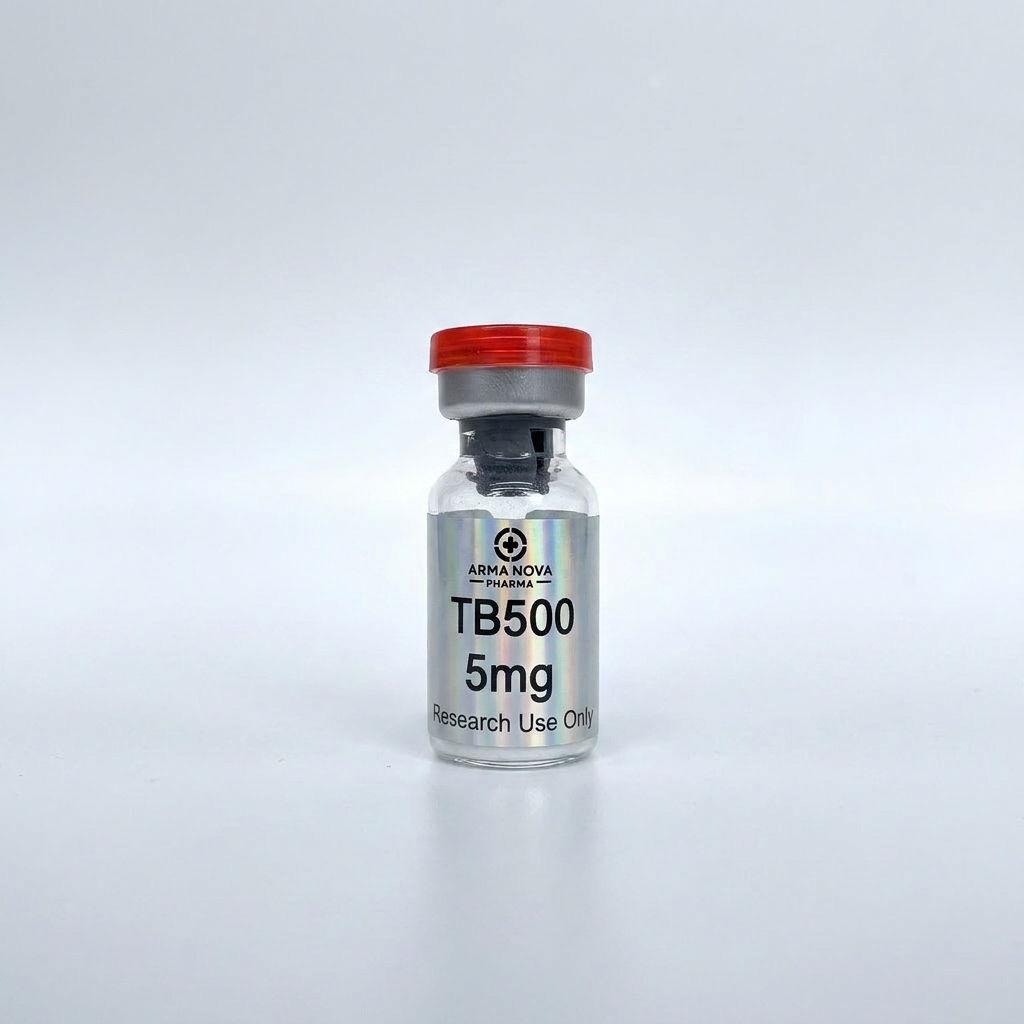
This guide addresses the complete procurement and verification workflow for tb500 10mg uk research peptides—from understanding what TB-500 actually is at the molecular level (most articles get this wrong), to verifying HPLC purity claims, interpreting COA documentation, and navigating UK regulatory frameworks for research-use peptide acquisition. Whether you’re investigating actin-mediated cell migration in wound healing models or evaluating TB-500 in combination protocols, the quality of your starting material determines data integrity.
TB-500 vs Thymosin Beta-4: Why the Distinction Matters for UK Researchers
The most pervasive error in UK peptide supplier literature is treating TB-500 and Thymosin Beta-4 as interchangeable terms. They are not. TB-500 is a synthetic peptide fragment comprising amino acid residues 17-23 of the full 43-amino-acid Thymosin Beta-4 protein. This specific sequence contains the actin-binding domain—the functional region responsible for TB-500’s cell migration and tissue repair effects documented in peer-reviewed literature.
Thymosin Beta-4, first characterized by Allan Goldstein and colleagues, is a naturally occurring protein involved in cytoskeletal organization, wound healing, and immune function. In their comprehensive 2012 review, Goldstein et al. documented Thymosin β4’s multi-functional regenerative properties across cardiovascular, dermal, and neural tissue systems. The full protein sequence exhibits these effects through multiple mechanisms—actin sequestration, angiogenic promotion, and anti-inflammatory signaling.
TB-500, by contrast, isolates the core actin-binding sequence. This synthetic fragment retains the primary cell migration functionality while offering improved stability, lower molecular weight (allowing better tissue penetration), and simplified synthesis for research applications. When UK researchers order “tb500 10mg uk” vials, they should receive this specific 7-amino-acid sequence, not the full 43-residue parent protein. Verification requires sequence-specific mass spectrometry data, not just generic purity claims.
The Actin-Binding Mechanism: What Drives TB-500’s Research Applications
TB-500’s biological activity centers on its interaction with globular actin (G-actin). The peptide binds to G-actin monomers, preventing their polymerization into filamentous F-actin networks. This sequestration creates a cellular G-actin pool available for cytoskeletal remodeling—the fundamental requirement for cell migration, adhesion, and morphological change during tissue repair processes.
Diana Philp’s 2003 mechanistic work demonstrated how this actin regulation translates to practical outcomes. Philp et al. showed that Thymosin beta 4 promotes angiogenesis, wound healing, and hair follicle development through coordinated effects on endothelial cell migration, keratinocyte motility, and stem cell mobilization. These weren’t pharmacological interventions at supra-physiological doses—the observed effects occurred at nanomolar concentrations consistent with the peptide’s natural regulatory role.
For UK researchers designing experimental protocols, this mechanism clarifies appropriate model systems: TB-500 demonstrates measurable effects in assays involving cell migration (scratch/wound healing assays, Boyden chamber migration, angiogenesis tube formation), but shows minimal impact in purely metabolic or receptor-mediated signaling pathways where actin dynamics aren’t rate-limiting.
Verification Standards for Research-Grade TB500 10mg UK Peptide Vials
Pharmaceutical-grade peptide synthesis is not a commodity manufacturing process. Even among reputable UK suppliers, quality variance exists across synthesis batches, storage conditions, and reconstitution preparation. Establishing verification protocols before initiating research prevents the confounding variable of inconsistent peptide quality.
HPLC Purity: What ≥99% Actually Means
High-Performance Liquid Chromatography (HPLC) quantifies peptide purity by separating the target compound from synthesis byproducts, truncated sequences, and degradation products. When a UK supplier claims “≥99% HPLC purity” for their tb500 10mg uk product, this should reference a specific analytical method (typically reverse-phase HPLC with UV detection at 220nm) applied to that specific batch.
Legitimate HPLC verification includes:
- Batch-specific chromatogram: The actual analytical trace showing retention time and peak integration, not a generic reference chromatogram used across multiple batches
- Method parameters: Column specifications, mobile phase composition, flow rate, and detection wavelength—essential for reproducibility assessment
- Integration methodology: How the purity percentage was calculated (area under curve vs peak height, baseline correction method)
- Impurity profile: Identification of detected impurities, even if minor—complete absence of impurity peaks may suggest inadequate analytical sensitivity
At Arma Peptides, every TB-500 10mg vial undergoes batch-specific HPLC analysis with published chromatograms. Our UK facility maintains ≥99% verified purity across synthesis runs, with full method disclosure in each Certificate of Analysis.
Mass Spectrometry Confirmation: Verifying Molecular Identity
HPLC quantifies purity but doesn’t confirm molecular identity. A synthesis error could produce a high-purity peptide of the wrong sequence. Mass spectrometry (MS) provides definitive molecular weight confirmation, verifying you received TB-500 (expected molecular weight ~889 Da for the acetate salt form) rather than a structural analog or truncated fragment.
Quality COAs should include MALDI-TOF or ESI mass spectrum data showing the observed m/z peak matching the theoretical mass within instrument error tolerance (typically ±0.5 Da for peptides in this molecular weight range). This single data point prevents the most egregious supplier error: shipping an entirely different peptide.
Certificate of Analysis (COA) Red Flags for UK Researchers
Not all COAs carry equal verification weight. Watch for these quality indicators when evaluating tb500 10mg uk supplier documentation:
| COA Element | Quality Standard | Red Flag |
|---|---|---|
| Batch Number | Unique alphanumeric identifier matching vial label | Generic “TB500” without specific batch designation |
| Test Date | Within 6 months of purchase for lyophilized peptide | No date, or testing performed >12 months prior |
| Testing Laboratory | Named third-party facility or validated in-house QC | “Tested in our facility” without lab credentials |
| HPLC Chromatogram | Full trace with method parameters and integration data | Single purity percentage without supporting trace |
| Endotoxin Level | Quantified in EU/mg (typically <1.0 EU/mg for research grade) | Not tested or “low endotoxin” without quantification |
Arma Peptides publishes batch-specific COAs for every synthesis run, accessible via QR code on each vial label. Our UK customers receive documentation meeting these verification standards as baseline quality assurance, not premium add-ons.
UK Regulatory Context: Research Use Classification and Legal Status
TB-500 occupies a specific regulatory position in the UK that researchers must understand to maintain compliance. The peptide is not approved for human therapeutic use by the MHRA (Medicines and Healthcare products Regulatory Agency), nor is it classified as a controlled substance under the Misuse of Drugs Act 1971.
This creates a legal “research use only” category. UK researchers can lawfully purchase and possess tb500 10mg uk peptides for legitimate scientific investigation—cellular assays, animal model studies, in vitro mechanistic work—but not for human administration outside approved clinical trial frameworks. This distinction is not semantic; it establishes the legal boundary for peptide acquisition and use in UK laboratories.
Suppliers operating responsibly in this space include explicit research-use-only declarations with their products and decline orders that suggest intended human use. Arma Peptides maintains this standard across our UK operations: all peptide sales are restricted to verified research applications, with documentation requirements for commercial laboratory accounts.
Academic vs Independent Research: Procurement Considerations
University-affiliated researchers typically navigate institutional procurement channels with established vendor approval lists and compliance oversight. Independent researchers, citizen scientists, and private laboratory operators face different verification burdens—you carry personal responsibility for quality validation without institutional safety nets.
For independent UK researchers, this amplifies the importance of supplier verification. Prioritize vendors who:
- Publish batch-specific analytical data (COAs with unique batch numbers)
- Provide transparent contact information and UK-based support
- Maintain consistent product availability (suggesting stable synthesis operations rather than sporadic reselling)
- Offer technical consultation on storage, reconstitution, and handling protocols
- Decline orders that suggest non-research applications
Practical Research Applications: Where TB-500 Shows Evidence-Based Activity
The gap between mechanistic understanding and therapeutic application remains substantial for TB-500. While the peptide’s actin-binding function is well-characterized, translating this to complex whole-organism outcomes involves biological complexity that limited research has addressed. UK researchers should calibrate expectations to the actual evidence base, not the extrapolated claims proliferating in biohacking forums.
Cardiovascular Research: The Strongest Evidence Base
TB-500’s most robust preclinical evidence emerges from cardiovascular models. David Crockford’s 2007 review summarized early-phase development programs, noting that Thymosin beta 4 showed promise for treating patients with ischemic heart disease through enhanced coronary collateral formation, improved cardiomyocyte survival, and modulated inflammatory responses following myocardial infarction.
These weren’t marginal effects—animal models showed measurable improvements in ejection fraction, infarct size reduction, and angiogenic sprouting in peri-infarct zones. However, the translational path from rodent MI models to human clinical benefit involves substantial biological gaps that subsequent development hasn’t fully bridged. UK researchers investigating cardiovascular applications should recognize this as the application domain with the strongest mechanistic rationale and preclinical support, while acknowledging the limited human clinical data currently available.
Dermal Wound Healing: Mechanism vs Clinical Translation
Philp’s work established TB-500’s effects on keratinocyte migration and dermal wound closure in controlled experimental models. These findings demonstrate biological activity relevant to tissue repair, but don’t constitute evidence for accelerated wound healing in complex clinical scenarios involving infection, comorbidities, or impaired healing environments.
For UK researchers designing wound healing studies, TB-500 offers a well-characterized tool for investigating actin-dependent migration mechanisms. It’s less clear how these isolated effects translate to accelerated healing timelines in animal models with intact physiological repair systems, much less human clinical applications. Your research design should account for this evidence gap rather than assume direct translation from migration assays to whole-tissue outcomes.
Combination Protocols: TB-500 + BPC-157 Research
Researchers frequently investigate TB-500 in combination with BPC-157, another synthetic peptide with proposed tissue repair properties operating through distinct mechanisms (BPC-157 appears to influence growth factor signaling pathways rather than direct cytoskeletal regulation). The mechanistic rationale for combination is sound—complementary pathways might produce additive or synergistic effects.
Arma Peptides offers a pre-formulated BPC-157 + TB-500 Blend for researchers investigating this combination hypothesis. The blend maintains independent dosing flexibility while simplifying reconstitution workflows for comparative studies. However, combination research carries additional complexity: isolating which peptide drives observed effects, potential interaction effects, and additive safety considerations all require careful experimental design.
Sourcing TB500 10mg UK: Practical Procurement Workflow
Quality verification begins before purchase, not after delivery. UK researchers should establish supplier vetting as a standard procurement step, comparable to validating any critical reagent’s specifications before integration into experimental protocols.
Pre-Purchase Verification Checklist
Before ordering tb500 10mg uk peptide from any supplier, verify:
- Published COA availability: Can you access batch-specific analytical data before purchase, or only after delivery?
- Synthesis source transparency: Does the supplier disclose manufacturing location and synthesis methodology (solid-phase peptide synthesis is standard)?
- Storage and shipping protocols: Lyophilized peptides should ship with temperature monitoring; suppliers should specify storage conditions (-20°C for long-term stability)
- UK delivery logistics: Next-day UK delivery indicates domestic inventory (reducing customs delays and temperature excursion risk from extended international shipping)
- Technical support access: Can you contact someone with peptide chemistry expertise for handling questions, or only general customer service?
Arma Peptides maintains ready-to-ship inventory specifically to enable next-day delivery for domestic researchers. Our TB-500 5mg and 10mg vials ship from UK facilities with cold-pack temperature protection and arrive within 24 hours for most UK postcodes, minimizing degradation risk during transit.
Reconstitution and Storage: Preserving Peptide Integrity
Even pharmaceutical-grade peptides degrade rapidly under improper handling. Lyophilized TB-500 exhibits good stability at -20°C (stable for 12+ months when stored properly), but reconstituted solutions are far more labile.
Standard reconstitution protocol for tb500 10mg uk research vials:
- Solvent selection: Bacteriostatic water (0.9% benzyl alcohol) for multi-dose use, or sterile water for single-use applications. Bacteriostatic water extends refrigerated solution stability to 7-14 days vs 48-72 hours for sterile water.
- Reconstitution volume: For a 10mg vial, 2mL solvent yields 5mg/mL concentration—a practical working concentration for most dosing calculations. Adjust volume based on your experimental dose requirements.
- Mixing technique: Add solvent slowly down the vial wall (not directly onto the lyophilized peptide cake) and swirl gently. Avoid vigorous shaking, which can denature peptide structure through foam formation and air interface interaction.
- Storage post-reconstitution: Refrigerate at 2-8°C, protected from light. For extended storage beyond two weeks, aliquot into single-use volumes and freeze at -20°C (avoiding repeated freeze-thaw cycles, which accelerate degradation).
Dose Considerations for Research Models
Published TB-500 research employs widely varying doses depending on model system, administration route, and measured outcomes. Cardiovascular studies often use 6-12 mg/kg in rodent models, administered intraperitoneally or subcutaneously in divided doses over several days. Dermal wound healing protocols may use lower doses (1-2 mg/kg) applied locally or systemically.
These aren’t dosing recommendations—they’re literature context for UK researchers designing experimental protocols. Your dose selection should derive from your specific research question, pilot dose-response data, and relevant published work in your model system. The 10mg vial format provides flexibility for both conservative initial dosing studies and subsequent higher-dose experiments within a single purchase.
Quality Economics: Why ≥99% Purity Costs More (And Why It Matters)
UK researchers comparing tb500 10mg uk pricing across suppliers encounter substantial variance—£40-50 vials from some sources, £90-150 from others for ostensibly the same product. This isn’t arbitrary markup; it reflects genuine synthesis and quality control cost differences.
Achieving verified ≥99% HPLC purity requires:
- High-purity starting amino acids (each incremental purity point in raw materials increases peptide cost 15-30%)
- Optimized coupling efficiency during solid-phase synthesis (reducing truncated sequence byproducts that require removal)
- Multi-stage purification (preparative HPLC, often multiple passes to remove closely-related impurities)
- Analytical verification (HPLC, mass spec, endotoxin testing—each analysis adds £20-40 per batch in laboratory costs)
- Lyophilization under controlled conditions (maintaining peptide structure during water removal)
Budget-priced peptides typically cut corners in synthesis purity, skip analytical verification, or source from non-GMP facilities with inconsistent quality. For research applications where peptide activity is a measured variable, these savings create false economy—you’re optimizing data variability, not cost efficiency.
Arma Peptides positions in the mid-to-upper UK market pricing bracket because our synthesis and verification workflow doesn’t accommodate the cost reductions that produce sub-£50 vials. Our pricing reflects the actual cost of pharmaceutical-grade synthesis, third-party analytical verification, and compliant UK storage and distribution. For researchers where data integrity justifies material cost, this represents appropriate resource allocation.
Common TB-500 Research Misconceptions UK Investigators Should Avoid
Misconception 1: TB-500 and Thymosin Beta-4 Are Identical
As detailed earlier, TB-500 is a synthetic fragment (residues 17-23) of the full 43-amino-acid Thymosin Beta-4 protein. They share the critical actin-binding domain but differ in molecular weight, synthesis complexity, and potentially in secondary biological activities mediated by regions outside the core sequence. Research findings for full-length Thymosin Beta-4 don’t automatically transfer to the TB-500 fragment, and vice versa.
Misconception 2: Higher Doses Produce Proportionally Greater Effects
Biological peptides rarely exhibit linear dose-response relationships. TB-500’s actin-binding mechanism involves saturable binding sites—once available G-actin pools are sequestered, additional peptide doesn’t produce proportional additional effect. Some research suggests biphasic responses where excessive doses may actually reduce efficacy through off-target effects or compensatory cellular responses. Dose-response characterization should be an experimental objective, not an assumption.
Misconception 3: Oral Administration Is Viable
TB-500 is a peptide, making it susceptible to proteolytic degradation in the GI tract. Oral bioavailability for unmodified peptides in this molecular weight range approaches zero—gastric acid and pancreatic enzymes cleave peptide bonds before absorption. Research applications require parenteral administration (subcutaneous, intraperitoneal, or intravenous depending on model system and research question). Claims of oral TB-500 bioavailability lack mechanistic plausibility and empirical support.
Why UK Researchers Choose Arma Peptides for TB500 10mg Supply
Arma Peptides entered the UK research peptide market to address persistent quality gaps: suppliers conflating synthetic fragments with parent proteins, purity claims without batch-specific verification, and international shipping protocols that compromise peptide stability during transit.
Our UK operation differentiates on verification transparency:
- Batch-specific COAs: Every synthesis batch undergoes independent HPLC and mass spec analysis, with published results accessible via QR code on vial labels
- ≥99% verified purity: Not a generic claim—the actual measured purity from analytical chromatograms, with full method disclosure
- ready-to-ship inventory: Domestic stock enables next-day delivery while maintaining cold-chain integrity (no extended international shipping or customs delays)
- Technical consultation: Our UK support team includes staff with peptide chemistry backgrounds who can address reconstitution, storage, and handling questions beyond generic customer service
- Research-use compliance: We maintain strict research-use-only sales policies, declining orders suggesting human administration applications
For UK researchers requiring verified pharmaceutical-grade tb500 10mg uk peptide, our quality documentation and domestic logistics infrastructure provide the material consistency rigorous research demands.
Practical Next Steps for UK TB-500 Researchers
Whether you’re initiating new TB-500 research or validating existing supplier quality, establish verification as a systematic process:
- Request batch-specific COAs before purchase—if a supplier won’t provide pre-sale analytical data, that’s disqualifying information
- Verify the peptide sequence—confirm you’re receiving the 7-residue TB-500 fragment, not full-length Thymosin Beta-4 or an unrelated compound
- Establish reconstitution and storage protocols before delivery—have bacteriostatic water, appropriate vials, and -20°C storage capacity ready
- Consider dosing flexibility—10mg vials provide sufficient quantity for dose-response characterization and multi-timepoint studies within a single purchase
- Document supplier quality across batches—if you’re conducting multi-month studies, track whether purity and analytical data remain consistent across reorders
UK research progresses through accumulation of reliable data built on verified reagent quality. TB-500 represents a valuable tool for investigating actin-mediated cell migration, tissue repair mechanisms, and regenerative biology—but only when synthesis quality, analytical verification, and handling protocols preserve the peptide’s biological activity from synthesis through experimental application.
For verified pharmaceutical-grade tb500 10mg uk research peptides with published COAs and next-day UK delivery, Arma Peptides maintains the quality infrastructure and verification transparency serious research requires. Our commitment to batch-specific analytical documentation, fast UK & EU logistics, and research-use compliance provides the foundation for reproducible, publication-grade peptide research.
Research use only. TB-500 is not approved for human therapeutic use in the UK. All Arma Peptides products are supplied strictly for in vitro research and laboratory investigation by qualified researchers. This content is provided for educational purposes and does not constitute medical advice or endorsement of any particular research application.
Related posts
Tesamorelin 10mg UK: Research-Grade Growth Hormone-Releasing Hormone Analogue for 2026 UK-based researchers investigating growth hormone-releasing hormone (GHRH) analogues frequently encounter a critical sourcing challenge:… Continue reading
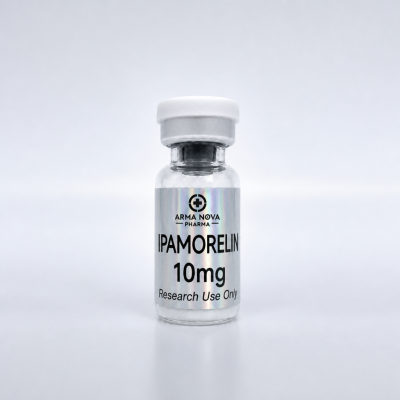
Ipamorelin UK: The Selective Growth Hormone Secretagogue for Researchers in 2026 Among the growth hormone-releasing peptides available to UK researchers, ipamorelin stands apart for a... Continue reading
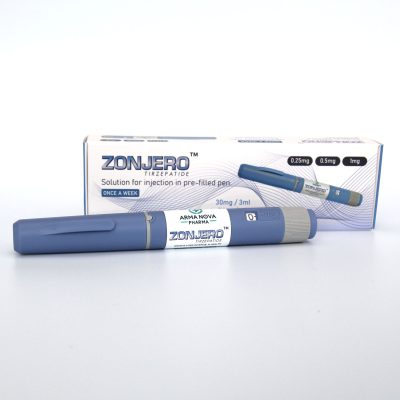
Tirzepatide 30mg UK: The Dual GIP/GLP-1 Receptor Agonist for Advanced Metabolic Research Tirzepatide represents the first dual glucose-dependent insulinotropic polypeptide (GIP) and glucagon-like peptide-1 (GLP-1)... Continue reading
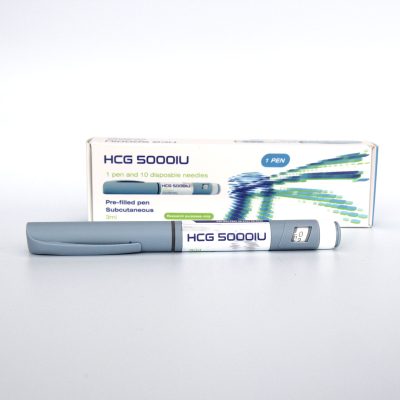
HCG 5000IU UK: Research-Grade Sourcing and Clinical Context Guide 2026 Human chorionic gonadotropin at the 5000 international unit dosage represents one of the most frequently... Continue reading
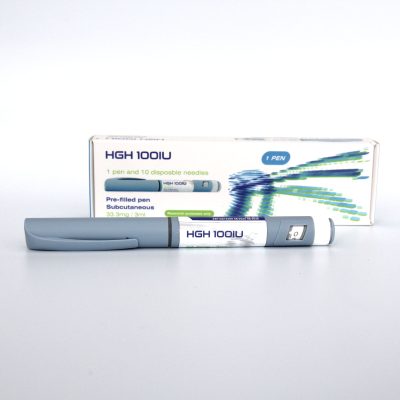
HGH 100 IU UK: Verified Research-Grade Sourcing, Purity Standards, and Regulatory Context for 2026 Securing genuine, laboratory-verified hgh 100 iu uk formulations presents distinct challenges... Continue reading
Add comment