
No products in the cart.
GHK-Cu Research Material UK | HPLC-Verified & Next-Day
GHK-Cu Research Material UK: Gene-Modulating Copper Peptide for Advanced In Vitro Studies
The tripeptide glycyl-L-histidyl-L-lysine complexed with copper (GHK-Cu) first emerged from human plasma albumin in 1973, isolated by Loren Pickart during tissue regeneration research. What set this discovery apart was not simply another peptide sequence—it was the revelation that a naturally occurring tripeptide could bind Cu²⁺ with femtomolar affinity and, in doing so, influence the expression of over 4,000 human genes. For UK-based laboratories sourcing ghk cu research material uk, this gene-modulatory capacity separates GHK-Cu from the broader copper peptide category and positions it as a research tool with implications extending far beyond the dermatological applications dominating consumer markets.
While British suppliers have flooded the market with GHK-Cu formulations marketed exclusively for skin remodeling, the neuroprotective, wound-healing, and systemic gene regulation pathways remain conspicuously underexplored in UK research contexts. This creates both a knowledge gap and an opportunity: laboratories equipped to conduct rigorous in vitro and ex vivo studies can leverage high-purity ghk cu research material uk to investigate mechanisms that competitors—focused narrowly on cosmetic endpoints—have effectively ignored.
This article provides a detailed examination of GHK-Cu as a research reagent, covering its molecular mechanisms, key published studies with verifiable PMID citations, UK-specific sourcing criteria (including HPLC purity verification and Certificate of Analysis standards), and practical considerations for laboratories requiring next-day delivery across Britain. Whether your research focuses on extracellular matrix remodeling, oxidative stress pathways, or gene expression profiling, understanding the full scope of GHK-Cu’s biological activity—and the quality markers distinguishing research-grade material from underdocumented commercial preparations—is essential.
ghk cu research material uk: What Makes GHK-Cu a Unique Research Tool: Copper Chelation and Gene Regulation
GHK-Cu is not merely copper and three amino acids in proximity. The peptide sequence glycyl-L-histidyl-L-lysine possesses a specific chelation geometry that binds Cu²⁺ with a dissociation constant (Kd) in the femtomolar range—among the tightest known biological copper complexes. This binding fundamentally alters copper bioavailability, enabling the peptide to modulate copper-dependent enzymatic pathways without introducing free ionic copper’s pro-oxidant risks.
The gene-regulatory dimension is what transforms GHK-Cu from a simple chelator into a multifunctional signaling molecule. Pickart and colleagues used microarray analysis to demonstrate that GHK-Cu exposure altered expression of approximately 31.2% of genes involved in the human genome’s response to injury, skewing heavily toward upregulation of genes encoding tissue remodeling proteins (decorin, multiple collagens, metalloproteinases) and simultaneous downregulation of pro-inflammatory and fibrotic genes like TGF-β1 and SMAD pathways. This bidirectional regulatory profile is rare among peptides and explains the molecule’s utility in wound healing contexts, where balancing matrix synthesis against excessive scarring is therapeutically critical.
For UK laboratories procuring ghk cu research material uk, this mechanistic foundation underscores the importance of copper stoichiometry. Research-grade GHK-Cu must maintain a 1:1 molar ratio of peptide to copper; deviations toward free peptide or excess copper introduce confounding variables that cloud experimental interpretation. This is why HPLC-verified purity and copper content assays—detailed in the Certificate of Analysis—are non-negotiable quality markers.
Published Research on GHK-Cu: Wound Healing, Antioxidant Pathways, and Neuroprotection
Extracellular Matrix Remodeling and Skin Regeneration
The most extensively documented application of GHK-Cu centers on dermal wound healing and matrix remodeling. Pickart et al. (2015) published a comprehensive review in the Journal of Aging Science examining GHK-Cu’s effects on skin structure, synthesizing data from multiple in vitro and ex vivo models. Key findings included:
- Collagen synthesis stimulation: GHK-Cu increased collagen I, II, and III production in cultured fibroblasts at concentrations between 1–10 µM, with peak activity at approximately 1 µM.
- Glycosaminoglycan promotion: Decorin and proteoglycan synthesis increased, improving dermal hydration and matrix structural integrity.
- Metalloproteinase regulation: GHK-Cu modulated MMP activity in a context-dependent manner—upregulating MMPs during the remodeling phase to clear damaged matrix, then downregulating them to prevent excessive degradation.
- Elastin fiber restoration: Ex vivo human skin models showed improved elastin content and architecture, correlating with enhanced mechanical resilience.
The study emphasized that these effects were not simply additive stimulation of matrix proteins but reflected coordinated gene expression changes across entire pathways. This is particularly relevant for UK researchers investigating age-related dermal atrophy or scar tissue pathology, where GHK-Cu’s ability to “reset” fibroblast activity toward a younger gene expression profile could serve as a model for other tissue types.
Antioxidant Gene Expression and Oxidative Stress Protection
Beyond structural matrix effects, GHK-Cu’s influence on oxidative stress pathways has emerged as a major research focus. Pickart et al. (2012) published a gene expression analysis showing that GHK-Cu upregulated 14 genes encoding antioxidant proteins—including superoxide dismutase, glutathione peroxidase, and ferritin—while simultaneously downregulating 41 genes associated with oxidative damage, hypoxia response, and inflammatory cascades.
The mechanism appears to involve copper redistribution. Free Cu²⁺ is a potent Fenton reaction catalyst, generating hydroxyl radicals that damage DNA and proteins. By chelating copper into the GHK-Cu complex, the peptide sequesters copper away from pro-oxidant reactions while delivering it selectively to copper-dependent antioxidant enzymes (like Cu/Zn-SOD). This dual action—reducing oxidant generation while enhancing endogenous antioxidant capacity—positions GHK-Cu as a research tool for studying redox homeostasis in contexts ranging from neurodegeneration to ischemia-reperfusion injury.
For laboratories in the UK investigating oxidative stress models, this gene expression data provides testable hypotheses about which antioxidant pathways are GHK-Cu-responsive. The published gene lists from Pickart’s group offer a direct experimental roadmap, allowing researchers to validate effects in their own cell systems and potentially extend findings to non-dermal tissues.
Neuroprotection and Central Nervous System Applications
Despite limited visibility in UK commercial markets, GHK-Cu’s neuroprotective properties have been documented in multiple animal models. Research using rat and mouse CNS injury models demonstrated that GHK-Cu administration reduced lesion volume in cortical trauma models, improved neuronal survival in oxidative stress assays, and enhanced nerve regeneration in peripheral nerve injury models.
The proposed mechanisms include:
- Reduction of lipid peroxidation: By controlling copper availability, GHK-Cu decreased membrane lipid oxidation—a key driver of neuronal apoptosis following injury.
- Modulation of neuroinflammation: Microglial activation markers (including TNF-α and IL-1β) were downregulated in GHK-Cu-treated cultures.
- Neurotrophic factor support: Some studies reported increased NGF (nerve growth factor) expression, though this pathway requires further mechanistic clarification.
For UK research groups exploring neuroprotective peptides, GHK-Cu represents an underutilized option with published precedent but significant room for mechanistic expansion. The challenge is sourcing research-grade material with documented purity—contaminated or low-purity copper peptides introduce copper toxicity risks that confound neuroprotection studies.
UK-Specific Sourcing Criteria for GHK-Cu Research Material
HPLC Purity Verification: Why ≥99% Matters
High-performance liquid chromatography (HPLC) remains the gold standard for peptide purity assessment. For ghk cu research material uk, HPLC analysis should confirm:
- Primary peak purity ≥99%: The target peptide should constitute at least 99% of the total peptide content, with impurities (truncated sequences, deletion peptides, or synthesis byproducts) below 1%.
- Copper content assay: Atomic absorption spectroscopy or ICP-MS should verify 1:1 molar stoichiometry between peptide and Cu²⁺. Excess copper or free peptide both compromise experimental validity.
- Endotoxin testing: For cell culture applications, LAL (Limulus Amebocyte Lysate) testing should confirm endotoxin levels below 1 EU/mg—critical for avoiding spurious inflammatory responses in vitro.
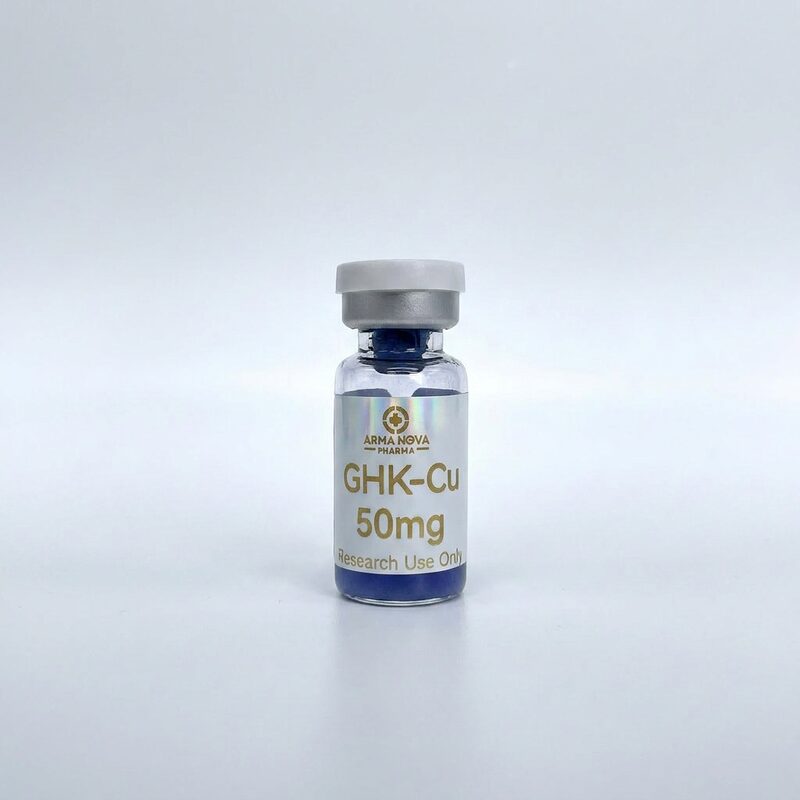
Arma Peptides supplies GHK-Cu 50mg Copper Peptide UK with batch-specific Certificates of Analysis (COAs) published per batch, providing HPLC chromatograms, mass spectrometry confirmation, and endotoxin data. This transparency allows researchers to verify material quality before committing to experimental protocols—a non-negotiable requirement for rigorous science.
Reconstitution and Storage Protocols
GHK-Cu is supplied as a lyophilized powder, stable at -20°C for 24+ months when stored desiccated. Upon receipt:
- Reconstitute in sterile water or saline: Dissolve to desired working concentration (typically 1–10 mM stock solutions). Avoid buffers containing phosphate at this stage, as phosphate can compete with copper coordination.
- Aliquot immediately: Freeze-thaw cycles degrade peptide integrity. Prepare single-use aliquots and store at -80°C.
- Working solution stability: Reconstituted GHK-Cu in neutral pH aqueous solution remains stable for 7 days at 4°C. For extended storage, maintain frozen aliquots.
- Avoid prolonged light exposure: Copper complexes are photosensitive; store vials in amber or foil-wrapped containers.
These handling details are rarely communicated by UK suppliers focused on consumer markets, yet they directly impact reproducibility. A degraded or improperly stored peptide will produce inconsistent results, wasting both material and experimental time.
UK Regulatory Context: Research Use Only
GHK-Cu is not licensed as a medicinal product in the United Kingdom. It is supplied strictly for in vitro research applications under UK law, consistent with the Medicines and Healthcare products Regulatory Agency (MHRA) framework for research reagents. This designation means:
- No human consumption: Material is not intended for therapeutic, diagnostic, or cosmetic use in humans or animals outside approved clinical trial protocols.
- Institutional oversight: Laboratories should maintain records of peptide use, storage, and disposal per institutional biosafety and chemical safety guidelines.
- Import and handling: GHK-Cu is not a controlled substance, but institutional import may require documentation of research purpose and principal investigator details.
These restrictions align GHK-Cu with other research peptides like semaglutide and growth hormone secretagogues, all supplied under similar “research use only” frameworks. For context on parallel peptide sourcing considerations, UK labs may reference guides such as HGH Research Material: What Labs Should Know Before Buying, which covers overlapping quality and regulatory themes.
Experimental Applications: Where GHK-Cu Research Material Adds Value
In Vitro Wound Healing Assays
Scratch assays (wound closure models) using primary fibroblasts or keratinocytes provide a direct readout of GHK-Cu’s pro-migratory and proliferative effects. Typical experimental design:
- Cell line: Primary human dermal fibroblasts or HaCaT keratinocytes.
- GHK-Cu concentration: 0.1–10 µM in serum-free or low-serum medium.
- Readout: Measure wound closure rate via time-lapse imaging or fixed endpoint measurement at 24/48 hours.
- Positive controls: TGF-β1 or EGF; negative control is untreated medium.
Combining wound closure assays with qPCR for collagen I, decorin, and MMP expression provides mechanistic depth beyond simple migration rates, aligning experimental findings with published gene expression data.
Gene Expression Profiling and Microarray Studies
Given that GHK-Cu modulates thousands of genes, RNA-seq or microarray approaches can map its effects across entire transcriptomes. Key experimental considerations:
- Dose-response: Test multiple concentrations (0.1, 1, 10 µM) to identify optimal gene modulation without toxicity.
- Time course: Early responses (6–12 hours) often reflect immediate signaling changes; later timepoints (24–48 hours) capture downstream matrix remodeling genes.
- Biological replicates: Minimum n=3 per condition to account for donor variability in primary cells.
This approach is particularly valuable for UK research groups aiming to extend GHK-Cu findings beyond skin—testing whether the same gene regulatory patterns occur in chondrocytes (cartilage), osteoblasts (bone), or neurons.
Oxidative Stress and Neuroprotection Models
To validate antioxidant and neuroprotective claims:
- Hydrogen peroxide challenge: Treat neuronal or fibroblast cultures with H₂O₂ (100–500 µM) to induce oxidative stress; pretreat with GHK-Cu (1–10 µM) and measure cell viability, ROS levels (DCFDA assay), and apoptosis markers.
- Copper toxicity models: Introduce free Cu²⁺ to induce oxidative damage; compare outcomes with equimolar GHK-Cu to demonstrate chelation-mediated protection.
- Ischemia-reperfusion models: Ex vivo tissue models (e.g., organotypic hippocampal slices) subjected to oxygen-glucose deprivation, then reperfusion with or without GHK-Cu supplementation.
These models align with published neuroprotection studies but remain underexplored in UK laboratory contexts—offering publication opportunities for groups equipped with the appropriate assay platforms.
Comparative Context: GHK-Cu Versus Other Copper Peptides and Research Peptides
GHK-Cu vs. GHK (Non-Complexed Peptide)
The presence or absence of copper fundamentally alters biological activity. Non-complexed GHK retains some gene regulatory activity but lacks the redox-modulating and copper-delivery functions central to published studies. Research comparing GHK and GHK-Cu consistently shows superior matrix remodeling and antioxidant effects with the copper complex, underscoring that the Cu²⁺ is not merely an additive but an integral component of the active molecule.
UK laboratories sourcing “copper peptide” formulations must verify whether material is supplied as the pre-formed GHK-Cu complex or as separate peptide and copper requiring in situ mixing—the latter introduces preparation variability and potential for incomplete complexation.
GHK-Cu vs. Semaglutide and Growth Hormone Secretagogues
While GHK-Cu, semaglutide, and growth hormone peptides all fall under “research peptides,” their mechanisms and applications diverge sharply. Semaglutide (a GLP-1 receptor agonist) primarily modulates glucose metabolism and appetite pathways, making it relevant for metabolic and obesity research. Growth hormone secretagogues target pituitary GH release and downstream IGF-1 signaling. GHK-Cu, by contrast, operates through gene-level regulation of matrix remodeling and oxidative stress—mechanistically orthogonal to metabolic peptides.
For UK labs building peptide libraries, understanding these distinctions prevents inappropriate experimental substitutions. Researchers interested in metabolic peptides may consult Semaglutide Research Material Guide: SlimerixTM or Semaglutide Research Material: What Labs Should Know for parallel sourcing frameworks, while recognizing that GHK-Cu serves entirely different experimental niches.
UK Delivery Logistics and Pricing Considerations
For laboratories requiring rapid turnaround, next-day UK delivery is a critical sourcing criterion. Arma Peptides offers next-day delivery across mainland Britain for orders placed before cutoff (typically 2 PM GMT), with refrigerated shipping maintained throughout transit to preserve peptide integrity.
Pricing for research-grade ghk cu research material uk varies based on purity and batch size. Standard 50mg vials of ≥99% HPLC-verified GHK-Cu typically range £80–£120, with volume discounts available for bulk orders (10+ vials). Pricing transparency—including published COAs and HPLC data—distinguishes reputable suppliers from vendors offering “research grade” material without documentation.
UK-based sourcing eliminates customs delays and provides GBP-denominated pricing without currency conversion fees, simplifying institutional purchasing workflows. For laboratories comparing peptide suppliers, the combination of next-day delivery, batch-specific COAs, and published purity data provides a clear quality benchmark.
Common Experimental Pitfalls and Troubleshooting
Inconsistent Results Across Batches
If experimental outcomes vary between peptide batches, verify:
- Copper stoichiometry: Request COA confirmation that copper content matches peptide content on a molar basis.
- Storage conditions: Confirm that lyophilized powder was stored desiccated at -20°C; moisture ingress degrades peptide stability.
- Reconstitution pH: GHK-Cu stability is pH-dependent; maintain neutral to slightly acidic pH (6.5–7.4) in working solutions.
Lack of Expected Gene Expression Changes
If qPCR or microarray data fail to replicate published gene expression changes:
- Cell passage number: Primary fibroblasts lose responsiveness to growth factors and signaling peptides at high passage (>P6). Use early-passage cells.
- Serum interference: High serum concentrations may saturate copper-binding proteins, reducing effective GHK-Cu concentration. Test in low-serum (1–2%) or serum-free conditions.
- Dose-response verification: Published studies often show inverted U-shaped dose-response curves; too much GHK-Cu can be as ineffective as too little.
Toxicity or Pro-Oxidant Effects
If GHK-Cu induces cytotoxicity or increases ROS:
- Check for free copper: Excess Cu²⁺ (from improper complexation or degraded peptide) is pro-oxidant. Verify copper:peptide ratio via COA.
- Test peptide-only control: Compare GHK (no copper) versus GHK-Cu to isolate copper-specific effects.
- Reduce concentration: Effective concentrations for gene modulation are often submicromolar; starting doses above 10 µM may exceed physiological relevance.
Why UK Competitors Miss the Full Research Scope of GHK-Cu
Most UK suppliers position GHK-Cu exclusively within the cosmetic and anti-aging markets, emphasizing collagen production and wrinkle reduction. This narrow framing ignores:
- Gene regulatory breadth: The 4,000+ genes influenced by GHK-Cu span far beyond dermal remodeling, including inflammatory signaling, hypoxia response, and DNA repair pathways.
- Neuroprotection data: Published animal studies showing CNS benefits remain virtually absent from UK-focused marketing, leaving an entire research avenue underserved.
- Oxidative stress applications: The antioxidant gene upregulation profile makes GHK-Cu relevant to ischemia, aging, and metabolic stress models—none of which appear in typical UK product descriptions.
This gap creates an opportunity for UK research laboratories to explore GHK-Cu applications beyond the saturated dermatology space. By treating GHK-Cu as a gene-modulatory research tool rather than merely a “skin peptide,” laboratories can access less competitive research niches with clearer publication pathways.
Practical Recommendations for UK Laboratories Sourcing GHK-Cu Research Material
Based on the mechanistic, quality, and application considerations outlined above, UK laboratories should prioritize the following when sourcing ghk cu research material uk:
- Verify HPLC purity ≥99% with batch-specific COAs: Do not accept generic purity claims without accompanying chromatograms and mass spec data. Arma Peptides publishes COAs per batch, accessible via product pages like GHK-Cu 50mg Copper Peptide UK.
- Confirm copper content via independent assay: Atomic absorption or ICP-MS data should verify 1:1 molar ratio. Free copper or uncomplexed peptide compromises experimental validity.
- Prioritize UK-based suppliers with next-day delivery: Rapid shipping reduces transit time and temperature excursions that degrade lyophilized peptides. Mainland UK delivery ensures material arrives refrigerated within 24 hours.
- Establish validated reconstitution and storage SOPs: Single-use aliquots stored at -80°C prevent degradation from freeze-thaw cycles. Document reconstitution date and pH to maintain experimental consistency.
- Design experiments around published gene expression data: Use Pickart et al. (2015) and Pickart et al. (2012) as mechanistic roadmaps, testing whether reported gene changes replicate in your cell system before expanding to novel endpoints.
- Consider neuroprotective and oxidative stress models: These applications remain underexplored in UK research, offering publication opportunities for groups equipped with relevant assay platforms.
Integrating GHK-Cu into Broader Peptide Research Portfolios
For UK laboratories maintaining diverse peptide research programs, GHK-Cu complements metabolic and growth-signaling peptides by addressing matrix remodeling and oxidative stress pathways. While semaglutide research (detailed in resources like Semaglutide Research Material: What To Know Before Buying) focuses on GLP-1-mediated glucose and appetite regulation, and growth hormone peptides target GH/IGF-1 axes, GHK-Cu operates through gene-level remodeling independent of these endocrine pathways.
This mechanistic orthogonality means GHK-Cu can serve as a complementary research tool in multi-peptide studies—for example, investigating whether metabolic improvements from semaglutide (explored further in Slimerix 5mg Semaglutide Research Material) synergize with matrix remodeling and antioxidant effects from GHK-Cu in models of metabolic-associated tissue damage.
Building a peptide library with both metabolic and matrix-modulating agents allows UK laboratories to address complex research questions where multiple signaling systems intersect—such as wound healing in diabetic models, where both glucose dysregulation and impaired collagen synthesis contribute to pathology.
Conclusion: GHK-Cu as a Gene-Modulatory Research Tool for UK Laboratories
GHK-Cu’s capacity to modulate over 4,000 human genes—spanning matrix remodeling, oxidative stress, inflammation, and DNA repair—positions it as far more than the “skin peptide” narrative dominating UK commercial markets. For research laboratories, this gene regulatory breadth creates opportunities to explore mechanisms in wound healing, neuroprotection, and redox biology that remain underserved in current UK research contexts.
Sourcing high-quality ghk cu research material uk requires attention to HPLC-verified purity (≥99%), copper stoichiometry confirmation, and transparent batch-specific documentation. Suppliers offering next-day UK delivery, published COAs, and GBP-denominated pricing (such as Arma Peptides’ GHK-Cu 50mg Copper Peptide UK) provide the quality benchmarks necessary for reproducible, publication-grade research.
The published literature from Pickart and colleagues—particularly the comprehensive reviews on skin remodeling and antioxidant gene expression—offers a mechanistic foundation that UK researchers can build upon, testing whether documented effects in dermal fibroblasts translate to other tissue types, or whether GHK-Cu’s neuroprotective properties observed in animal models can be dissected in human cell systems.
As UK laboratories expand peptide research portfolios to include matrix-modulating and oxidative stress agents alongside metabolic peptides, GHK-Cu’s unique mechanism and underexplored research applications make it a strategic addition. By treating it as a gene-modulatory research tool rather than a commodity cosmetic ingredient, laboratories can access less competitive research niches, leverage published mechanistic data, and contribute novel findings to a peptide whose full biological scope remains incompletely characterized.
Research Use Only Notice: GHK-Cu is supplied strictly for in vitro research applications. It is not intended for human consumption, therapeutic use, or any application outside approved research protocols. UK laboratories should maintain appropriate documentation and institutional oversight per MHRA guidelines for research reagents.
Related posts
Tesamorelin 10mg UK: Research-Grade Growth Hormone-Releasing Hormone Analogue for 2026 UK-based researchers investigating growth hormone-releasing hormone (GHRH) analogues frequently encounter a critical sourcing challenge:… Continue reading
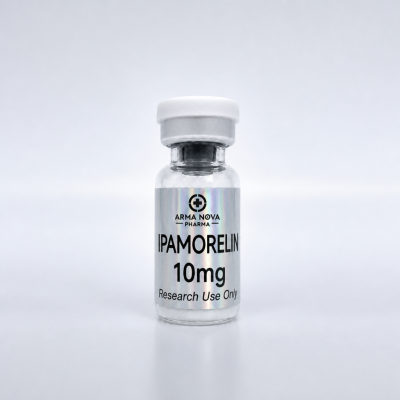
Ipamorelin UK: The Selective Growth Hormone Secretagogue for Researchers in 2026 Among the growth hormone-releasing peptides available to UK researchers, ipamorelin stands apart for a... Continue reading
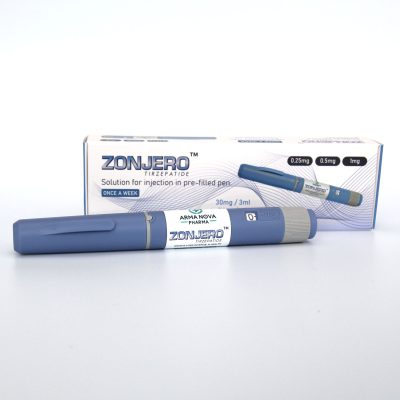
Tirzepatide 30mg UK: The Dual GIP/GLP-1 Receptor Agonist for Advanced Metabolic Research Tirzepatide represents the first dual glucose-dependent insulinotropic polypeptide (GIP) and glucagon-like peptide-1 (GLP-1)... Continue reading
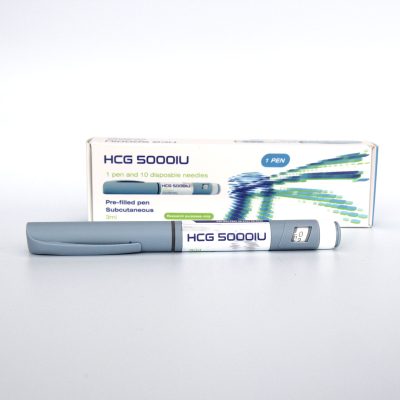
HCG 5000IU UK: Research-Grade Sourcing and Clinical Context Guide 2026 Human chorionic gonadotropin at the 5000 international unit dosage represents one of the most frequently... Continue reading
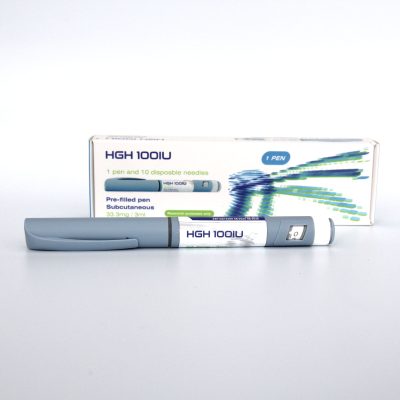
HGH 100 IU UK: Verified Research-Grade Sourcing, Purity Standards, and Regulatory Context for 2026 Securing genuine, laboratory-verified hgh 100 iu uk formulations presents distinct challenges... Continue reading
Add comment