
No products in the cart.
Melanotan 2 Acetate 10mg UK: Clinical Data & HPLC Verification
Melanotan 2 Acetate 10mg UK: Research-Grade Supply With Published Certificate of Analysis
When sourcing melanotan 2 acetate 10mg UK, the critical differentiator is not marketing claims but verifiable purity data. Melanotan 2 (MT-2), a synthetic heptapeptide analog of α-melanocyte-stimulating hormone (α-MSH), exerts effects through multiple melanocortin receptor subtypes — primarily MC1R in melanocytes and MC4R in hypothalamic circuits governing sexual arousal and appetite. Unlike many peptides with single-target mechanisms, MT-2’s dual-pathway activity means that batch-to-batch consistency and acetate salt formulation quality directly impact both dermal pigmentation timelines and central nervous system-mediated effects documented in clinical trials.
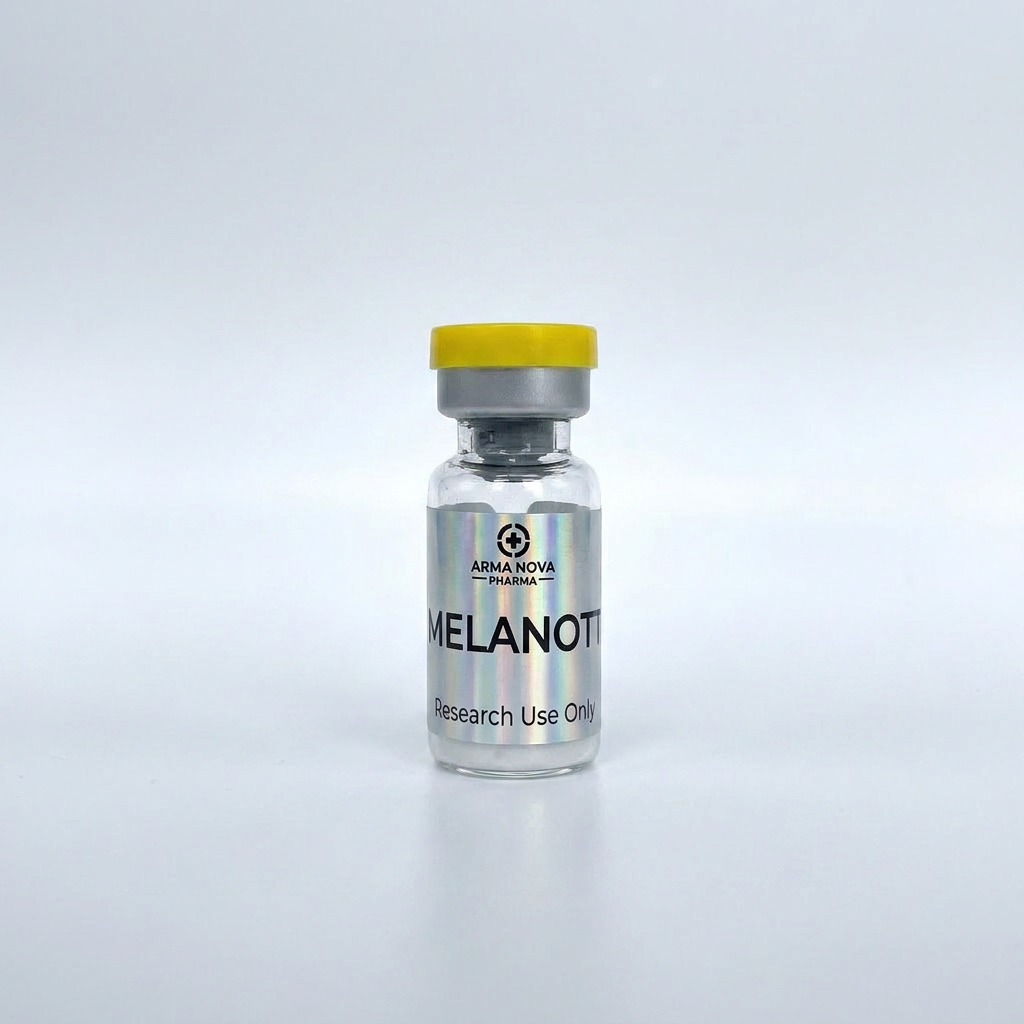
UK researchers purchasing melanotan 2 acetate 10mg UK require more than vendor assurances. This guide examines the melanocortin receptor pharmacology underpinning MT-2’s effects, interprets the clinical trial data from University of Arizona and other Phase I/II studies, and details the analytical verification standards that distinguish research-grade material from underdosed or contaminated product. All discussion refers to laboratory research use only, as MT-2 is not approved for human therapeutic use in the United Kingdom and exists in a regulatory category requiring institutional oversight.
Understanding Melanotan 2 Acetate: Salt Formulation and Receptor Selectivity
Melanotan 2 acetate represents the acetate salt form of the cyclic heptapeptide Ac-Nle-cyclo[Asp-His-D-Phe-Arg-Trp-Lys]-NH₂. The acetate counterion provides aqueous solubility and formulation stability, distinguishing it from trifluoroacetate or citrate salt variants occasionally encountered in peptide synthesis. When reconstituted in bacteriostatic water or sterile saline, the acetate buffer stabilises pH near 5.0–6.0, minimising deamidation of the Asp and Gln residues and oxidation of the His-Trp motif critical for receptor binding.
The structural cyclic constraint between Asp⁵ and Lys¹⁰ enforces a β-turn conformation that mimics the active pharmacophore of α-MSH, enabling MT-2 to bind melanocortin receptors with nanomolar affinity. Critically, MT-2 exhibits approximately 1000-fold selectivity for MC1R and MC4R over MC2R (ACTH receptor), and moderate affinity for MC3R and MC5R. This receptor profile explains the peptide’s divergent effects:
- MC1R activation (melanocytes): Upregulates tyrosinase and eumelanin synthesis, producing dose-dependent darkening of skin and hair follicles independent of UV exposure.
- MC4R activation (paraventricular nucleus, medial preoptic area): Modulates erectile function and sexual motivation via cAMP-PKA signalling in hypothalamic neurons, as demonstrated in animal models and early-phase human trials.
- MC3R/MC5R cross-reactivity: Potential roles in energy homeostasis and exocrine gland function remain under investigation.
This dual-pathway mechanism is often conflated in popular discourse, leading to confusion between pigmentation timelines (hours to days for MC1R-mediated melanogenesis) and sexual function effects (minutes to hours for MC4R-mediated CNS arousal). Understanding these receptor-specific kinetics is essential when interpreting dosing protocols and expected response windows in research settings.
Clinical Trial Evidence: Dorr, Wessells, and the University of Arizona Studies
The foundational human safety and pharmacodynamic data for MT-2 derive from University of Arizona Cancer Center trials conducted in the mid-1990s. Dorr RT et al. (1996) published the first Phase I dose-escalation study in Life Sciences, enrolling healthy volunteers and melanoma patients to assess tolerability and tanning response. Subcutaneous doses ranging from 0.01 to 0.25 mg/kg were administered, with dose-limiting toxicity observed at the upper range (nausea, facial flushing, spontaneous erections in male subjects). Notably, skin darkening occurred in all dose cohorts above 0.025 mg/kg, with a median onset of 48 hours and peak pigmentation at 7–10 days post-injection, persisting for weeks without further dosing.
The unexpected sexual side effects in male participants prompted dedicated investigation. Wessells H et al. (1998) conducted a placebo-controlled crossover trial in men with psychogenic and organic erectile dysfunction, published in Urology. Subjects received escalating MT-2 doses (0.0125–0.025 mg/kg subcutaneously) and were assessed via RigiScan penile tumescence monitoring and validated sexual function questionnaires. At the 0.025 mg/kg dose, 80% of men with organic ED reported penile erection within 4 hours, compared to 10% in the placebo arm (p<0.001). Importantly, erections were often spontaneous and occurred in the absence of visual or tactile sexual stimulation, indicating a central (hypothalamic) rather than peripheral vascular mechanism.
This central mechanism was further elucidated by King SH et al. (2007) in a comprehensive review in Vitamins & Hormones, mapping melanocortin receptor expression in penile tissue and hypothalamic nuclei. MC4R knockout mice exhibited blunted sexual arousal and mounting behaviour, reversible with selective MC4R agonists, confirming that MC4R — not MC1R — mediates the erectile and libido effects. The MC1R pathway, by contrast, is confined to dermal melanocytes and hair follicle melanogenesis, with no documented CNS sexual function role.
These mechanistic distinctions are critical when UK researchers design experiments involving Melanotan 2 Acetate 10mg in either pigmentation or neuroendocrine models. Cross-contamination of research aims — using the same dosing protocol for both dermal and CNS endpoints — will yield confounded results unless receptor-specific timelines and anatomical compartments are respected.
Why HPLC Purity Matters: Analytical Standards for Melanotan 2 Acetate 10mg UK
Peptide synthesis via solid-phase Fmoc chemistry introduces predictable impurities: deletion sequences (truncated peptides missing one or more residues), epimerisation at D-Phe or other chiral centres, and residual protecting groups. For MT-2, the cyclic constraint between Asp and Lys adds cyclisation efficiency as a quality variable — incomplete cyclisation yields linear peptide with dramatically reduced MC1R/MC4R affinity.
High-performance liquid chromatography (HPLC) coupled with UV detection at 214–220 nm remains the gold standard for purity verification. A ≥99% HPLC purity specification indicates that the target cyclic peptide comprises ≥99% of the total peptide peak area, with all impurities (deletion peptides, diastereomers, cyclisation failures) summing to ≤1%. Mass spectrometry (LC-MS or MALDI-TOF) provides orthogonal confirmation of molecular weight, but cannot alone distinguish cyclic from linear isomers of identical mass.
When sourcing melanotan 2 acetate 10mg UK, demand the following analytical documentation in the Certificate of Analysis (COA):
- HPLC chromatogram: Baseline-resolved main peak at the expected retention time, with no shoulder peaks or early elution (indicative of deletion sequences).
- Peptide content by mass: Corrects for acetate salt contribution and residual water content; a vial labelled “10 mg” should contain 8–10 mg net peptide after correction.
- Batch number and test date: Ensures traceability and confirms the COA matches your specific vial, not a representative “stock COA” reused across batches.
- Endotoxin level (LAL assay): Particularly critical for injectable research; should be <1.0 EU/mg to avoid pyrogenic artefacts in animal models.
UK vendors offering melanotan 2 acetate 10mg UK without published, batch-specific COAs should be treated with extreme scepticism. The cost differential between ≥99% and ~85% purity material can be tenfold in wholesale peptide markets, creating a strong commercial incentive to mislabel product. Without independent verification, dosing protocols based on nominal vial mass will be systematically inaccurate, confounding experimental reproducibility.
Comparing Melanotan 2 Delivery Formats: Acetate, Lyophilised Powder, and Nasal Spray
UK researchers encounter MT-2 in multiple formats. Understanding the biochemical trade-offs between these forms is essential when selecting melanotan 2 acetate 10mg UK versus alternative presentations:
| Format | Reconstitution Required | Bioavailability | Stability (Lyophilised) | Use Case |
|---|---|---|---|---|
| Melanotan 2 Acetate 10mg (lyophilised powder) | Yes (bacteriostatic water or sterile saline) | ~100% (subcutaneous) | 24+ months at -20°C, 6–12 months at 4°C | Precise dosing for in vivo studies requiring titration |
| Melanotan 2 Nasal Spray 10mg | No (pre-formulated aqueous solution) | ~20–30% (intranasal, mucosa-dependent) | 30–60 days refrigerated (once opened) | Non-invasive delivery in mucosal absorption studies |
| Melanotan 2 10mg UK (generic lyophilised) | Yes | ~100% (subcutaneous) | 24+ months at -20°C | Standard research format; verify salt form (acetate vs trifluoroacetate) |
Acetate salt formulation offers superior long-term stability compared to trifluoroacetate (TFA) salt, which can undergo slow TFA loss and pH drift during frozen storage. For UK laboratories planning multi-month studies with frozen aliquots, acetate is the preferred counterion. Nasal spray formats sacrifice bioavailability for convenience, making them unsuitable for dose-ranging pharmacology but potentially useful in mucoadhesion or nasal epithelium permeation studies.
Receptor-Specific Dosing Protocols: Separating MC1R and MC4R Effects
The conflation of MT-2’s pigmentation and sexual function effects in non-specialist literature stems from failure to account for receptor-specific EC₅₀ values and tissue distribution. Published binding assays indicate MT-2 EC₅₀ values of approximately 0.3–1.2 nM for MC1R and 0.5–2.0 nM for MC4R in heterologous expression systems. However, the in vivo dose required to activate these receptors differs by orders of magnitude due to pharmacokinetic barriers:
- MC1R (dermal melanocytes): Accessible via systemic circulation; doses as low as 0.01 mg/kg produce measurable skin darkening in humans (Dorr et al., 1996). Melanogenesis is a cumulative, multi-day process; a single dose initiates tyrosinase upregulation that persists for weeks.
- MC4R (hypothalamic neurons): Protected by blood-brain barrier; requires higher systemic doses or direct CNS delivery to achieve sufficient parenchymal concentration. Wessells et al. (1998) observed erectile responses at 0.0125–0.025 mg/kg, but these were acute (onset within 1–4 hours) and transient (resolution within 6–12 hours), indicating rapid receptor desensitisation or peptide clearance from CNS compartments.
For UK researchers designing experiments with melanotan 2 acetate 10mg UK, this means:
- Pigmentation studies: Use lower, chronic dosing (e.g., 0.01 mg/kg every 48–72 hours) and assess endpoints at 7–14 day intervals. Avoid daily dosing, which provides no additional melanogenesis benefit and increases systemic exposure unnecessarily.
- Sexual function or CNS studies: Use acute, higher dosing (e.g., 0.02–0.05 mg/kg single bolus) and assess endpoints within 2–6 hours. Chronic dosing likely induces MC4R desensitisation, as seen in rodent appetite studies where tachyphylaxis developed after 7–10 days of continuous agonist exposure.
- Combination endpoint studies: Recognise that doses sufficient for CNS effects will inevitably produce pigmentation as a co-effect; control groups must account for this visible phenotype, especially in blinded behavioural assessments.
The structural analogue PT-141 10mg UK (bremelanotide) was developed specifically to enhance MC4R selectivity and reduce MC1R cross-reactivity, resulting in sexual arousal effects without significant tanning. Comparative studies using both peptides in the same model can dissect receptor-specific contributions to observed phenotypes.
UK Regulatory Context: Research Use Only and Institutional Requirements
Melanotan 2 is not licensed by the Medicines and Healthcare products Regulatory Agency (MHRA) for therapeutic use in the United Kingdom. It does not appear on the British National Formulary (BNF) and is not authorised under the Human Medicines Regulations 2012. Consequently, commercial sale or supply for human administration — whether cosmetic or therapeutic — constitutes an unlicensed medicinal product offence under UK law.
Legitimate acquisition of melanotan 2 acetate 10mg UK is restricted to:
- Academic and institutional research laboratories with appropriate ethical and regulatory oversight (e.g., Home Office Project Licence for in vivo animal studies, or Health Research Authority approval for ex vivo human tissue work).
- In vitro research applications such as melanocyte culture, receptor binding assays, or signal transduction studies, which do not require clinical trial authorisation but must still comply with good laboratory practice (GLP) and institutional biosafety protocols.
- Veterinary research under Veterinary Medicines Directorate (VMD) exemptions for investigational products, provided proper veterinary oversight and animal welfare compliance is maintained.
Reputable UK suppliers of melanotan 2 acetate 10mg UK require proof of institutional affiliation or research purpose prior to fulfilling orders. Personal or cosmetic use claims should trigger refusal of sale, as these fall outside the legal research-only category and expose both vendor and purchaser to MHRA enforcement action.
For detailed guidance on the legal framework, researchers should consult the MHRA’s guidance on unlicensed medicines and institutional research governance offices.
Next-Day UK Delivery and Cold-Chain Logistics for Peptide Integrity
Lyophilised peptides tolerate brief temperature excursions better than reconstituted solutions, but prolonged exposure to ambient temperature (>25°C) accelerates deamidation, oxidation, and aggregation. UK summer transport conditions can exceed 30°C in unrefrigerated courier vehicles, risking partial degradation before the researcher even opens the vial.
When purchasing melanotan 2 acetate 10mg UK, verify the vendor’s cold-chain logistics:
- Insulated packaging: Expanded polystyrene or vacuum-insulated mailers maintain sub-ambient temperature for 24–48 hours, sufficient for overnight UK courier transit.
- Gel ice packs or dry ice: Gel packs keep product at 2–8°C; dry ice maintains frozen state, preferable for long-term stability but requires courier trained in Class 9 dangerous goods (dry ice sublimation produces CO₂).
- Temperature data loggers: Advanced suppliers include single-use temperature monitors that record min/max excursions during transit, allowing researchers to reject shipments that exceeded specified limits.
Next-day UK delivery is standard for domestic peptide suppliers, but weekend or bank holiday orders may incur delays. Plan orders to ensure receipt on a working day when laboratory refrigeration access is guaranteed, avoiding peptide sitting in a depot over a 3-day weekend.
Upon receipt, immediately transfer vials to -20°C freezer storage (or -80°C for multi-year archival). Reconstituted MT-2 solution should be aliquoted into single-use volumes and stored at -20°C, thawing only once before use to prevent freeze-thaw aggregation.
Comparing Melanotan 2 to Other Melanocortin Peptides in UK Research
MT-2 exists within a broader family of melanocortin receptor agonists, each with distinct selectivity and research applications. UK researchers may consider these alternatives depending on experimental aims:
- α-MSH (natural ligand): Weaker potency (micromolar EC₅₀) and rapid enzymatic degradation (plasma half-life ~3 minutes) limit utility; primarily used in receptor binding competition assays.
- NDP-MSH ([Nle⁴, D-Phe⁷]-α-MSH): Longer-acting than α-MSH but still less stable than cyclic peptides; mainly used in academic receptor pharmacology rather than applied research.
- PT-141 (bremelanotide): Truncated MT-2 analogue lacking the C-terminal Lys, producing reduced MC1R affinity and stronger MC4R selectivity. Approved by FDA for hypoactive sexual desire disorder in women, offering a regulatory pathway absent for MT-2. Available as PT-141 10mg UK from research suppliers.
- Setmelanotide: Highly selective MC4R agonist approved for genetic obesity syndromes (POMC/LEPR deficiency); minimal MC1R activity eliminates pigmentation side effects but also removes any dermal research utility.
For research requiring both pigmentation and CNS endpoints in the same model, melanotan 2 acetate 10mg UK remains the only peptide with balanced MC1R/MC4R activity at practical doses. Comparative studies with PT-141 or setmelanotide allow receptor-specific attribution of phenotypes through pharmacological dissection.
Common Methodological Pitfalls in Melanotan 2 Research
Reviewing the UK and international peptide research literature reveals recurring experimental design errors that compromise data quality:
1. Ignoring Receptor Desensitisation Kinetics
G-protein-coupled receptors (GPCRs) like MC1R and MC4R undergo agonist-induced desensitisation via β-arrestin recruitment and receptor internalisation. Continuous exposure to MT-2 produces tachyphylaxis in MC4R-mediated effects (appetite suppression, sexual arousal) within 5–10 days, as demonstrated in rodent chronic dosing studies. Pigmentation via MC1R shows less pronounced desensitisation because melanogenesis involves transcriptional upregulation of tyrosinase, a slow process less susceptible to acute receptor downregulation.
Researchers must distinguish acute (single-dose, 2–8 hour observation) from chronic (multi-day, repeated dosing) protocols and avoid extrapolating dose-response curves across these timescales without verifying receptor expression and signalling competence at the intended observation window.
2. Inadequate Peptide Reconstitution and Storage
Lyophilised MT-2 should be reconstituted with sterile bacteriostatic water (0.9% benzyl alcohol) or sterile saline, not standard distilled water (which lacks buffering and permits bacterial growth). Vigorous shaking denatures peptides; use gentle swirling or allow 5–10 minutes of passive dissolution.
Reconstituted solution pH should be 5.0–6.5 for optimal stability. If using phosphate-buffered saline (PBS), verify pH with indicator strips, as commercial PBS batches occasionally drift to pH 8.0+, which accelerates Asp deamidation.
3. Failure to Correct for Acetate Salt Mass
A vial labelled “melanotan 2 acetate 10 mg” contains 10 mg of the acetate salt complex, not 10 mg of free peptide. Acetate contributes approximately 6–8% of total mass, meaning net peptide content is ~9.2–9.4 mg. High-quality COAs report both gross (salt) and net (peptide) mass. When calculating molar concentrations for receptor binding assays, use the net peptide mass to avoid systematic 6–8% underdosing errors.
4. Cross-Contamination with Cosmetic or Internet Forum Protocols
Internet forums popularising MT-2 for tanning or bodybuilding often cite dosing protocols (e.g., “loading dose 1 mg daily for 10 days”) that originated from anecdotal self-experimentation, not clinical trials. These protocols rarely account for receptor desensitisation, endogenous melanin baseline, or UV co-exposure confounding.
Academic researchers should derive dosing from published clinical pharmacology (Dorr, Wessells) and scale allometrically if using animal models, rather than importing uncontrolled human self-administration data into experimental design.
Verifying Supplier Credentials: Red Flags and Due Diligence for Melanotan 2 Acetate 10mg UK
The UK peptide market includes both legitimate research suppliers and opportunistic vendors reselling mislabeled or counterfeit material. Red flags indicating questionable sourcing include:
- No published COA or generic “representative COA”: Legitimate suppliers provide batch-specific analytical certificates with the peptide shipment or accessible via QR code/lot number lookup on their website.
- Claims of therapeutic benefits or cosmetic use: Any supplier marketing MT-2 for human tanning, weight loss, or erectile function is operating outside UK legal boundaries for research-only products.
- Pricing significantly below market rate: High-purity (≥99%) MT-2 synthesis and purification costs are fixed by chemistry; prices 40–60% below established UK suppliers suggest either adulterated product or “bait and switch” where the delivered product differs from the advertised specification.
- Absence of institutional verification requirements: Reputable vendors request proof of research affiliation (university email, institutional purchase order) before completing sales.
- Lack of traceability or contact information: UK-registered businesses must provide a Companies House registration number, VAT number, and physical address. Suppliers using only Gmail addresses or offshore payment processors warrant heightened scrutiny.
When sourcing melanotan 2 acetate 10mg UK, verify the supplier maintains:
- Published HPLC chromatograms and mass spectrometry data per batch.
- UK-based customer service reachable via telephone, not solely email or chatbot.
- Clear statement of “research use only” with refusal to sell for personal/cosmetic use.
- Secure payment via established UK merchant services, not cryptocurrency-only or offshore accounts.
For additional context on peptide quality verification, see the comprehensive Melanotan 2 Uk Research Grade Mt 2 With Full Coas 2026 guide, which details analytical interpretation and regulatory compliance for UK laboratories.
Reconstructing Dosing from Clinical Literature: A UK Researcher’s Practical Guide
Translating published clinical trial doses (typically reported in mg/kg) to practical UK laboratory protocols requires attention to species scaling, reconstitution concentration, and injection volume constraints.
Example calculation for a 70 kg human-equivalent dose in a rodent model:
Wessells et al. (1998) reported erectile effects in humans at 0.025 mg/kg subcutaneous. Applying FDA allometric scaling guidance (human to rat), the equivalent rat dose is approximately 0.15 mg/kg (6-fold scaling factor accounting for metabolic rate and body surface area differences).
For a 250 g rat: 0.15 mg/kg × 0.25 kg = 0.0375 mg = 37.5 µg per injection.
If using melanotan 2 acetate 10mg UK reconstituted in 2 mL bacteriostatic water (yielding 5 mg/mL = 5000 µg/mL), the injection volume is 37.5 µg ÷ 5000 µg/mL = 0.0075 mL = 7.5 µL.
Volumes below 10 µL are difficult to measure accurately with standard 1 mL syringes; consider reconstituting to a lower concentration (e.g., 10 mg in 5 mL = 2 mg/mL) to achieve 18.75 µL injection volume, more practical for subcutaneous delivery in rodents.
Always include a vehicle control group (bacteriostatic water or saline only) to account for injection stress artefacts in behavioural endpoints.
The MC1R-MC4R Mechanistic Distinction: Why Most MT-2 Content Gets This Wrong
A pervasive error in non-specialist melanotan content is presenting pigmentation and sexual function as interrelated or dose-dependent manifestations of a single mechanism. This conflation obscures the fundamental biology: MC1R and MC4R are encoded by separate genes, expressed in non-overlapping tissues, and coupled to distinct downstream signalling cascades.
MC1R (chromosome 16q24.3): Expressed predominantly in epidermal and follicular melanocytes. Upon MT-2 binding, Gαs-coupled activation stimulates adenylyl cyclase, raising cAMP and activating cAMP response element-binding protein (CREB). CREB translocates to the nucleus and upregulates microphthalmia-associated transcription factor (MITF), the master regulator of melanocyte differentiation and melanogenesis genes (TYR, TYRP1, DCT). This process requires hours to days for protein synthesis and melanosome maturation.
MC4R (chromosome 18q21.32): Expressed in hypothalamic paraventricular nucleus (PVN), ventromedial hypothalamus (VMH), and medial preoptic area (MPOA). Gαs-coupled activation likewise raises cAMP, but the downstream targets differ: in MPOA neurons, cAMP-PKA phosphorylates ion channels (e.g., CREB-regulated calcium channels) and synaptic proteins that modulate dopamine and oxytocin release. These effects manifest within minutes to hours, producing acute sexual arousal and erectile response independent of peripheral vascular effects.
Thus, a researcher dosing melanotan 2 acetate 10mg UK at 0.01 mg/kg will observe pigmentation (MC1R-mediated, slow) but likely no CNS effects (insufficient MC4R activation in brain parenchyma). Conversely, 0.05 mg/kg will produce both effects simultaneously, but via parallel, non-interacting pathways. Characterising one as a “side effect” of the other is mechanistically incorrect.
This distinction is clinically relevant: PT-141 (bremelanotide) was developed to eliminate MC1R activity and preserve MC4R selectivity, enabling a sexual arousal indication without cosmetically unacceptable skin darkening. For UK researchers, designing experiments that isolate one pathway requires either receptor-selective analogues or anatomical targeting (e.g., intracerebral injection to bypass systemic MC1R exposure).
Comparative Analysis: Melanotan 2 Versus Other Peptide Research Priorities in UK Labs
UK peptide research has diversified significantly in the past decade, with melanocortin peptides now sharing research budgets and institutional interest with mitochondrial, antimicrobial, and metabolic peptides. Understanding where MT-2 fits within this landscape helps contextualise its research value.
For example, Mots C 10mg Uk Research Guide details a mitochondrial-derived peptide with entirely distinct mechanisms (AMPK activation, insulin sensitisation) and no melanocortin receptor cross-reactivity. Researchers investigating metabolic syndrome or age-related mitochondrial decline would select MOTS-C over MT-2, whereas those studying pigmentation disorders, sexual dysfunction, or melanocortin receptor pharmacology would prioritise MT-2.
The key is matching peptide mechanism to experimental question. MT-2’s dual MC1R/MC4R activity makes it uniquely suited for:
- Comparative receptor pharmacology studies testing selectivity of novel melanocortin ligands.
- Pigmentation biology research requiring reproducible, UV-independent melanogenesis.
- Neuroendocrine models of sexual motivation and hypothalamic signalling.
- Proof-of-concept studies for melanocortin-based therapeutics (though PT-141’s FDA approval now provides a more clinically relevant comparator for MC4R effects).
MT-2 is less suitable for obesity or appetite research, where MC4R-selective agonists (setmelanotide) or GLP-1 analogues provide cleaner pharmacology without confounding pigmentation.
Quality Assurance Beyond HPLC: Amino Acid Analysis and Peptide Mapping
While ≥99% HPLC purity is the primary specification for melanotan 2 acetate 10mg UK, additional analytical techniques provide orthogonal verification:
- Amino acid analysis (AAA): Acid hydrolysis followed by chromatographic separation quantifies each amino acid residue. For MT-2 (sequence Ac-Nle-cyclo[Asp-His-D-Phe-Arg-Trp-Lys]-NH₂), AAA should confirm equimolar ratios of Asp:His:Phe:Arg:Trp:Lys and detect Nle. Deviation suggests deletion sequences or incorrect synthesis.
- Peptide mapping (tryptic digest LC-MS): Enzymatic cleavage at Arg and Lys residues generates predictable fragments whose masses confirm sequence identity and detect substitutions invisible to HPLC alone.
- Circular dichroism (CD) spectroscopy: Assesses secondary structure; MT-2’s cyclic constraint produces a characteristic β-turn CD signature. Linear (uncyclised) peptide exhibits a random coil spectrum, allowing detection of cyclisation failures even when molecular weight is correct.
These techniques are typically deployed in academic or pharmaceutical QC labs rather than by peptide vendors, but published literature on MT-2 should reference them when validating synthetic material for structure-activity relationship (SAR) studies or when discrepancies arise between expected and observed pharmacology.
Addressing UK Harm Reduction: The Unregulated Cosmetic Melanotan Market
Parallel to legitimate research supply, an unregulated online market sells MT-2 for cosmetic tanning, often with misleading purity claims, absent COAs, and no institutional oversight. Public health data from UK poison centres and MHRA seizures indicate this market poses significant risks:
- Underdosing or overdosing: Products labelled “10 mg” have tested at 3–15 mg actual content in MHRA analyses, producing unpredictable pigmentation and systemic effects.
- Contamination: Bacterial endotoxin, residual solvents (DMSO, acetonitrile), and heavy metals (from non-GMP synthesis) have been detected, causing injection-site infections, fever, and hypersensitivity reactions.
- Mislabeling: Some seized vials contained entirely different peptides (MT-1, GHRP-6) or no active ingredient, representing outright fraud.
While this article addresses research use only, UK researchers should be aware that study participants or colleagues may have prior exposure to unregulated MT-2, complicating medical history interpretation and informed consent processes in human research trials. Explicit distinction between research-grade, analytically verified melanotan 2 acetate 10mg UK and unregulated cosmetic products is essential in ethics applications and safety monitoring protocols.
For public health and regulatory context, see the MHRA’s guidance on unlicensed medicines, which details enforcement actions and consumer warnings related to melanotan products.
Future Directions in UK Melanocortin Research: Beyond Pigmentation and Libido
Emerging research suggests melanocortin receptors may have broader roles in inflammation, immune modulation, and neuroprotection. MC1R activation in keratinocytes and immune cells produces anti-inflammatory effects via NF-κB pathway inhibition, with potential applications in dermatological inflammatory conditions. MC4R, beyond sexual function, modulates feeding behaviour, energy expenditure, and cardiovascular autonomic tone, with ongoing clinical trials testing MC4R agonists for genetic obesity.
UK research laboratories exploring these novel indications may use melanotan 2 acetate 10mg UK as a tool compound to activate these pathways in vitro or in preclinical models, even if the therapeutic development trajectory has shifted toward more selective next-generation analogues. The advantage of MT-2 in exploratory research is its dual activity: it can serve as a positive control for both MC1R and MC4R assays within the same experiment, reducing reagent and animal use compared to deploying separate selective agonists.
As receptor crystal structures (MC1R solved in 2020, MC4R in 2021) enable structure-based drug design, MT-2 will likely retain utility as a benchmark comparator for novel ligands’ binding modes and functional selectivity profiles, ensuring its continued presence in UK peptide pharmacology research inventories.
Conclusion: Evidence-Based Procurement of Melanotan 2 Acetate 10mg UK
Selecting a reliable source for melanotan 2 acetate 10mg UK requires more than vendor comparisons — it demands understanding the peptide’s bifurcated pharmacology, the analytical standards that ensure experimental validity, and the regulatory context that distinguishes lawful research from prohibited therapeutic or cosmetic use. The mechanistic separation between MC1R-mediated melanogenesis and MC4R-mediated central sexual arousal is not semantic; it dictates dosing strategies, observation timelines, and the interpretation of experimental outcomes in melanocortin receptor research.
UK researchers must prioritise suppliers offering batch-specific HPLC and mass spectrometry COAs, next-day cold-chain delivery, and institutional verification protocols. The clinical trial data from Dorr, Wessells, and subsequent melanocortin pharmacology literature provide the empirical foundation for allometric dose scaling and receptor-specific endpoint selection, but only if the material being studied actually contains the stated peptide at the stated purity.
As melanocortin research evolves toward selective MC4R agonists for metabolic disease and MC1R modulators for inflammatory conditions, MT-2 remains a versatile dual-pathway tool for mechanistic studies. Its ongoing utility in UK laboratories depends on maintaining analytical rigor, mechanistic clarity, and adherence to the research-use-only framework that permits its legal study. Whether investigating pigmentation biology, neuroendocrine function, or receptor pharmacology, access to verified, high-purity melanotan 2 acetate 10mg UK is the non-negotiable starting point for reproducible, publishable research.
All information presented is for educational and research purposes only. Melanotan 2 is not approved for human therapeutic or cosmetic use in the United Kingdom. UK researchers must ensure compliance with institutional ethics, Home Office licencing where applicable, and MHRA regulations governing unlicensed medicinal products. Arma Peptides supplies research-grade peptides for laboratory use only under appropriate institutional oversight.
Related posts
Tesamorelin 10mg UK: Research-Grade Growth Hormone-Releasing Hormone Analogue for 2026 UK-based researchers investigating growth hormone-releasing hormone (GHRH) analogues frequently encounter a critical sourcing challenge:… Continue reading
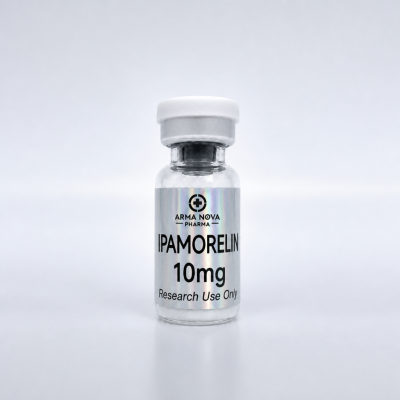
Ipamorelin UK: The Selective Growth Hormone Secretagogue for Researchers in 2026 Among the growth hormone-releasing peptides available to UK researchers, ipamorelin stands apart for a... Continue reading
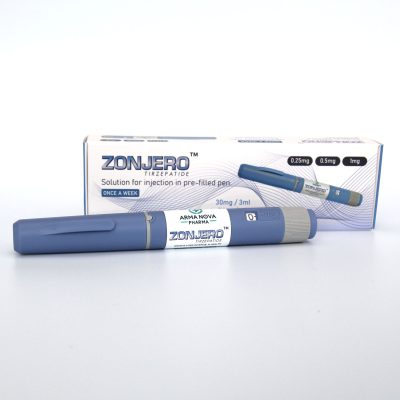
Tirzepatide 30mg UK: The Dual GIP/GLP-1 Receptor Agonist for Advanced Metabolic Research Tirzepatide represents the first dual glucose-dependent insulinotropic polypeptide (GIP) and glucagon-like peptide-1 (GLP-1)... Continue reading
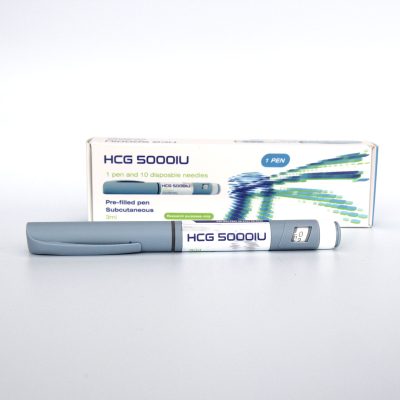
HCG 5000IU UK: Research-Grade Sourcing and Clinical Context Guide 2026 Human chorionic gonadotropin at the 5000 international unit dosage represents one of the most frequently... Continue reading
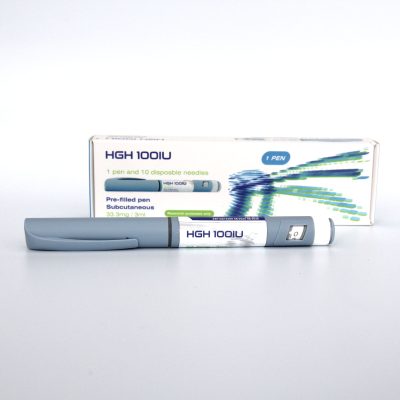
HGH 100 IU UK: Verified Research-Grade Sourcing, Purity Standards, and Regulatory Context for 2026 Securing genuine, laboratory-verified hgh 100 iu uk formulations presents distinct challenges... Continue reading
Add comment