
No products in the cart.
Melanotan 2 10mg Peptide UK: Clinical Data & Sourcing Guide
Melanotan 2 10mg Peptide UK: Comprehensive Research Analysis, Receptor Mechanisms & Verified Sourcing
The UK peptide research market has witnessed sustained demand for melanotan 2 10mg peptide uk formulations, driven by scientific interest in melanocortin receptor agonism and its dual-pathway effects. With over 1,300 monthly UK searches for MT-2 variants and growing scrutiny around product authenticity, researchers require transparent sourcing backed by verifiable HPLC purity data and published Certificates of Analysis (COAs). This guide examines the distinct melanocortin receptor pathways activated by Melanotan II, reviews clinical trial data from landmark studies, and provides a forensic breakdown of UK sourcing criteria—including regulatory context, batch verification protocols, and delivery infrastructure specific to British research institutions.
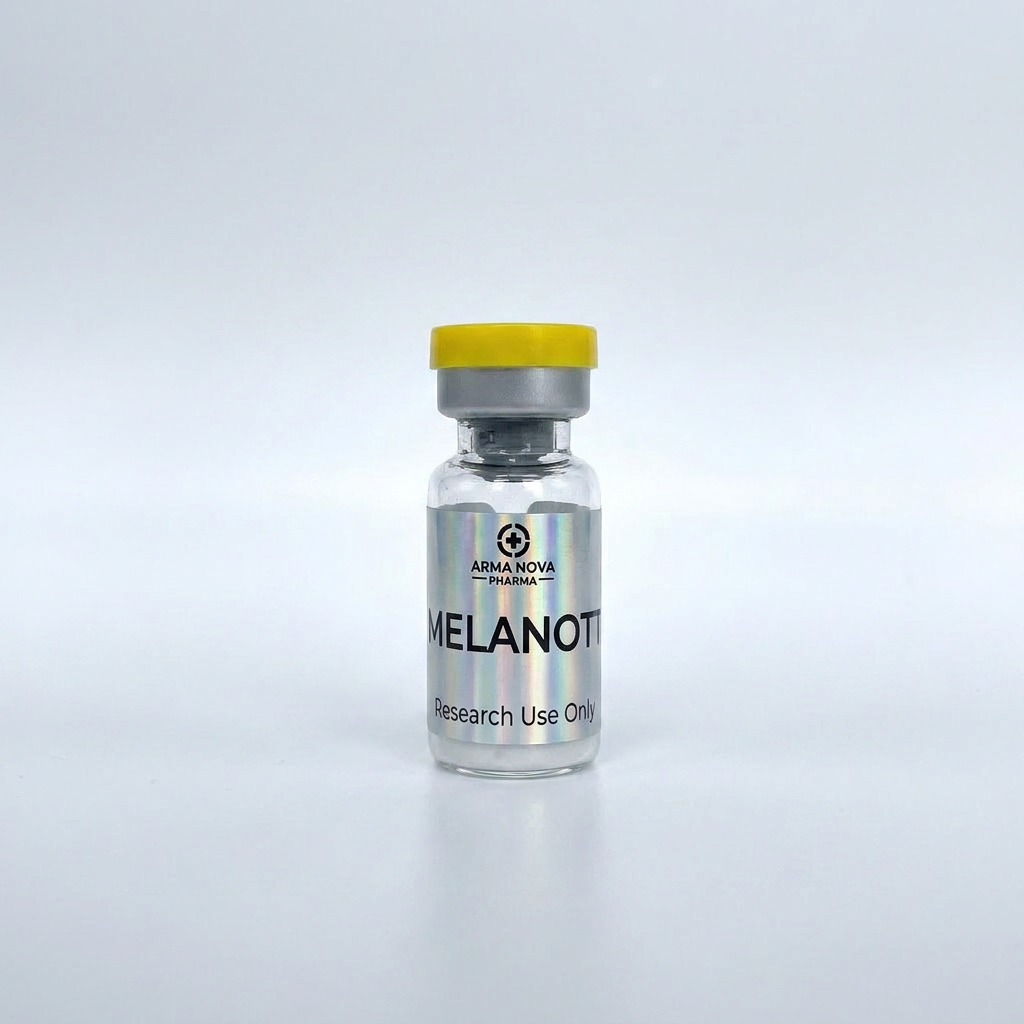
Unlike generic peptide overviews, this analysis differentiates between MC1R-mediated dermal pigmentation and MC4R-driven sexual function pathways—two mechanistically separate receptor systems that most competitor content conflates. Understanding this bifurcation is essential for interpreting trial outcomes, managing research protocols, and distinguishing genuine pharmacological understanding from marketing extrapolation.
melanotan 2 10mg peptide uk: Melanocortin Receptor Pathways: MC1R vs MC4R Mechanism Separation
Melanotan II (MT-2) functions as a non-selective melanocortin receptor agonist with affinity for multiple G-protein-coupled receptors in the melanocortin family. The peptide’s physiological effects derive from activation across at least four receptor subtypes (MC1R, MC3R, MC4R, MC5R), but two pathways dominate clinical relevance:
MC1R Pathway: Dermal Melanogenesis and Photoprotection
The melanocortin-1 receptor (MC1R) resides primarily on epidermal melanocytes. When Melanotan II binds MC1R, it triggers cyclic AMP-mediated upregulation of tyrosinase and related enzymes in the melanin synthesis cascade. This process shifts melanin production from red-yellow pheomelanin to brown-black eumelanin, resulting in darkened skin pigmentation independent of UV exposure.
In the 1996 phase-I safety trial conducted by Dorr RT et al., researchers documented dose-dependent pigmentation in healthy volunteers following subcutaneous administration. The study established MT-2’s potency at nanomolar concentrations and confirmed eumelanin deposition in skin biopsies. Importantly, this pigmentation response occurred without concurrent UV irradiation, distinguishing melanocortin-driven melanogenesis from traditional tanning mechanisms.
MC4R Pathway: Sexual Function and Erectile Response
The melanocortin-4 receptor (MC4R) concentrates in hypothalamic and spinal cord regions governing sexual arousal and erectile physiology. MT-2’s agonism of MC4R initiates a cascade distinct from dermal pigmentation: activation of parasympathetic efferents and nitric oxide release in penile cavernosal tissue.
A landmark 1998 study by Wessells H et al. examined MT-2 effects in men with organic erectile dysfunction refractory to papaverine-phentolamine. Subjects received escalating subcutaneous doses and underwent penile tumescence monitoring. The trial documented significant improvement in erectile function scores, with responses occurring via a non-vascular mechanism—critically, subjects who failed phosphodiesterase inhibitors still responded to MT-2, suggesting MC4R pathway activation bypasses typical NO-cGMP-dependent erectile mechanisms.
This mechanistic separation—MC1R governing pigmentation, MC4R governing sexual response—is not merely academic. Research protocols targeting one effect must account for the unavoidable activation of the other receptor system, as MT-2 lacks subtype selectivity. Investigators seeking isolated MC4R effects without pigmentation typically transition to PT-141 10mg UK (bremelanotide), a structural analogue with reduced MC1R affinity.
Clinical Trial Data: Efficacy, Dosing Parameters and Adverse Event Profiles
Three decades of MT-2 research have generated pharmacokinetic, safety, and efficacy data across multiple human trials. Understanding these datasets allows researchers to establish evidence-based protocols rather than relying on anecdotal extrapolation.
Phase-I Safety and Dose-Response Characterisation
The Dorr et al. (1996) phase-I study established foundational safety parameters for subcutaneous MT-2 administration in 20 healthy volunteers. Doses ranged from 0.025 mg/kg to 0.16 mg/kg, administered in single injections. Key findings included:
- Dose-dependent pigmentation: Visible skin darkening occurred within 48-72 hours at doses ≥0.08 mg/kg, persisting for 21-40 days post-injection
- Nausea incidence: Reported in 70% of subjects at doses exceeding 0.12 mg/kg, typically resolving within 2-4 hours
- Cardiovascular effects: Transient facial flushing and mild blood pressure elevation (5-12 mmHg systolic) within 30 minutes of administration, normalising within 6 hours
- Spontaneous erections: Male subjects reported unsolicited erections beginning 1-3 hours post-dose, duration 2-5 hours—this was the first documented human evidence of MC4R-mediated sexual effects
Critically, this trial established that nausea correlates with peak plasma concentration rather than cumulative dose, explaining why fractionated dosing protocols (multiple smaller injections) produce lower adverse event rates than single large administrations.
Erectile Dysfunction Trial: MC4R Pathway Validation
The Wessells et al. (1998) study recruited 10 men with documented organic erectile dysfunction who had failed intracavernosal injection therapy. Subjects received subcutaneous MT-2 doses escalating from 0.0025 mg/kg to 0.025 mg/kg, with erectile response measured via RigiScan monitoring.
Results demonstrated:
- 80% response rate at the 0.025 mg/kg dose, with >60% rigidity sustained for ≥10 minutes
- Onset latency: Erectile response began 60-180 minutes post-injection, significantly delayed compared to PDE5 inhibitors (15-45 minutes)
- Mechanism independence: Subjects with proven cavernosal arterial insufficiency responded equivalently to those with venous leak pathology, supporting central (MC4R-mediated) rather than peripheral vascular mechanism
- Adverse events: Nausea (60% of subjects), facial flushing (40%), yawning and stretching (30%)—yawning is now recognised as a characteristic melanocortin agonist side effect
This trial’s significance extends beyond erectile dysfunction: it validated MC4R as a discrete pharmacological target for sexual function, independent of nitric oxide pathways. The delayed onset and prolonged duration align with central nervous system receptor kinetics rather than direct peripheral vasodilation.
Melanocortin Receptor Biology: King et al. Mechanistic Review
A comprehensive 2007 review by King SH et al. synthesised melanocortin receptor pharmacology and mapped receptor subtype distribution across erectile physiology. This review clarified:
- Receptor localisation: MC4R expression concentrates in paraventricular nucleus (PVN) of hypothalamus and sacral spinal cord autonomic nuclei—both regions integral to erectile reflex pathways
- Downstream signalling: MC4R activation increases oxytocin release from PVN neurons, which subsequently activates parasympathetic efferents projecting to pelvic ganglia and penile cavernosal tissue
- Species variation: Rodent MC4R knockout models exhibit profound sexual dysfunction and obesity, but primate MC4R distribution patterns differ, limiting direct translational extrapolation from animal models
- Receptor desensitisation: Chronic MC4R agonism downregulates receptor density in hypothalamic tissues, potentially explaining tolerance development observed in extended-use protocols
This mechanistic framework explains clinical observations that competitors’ superficial content misses: why MT-2 erectile effects persist beyond plasma elimination (oxytocin cascade amplification), why repeated daily dosing reduces efficacy over weeks (receptor downregulation), and why MC4R-selective analogues like bremelanotide produce sexual effects without equivalent pigmentation (MC1R sparing).
UK Regulatory Context and Research-Use Classification
Melanotan II’s regulatory status in the United Kingdom differs fundamentally from licensed pharmaceutical products. Understanding this classification is mandatory for compliant research procurement and protocol design.
MHRA Position and Unlicensed Medicine Framework
The Medicines and Healthcare products Regulatory Agency (MHRA) does not classify MT-2 as an approved medicinal product for human use in the UK. The peptide holds no Marketing Authorisation, excluding it from legitimate clinical prescription or supply for consumer use. However, this prohibition does not extend to bona fide research applications.
Under UK law, unlicensed substances may be procured for research purposes only, provided:
- The substance is not misrepresented as holding regulatory approval
- Supply is restricted to qualified research institutions or individuals engaged in documented scientific investigation
- Product labelling explicitly states “For Research Use Only” or equivalent disclaimer
- No claims regarding human therapeutic use accompany marketing or distribution
peptide suppliers operating within this framework—such as Arma Peptides—fulfil a legitimate research supply function distinct from illicit distribution networks selling unlicensed substances as consumer products.
Distinction from Controlled Substances
MT-2 does not appear on the UK Misuse of Drugs Act schedules, differentiating it from controlled anabolic steroids or psychoactive substances. This classification means:
- Personal importation is not inherently illegal (though MHRA guidance discourages unlicensed medicine imports for personal use)
- No criminal liability attaches to possession for research purposes
- Prosecution typically targets suppliers making therapeutic claims or marketing for human consumption, not researchers procuring for documented study
This regulatory nuance creates a compliant pathway for UK researchers to access melanotan 2 10mg peptide uk formulations, provided sourcing aligns with research-use frameworks and suppliers maintain transparent documentation (COAs, purity verification, research-only labelling).
Sourcing Criteria: HPLC Verification, COA Transparency and UK Delivery Infrastructure
The UK peptide market contains suppliers spanning pharmaceutical-grade operations to unverifiable grey-market distributors. Differentiating these tiers requires forensic evaluation of purity documentation, analytical methods, and logistical infrastructure.
HPLC Purity Analysis: Minimum Standards for Research-Grade Peptides
High-Performance Liquid Chromatography (HPLC) remains the gold standard for peptide purity quantification. Research-grade MT-2 should demonstrate:
- ≥99% purity by HPLC: Lower thresholds (95-98%) indicate incomplete synthesis or degradation products
- Published chromatograms: Genuine COAs include the actual HPLC trace showing retention time and peak integration, not just a percentage figure
- Batch-specific documentation: COAs should reference the specific lot number on the product vial, not generic “representative” analyses
- Third-party verification: Reputable suppliers use independent analytical labs (Colmaric Analyticals, Intertek, etc.) rather than self-generated data
Arma Peptides publishes batch-specific COAs for all Melanotan 2 10mg UK inventory, with HPLC purity consistently ≥99.5% and full chromatogram data accessible per lot number. This transparency allows researchers to verify peptide identity and quantify potential contaminants before initiating protocols.
Mass Spectrometry Confirmation: Beyond HPLC Purity
HPLC quantifies purity but does not confirm molecular identity. Mass spectrometry (MS) provides definitive verification that the peptide sequence matches MT-2’s theoretical mass (1024.2 Da for the acetate salt form).
Premium UK suppliers include MS data alongside HPLC in comprehensive COAs. Researchers should verify:
- Observed mass matches theoretical: Within ±0.5 Da tolerance
- Fragmentation patterns: MS/MS data confirms expected peptide bond cleavage sites
- No aberrant peaks: Additional mass peaks suggest synthesis errors, incomplete deprotection, or contamination
Suppliers omitting MS data are not necessarily non-compliant, but MS inclusion signals pharmaceutical-standard quality assurance exceeding typical research-grade minimums.
UK Delivery Logistics: Cold Chain and Stealth Parameters
Peptide stability degrades rapidly at ambient temperature, particularly for acetate salt formulations. UK-based suppliers should demonstrate:
- Refrigerated storage: Inventory maintained at 2-8°C prior to dispatch
- Insulated shipping: Gel packs or dry ice for summer/extended transit routes
- Next-day delivery: Minimises thermal exposure; critical for UK mainland addresses (Highlands/Islands may require 48-hour service)
- Discreet packaging: Generic labels without peptide nomenclature, reducing customs scrutiny for edge-case international orders
Arma Peptides operates UK domestic warehousing with Royal Mail Special Delivery next-day service as standard for orders placed before 2 PM GMT. All melanotan 2 10mg peptide uk shipments include cold packs and temperature-stable packaging rated for 48-hour transit protection.
Formulation Variants: Acetate vs Free Base, Nasal Spray vs Injectable
MT-2 is commercially available in multiple formulations, each with distinct pharmacokinetic profiles and research applications. Understanding these variants prevents protocol errors stemming from formulation confusion.
Melanotan 2 Acetate vs Free Base Peptide
The majority of research-grade MT-2 exists as an acetate salt rather than free base peptide. Key differences include:
- Molecular weight: Acetate salt adds ~60 Da per acetate molecule (typically 1-2 acetate groups per peptide), affecting dose calculations
- Solubility: Acetate salt exhibits superior aqueous solubility, simplifying reconstitution in bacteriostatic water
- Stability: Acetate formulation demonstrates extended shelf life (24-36 months at -20°C) compared to free base (18-24 months)
- Bioavailability: No clinically significant difference in subcutaneous absorption kinetics between salt and free base forms
Researchers should verify formulation specificity when cross-referencing dosing protocols from published literature—some early trials used free base, while contemporary suppliers predominantly stock acetate variants. Arma Peptides offers both standard Melanotan 2 10mg (acetate salt) and Melanotan 2 Acetate 10mg with explicit salt form labelling.
Nasal Spray Formulation: Intranasal Delivery Pharmacokinetics
Intranasal MT-2 delivery offers an alternative to subcutaneous injection, utilising nasal mucosa absorption for systemic peptide entry. The Melanotan 2 Nasal Spray 10mg formulation presents distinct characteristics:
- Bioavailability reduction: Intranasal absorption yields approximately 20-40% of subcutaneous bioavailability, requiring proportionally higher dosing
- Onset delay: Mucosal absorption extends time to peak plasma concentration from 45-60 minutes (SC) to 90-150 minutes (IN)
- Reduced nausea incidence: Slower absorption kinetics attenuate peak plasma concentration, potentially lowering nausea frequency
- Convenience trade-off: Eliminates injection requirement but necessitates higher total peptide consumption per equivalent effect
Intranasal formulations suit researchers investigating mucosal delivery pharmacokinetics or protocols where injection compliance presents barriers. However, subcutaneous administration remains the reference standard for replicating published clinical trial methodologies.
Comparative Analysis: Melanotan 2 vs PT-141 (Bremelanotide) Receptor Selectivity
Researchers seeking MC4R-driven sexual function effects without concurrent MC1R pigmentation increasingly transition to bremelanotide (PT-141), a structural MT-2 analogue with altered receptor selectivity.
Structural and Pharmacological Differentiation
PT-141 differs from MT-2 by a single amino acid substitution (Nle⁴ replaced with des-acetyl Nle⁴), which reduces MC1R affinity by approximately 80-fold while maintaining MC4R potency. This selectivity produces:
- Minimal pigmentation: Clinical trials document negligible skin darkening even at doses producing maximal sexual function effects
- Preserved erectile response: MC4R-mediated effects remain intact, with similar onset (60-120 minutes) and duration (4-8 hours) to MT-2
- Reduced nausea: Lower MC3R affinity decreases nausea incidence, though not eliminated entirely (30-40% vs 60-70% for MT-2)
- Regulatory advancement: PT-141 progressed to FDA approval (Vyleesi) for female sexual dysfunction, while MT-2 has not achieved licensing
UK researchers prioritising sexual function pathways without pigmentation confounders should evaluate PT-141 10mg UK as a mechanistically cleaner alternative. Conversely, protocols specifically examining MC1R pathway activation require MT-2’s non-selective melanocortin agonism.
Cost and Accessibility Trade-Offs
MT-2 synthesis is more established and cost-efficient than PT-141 production, reflecting in pricing differentials:
- Melanotan 2 10mg: Typical UK pricing £25-45 per vial (research-grade, HPLC verified)
- PT-141 10mg: Typical UK pricing £40-70 per vial (reflecting more complex synthesis)
For budget-constrained research programmes where pigmentation is not a disqualifying factor, MT-2 offers superior cost-effectiveness. Institutions with flexible budgets and protocols demanding receptor selectivity justify PT-141’s premium pricing.
Reconstitution, Storage and Handling Protocols for Research Applications
Peptide stability and bioactivity depend critically on correct reconstitution and storage methodology. Procedural errors account for the majority of “underdosed” or “inactive” peptide reports in researcher forums.
Reconstitution: Bacteriostatic Water vs Sterile Water
Lyophilised MT-2 requires reconstitution in aqueous solution before administration. Two primary solvents are employed:
- Bacteriostatic water (0.9% benzyl alcohol): Inhibits bacterial growth, extending reconstituted peptide shelf life to 14-21 days under refrigeration (2-8°C). Recommended for multi-dose vials where researchers will perform serial injections over weeks.
- Sterile water for injection: Contains no preservative; reconstituted solution should be used within 72 hours. Appropriate for single-use or short-duration protocols but impractical for extended studies.
Reconstitution procedure:
- Refrigerate lyophilised peptide vial and solvent to equalise temperature (reduces foaming)
- Inject solvent slowly down the vial wall, avoiding direct stream onto lyophilised cake
- Swirl gently (do not shake vigorously—mechanical agitation degrades peptide bonds)
- Allow 2-3 minutes for complete dissolution before withdrawing dose
- Store reconstituted solution at 2-8°C, protected from light
Long-Term Storage: Lyophilised Peptide Stability
Unreconstituted MT-2 demonstrates exceptional stability when stored correctly:
- -20°C freezer storage: Maintains >95% potency for 24-36 months (acetate salt formulation)
- 2-8°C refrigeration: Suitable for short-term storage (3-6 months), though gradual degradation accelerates beyond 12 months
- Room temperature (20-25°C): Significant degradation within 4-8 weeks; not recommended for storage exceeding 30 days
Researchers should request batch manufacturing dates from suppliers to assess remaining shelf life. Arma Peptides includes manufacture and expiry dates on all melanotan 2 10mg peptide uk vial labels, with typical remaining shelf life of 18-24 months at dispatch.
Freeze-Thaw Cycle Degradation
Repeated freeze-thaw cycling damages peptide structure through ice crystal formation and osmotic stress. Best practices include:
- Aliquot division: Divide lyophilised peptide into multiple smaller vials (2-3 mg each) to avoid repeatedly thawing entire stock
- Single-thaw rule: Once a vial is removed from freezer storage and brought to room temperature, do not re-freeze—store refrigerated and use within 6 months
- Controlled thawing: Thaw frozen peptide in refrigerator overnight rather than rapid room-temperature thawing, reducing thermal stress
Emerging Research Directions: Photoprotection, Appetite Modulation and Neuroprotection
While dermal pigmentation and sexual function dominate MT-2 research literature, emerging evidence suggests melanocortin receptor agonism influences additional physiological systems.
UV Photoprotection Beyond Cosmetic Tanning
Eumelanin produced via MC1R activation provides intrinsic photoprotection against UV-induced DNA damage. Theoretical advantages include:
- Reduced thymine dimer formation: Eumelanin absorbs UV photons before they reach nuclear DNA, decreasing cyclobutane pyrimidine dimer (CPD) formation
- Free radical scavenging: Melanin polymers neutralise reactive oxygen species generated by UV exposure
- Reduced erythema: Pigmentation attenuates UVB penetration to dermal vasculature, lowering sunburn incidence
However, critical caveats exist: MT-2-induced pigmentation does not replicate the keratinocyte hyperplasia and epidermal thickening that UV exposure produces. This “tan without sun” lacks the structural photoprotection of natural sun-induced tanning, potentially creating false confidence regarding UV exposure safety. Researchers investigating photoprotective applications must distinguish between melanin’s intrinsic UV absorption (genuine protection) and the absence of UV-adaptive epidermal thickening (incomplete protection).
MC4R-Mediated Appetite Suppression and Body Composition
MC4R activation in hypothalamic arcuate nucleus neurons modulates appetite regulation and energy expenditure. Rodent studies demonstrate that melanocortin agonists reduce food intake and increase metabolic rate, leading to body fat reduction. Human data remains limited—the Dorr et al. (1996) trial documented spontaneous appetite reduction in 40% of subjects, but no controlled trials have systematically examined MT-2’s metabolic effects in humans.
This pathway intersects with the well-characterised MC4R mutation obesity syndromes: individuals with loss-of-function MC4R mutations develop severe obesity and hyperphagia, suggesting MC4R agonism could theoretically counteract these deficits. However, chronic MC4R activation risks receptor desensitisation and potential cardiovascular side effects (blood pressure elevation), complicating long-term appetite modulation applications.
Melanocortin Receptors in Neuroinflammation and Neuroprotection
Preliminary evidence suggests melanocortin peptides exert anti-inflammatory effects in central nervous system injury models. MC4R activation reduces microglial inflammatory cytokine production and attenuates neuronal apoptosis in rodent stroke and traumatic brain injury models. Mechanisms remain incompletely characterised but likely involve MC4R-mediated modulation of NF-κB signalling pathways.
No human trials have examined MT-2’s neuroprotective potential, and extrapolation from rodent models to human neuroinflammatory conditions requires substantial mechanistic validation. Researchers interested in melanocortin biology beyond pigmentation and sexual function may find this an emerging frontier, though clinical translation remains speculative.
UK Harm Reduction Guidance: Mitigating Adverse Events in Research Contexts
While MT-2 demonstrates acceptable safety profiles in controlled clinical trials, unsupervised use and dosing errors account for adverse events reported in UK emergency departments and toxicology literature. Research protocols benefit from incorporating harm reduction principles derived from clinical trial methodology and post-market surveillance data.
Nausea Management: Dose Fractionation and Timing
Nausea represents the most common MT-2 adverse effect, correlating with peak plasma concentration rather than cumulative dose. Mitigation strategies include:
- Fractionated dosing: Divide intended dose into 2-3 smaller injections spaced 4-6 hours apart, reducing peak concentration
- Evening administration: Dosing before sleep allows peak nausea period to occur during sleep, reducing conscious discomfort
- Anti-emetic co-administration: Ondansetron (5-HT3 antagonist) or domperidone (dopamine antagonist) pre-treatment reduces nausea incidence without interfering with melanocortin receptor activation
- Gradual dose escalation: Begin with 20-30% of target dose and increase by 10-20% every 3-4 days, allowing physiological adaptation
Cardiovascular Monitoring: Blood Pressure and Heart Rate
MT-2 produces transient sympathomimetic effects—facial flushing, mild tachycardia (5-15 bpm increase), and blood pressure elevation (5-12 mmHg systolic). While benign in normotensive individuals, researchers with pre-existing hypertension or cardiovascular conditions should implement monitoring:
- Baseline assessment: Document resting blood pressure and heart rate before initiating protocols
- Post-dose monitoring: Measure BP and HR at 30, 60, and 120 minutes post-injection during initial exposures
- Threshold criteria: Discontinue protocol if systolic BP exceeds 160 mmHg or heart rate surpasses 100 bpm at rest
Hyperpigmentation Reversal: Timeline and Photoprotection
MT-2-induced pigmentation persists for weeks to months post-cessation, reflecting melanin’s residence time in keratinocytes undergoing normal turnover. Depigmentation occurs gradually over 4-12 weeks as melanin-laden keratinocytes desquamate. Researchers seeking to reverse pigmentation should understand:
- No rapid reversal agents exist: Topical bleaching agents (hydroquinone, kojic acid) do not accelerate MT-2 pigmentation clearance significantly
- UV exposure prolongs pigmentation: Continued UV irradiation stimulates endogenous melanogenesis, extending depigmentation timeline
- Uneven fading patterns: Sun-exposed areas (face, forearms) retain pigmentation longer than covered regions due to ongoing UV-driven melanin synthesis
Practical Sourcing Workflow: Verifying UK Supplier Credentials
Navigating the UK peptide market requires systematic supplier verification beyond marketing claims. The following workflow provides a forensic approach to identifying legitimate research-grade sources.
Step 1: COA Accessibility and Specificity
Request Certificates of Analysis before purchase. Evaluate:
- Batch-specific documentation: COA should reference the exact lot number you will receive, not a generic “representative sample”
- HPLC chromatogram inclusion: Full trace with retention times and peak integration, not just a percentage figure
- Independent lab verification: COA should list the analytical facility name and contact information (not supplier’s own lab)
- Multi-parameter testing: Purity (HPLC), identity (MS), endotoxin levels, and peptide content (mg per vial) should all appear
Suppliers refusing to provide pre-purchase COAs or offering only generic documentation warrant extreme skepticism. Arma Peptides publishes batch-specific COAs for all Melanotan 2 UK research-grade inventory, accessible via product pages with lot number traceability.
Step 2: UK Domestic vs International Shipping Origin
Verify whether “UK supplier” denotes UK warehousing or merely UK-facing website with international dispatch:
- Genuine UK warehousing: Next-day Royal Mail delivery, UK phone support during GMT business hours, GBP pricing without currency conversion
- International dropship: 7-14 day delivery, USD/EUR pricing with GBP conversion, generic international tracking, customs declaration requirements
International shipments face customs scrutiny, potential seizure (though not illegal, delays are common), and extended thermal exposure degrading peptide stability. UK-warehoused suppliers eliminate these risks—Arma Peptides maintains refrigerated UK inventory with same-day dispatch for orders before 2 PM GMT.
Step 3: Pricing Sanity Check Against Synthesis Economics
MT-2 synthesis via solid-phase peptide synthesis (SPPS) incurs defined raw material and labour costs. Research-grade 10mg vials priced below £20 typically indicate:
- Underdosing: Vial contains <10mg actual peptide content (common with unverified suppliers)
- Low purity: <95% HPLC purity, containing significant impurities or degradation products
- Counterfeit product: Vial contains alternative peptides or no active ingredient
Conversely, pricing exceeding £70 per 10mg vial suggests either pharmaceutical-grade production costs (unnecessary for research applications) or opportunistic markup exploiting information asymmetry. The £30-50 range reflects genuine research-grade production economics for UK-sourced melanotan 2 10mg peptide uk with verified purity.
Comparative Peptide Context: Melanotan 2 Within Broader Melanocortin Research
MT-2 exists within a family of melanocortin-related peptides under active investigation. Understanding this landscape prevents tunnel vision and identifies mechanistically related compounds for comparative research.
Alpha-MSH and Endogenous Melanocortin Signalling
Alpha-melanocyte-stimulating hormone (α-MSH) represents the endogenous melanocortin receptor ligand from which MT-2 derives. α-MSH is a 13-amino-acid peptide cleaved from pro-opiomelanocortin (POMC) in pituitary and hypothalamic neurons. MT-2 was synthesised as a cyclic analogue with enhanced receptor binding affinity and extended plasma half-life (α-MSH exhibits rapid degradation, T½ ~20 minutes vs MT-2 T½ ~60-90 minutes).
Researchers investigating physiological melanocortin signalling pathways may utilise α-MSH for shorter-duration, more physiologically representative experiments, while MT-2 suits extended-duration protocols requiring stable plasma concentrations.
MOTS-c and Mitochondrial-Derived Peptides
Though mechanistically unrelated to melanocortin receptors, MOTS-c represents another emerging research peptide with overlapping investigator interest (metabolic modulation, potential neuroprotection). Researchers exploring peptide-based metabolic interventions may evaluate MOTS-c 10mg UK protocols alongside melanocortin agonist studies, particularly when examining body composition endpoints where both pathways theoretically converge (MT-2 via MC4R appetite suppression, MOTS-c via mitochondrial metabolic regulation).
Conclusion: Evidence-Based Melanotan 2 Sourcing and Research Application in UK Context
The sustained UK demand for melanotan 2 10mg peptide uk formulations reflects genuine scientific interest in melanocortin receptor pharmacology spanning dermal pigmentation, sexual function, and emerging metabolic applications. Distinguishing between MC1R-mediated pigmentation and MC4R-driven erectile pathways—two mechanistically distinct receptor systems—provides the foundation for rational protocol design and accurate interpretation of clinical trial outcomes.
Landmark studies by Dorr, Wessells, and King established MT-2’s pharmacokinetic profile, dose-response characteristics, and receptor-specific mechanisms across nearly three decades of human research. These trials validate melanocortin agonism as a legitimate pharmacological target while documenting adverse event profiles (nausea, flushing, cardiovascular effects) that inform contemporary harm reduction protocols.
UK researchers navigating peptide procurement face a market spectrum from pharmaceutical-grade suppliers with published COAs to unverifiable grey-market sources. Verification criteria—batch-specific HPLC documentation, mass spectrometry confirmation, UK domestic warehousing, next-day cold-chain delivery—differentiate legitimate research supply from opportunistic distribution. Arma Peptides operates within this verified tier, maintaining ≥99% HPLC purity standards, published per-batch COAs, and UK-based refrigerated inventory with Royal Mail next-day delivery infrastructure.
Formulation variants (acetate vs free base, injectable vs intranasal, MT-2 vs PT-141) present distinct pharmacokinetic and receptor selectivity profiles. Researchers must match formulation to protocol objectives: subcutaneous acetate salt for replicating published trial methodologies, intranasal delivery for mucosal absorption studies, PT-141 for MC4R-selective effects without MC1R pigmentation.
Emerging research directions—UV photoprotection mechanisms, MC4R-mediated appetite regulation, melanocortin neuroprotection—extend beyond MT-2’s established pigmentation and sexual function applications. While promising, these frontiers require substantial mechanistic validation before clinical translation, distinguishing speculative extrapolation from evidence-based application.
UK regulatory context positions MT-2 as an unlicensed medicine permissible for bona fide research but prohibited for consumer therapeutic marketing. Compliant sourcing requires explicit research-use labelling, transparent purity documentation, and supplier adherence to UK-specific regulatory frameworks—criteria that separate legitimate research supply operations from illicit distribution networks.
For UK-based researchers requiring verified melanotan 2 10mg peptide uk with published COAs, pharmaceutical-grade HPLC purity, and next-day delivery infrastructure, Arma Peptides provides a transparent sourcing pathway aligned with research compliance standards and contemporary melanocortin receptor science.
Research Use Disclaimer: Melanotan II is supplied strictly for in vitro research purposes and is not approved for human consumption or therapeutic application under UK law. This content provides scientific information for qualified researchers and does not constitute medical advice or endorsement of off-label use. Researchers should consult institutional review boards and regulatory guidance before initiating any peptide-based protocols.
Related posts
Tesamorelin 10mg UK: Research-Grade Growth Hormone-Releasing Hormone Analogue for 2026 UK-based researchers investigating growth hormone-releasing hormone (GHRH) analogues frequently encounter a critical sourcing challenge:… Continue reading
Ipamorelin UK: The Selective Growth Hormone Secretagogue for Researchers in 2026 Among the growth hormone-releasing peptides available to UK researchers, ipamorelin stands apart for a... Continue reading
Tirzepatide 30mg UK: The Dual GIP/GLP-1 Receptor Agonist for Advanced Metabolic Research Tirzepatide represents the first dual glucose-dependent insulinotropic polypeptide (GIP) and glucagon-like peptide-1 (GLP-1)... Continue reading
HCG 5000IU UK: Research-Grade Sourcing and Clinical Context Guide 2026 Human chorionic gonadotropin at the 5000 international unit dosage represents one of the most frequently... Continue reading
HGH 100 IU UK: Verified Research-Grade Sourcing, Purity Standards, and Regulatory Context for 2026 Securing genuine, laboratory-verified hgh 100 iu uk formulations presents distinct challenges... Continue reading
Add comment