
No products in the cart.
Buy Tirzepatide UK Zonjero: Research-Grade GIP/GLP-1 Peptide
Buy Tirzepatide UK Zonjero: The First Dual GIP/GLP-1 Receptor Agonist for Research Use
Tirzepatide represents the first pharmaceutical-grade peptide to target both glucose-dependent insulinotropic polypeptide (GIP) and glucagon-like peptide-1 (GLP-1) receptors simultaneously. When UK-based researchers and advanced biohackers look to buy tirzepatide UK zonjero for metabolic research protocols, they’re accessing a mechanistically distinct compound that delivered up to 22.5% total body weight reduction in Phase 3 clinical trials—substantially exceeding single-pathway GLP-1 agonists like semaglutide. This article examines the peer-reviewed evidence distinguishing tirzepatide from competing incretin mimetics, outlines UK-specific sourcing parameters including HPLC verification standards, and provides the mechanistic framework necessary to understand why dual agonism produces superior metabolic outcomes in human research subjects.
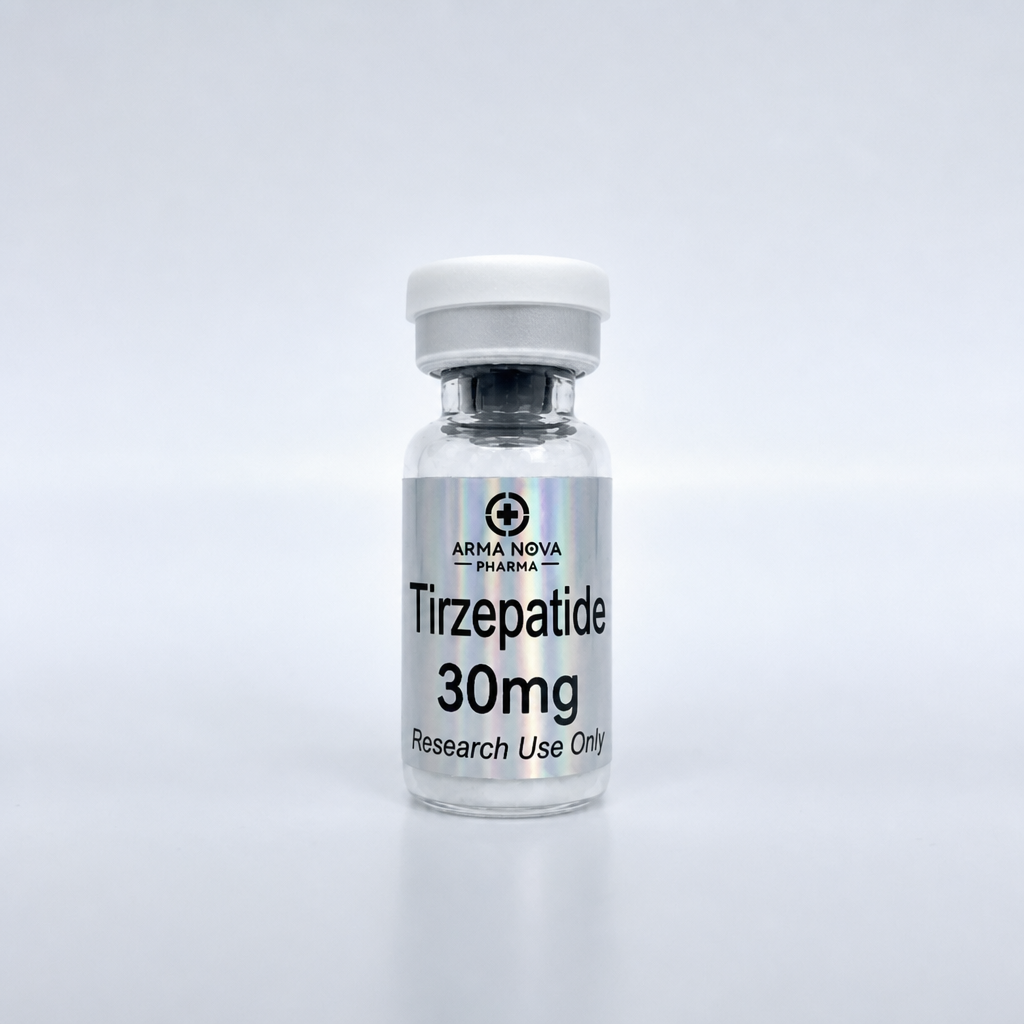
Arma Peptides supplies research-grade Tirzepatide 30mg UK with ≥99% HPLC-verified purity, batch-specific Certificates of Analysis published for every production run, and next-day delivery across all UK regions. All compounds are supplied strictly for research purposes only under UK law.
What Distinguishes Tirzepatide Mechanistically: Why Dual GIP/GLP-1 Agonism Matters
The critical innovation underlying tirzepatide’s superior efficacy profile lies in its unimolecular dual agonist architecture. Unlike selective GLP-1 receptor agonists (semaglutide, liraglutide) that activate only the GLP-1 pathway, tirzepatide simultaneously engages both GIP receptors (with preferential agonism) and GLP-1 receptors. This dual mechanism produces clinically distinct metabolic effects that cannot be replicated by simply combining two separate compounds.
GIP receptor activation amplifies glucose-dependent insulin secretion through an independent pancreatic β-cell signaling cascade involving cAMP production and PKA activation. Crucially, GIP signaling reduces glucagon secretion during hyperglycaemic states while preserving counterregulatory glucagon responses during hypoglycaemia—a safety advantage over pure GLP-1 agonism. The GIP component also modulates adipocyte function, enhancing insulin sensitivity in peripheral tissues and promoting preferential lipid storage in subcutaneous rather than visceral depots when energy balance is positive.
In the landmark SURPASS-2 trial comparing tirzepatide directly against semaglutide, Frías et al. (2021) demonstrated that tirzepatide 15mg produced superior HbA1c reductions (-2.46% vs -1.86% for semaglutide 1mg) and significantly greater weight loss (-11.2kg vs -5.7kg) at 40 weeks in patients with type 2 diabetes. These differences cannot be attributed to dose alone—they reflect fundamentally different receptor engagement patterns.
SURMOUNT-1: The Definitive Tirzepatide Weight Loss Evidence in Non-Diabetic Subjects
While SURPASS trials established tirzepatide’s efficacy in type 2 diabetes management, the SURMOUNT-1 trial provided the most rigorous evidence for its effects in non-diabetic obesity. Jastreboff et al. (2022) published results from this 72-week randomized controlled trial involving 2,539 adults with BMI ≥30 kg/m² (or ≥27 kg/m² with weight-related complications) but without diabetes.
At the 15mg dose—the highest tier evaluated—mean weight reduction reached 22.5% of initial body weight, with 63% of participants achieving ≥20% weight loss and 89% achieving ≥10% loss. These outcomes substantially exceeded historical benchmarks for both pharmacotherapy and lifestyle interventions. Placebo-adjusted weight loss at the 15mg dose was approximately 20.9 percentage points, establishing tirzepatide as the most effective single-agent obesity pharmacotherapy tested in rigorous clinical trials to date.
Lean mass preservation represented another methodologically important finding. Dual-energy X-ray absorptiometry (DEXA) analysis revealed that approximately 70% of weight loss came from fat mass, with 30% from lean tissue—a ratio superior to dietary restriction alone, which typically produces 60-75% fat loss and 25-40% lean loss. This suggests the dual GIP/GLP-1 mechanism may offer partial protection against the adaptive metabolic suppression that undermines long-term weight maintenance.
Tirzepatide vs Semaglutide vs Retatrutide: Direct Mechanistic and Clinical Comparisons
UK researchers evaluating incretin-based research protocols require clear mechanistic distinctions between available compounds. The following comparison integrates receptor pharmacology, clinical trial outcomes, and practical research considerations.
| Parameter | Tirzepatide | Semaglutide | Retatrutide |
|---|---|---|---|
| Receptor Targets | GIP (preferential) + GLP-1 | GLP-1 only | GIP + GLP-1 + Glucagon |
| Maximum Weight Loss (Phase 3) | 22.5% (15mg, 72 weeks) | 14.9% (2.4mg, 68 weeks) | 24.2% (12mg, 48 weeks, Phase 2) |
| Half-Life | ~5 days | ~7 days | ~5-7 days (estimated) |
| Dosing Frequency | Once weekly | Once weekly | Once weekly |
| Primary Indication (Approved) | Type 2 diabetes, obesity | Type 2 diabetes, obesity | Investigational only |
| Gastrointestinal Tolerability | Nausea: 20-33% (dose-dependent) | Nausea: 24-44% (dose-dependent) | Nausea: 30-52% (Phase 2 data) |
| UK Research Availability | Available (research use only) | Available (research use only) | Limited (research use only) |
Why Tirzepatide Outperforms Semaglutide: The GIP Hypothesis
The 6-8 percentage point weight loss advantage tirzepatide demonstrates over semaglutide in head-to-head trials cannot be explained by differential GLP-1 receptor engagement alone. Current mechanistic hypotheses attribute this superiority to three GIP-mediated effects:
- Enhanced insulin sensitivity in adipocytes: GIP signaling promotes adipocyte differentiation toward smaller, more insulin-sensitive cells and enhances lipid buffering capacity, reducing ectopic lipid accumulation in liver and muscle tissue that drives insulin resistance.
- Central appetite regulation via distinct pathways: While GLP-1 reduces food intake primarily through hypothalamic and brainstem mechanisms, GIP may contribute additional satiety signaling through different neuronal populations, producing additive rather than redundant effects.
- Energy expenditure modulation: Emerging evidence suggests GIP receptor activation in adipose tissue may influence thermogenesis and substrate oxidation patterns, though this remains mechanistically unresolved in human subjects.
The critical unanswered question—whether selective GIP antagonism or agonism proves superior for weight loss—remains contested. Some rodent models suggest GIP receptor blockade reduces weight gain, while the clinical success of tirzepatide (a GIP agonist) suggests agonism produces superior outcomes in humans. This species difference likely reflects distinct GIP receptor expression patterns and downstream signaling architecture between rodents and humans.
Retatrutide: The Triple Agonist Frontier
Retatrutide extends the dual agonist framework by adding glucagon receptor agonism to GIP and GLP-1 activation. Glucagon’s primary metabolic role—promoting hepatic glucose output and lipolysis—appears counterintuitive for a weight-loss therapeutic. However, chronic glucagon receptor stimulation increases energy expenditure through enhanced hepatic thermogenesis and fat oxidation, particularly when combined with GLP-1’s appetite-suppressive effects that prevent compensatory hyperphagia.
Phase 2 trial data showed 24.2% mean weight loss at 12mg weekly dosing over 48 weeks—approximately 2 percentage points beyond tirzepatide’s maximum demonstrated efficacy. However, retatrutide remains investigational, with Phase 3 trials ongoing and no regulatory approval in any jurisdiction. UK researchers requiring validated research protocols with extensive Phase 3 safety data will find tirzepatide offers the optimal balance of efficacy, safety characterisation, and availability.
For researchers specifically exploring triple-agonist mechanisms, Arma Peptides supplies Retatrutide UK at research-grade purity with the same HPLC verification standards applied to all peptide inventory.
Clinical Trial Evidence: Beyond SURMOUNT and SURPASS
While SURMOUNT-1 and SURPASS-2 represent the most widely cited tirzepatide trials, additional studies provide important context regarding mechanism, safety, and specific subpopulation responses.
SURMONT-3 and SURMONT-4: Maintenance and Switch Strategies
SURMOUNT-3 evaluated a critical clinical question: Can tirzepatide maintain weight loss achieved through intensive lifestyle intervention? Participants first underwent a 12-week diet and exercise program producing approximately 7% weight loss, then received either tirzepatide (dose-escalated to 15mg) or placebo for an additional 72 weeks. The tirzepatide group achieved 18.4% additional weight loss from randomisation (25.3% total from study start), while the placebo group regained 2.5%, highlighting tirzepatide’s capacity to override the metabolic adaptations that typically restore baseline weight.
SURMOUNT-4 examined weight maintenance after initial tirzepatide-induced loss. Participants first received 36 weeks of open-label tirzepatide, achieving approximately 20% weight reduction, then were randomised to continue tirzepatide or switch to placebo. At 52 weeks post-randomisation, the continuation group maintained 5.5% additional loss, while the placebo group regained 14% of initial body weight. This substantial regain upon cessation underscores that tirzepatide modifies regulatory setpoints during administration but does not permanently reset defended body weight—cessation leads to homeostatic restoration toward baseline.
SURPASS-5: Tirzepatide as Add-On to Insulin Therapy
Dahl et al. (2022) demonstrated in SURPASS-5 that tirzepatide added to basal insulin produced superior glycaemic control compared to insulin intensification alone. Participants on stable insulin glargine dosing received tirzepatide (5-15mg) or placebo, with insulin doses adjusted to maintain glycaemic targets. Tirzepatide groups achieved HbA1c reductions of 2.11-2.40 percentage points versus 0.86 for placebo, while simultaneously reducing insulin requirements and producing 5.4-8.8kg weight loss compared to 1.9kg gain in the placebo group.
This insulin-sparing effect reflects tirzepatide’s dual mechanism: enhanced endogenous insulin secretion reduces exogenous insulin needs, while peripheral insulin sensitivity improvements amplify the glucose-lowering effect of remaining insulin. For researchers modeling therapeutic interventions in advanced metabolic dysfunction, this trial demonstrates that dual GIP/GLP-1 agonism remains effective even in contexts of severely impaired β-cell function requiring baseline insulin therapy.
Buy Tirzepatide UK Zonjero: Sourcing Parameters and Quality Verification
When UK-based researchers and qualified purchasers seek to buy tirzepatide UK zonjero, three non-negotiable quality parameters distinguish legitimate research-grade suppliers from underdocumented vendors: HPLC-verified purity ≥99%, published batch-specific Certificates of Analysis, and transparent regulatory positioning regarding research-only use under UK law.
HPLC Purity Verification Standards
High-Performance Liquid Chromatography (HPLC) with UV detection at 220nm represents the gold-standard analytical method for peptide purity assessment. Tirzepatide’s 39-amino-acid sequence with specific disulfide bonding and C20 fatty diacid modification requires HPLC separation to distinguish the target peptide from synthesis-related impurities including truncated sequences, deletion analogues, and incompletely protected side chains.
Research-grade tirzepatide should demonstrate ≥99% purity by area-under-curve analysis on HPLC chromatograms, with specified retention time matching reference standards. Secondary characterisation via mass spectrometry (MALDI-TOF or ESI-MS) confirming molecular weight of 4813 Da provides orthogonal verification that the primary peak represents intact tirzepatide rather than a co-eluting impurity.
Arma Peptides publishes batch-specific HPLC chromatograms and mass spectrometry results as part of the Certificate of Analysis accompanying every Tirzepatide 30mg UK order. Each COA includes: batch number, synthesis date, HPLC purity percentage, mass spectrometry confirmation, endotoxin level (LAL assay, typically <1 EU/mg), and storage recommendations.
UK Regulatory Context: Research Use Only
Tirzepatide is not licensed for human therapeutic use in the UK outside of its approved indications (marketed as Mounjaro for type 2 diabetes and obesity under medical prescription). When purchased for research purposes, tirzepatide falls under the category of research chemicals and must be handled according to appropriate laboratory safety protocols. UK purchasers should maintain documentation establishing research intent, institutional affiliation where applicable, and compliance with local regulations governing possession and use of research peptides.
Arma Peptides supplies tirzepatide strictly for research purposes only, in accordance with UK law. Products are labelled “Not for human consumption” and are intended for qualified researchers conducting in vitro studies, analytical method development, or other non-clinical research applications. All purchasers affirm research-only use at checkout.
Next-Day UK Delivery and Storage Considerations
Tirzepatide’s chemical stability requires cold-chain maintenance during transit and long-term storage at -20°C to -80°C for lyophilised powder. Arma Peptides dispatches all peptide orders via next-day UK courier with temperature-monitored packaging to ensure product integrity from warehouse to researcher. Upon receipt, lyophilised tirzepatide should be immediately transferred to freezer storage and protected from repeated freeze-thaw cycles that degrade peptide structure.
Reconstituted tirzepatide in bacteriostatic water maintains stability for approximately 28 days when refrigerated at 2-8°C, though stability duration depends on concentration, pH, and buffer composition. For multi-week research protocols, researchers should consider preparing aliquots that can be thawed individually to minimise degradation of bulk stock.
Practical Research Protocol Considerations: Dosing Titration and Monitoring
While this article addresses research-grade compound sourcing rather than clinical dosing guidance, understanding the titration schedules employed in clinical trials provides essential context for research protocol design.
SURMOUNT-1 Titration Schedule
The SURMOUNT-1 trial employed a gradual dose escalation to mitigate gastrointestinal adverse events:
- Weeks 1-4: 2.5mg once weekly
- Weeks 5-8: 5mg once weekly
- Weeks 9-12: 7.5mg once weekly (for 10mg group) or continued 5mg (for 5mg group)
- Weeks 13-16: 10mg once weekly (for 10mg group) or 7.5mg (for 15mg group)
- Weeks 17-20: 12.5mg once weekly (for 15mg group only)
- Weeks 21-72: Maintenance dose (5mg, 10mg, or 15mg)
This 16-20 week titration to maximum dose substantially reduced early-phase discontinuations compared to more aggressive escalation schedules. In SURMOUNT-1, discontinuation rates due to adverse events were 6.2% for tirzepatide 15mg versus 2.6% for placebo—remarkably low for a weight-loss pharmacotherapy, attributable largely to gradual titration.
Gastrointestinal Tolerability: Incidence and Management in Research Context
Nausea represents the most common adverse event across all incretin-based peptides, occurring in 20-33% of tirzepatide recipients versus 8-9% with placebo. Importantly, nausea incidence peaks during dose escalation phases and substantially declines during maintenance dosing, with most cases rated as mild to moderate severity and resolving within days to weeks.
Vomiting occurred in 8-10% of participants at the 15mg dose, and diarrhoea in 19-22%. These rates align closely with semaglutide’s gastrointestinal tolerability profile, suggesting GI effects stem primarily from GLP-1 receptor-mediated gastric emptying delay rather than GIP agonism. The mechanistic basis involves GLP-1 receptor activation in the area postrema (chemoreceptor trigger zone) and delayed gastric emptying producing early satiation and, in susceptible individuals, nausea.
Research protocols should incorporate monitoring parameters appropriate to these known effects, including systematic assessment of gastrointestinal symptoms, hydration status, and nutritional adequacy, particularly during titration phases when effects peak.
Comparing UK Suppliers: What Distinguishes Research-Grade Tirzepatide from Underdocumented Sources
The proliferation of online peptide vendors creates substantial variation in product quality and documentation. When researchers evaluate where to buy tirzepatide UK zonjero, several red flags indicate underdocumented or potentially substandard sourcing:
- Absence of batch-specific COAs: Generic certificates or “available upon request” documentation without proactive publication suggests inconsistent quality control or absence of genuine analytical testing.
- Purity claims without chromatographic evidence: Stating “99% purity” without accompanying HPLC chromatogram provides no verifiable evidence; legitimate suppliers publish full chromatograms showing retention time, peak integration, and impurity profile.
- Unrealistic pricing: Tirzepatide synthesis involves complex solid-phase peptide synthesis with subsequent fatty acid modification—production costs set a floor below which genuine product cannot be economically supplied. Prices substantially below market median suggest either counterfeit product, incorrect peptide identity, or dramatically lower purity than claimed.
- Vague regulatory positioning: Legitimate research suppliers clearly state “research use only” and “not for human consumption” to comply with UK law; vendors suggesting therapeutic use or providing dosing advice blur ethical and legal boundaries.
- Lack of transparent business identity: Established research suppliers maintain verifiable UK business registration, physical address, and transparent contact information; anonymous vendors operating through encrypted channels pose supply-chain risk and provide no recourse for product quality issues.
Arma Peptides addresses each of these parameters through published batch-specific COAs with full HPLC chromatograms, transparent UK business registration, documented cold-chain shipping protocols, and clear research-only positioning in compliance with UK regulations.
Tirzepatide in Context: Where Dual GIP/GLP-1 Agonism Fits in Metabolic Research
Beyond direct weight-loss applications, tirzepatide’s dual mechanism offers unique value for research questions addressing incretin physiology, receptor crosstalk, and multi-pathway interventions in metabolic disease.
Investigating GIP Receptor Biology
Decades of GLP-1 research have thoroughly characterised that pathway’s role in glucose homeostasis, appetite regulation, and cardiovascular outcomes. GIP receptor biology remains comparatively underexplored, particularly regarding tissue-specific effects in humans. Tirzepatide provides a pharmacological tool to probe GIP-mediated effects in contexts where selective GIP agonists remain unavailable or poorly characterised.
Key unresolved questions include: What drives the species difference in GIP’s metabolic effects (weight reduction in humans, weight gain in rodents)? How do GIP and GLP-1 signaling pathways interact at the molecular level within individual β-cells? Does GIP receptor activation in central nervous system regions contribute to appetite regulation independently of GLP-1 effects?
Modeling Combination vs. Unimolecular Multi-Agonism
Tirzepatide’s unimolecular dual-agonist structure produces pharmacokinetic and pharmacodynamic properties distinct from co-administering separate GIP and GLP-1 agonists. Both receptors are engaged simultaneously at target tissues, eliminating pharmacokinetic mismatch where one compound reaches peak concentration while the other is at trough. Additionally, the C20 fatty diacid albumin-binding modification produces consistent ~5-day half-life for both activities, whereas separate peptides might have non-overlapping exposure profiles.
This structural integration raises broader questions about optimal multi-target drug design: Do simultaneous receptor engagements produce synergistic effects impossible with sequential activation? Does single-molecule construction reduce immunogenicity compared to multiple separate peptides? Research comparing tirzepatide against combination therapy (semaglutide + a selective GIP agonist, if available) could illuminate whether unimolecular design provides advantages beyond pharmacokinetic convenience.
Safety Profile and Monitoring Parameters from Phase 3 Trials
SURMOUNT-1’s 72-week duration and SURPASS trials’ multi-year extensions provide substantial safety characterisation for tirzepatide. Understanding the adverse event profile informs appropriate monitoring in research contexts.
Cardiovascular Effects
Tirzepatide produced modest heart rate increases averaging 2-4 beats per minute—lower than typical stimulant-based weight loss agents but consistent with other GLP-1 receptor agonists. Blood pressure decreased by approximately 6-7 mmHg systolic and 2-3 mmHg diastolic, likely secondary to weight loss rather than direct vascular effects. Dedicated cardiovascular outcomes trials (SURPASS-CVOT and SURMOUNT-MMO) are ongoing to establish whether tirzepatide reduces major adverse cardiovascular events as robustly as semaglutide’s demonstrated 26% risk reduction in the SUSTAIN-6 trial.
Pancreatitis and Gallbladder Events
Incretin-based therapies have faced theoretical concerns about pancreatitis risk based on post-marketing surveillance of earlier GLP-1 agonists. In SURMOUNT-1, acute pancreatitis occurred in 0.2% of tirzepatide recipients versus 0% in placebo—a non-significant difference. However, pooled analysis across the SURPASS program showed numerically higher rates (0.2% vs 0.0%), warranting continued surveillance.
Cholelithiasis (gallstones) and cholecystitis occurred at 1.5-2.5% incidence with tirzepatide versus 0.7% with placebo, consistent with rapid weight loss from any cause increasing gallstone formation due to biliary cholesterol supersaturation and gallbladder hypomotility. This represents a class effect of rapid weight loss interventions rather than a tirzepatide-specific mechanism.
Hypoglycaemia
Tirzepatide’s glucose-dependent mechanism means hypoglycaemia risk remains extremely low in monotherapy—0.6% incidence in SURMOUNT-1, similar to placebo. However, when combined with insulin or sulfonylureas (as in SURPASS-5), hypoglycaemia rates increase substantially, necessitating dose reduction of the insulin/sulfonylurea component. The glucose-dependent nature of both GIP and GLP-1 action means insulin secretion diminishes as glucose levels fall, preserving counterregulatory responses unlike non-glucose-dependent secretagogues.
Future Directions: What Comes After Dual Agonism?
Tirzepatide’s clinical success has catalysed pharmaceutical development of numerous multi-agonist peptides targeting various incretin and metabolic hormone receptor combinations. Beyond retatrutide’s GIP/GLP-1/glucagon triple agonism, investigational compounds include:
- GLP-1/glucagon dual agonists (cotadutide, others) eliminating the GIP component to test whether glucagon’s thermogenic effects alone can augment GLP-1’s appetite suppression
- GIP/GLP-1/GCG/GDF15 multi-agonists adding growth differentiation factor 15 activity for additional appetite reduction through distinct brainstem pathways
- Oral GLP-1 receptor agonists paired with GIP mimetics to enable daily dosing with more physiologic pulsatile exposure
- Biased agonists selectively activating beneficial downstream signaling pathways (β-arrestin recruitment) while minimising others (Gαs activation) to separate therapeutic effects from adverse events
Whether any of these next-generation approaches will exceed tirzepatide’s 22.5% weight loss and favourable tolerability profile remains uncertain. The current evidence base positions tirzepatide as the most extensively validated dual-agonist therapeutic, with Phase 3 data in multiple populations and ongoing cardiovascular outcomes trials that will further characterise its risk-benefit profile.
Conclusion: Evidence-Based Sourcing of Research-Grade Tirzepatide in the UK
For UK researchers requiring verified, research-grade peptides for metabolic studies, the decision to buy tirzepatide UK zonjero should be grounded in three evidence-based criteria: peer-reviewed clinical trial data establishing mechanistic distinction from single-pathway agonists, analytical verification via HPLC and mass spectrometry confirming ≥99% purity, and transparent regulatory positioning as research-use-only under UK law.
Tirzepatide’s dual GIP/GLP-1 mechanism delivers clinically superior metabolic outcomes versus semaglutide—demonstrated across head-to-head trials like SURPASS-2 and reinforced by SURMOUNT-1’s unprecedented 22.5% mean weight reduction. This efficacy stems from complementary receptor signaling: GLP-1’s appetite suppression and glucose-dependent insulin secretion augmented by GIP’s peripheral insulin sensitization and distinct central satiety pathways. When UK researchers compare tirzepatide against Semaglutide UK options, the mechanistic and clinical distinctions provide clear rationale for dual-agonist selection in protocols targeting maximum metabolic modulation.
Arma Peptides supplies research-grade tirzepatide with published batch-specific Certificates of Analysis, HPLC chromatograms demonstrating ≥99% purity, next-day UK delivery with cold-chain maintenance, and transparent research-only positioning in compliance with UK regulations. Every Tirzepatide 30mg UK order includes comprehensive analytical documentation enabling researchers to verify product identity and purity before initiating research protocols.
As the incretin peptide landscape evolves toward triple agonism and beyond, tirzepatide represents the current gold standard—mechanistically distinct from pure GLP-1 agonists, extensively validated across Phase 3 trials totaling over 10,000 participants, and available through documented UK suppliers maintaining research-grade quality standards. For metabolic research protocols requiring the most rigorously characterised dual-agonist peptide currently available, tirzepatide offers an evidence-based foundation supported by peer-reviewed literature, transparent analytical verification, and practical UK sourcing parameters that meet the standards serious researchers demand.
Research Use Disclaimer: Tirzepatide supplied by Arma Peptides is intended strictly for in vitro research purposes only and is not approved for human therapeutic use, clinical application, or personal consumption. All products are supplied in accordance with UK law governing research chemicals. Researchers are responsible for ensuring compliance with all applicable local regulations and institutional review requirements governing peptide research.
Related posts
Tesamorelin 10mg UK: Research-Grade Growth Hormone-Releasing Hormone Analogue for 2026 UK-based researchers investigating growth hormone-releasing hormone (GHRH) analogues frequently encounter a critical sourcing challenge:… Continue reading
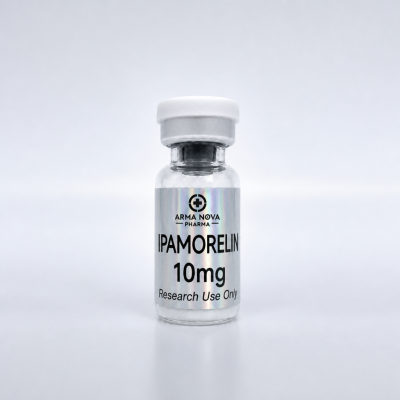
Ipamorelin UK: The Selective Growth Hormone Secretagogue for Researchers in 2026 Among the growth hormone-releasing peptides available to UK researchers, ipamorelin stands apart for a... Continue reading
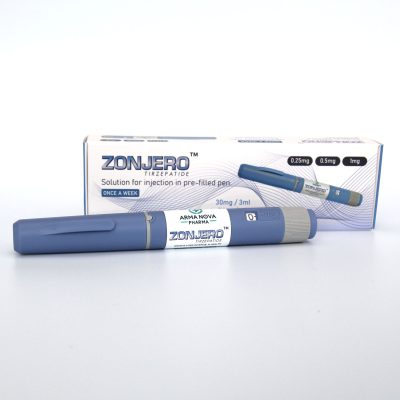
Tirzepatide 30mg UK: The Dual GIP/GLP-1 Receptor Agonist for Advanced Metabolic Research Tirzepatide represents the first dual glucose-dependent insulinotropic polypeptide (GIP) and glucagon-like peptide-1 (GLP-1)... Continue reading
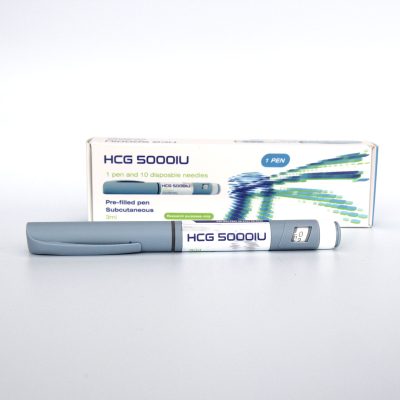
HCG 5000IU UK: Research-Grade Sourcing and Clinical Context Guide 2026 Human chorionic gonadotropin at the 5000 international unit dosage represents one of the most frequently... Continue reading
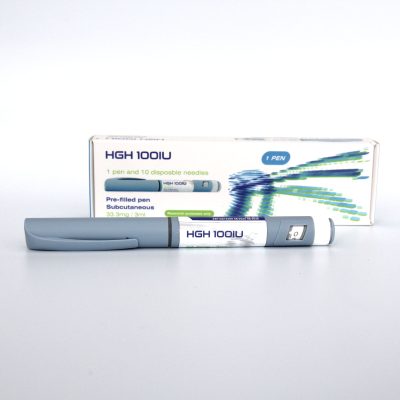
HGH 100 IU UK: Verified Research-Grade Sourcing, Purity Standards, and Regulatory Context for 2026 Securing genuine, laboratory-verified hgh 100 iu uk formulations presents distinct challenges... Continue reading
Add comment