
No products in the cart.
Hormone Therapy Solutions: Evidence-Based UK Research Guide
Hormone Therapy Solutions: A Scientific Framework for UK Researchers
Hormone dysregulation affects millions globally, yet conventional replacement protocols often fail to address the underlying receptor signalling deficiencies that drive endocrine dysfunction. Hormone therapy solutions now encompass a diverse toolkit extending far beyond traditional HRT—spanning peptide-based GLP-1 agonists, growth hormone secretagogues, thyroid analogs, and selective receptor modulators that target specific tissue pathways with unprecedented precision.
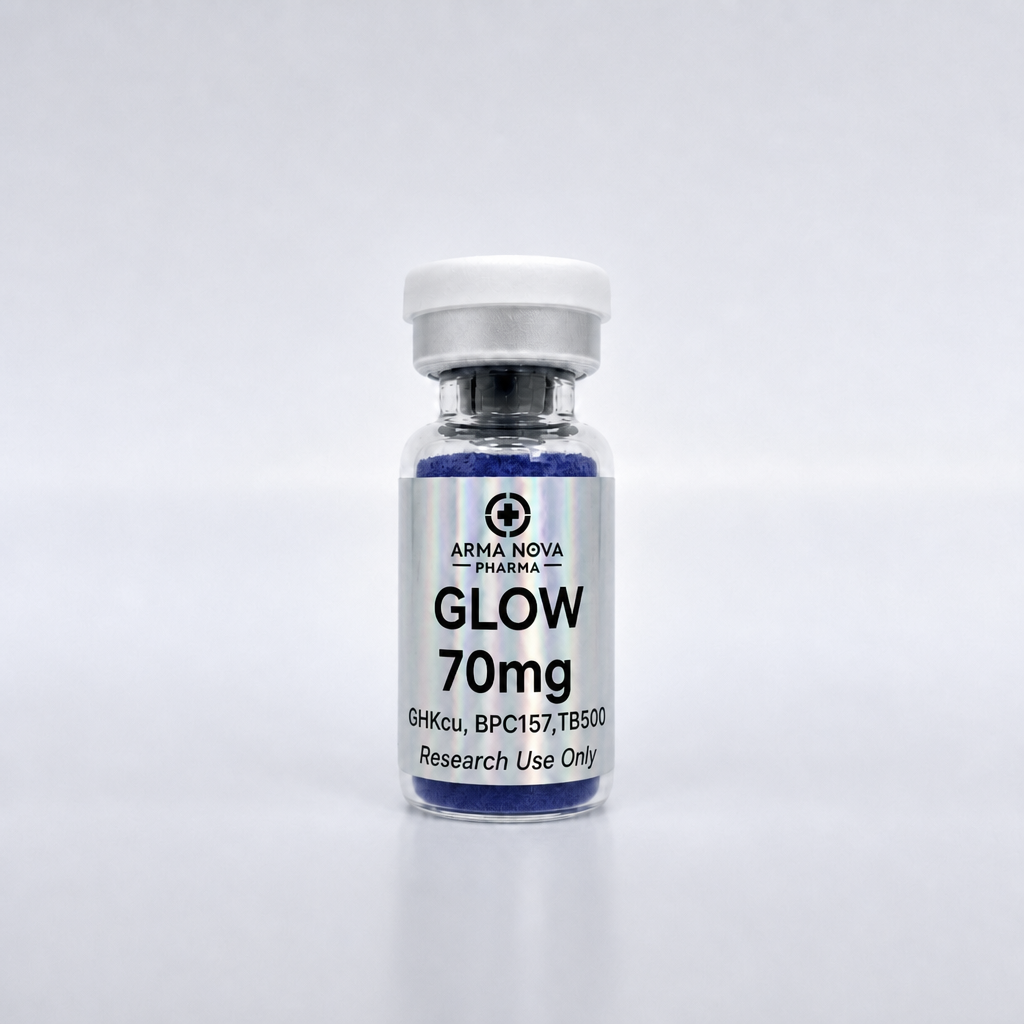
For UK-based researchers investigating these compounds, the landscape presents both opportunity and challenge. While therapeutic peptides represent one of the fastest-growing drug classes globally—with over 60 peptide drugs approved and more than 400 in clinical trials as of recent assessments—access to research-grade materials requires navigation of UK regulatory frameworks, verification of analytical purity standards, and critical evaluation of supplier claims.
This guide examines the biochemical mechanisms underlying modern Hormone Therapy Solutions, reviews the specific clinical evidence base, clarifies UK regulatory positioning for research applications, and establishes verification criteria for sourcing compounds meeting genuine HPLC purity specifications.
The Evolution Beyond Traditional Hormone Replacement
Conventional hormone replacement therapy—whether testosterone, estradiol, or levothyroxine—operates on a straightforward pharmacological principle: exogenous administration compensates for endogenous deficiency. This approach succeeds when the primary pathology is biosynthetic failure (hypogonadism, ovarian insufficiency, thyroid atrophy), but proves inadequate when dysfunction stems from receptor desensitisation, feedback loop dysregulation, or tissue-selective hormone resistance.
Modern hormone therapy solutions address these limitations through three distinct mechanistic categories:
- Secretagogue peptides that stimulate endogenous hormone release rather than replacing it directly—preserving physiological pulsatility and feedback regulation
- Receptor-selective modulators that activate specific tissue pathways while avoiding off-target effects in other systems
- Metabolic intermediates that bypass rate-limiting enzymatic steps in hormone synthesis or activation cascades
The clinical rationale for this shift is substantial. A 2018 systematic review of therapeutic peptide development noted that peptides offer “exquisite selectivity and potency combined with low toxicity profiles” compared to small-molecule drugs, though they historically faced challenges with oral bioavailability and proteolytic degradation—limitations now being overcome through novel formulation strategies and amino acid substitutions that enhance metabolic stability.
Receptor Mechanisms: How Peptide-Based Hormone Therapy Solutions Work
Understanding the molecular mechanisms distinguishing peptide therapeutics from conventional hormone replacement is essential for research protocol design and outcome interpretation.
G-Protein Coupled Receptor Signalling
Many therapeutic peptides function as agonists at G-protein coupled receptors (GPCRs)—the largest family of cell-surface receptors and targets for approximately 35% of approved drugs. GLP-1 receptor agonists such as semaglutide and tirzepatide exemplify this mechanism:
Upon binding to the GLP-1 receptor, these peptides stabilise a conformational state that activates intracellular Gs proteins, triggering adenylyl cyclase activity and cAMP accumulation. The downstream cascade amplifies insulin secretion in pancreatic beta cells, delays gastric emptying via vagal afferent signalling, and modulates hypothalamic appetite centres through POMC/CART neuron activation.
Critically, this mechanism is glucose-dependent—GLP-1 receptor activation potentiates insulin release only when blood glucose is elevated, eliminating the hypoglycaemia risk associated with conventional insulin therapy. For researchers investigating metabolic hormone interventions, this safety margin represents a fundamental advantage over direct hormone replacement approaches.
Growth Hormone Secretagogue Receptor Activation
Growth hormone-releasing peptides (GHRPs) and their analogs bind to the ghrelin receptor (GHS-R1a), a GPCR expressed primarily in pituitary somatotrophs and hypothalamic neurons. Unlike exogenous growth hormone administration—which suppresses endogenous GH production through negative feedback—secretagogues preserve pulsatile GH release patterns that more closely approximate physiological secretion.
The clinical distinction matters: pulsatile GH exposure produces different metabolic effects than continuous elevation. Pulsatile patterns preferentially drive lipolysis and protein synthesis while minimising insulin resistance, whereas sustained GH elevation (as seen with supraphysiological dosing) can induce glucose intolerance and soft tissue oedema.
Thyroid Hormone Receptor Beta Selectivity
Thyroid hormone exists in two receptor isoforms—TRα (predominantly cardiac and skeletal tissue) and TRβ (primarily hepatic and metabolic tissues). Traditional levothyroxine replacement activates both receptor subtypes indiscriminately, potentially causing tachycardia and bone resorption at doses required for metabolic effect.
Selective TRβ agonists represent an emerging class of hormone therapy solutions that deliver lipid-lowering and metabolic benefits without cardiac stimulation. While these compounds remain primarily in clinical development for research contexts, they illustrate the receptor-selective principle now guiding therapeutic peptide design.
Clinical Evidence Base: What the Data Actually Shows
The gap between mechanistic plausibility and clinical validation remains substantial for many compounds marketed as hormone therapy solutions. UK researchers require specific outcome data—not theoretical mechanism descriptions—to justify protocol inclusion.
GLP-1 Receptor Agonists: Metabolic and Body Composition Effects
The evidence for GLP-1-based hormone therapy is now extensive. The STEP trials (Semaglutide Treatment Effect in People with obesity) demonstrated mean weight reductions of 14.9% at 68 weeks with once-weekly semaglutide 2.4mg versus 2.4% with placebo—representing approximately 15.3kg absolute weight loss in treated participants.
Composition analysis via DEXA scanning revealed that approximately 75% of lost mass comprised adipose tissue, with 25% lean tissue—a ratio considered favourable compared to caloric restriction alone, which typically yields 60-65% fat mass loss. Importantly, waist circumference decreased by 13.5cm on average, indicating preferential visceral adipose reduction.
For researchers investigating these compounds, several methodological caveats warrant consideration:
- Trial participants maintained structured dietary counselling throughout—isolating the peptide effect from behavioural intervention proves difficult
- Weight regain upon cessation was substantial in extension studies—suggesting ongoing administration requirements rather than durable metabolic reprogramming
- Gastrointestinal adverse effects (nausea, vomiting, diarrhoea) affected 44% of participants at some severity level, potentially introducing selection bias in completion rates
Those seeking research-grade materials for GLP-1 investigations will find detailed sourcing guidance in our Tirzepatide Uk Buy Research Grade Sourcing Guide 2026, which addresses purity verification and UK-specific supplier assessment criteria.
Growth Hormone Secretagogues: Body Composition and Recovery Markers
Clinical evidence for growth hormone secretagogues presents a more mixed picture than GLP-1 agonists. While phase II trials of oral ghrelin mimetics demonstrated significant increases in lean body mass (1.5-2.1kg over 12 months in older adults with frailty), functional outcomes such as grip strength, walking speed, and stair-climbing ability showed inconsistent improvement.
This dissociation between body composition changes and functional capacity highlights a critical limitation in hormone therapy research: biochemical markers and imaging endpoints don’t always translate to clinically meaningful benefits. Lean mass gains may reflect fluid retention or connective tissue expansion rather than contractile muscle hypertrophy.
IGF-1 elevation—the primary biomarker for GH axis activation—typically increases 30-100% above baseline with secretagogue administration, yet correlation with performance outcomes remains weak across studies. UK researchers designing protocols should therefore incorporate functional assessments alongside body composition measurements rather than relying on IGF-1 alone as a surrogate endpoint.
Thyroid Hormone Analogs and Metabolic Rate
Thyroid supplementation represents one of the oldest hormone therapy solutions, yet modern research challenges several assumptions about its metabolic effects. A 2019 meta-analysis of levothyroxine treatment in subclinical hypothyroidism (TSH 4.5-10 mIU/L) found no significant effect on body weight, BMI, or lipid profiles compared to placebo—despite successful TSH normalisation.
This finding suggests that TSH elevation within the subclinical range may not indicate metabolically significant thyroid insufficiency, and that TSH-guided dosing may not optimally predict therapeutic benefit. For research contexts, free T3 levels and tissue-specific markers (hepatic SHBG, resting energy expenditure via indirect calorimetry) provide more direct metabolic assessment than TSH alone.
Selective TRβ agonists remain investigational but have demonstrated 15-30% LDL cholesterol reductions in phase II trials without the cardiac rate increases observed with levothyroxine at metabolically active doses—illustrating the advantage of receptor-selective approaches over pan-receptor activation.
UK Regulatory Context: Research Use Classification
Understanding the legal framework governing hormone therapy solutions in the UK is essential for researchers, as misclassification can result in enforcement action regardless of intent.
Medicinal Product Status and Research Exemptions
Under the Human Medicines Regulations 2012, any substance administered “for a medicinal purpose”—defined as treating, preventing, or diagnosing disease, or modifying physiological function—constitutes a medicinal product requiring a Marketing Authorisation (product licence) for legal supply.
Therapeutic peptides including GLP-1 agonists, growth hormone secretagogues, and related compounds fall unambiguously within this definition. Their supply for human administration without authorisation constitutes a criminal offence under Section 45 of the regulations.
However, supply for bona fide research purposes—where compounds will be used in laboratory investigations, in vitro studies, or other non-human applications—falls outside the medicinal product framework. This exemption requires that:
- Suppliers clearly label products “For research use only – not for human consumption”
- Marketing materials contain no health claims, dosing guidance, or implicit suggestions for human use
- Purchasers attest (explicitly or implicitly through order context) to research-only application
UK researchers should note that “research use” does not encompass self-experimentation, athletic performance applications, or clinical treatment outside approved trial protocols. These constitute human administration and require appropriate regulatory oversight.
MHRA Enforcement Priorities
The Medicines and Healthcare products Regulatory Agency (MHRA) has indicated particular concern regarding online supply of peptides marketed with implied human use. Enforcement actions from 2022-2024 have targeted suppliers who:
- Provide dosing instructions, injection protocols, or cycle guidance
- Display before/after photographs implying human efficacy
- Market products using therapeutic claims (“fat loss,” “muscle building,” “anti-ageing”)
- Supply bacteriostatic water, syringes, or other paraphernalia suggesting injection use
Legitimate research suppliers maintain clear distance from these practices. When evaluating UK peptide sources, researchers should verify that marketing materials contain no therapeutic claims and that products are explicitly positioned for laboratory research—criteria detailed further in our Best Peptide Supplier Uk Verification Guide 2026.
Analytical Verification: HPLC Purity Standards and Certificate of Analysis Requirements
The peptide research market contains substantial quality variation. Claimed purity specifications often lack supporting analytical documentation, or rely on vendor-conducted testing without independent verification.
HPLC-MS as the Gold Standard
High-performance liquid chromatography coupled with mass spectrometry (HPLC-MS) represents the current standard for peptide identity and purity verification. The technique separates peptide sequences by hydrophobicity (HPLC component) then identifies each fraction by mass-to-charge ratio (MS component).
For therapeutic peptides, ≥99% HPLC purity indicates that the target sequence comprises at least 99% of all peptide content, with ≤1% consisting of synthesis by-products, deletion sequences, or closely related analogs. This specification matters because even minor impurities can trigger immunogenic responses or alter pharmacokinetic profiles.
Researchers should verify that Certificates of Analysis (COAs) include:
- Chromatogram showing single dominant peak with quantified area percentage
- Mass spectrometry data confirming expected molecular weight (within ±1 Da tolerance)
- Batch-specific identification (not generic documentation reused across batches)
- Testing laboratory identification (third-party lab preferred over in-house testing)
- Test date within 12 months of supply (peptide degradation occurs over time, especially in solution)
Red Flags in Supplier Claims
Several patterns indicate potentially unreliable peptide sources:
- Generic “certificate of analysis” PDFs without batch numbers—suggests documentation is fabricated or represents a different batch than supplied
- Claimed purity >99.5%—while achievable, this specification is expensive to produce and unusual for research-grade materials; claims approaching 100% warrant skepticism
- Absence of mass spectrometry data—HPLC alone cannot definitively confirm peptide identity; MS confirmation is essential
- Pricing substantially below market rate—synthesis costs establish a floor price; materials offered at 40-50% below competitor pricing likely reflect lower purity or substitution
- Supply of pre-constituted liquid peptides—most therapeutic peptides degrade rapidly in solution; legitimate research suppliers provide lyophilized powder requiring reconstitution
UK-based researchers benefit from domestic suppliers offering next-day delivery, eliminating customs delays and temperature excursions during international shipping. When evaluating Hormone Therapy Solutions suppliers, prioritising UK-located inventory with published batch-specific COAs substantially reduces contamination and degradation risks.
Practical Sourcing Considerations for UK Researchers
Beyond regulatory and analytical verification, several practical factors influence peptide sourcing decisions for research applications.
Storage and Stability Requirements
Therapeutic peptides are typically supplied as lyophilized (freeze-dried) powder, which remains stable at room temperature for weeks but benefits from refrigeration (2-8°C) for extended storage. Most compounds maintain >95% potency for 6-12 months when stored properly as powder.
Once reconstituted, stability decreases dramatically. GLP-1 analogs generally remain stable for 2-4 weeks refrigerated, while growth hormone secretagogues may degrade within 7-14 days. Researchers should therefore reconstitute only quantities required for immediate use rather than preparing bulk solutions.
Freeze-thaw cycles accelerate degradation—reconstituted peptides should not be repeatedly frozen and thawed. Aliquoting into single-use volumes immediately after reconstitution prevents this issue.
Cost Structures and Minimum Order Considerations
Research-grade peptides with verified ≥99% purity typically cost £80-200 per vial for common sequences (depending on molecular weight and synthesis difficulty). Volume discounts usually apply above 5-10 vial purchases.
UK researchers should calculate total study requirements before ordering to optimise cost-efficiency—shipping charges (typically £5-15 for standard UK delivery, though many suppliers offer free shipping above £150-200 thresholds) and potential wastage from degraded reconstituted material should factor into procurement planning.
For peptides used in ongoing research programmes, establishing an account with a verified UK supplier offering batch-to-batch consistency reduces protocol variability—switching between suppliers mid-study introduces potential confounding from purity differences.
Payment and Shipping Discretion
Legitimate research suppliers accept standard payment methods (credit/debit cards, bank transfer) and provide standard invoicing. Suppliers requiring cryptocurrency payment or refusing to issue VAT receipts may indicate grey-market operation.
Discrete packaging is standard practice—research materials should arrive in plain packaging without external labelling identifying contents. However, “discrete shipping” marketed as a primary feature (rather than standard practice) may suggest a supplier catering to non-research customers seeking to avoid detection.
Next-day UK delivery via tracked courier services (DPD, Royal Mail Tracked 24) is now standard for domestic peptide suppliers. Delays beyond 48 hours or untracked shipping methods indicate poor operational standards.
Emerging Hormone Therapy Solutions: What’s Next in the Pipeline
Several novel peptide classes currently in clinical development may reshape hormone therapy options available to UK researchers over the next 3-5 years.
Dual and Triple Incretin Agonists
Tirzepatide—a dual GLP-1/GIP receptor agonist—demonstrated superior weight loss versus semaglutide in head-to-head trials (SURPASS-2), achieving 22.5% mean weight reduction at the highest dose versus 15% with semaglutide. This suggests additive or synergistic effects from co-activating multiple incretin pathways.
Triple agonists incorporating glucagon receptor activation alongside GLP-1 and GIP are now in phase II development. Preliminary data suggest further improvements in lipid metabolism and hepatic steatosis beyond dual agonism, though the narrower therapeutic window (increased nausea and cardiovascular stimulation with glucagon receptor activation) may limit dosing.
Selective Androgen Receptor Modulators (SARMs)
While technically not peptides, SARMs represent tissue-selective hormone therapy solutions targeting androgenic pathways without the pan-androgenic effects of testosterone. Enobosarm demonstrated 1.5kg lean mass increases in phase II trials in cancer-associated cachexia, with minimal prostate enlargement or lipid changes—though regulatory development stalled due to hepatotoxicity signals.
Next-generation SARMs with improved selectivity profiles remain in early development, though none have yet progressed to late-stage trials in metabolic or body composition indications.
Long-Acting Peptide Formulations
A major limitation of current peptide hormone therapy solutions is injection frequency—most compounds require daily or twice-weekly administration. Novel formulation strategies including PEGylation, albumin binding, and microsphere encapsulation are extending half-lives to weekly or monthly dosing intervals.
Semaglutide’s once-weekly formulation demonstrates this principle—structural modifications creating albumin binding produced a half-life of approximately 1 week versus 2-4 hours for native GLP-1. Similar approaches are being applied to growth hormone, thyroid analogs, and other peptide therapeutics.
For researchers, longer-acting formulations reduce handling frequency and improve protocol adherence but complicate washout periods and dose adjustment—relevant considerations for study design.
Integration with Comprehensive Peptide Research Protocols
Hormone therapy solutions rarely function optimally in isolation. Research protocols increasingly combine multiple peptide classes targeting complementary pathways.
For example, combining GLP-1 agonists (appetite suppression, insulin sensitivity) with growth hormone secretagogues (lean mass preservation) may mitigate the 25% lean tissue loss typically observed with GLP-1 monotherapy—though controlled trials testing this combination remain lacking.
Similarly, thyroid hormone optimisation may enhance response to GLP-1 therapy in individuals with subclinical hypothyroidism, as thyroid status influences GLP-1 receptor expression and signalling efficiency. Again, this represents mechanistic rationale rather than established clinical protocol.
Researchers designing combination protocols should consult foundational guidance on peptide research methodology available in our A Comprehensive Beginners Guide To Peptide Therapy, which addresses reconstitution procedures, storage protocols, and contamination prevention—essential competencies regardless of specific compounds investigated.
For tissue repair applications, combinations might include BPC-157 or TB-500 alongside hormonal compounds—though these peptides operate through distinct mechanisms (angiogenesis promotion, actin upregulation) rather than endocrine pathways. Those investigating recovery and regeneration peptides will find specific guidance in our Buy Tb 500 Uk Verified Supplier Guide 2026.
Limitations and Unknowns: What the Evidence Doesn’t Yet Show
Intellectual honesty requires acknowledging the substantial gaps in current knowledge about peptide-based hormone therapy solutions.
Long-Term Safety Data Remains Limited
The longest randomised controlled trials of GLP-1 agonists extend to 68 weeks—barely more than one year. Metabolic effects beyond 2-3 years remain largely observational rather than controlled. For growth hormone secretagogues, no trials exceed 24 months duration.
This matters because hormone signalling influences cell proliferation, apoptosis, and tissue remodelling processes that may carry long-term oncogenic or fibrotic risks not apparent in short-term trials. Cancer surveillance data from pharmacovigilance databases show no clear signal to date, but statistical power remains limited.
Individual Response Variability Is Substantial
Mean response data obscures the reality that 20-30% of participants in peptide therapy trials show minimal response even at optimal doses. Genetic polymorphisms affecting receptor expression, enzyme activity, and clearance pathways likely explain much of this variability—but predictive biomarkers remain undefined.
Researchers should therefore design protocols with adequate sample sizes to detect response heterogeneity rather than assuming uniform effects, and consider responder analysis as a secondary outcome.
Optimal Dosing Protocols Are Often Empirical
Despite mechanistic understanding of receptor pharmacology, dosing regimens for many peptides derive from empirical trial-and-error rather than pharmacokinetic modelling. Dose-response curves often plateau at mid-range doses, suggesting higher doses provide minimal additional benefit while increasing adverse effect risk—yet “more is better” assumptions persist in research contexts.
Peptide stacking protocols (combining multiple compounds simultaneously) lack systematic investigation entirely. Claimed synergies derive from mechanistic speculation rather than controlled comparison of combination versus monotherapy.
Connecting Research to Clinical Translation: The Evidence Hierarchy
UK researchers operating in academic or clinical contexts must navigate the gap between research-grade peptide availability and evidence standards required for clinical application.
The evidence hierarchy for therapeutic interventions proceeds from mechanistic plausibility (receptor binding studies, animal models) through early human pharmacokinetic trials, dose-finding studies, and ultimately to phase III randomised controlled trials demonstrating clinical efficacy and safety. Marketing authorisation requires completion of this pathway.
Many peptides marketed as hormone therapy solutions remain at early stages of this hierarchy—mechanistically plausible, perhaps with phase I safety data, but lacking the large-scale controlled trials necessary for regulatory approval. This creates a knowledge gap where researchers can investigate compounds not yet available clinically, but must clearly distinguish exploratory research from clinical care.
For those conducting rigorous research contributing to this evidence base, additional context on study design considerations and outcome measurement is available across our Blog, which covers emerging peptide research developments and methodological guidance.
Final Considerations for UK Researchers
Hormone therapy solutions represent a rapidly evolving field where mechanistic sophistication increasingly enables targeted interventions addressing specific pathways rather than crude hormone replacement. The therapeutic peptide pipeline contains over 400 compounds in clinical development, with novel sequences, formulations, and receptor-selective agents continuously entering research evaluation.
For UK-based researchers, access to this toolkit requires careful navigation of regulatory frameworks, analytical verification standards, and supplier assessment criteria. The combination of published COAs showing ≥99% HPLC-verified purity, ready-to-ship inventory enabling next-day delivery, and clear research-use positioning separates legitimate suppliers from the grey-market vendors that dominate search results.
Methodologically rigorous research protocols incorporate mechanistic understanding (receptor signalling cascades, feedback regulation, tissue selectivity), evidence-based outcome selection (functional measures, not just biomarkers), and honest acknowledgment of knowledge gaps. The field’s rapid evolution means that yesterday’s mechanistic certainties become tomorrow’s qualified caveats as trial data accumulates.
Researchers integrating peptide-based hormone therapy solutions into their protocols contribute to closing these knowledge gaps—but only if materials meet analytical standards necessary for reproducible research, and if regulatory positioning allows that research to proceed within appropriate legal frameworks.
This article is intended for educational purposes to support legitimate scientific research. All peptide compounds discussed are for research use only under UK law and are not approved for human consumption, clinical use, or therapeutic application outside appropriate regulatory oversight. Researchers should ensure compliance with all applicable Human Medicines Regulations and institutional ethical approval requirements. The information presented does not constitute medical advice and should not be construed as encouraging or facilitating unlawful use of regulated substances.

Related posts
Tesamorelin 10mg UK: Research-Grade Growth Hormone-Releasing Hormone Analogue for 2026 UK-based researchers investigating growth hormone-releasing hormone (GHRH) analogues frequently encounter a critical sourcing challenge:… Continue reading
Ipamorelin UK: The Selective Growth Hormone Secretagogue for Researchers in 2026 Among the growth hormone-releasing peptides available to UK researchers, ipamorelin stands apart for a... Continue reading

Tirzepatide 30mg UK: The Dual GIP/GLP-1 Receptor Agonist for Advanced Metabolic Research Tirzepatide represents the first dual glucose-dependent insulinotropic polypeptide (GIP) and glucagon-like peptide-1 (GLP-1)... Continue reading
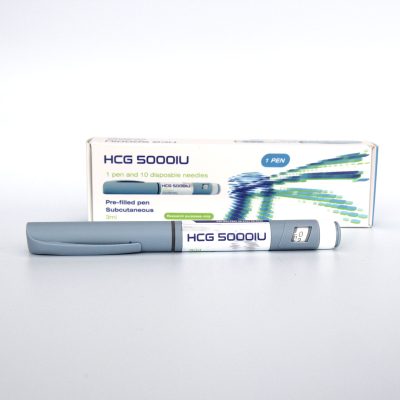
HCG 5000IU UK: Research-Grade Sourcing and Clinical Context Guide 2026 Human chorionic gonadotropin at the 5000 international unit dosage represents one of the most frequently... Continue reading
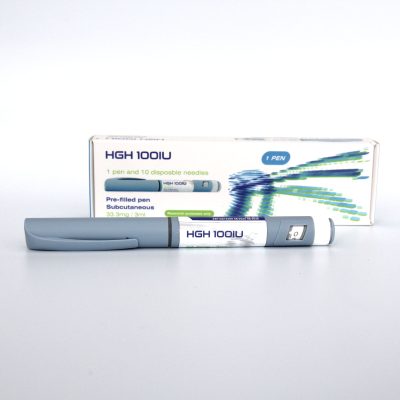
HGH 100 IU UK: Verified Research-Grade Sourcing, Purity Standards, and Regulatory Context for 2026 Securing genuine, laboratory-verified hgh 100 iu uk formulations presents distinct challenges... Continue reading
Add comment