
No products in the cart.
Reliable Peptide Vendors: UK Verification Guide 2026
Reliable Peptide Vendors: The UK Researcher’s Verification Protocol for 2026
The UK peptide research market sits at a critical juncture. While therapeutic peptides represent one of the fastest-growing segments in pharmaceutical development—with over 80 peptide drugs approved globally and 150+ in clinical trials as of 2026—the research-grade supply chain remains fragmented, under-regulated, and prone to quality inconsistencies that can invalidate months of experimental work. For UK-based researchers, biohackers, and athletic performance scientists, identifying reliable peptide vendors isn’t merely a procurement task; it’s a foundational determinant of research validity.
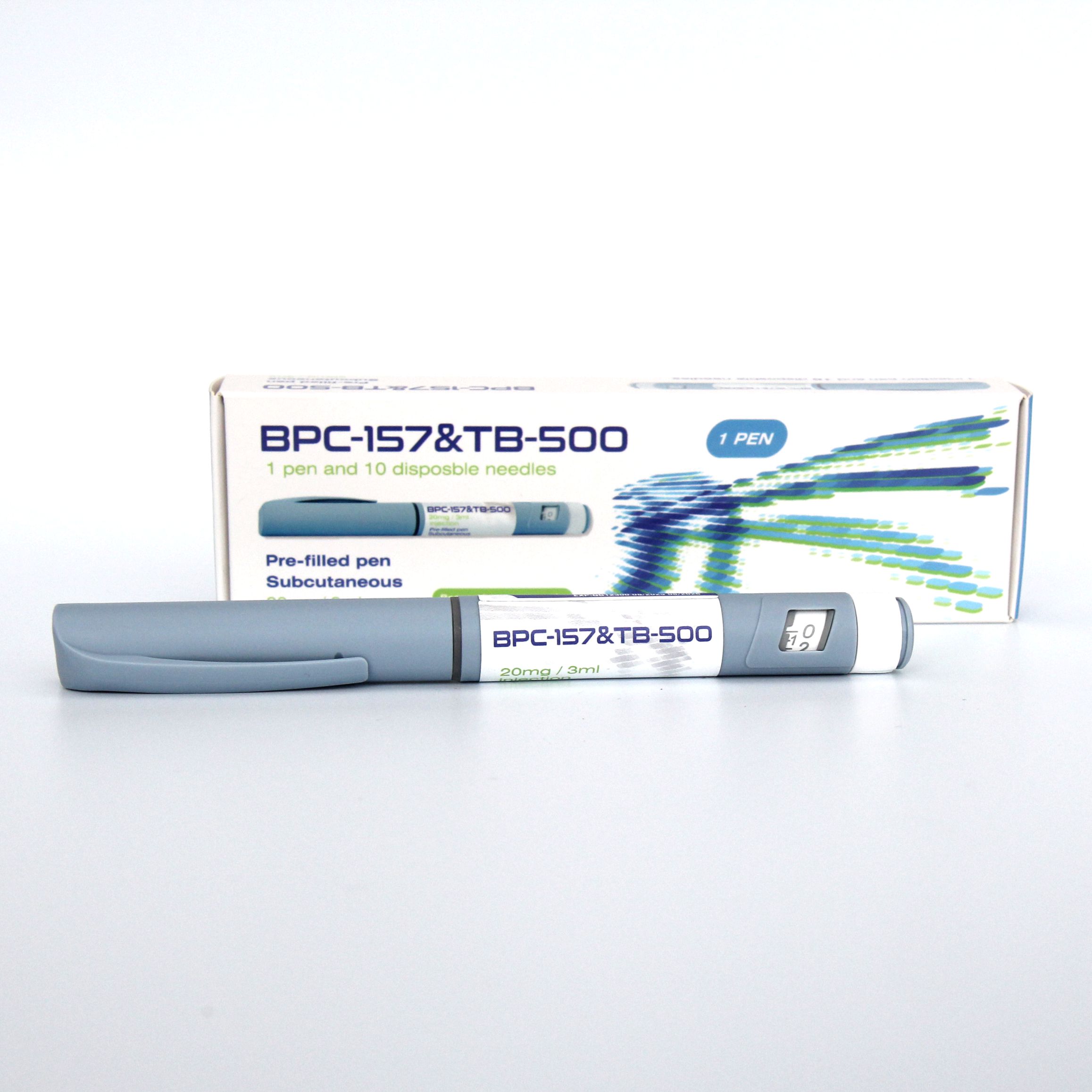
This guide establishes a clinical-standard verification framework for evaluating peptide suppliers in the UK context, grounded in published analytical chemistry standards, regulatory precedent, and the biochemical reality that purity variance as small as 2-3% can alter receptor binding kinetics enough to produce non-reproducible results. We’ll examine the specific documentation requirements that distinguish legitimate research suppliers from cosmetic-grade resellers, the UK regulatory landscape governing research peptide acquisition, and the analytical methods that matter when assessing vendor claims.
reliable peptide vendors: Why Most Peptide Vendor Reviews Miss the Critical Quality Markers
The overwhelming majority of online peptide vendor comparisons rely on surface-level indicators—website design, customer service responsiveness, shipping speed—while ignoring the analytical chemistry fundamentals that determine whether a peptide will perform as expected in your research protocol. This creates a dangerous information asymmetry: vendors optimise for marketing perception rather than analytical rigor, and researchers without organic chemistry backgrounds struggle to distinguish between meaningful quality documentation and theatrical credential displays.
Consider the ubiquitous “99% purity” claim. Without specification of the analytical method used (HPLC-UV versus HPLC-MS versus simple UV spectrophotometry), the reference standard employed, or whether the figure represents area-under-curve purity versus peptide content corrected for water/acetate content, this number carries virtually no information. Yet it appears prominently on nearly every vendor website, creating the illusion of equivalence across suppliers whose actual product quality may vary by orders of magnitude.
The fundamental issue traces to a structural problem in peptide therapeutics development identified by Kaspar and colleagues in their 2013 analysis of peptide drug development challenges: peptides occupy an awkward middle ground between small molecules and biologics, inheriting regulatory complexity from both categories while enjoying full protection from neither. This regulatory ambiguity extends downstream to the research-grade supply chain, where compounds marketed “for research purposes only” exist in a legal grey zone with minimal quality oversight compared to pharmaceutical-grade peptides manufactured under GMP conditions.
The Biochemical Reality: Why Peptide Purity Matters More Than Small Molecule Purity
Peptides present unique quality challenges that don’t apply to traditional small-molecule research compounds. Their larger molecular structure, multiple reactive sites, and susceptibility to degradation create numerous failure modes that can compromise research outcomes:
- Deletion sequences: Incomplete synthesis produces peptides missing one or more amino acids, often with sufficient structural similarity to bind the target receptor but with altered agonist/antagonist properties
- Racemization: L-amino acids can convert to D-isomers during synthesis or storage, creating peptides with drastically reduced or abolished biological activity
- Oxidation and deamidation: Post-synthesis degradation that accelerates in suboptimal storage conditions, progressively reducing the percentage of intact peptide in a vial over time
- Aggregate formation: Peptides can self-associate into dimers, trimers, or larger aggregates that alter pharmacokinetics and potentially trigger immune responses in vivo
- Residual synthesis reagents: TFA (trifluoroacetic acid), protecting groups, and coupling reagents may remain as contaminants, contributing to measured mass but not biological activity
A Certificate of Analysis (COA) from reliable peptide vendors must address each of these failure modes through specific analytical methods. HPLC purity alone—typically measured at 214 nm or 280 nm wavelength—will detect deletion sequences and major impurities but may miss racemization, advanced oxidation products, or aggregates. Mass spectrometry confirmation verifies molecular weight but doesn’t assess enantiomeric purity. A comprehensive quality verification protocol requires multiple orthogonal methods, each interrogating different aspects of peptide integrity.
For context on why this matters clinically: Lau and Dunn’s 2018 review of therapeutic peptide development documents how even minor sequence variations can shift receptor subtype selectivity—a single amino acid substitution in a GLP-1 receptor agonist, for example, can alter the ratio of GLP-1R to GIPR binding by 10-fold or more, fundamentally changing the compound’s metabolic effects. When you’re working with research-grade peptides where such substitutions may be present as low-percentage impurities, the cumulative effect on experimental outcomes becomes significant.
UK Regulatory Framework: What “Research Use Only” Actually Means
In the United Kingdom, research-grade peptides occupy a specific legal category that researchers must understand to ensure compliance and to contextualise vendor claims. Peptides sold explicitly for research purposes—not for human consumption, therapeutic use, or cosmetic application—are not subject to the same Medicines and Healthcare products Regulatory Agency (MHRA) oversight that applies to pharmaceutical products. This creates both opportunity and risk.
The legal framework hinges on intended use. A peptide supplied with clear documentation stating “For research use only. Not for human or veterinary use” falls outside MHRA’s medicinal product regulations, provided both vendor and purchaser maintain that framing consistently. The moment a peptide is marketed with health claims, dosing guidance for humans, or therapeutic outcome promises, it crosses into unlicensed medicine territory, triggering regulatory enforcement mechanisms.
This distinction matters when evaluating vendor reliability because it reveals operational maturity. Suppliers who blur the line between research compounds and therapeutic products—through ambiguous marketing language, dosing calculators clearly designed for human use, or customer service representatives who discuss “cycles” and “results”—signal either regulatory naivety or deliberate non-compliance. Neither inspires confidence in their analytical rigor or long-term operational stability.
Conversely, reliable peptide vendors maintain strict operational separation: research peptides are documented, marketed, and sold exclusively for laboratory research, with clear disclaimers and no therapeutic guidance provided. This isn’t merely legal window-dressing; it reflects a supplier’s understanding that research-grade peptides serve a fundamentally different purpose than pharmaceutical-grade products and require different quality specifications, documentation, and handling protocols.
The Seven Non-Negotiable Verification Criteria for UK Peptide Suppliers
Based on analytical chemistry standards and UK regulatory context, these seven criteria separate legitimate research suppliers from cosmetic-grade resellers and under-capitalised operations likely to exit the market within 12-24 months:
1. Batch-Specific COAs With Multi-Method Verification
Every peptide shipment must include a Certificate of Analysis specific to that production batch—not a generic template COA reused across multiple batches. The COA should document:
- HPLC purity (minimum ≥99% by area-under-curve integration at 214 nm, with the full chromatogram included showing retention time and peak resolution)
- Mass spectrometry confirmation showing observed mass within 0.1% of theoretical mass for the peptide sequence
- Peptide content (not just purity)—the percentage of vial contents that consists of the target peptide versus water, counterions (typically acetate or TFA), and residual solvents
- Batch number, synthesis date, and expiration date under specified storage conditions
- Name and credentials of the analytical laboratory that performed testing (ideally ISO 17025 accredited)
The distinction between purity and peptide content deserves emphasis because it’s where many vendors create misleading claims. A peptide can show 99% purity by HPLC (meaning 99% of the peptide-containing fraction is the correct sequence) while the actual peptide content is only 75% (the remaining 24% being acetate counterions and bound water). Reliable peptide vendors report both figures transparently.
2. Third-Party Laboratory Testing (Not In-House Only)
While in-house quality control serves a role in high-volume peptide manufacturing, final batch certification should come from an independent analytical laboratory with no commercial interest in the supplier’s sales. This creates accountability: if an independent lab stakes its ISO accreditation on a false COA, the consequences extend beyond the single vendor-customer relationship.
In the UK context, look for COAs from laboratories that explicitly state ISO/IEC 17025 accreditation for peptide analysis. This international standard requires demonstrated technical competence, validated methods, appropriate reference standards, and regular proficiency testing—precisely the elements needed for trustworthy peptide characterization.
3. Transparent Sourcing and Synthesis Location Disclosure
The peptide supply chain typically involves contract synthesis laboratories (often in China or India for cost reasons) and distribution/testing entities in end markets like the UK. Neither location is inherently problematic, but opacity about sourcing raises red flags. Reliable suppliers clearly state:
- Where peptides are synthesised (country and, ideally, facility name)
- Whether synthesis uses solid-phase or liquid-phase methods (solid-phase is standard for most research peptides up to ~50 amino acids)
- The purification method employed (typically reverse-phase HPLC for >95% purity grades)
- Where final testing occurs and whether it’s conducted pre-import, post-import, or both
This information contextualises the COA. A peptide synthesised in a low-cost facility but verified by independent UK/EU testing post-import may offer excellent value. A peptide with only Chinese-laboratory testing documentation and no UK verification creates higher uncertainty about whether the shipped product matches the documented analysis.
4. Cold-Chain Shipping and Storage Protocols
Most research peptides should be stored at -20°C or colder to minimise degradation, yet many are shipped at ambient temperature. For peptides with relatively high stability (like many cyclised peptides), 2-5 days of ambient temperature shipping may not significantly compromise quality. For oxidation-sensitive or aggregation-prone sequences, it absolutely will.
UK-specific consideration: domestic next-day delivery significantly reduces this exposure window compared to international shipping. A peptide shipped Monday from a UK warehouse arrives Tuesday, spending roughly 24 hours in transit. The same peptide shipped internationally might spend 5-7 days in transport, often with customs holds at ambient warehouse conditions. For time-sensitive research applications or peptides with known stability limitations, ready-to-ship inventory and next-day delivery isn’t merely a convenience—it’s a quality-preservation measure.
Verify whether the vendor offers cold-chain shipping (insulated packaging with ice packs or dry ice) and whether it’s standard or optional at additional cost. Reliable suppliers include appropriate cold packaging based on peptide stability characteristics and shipping duration, not as a premium upsell.
5. Accurate Peptide Content Labelling (Not Just Purity)
When a vendor advertises “10mg TB-500,” does that represent 10mg of pure peptide, or 10mg of lyophilized powder containing some percentage of peptide plus counterions and water? This isn’t a trivial semantic distinction—it directly affects your reconstitution calculations and experimental dosing.
Best practice in research peptide supply: labelling should specify the net peptide content (mass of actual peptide) separately from total vial contents (mass of powder). A vial might contain 13.3mg of lyophilized powder, of which 10mg is peptide (75% peptide content). For research applications requiring precise molar concentrations, you need the actual peptide mass, not the powder mass.
Suppliers who provide only “purity” percentages without peptide content data force researchers to make assumptions that may introduce 20-30% error into concentration calculations. This level of imprecision is unacceptable for dose-response studies or kinetic analyses where the relationship between concentration and effect is the primary experimental question.
6. Ongoing Availability and Batch Consistency
Research projects often span months or years, requiring multiple peptide purchases over extended periods. A supplier who offers a particular peptide in January but can’t supply it in March—or whose March batch shows markedly different characteristics than the January batch—creates experimental continuity problems that can invalidate comparative analyses.
While no vendor can guarantee infinite inventory of every peptide, reliable operations maintain sufficient stock of their core catalogue compounds to ensure multi-month availability. They also implement synthesis and purification SOPs (standard operating procedures) designed to minimise batch-to-batch variation, typically targeting <5% variation in HPLC purity and <2% variation in peptide content across batches.
Before committing to a supplier for a long-term research project, verify their re-stock frequency for your peptides of interest and ask about their acceptable ranges for batch-to-batch variation. Suppliers who can’t or won’t answer these questions lack the operational maturity needed for serious research support.
7. Technical Support With Actual Peptide Chemistry Expertise
The quality of a vendor’s technical support reveals their operational depth. Reliable peptide vendors employ staff who can discuss:
- Optimal reconstitution solvents for specific peptide sequences (some require organic co-solvents; others are fully water-soluble)
- Expected stability in solution at different temperatures and pH ranges
- Compatibility with common buffer systems and cell culture media
- Storage recommendations that go beyond generic “store at -20°C” to address sequence-specific concerns like oxidation-prone methionine residues or aggregation-prone hydrophobic sequences
A vendor whose customer service can only recite information already on the product page adds no value. One whose technical team can troubleshoot reconstitution issues, suggest alternative handling protocols, or discuss the rationale behind their COA testing methods demonstrates the institutional knowledge required to support real research applications.
For UK researchers evaluating international versus domestic suppliers, consider that technical support quality often correlates with time-zone alignment and language fluency. A UK-based vendor with biochemistry-trained staff available during UK business hours provides substantially more accessible support than an overseas supplier where communication requires navigating 12-hour time differences and potential language barriers.
How HPLC Purity Standards Differ Across Vendor Categories
Not all “high-purity” peptides are created equal, and understanding the analytical method behind purity claims prevents costly procurement mistakes. High-performance liquid chromatography (HPLC) remains the gold standard for peptide purity assessment, but the specific protocol parameters substantially affect the reported value.
HPLC-UV at 214 nm (the most common method) detects the peptide bond absorbance common to all peptides, providing a general measure of peptide-related material versus non-peptide contaminants. Purity calculated by integrating the area under the target peptide peak and dividing by total UV-absorbing area gives the percentage we typically see reported (e.g., “98.5% pure by HPLC”).
HPLC-MS (mass spectrometry detection) adds molecular weight confirmation to chromatographic separation, allowing verification that the peak attributed to your target peptide actually contains molecules of the expected mass. This catches deletion sequences (missing amino acids) or addition sequences (extra amino acids) that might co-elute with the target on UV-HPLC alone. Reliable vendors include mass spec data showing the observed m/z ratio matches theoretical mass within instrument error.
Gradient program steepness affects resolution between closely related impurities. A shallow acetonitrile gradient over 60 minutes will separate impurities that a steep 20-minute gradient runs together as a single peak. Vendors can inflate apparent purity by using insufficiently discriminating gradient programs. While COAs don’t always include full method details, requesting this information when evaluating a new supplier provides insight into their analytical rigor.
Detection wavelength choice matters for peptides containing aromatic amino acids. A peptide rich in tryptophan, tyrosine, or phenylalanine shows stronger absorbance at 280 nm than at 214 nm, while peptides without aromatic residues show minimal 280 nm signal. Universal peptide bond detection at 214 nm is standard, but some vendors may cherry-pick wavelengths to optimise apparent purity figures rather than using the most appropriate analytical wavelength for that specific sequence.
The practical implication: when comparing purity claims across suppliers, verify you’re comparing equivalent analytical methods. A peptide reported as “99.2% pure by HPLC-UV 214 nm with 60-minute gradient and mass spec confirmation” represents substantially higher confidence than “99.2% pure by HPLC” without method specification.
UK-Specific Purchasing Considerations: Currency, Customs, and Continuity
For UK-based researchers, domestic suppliers offer several practical advantages beyond product quality that affect total cost of ownership and experimental continuity:
Currency Stability and Transparent Pricing
Peptides priced in British pounds eliminate foreign exchange exposure. While GBP/USD or GBP/EUR fluctuations might seem minor for one-off purchases, research projects requiring regular peptide procurement over 6-12 months can see effective price variations of 5-10% solely from currency movement when ordering from US or EU suppliers. UK-based vendors with GBP pricing provide budget predictability.
Customs Clearance and Import Reliability
Post-Brexit customs procedures add complexity and delay to shipments from EU suppliers, while shipments from non-EU countries face the same customs processing they always did. A research peptide order shipped from within the UK arrives via standard domestic courier without customs intervention—no clearance delays, no unexpected duty charges, no paperwork requirements.
For time-sensitive research (cell culture work with narrow experimental windows, animal studies with scheduled intervention points), the difference between guaranteed next-day delivery and “3-7 business days plus customs clearance” can determine whether an experiment proceeds on schedule or must be delayed by a full experimental cycle.
Consumer Rights and Recourse
UK consumer protection law provides stronger recourse mechanisms for purchases from UK-registered businesses than for international purchases. If a peptide shipment arrives degraded, contaminated, or misidentified, you have clearer legal standing for refund or replacement from a UK supplier operating under UK commercial law than from an overseas entity where dispute resolution might require international arbitration or simply accepting the loss.
Reliable peptide vendors operating legitimately in the UK maintain Companies House registration, UK business addresses (not just mail-forwarding services), and UK-based customer service—all indicators that they’re subject to UK commercial regulations and have sufficient operational commitment to be worth holding accountable.
Red Flags That Indicate Unreliable Peptide Suppliers
Certain vendor characteristics correlate strongly with quality problems, operational instability, or outright fraud. These red flags warrant extreme caution:
- Generic COAs not matched to specific batches: If every vial of a particular peptide comes with an identical COA regardless of purchase date, the COA is decorative, not analytical documentation of the actual product you received
- Prices dramatically below market rates: Peptide synthesis has fairly consistent cost floors determined by amino acid prices, synthesis yields, and purification requirements. A vendor selling a complex 40-amino-acid peptide for half the price of all competitors is either selling substantially lower purity product, providing far less actual peptide than labelled, or operating unsustainably and likely to disappear
- Therapeutic claims or dosing guidance: Any vendor marketing research peptides with language like “fat loss,” “muscle gain,” “healing,” or providing human dosing protocols is either selling unlicensed medicines (illegal) or deliberately attracting customers who intend non-research use (ethically and legally problematic)
- No physical address or Companies House registration: Legitimate UK businesses appear in the Companies House register with verified addresses and named directors. Absence of this documentation suggests an operation not genuinely UK-based, possibly dropshipping from overseas sources without quality verification
- Inability to provide detailed technical information: Ask a vendor about the counterion form of a peptide (acetate versus TFA salt), optimal reconstitution protocol for a specific sequence, or expected solution stability at 4°C versus -20°C. If they can’t or won’t answer beyond generic platitudes, they lack the expertise to support real research applications
- Anonymous or cryptocurrency-only payment: While cryptocurrency payment itself isn’t inherently suspicious, vendors who accept only crypto and provide no conventional payment options often do so to avoid the financial audit trail and chargeback accountability that comes with credit card processing
For comprehensive guidance on evaluating specific vendor claims and verification procedures, see our detailed breakdown in How To Choose A Peptide Supplier: 7 Proven Tips For Reliable Research.
The Economic Reality of Research-Grade Peptide Pricing
Understanding peptide economics helps researchers assess whether a vendor’s pricing aligns with legitimate quality claims or suggests corners being cut. The dominant cost factors in research-grade peptide production are:
Synthesis complexity: Each amino acid coupling step in solid-phase peptide synthesis (SPPS) proceeds with roughly 98-99.5% efficiency. For a 20-amino-acid peptide, cumulative yield might be 80-85% of theoretical; for a 40-amino-acid peptide, perhaps 60-70%. Longer sequences require more starting material per milligram of final product, driving exponential cost increases.
Purification requirements: Moving from 90% to 95% purity might require one preparative HPLC pass. Achieving 98%+ purity often requires multiple purification cycles, drastically reducing final yield and increasing labour and solvent costs. The price differential between 95% and 99% peptide purity isn’t linear—it’s often a 2-3x multiplier.
Difficult amino acids: Sequences rich in arginine, cysteine, or histidine present synthesis challenges (aggregation, oxidation sensitivity, racemization risk) that reduce yields and increase the probability of deletion sequences or other impurities requiring additional purification.
Post-synthesis modifications: Cyclisation, acetylation, amidation, or pegylation add chemical steps, each with associated cost and yield loss. Modified peptides legitimately cost more than linear sequences of the same length.
Given these cost realities, extremely low pricing on complex or modified peptides signals either misrepresentation of purity/content or unsustainable pricing designed to capture market share before inevitable quality degradation or business failure. Conversely, pricing at the extreme high end without proportional improvements in documentation, testing, or service suggests you’re paying for marketing rather than quality.
Reliable peptide vendors price products within a recognisable market range for equivalent specifications, with premium pricing justified by tangible differentiators: more comprehensive COA testing (e.g., adding amino acid analysis or endotoxin testing), faster UK delivery, superior technical support, or enhanced storage/handling protocols.
Specific Peptide Categories and Their Unique Verification Requirements
Different classes of research peptides present distinct quality considerations that affect vendor evaluation:
Growth Hormone Secretagogues (e.g., Ipamorelin, CJC-1295)
These peptides typically contain modified amino acids (D-amino acids, non-natural side chains) and may include chemical modifications like DAC (drug affinity complex) conjugation. Verification priorities:
- Mass spec confirmation must match the modified structure, not just the base peptide sequence
- Enantiomeric purity testing if D-amino acids are present (racemization assessment)
- For DAC-conjugated variants, verification that conjugation was successful and present at the expected stoichiometry
Metabolic Peptides (e.g., Semaglutide, Tirzepatide)
These complex peptides often exceed 30 amino acids and include multiple modifications. They’re also among the most counterfeited research peptides due to high market demand driven by weight-loss interest. For UK researchers sourcing these compounds, the Tirzepatide UK Buy Research Grade Sourcing Guide provides specific verification protocols for this category.
Additional verification considerations:
- These peptides are particularly prone to aggregation—request dynamic light scattering (DLS) or size-exclusion chromatography (SEC) data if available
- Extremely cost-sensitive to synthesis quality given their length—unusually low pricing almost certainly indicates lower purity or content than claimed
- May require specific reconstitution protocols (bacteriostatic water with pH adjustment)—verify the vendor provides appropriate guidance
Tissue Repair and Recovery Peptides (e.g., BPC-157, TB-500)
BPC-157 and thymosin beta-4 derivatives present moderate synthesis complexity but high stability concerns. BPC-157 in particular shows significant degradation in aqueous solution, with half-life measured in days rather than weeks. Vendor evaluation must address:
- Whether the peptide is supplied as the acetate or free base form (affects stability and solubility)
- Specific storage recommendations that acknowledge known stability limitations
- For TB-500, clarification whether it’s thymosin beta-4 fragment (17-23) or full-length Tβ4 (both are sold under the TB-500 label)
The Buy TB-500 UK Verified Supplier Guide addresses the specific authentication issues with this peptide category, including how to verify you’re receiving the intended sequence variant.
Case Study: Evaluating a UK Peptide Vendor’s COA Documentation
Consider a practical example of COA evaluation using actual quality indicators. A UK researcher receives a 10mg vial of a 15-amino-acid synthetic peptide with the following COA:
| Parameter | Specification | Result | Method |
|---|---|---|---|
| Appearance | White lyophilized powder | White lyophilized powder | Visual inspection |
| HPLC Purity | ≥98.0% | 99.3% | HPLC-UV 214nm |
| Mass Spectrometry | 1743.2 ± 1.0 Da | 1743.8 Da | ESI-MS |
| Peptide Content | ≥75% | 78.4% | Amino acid analysis |
| Water Content | ≤10% | 7.2% | Karl Fischer |
| Acetate Content | ≤15% | 14.4% | Ion chromatography |
This COA demonstrates several quality indicators:
- Multiple orthogonal methods: HPLC for purity, mass spec for identity, amino acid analysis for content—each interrogating different quality aspects
- Specific method citations: ESI-MS (electrospray ionisation mass spectrometry), Karl Fischer titration for water—indicates real analytical work, not template generation
- Realistic peptide content: 78.4% peptide content with 7.2% water and 14.4% acetate sums to 100%, showing material balance. This is far more credible than claims of “99% purity and 99% content” which are physically incompatible (where’s the counterion and bound water?)
- Mass accuracy: Observed 1743.8 Da versus theoretical 1743.2 Da represents +0.6 Da error, well within ESI-MS instrument precision and consistent with the expected isotopic distribution peak
Conversely, red flags in COA documentation include:
- Claimed peptide content >95% (physically implausible for lyophilized acetate salt unless extensive drying performed, which would be unusual for research-grade material)
- HPLC purity reported to implausible precision (e.g., “99.87%”)—integration precision rarely justifies reporting beyond one decimal place
- Mass spec showing exact theoretical mass with zero error (suggests the figure was typed in rather than measured)
- Missing batch numbers or synthesis dates
- Testing laboratory not identified or lacking verifiable credentials
The Arma Peptides Quality Standard: ≥99% HPLC Verification and UK-Based Operations
Arma Peptides operates under a quality framework specifically designed to address the verification challenges outlined above. Every peptide batch undergoes HPLC-UV purity analysis with ≥99% purity specification and mass spectrometry confirmation, performed by ISO 17025-accredited third-party laboratories. COAs are batch-specific, publicly accessible, and include full method details.
As a UK-based operation, we maintain domestic inventory enabling next-day delivery across England, Scotland, Wales, and Northern Ireland, eliminating extended transit exposure and customs delays. All products are clearly labelled “For research use only” with complete regulatory compliance under UK law governing research-grade compounds.
Our technical support team includes biochemistry and analytical chemistry backgrounds, providing consultation on reconstitution protocols, storage optimisation, and experimental design considerations specific to peptide stability and handling characteristics. For researchers requiring ongoing peptide supply over extended research timelines, we maintain stock depth and synthesis SOPs designed to minimise batch-to-batch variation, with documented variability typically <3% for HPLC purity across batches.
Transparent sourcing: peptides are synthesised via solid-phase methods at GMP-certified contract synthesis facilities, purified by preparative HPLC to ≥99% purity, and verified post-import by UK-based analytical laboratories before distribution. This dual-verification protocol—manufacturer COA plus independent UK confirmation testing—provides redundant quality confirmation unavailable from vendors relying solely on overseas laboratory documentation.
For researchers evaluating peptide suppliers, we encourage direct comparison of COA documentation, analytical method transparency, and technical support capability. The Best Peptide Supplier UK Verification Guide provides a detailed comparison framework for assessing competing vendors against these quality standards.
Long-Term Research Planning: Vendor Stability and Supply Continuity
Research projects extending beyond single purchases require vendor stability assessment beyond just current product quality. A supplier might offer excellent peptides today but exit the market in six months, leaving your long-term research without source continuity for critical compounds. Indicators of vendor operational stability include:
- Years in operation: Companies House records show incorporation date for UK entities. Vendors operating >3 years have survived the initial business mortality period and demonstrated some market fit
- Inventory depth: Suppliers maintaining UK stock of multiple peptides have made capital commitments suggesting serious operational intent, versus dropshippers with zero inventory who simply forward orders to overseas manufacturers
- Professional web infrastructure and payment processing: Legitimate merchant accounts from UK payment processors (Stripe, WorldPay, etc.) require business verification and compliance documentation. Their presence signals operational legitimacy
- Published content and research resources: Vendors who maintain technical blogs, research summaries, or educational content (like those found here) demonstrate ongoing operational investment rather than minimal-maintenance storefront operations
- Responsive customer service with consistent personnel: High customer service turnover or communication solely via generic contact forms suggests operational instability
For multi-year research projects, especially those requiring experimental comparisons across time points using the same peptide source, vendor stability becomes a quality parameter in itself. Batch-to-batch variation between suppliers often exceeds variation within a single supplier’s production, making source changes mid-project a potential confounding variable.
Alternative Quality Documentation: When COAs Aren’t Enough
For particularly critical applications or when validating a new supplier, researchers may require quality verification beyond standard COAs. Additional documentation options include:
Amino Acid Analysis (AAA)
Complete acid hydrolysis followed by chromatographic quantification of constituent amino acids provides definitive sequence confirmation. AAA can detect amino acid substitutions, deletions, or incorrect synthesis that might produce peptides with similar mass and retention time to the target. While expensive (£200-500 per sample), AAA represents the gold standard for sequence verification when establishing a new critical peptide source.
Endotoxin Testing
For peptides intended for use in cell culture or in vivo research, bacterial endotoxin contamination can confound results, particularly in immunology or inflammation research. LAL (Limulus Amebocyte Lysate) testing quantifies endotoxin levels, with <1.0 EU/mg representing acceptable levels for most research applications. Reliable peptide vendors can provide endotoxin testing results upon request, though it's rarely included in standard COAs due to cost.
NMR Spectroscopy
Nuclear magnetic resonance provides structural verification complementary to mass spectrometry, detecting subtle structural abnormalities like incomplete deprotection of side chains or cyclisation errors. NMR is expensive and time-consuming (requiring substantial sample quantities), making it impractical for routine quality verification, but valuable for validating a new complex peptide source before committing to large-scale use.
Stability Studies
For peptides you plan to use over extended periods, vendor-provided stability data (HPLC purity measured over time at specified storage conditions) helps optimise storage protocols and establish realistic working lifetimes. While not typically part of standard COAs, some vendors can provide this data for commonly-used peptides.
Future Directions: What’s Changing in Research Peptide Supply
Several trends are reshaping the reliable peptide vendor landscape in ways UK researchers should monitor:
Increased regulatory scrutiny: As peptide therapeutics move mainstream (driven partly by GLP-1 agonist weight-loss drugs), regulatory agencies including the MHRA are paying increased attention to research-grade peptide suppliers. Vendors who maintain clear research-use-only positioning and avoid therapeutic claims will prove more stable long-term than those in regulatory grey zones.
Blockchain-verified COAs: Some forward-thinking suppliers are implementing blockchain verification for COAs, creating tamper-proof documentation with cryptographic verification of authenticity. While currently rare, this technology addresses the COA falsification problem by making document manipulation detectable.
On-demand synthesis: Advances in automated peptide synthesis are reducing the cost and timeline for custom peptide production, potentially enabling more researchers to commission bespoke sequences rather than relying on vendor catalogue products. This democratisation of synthesis access could reshape the supplier landscape toward service providers offering custom synthesis with guaranteed quality rather than inventory-based product sellers.
AI-assisted quality prediction: Machine learning models trained on synthesis outcomes for thousands of peptide sequences can now predict synthesis difficulty, likely impurities, and optimal purification strategies before synthesis begins. Vendors incorporating these tools may achieve more consistent quality and more realistic delivery timelines than those relying solely on traditional synthesis approaches.
For UK researchers planning long-term peptide-based research programs, tracking these developments and maintaining relationships with vendors who invest in quality infrastructure positions you to benefit from improving standards while avoiding suppliers who fall behind evolving expectations.
Practical Protocol: First-Order Evaluation Checklist
When encountering a new peptide vendor, use this systematic evaluation sequence:
- Companies House verification (2 minutes): Search the vendor’s business name at gov.uk/get-information-about-a-company to verify UK registration, incorporation date, and filing status. Active, compliant companies show recent accounts filed and “Active” status.
- Sample COA review (5 minutes): Download COAs for 2-3 peptides from different synthesis batches. Verify they show different batch numbers, dates, and realistic variation in purity/content values. Identical values across batches suggest template COAs rather than real analytical data.
- Technical support test (10 minutes): Contact customer service with a specific technical question (e.g., “What’s the recommended reconstitution solvent for [specific peptide] and expected solution stability at 4°C?”). Evaluate response quality, knowledge depth, and response time.
- Price comparison (5 minutes): Compare pricing for 3-4 common peptides against 2-3 established vendors. Prices >50% below or >100% above market averages warrant explanation.
- Delivery and storage verification (2 minutes): Confirm UK stock location, typical delivery timeframe, and whether cold-chain shipping is standard or optional.
- Returns and quality guarantee policy review (3 minutes): Identify what recourse exists if a peptide arrives degraded or doesn’t match COA specifications. Vendors with clear quality guarantees and replacement policies signal confidence in their product.
This 30-minute protocol eliminates the majority of problematic vendors before you commit funds to a test order. For vendors passing initial screening, a small test order of a well-characterised peptide you’re already familiar with provides final verification before transitioning critical research applications to the new source.
Conclusion: Evidence-Based Vendor Selection for UK Researchers
The research peptide market rewards informed evaluation. While marketing claims and superficial quality indicators create the illusion of equivalence across suppliers, the analytical chemistry reality reveals substantial variation in actual product quality, documentation reliability, and operational stability. Reliable peptide vendors distinguish themselves through transparent multi-method analytical verification, batch-specific COA documentation, realistic peptide content reporting, and technical support demonstrating genuine expertise rather than scripted responses.
For UK-based researchers, domestic suppliers offer concrete advantages: next-day delivery reducing degradation exposure, GBP pricing eliminating currency risk, customs-free shipping ensuring timeline predictability, and UK consumer protection law providing recourse mechanisms unavailable with international purchases. These logistical benefits compound quality advantages when domestic vendors also maintain rigorous analytical standards.
The verification framework outlined above—emphasising HPLC purity ≥99% with mass spec confirmation, third-party laboratory testing, transparent sourcing disclosure, and comprehensive technical support—provides an evidence-based selection protocol that aligns procurement decisions with experimental requirements rather than marketing claims. Research validity depends on reagent quality; peptide quality depends on analytical verification; verification credibility depends on systematic evaluation of vendor documentation and operational characteristics.
As peptide therapeutics continue their expansion from niche applications to mainstream pharmaceutical development—a trajectory documented extensively in the published literature from Kaspar and colleagues through Lau and Dunn’s recent comprehensive review—the research-grade peptide supply chain will likely see increased regulatory attention, improved quality standardisation, and consolidation toward vendors capable of meeting evolving documentation requirements. Researchers who establish relationships now with suppliers already operating at elevated quality standards position themselves advantageously for this transition, avoiding disruption from vendor exits or forced operational changes.
The peptide research landscape offers remarkable opportunities for mechanistic investigation of biological signalling, therapeutic development, and performance optimisation. Realising these opportunities requires peptides that actually contain what their labels claim, at purities that enable reproducible biological effects, supported by documentation that withstands scrutiny. Selecting reliable peptide vendors isn’t a procurement formality—it’s a foundational research decision with direct implications for experimental validity, timeline predictability, and ultimately, the scientific value of work built on these essential molecular tools.
Research Use Disclaimer: All peptides discussed in this article are intended exclusively for laboratory research purposes. They are not approved for human consumption, therapeutic use, or medical application. UK researchers must ensure compliance with all applicable regulations governing research compound acquisition and use. This article provides educational information only and does not constitute medical, legal, or research protocol advice.
Related posts
Tesamorelin 10mg UK: Research-Grade Growth Hormone-Releasing Hormone Analogue for 2026 UK-based researchers investigating growth hormone-releasing hormone (GHRH) analogues frequently encounter a critical sourcing challenge:… Continue reading
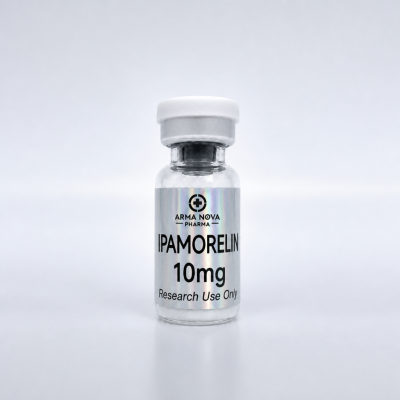
Ipamorelin UK: The Selective Growth Hormone Secretagogue for Researchers in 2026 Among the growth hormone-releasing peptides available to UK researchers, ipamorelin stands apart for a... Continue reading
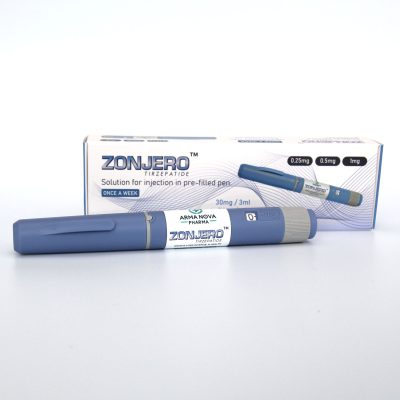
Tirzepatide 30mg UK: The Dual GIP/GLP-1 Receptor Agonist for Advanced Metabolic Research Tirzepatide represents the first dual glucose-dependent insulinotropic polypeptide (GIP) and glucagon-like peptide-1 (GLP-1)... Continue reading
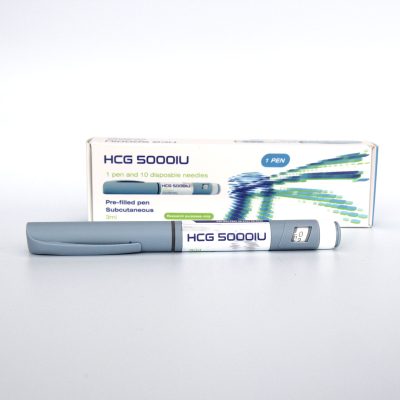
HCG 5000IU UK: Research-Grade Sourcing and Clinical Context Guide 2026 Human chorionic gonadotropin at the 5000 international unit dosage represents one of the most frequently... Continue reading
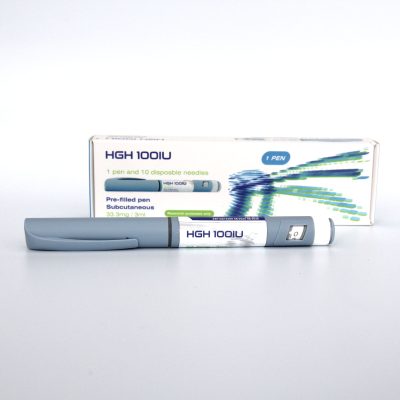
HGH 100 IU UK: Verified Research-Grade Sourcing, Purity Standards, and Regulatory Context for 2026 Securing genuine, laboratory-verified hgh 100 iu uk formulations presents distinct challenges... Continue reading
Add comment