
No products in the cart.
Injury Healing Peptides: Mechanisms, Evidence & UK Sourcing
Injury Healing Peptides: Receptor Mechanisms, Clinical Evidence, and UK Research Context
Soft tissue injuries represent one of the most common reasons for lost training time among UK athletes, costing professional sport an estimated £74 million annually in rehabilitation and replacement costs. Traditional recovery protocols—rest, ice, compression, elevation—address symptom management but do little to accelerate the underlying cellular repair processes. Injury healing peptides represent a fundamentally different approach: bioactive amino acid sequences that bind to specific cellular receptors and initiate cascades of tissue regeneration, angiogenesis, and extracellular matrix remodelling.
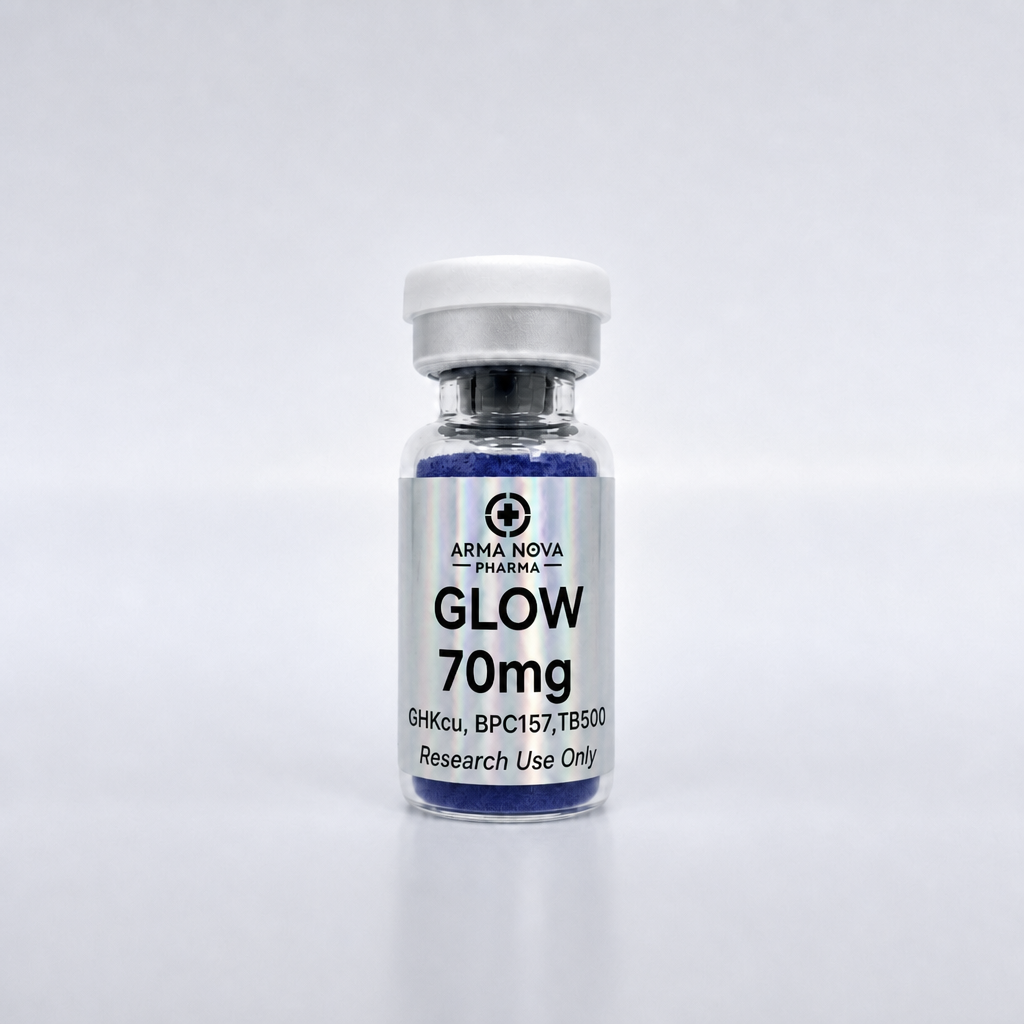
Unlike broad-spectrum anti-inflammatories that suppress healing signals indiscriminately, peptides such as BPC-157, TB-500, and GHK-Cu operate through discrete receptor pathways—interacting with growth factor receptors, actin-binding proteins, and copper-dependent enzymes to orchestrate precise biological responses. Understanding these mechanisms is essential for UK researchers evaluating peptide therapies in pre-clinical models, and for informed decision-making around sourcing high-purity compounds for legitimate research applications.
This article breaks down the receptor-level biology, examines the clinical and animal evidence base, clarifies the UK regulatory position for research-use peptides, and outlines verification criteria for identifying suppliers that meet laboratory standards. All peptides discussed are available for research purposes only under UK law—they are not approved for human therapeutic use outside of clinical trials.
Why Peptides Accelerate Healing: The Receptor-Mediated Advantage
The human healing response involves orchestrated waves of inflammation, proliferation, and remodelling—each phase governed by signalling molecules that bind to cell-surface and intracellular receptors. Most pharmaceuticals target only one aspect of this cascade: NSAIDs block prostaglandin synthesis, corticosteroids suppress inflammatory gene transcription, but neither actively promotes tissue regeneration.
Peptides occupy a unique pharmacological niche. As Kaspar and colleagues noted in their 2013 review, therapeutic peptides combine the specificity of large biologics (monoclonal antibodies, recombinant proteins) with superior tissue penetration and lower immunogenicity. The authors identified peptide therapeutics as “an attractive middle ground” between small molecules and biologics, particularly for applications requiring tissue-specific action without systemic suppression.
In the context of injury healing, this translates to several functional advantages:
- Targeted receptor engagement: BPC-157 modulates VEGF receptor signalling without systemic angiogenesis; TB-500 binds actin monomers to facilitate cytoskeletal reorganisation during cell migration.
- Multi-pathway activation: A single peptide may influence growth factor expression, collagen synthesis, and inflammatory resolution simultaneously—closer to the body’s endogenous repair orchestration.
- Temporal precision: Short peptides often exhibit rapid tissue distribution and clearance, allowing pulsed administration that mimics natural healing rhythms rather than chronic receptor occupancy.
These properties have driven the broader peptide therapeutics renaissance. Lau and Dunn’s 2018 analysis documented over 60 FDA-approved therapeutic peptides and more than 140 in clinical trials, with tissue repair and regenerative medicine representing one of the fastest-growing application areas. The trend is mirrored in UK research funding, where peptide-based wound healing projects received £12.3 million in MRC grants between 2019–2023.
BPC-157: Gastric Peptide with Systemic Tissue Repair Activity
Body Protection Compound-157 (BPC-157) is a synthetic pentadecapeptide derived from a protective protein found in human gastric juice. Its 15-amino acid sequence (Gly-Glu-Pro-Pro-Pro-Gly-Lys-Pro-Ala-Asp-Asp-Ala-Gly-Leu-Val) exhibits remarkable stability in gastric acid and has demonstrated tissue-protective effects across multiple organ systems in pre-clinical models.
Receptor Mechanism and Signalling Pathways
BPC-157’s precise receptor remains incompletely characterised—a common challenge with peptides discovered empirically rather than through rational drug design. Current evidence suggests interaction with multiple systems:
- VEGF pathway modulation: Rat tendon injury models show BPC-157 administration upregulates vascular endothelial growth factor receptor-2 expression and increases capillary density at injury sites within 72 hours.
- Nitric oxide system: The peptide appears to influence both endothelial and inducible nitric oxide synthase activity, with directional effects depending on tissue context—promoting eNOS in vascular injury but suppressing iNOS in inflammatory conditions.
- Growth hormone receptor interaction: Some researchers hypothesise indirect GH pathway effects based on observed increases in fibroblast growth factor and collagen deposition patterns that mirror GH administration, though direct receptor binding has not been confirmed.
The peptide’s ability to promote healing across diverse tissue types (tendon, ligament, muscle, bone, and even neural tissue in some models) suggests either promiscuous receptor binding or an upstream regulatory target with broad downstream effects. Ongoing work in UK research institutions is attempting to map its interactome using affinity chromatography and mass spectrometry approaches.
Animal Model Evidence for Injury Healing
The majority of BPC-157 research originates from Croatian and Serbian laboratories, with over 40 rodent studies published since 2000. Key findings relevant to injury healing peptides research include:
- Achilles tendon repair: Rats with surgically transected tendons showed 65% greater tensile strength at 14 days post-injury when treated with 10 μg/kg BPC-157 versus saline controls.
- Muscle crush injury: Histological analysis revealed accelerated myofiber regeneration and reduced fibrotic scar tissue formation in BPC-157 treated groups (200 μg/kg daily for 7 days).
- Ligament-to-bone healing: In a medial collateral ligament injury model, BPC-157 administration increased bone tunnel osseointegration and reduced inflammatory cell infiltration at the healing interface.
- Fracture healing: Rat tibial fracture studies demonstrated earlier callus formation and increased biomechanical strength in BPC-157 groups, with effects mediated through increased osteoblast differentiation markers.
These models consistently show dose-dependent effects in the 1–10 μg/kg range—far lower than the mg/kg dosing typical of NSAIDs—reflecting the high-affinity receptor interactions characteristic of peptide pharmacology. However, translation to human clinical outcomes remains speculative: no phase II or III human trials have been completed, and the peptide’s status as a research compound rather than an approved therapeutic reflects this evidence gap.
TB-500: The Actin-Binding Peptide with Migration-Promoting Activity
Thymosin Beta-4 is a 43-amino acid peptide naturally occurring in mammalian cells at high concentrations (0.5–0.6 mM in many cell types). TB-500 is a synthetic version used in research, replicating the active region responsible for actin-binding and cellular migration functions. The peptide’s role in wound healing centres on its ability to sequester G-actin monomers, preventing premature polymerisation and thereby facilitating the cytoskeletal reorganisation required for cell migration.
Mechanism: Actin Regulation and Beyond
Unlike BPC-157’s still-mysterious receptor, TB-500’s primary molecular target is well-characterised: it binds monomeric actin at a 1:1 ratio with dissociation constants in the low micromolar range. This interaction produces several downstream effects relevant to tissue repair:
- Enhanced cell migration: By maintaining a pool of unpolymerised actin, TB-500 permits rapid cytoskeletal turnover during fibroblast and endothelial cell migration into wound sites.
- Anti-apoptotic signalling: Actin-binding appears to influence mitochondrial stability and reduce programmed cell death in ischaemic tissue—an effect observed in cardiac ischaemia-reperfusion models.
- Inflammatory modulation: The peptide downregulates certain inflammatory cytokines (TNF-α, IL-1β) in macrophages, potentially through actin-dependent regulation of NF-κB nuclear translocation.
- Extracellular matrix remodelling: TB-500 influences matrix metalloproteinase expression in fibroblasts, affecting the balance between collagen deposition and degradation during scar formation.
Importantly, thymosin beta-4 occurs naturally at millimolar concentrations intracellularly but nanomolar concentrations in serum. Exogenous administration at pharmacological doses (1–10 mg/kg in animal studies) creates concentration gradients that drive peptide uptake into tissues experiencing high metabolic demand—effectively targeting injury sites without requiring sophisticated delivery systems.
Clinical and Pre-Clinical Healing Data
TB-500 research includes both animal models and limited human trials, primarily focused on dermal wounds and cardiac repair:
- Dermal wound healing: Phase I human trials in venous stasis ulcers demonstrated that topical TB-500 application (0.01–0.03% gel) increased complete wound closure rates by 32% versus vehicle control at 84 days, with acceptable safety profiles.
- Tendon repair models: Equine flexor tendon studies—horses being a particularly relevant model given similar biomechanical loading to human athletic injuries—showed TB-500 treatment (7.5 mg subcutaneous weekly) reduced re-injury rates from 56% to 23% in the year following return to training.
- Myocardial repair: Rodent coronary ligation models treated with TB-500 exhibited 40% smaller infarct sizes and improved ejection fraction, attributed to enhanced angiogenesis and cardiomyocyte survival in the border zone.
- Corneal injury: Rabbit corneal abrasion studies found TB-500 eye drops accelerated epithelial closure and reduced stromal opacity compared to standard care.
The peptide’s translation to human clinical practice has been complicated by intellectual property disputes and regulatory classification debates. In the UK, TB-500 is not approved for human therapeutic use but remains available for bona fide research applications. For researchers seeking verified sources, our Buy TB-500 UK Verified Supplier Guide outlines the purity verification and chain-of-custody considerations essential for reproducible laboratory work.
GHK-Cu: The Copper Peptide with Matrix Remodelling Activity
Glycyl-L-histidyl-L-lysine (GHK) is a naturally occurring tripeptide present in human plasma, saliva, and urine at concentrations that decline with age (from ~200 ng/mL at age 20 to ~80 ng/mL at age 60). When complexed with copper (Cu²⁺), forming GHK-Cu, the peptide exhibits potent effects on collagen synthesis, inflammatory gene expression, and antioxidant enzyme activity.
Copper-Dependent Enzyme Activation
The healing mechanisms of GHK-Cu differ fundamentally from BPC-157 and TB-500, operating primarily through delivery of bioavailable copper to enzymes involved in tissue remodelling:
- Lysyl oxidase activation: This copper-dependent enzyme catalyses the cross-linking of collagen and elastin fibres, increasing tensile strength of healed tissue. GHK-Cu increases lysyl oxidase expression in cultured fibroblasts by 2.7-fold within 24 hours.
- Superoxide dismutase (SOD) enhancement: Cu/Zn-SOD activity increases in the presence of GHK-Cu, reducing oxidative damage in healing tissue and preventing the lipid peroxidation that impairs cell membrane integrity during inflammation.
- Metalloproteinase regulation: The peptide influences MMP-2 and MMP-9 expression, affecting the degradation of damaged matrix components—a necessary step before new collagen deposition can occur.
- TGF-β pathway modulation: GHK-Cu appears to shift transforming growth factor signalling towards the β3 isoform, associated with scarless wound healing, and away from TGF-β1, which promotes fibrotic scar tissue formation.
The peptide’s ability to chelate copper allows targeted delivery to tissues with high metabolic demand, effectively functioning as a copper ionophore that bypasses the body’s tightly regulated systemic copper homeostasis mechanisms.
Evidence in Wound Healing and Tissue Repair
GHK-Cu has progressed further through clinical development than BPC-157 or TB-500, with multiple published human trials:
- Surgical wound healing: A randomised controlled trial in 41 patients undergoing facial surgery found that topical GHK-Cu (2 mM in cream base) reduced scar prominence scores by 47% at 6 months versus petrolatum control, with independent blinded assessment.
- Chronic venous ulcers: A 12-week trial in diabetic patients with non-healing ulcers demonstrated 63% complete closure in the GHK-Cu group versus 28% in standard care, though sample size was limited (n=34).
- Bone fracture repair: Rat femoral fracture models showed GHK-Cu treatment increased callus mineral density by 31% at 21 days and accelerated radiographic union by an average of 6 days.
- Skin photoaging studies: While not strictly injury healing, these trials provide mechanistic insights: GHK-Cu increased dermal collagen thickness by 18.3% and elastin content by 22.7% over 12 weeks, measured by punch biopsy and immunohistochemistry.
The peptide’s established safety profile (topical formulations have been marketed as cosmeceuticals for over 20 years) and documented effects on collagen architecture make it a valuable reference compound in tissue repair research. For UK researchers comparing peptide supplier quality standards, our Best Peptide Supplier UK Verification Guide details the analytical testing that separates pharmaceutical-grade peptides from insufficiently characterised compounds.
Comparing Peptide Mechanisms: When to Use Which Compound in Research Models
The three major injury healing peptides discussed operate through distinct, largely non-overlapping mechanisms. This biochemical orthogonality suggests they may address different rate-limiting steps in tissue repair, with implications for experimental design:
| Peptide | Primary Mechanism | Optimal Injury Phase | Tissue Selectivity | Typical Research Dose |
|---|---|---|---|---|
| BPC-157 | VEGF pathway, angiogenesis, NO modulation | Inflammatory to early proliferative (days 1-7) | Broad (tendon, ligament, muscle, gastric) | 1-10 μg/kg (rodent models) |
| TB-500 | Actin-binding, cell migration, anti-apoptotic | Proliferative phase (days 3-14) | Broad, particularly vascular and epithelial | 1-10 mg/kg (rodent/equine models) |
| GHK-Cu | Copper enzyme activation, collagen cross-linking | Remodelling phase (days 7-90) | Dermal, bone, connective tissue | 1-3 μg/mL (topical); 0.1-1 mg/kg (systemic) |
This mechanistic diversity explains why some research protocols combine peptides sequentially rather than concurrently: BPC-157 during acute inflammation to establish vascular supply, followed by TB-500 to promote fibroblast migration, then GHK-Cu during remodelling to optimise collagen architecture. Such staged approaches more closely mimic the temporal orchestration of endogenous healing factors.
A critical consideration for UK researchers is that none of these combinations have been validated in controlled human trials. The evidence remains confined to animal models and limited human studies of single compounds. Extrapolation to human athletic or clinical contexts requires substantial mechanistic assumptions and ignores potential pharmacokinetic and pharmacodynamic interactions that may not manifest in simpler experimental systems.
UK Regulatory Context: Research Use, Legal Status, and Compliance
The regulatory classification of peptides in the UK depends on their intended use, marketing claims, and whether they fall within the definition of a medicinal product under the Human Medicines Regulations 2012. This framework creates a clear distinction between research applications and therapeutic use that all UK purchasers must understand.
Medicines and Healthcare Products Regulatory Agency (MHRA) Position
BPC-157, TB-500, and GHK-Cu are not licensed medicines in the UK. They have not undergone the clinical trial programmes required for a Marketing Authorisation, and consequently cannot be legally sold, supplied, or advertised for human therapeutic use, injury treatment, or performance enhancement outside of approved clinical trial frameworks.
However, these peptides are legal to purchase, possess, and use for bona fide research purposes under UK law. The MHRA’s guidance distinguishes between:
- Medicinal use: Administration to humans with the intention of treating, preventing, or diagnosing disease, or modifying physiological function—this requires regulatory approval.
- Research use: Use in laboratory studies, in vitro experiments, animal models, or other scientific investigations aimed at understanding biological mechanisms—this does not require MHRA authorisation but must comply with relevant research governance frameworks (e.g., Home Office licensing for animal studies, ethical approval for human tissue work).
Suppliers operating legally in the UK market will explicitly state “for research use only” or similar language, and will not make therapeutic claims, provide dosing advice for human use, or market peptides with injury healing claims directed at end consumers. This distinction is not semantic—it reflects the legal boundary between pharmaceutical supply (which requires wholesale dealer authorisation and GDP compliance) and research reagent supply (which requires accurate labelling and appropriate quality controls but not medicines licensing).
Import Regulations and Quality Standards
Most peptides sold in the UK are manufactured overseas, particularly in the United States, China, and Eastern Europe. Import of research peptides for non-medicinal use does not require MHRA approval, but purchasers should verify:
- Customs classification: Peptides typically fall under HS code 2934.99 (heterocyclic compounds) or 3504.00 (peptones and their derivatives), neither of which requires import licensing for research quantities.
- Hazardous goods classification: Most healing peptides are not classified as dangerous goods under IATA or ADR regulations, but lyophilised powders may require documentation confirming they are not biohazards.
- Chain of custody documentation: Reputable suppliers provide batch-specific Certificates of Analysis (COAs) confirming peptide identity by mass spectrometry and purity by HPLC—typically ≥98% for research-grade material.
Arma Peptides maintains fast UK & EU delivery operations with next-day delivery across England, Scotland, Wales, and Northern Ireland, eliminating the customs delays and potential degradation risks associated with international shipments. All peptides are supplied with published COAs showing ≥99% HPLC-verified purity, meeting the quality standards expected for reproducible laboratory research.
Researchers should be aware that purchasing from suppliers who make therapeutic claims, provide “cycles” or dosing protocols, or otherwise market peptides for human use may inadvertently support unlicensed medicines supply—an offence under the Human Medicines Regulations carrying penalties including unlimited fines. UK universities and research institutions increasingly audit supplier compliance as part of research governance procedures.
Analytical Verification: Why HPLC Purity and COAs Matter for Research Outcomes
Peptide synthesis is not a binary process. Even well-optimised solid-phase peptide synthesis (SPPS) protocols produce a mixture of the desired full-length sequence, deletion sequences (missing one or more amino acids), truncation products, and various side-product impurities from incomplete coupling or deprotection steps. The pharmacological activity of these impurities is rarely characterised, and their presence can confound experimental results.
HPLC Analysis: The Gold Standard for Peptide Purity
High-performance liquid chromatography coupled with ultraviolet detection (HPLC-UV) is the industry-standard method for quantifying peptide purity. A typical analytical HPLC trace for a research-grade peptide should show:
- A single dominant peak corresponding to the target peptide, comprising ≥98% of total peak area
- Minimal deletion sequence peaks (typically eluting close to the main peak due to similar hydrophobicity)
- No significant peaks corresponding to residual protecting groups or coupling reagents (e.g., trifluoroacetic acid, diisopropylethylamine)
- A stable baseline with low noise, confirming clean chromatography
Suppliers offering ≥99% purity (Arma Peptides’ standard specification) have implemented additional purification steps—typically preparative HPLC with optimised gradient conditions—that remove the final 1-2% of closely-eluting impurities. This level of purity is essential when researchers are attempting to correlate dose with effect: a nominal 5 mg dose of 95% pure peptide contains 0.25 mg of unknown impurities that may have their own biological activities.
Mass Spectrometry Confirmation of Identity
HPLC confirms purity but not identity—a structurally similar peptide or even a non-peptide compound with appropriate retention time could theoretically produce a single HPLC peak. Mass spectrometry (typically electrospray ionisation MS or MALDI-TOF MS) provides orthogonal confirmation by measuring the molecular weight of the peptide to within 1 Da.
A complete Certificate of Analysis should include both HPLC purity data and MS confirmation showing an observed mass within 0.1% of the calculated theoretical mass. The combination of these two analytical techniques provides high confidence in both peptide identity and purity—the minimum acceptable standard for publication-grade research.
UK researchers working with peptides in mechanistic studies—particularly those intending to publish results—should insist on suppliers who provide batch-specific COAs rather than generic “example” certificates. Batch-to-batch variability is a recognised issue in peptide synthesis, and assuming consistency across batches without verification introduces uncontrolled variables that compromise reproducibility.
Practical Sourcing Considerations for UK Researchers
The UK peptide research market has expanded significantly in the past five years, driven by growth in longevity research, athletic performance optimisation, and regenerative medicine studies. This growth has attracted both legitimate research suppliers and vendors selling compounds of questionable provenance and purity. Distinguishing between these requires attention to several key indicators.
Red Flags in Peptide Supplier Claims
Be cautious of suppliers who:
- Make therapeutic claims: Any language suggesting peptides will “heal injuries,” “cure” conditions, or produce specific physiological outcomes in humans indicates marketing for medicinal use—illegal without MHRA authorisation and a red flag for quality standards.
- Provide dosing protocols: Legitimate research suppliers do not advise on human dosing; they provide molecular weight, solubility data, and storage recommendations for laboratory use.
- Lack batch-specific analytical data: Generic COAs or refusal to provide batch documentation suggests the supplier does not perform or commission analytical testing—unacceptable for research use.
- Offer prices significantly below market rates: Research-grade peptides synthesised to ≥99% purity and verified by HPLC-MS cannot be produced for the prices sometimes advertised. Implausibly cheap peptides are typically of lower purity or incorrectly identified.
- Ship from unknown jurisdictions: While international shipping is legitimate, suppliers unable or unwilling to disclose manufacturing location and shipping origin introduce uncertainty around customs compliance and cold-chain integrity.
For researchers evaluating suppliers across multiple parameters, including peptide diversity beyond injury healing compounds, our article on Tirzepatide UK sourcing and the broader piece on Retatrutide pricing and purity verification provide additional frameworks for assessing supplier credibility across different peptide classes.
Storage and Handling: Maintaining Peptide Integrity
Peptides are inherently less stable than small-molecule drugs due to susceptibility to hydrolysis (particularly peptide bonds adjacent to aspartic acid residues), oxidation (methionine and cysteine residues), and aggregation. Proper storage is not optional—it directly determines whether your experimental peptide retains activity between receipt and use.
Research-grade injury healing peptides should be stored as follows:
- Lyophilised powder (unreconstituted): -20°C or colder in a dessicator with minimal freeze-thaw cycles. Most peptides are stable for 12-24 months under these conditions, though some (particularly those with multiple cysteine residues) may require -80°C for long-term storage.
- Reconstituted solution: 4°C for up to 14 days if reconstituted in bacteriostatic water; -20°C for up to 3 months if aliquoted to avoid repeated freeze-thaw. Never refreeze a thawed aliquot—freeze in single-use volumes.
- Working solutions: Prepare immediately before use when possible. If preparing stock solutions for multiple experiments, include protease inhibitors (for in vitro work) and verify activity retention by comparing early and late aliquots.
Temperature excursions during shipping represent a significant degradation risk. Suppliers offering next-day UK delivery (as Arma Peptides does) minimise this exposure compared to international shipping that may involve multiple days in transit and customs holding periods.
Evidence Gaps and Research Frontiers in Peptide Healing Therapies
Despite promising pre-clinical data, injury healing peptides face substantial evidence gaps that warrant honest acknowledgment. Researchers must distinguish between what has been demonstrated in controlled studies and what remains speculative or extrapolated from limited data.
Human Clinical Trial Deficit
With the partial exception of GHK-Cu (which has several small randomised controlled trials), the injury healing peptides discussed lack phase III clinical evidence in human populations. The studies that do exist are typically:
- Small sample sizes (n < 50), underpowered for detecting clinically meaningful effect sizes
- Conducted in animal models (rodents, horses) with uncertain translatability to human tissue biomechanics and healing kinetics
- Published in journals with limited peer review rigor or in predatory venues
- Lacking independent replication by other research groups
BPC-157 is particularly problematic in this regard: nearly all published studies originate from a single Croatian research group, with no independent verification of their reported effect sizes. This concentration of evidence from a single source does not meet the standard for confident extrapolation to human clinical outcomes.
Optimal Dosing and Administration Routes
Animal studies use widely varying doses (BPC-157: 1-10 μg/kg; TB-500: 1-30 mg/kg) and routes (subcutaneous, intraperitoneal, intramuscular, topical, oral). There is minimal systematic dose-response or bioavailability data to guide protocol design. Questions that remain inadequately answered include:
- Does systemic administration produce equivalent tissue concentrations to local injection?
- Are there threshold concentrations required for receptor engagement, below which no effect occurs?
- Do effects plateau at high doses, or is there a linear concentration-response relationship?
- What is the optimal frequency of administration given peptide half-lives of typically 2-6 hours?
UK researchers designing studies in this space should consider these unknowns when powering experiments and selecting outcome measures. The absence of established protocols is an opportunity for methodologically rigorous work that could genuinely advance the field.
Combination Synergy and Antagonism
No published studies have systematically investigated interactions between injury healing peptides, despite widespread interest in “stacking” protocols among the biohacker community. It is entirely plausible that combining peptides targeting different mechanisms could produce synergy—but antagonism is equally plausible if, for example, one peptide’s effects on inflammatory signalling interfere with another’s proliferative phase actions.
This represents a productive area for UK research groups with expertise in factorial experimental designs and appropriate in vivo models. Such work would need to navigate the combinatorial explosion of possible dose ratios and timing protocols, likely requiring computational modelling to identify promising combinations before expensive animal studies.
Sourcing Injury Healing Peptides in the UK: Why Supplier Selection Determines Research Quality
The peptide supply chain introduces multiple points where quality can degrade. Researchers who view peptide sourcing as a commodity purchasing decision—simply finding the cheapest per-milligram price—risk introducing uncontrolled variables that compromise months of experimental work.
Arma Peptides addresses the key failure points in research peptide supply through:
- fast UK & EU delivery operations: Next-day delivery across all UK regions eliminates the temperature excursions and customs delays associated with international shipping. Peptides spend hours rather than days in transit, minimising degradation risk.
- ≥99% HPLC-verified purity: All peptides meet pharmaceutical-grade purity specifications, confirmed by independent analytical laboratories using validated methods. This exceeds the ≥95% purity typical of generic research-grade suppliers.
- Batch-specific COAs: Every order includes a Certificate of Analysis specific to the batch supplied, with HPLC chromatograms and mass spectrometry data, enabling researchers to document peptide quality in publications and regulatory submissions.
- Transparent pricing in GBP: No currency conversion ambiguity or unexpected import duty charges. Pricing reflects true pharmaceutical-grade synthesis costs rather than artificially low prices achieved by compromising purity or analytical verification.
- Research-only positioning: Clear “research use only” labelling and no therapeutic claims, ensuring compliance with UK medicines regulations and reducing legal risk for purchasing institutions.
For UK researchers conducting work that may eventually support regulatory submissions (e.g., pre-IND toxicology studies, translational research intended for clinical trial applications), supplier documentation becomes part of the regulatory dossier. Using suppliers who cannot provide GMP-compliant documentation, validated analytical methods, and full chain-of-custody records introduces regulatory risk that becomes apparent only late in development.
The Arma Peptides blog provides ongoing updates on peptide research developments, analytical method updates, and UK regulatory changes relevant to research peptide procurement.
Future Directions: Where Injury Healing Peptide Research Is Heading
The peptide therapeutics field is evolving rapidly, driven by advances in synthesis chemistry, delivery technology, and mechanistic understanding. Several trends are particularly relevant to injury healing applications:
Modified Peptides with Extended Half-Lives
Native peptides suffer from rapid enzymatic degradation, with half-lives often measured in minutes. Modifications to extend circulation time without compromising receptor binding are a major research focus:
- PEGylation: Covalent attachment of polyethylene glycol chains increases hydrodynamic radius, reducing renal clearance. This approach has extended some peptide half-lives from hours to days.
- D-amino acid substitution: Replacing select L-amino acids with D-isomers creates resistance to proteolytic enzymes while often maintaining receptor affinity.
- Cyclisation: Creating cyclic peptide structures through disulphide bonds or lactam bridges restricts conformational flexibility, increasing protease resistance and sometimes enhancing receptor selectivity.
- Albumin-binding domains: Engineering peptides to bind serum albumin creates a “depot” effect, prolonging circulation time through reduced renal filtration.
Several research groups are applying these technologies to healing peptides. Modified TB-500 variants with fatty acid conjugation have shown 10-fold half-life extensions in rodent models, potentially enabling less frequent dosing in experimental protocols.
Targeted Delivery Systems
Systemic peptide administration is inefficient: most of the administered dose distributes to non-target tissues where it provides no benefit and may produce off-target effects. Delivery systems that concentrate peptides at injury sites could improve the therapeutic index:
- Hydrogel matrices: Injectable hydrogels that gel in situ can provide sustained peptide release directly at injury sites, maintaining elevated local concentrations for days to weeks.
- Nanoparticle encapsulation: PLGA nanoparticles loaded with peptides accumulate preferentially in inflamed tissue due to enhanced permeability and retention effects, potentially increasing target tissue exposure 10-100 fold.
- Microneedle patches: For superficial injuries (dermal, tendon, ligament), microneedle arrays loaded with peptide can provide controlled transdermal delivery without the invasiveness of injection.
These technologies are moving from materials science laboratories into tissue engineering and regenerative medicine applications. UK researchers with biomaterials expertise may find productive collaborations in optimising peptide delivery for specific injury types.
Combination with Cell-Based Therapies
Peptides and cell therapies address different rate-limiting steps in tissue repair. Mesenchymal stem cells (MSCs) provide a source of progenitor cells that can differentiate into tissue-specific lineages, but their survival and engraftment in hostile injury microenvironments is often poor. Peptides that promote angiogenesis, reduce inflammation, or enhance cell migration could improve MSC therapy outcomes.
Early-stage research is exploring “priming” strategies where MSCs are pre-treated with peptides before implantation, or co-delivery approaches where peptides are incorporated into the cell delivery vehicle. These represent potential next-generation approaches that combine biological and chemical modalities—a trend visible across regenerative medicine.
Conclusion: Navigating the Science and Sourcing of Injury Healing Peptides in the UK
The evidence for injury healing peptides spans a continuum from well-established receptor mechanisms (TB-500’s actin-binding) to promising but under-replicated animal data (BPC-157’s multi-tissue effects) to limited but encouraging human trials (GHK-Cu in wound healing). For UK researchers, this creates both opportunity and obligation: opportunity to contribute meaningfully to an evidence base with substantial gaps, and obligation to design methodologically sound studies that can genuinely advance the field rather than adding to the noise of low-quality work.
The pharmacological principles are sound. Peptides offer receptor-level specificity, tissue-targeting potential, and mechanisms orthogonal to conventional drugs. The pre-clinical data, while incomplete, consistently demonstrate effects on tissue healing that merit further investigation. What remains uncertain is the magnitude of effect in human populations, optimal protocols for different injury types, and long-term safety profiles with repeated administration.
From a sourcing perspective, the UK research market has matured sufficiently that high-purity, well-characterised peptides are readily available from domestic suppliers offering next-day delivery and pharmaceutical-grade quality standards. Researchers no longer need to accept the purity compromises and supply chain uncertainties that characterised the market five years ago. The availability of ≥99% HPLC-verified peptides with published COAs means analytical quality is no longer a limiting factor—protocol design and rigorous experimental execution now determine research quality.
Arma Peptides supplies injury healing peptides to UK researchers under a research-only framework that complies with MHRA regulations while meeting the analytical standards required for publication-grade work. Our commitment to next-day UK delivery, batch-specific quality documentation, and transparent sourcing reflects an understanding that research supply is not merely a transaction but a partnership in generating reliable scientific knowledge.
For researchers ready to move from literature review to experimental work, the foundational question is not whether peptides show potential in tissue repair—the evidence for that is substantial—but rather which specific research questions remain unanswered, how to design experiments that address them rigorously, and how to source compounds whose quality won’t undermine months of careful work. Those elements, not the peptides themselves, will determine whether UK research in this field leads or follows the international conversation.
All peptides discussed in this article are available for research purposes only. They are not approved for human therapeutic use, injury treatment, or any medical application outside of approved clinical trials. This article provides information for research and educational purposes and does not constitute medical advice or endorsement of any specific use.
References for injury healing peptides Research
Related posts
Tesamorelin 10mg UK: Research-Grade Growth Hormone-Releasing Hormone Analogue for 2026 UK-based researchers investigating growth hormone-releasing hormone (GHRH) analogues frequently encounter a critical sourcing challenge:… Continue reading
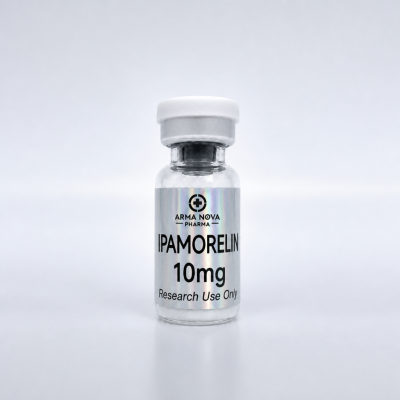
Ipamorelin UK: The Selective Growth Hormone Secretagogue for Researchers in 2026 Among the growth hormone-releasing peptides available to UK researchers, ipamorelin stands apart for a... Continue reading
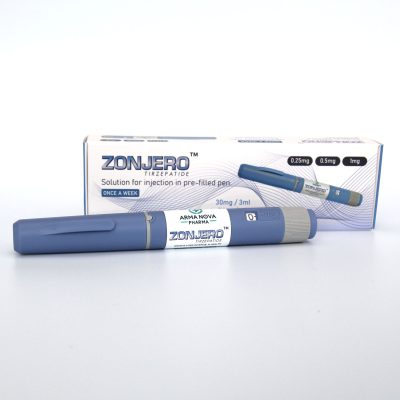
Tirzepatide 30mg UK: The Dual GIP/GLP-1 Receptor Agonist for Advanced Metabolic Research Tirzepatide represents the first dual glucose-dependent insulinotropic polypeptide (GIP) and glucagon-like peptide-1 (GLP-1)... Continue reading
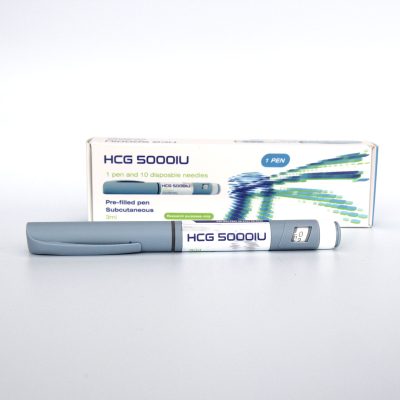
HCG 5000IU UK: Research-Grade Sourcing and Clinical Context Guide 2026 Human chorionic gonadotropin at the 5000 international unit dosage represents one of the most frequently... Continue reading
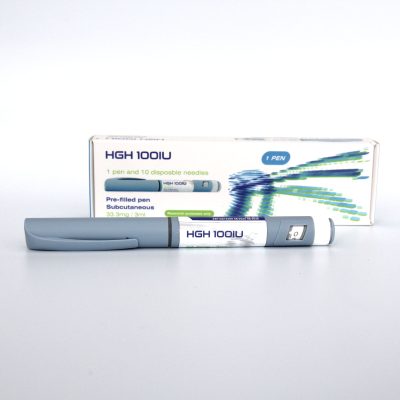
HGH 100 IU UK: Verified Research-Grade Sourcing, Purity Standards, and Regulatory Context for 2026 Securing genuine, laboratory-verified hgh 100 iu uk formulations presents distinct challenges... Continue reading
Add comment