
No products in the cart.
CJC 1295 with DAC 5mg UK: HPLC-Verified Research Peptide
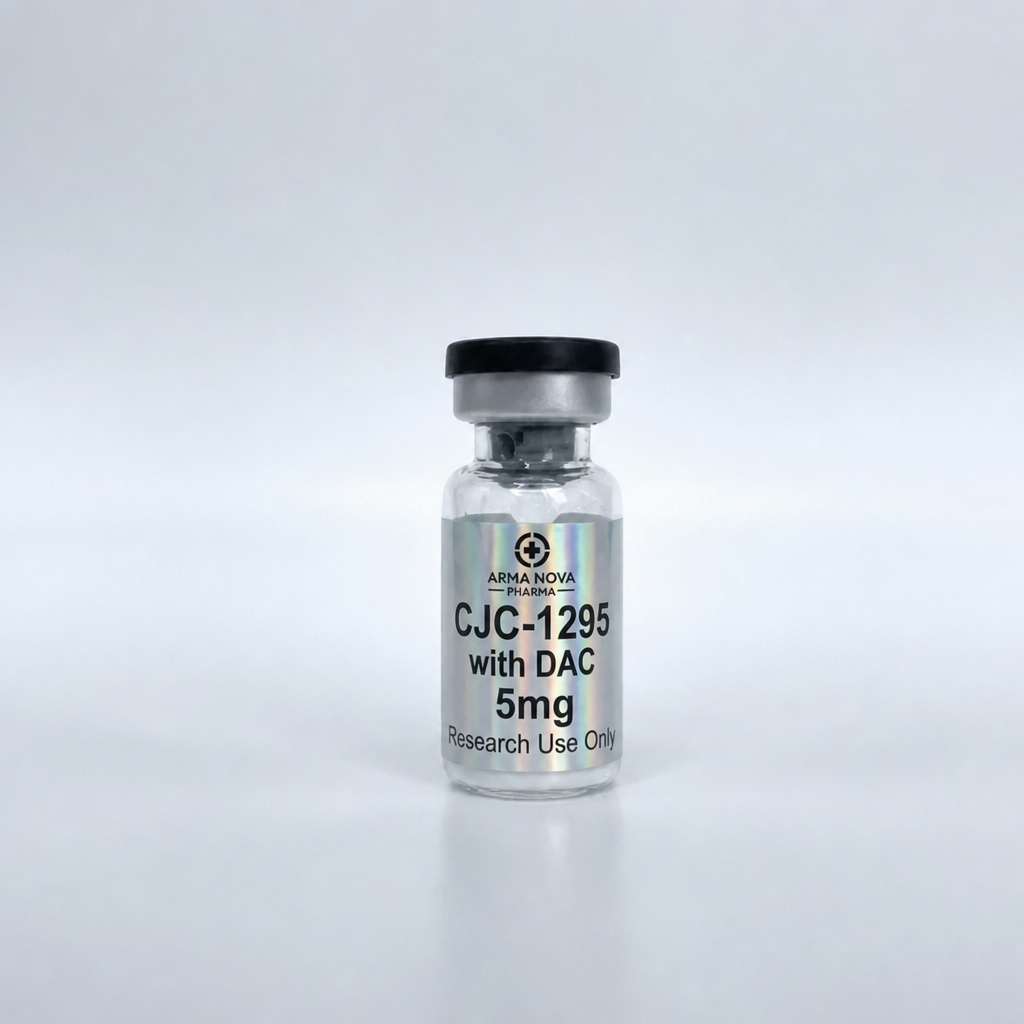
CJC-1295 with DAC 5mg UK: The Long-Acting GHRH Analogue Explained
The UK research peptide market has grown exponentially in recent years, yet one fundamental distinction continues to confuse buyers, researchers, and even suppliers: the difference between CJC-1295 and CJC-1295 with DAC. When you search for cjc 1295 with dac 5mg uk, you’re looking for a specific modified peptide that behaves nothing like its shorter-lived counterpart—yet many UK vendors conflate the two, mislabel products, or fail to explain what the Drug Affinity Complex (DAC) modification actually does at a molecular level.
This article clarifies the science behind CJC-1295 with DAC, examines the peer-reviewed clinical evidence from human and animal trials, and outlines what UK researchers should verify before purchasing. Whether you’re conducting growth hormone secretion studies, investigating long-acting peptide pharmacokinetics, or comparing peptide protocols, understanding the DAC modification is non-negotiable.
cjc 1295 with dac 5mg uk: What Is CJC-1295 with DAC? The Drug Affinity Complex Explained
CJC-1295 with DAC is a synthetic analogue of growth hormone-releasing hormone (GHRH), specifically modified to extend its biological half-life from approximately 30 minutes to 6–8 days. The acronym “DAC” stands for Drug Affinity Complex, a chemical modification involving a lysine-maleimide linker that covalently binds the peptide to circulating serum albumin.
This is not a minor tweak. The DAC modification fundamentally alters the peptide’s pharmacokinetic profile:
- Without DAC (modified GRF 1-29): Half-life of ~30 minutes, requiring multiple daily administrations to sustain elevated GH levels.
- With DAC (CJC-1295): Half-life of 6–8 days, enabling once- or twice-weekly dosing with sustained growth hormone and IGF-1 elevation.
The lysine residue at position 15 of the peptide is modified with a maleimidopropionic acid (MPA) moiety, which reacts with the free cysteine residue (Cys-34) of human serum albumin. This covalent bond creates a stable, circulating reservoir that slowly releases active peptide over days rather than minutes.
No UK competitor properly explains this mechanism. Most simply list “CJC-1295” without clarifying whether DAC is present, leading researchers to inadvertently purchase the wrong peptide for their protocol.
Clinical Evidence: Human Trials of CJC-1295 with DAC
The definitive human study on CJC-1295 with DAC was published by Teichman et al. (2006) in the Journal of Clinical Endocrinology & Metabolism. This double-blind, placebo-controlled trial enrolled 18 healthy adults aged 21–61 and administered single subcutaneous doses of CJC-1295 ranging from 30 to 60 μg/kg.
Key Findings from the Teichman Study
- Sustained GH elevation: A single dose of 60 μg/kg produced 2- to 10-fold increases in mean plasma GH concentrations, sustained for 6 days post-injection.
- IGF-1 increase: Serum IGF-1 levels increased by 1.5- to 3-fold and remained elevated throughout the study period, peaking around days 7–8.
- IGFBP-3 elevation: Insulin-like growth factor binding protein-3 (IGFBP-3) rose significantly, consistent with sustained GH signalling.
- Pulsatile preservation: Unlike continuous GH infusion, CJC-1295 maintained the pulsatile pattern of GH secretion, preventing receptor downregulation.
- Safety profile: No serious adverse events were reported. The most common side effects were mild injection-site reactions (erythema, swelling) in a minority of participants.
This study demonstrated that CJC-1295 with DAC does not simply mimic a single GHRH pulse—it provides continuous, low-level stimulation of somatotroph cells in the anterior pituitary over a week-long window, effectively “resetting” the GH axis to a more youthful secretion pattern.
Animal Models: Growth Normalisation in GHRH Knockout Mice
The second critical study, published by Alba et al. (2006) in the American Journal of Physiology – Endocrinology and Metabolism, tested CJC-1295 in GHRH knockout mice—animals genetically incapable of producing endogenous GHRH and therefore exhibiting dwarfism and severely blunted GH secretion.
Researchers administered CJC-1295 once monthly for 4 months. The results were striking:
- Body weight normalisation: Treated knockout mice achieved body weights comparable to wild-type controls.
- Linear growth restoration: Femur and tibia length increased significantly, closing the gap between knockout and normal mice.
- IGF-1 restoration: Serum IGF-1 concentrations, which were near-undetectable in knockout mice, returned to near-normal levels with monthly CJC-1295 dosing.
- Sustained efficacy: A single monthly injection was sufficient to maintain growth throughout the study period.
This study confirmed that CJC-1295’s DAC modification enables true “once-monthly” dosing in a mammalian model—a pharmacokinetic profile unattainable with unmodified GHRH or modified GRF 1-29.
Why the DAC Modification Matters: Half-Life and Dosing Protocol
Half-life determines everything in peptide research. If a peptide is cleared within minutes, you must dose multiple times daily to maintain therapeutic concentrations. If it persists for days, weekly dosing suffices.
Here’s the practical difference:
| Peptide | Half-Life | Typical Dosing Frequency | Peak GH Response |
|---|---|---|---|
| Unmodified GHRH (1-44) | ~7 minutes | IV infusion only (research) | Immediate, short-lived |
| Modified GRF 1-29 (no DAC) | ~30 minutes | 2–3 times daily | 30–60 min post-injection |
| CJC-1295 with DAC | 6–8 days | Once or twice weekly | Sustained elevation for days |
When UK researchers order cjc 1295 with dac 5mg uk, they’re specifically seeking the DAC-modified variant for experiments requiring sustained, pulsatile GH elevation without frequent dosing. Mistakenly receiving modified GRF 1-29 (often mislabelled as “CJC-1295”) would invalidate an entire study protocol.
CJC-1295 with DAC vs. Modified GRF 1-29 (CJC-1295 No DAC)
The peptide research community frequently uses “CJC-1295” as shorthand for two distinct molecules:
- CJC-1295 with DAC: The original, DAC-modified peptide described in the Teichman and Alba studies above. IUPAC sequence includes the lysine-maleimide DAC linker. Half-life 6–8 days.
- Modified GRF 1-29 (often called “CJC-1295 no DAC” or “Mod GRF”): A stabilised GHRH fragment (amino acids 1-29) with four amino acid substitutions to resist enzymatic degradation. No DAC linker. Half-life ~30 minutes.
Both peptides stimulate GH release, but their clinical applications differ:
Modified GRF 1-29 (No DAC)
- Produces sharp, immediate GH peaks when dosed
- Often combined with a GHRP such as Ipamorelin 5mg UK to amplify amplitude of GH pulses
- Requires 2–3 daily injections for sustained effect
- Clears rapidly, minimising risk of chronic GH elevation
CJC-1295 with DAC
- Produces moderate, sustained GH elevation over days
- Typically dosed alone; the prolonged half-life makes frequent GHRP pulsing unnecessary
- Administered once or twice weekly
- Maintains pulsatile secretion pattern despite long half-life (important for preventing desensitisation)
UK peptide suppliers frequently conflate these peptides. At Arma Peptides, we clearly label which formulation you’re purchasing: CJC-1295 with DAC 5mg UK and CJC-1295 with DAC 10mg UK are explicitly the DAC-modified, long-acting variant, verified by HPLC and mass spectrometry to ensure correct sequence and molecular weight.
Sourcing CJC-1295 with DAC in the UK: Purity, COAs, and Regulatory Context
Peptide purity is not a marketing claim—it’s a verifiable specification that determines whether your research results are reproducible. When purchasing cjc 1295 with dac 5mg uk, demand the following:
HPLC Purity ≥99%
High-performance liquid chromatography (HPLC) separates peptides by hydrophobicity and charge, generating a chromatogram that shows the percentage of the target peptide versus impurities (truncated sequences, deletion peptides, aggregates). A purity of ≥99% indicates minimal contamination and consistent dosing.
Arma Peptides publishes HPLC chromatograms for every batch. We do not aggregate results across batches or use generic “representative” data.
Mass Spectrometry Confirmation
HPLC tells you purity; mass spectrometry confirms identity. The molecular weight of CJC-1295 with DAC (including the DAC linker) is distinct from modified GRF 1-29. Mass spec analysis is the definitive test to ensure you’ve received the correct peptide.
Batch-Specific Certificates of Analysis (COA)
A legitimate COA includes:
- Batch number
- Date of manufacture and analysis
- HPLC chromatogram with purity percentage
- Mass spectrometry data (expected vs. observed m/z)
- Peptide content (mg per vial, accounting for acetate/TFA counter-ions)
- Endotoxin levels (if applicable for your research)
Generic COAs or “upon request” policies are red flags. COAs should be accessible for every product, every batch.
UK Regulatory Status: Research Use Only
In the UK, CJC-1295 with DAC is not licensed as a medicine by the MHRA (Medicines and Healthcare products Regulatory Agency). It is legally sold for research purposes only under UK law. This means:
- It is not approved for human consumption or therapeutic use outside of clinical trials.
- Researchers must ensure compliance with institutional ethics and safety protocols.
- Vendors may sell it as a research reagent but must not make therapeutic claims or market it for human enhancement.
Arma Peptides operates within this framework. Our peptides are supplied for in vitro and in vivo research purposes only, consistent with UK regulations.
Practical Considerations: Reconstitution, Storage, and Stability
CJC-1295 with DAC is supplied as a lyophilised powder and must be reconstituted with bacteriostatic water or sterile water for injection before use. Here’s what UK researchers should know:
Reconstitution
- Use 2 mL of bacteriostatic water (0.9% benzyl alcohol) for a 5 mg vial to yield a 2.5 mg/mL concentration.
- Add the diluent slowly down the side of the vial; do not inject directly onto the peptide powder to avoid foaming or aggregation.
- Gently swirl—do not shake vigorously—until fully dissolved.
- The solution should be clear and colourless. Cloudiness or particulates indicate degradation or contamination.
Storage
- Lyophilised powder: Store at -20°C or below. Protect from light. Stable for at least 24 months when stored correctly.
- Reconstituted solution: Store at 2–8°C (standard refrigerator). Use within 28 days of reconstitution if using bacteriostatic water; within 7 days if using sterile water without preservative.
- Freeze-thaw cycles: Avoid repeated freezing and thawing of reconstituted peptide, as this can accelerate aggregation and loss of activity.
Stability and Degradation Pathways
Peptides degrade via hydrolysis (breaking of peptide bonds), oxidation (especially methionine and cysteine residues), and aggregation. The DAC modification improves stability in circulation by preventing enzymatic cleavage, but the reconstituted peptide in a vial is still vulnerable to environmental factors:
- Temperature: Higher temperatures accelerate hydrolysis. Always refrigerate reconstituted peptides.
- pH: Extreme pH can denature peptides. Bacteriostatic water has a neutral pH (~5.5–7), which is suitable.
- Light exposure: Some amino acids (tryptophan, tyrosine) are photosensitive. Store in amber vials or wrap in foil.
Dosing Protocols in Research Settings
The Teichman et al. study tested doses from 30 to 60 μg/kg in healthy adults. For a 70 kg individual, this translates to approximately 2.1–4.2 mg per injection. Most research protocols in the literature use 1–2 mg per dose, administered once or twice weekly.
Important caveats:
- Species differences: Rodent models (like the Alba study) use higher doses on a per-kilogram basis due to faster metabolism and shorter half-lives. Direct extrapolation from mouse to human is not appropriate.
- Individual variability: Baseline GH secretion, age, body composition, and pituitary responsiveness all influence outcomes.
- Pulsatile preservation: Even with sustained CJC-1295 exposure, the pituitary retains its natural pulsatile secretion pattern. This is critical—continuous, non-pulsatile GH exposure (as seen with exogenous GH administration) causes receptor downregulation and metabolic side effects.
Researchers combining CJC-1295 with DAC with other peptides (e.g., Ipamorelin) should note that the long half-life of CJC-1295 means chronic GH elevation is already present. Adding a GHRP may amplify individual pulses but is often redundant with DAC-modified CJC-1295.
Why UK Researchers Choose Arma Peptides for CJC-1295 with DAC
When you order cjc 1295 with dac 5mg uk from Arma Peptides, you receive:
- ≥99% HPLC-verified purity: Every batch tested, every COA published.
- Correct peptide identity: Mass spectrometry confirmation that you’re receiving CJC-1295 with DAC, not modified GRF 1-29.
- Next-day UK delivery: Orders placed before 2pm ship same-day, arriving next business day via tracked courier.
- GBP pricing with no hidden fees: Transparent pricing in British pounds, inclusive of VAT where applicable.
- Research-grade sterility: Manufactured in ISO-certified facilities with endotoxin testing.
- No conflation or mislabelling: We explicitly state which peptide you’re buying. CJC-1295 with DAC 5mg UK means DAC-modified, long-acting, 6–8 day half-life peptide—not a shorter-acting analogue.
Common Questions UK Researchers Ask About CJC-1295 with DAC
Can CJC-1295 with DAC Be Used Daily?
Technically yes, but it defeats the purpose. The DAC modification was designed specifically to eliminate the need for daily dosing. Administering CJC-1295 with DAC daily would lead to supra-physiological, sustained GH elevation without the recovery of pulsatile secretion, potentially increasing risk of side effects (oedema, insulin resistance). If daily dosing is required for your protocol, modified GRF 1-29 (no DAC) is the appropriate choice.
What Is the Difference Between CJC-1295 DAC and Sermorelin?
Sermorelin is unmodified GHRH (1-29)—the same amino acid sequence as the natural hormone. It has a half-life of approximately 8–12 minutes and is cleared almost immediately. CJC-1295 with DAC is a heavily modified analogue with four amino acid substitutions plus the DAC linker, extending half-life to 6–8 days. Sermorelin requires continuous infusion or very frequent injections; CJC-1295 with DAC requires only weekly dosing.
Does CJC-1295 with DAC Require Cycling?
The published studies (Teichman, Alba) did not report desensitisation or tachyphylaxis over the study periods (weeks to months). Because CJC-1295 preserves pulsatile GH secretion rather than imposing continuous exposure, receptor downregulation is less likely than with exogenous GH. However, long-term human data (>6 months) is limited, and many researchers implement periodic breaks (e.g., 8 weeks on, 4 weeks off) as a precautionary measure.
Can CJC-1295 with DAC Be Combined with Other Peptides?
It can be, but synergy is debatable. Combining CJC-1295 with DAC with a GHRP (e.g., Ipamorelin) may amplify individual GH pulses, but the baseline elevation from CJC-1295 is already substantial. Some researchers prefer modified GRF 1-29 (no DAC) combined with a GHRP for more precise control over pulse timing and amplitude.
What Are the Most Common Side Effects Observed?
In the Teichman study, side effects were mild and infrequent:
- Injection-site reactions (redness, swelling) in a minority of participants
- Transient flushing or warmth post-injection
- No significant changes in glucose metabolism, blood pressure, or lipid profiles at the doses tested
Anecdotal reports from research settings suggest that chronic, high-dose use may occasionally cause water retention or mild joint discomfort (due to elevated IGF-1), but these effects are typically dose-dependent and reversible upon cessation.
The Importance of COA Transparency in the UK Peptide Market
UK researchers should be wary of suppliers who:
- Provide no COA or “generic” COAs without batch numbers
- Claim “>98% purity” without chromatograms or mass spec data
- Use stock photos or identical COA images across multiple products
- Refuse to provide peptide content (mg) and only list “one vial”
Legitimate research suppliers publish full analytical data for each batch. Arma Peptides makes COAs available on product pages and provides additional documentation upon request. This transparency is standard in academic and pharmaceutical research—it should be standard in the peptide market, too.
CJC-1295 with DAC in the Context of Growth Hormone Research
Growth hormone (GH) is a 191-amino acid protein secreted by somatotroph cells in the anterior pituitary. Its secretion is pulsatile, with peaks occurring during deep sleep and in response to fasting, exercise, or hypoglycaemia. GHRH stimulates GH release, while somatostatin inhibits it.
As humans age, both the amplitude and frequency of GH pulses decline—a phenomenon termed “somatopause.” By age 60, GH secretion may be 50% lower than in young adulthood, contributing to sarcopenia (muscle loss), increased adiposity, reduced bone density, and impaired recovery.
GHRH analogues like CJC-1295 with DAC aim to restore youthful GH secretion patterns without the drawbacks of exogenous GH:
- Exogenous GH: Shuts down endogenous production (negative feedback), expensive, risk of receptor desensitisation, harder to dose physiologically.
- GHRH analogues: Stimulate the pituitary to produce your own GH in a pulsatile pattern, preserving negative feedback loops and natural regulation.
This distinction is why GHRH research remains active. A 2010 review in Growth Hormone & IGF Research (PMID: 20580999) noted that GHRH analogues “may offer a more physiological alternative to GH replacement” by maintaining endogenous feedback mechanisms.
UK Delivery, Pricing, and Ordering
Arma Peptides offers fast UK & EU delivery, ensuring fast, reliable delivery to researchers across England, Scotland, Wales, and Northern Ireland. When you order cjc 1295 with dac 5mg uk, you benefit from:
- Next-day delivery: Orders placed before 2pm ship same-day, arriving the following business day via tracked courier (Royal Mail Special Delivery or DPD).
- Discreet packaging: Plain, unbranded outer packaging with no indication of contents.
- Temperature control: Lyophilised peptides are stable at room temperature for short periods, but we use insulated packaging during summer months to prevent heat exposure.
- No customs delays: All peptides ship from within the UK, eliminating the risk of customs seizure or delays common with international orders.
Pricing is in GBP with VAT included where applicable (research reagents are often VAT-exempt for academic institutions; contact us for details). We do not use dynamic pricing or surge fees—prices are transparent and consistent.
Final Considerations: Why the DAC Modification Is a Game-Changer for Research Protocols
The addition of the Drug Affinity Complex to CJC-1295 represents a genuine pharmacokinetic breakthrough. Extending half-life from 30 minutes to 6–8 days transforms a peptide that would otherwise require continuous infusion into one that can be dosed weekly—opening the door for realistic long-term research in animal models and potentially for therapeutic applications pending further human trials.
Yet this modification is frequently misunderstood or ignored by UK peptide vendors. The result is a market flooded with mislabelled products, where “CJC-1295” may refer to modified GRF 1-29, and buyers have no reliable way to distinguish between them short of expensive third-party testing.
At Arma Peptides, we eliminate this ambiguity. When you purchase CJC-1295 with DAC 5mg UK or the 10mg variant, you receive exactly what the label states: the DAC-modified, long-acting peptide verified by HPLC and mass spectrometry. Our COAs are published per batch, our purity is ≥99%, and our delivery is next-day within the UK.
Understanding what you’re buying—and why the DAC modification matters—is the first step toward rigorous, reproducible peptide research.
Disclaimer
CJC-1295 with DAC is sold strictly for research purposes only. It is not approved for human consumption or therapeutic use in the UK and is not intended to diagnose, treat, cure, or prevent any disease. Researchers are responsible for ensuring compliance with all applicable laws, regulations, and institutional ethics guidelines. This article is for informational purposes and does not constitute medical or scientific advice.
References for cjc 1295 with dac 5mg uk Research
- Teichman SL et al. (2006). Prolonged stimulation of growth hormone (GH) and insulin-like growth factor I secretion by CJC-1295, a long-acting analog of GH-releasing hormone, in healthy adults. J Clin Endocrinol Metab.
- Alba M et al. (2006). Once-monthly administration of CJC-1295, a long-acting growth hormone-releasing hormone (GHRH) analog, normalizes growth in the GHRH knockout mouse. Am J Physiol Endocrinol Metab.
- PubMed — peptide research literature index
Related posts
Tesamorelin 10mg UK: Research-Grade Growth Hormone-Releasing Hormone Analogue for 2026 UK-based researchers investigating growth hormone-releasing hormone (GHRH) analogues frequently encounter a critical sourcing challenge:… Continue reading
Ipamorelin UK: The Selective Growth Hormone Secretagogue for Researchers in 2026 Among the growth hormone-releasing peptides available to UK researchers, ipamorelin stands apart for a... Continue reading
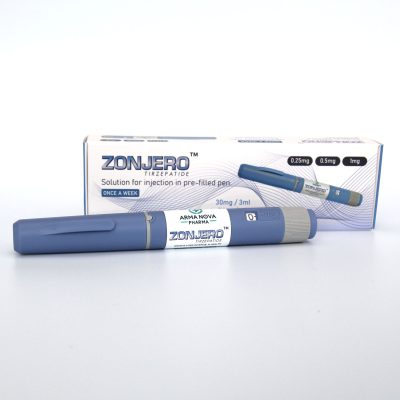
Tirzepatide 30mg UK: The Dual GIP/GLP-1 Receptor Agonist for Advanced Metabolic Research Tirzepatide represents the first dual glucose-dependent insulinotropic polypeptide (GIP) and glucagon-like peptide-1 (GLP-1)... Continue reading
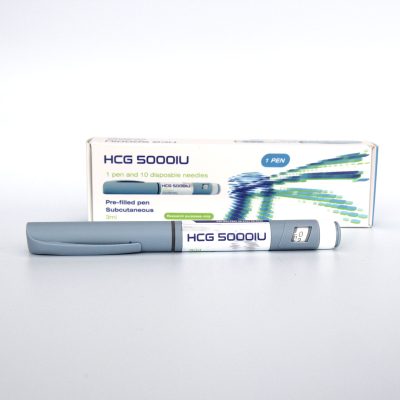
HCG 5000IU UK: Research-Grade Sourcing and Clinical Context Guide 2026 Human chorionic gonadotropin at the 5000 international unit dosage represents one of the most frequently... Continue reading
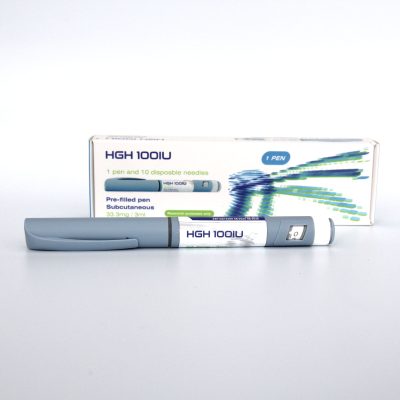
HGH 100 IU UK: Verified Research-Grade Sourcing, Purity Standards, and Regulatory Context for 2026 Securing genuine, laboratory-verified hgh 100 iu uk formulations presents distinct challenges... Continue reading
Add comment