
No products in the cart.
Lean Muscle Peptides: UK Research Evidence & Mechanism Guide
Lean Muscle Peptides: Mechanisms, Clinical Evidence, and UK Research Standards
The search for compounds that selectively promote lean tissue accrual without corresponding fat gain has driven peptide research for over three decades. Lean muscle peptides—a class of short-chain amino acid sequences that interact with specific cellular receptors to influence protein synthesis, lipolysis, and nutrient partitioning—represent one of the most investigated areas in metabolic and muscle physiology research. Unlike broad-spectrum anabolic agents, these peptides often demonstrate tissue-selective activity, making them valuable tools for studying the molecular pathways that govern body composition.

For UK-based researchers examining muscle protein kinetics, substrate utilisation, or recovery mechanisms, access to research-grade peptides verified by third-party HPLC becomes foundational. This article examines the receptor-level mechanisms underlying peptide-induced lean mass changes, reviews the clinical evidence from published trials, and provides UK-specific guidance on sourcing standards, regulatory context, and verification criteria that distinguish genuine research suppliers from vendors selling untested materials.
lean muscle peptides: The Biochemical Definition: What Qualifies as a Lean Muscle Peptide
The term “lean muscle peptide” lacks a formal classification in pharmacological literature but has emerged as shorthand for peptides that demonstrate three characteristics in experimental models: stimulation of skeletal muscle protein synthesis, preservation or enhancement of nitrogen retention, and minimal adipogenic activity. These peptides typically operate through one of four pathways: growth hormone secretagogue receptor (GHSR) agonism, insulin-like growth factor receptor binding, myostatin inhibition, or direct mTOR pathway modulation.
Growth hormone secretagogues such as ipamorelin and hexarelin bind to the GHSR-1a receptor, predominantly expressed in the pituitary and hypothalamus, triggering pulsatile GH release. The downstream cascade—GH binding to hepatic GH receptors stimulating IGF-1 synthesis—is well characterised. IGF-1 then activates the PI3K/Akt/mTOR pathway in skeletal muscle, upregulating ribosomal protein S6 kinase and promoting mRNA translation. Critically, this mechanism does not directly deposit muscle tissue; rather, it creates a permissive anabolic environment in which adequate protein intake and mechanical load can drive hypertrophy.
Follistatin-based constructs and myostatin inhibitors represent a mechanistically distinct category. Myostatin (GDF-8) is a TGF-β superfamily member that negatively regulates muscle mass by suppressing Akt phosphorylation and activating SMAD2/3 transcription factors that limit myoblast proliferation. Antagonising this pathway removes a brake on muscle accrual, enabling greater response to training stimulus. Animal knockout models demonstrate dramatic hypermuscularity, though human trials remain limited by delivery challenges and off-target effects.
A third class comprises direct IGF-1 variants and mechano-growth factor isoforms. These peptides bypass the GH axis entirely, binding directly to the IGF-1 receptor (IGF1R) on muscle cells. The splice variant MGF appears transiently in muscle following eccentric damage and has been hypothesised to preferentially activate satellite cell proliferation versus differentiation, though human data remain sparse.
Understanding these mechanistic distinctions matters for research design. A GHSR agonist requires intact pituitary function and liver IGF-1 synthesis; a direct IGF-1 analogue does not. Myostatin inhibition may produce different temporal kinetics than mTOR activation. Conflating these pathways under a single “muscle-building peptide” umbrella obscures the specific biology under investigation.
Clinical Evidence: What Published Trials Actually Show
The transition from receptor pharmacology to measurable body composition changes in humans introduces variables—training status, protein intake, sleep, genetic polymorphisms in GH/IGF-1 pathways—that explain why in vitro receptor binding affinity correlates imperfectly with real-world lean mass accrual. Examining specific trials reveals both the promise and the limitations of current evidence.
A 2013 systematic review by Kaspar and colleagues highlighted that peptide therapeutics face challenges in oral bioavailability, serum half-life, and immunogenicity, factors that have historically limited translation from preclinical models to approved therapies. The authors noted that fewer than 1% of peptides demonstrating receptor activity in cell culture progress to Phase III trials, underscoring the gap between mechanism and clinical utility.
Growth hormone secretagogues have the most robust human data. A 1997 study by Chapman et al. (PMID: 9349479) examined ipamorelin in healthy adults and documented dose-dependent GH release without corresponding prolactin or cortisol elevation—a pharmacodynamic profile suggesting selectivity for GHSR-1a over other ghrelin receptor subtypes. However, GH elevation alone does not equal muscle gain; subsequent body composition studies have shown modest lean mass increases (typically 1-2 kg over 8-12 weeks) only when combined with resistance training and adequate protein intake above 1.6 g/kg/day.
CJC-1295, a GHRH analogue with an extended half-life conferred by Drug Affinity Complex technology, demonstrated sustained IGF-1 elevation in a 2005 trial by Teichman et al. (PMID: 16352683). Subjects showed IGF-1 increases of 1.5-3x baseline lasting up to 6 days post-injection. The corresponding lean mass changes, measured by DEXA, averaged 1.4 kg over 12 weeks in the treatment group versus 0.3 kg in placebo—a statistically significant but clinically modest difference that did not translate to proportional strength gains, suggesting the added tissue may have included water and glycogen alongside contractile protein.
Myostatin inhibition trials in humans have proven more challenging. A 2015 study of bimagrumab, a monoclonal antibody targeting the activin type II receptor (which binds myostatin), showed lean mass gains of approximately 3.5% over 24 weeks in older adults (PMID: 26068036). Yet functional measures—gait speed, chair rise time—did not improve proportionally, raising questions about the quality or distribution of added tissue. Muscle biopsies suggested increased fibre diameter but also interstitial collagen deposition, a pattern distinct from training-induced hypertrophy.
The broader peptide therapeutics landscape, reviewed comprehensively by Lau and Dunn in 2018, emphasises that successful clinical translation requires not only target engagement but also favourable absorption, distribution, metabolism, and excretion (ADME) profiles. Many lean muscle peptides under investigation demonstrate excellent receptor affinity but poor subcutaneous bioavailability or rapid enzymatic degradation, necessitating frequent dosing or chemical modifications that may alter activity.
For those exploring Best Peptides For Muscle Growth Lean Muscle, the clinical record suggests that no single peptide produces muscle accrual approaching that of resistance training combined with adequate nutrition. Rather, peptides may modestly amplify training adaptations or preserve lean mass during caloric restriction—a nuance often lost in commercial marketing but critical for designing realistic research protocols.
Receptor Mechanisms and Tissue Selectivity
The concept of tissue selectivity—preferential anabolic activity in muscle versus adipose or other tissues—underpins the interest in lean muscle peptides as research tools. This selectivity arises from differential receptor expression, downstream signalling pathway availability, and local enzymatic environments that modify peptide stability or activity.
GHSR-1a expression is highest in the pituitary but also present in skeletal muscle, cardiac tissue, and adipocytes. GH secretagogue administration therefore produces systemic GH elevation affecting all GH-responsive tissues. The lean-promoting effect depends on skeletal muscle expressing higher IGF-1 receptor density than adipose tissue, and on nutritional context: in caloric surplus, GH can promote both lean and fat gain; in deficit or maintenance with adequate protein, it may preferentially spare muscle while permitting lipolysis.
Direct IGF-1 receptor agonists like IGF-1 LR3, an analogue with reduced affinity for IGF-binding proteins, achieve higher free IGF-1 concentrations at target tissues. Skeletal muscle expresses abundant IGF1R on both mature fibres and satellite cells, whereas adipocytes express lower receptor density. This differential expression creates a degree of muscle selectivity, though IGF-1 signalling also influences glucose uptake in adipose tissue and can, paradoxically, promote lipogenesis under hyperinsulinemic conditions.
Myostatin’s receptor, ActRIIB, is expressed primarily in muscle, conferring inherent tissue selectivity. However, ActRIIB also binds other TGF-β ligands including activin A and GDF-11, which regulate erythropoiesis and neurogenesis. Non-selective ActRIIB antagonism has produced off-target effects in trials, including epistaxis and altered menstrual cycles in female subjects (PMID: 23093619), illustrating that even muscle-restricted receptor expression does not guarantee absence of systemic effects due to ligand promiscuity.
Peptides targeting the mTOR pathway—such as certain phosphatidic acid analogues or leucine-derived signalling peptides—exploit the fact that muscle cells, particularly during recovery from mechanical load, exhibit heightened sensitivity to mTOR activation. Hepatocytes and adipocytes also express mTOR, but the threshold for activation and the magnitude of protein synthetic response differ, creating a window where muscle protein synthesis can be preferentially stimulated if timing and dose are optimised around training.
This mechanistic complexity explains why blanket statements like “peptide X builds muscle” are reductive. The effect magnitude depends on receptor density, competing ligands, nutritional state, training stimulus, and individual genetic variation in receptor polymorphisms. Research protocols must control these variables to isolate peptide effects from confounders.
HPLC Purity Standards and Why They Matter for Research Validity
Peptide purity directly impacts experimental reproducibility. A sample labelled “95% pure” contains 5% impurities that may include truncated sequences (des-amino variants), oxidised residues, or synthesis byproducts with unknown biological activity. In receptor binding assays, these impurities can act as partial agonists, antagonists, or competitive inhibitors, confounding dose-response curves.
High-performance liquid chromatography (HPLC) with UV detection at 214-220 nm is the reference standard for peptide purity quantification. The method separates compounds by hydrophobicity, generating a chromatogram where peak area correlates to relative abundance. A peptide with ≥99% HPLC purity shows a single dominant peak accounting for at least 99% of total UV-absorbing material. Reputable suppliers provide HPLC chromatograms as part of the Certificate of Analysis (COA) for each batch.
Mass spectrometry (MS) complements HPLC by confirming molecular weight. A peptide may appear pure by HPLC but contain a regioisomer—an amino acid sequence with the same mass but different order—that HPLC cannot resolve. Tandem MS/MS fragmentation patterns verify sequence fidelity, ensuring the synthesised peptide matches the intended structure.
For UK researchers, verifying that Lean Muscle Peptides are backed by third-party HPLC and MS data is non-negotiable. Suppliers offering peptides without published COAs, or with generic “≥98% purity” claims lacking chromatogram evidence, introduce uncontrolled variables that undermine study validity. The marginal cost savings are offset many times over by the risk of non-reproducible results and wasted experimental resources.
Lyophilised peptide storage also affects long-term purity. Oxidation-prone residues like methionine and cysteine degrade over time, especially if stored at room temperature or in humid environments. Proper storage at -20°C in desiccated conditions, with minimal freeze-thaw cycles, preserves purity. COAs should include a manufacturing date and recommended storage conditions; peptides older than 12-24 months warrant re-testing before use in critical experiments.
UK Regulatory Context: Research Use and Legal Classification
In the United Kingdom, peptides intended for human administration are regulated as medicinal products under the Human Medicines Regulations 2012. Peptides marketed for human use require a Marketing Authorisation from the Medicines and Healthcare products Regulatory Agency (MHRA), a process that demands extensive preclinical and clinical trial data. Currently, no lean muscle peptides of the secretagogue or myostatin-inhibitor class hold such authorisation for body composition enhancement.
Peptides sold explicitly “for research purposes only” occupy a distinct category. They are not subject to the same regulatory pathway provided they are not marketed with claims of fitness for human consumption, sold with dosing instructions for humans, or accompanied by materials suggesting personal use. UK suppliers must ensure product labelling, website copy, and customer communications unambiguously frame peptides as research reagents.
The MHRA has issued guidance clarifying that substances marketed with implied human use—even if labelled “not for human consumption”—can be classified as unlicensed medicines if the totality of marketing suggests human administration. This includes dosing advice, combination protocols, or testimonials describing personal effects. Researchers purchasing peptides should verify that the supplier’s website avoids such framing to ensure the product is genuinely sold as a research chemical, not an unlicensed medicine.
Import controls also apply. The UK’s departure from the EU introduced customs declarations for peptides shipped from non-UK suppliers. Peptides entering the UK may be inspected by Border Force; packages containing substances in ambiguous regulatory status without clear research documentation risk seizure. Sourcing from UK-based suppliers with domestic stock eliminates this variable and ensures next-day delivery without customs delays.
For context on broader UK peptide sourcing standards, the Best Peptide Supplier Uk Verification Guide 2026 outlines red flags and due diligence steps applicable across therapeutic peptide classes.
Comparing Peptide Classes: Secretagogues vs. Direct IGF-1 vs. Myostatin Inhibitors
Researchers designing body composition studies must select peptides aligned with the specific hypothesis. The table below summarises key pharmacological and practical distinctions among major lean muscle peptide categories:
| Class | Primary Mechanism | Onset Latency | Human Trial Evidence | Key Limitations |
|---|---|---|---|---|
| GHSR Agonists (Ipamorelin, GHRP-6) | Stimulate pituitary GH release → hepatic IGF-1 synthesis → muscle mTOR activation | Hours (GH peak) to days (IGF-1 rise) | Modest lean mass gains (1-2 kg over 8-12 weeks) in trained subjects with adequate protein | Requires intact pituitary-liver axis; GH effects are systemic, not muscle-selective |
| Direct IGF-1 Analogues (IGF-1 LR3) | Bind muscle IGF1R directly, bypass GH pathway | Minutes to hours (receptor activation) | Limited controlled trials in healthy adults; some data in GH-deficient populations | Hypoglycaemia risk; receptor downregulation with chronic use; unclear long-term safety |
| Myostatin Inhibitors (Follistatin, ActRIIB antagonists) | Block ActRIIB signalling, remove brake on muscle growth | Weeks (requires gene/protein expression changes) | 3-4% lean mass gains in older adults; functional improvements inconsistent | Off-target effects on activin signalling; added tissue may include non-contractile elements |
| BPC-157 / TB-500 (Regenerative Peptides) | Proposed anti-inflammatory and angiogenic effects; mechanisms poorly defined | Variable; claimed effects on recovery within days | Minimal peer-reviewed human trials; most evidence from rodent injury models | Mechanism ambiguity; lack of pharmacokinetic data; inconsistent sourcing purity |
GHSR agonists offer the most predictable pharmacology and the largest body of human trial data, making them the pragmatic starting point for initial body composition research. Direct IGF-1 analogues provide mechanistic insights into IGF-1 receptor signalling but introduce safety variables—particularly hypoglycaemia—that require close monitoring. Myostatin inhibitors represent a conceptually distinct pathway but remain encumbered by delivery challenges and off-target ligand interactions.
Researchers exploring combinations—for example, pairing a secretagogue with a myostatin inhibitor—should recognise that additive or synergistic effects are theoretical; published trials examining such combinations in humans are absent. Layering peptides multiplies the variables that must be controlled and increases the risk of unanticipated interactions.
UK Sourcing Standards: HPLC Verification, COAs, and Next-Day Delivery
The proliferation of online peptide vendors has created a verification challenge for UK researchers. A supplier’s website aesthetics or marketing sophistication bear no correlation to analytical rigour. The following criteria distinguish research-grade suppliers from those reselling unverified materials:
- Batch-Specific COAs: Every peptide batch should have a unique COA listing HPLC purity percentage, mass spectrometry confirmation of molecular weight, and endotoxin testing results. Generic COAs applied to multiple batches are insufficient.
- Third-Party Testing: COAs issued by the synthesis lab are a minimum standard; independent third-party verification by a UK or EU analytical lab adds credibility and mitigates conflicts of interest.
- Published Chromatograms: The COA should include the actual HPLC chromatogram image, not just a summary number. Researchers can assess peak shape, retention time, and absence of significant impurity peaks.
- UK-Based Stock and Next-Day Delivery: Suppliers holding inventory within the UK eliminate customs risk and enable rapid restocking if experimental timelines are tight. Claims of “next-day delivery” from non-UK vendors often prove unreliable due to Border Force inspections.
- Transparent Synthesis Method: Solid-phase peptide synthesis (SPPS) is standard; liquid-phase or recombinant methods may be appropriate for certain peptides but should be disclosed. Synthesis location (China, USA, EU) affects cost and perceived supply chain reliability.
- No Dosing or Human-Use Language: Legitimate research suppliers avoid any suggestion of human administration. Product pages should describe applications in cell culture or animal models, not personal fitness or performance.
Arma Peptides maintains ≥99% HPLC-verified purity across its catalogue, with batch-specific COAs published per product. temperature-controlled warehousing enables next-day delivery to most of England, Scotland, and Wales, and all orders are dispatched with documentation confirming research-use status to satisfy any customs or regulatory queries.
For researchers comparing multiple suppliers, the Peptides For Muscle Growth Uk Evidence Based Research Guide provides a decision framework balancing purity verification, cost, and delivery logistics specific to UK research contexts.
Study Design Considerations: Isolating Peptide Effects from Training and Nutrition
Attributing lean mass changes to peptide intervention requires controlling confounders that exert effects of similar or greater magnitude. Resistance training alone, performed with progressive overload and adequate recovery, produces 1-3 kg of lean mass gain over 8-12 weeks in novice lifters. Protein intake above the 1.6 g/kg/day threshold further augments gains. A study administering a peptide to training subjects without a matched control group cannot differentiate peptide effects from training adaptations.
Randomised, placebo-controlled designs are the minimum standard. Subjects should be stratified by training status—novice, intermediate, advanced—since response magnitude differs. Dietary protein intake should be standardised or at least monitored via food diaries; failure to control protein intake introduces a confounder that can easily exceed any peptide effect size.
Body composition measurement method matters. Bioelectrical impedance scales are convenient but exhibit poor precision (±2-3 kg error); observed “changes” may be measurement noise. Dual-energy X-ray absorptiometry (DEXA) offers precision to approximately ±0.3 kg for lean mass and is the preferred method for trials expecting modest effect sizes. Air displacement plethysmography (BodPod) provides an alternative with similar precision, though it measures fat mass and calculates lean mass by subtraction, propagating error.
Temporal kinetics also warrant consideration. GH secretagogues elevate IGF-1 within days, but measurable lean mass accrual requires weeks. Myostatin inhibition involves transcriptional changes that manifest more slowly. Measuring body composition too early risks false-negative results; extending trials beyond 12 weeks risks subject attrition and non-compliance.
For mechanistic studies examining acute signalling responses—phosphorylated mTOR, phospho-S6 kinase, SMAD activation—muscle biopsy timing relative to peptide administration is critical. mTOR phosphorylation peaks 1-2 hours post-stimulus in human muscle; biopsies collected at 6-12 hours may miss the peak and underestimate the effect. Blood sampling for GH and IGF-1 should account for pulsatile secretion and circadian variation; single time-point measurements are less informative than area-under-curve analysis from serial samples.
Common Misconceptions and What the Evidence Does Not Show
The gap between online claims and published evidence for lean muscle peptides is substantial. Several misconceptions persist in both commercial marketing and informal research communities:
Misconception 1: “Peptides build muscle without training.” No published trial demonstrates clinically significant lean mass accrual from peptides in sedentary individuals consuming maintenance calories and habitual protein intake. GH elevation in the absence of mechanical load and amino acid availability does not produce hypertrophy; it may enhance lipolysis, but lean tissue gains require the stimulus and substrate that training and nutrition provide.
Misconception 2: “Higher purity always means better results.” While purity affects reproducibility, the difference between 98% and 99.5% purity is unlikely to alter lean mass outcomes in most study designs. The critical threshold is ensuring absence of structurally similar impurities that could antagonise the target receptor. A 97% pure peptide free of such impurities may perform equivalently to a 99.5% sample in body composition trials, though the former introduces more batch-to-batch variability.
Misconception 3: “Combining multiple peptides multiplies effects.” Additive effects are not guaranteed and may be antagonistic if peptides engage overlapping pathways. For example, chronic GH elevation from a secretagogue can downregulate muscle IGF-1 receptor expression, potentially blunting the effect of a subsequently administered direct IGF-1 agonist. The assumption of synergy requires empirical validation, not theoretical extrapolation.
Misconception 4: “Peptides are safer than traditional anabolics because they’re natural.” Peptides are amino acid chains, but “natural” does not equate to safe. Insulin is a peptide; inappropriate dosing causes lethal hypoglycaemia. IGF-1 analogues can induce hypoglycaemia, and chronic supraphysiological GH exposure is associated with insulin resistance, carpal tunnel syndrome, and organ enlargement. The safety profile of any peptide depends on dose, duration, and individual health status, not its biochemical class.
For researchers seeking evidence-based context across the peptide landscape, the Blog section includes detailed protocol discussions and trial result summaries updated as new data emerge.
Emerging Peptides and Future Research Directions
The peptide therapeutics pipeline continues to evolve, driven by advances in synthesis, delivery, and targeting technologies. Several emerging lean muscle peptides warrant attention for their novel mechanisms or improved pharmacokinetic profiles.
Selective androgen receptor modulators (SARMs) occupy a grey zone—they are not peptides but small molecules, yet they appear in adjacent research contexts due to their tissue-selective anabolic activity. Unlike peptides, SARMs can be orally bioavailable, but they also carry androgenic side effects at higher doses and lack long-term safety data. Regulatory classification varies; the UK classes some SARMs as controlled substances, complicating their research use.
Angiotensin-converting enzyme (ACE) inhibitor peptides derived from food proteins have shown modest anti-catabolic effects in rodent models, possibly via reduced muscle protein degradation. Human trials are limited, but the mechanism—modulating local renin-angiotensin system activity in muscle—represents an orthogonal approach to traditional anabolic pathways.
Cell-penetrating peptides (CPPs) conjugated to anabolic cargo offer a strategy to improve delivery. Traditional peptides rely on receptor-mediated endocytosis; CPPs enable direct cytoplasmic entry, potentially increasing intracellular concentrations of signalling peptides or transcription factors. However, off-target tissue penetration raises safety concerns, and human trials are in early phases.
Gene therapy vectors delivering follistatin or IGF-1 expression constructs have produced dramatic muscle hypertrophy in animal models, but translating these to humans confronts ethical, regulatory, and technical barriers. Even in research contexts, gene-editing interventions require institutional ethics approval and oversight far exceeding that for peptide administration.
The broader trajectory, as outlined by Lau and Dunn (2018), emphasises optimising existing peptide scaffolds through chemical modifications—PEGylation, cyclisation, D-amino acid substitution—to improve half-life and reduce immunogenicity rather than discovering entirely novel sequences. This incremental refinement has yielded approved peptide drugs in oncology and metabolic disease; similar strategies may eventually produce muscle-selective peptides with favourable therapeutic indices.
Researchers interested in adjacent peptide classes, such as metabolic regulators, can explore the Tirzepatide Uk Buy Research Grade Sourcing Guide 2025 for context on GLP-1/GIP receptor agonists that influence body composition indirectly via appetite and energy expenditure modulation.
Practical Reconstitution, Storage, and Handling Protocols
Lyophilised peptides require reconstitution in bacteriostatic water or sterile saline prior to use. The choice of diluent affects stability: bacteriostatic water (0.9% benzyl alcohol) inhibits microbial growth and extends refrigerated storage to 14-28 days post-reconstitution, whereas sterile saline lacks preservative and should be used within 72 hours unless filtered and stored under strict aseptic conditions.
Reconstitution technique influences peptide integrity. Injecting diluent directly onto the lyophilised pellet can cause foaming and shear stress, potentially denaturing peptides with disulfide bonds. Best practice involves injecting diluent slowly down the vial wall, allowing the powder to dissolve passively without agitation. Gentle swirling—not shaking—completes dissolution.
Reconstituted peptides should be stored at 2-8°C (refrigerator temperature) and protected from light. Freeze-thaw cycles degrade peptides; aliquoting into single-use vials immediately after reconstitution avoids repeated freeze-thaw and preserves purity. For peptides prone to aggregation (such as longer sequences >30 amino acids), adding 0.1% bovine serum albumin as a carrier protein can reduce surface adsorption to vial walls.
pH also matters. Some peptides are acid-labile; reconstituting in neutral pH saline preserves them better than acidic diluents. Conversely, basic peptides may precipitate in alkaline conditions. Supplier guidelines should specify optimal pH range; absence of such guidance suggests insufficient characterisation.
Disposal of unused peptide solutions should follow institutional biosafety and chemical waste protocols. While peptides themselves are biodegradable, bacteriostatic water contains benzyl alcohol, which requires chemical waste disposal rather than drain disposal in most UK institutions.
UK Delivery Logistics and Cost Considerations
Peptide costs vary by sequence length, synthesis difficulty, and supplier margins. A 5 mg vial of a simple pentapeptide secretagogue may cost £40-70 from UK suppliers, whereas longer or cyclised peptides approach £150-250 for equivalent mass. Researchers should compare pricing on a per-milligram basis, accounting for purity; a £50 vial at 95% purity delivers less usable peptide than a £60 vial at 99% purity.
Shipping within the UK typically costs £5-10 for standard tracked delivery, with next-day options adding £10-20. Suppliers absorbing shipping costs into product price may appear cheaper at checkout but can be more expensive overall. Cold-chain shipping—using insulated packaging and ice packs—is unnecessary for lyophilised peptides stored at room temperature during transit, though some suppliers offer it as a value-added service during summer months.
Bulk purchasing reduces per-unit cost but introduces waste risk if peptides degrade before use. A 50 mg bulk vial is cost-effective only if the research timeline ensures consumption within the peptide’s shelf life post-reconstitution. For exploratory studies with uncertain timelines, purchasing smaller vials reduces waste.
Import duties apply to peptides shipped from non-UK origins. Parcels valued above £135 incur 20% VAT, plus potential customs handling fees of £8-12. A £100 peptide order from an EU or non-EU supplier can reach £135-145 total cost after these fees, negating any apparent price advantage over UK domestic suppliers. Post-Brexit, the £135 threshold applies to EU parcels, whereas previously they were VAT-exempt up to higher thresholds.
Integrating Peptide Research with Training and Nutrition Variables
Peptides do not operate in isolation; their effects are modulated by—and can modulate—training stimulus and nutritional status. Understanding these interactions is essential for interpreting study outcomes and designing protocols that isolate variables of interest.
Resistance training activates mTOR signalling via mechanical load-sensing pathways independent of GH or IGF-1. A peptide that also activates mTOR (e.g., a direct IGF-1 agonist) may amplify this signal, but only if the training stimulus itself is sufficient to upregulate ribosomal capacity. In untrained muscle with limited ribosomal density, the rate-limiting step is ribosome biogenesis, not mTOR activation; peptides addressing the latter won’t overcome the former bottleneck.
Protein intake timing relative to peptide administration is debated. The “anabolic window” hypothesis—that protein must be consumed within 1-2 hours post-training to maximise synthesis—has been largely refuted; total daily protein intake exceeds timing in importance. However, for peptides that transiently elevate amino acid uptake (such as insulin or insulin-mimetics), co-administering amino acids during the peptide’s peak activity window may enhance the observed effect.
Caloric deficit introduces complexity. GH secretagogues may preserve lean mass during weight loss by maintaining protein synthesis rates despite negative energy balance, but this effect competes with the body’s adaptive reduction in anabolic hormone levels. Studies examining peptide effects during fat loss must control for rate of weight loss, protein intake (typically >2.0 g/kg during deficit), and training volume, all of which independently influence lean mass retention.
Carbohydrate availability affects IGF-1 signalling. Chronic low-carbohydrate diets reduce hepatic IGF-1 synthesis even when GH is elevated, a state termed “GH resistance.” Peptide studies in ketogenic or very-low-carb contexts may show attenuated lean mass effects due to this nutritional override of the GH-IGF-1 axis.
Long-Term Research and the Question of Receptor Desensitisation
Chronic administration of receptor agonists often induces compensatory downregulation—the target cell reduces receptor expression or sensitises inhibitory feedback pathways, blunting the response over time. This phenomenon is well-documented for beta-adrenergic agonists and has been observed with some peptide therapeutics.
GH secretagogues can suppress endogenous GHRH release via negative feedback at the hypothalamus. Continuous GHSR stimulation may reduce pituitary responsiveness, necessitating dose escalation to maintain GH output—a pattern suggesting tachyphylaxis. Pulsatile dosing protocols, which mimic physiological GH secretion patterns, may mitigate this, though human data comparing continuous versus pulsatile dosing over extended periods (>6 months) are scarce.
IGF-1 receptor downregulation has been observed in cell culture with chronic supraphysiological IGF-1 exposure. Whether this occurs in human muscle during weeks-long peptide administration is unclear; muscle biopsies measuring IGF1R mRNA and protein expression before and after extended dosing would answer this but are invasive and rarely performed outside clinical trials.
Cycling protocols—periods of peptide administration alternating with washout phases—are often suggested to prevent desensitisation, but empirical evidence supporting optimal cycle length is absent. Anecdotal protocols (e.g., 8 weeks on, 4 weeks off) lack pharmacological rationale; washout duration should ideally be informed by receptor re-sensitisation kinetics, which vary by receptor class and are poorly characterised for most lean muscle peptides.
Conclusion: Evidence-Based Expectations and Research Integrity
The scientific investigation of lean muscle peptides demands rigorous methodology, verified reagents, and realistic expectations anchored in published evidence. Peptides are not pharmaceuticals optimised through Phase III trials; they are research tools whose effects in humans remain incompletely mapped. The modest lean mass gains observed in controlled trials—typically 1-3 kg over 8-12 weeks, contingent on training and nutrition—underscore that peptides augment, rather than replace, the foundational variables of mechanical load and protein availability.
For UK-based researchers, sourcing peptides verified by batch-specific HPLC and MS analysis from suppliers maintaining domestic stock and transparent COA publication practices is foundational to study validity. The marginal cost of research-grade materials is negligible compared to the resources invested in study design, data collection, and analysis; compromising on peptide purity introduces an uncontrolled variable that can invalidate months of work.
The receptor mechanisms underlying peptide effects—GHSR agonism, IGF-1 receptor binding, myostatin inhibition—are well-characterised at the molecular level but translate imperfectly to whole-organism body composition outcomes. Individual variation in receptor polymorphisms, baseline hormone status, training history, and nutritional context creates heterogeneity that reduces effect size and demands larger sample sizes than preliminary power calculations often assume.
As peptide therapeutics continue advancing, driven by improved synthesis techniques and delivery technologies reviewed by Kaspar et al. (2013) and Lau and Dunn (2018), the gap between preclinical promise and clinical application may narrow. For now, lean muscle peptides remain powerful tools for probing the biology of muscle growth, provided they are sourced responsibly, applied within well-controlled experimental frameworks, and interpreted with intellectual honesty about what the data do—and do not—demonstrate.
Researchers seeking ≥99% HPLC-verified peptides with published COAs, ready-to-ship stock, and next-day delivery can explore the Lean Muscle Peptides catalogue at Arma Peptides, where every batch is third-party tested and labelled exclusively for research use in accordance with UK regulatory standards.
Disclaimer: All peptides discussed are supplied for in vitro research purposes only under UK law. No peptides are intended for human consumption or administration. Researchers are responsible for ensuring compliance with institutional ethics guidelines and applicable regulations.

Related posts
Tesamorelin 10mg UK: Research-Grade Growth Hormone-Releasing Hormone Analogue for 2026 UK-based researchers investigating growth hormone-releasing hormone (GHRH) analogues frequently encounter a critical sourcing challenge:… Continue reading
Ipamorelin UK: The Selective Growth Hormone Secretagogue for Researchers in 2026 Among the growth hormone-releasing peptides available to UK researchers, ipamorelin stands apart for a... Continue reading

Tirzepatide 30mg UK: The Dual GIP/GLP-1 Receptor Agonist for Advanced Metabolic Research Tirzepatide represents the first dual glucose-dependent insulinotropic polypeptide (GIP) and glucagon-like peptide-1 (GLP-1)... Continue reading
HCG 5000IU UK: Research-Grade Sourcing and Clinical Context Guide 2026 Human chorionic gonadotropin at the 5000 international unit dosage represents one of the most frequently... Continue reading
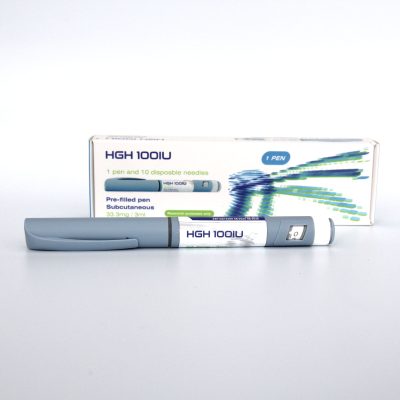
HGH 100 IU UK: Verified Research-Grade Sourcing, Purity Standards, and Regulatory Context for 2026 Securing genuine, laboratory-verified hgh 100 iu uk formulations presents distinct challenges... Continue reading
Add comment