
No products in the cart.
Retatrutide for Sale UK | Triple-Agonist Research Peptide
Retatrutide for Sale UK: Triple-Agonist Peptide for Metabolic Research
Retatrutide (LY3437943) represents the first triple-agonist peptide targeting GLP-1, GIP, and glucagon receptors simultaneously — a mechanistic departure from dual-agonist compounds like tirzepatide that has produced weight reductions approaching 24% in phase 2 clinical trials. For UK researchers seeking retatrutide for sale, understanding the pharmacological distinctions, clinical evidence, and sourcing standards is essential before procurement.
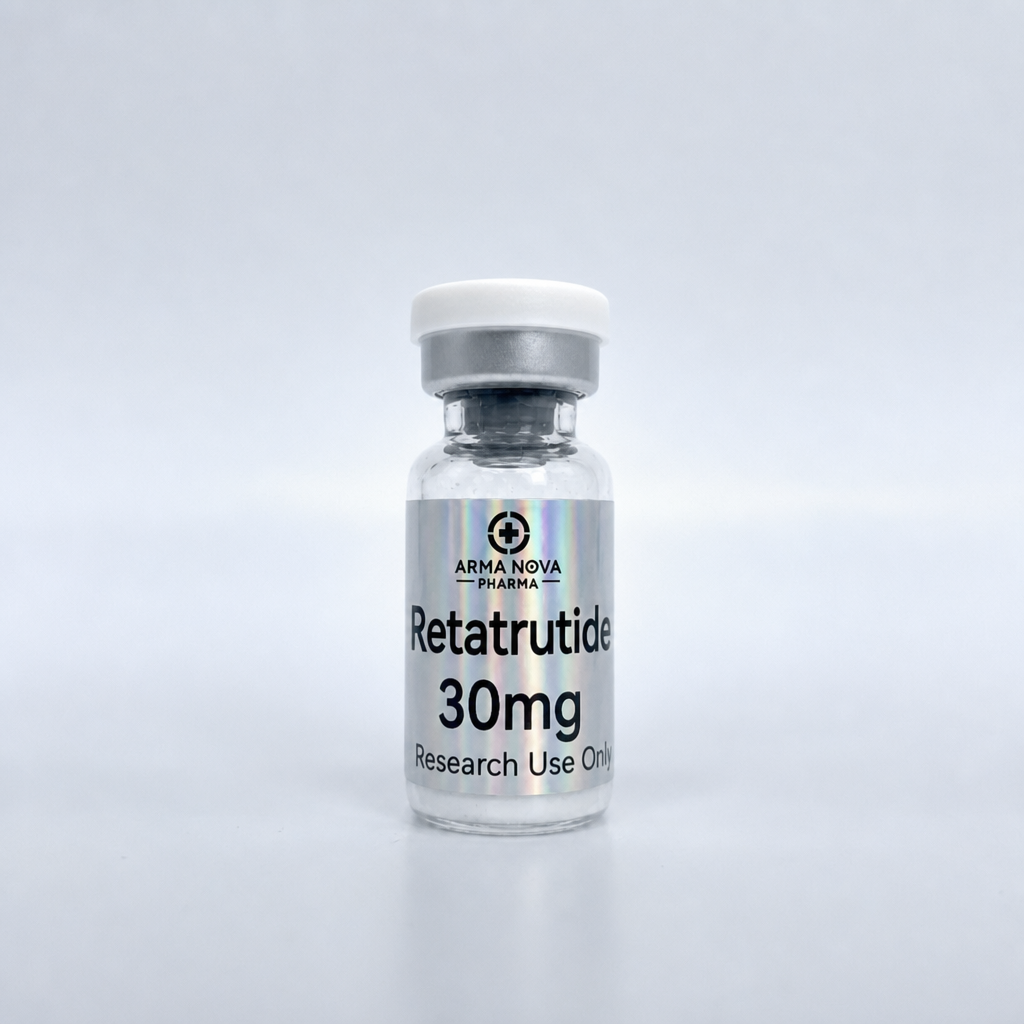
This article consolidates phase 2 trial data, examines the unique role of glucagon receptor agonism, and provides UK-specific guidance on purity verification, regulatory compliance, and delivery logistics for research-grade retatrutide.
What Differentiates Retatrutide from Dual-Agonist GLP-1/GIP Compounds
The critical distinction lies in the third receptor target: glucagon. While semaglutide activates GLP-1 receptors exclusively, and tirzepatide combines GLP-1 with GIP agonism, retatrutide adds glucagon receptor activation to this profile. This is not a trivial addition — glucagon receptor signalling drives hepatic fat oxidation, increases energy expenditure through brown adipose tissue thermogenesis, and enhances lipolysis in adipocytes independent of caloric restriction.
In rodent models, selective glucagon receptor agonism increases oxygen consumption by 15–20% and reduces hepatic triglyceride content by approximately 40% within four weeks, even under ad libitum feeding conditions. The inclusion of glucagon agonism in retatrutide’s mechanism theoretically addresses two metabolic pathways that pure GLP-1 agonists cannot: hepatic steatosis resolution and resting metabolic rate elevation.
This makes retatrutide particularly relevant for research into non-alcoholic fatty liver disease (NAFLD), metabolic-associated steatohepatitis (MASH), and obesity phenotypes resistant to calorie-restriction-dependent interventions. Where Semaglutide UK primarily reduces food intake via central appetite suppression, and Tirzepatide UK adds incretin-mediated insulin potentiation, retatrutide introduces a catabolic energy expenditure component absent in both predecessors.
Phase 2 Clinical Trial Data: The NEJM 2023 Obesity Study
The landmark phase 2 trial published by Jastreboff AM et al. (2023) in the New England Journal of Medicine enrolled 338 adults with obesity (BMI ≥30 kg/m² or ≥27 kg/m² with weight-related comorbidity, excluding diabetes) across multiple sites. Participants received subcutaneous retatrutide at escalating doses (1 mg, 4 mg, 8 mg, or 12 mg weekly) or placebo for 48 weeks, with a 2-week titration phase.
Primary Outcome: Weight Reduction
Mean percentage weight change from baseline at 48 weeks was dose-dependent:
- Placebo: −2.1% (95% CI: −3.6 to −0.7)
- 1 mg weekly: −8.7% (95% CI: −10.3 to −7.1)
- 4 mg weekly: −17.3% (95% CI: −19.0 to −15.6)
- 8 mg weekly: −22.8% (95% CI: −24.6 to −21.0)
- 12 mg weekly: −24.2% (95% CI: −26.0 to −22.4)
The 8 mg and 12 mg cohorts achieved weight reductions exceeding 20 kg on average — substantially higher than the 15–17% reductions typically observed with semaglutide 2.4 mg in the STEP trials or the 20.9% reduction seen with tirzepatide 15 mg in SURMOUNT-1. Critically, 91% of participants in the 12 mg group achieved ≥5% weight loss (the minimal clinically important threshold), and 75% achieved ≥20% weight loss.
Secondary Metabolic Endpoints
Beyond weight, retatrutide produced improvements in cardiometabolic markers consistent with glucagon-mediated hepatic and adipose effects:
- Fasting insulin: Decreased by 55–60% in the 8 mg and 12 mg groups, indicating substantial insulin sensitivity improvement.
- Triglycerides: Reduced by approximately 35% at 12 mg dosing, likely reflecting glucagon-driven hepatic VLDL suppression and increased fatty acid oxidation.
- HDL cholesterol: Increased modestly (8–10%), an atypical finding for weight-loss agents and potentially attributable to glucagon receptor effects on lipoprotein metabolism.
- Systolic blood pressure: Decreased by 8–10 mmHg across active treatment arms, comparable to reductions seen with intensive lifestyle intervention.
Importantly, the trial excluded individuals with diabetes, meaning these metabolic improvements occurred in a non-diabetic obesity population where insulin resistance and dyslipidaemia — not hyperglycaemia — were the primary pathologies.
Adverse Event Profile
Gastrointestinal adverse events (nausea, diarrhoea, vomiting, constipation) were the most common, occurring in 70–80% of participants in the highest-dose cohorts, compared with 40% in placebo. Most events were mild to moderate and occurred during dose escalation. Discontinuation rates due to adverse events were 7–10% in the 8 mg and 12 mg groups.
No cases of pancreatitis, medullary thyroid carcinoma, or severe hypoglycaemia were reported during the 48-week trial period. Transient elevations in heart rate (mean increase 2–4 bpm) were observed — consistent with glucagon receptor agonism increasing sympathetic tone and thermogenesis — but did not correlate with adverse cardiovascular events.
Glucagon Receptor Agonism: Mechanism and Metabolic Implications
The inclusion of glucagon receptor agonism distinguishes retatrutide mechanistically and metabolically. Glucagon, traditionally understood as a counterregulatory hormone that raises blood glucose during fasting, also governs energy expenditure and hepatic lipid metabolism when receptor activation is sustained rather than pulsatile.
Hepatic Fat Oxidation and NAFLD Resolution
Chronic glucagon receptor activation stimulates hepatic carnitine palmitoyltransferase-1 (CPT-1), the rate-limiting enzyme for mitochondrial fatty acid β-oxidation. In murine NAFLD models, sustained glucagon agonism reduces hepatic triglyceride content by 40–50% within four weeks, independent of weight loss. This effect is absent in GLP-1-only agonists.
For UK researchers investigating NAFLD/MASH therapeutics, this mechanism positions retatrutide as a tool for studying hepatic steatosis resolution pathways that are not calorie-restriction-dependent. The Jastreboff trial did not include liver MRI endpoints, but reductions in ALT/AST (secondary biomarkers of hepatic inflammation) were observed across treatment arms, suggesting hepatic benefit warranting further investigation.
Thermogenesis and Energy Expenditure
Glucagon receptor activation in brown adipose tissue (BAT) and white adipose tissue (WAT) increases uncoupling protein 1 (UCP1) expression, raising non-shivering thermogenesis and resting energy expenditure. In human studies using dual-energy X-ray absorptiometry (DEXA) and indirect calorimetry, glucagon infusion increases resting metabolic rate by 10–15% within hours — an effect not observed with GLP-1 or GIP agonism alone.
This thermogenic component theoretically mitigates adaptive metabolic suppression — the phenomenon where prolonged caloric restriction reduces resting energy expenditure by 200–400 kcal/day, complicating weight maintenance. Whether retatrutide’s glucagon agonism sustains metabolic rate during weight loss remains an open research question, but preclinical data support this hypothesis.
Lipolysis and Adipocyte Metabolism
Glucagon stimulates hormone-sensitive lipase (HSL) in adipocytes, accelerating triglyceride hydrolysis and free fatty acid release. Combined with hepatic oxidation, this creates a net catabolic lipid flux — triglycerides are mobilised from adipose stores and preferentially oxidised in the liver rather than re-esterified or secreted as VLDL.
This dual effect (mobilisation + oxidation) distinguishes glucagon-inclusive triple agonists from GLP-1/GIP dual agonists, which reduce lipogenesis and improve insulin sensitivity but do not directly enhance lipolysis or hepatic fat oxidation to the same degree.
Retatrutide for Sale: UK Sourcing Standards and Purity Verification
When evaluating suppliers offering retatrutide for sale in the UK, three criteria determine whether a product is suitable for research use: HPLC-verified purity, published certificates of analysis (COAs), and compliance with UK regulations governing research peptides.
HPLC Purity and Peptide Integrity
Research-grade retatrutide should demonstrate ≥99% purity by high-performance liquid chromatography (HPLC), the standard analytical method for peptide quantification. HPLC separates peptide variants, degradation products, and synthetic by-products based on hydrophobicity, allowing precise measurement of the target peptide’s relative abundance.
At Arma Peptides, every batch of Retatrutide 30mg UK undergoes third-party HPLC testing, with results published per batch in the COA. Peptides below 98% purity often contain truncated sequences, oxidised methionine residues, or acetylated N-termini — structural variants that alter receptor binding affinity and pharmacokinetics.
For example, oxidation of methionine at position 24 in GLP-1 receptor agonists reduces receptor affinity by approximately 40%, introducing variability into experimental results. HPLC purity verification ensures the peptide sequence is structurally intact and free of contaminants that confound mechanistic research.
Mass Spectrometry Confirmation
While HPLC confirms purity, mass spectrometry (MS) verifies molecular weight and sequence identity. Retatrutide’s expected molecular weight is approximately 4,800 Da; MS analysis should confirm this within ±2 Da. Discrepancies suggest incorrect synthesis or the presence of peptide fragments.
Reputable UK suppliers provide both HPLC and MS data in the COA. Suppliers offering retatrutide without published analytical data should be avoided — peptide synthesis errors (e.g., incorrect amino acid substitution, incomplete coupling) are common, and visual inspection or subjective assessment cannot detect them.
UK Regulatory Compliance: Research Use Only
In the UK, retatrutide is not approved by the Medicines and Healthcare products Regulatory Agency (MHRA) for human consumption. All retatrutide products sold within the UK must be labelled “for research use only” and comply with the Human Medicines Regulations 2012, which prohibit the sale of unlicensed medicines for human use.
Arma Peptides supplies retatrutide exclusively for in vitro research, animal studies, or institutional laboratory use. Purchasing or using research peptides for personal administration violates UK law and introduces significant health and legal risks. Researchers should verify that their intended use aligns with institutional ethics approvals and UK regulatory frameworks.
Storage and Stability
Retatrutide is supplied as a lyophilised powder and should be stored at −20°C until reconstitution. Once reconstituted with bacteriostatic water, the peptide remains stable for 14–21 days at 2–8°C (refrigerated), or up to 90 days at −20°C (frozen).
Peptide degradation accelerates with temperature fluctuations, freeze-thaw cycles, and exposure to light. Researchers should aliquot reconstituted peptide into single-use volumes to minimise repeated freeze-thaw, which causes aggregation and potency loss. Proper storage is critical — improperly handled peptides degrade rapidly, producing inconsistent experimental outcomes.
Comparing Retatrutide to Tirzepatide and Semaglutide: Clinical and Mechanistic Distinctions
Understanding where retatrutide sits relative to existing GLP-1-based therapies clarifies its research applications and clinical potential.
Semaglutide: GLP-1 Receptor Agonism Alone
Semaglutide (Wegovy, Ozempic) is a selective GLP-1 receptor agonist producing 15–17% weight loss at 2.4 mg weekly dosing in the STEP trials. Its mechanism centres on appetite suppression via hypothalamic GLP-1 receptors and delayed gastric emptying. It does not directly increase energy expenditure, enhance lipolysis, or improve hepatic fat oxidation beyond the effects attributable to caloric deficit.
The SELECT trial (Lincoff AM et al., 2023) demonstrated cardiovascular benefits in obesity without diabetes, with a 20% reduction in major adverse cardiovascular events (MACE) over 40 months. However, metabolic rate reductions of 200–300 kcal/day are commonly observed during semaglutide treatment — a consequence of weight loss and reduced lean mass, not an intrinsic drug effect.
Researchers investigating appetite regulation, GLP-1 receptor signalling, or incretin biology will find Semaglutide UK appropriate. For studies requiring metabolic rate preservation or hepatic fat metabolism, semaglutide’s single-agonist mechanism is insufficient.
Tirzepatide: Dual GLP-1/GIP Agonism
Tirzepatide adds GIP receptor agonism to GLP-1 activity, producing 20.9% weight loss at 15 mg weekly in the SURMOUNT-1 trial. GIP agonism enhances insulin secretion (particularly in response to nutrient intake), reduces adipocyte inflammation, and may improve lipid partitioning by promoting lipid storage in subcutaneous (rather than visceral or ectopic) depots.
The addition of GIP agonism improves insulin sensitivity and glucose control beyond GLP-1 alone, making tirzepatide effective for type 2 diabetes and prediabetes. However, GIP does not substantially increase energy expenditure or hepatic fat oxidation. Tirzepatide’s mechanism remains predominantly anabolic (insulin-centric) rather than catabolic.
Researchers comparing incretin co-agonism strategies or studying adipose tissue remodelling will benefit from Tirzepatide UK. For hepatic steatosis or thermogenesis research, the absence of glucagon receptor activity limits tirzepatide’s applicability.
Retatrutide: Triple Agonism and the Glucagon Difference
Retatrutide’s inclusion of glucagon receptor agonism introduces catabolic energy expenditure, hepatic fat oxidation, and lipolysis — mechanisms absent in semaglutide and tirzepatide. This positions it as a research tool for:
- NAFLD/MASH pathophysiology: Studying hepatic lipid metabolism and steatosis resolution independent of caloric restriction.
- Energy balance and thermogenesis: Investigating brown adipose tissue activation, UCP1 expression, and metabolic rate regulation.
- Obesity phenotypes resistant to appetite suppression: Exploring weight loss mechanisms not solely dependent on reduced food intake.
- Cardiovascular and metabolic syndrome endpoints: Examining whether glucagon-mediated metabolic changes improve lipid profiles, insulin resistance, and cardiovascular risk beyond weight loss alone.
The 24.2% weight reduction observed with retatrutide 12 mg exceeds both semaglutide and tirzepatide, suggesting additive or synergistic effects from triple-agonist signalling. Whether this translates to superior long-term weight maintenance, reduced metabolic adaptation, or improved body composition (lean mass preservation) remains under investigation in ongoing phase 3 trials.
UK Delivery, Pricing Context, and Next-Day Logistics
UK researchers seeking retatrutide for sale benefit from domestic suppliers offering rapid delivery, transparent pricing, and local regulatory compliance. Arma Peptides enables next-day delivery across England, Scotland, Wales, and Northern Ireland via Royal Mail Tracked 24 or courier services.
Pricing and Product Formats
Retatrutide is typically supplied in 30 mg vials — sufficient for 2.5 weeks of research dosing at 12 mg weekly, or five weeks at 6 mg weekly. UK pricing for research-grade retatrutide (≥99% purity, COA-verified) ranges from £180–£250 per 30 mg vial, depending on batch size and supplier overhead.
At Arma Peptides, Retatrutide 30mg UK is priced at £220 per vial with quantity discounts available for institutional orders. All pricing is in GBP, and VAT is applied per UK tax regulations. Payment methods include card, bank transfer, and cryptocurrency for larger institutional purchases.
Shipping and Cold Chain Compliance
Peptides are temperature-sensitive biologics requiring cold chain compliance during transit. Arma Peptides ships retatrutide in insulated packaging with gel ice packs to maintain 2–8°C temperatures during delivery. Standard delivery is next-day (orders placed before 3 PM ship same day), with Saturday delivery available for urgent research timelines.
International shipping to EU countries is available, but Brexit customs procedures add 3–7 days to delivery times and may incur VAT/duty charges depending on destination country regulations. UK-based researchers benefit from faster, simpler procurement without customs delays.
Batch Testing and COA Transparency
Every retatrutide batch sold by Arma Peptides includes a certificate of analysis (COA) listing:
- HPLC purity percentage (target: ≥99%)
- Mass spectrometry molecular weight confirmation
- Peptide content (mg per vial)
- Batch number and manufacture date
- Sterility and endotoxin testing results (where applicable for injectable-grade products)
COAs are accessible via QR code on the vial label or by request to customer service. Researchers should verify COA authenticity by cross-referencing batch numbers and requesting raw HPLC chromatograms if conducting formal publication-grade research.
Phase 3 Trials and Future Clinical Indications
Retatrutide is currently in phase 3 trials evaluating long-term (2+ year) efficacy, safety, and cardiovascular outcomes in obesity and type 2 diabetes populations. These trials (TRIUMPH programme) are expected to complete by 2025–2026, with regulatory submissions likely following positive results.
TRIUMPH-1: Obesity Without Diabetes
This trial mirrors the phase 2 design but extends treatment duration to 104 weeks (2 years) and enrolls approximately 1,200 participants. Primary endpoints include sustained weight loss ≥20%, body composition changes (lean mass preservation), and metabolic parameter improvements (insulin sensitivity, lipid profiles, blood pressure).
Secondary endpoints examine weight regain kinetics after treatment cessation — a critical question given that GLP-1 agonist discontinuation typically results in 60–80% weight regain within 12 months. If glucagon-mediated metabolic rate elevation persists post-treatment, retatrutide may demonstrate superior weight maintenance compared to GLP-1-only or dual-agonist therapies.
TRIUMPH-2: Type 2 Diabetes and Obesity
This trial evaluates retatrutide’s glycaemic control in individuals with T2DM and BMI ≥27 kg/m², comparing it head-to-head against insulin glargine and tirzepatide. Primary endpoints include HbA1c reduction and weight loss at 52 weeks.
Given that glucagon receptor agonism raises hepatic glucose output — traditionally considered counterproductive in diabetes — the trial tests whether simultaneous GLP-1/GIP agonism sufficiently suppresses glucagon’s hyperglycaemic effects while retaining its metabolic benefits. Phase 2 data showed no worsening of glycaemia, but longer-term T2DM-specific data will clarify retatrutide’s safety and efficacy in this population.
Cardiovascular Outcomes Trial
A dedicated cardiovascular outcomes trial (similar to SELECT for semaglutide) is planned but not yet recruiting. This trial will assess whether retatrutide reduces MACE (myocardial infarction, stroke, cardiovascular death) in individuals with obesity and established cardiovascular disease or multiple risk factors.
Glucagon agonism transiently increases heart rate and systolic blood pressure in some individuals, raising theoretical cardiovascular concerns. However, weight loss, improved insulin sensitivity, and reduced hepatic fat may confer net cardiovascular benefit. The outcomes trial will resolve this question definitively.
Practical Considerations for Researchers Using Retatrutide
Dosing Protocols in Preclinical Models
For murine obesity models (diet-induced obesity, leptin-deficient ob/ob mice), retatrutide is typically administered subcutaneously at 1–5 mg/kg weekly. Higher doses (10 mg/kg) produce maximal weight reduction but increase adverse event incidence (reduced food intake, transient hyperglycaemia in the first 48 hours).
In non-diabetic models, starting at 1 mg/kg and escalating to 3 mg/kg over two weeks mimics human titration protocols and reduces gastrointestinal adverse events. For hepatic steatosis studies, 4–6 weeks of treatment at 3 mg/kg typically reduces hepatic triglyceride content by 35–50%, measurable by liver MRI or biochemical extraction.
Combination Studies with Other Metabolic Agents
Researchers investigating combination therapies may pair retatrutide with:
- SGLT2 inhibitors (e.g., empagliflozin): Additive glycosuric weight loss and hepatic fat reduction; synergistic insulin sensitivity improvement.
- Metformin: Complementary mechanisms (AMPK activation + triple-agonist signalling); potential mitigation of glucagon-induced hepatic glucose output.
- Lipase inhibitors (e.g., orlistat): Orthogonal fat malabsorption mechanism; potential for enhanced weight loss but increased GI adverse events.
Combination studies should monitor for additive adverse effects, particularly gastrointestinal symptoms and hypoglycaemia risk (though retatrutide monotherapy rarely causes hypoglycaemia in non-diabetic models).
Biomarker Monitoring
Key biomarkers for retatrutide research include:
- Weight and body composition: Weekly body weight; DEXA or MRI for fat mass and lean mass partitioning.
- Energy expenditure: Indirect calorimetry (VO₂, VCO₂) to measure resting metabolic rate and substrate oxidation (RER).
- Hepatic lipid content: Liver MRI (proton density fat fraction) or biochemical triglyceride extraction.
- Glucose homeostasis: Fasting glucose, insulin, HOMA-IR; oral glucose tolerance testing (OGTT) to assess incretin effects.
- Lipid panel: Triglycerides, LDL-C, HDL-C, non-HDL-C, ApoB (if available).
- Cardiovascular parameters: Heart rate, blood pressure, ECG (in longer-term studies).
Common Experimental Pitfalls
- Underdosing: Using doses below 1 mg/kg weekly in mice produces minimal weight loss; researchers should titrate to at least 3 mg/kg for robust metabolic effects.
- Ignoring titration: Abrupt initiation at high doses increases GI adverse events and early dropout; mimic clinical titration schedules (start low, escalate weekly).
- Freeze-thaw degradation: Repeated freezing and thawing destroys peptide integrity; aliquot into single-use volumes immediately after reconstitution.
- Inadequate control groups: Pair-feeding controls are critical to distinguish direct metabolic effects from calorie-restriction-dependent changes.
Why UK Researchers Choose Arma Peptides for Retatrutide
Several factors distinguish Arma Peptides as a supplier of research-grade retatrutide for sale in the UK:
Third-Party Analytical Verification
Every batch undergoes independent HPLC and mass spectrometry testing at UK-accredited laboratories. COAs are published per batch and accessible to all customers. This transparency ensures peptide identity, purity, and consistency — critical for reproducible research outcomes.
UK-Based Operations and Regulatory Compliance
As a UK-registered supplier, Arma Peptides complies with the Human Medicines Regulations 2012 and operates under “research use only” licensing. All products are clearly labelled as not for human consumption, and sales are restricted to institutional researchers, academic laboratories, and qualified individuals with legitimate research purposes.
Next-Day Delivery and Cold Chain Integrity
Domestic UK shipping ensures next-day delivery for orders placed before 3 PM, with insulated cold chain packaging maintaining 2–8°C temperatures during transit. International suppliers often ship from Asia or Eastern Europe, adding 7–14 days and risking temperature excursions that degrade peptide quality.
Responsive Technical Support
Arma Peptides provides technical support for reconstitution, storage, and experimental design questions. Researchers unfamiliar with peptide handling benefit from protocol guidance, minimising experimental errors that compromise data quality.
Competitive Pricing Without Quality Compromise
UK pricing for research peptides often includes VAT and domestic shipping, making cost comparisons with international suppliers misleading. Arma Peptides’ £220 per 30 mg vial pricing for ≥99% purity retatrutide is competitive with European suppliers once VAT, customs fees, and shipping delays are factored in — and eliminates the risk of customs seizure or extended delivery times.
Retatrutide in the Context of Obesity Pharmacotherapy Evolution
Retatrutide represents the latest evolution in obesity pharmacotherapy, progressing from single-target agents (phentermine, orlistat) to incretin-based multi-agonists. This progression reflects increasing mechanistic sophistication:
- First generation (1990s–2000s): Single-target agents (appetite suppressants, lipase inhibitors) producing 5–8% weight loss with high adverse event rates and poor long-term adherence.
- Second generation (2010s): GLP-1 receptor agonists (liraglutide 3.0 mg, semaglutide 2.4 mg) producing 10–17% weight loss via appetite suppression and delayed gastric emptying.
- Third generation (2020s): Dual-agonists (tirzepatide) adding GIP to GLP-1, achieving 20–21% weight loss with improved glycaemic control.
- Emerging fourth generation: Triple-agonists (retatrutide) incorporating glucagon for catabolic energy expenditure, targeting 24%+ weight loss with hepatic and thermogenic benefits.
This trajectory suggests future agents may add additional targets — GCGR antagonism, amylin agonism, FGF21 analogues — further refining metabolic control. Retatrutide’s phase 3 results will determine whether triple-agonism’s complexity translates to superior real-world efficacy, safety, and durability compared to simpler dual-agonist approaches.
Frequently Asked Questions: Retatrutide for UK Researchers
Is retatrutide legal to purchase in the UK?
Yes, for research purposes only. Retatrutide is not MHRA-approved for human use, and selling or purchasing it for personal consumption violates UK law. Arma Peptides supplies retatrutide exclusively for in vitro research, animal studies, or institutional laboratory use under “research use only” licensing.
How does retatrutide compare to bariatric surgery?
The 24.2% weight loss observed with retatrutide 12 mg approaches the 25–30% reductions typical of Roux-en-Y gastric bypass (RYGB) or sleeve gastrectomy at 12 months. However, surgical weight loss often plateaus or partially reverses after 2–5 years, and surgery carries operative risks (1–2% serious complication rate) that pharmacotherapy avoids. Phase 3 trials will clarify whether retatrutide’s effects are durable beyond 12–24 months.
Can retatrutide be used in combination with other GLP-1 agonists?
Combining retatrutide with semaglutide or tirzepatide would create overlapping GLP-1 receptor agonism, increasing adverse event risk (particularly nausea, vomiting) without clear additive benefit. Researchers should use retatrutide as monotherapy or combine it with non-incretin agents (e.g., SGLT2 inhibitors, metformin) to study complementary mechanisms.
What is the shelf life of retatrutide after reconstitution?
Reconstituted retatrutide remains stable for 14–21 days at 2–8°C (refrigerated) or up to 90 days at −20°C (frozen). Aliquot into single-use volumes immediately after reconstitution to avoid repeated freeze-thaw cycles, which cause aggregation and potency loss. Lyophilised (powder) retatrutide stored at −20°C has a shelf life of 24–36 months.
Does retatrutide require refrigeration during shipping?
Yes. Arma Peptides ships retatrutide in insulated packaging with gel ice packs to maintain 2–8°C during transit. Peptides exposed to ambient temperatures (20–25°C) for extended periods (>48 hours) degrade, reducing purity and potency. UK domestic next-day delivery minimises transit time and temperature exposure risk.
Are there contraindications for using retatrutide in animal models?
Glucagon receptor agonism transiently raises blood glucose in the first 24–48 hours of treatment, which may exacerbate hyperglycaemia in uncontrolled diabetic models (e.g., streptozotocin-induced diabetes). In models with severe hepatic impairment (e.g., cirrhosis), increased hepatic glucose output may worsen metabolic decompensation. Standard diet-induced obesity models without diabetes tolerate retatrutide well.
Conclusion: Evaluating Retatrutide for Sale in the UK Research Context
Retatrutide’s triple-agonist mechanism — combining GLP-1, GIP, and glucagon receptor activation — positions it as the most metabolically comprehensive obesity pharmacotherapy under clinical investigation. The 24.2% weight reduction observed in phase 2 trials exceeds all currently approved agents, driven by appetite suppression, insulin potentiation, hepatic fat oxidation, and thermogenic energy expenditure.
For UK researchers investigating obesity, NAFLD, metabolic syndrome, or incretin biology, sourcing research-grade retatrutide for sale requires attention to purity verification (≥99% HPLC), COA transparency, regulatory compliance (research use only), and cold chain logistics. Arma Peptides provides third-party tested, retatrutide with next-day delivery, published COAs, and technical support — eliminating the sourcing uncertainties and quality risks associated with international suppliers.
Phase 3 trial data emerging over the next 18–24 months will clarify retatrutide’s long-term efficacy, cardiovascular safety, and position relative to surgical and existing pharmacological interventions. Until then, the phase 2 evidence published by Jastreboff et al. (2023) establishes retatrutide as a mechanistically distinct, highly effective tool for metabolic research — and a strong candidate for clinical use if phase 3 trials confirm its safety and durability profile.
Researchers seeking to study the glucagon receptor’s role in hepatic metabolism, thermogenesis, or obesity pathophysiology will find retatrutide uniquely suited to these questions. Those comparing multi-agonist strategies can contrast retatrutide’s triple-agonist profile against Tirzepatide UK (dual GLP-1/GIP) or Semaglutide UK (GLP-1 monotherapy), clarifying which receptor combinations optimise metabolic outcomes for specific research endpoints.
As the obesity pharmacotherapy landscape evolves toward multi-target agents, retatrutide exemplifies the mechanistic complexity required to address the multifactorial pathophysiology of obesity — and the analytical rigour required to source, verify, and apply research peptides appropriately within UK regulatory and scientific frameworks.
Disclaimer: This article is intended for UK-based researchers and is provided for informational purposes only. Retatrutide is not approved by the MHRA for human use and is supplied strictly for in vitro research or animal studies under UK law. Arma Peptides does not advocate or support the use of research peptides for personal administration, which violates UK regulations and poses unquantified health risks. Researchers should ensure compliance with institutional ethics approvals and relevant legislation before procurement and use.
Related posts
Tesamorelin 10mg UK: Research-Grade Growth Hormone-Releasing Hormone Analogue for 2026 UK-based researchers investigating growth hormone-releasing hormone (GHRH) analogues frequently encounter a critical sourcing challenge:… Continue reading
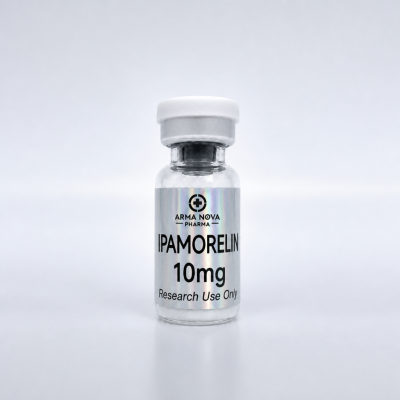
Ipamorelin UK: The Selective Growth Hormone Secretagogue for Researchers in 2026 Among the growth hormone-releasing peptides available to UK researchers, ipamorelin stands apart for a... Continue reading
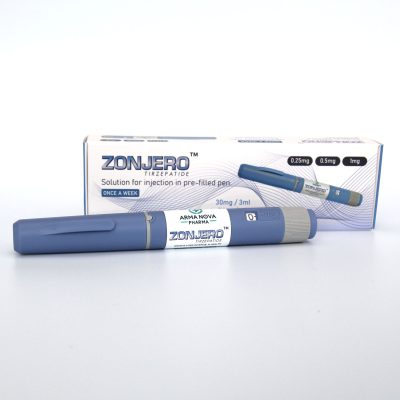
Tirzepatide 30mg UK: The Dual GIP/GLP-1 Receptor Agonist for Advanced Metabolic Research Tirzepatide represents the first dual glucose-dependent insulinotropic polypeptide (GIP) and glucagon-like peptide-1 (GLP-1)... Continue reading
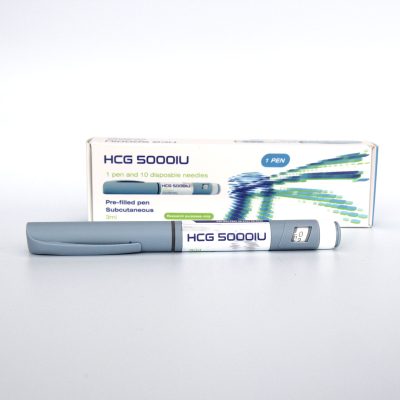
HCG 5000IU UK: Research-Grade Sourcing and Clinical Context Guide 2026 Human chorionic gonadotropin at the 5000 international unit dosage represents one of the most frequently... Continue reading
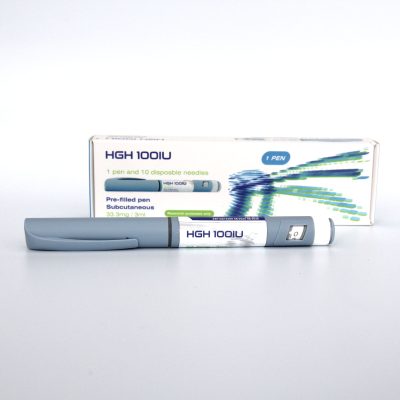
HGH 100 IU UK: Verified Research-Grade Sourcing, Purity Standards, and Regulatory Context for 2026 Securing genuine, laboratory-verified hgh 100 iu uk formulations presents distinct challenges... Continue reading
Add comment