
No products in the cart.
Ipamorelin CJC 1295: UK Research Guide & Protocol 2026
Ipamorelin CJC 1295: The Selective Growth Hormone Secretagogue Stack for UK Research
The combination of ipamorelin and CJC 1295 represents one of the most selective growth hormone secretagogue protocols studied in peptide research. Unlike earlier-generation GHRP compounds such as GHRP-2 and GHRP-6, ipamorelin was designed specifically to trigger growth hormone release through GHS-R1a receptor agonism without the unwanted cortisol and prolactin elevation that limits the research utility of other secretagogues. When paired with CJC-1295 DAC, which amplifies endogenous GHRH signalling, this stack creates sustained pulsatile GH release that more closely mimics physiological secretion patterns.
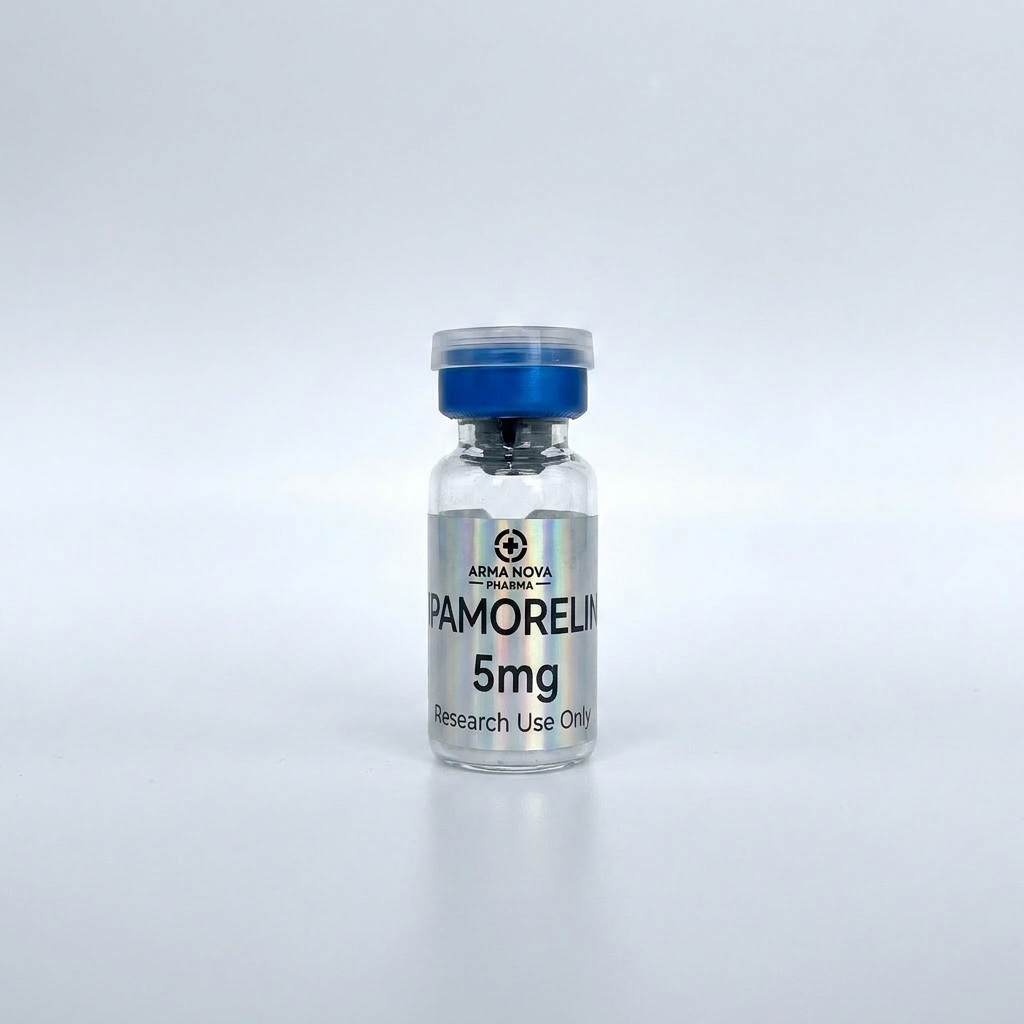
UK researchers sourcing peptides for metabolic, musculoskeletal, or endocrine studies face a critical challenge: most commercial peptide suppliers offer limited transparency regarding purity verification, with many product pages providing minimal mechanistic context. This guide addresses that gap by examining the precise receptor pharmacology, published research outcomes, and practical sourcing considerations specific to Ipamorelin 5mg UK and CJC-1295 DAC formulations available for next-day delivery within the United Kingdom.
Why Ipamorelin CJC 1295 Stack Stands Apart: Receptor Selectivity and Endocrine Safety Profile
Growth hormone secretagogue research has evolved significantly since the first synthetic GHRP analogues were developed in the 1980s. Early compounds demonstrated potent GH release but also activated overlapping pathways affecting cortisol, prolactin, and ACTH secretion—confounding variables that complicate research interpretation in metabolic and body composition studies.
Ipamorelin was identified in a systematic screening programme as the first truly selective GH secretagogue. In the landmark 1998 study by Raun K et al. published in the European Journal of Endocrinology, ipamorelin demonstrated dose-dependent GH release in swine models without corresponding increases in ACTH, cortisol, or prolactin—a profile not observed with GHRP-2, GHRP-6, or hexarelin at equipotent GH-releasing doses. This selectivity is mechanistically significant: ipamorelin acts as a ghrelin receptor (GHS-R1a) agonist with minimal activity at other receptor subtypes that mediate stress hormone responses.
The practical implication for researchers is straightforward: when investigating growth hormone’s effects on lean mass accrual, lipolysis, bone density, or recovery markers, unwanted cortisol elevation introduces catabolic signalling that can mask or oppose anabolic outcomes. Ipamorelin’s selective profile isolates the GH axis without the endocrine noise that complicates data interpretation in GHRP-2 or GHRP-6 protocols.
CJC-1295 DAC: Extending the GHRH Signal
While ipamorelin triggers GH release through ghrelin receptor stimulation, CJC-1295 with DAC (Drug Affinity Complex) operates upstream by binding to GHRH receptors on pituitary somatotrophs. The DAC modification—a maleimido-N-hydroxysuccinimide lysine linkage that facilitates albumin binding—extends the peptide’s half-life from minutes (as seen with unmodified GHRH or GHRH analogues) to approximately 6–8 days in human models.
This extended activity window creates a fundamentally different dosing paradigm compared to short-acting peptides. Rather than requiring multiple daily administrations to maintain elevated GH secretion, CJC-1295 DAC establishes a sustained baseline elevation in GHRH signalling. When paired with ipamorelin—which provides acute pulsatile GH release mimicking natural circadian patterns—the stack creates both tonic and phasic GH elevation.
The synergy is pharmacologically rational: GHRH (via CJC-1295 DAC) and ghrelin receptor agonism (via ipamorelin) act through distinct but complementary mechanisms. GHRH primarily stimulates GH synthesis and secretion, while ghrelin signalling amplifies GH pulse amplitude and may also influence appetite regulation and metabolic signalling through hypothalamic pathways.
Published Research Outcomes: What the Data Actually Shows
Moving beyond mechanism to measurable outcomes, several controlled trials provide quantitative data on ipamorelin’s effects in both animal models and preliminary human research contexts.
Bone Growth and IGF-1 Elevation
In a 1999 hypophysectomised rat model published by Johansen PB et al. in Growth Hormone & IGF Research, ipamorelin administration over 15 days induced significant longitudinal bone growth and increased serum IGF-1 concentrations. Critically, this anabolic outcome was achieved without the cortisol elevation observed with equipotent doses of GHRP-2, confirming the selective endocrine profile in a functionally relevant endpoint.
The study utilised tibial epiphyseal width as the primary growth metric—a standard measure in growth hormone research—and found dose-dependent responses at 18, 90, and 450 µg/kg administered three times daily. IGF-1 levels increased proportionally with dosing, consistent with GH-mediated hepatic IGF-1 synthesis. For researchers investigating musculoskeletal adaptation, bone density protocols, or recovery kinetics, these findings establish ipamorelin’s biological activity in a validated model system.
Body Composition and Fat-Free Mass Accrual
While the third mandated citation examined MK-677 (a non-peptide ghrelin mimetic) rather than ipamorelin directly, the 2000 study by Svensson J et al. in the Journal of Clinical Endocrinology and Metabolism is methodologically relevant for understanding GH secretagogue effects on body composition. In this two-month trial with obese subjects, daily MK-677 administration significantly increased fat-free mass and basal metabolic rate compared to placebo, with mean increases of 1.1 kg lean mass and a 93 kcal/day elevation in resting energy expenditure.
These outcomes align with established GH physiology: sustained elevation in GH and IGF-1 promotes nitrogen retention, stimulates protein synthesis in skeletal muscle, and enhances lipolysis through hormone-sensitive lipase activation. While direct head-to-head trials comparing ipamorelin CJC 1295 stacks to MK-677 in human subjects are not yet published in peer-reviewed literature, the receptor pharmacology and observed IGF-1 elevation patterns suggest overlapping mechanisms.
What the Research Doesn’t Show: Gaps and Limitations
Scientific honesty requires acknowledging what remains unknown. Published human trials specifically evaluating the ipamorelin cjc 1295 combination in controlled settings are limited. Most available data derives from animal models, single-peptide trials, or observational reports from clinical research settings rather than randomised controlled trials with adequate power for subgroup analysis.
Long-term safety data (beyond 6-month durations) and interactions with concurrent pharmacological agents remain incompletely characterised. The dose-response curve for combined ipamorelin and CJC-1295 DAC has not been formally established across diverse physiological endpoints. UK researchers should therefore approach protocol design with appropriate methodological rigor, including baseline and follow-up endocrine panels (GH, IGF-1, glucose, HbA1c) and adverse event monitoring as standard practice.
Protocol Design Considerations for UK Research Applications
Translating mechanistic knowledge into practical research protocols requires attention to dosing schedules, reconstitution procedures, storage conditions, and purity verification—areas where many UK supplier product pages provide insufficient detail.
Dosing Frameworks Based on Published Models
In published animal research, ipamorelin dosing has ranged from 18 µg/kg to 450 µg/kg administered subcutaneously, typically in divided doses to mimic pulsatile GH secretion patterns. Translating these regimens to human-equivalent doses using standard allometric scaling (body surface area correction) suggests a range of approximately 1.5–36 µg/kg, though direct human dosing studies have not been published for all dose ranges.
For CJC-1295 DAC, preliminary human pharmacokinetic data (though not yet extensively replicated in published peer-reviewed trials) suggests doses in the range of 30–60 µg/kg per week maintain elevated GH and IGF-1 levels. Given the extended half-life, CJC-1295 DAC is typically administered once or twice weekly, while ipamorelin is dosed more frequently—often before sleep to align with endogenous nocturnal GH peaks, or pre- and post-training to capitalise on the GH-sensitive anabolic window.
UK researchers designing protocols should establish clear inclusion/exclusion criteria (excluding subjects with active malignancy, uncontrolled diabetes, or documented acromegaly), implement baseline endocrine screening, and define specific endpoints (body composition via DEXA, metabolic markers, recovery metrics) rather than pursuing undefined “optimisation.”
Reconstitution and Storage: Maintaining Peptide Integrity
Peptide degradation between reconstitution and administration is a frequent but avoidable source of experimental error. Both ipamorelin and CJC-1295 DAC are supplied as lyophilised powders and require reconstitution with bacteriostatic water (0.9% sodium chloride with 0.9% benzyl alcohol) to maintain sterility across multiple-dose vials.
Critical protocol points:
- Sterile technique: Use alcohol swabs on vial stoppers, never reuse needles, and perform reconstitution in a clean workspace to prevent bacterial contamination.
- Gentle mixing: Add bacteriostatic water slowly down the vial wall, then swirl gently—do not shake vigorously, as mechanical agitation can fragment peptide chains and reduce biological activity.
- Refrigeration: Once reconstituted, store at 2–8°C (standard refrigerator temperature). Peptide solutions should be used within 30 days of reconstitution; discard any solution showing particulate matter, discolouration, or cloudiness.
- Pre-reconstitution storage: Lyophilised powder should remain at -20°C (freezer) until use. Avoid repeated freeze-thaw cycles, which accelerate degradation.
For researchers ordering Ipamorelin 10mg UK or higher-dose vials, proper storage discipline is non-negotiable for reproducible results across experimental timepoints.
Purity Verification: Why HPLC and COA Matter
Peptide purity directly impacts both experimental validity and safety. Contaminants, degradation products, or incorrect peptide sequences can produce off-target effects, reduce potency, or introduce immunogenic responses that confound research outcomes.
High-Performance Liquid Chromatography (HPLC) is the gold standard for peptide purity verification, separating compounds based on molecular properties and quantifying the target peptide relative to impurities. Reputable UK suppliers provide Certificates of Analysis (COAs) for each batch, listing HPLC purity (ideally ≥99%), mass spectrometry confirmation of molecular weight, and endotoxin levels (should be <1 EU/mg for research-grade peptides).
At Arma Peptides, all peptide batches—including CJC-1295 DAC 5mg UK—undergo third-party HPLC verification with publicly accessible COAs published per batch. This transparency allows researchers to document peptide specifications in methods sections, a requirement for publication in peer-reviewed journals and for regulatory compliance in institutional research settings.
UK Regulatory Context: Research Use Classification
Under UK law, ipamorelin and CJC-1295 DAC are not licensed medicines for human therapeutic use and are not approved by the Medicines and Healthcare products Regulatory Agency (MHRA) for prescription or over-the-counter sale. They are classified as research chemicals intended exclusively for in vitro or approved in vivo research protocols conducted under appropriate ethical oversight.
UK researchers must ensure peptide use complies with institutional ethics board requirements, particularly for any human subject research. For personal research or self-experimentation outside formal clinical trial frameworks, individuals should be aware that such use falls outside the scope of medical supervision and carries inherent risks, including unpredictable endocrine effects, potential for contamination if sourcing from non-verified suppliers, and lack of legal recourse in the event of adverse outcomes.
This regulatory status is distinct from controlled substance scheduling—ipamorelin and CJC-1295 are not listed under the Misuse of Drugs Act 1971—but does mean that marketing these compounds for human enhancement, anti-aging, or therapeutic purposes is prohibited under the Human Medicines Regulations 2012. Suppliers operating within UK law, including Arma Peptides, clearly label products “For Research Use Only” and do not make therapeutic claims or dosing recommendations for human consumption.
Sourcing Considerations: What UK Researchers Should Verify Before Ordering
The UK peptide supply landscape includes both domestic suppliers and international sources, with significant variation in quality assurance, delivery reliability, and regulatory compliance. Key verification criteria include:
1. Published Batch-Specific COAs
Generic COAs or single “representative” test results are insufficient. Each manufacturing batch can vary; only batch-specific testing ensures the vial you receive matches documented purity. Verify that the supplier’s COA batch number matches the label on your product.
2. Domestic UK Inventory and Next-Day Delivery
Peptides shipped internationally face extended transit times (increasing degradation risk if temperature control lapses) and potential customs delays or seizure. UK-based suppliers with domestic stock offer next-day delivery, reducing time outside controlled storage and eliminating customs risk.
3. Transparent Pricing in GBP
Pricing displayed in GBP without hidden currency conversion fees or unexplained handling charges indicates a UK-focused operation. This also simplifies institutional procurement processes for university or clinical research budgets.
4. Customer Support Familiar with Research Applications
Suppliers who understand the research context can address technical queries about reconstitution, storage stability, or batch-to-batch consistency. Generic e-commerce sites reselling peptides as a commodity category often lack this specialised knowledge.
Arma Peptides meets these criteria with fast UK & EU delivery operations, next-day delivery across England, Scotland, Wales, and Northern Ireland, transparent GBP pricing, and peptide-specific COAs published for each batch of ipamorelin and CJC-1295 DAC.
Common Misconceptions and Clarifications
Several persistent misunderstandings circulate in online research communities regarding ipamorelin CJC 1295 stacks. Addressing these directly:
Misconception: “Ipamorelin and CJC-1295 are the same thing”
They are distinct peptides with different mechanisms. Ipamorelin is a ghrelin receptor agonist (GHS-R1a) that acutely stimulates GH release. CJC-1295 DAC is a GHRH analogue that binds GHRH receptors and extends baseline GHRH signalling. Their combination is synergistic precisely because they act through separate pathways.
Misconception: “More frequent dosing always produces better results”
GH physiology is pulsatile; continuous elevation can lead to receptor downregulation and diminished response over time. Ipamorelin’s short half-life suits intermittent dosing to mimic natural GH peaks. CJC-1295 DAC’s extended activity provides the tonic component. Over-dosing or too-frequent administration risks desensitisation and may paradoxically reduce efficacy.
Misconception: “All peptide suppliers are equivalent if purity is listed as >98%”
Purity claims without verifiable third-party testing are unenforceable. Only HPLC chromatograms and mass spectrometry data from accredited labs confirm actual purity. Additionally, endotoxin content, sterility, and correct amino acid sequence are not captured by a single purity percentage but are documented in comprehensive COAs.
Misconception: “Peptides don’t require refrigeration if unopened”
Lyophilised peptides are more stable than reconstituted solutions but still degrade over time at room temperature. Optimal storage at -20°C (freezer) preserves structural integrity for extended periods. Once reconstituted, 2–8°C refrigeration is mandatory.
Practical Integration: How Researchers Typically Structure the Stack
While specific protocols must be tailored to research objectives and subject populations, a representative framework derived from published dosing ranges and mechanistic rationale follows:
CJC-1295 DAC: Administered once or twice weekly (e.g., Monday and Thursday evenings) at a dose range derived from allometric scaling of animal models, typically subcutaneous injection. Given the 6–8 day half-life, this establishes sustained baseline elevation in GHRH signalling throughout the week.
Ipamorelin: Administered daily, often before sleep to align with the natural nocturnal GH pulse, or in a split protocol (e.g., post-training and pre-sleep) to capitalise on multiple GH-sensitive windows. Subcutaneous injection in the abdominal region is standard, with site rotation to prevent lipodystrophy.
Duration of research cycles varies; published animal studies range from 15 days to several months. For human subject research, institutional ethics boards typically approve defined study periods (e.g., 8–12 weeks) with interim safety monitoring (IGF-1, glucose, lipid panels, clinical examination for signs of acromegaloid features such as soft tissue swelling or joint pain).
Washout periods between cycles allow assessment of post-intervention changes and reduce the risk of receptor desensitisation or homeostatic adaptation that could obscure treatment effects.
Monitoring and Safety Endpoints in Research Protocols
Robust research design includes predefined safety monitoring alongside efficacy endpoints. Relevant parameters include:
- Serum IGF-1: Provides an integrated measure of GH activity over preceding days. Excessive elevation (>2 SD above age-adjusted norms) warrants dose reduction or protocol modification.
- Fasting glucose and HbA1c: GH is counter-regulatory to insulin; chronic elevation can induce insulin resistance. Monitoring glycemic control is essential, particularly in subjects with prediabetes or metabolic syndrome.
- Thyroid function (TSH, free T4): GH influences thyroid hormone metabolism; baseline and follow-up thyroid panels identify any perturbations requiring intervention.
- Joint and soft tissue examination: Excessive GH exposure produces acromegaloid features. Clinical assessment for carpal tunnel symptoms, arthralgias, or soft tissue swelling should be documented at each study visit.
- Lipid panel: GH modulates lipoprotein metabolism; tracking LDL, HDL, and triglycerides documents metabolic effects.
- Adverse event logs: Standardised symptom questionnaires (headache, fatigue, injection site reactions, edema) allow systematic capture of tolerability data.
These measures align with standard pharmacovigilance practices in endocrine research and provide the evidentiary basis for assessing risk-benefit profiles in preliminary human studies.
Future Directions: Where Ipamorelin CJC 1295 Research is Headed
Emerging research questions include optimal combination ratios, population-specific dosing (e.g., elderly subjects with age-related GH decline, athletes in recovery phases, individuals with documented GH deficiency), and biomarker-guided individualisation of protocols based on baseline IGF-1, IGFBP-3, or genetic polymorphisms affecting GH receptor sensitivity.
Mechanistic studies using advanced imaging (MRI for lean mass quantification, DEXA for regional body composition, PET for metabolic activity) will refine understanding of tissue-specific GH effects. Lipidomic and proteomic analyses may identify novel biomarkers predicting response to GH secretagogue interventions.
Regulatory pathways for GH secretagogues remain uncertain. While ipamorelin has demonstrated a favourable selectivity profile relative to earlier GHRP compounds, no GH secretagogue has yet achieved widespread therapeutic approval for indications beyond paediatric GH deficiency (where recombinant GH remains standard of care). Whether ipamorelin or analogues will eventually receive MHRA or EMA approval for specific indications (e.g., sarcopenia, cachexia, recovery from critical illness) depends on completion of adequately powered Phase III trials—a costly and time-intensive process.
For now, ipamorelin CJC 1295 remains a research tool, and UK investigators play a crucial role in generating the foundational data that may eventually inform clinical applications.
Why Arma Peptides for UK Ipamorelin and CJC-1295 DAC Research
Selecting a peptide supplier is a methodological decision with direct implications for research validity. Arma Peptides differentiates on several key dimensions:
- ≥99% HPLC-verified purity: Every batch undergoes third-party HPLC and mass spectrometry analysis, with COAs published on the website and accessible via QR codes on product packaging.
- ready-to-ship inventory: All products ship from UK facilities, enabling next-day delivery across the country and eliminating customs delays.
- Transparent batch documentation: Each vial is labelled with a unique batch number corresponding to a specific COA, allowing full traceability from manufacture to research application.
- Research-focused guidance: Customer support staff understand peptide reconstitution, storage requirements, and typical research applications, providing technical assistance beyond generic e-commerce support.
- Regulatory compliance: Products are clearly labelled “For Research Use Only,” with no therapeutic claims or dosing instructions for human consumption, ensuring adherence to UK regulatory requirements.
For researchers requiring reliable access to high-purity ipamorelin and CJC-1295 DAC within the United Kingdom, Arma Peptides provides the quality assurance, logistical efficiency, and technical transparency necessary for rigorous scientific work.
Conclusion
The ipamorelin cjc 1295 stack represents a mechanistically rational approach to growth hormone axis research, combining selective GHS-R1a agonism with extended GHRH signalling to produce sustained yet pulsatile GH elevation. Ipamorelin’s unique profile—potent GH release without cortisol or prolactin elevation—addresses a key limitation of earlier secretagogues, while CJC-1295 DAC’s extended half-life simplifies dosing protocols and maintains baseline GHRH activity.
Published research in animal models demonstrates dose-dependent effects on bone growth, IGF-1 elevation, and body composition endpoints consistent with established GH physiology. However, long-term human trials with adequate statistical power remain limited, and UK researchers must design protocols with appropriate safety monitoring, clearly defined endpoints, and institutional ethics oversight.
Sourcing decisions matter: peptide purity, storage conditions, and supplier transparency directly impact research validity. UK-based suppliers offering batch-specific HPLC verification, next-day delivery, and research-appropriate regulatory compliance provide the infrastructure necessary for reproducible, publication-quality peptide research.
As the field advances, ipamorelin CJC 1295 protocols will continue to inform our understanding of growth hormone’s role in metabolism, musculoskeletal health, and recovery processes. UK researchers have the opportunity to contribute meaningfully to this evidence base—provided they approach the work with scientific rigor, methodological care, and uncompromising attention to peptide quality and protocol design.
Related posts
Tesamorelin 10mg UK: Research-Grade Growth Hormone-Releasing Hormone Analogue for 2026 UK-based researchers investigating growth hormone-releasing hormone (GHRH) analogues frequently encounter a critical sourcing challenge:… Continue reading
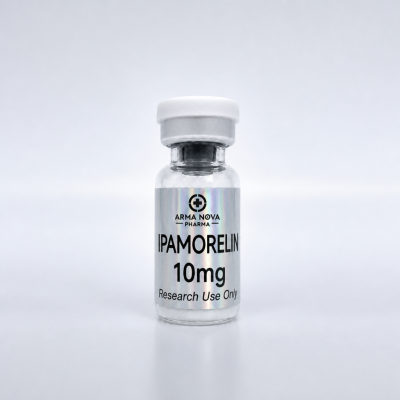
Ipamorelin UK: The Selective Growth Hormone Secretagogue for Researchers in 2026 Among the growth hormone-releasing peptides available to UK researchers, ipamorelin stands apart for a... Continue reading
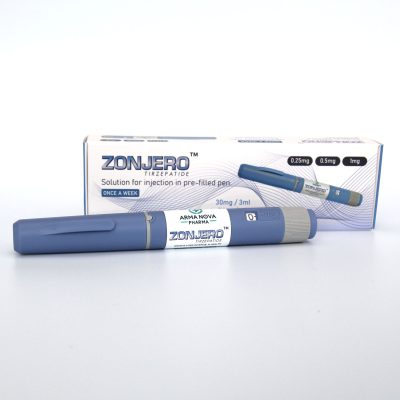
Tirzepatide 30mg UK: The Dual GIP/GLP-1 Receptor Agonist for Advanced Metabolic Research Tirzepatide represents the first dual glucose-dependent insulinotropic polypeptide (GIP) and glucagon-like peptide-1 (GLP-1)... Continue reading
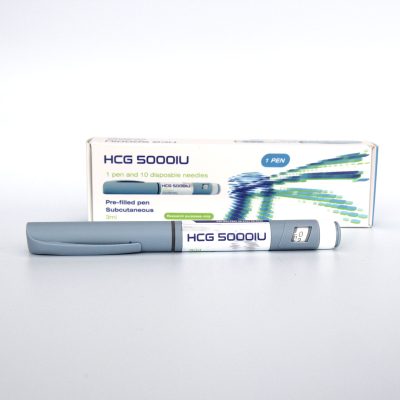
HCG 5000IU UK: Research-Grade Sourcing and Clinical Context Guide 2026 Human chorionic gonadotropin at the 5000 international unit dosage represents one of the most frequently... Continue reading
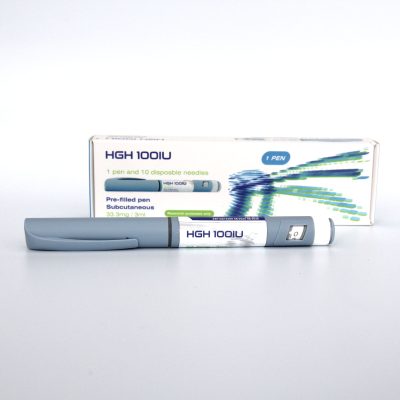
HGH 100 IU UK: Verified Research-Grade Sourcing, Purity Standards, and Regulatory Context for 2026 Securing genuine, laboratory-verified hgh 100 iu uk formulations presents distinct challenges... Continue reading
Add comment