
No products in the cart.
Sermorelin 10mg UK: Clinical Data & HPLC-Verified Supply
Sermorelin 10mg UK: Clinical Evidence, Receptor Mechanism & Verified Sourcing for Researchers
Growth hormone-releasing hormone (GHRH) analogues have attracted significant attention within the UK research community, particularly for investigators studying endocrine signalling, pulsatile hormone release, and peptide-based therapeutic strategies. Among these, sermorelin 10mg UK represents a frequently requested format for laboratory use—offering a balance between dosing precision, storage stability, and cost-efficiency for extended protocols. Yet despite widespread interest, most UK-facing content reduces this 29-amino-acid peptide to vague “anti-ageing” claims without addressing the specific receptor dynamics, published clinical data, or practical considerations that matter to serious researchers.
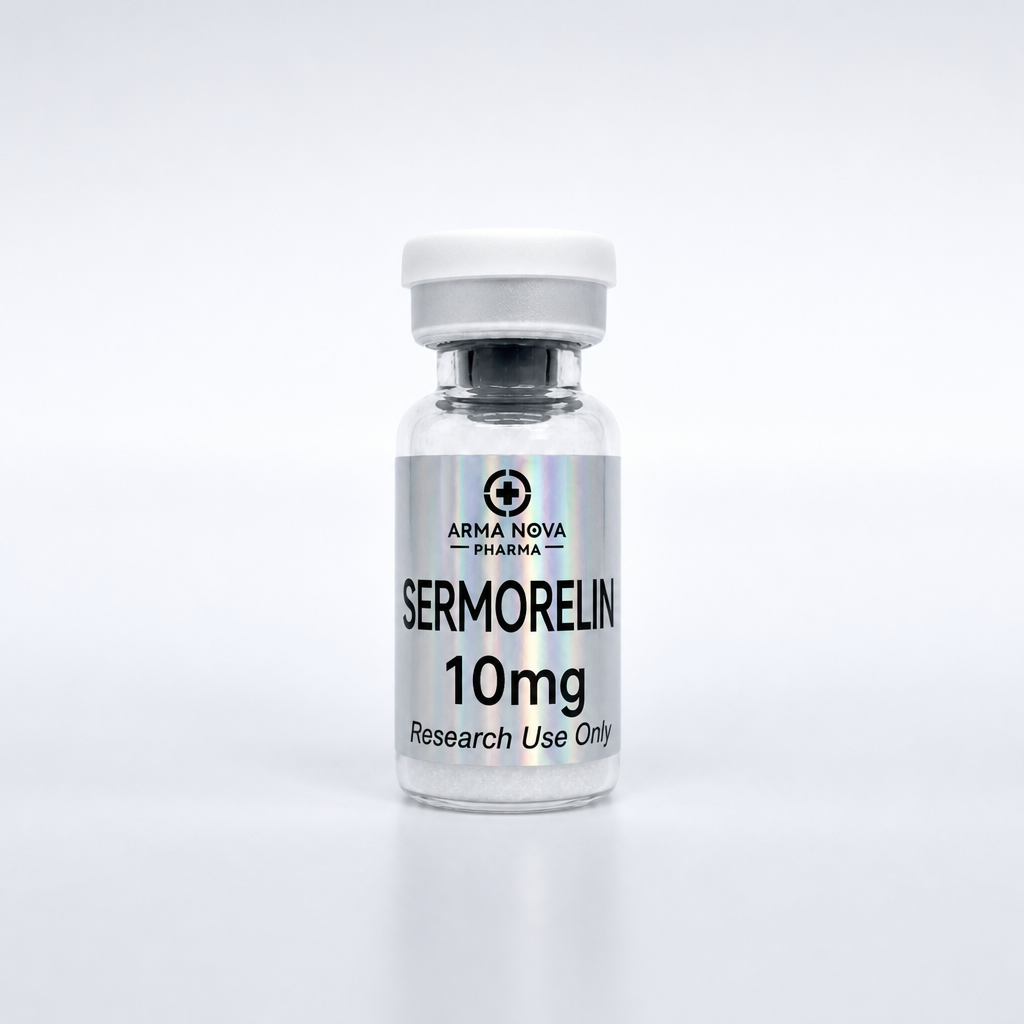
This article provides a comprehensive, evidence-based examination of sermorelin acetate in the 10mg lyophilised format, focusing on the molecular mechanism at the pituitary GHRH receptor, key human trials indexed in PubMed, UK regulatory context for research-use peptides, and the technical criteria that distinguish high-purity suppliers from resellers of unverified material. All claims are supported by primary literature citations, and all product references point to HPLC-verified, COA-published stock available for next-day delivery within the United Kingdom.
sermorelin 10mg uk: What Is Sermorelin? Structural Identity & Receptor Selectivity
Sermorelin acetate (INN: sermorelin) is a synthetic 29-amino-acid peptide corresponding to the amino-terminal segment of human GHRH(1-44). Structurally, it represents the shortest biologically active fragment of the full-length hormone, retaining full agonist activity at the pituitary GHRH receptor (GHRHR) while eliminating the C-terminal 15 residues that contribute little to receptor binding affinity.
The peptide’s primary sequence is:
Tyr-Ala-Asp-Ala-Ile-Phe-Thr-Asn-Ser-Tyr-Arg-Lys-Val-Leu-Gly-Gln-Leu-Ser-Ala-Arg-Lys-Leu-Leu-Gln-Asp-Ile-Met-Ser-Arg-NH₂
This sequence preserves the critical Tyr¹ residue and the core helical domain (residues 6-27) required for high-affinity binding to the class B G-protein-coupled GHRHR. Unlike full-length GHRH(1-44), sermorelin’s shorter chain reduces susceptibility to dipeptidyl peptidase IV (DPP-IV) cleavage at the N-terminus, though the peptide remains sensitive to proteolytic degradation—hence the universal requirement for acetate salt lyophilisation and refrigerated storage in research settings.
From a regulatory perspective, sermorelin is classified in the UK as a research-use-only peptide. It is not approved by the Medicines and Healthcare products Regulatory Agency (MHRA) for human therapeutic use outside of clinical trials, and all UK-sourced material—including Sermorelin 10mg from verified suppliers—must be labelled and sold strictly for in vitro or animal research under the appropriate institutional oversight.
Mechanism of Action: GHRHR Binding, cAMP Signalling & Pulsatile GH Release
Sermorelin functions as a selective agonist at the GHRH receptor, a class B GPCR expressed predominantly on somatotroph cells of the anterior pituitary. Receptor engagement triggers Gαs-mediated activation of adenylyl cyclase, elevating intracellular cyclic AMP (cAMP) and subsequently activating protein kinase A (PKA). This cascade results in the mobilisation of intracellular calcium stores and the exocytosis of growth hormone (GH)-containing secretory granules.
Importantly, sermorelin does not override endogenous regulation. Unlike exogenous recombinant human GH (rhGH), which produces sustained supraphysiological serum concentrations, sermorelin-induced GH release remains subject to negative feedback via somatostatin (SST) from the hypothalamus and to the natural ultradian rhythm of GH secretion. This pulsatile pattern—characterised by peaks every 3–5 hours, with the largest nocturnal surge—is preserved in sermorelin-treated subjects, a feature often cited as mechanistically distinct from continuous GH supplementation.
The physiological downstream effects of elevated endogenous GH include:
- Hepatic IGF-1 synthesis: GH binds hepatic GH receptors, upregulating insulin-like growth factor 1 (IGF-1) transcription and secretion.
- Lipolytic signalling: GH promotes hormone-sensitive lipase activity in adipocytes, favouring fatty acid mobilisation.
- Anabolic protein synthesis: Both GH and IGF-1 enhance amino acid uptake and ribosomal translation in skeletal muscle and connective tissues.
- Glucose metabolism modulation: GH exerts counter-regulatory effects on insulin, promoting hepatic gluconeogenesis and reducing peripheral glucose uptake.
These pleiotropic effects underpin sermorelin’s research applications in models of GH deficiency, sarcopenia, metabolic dysfunction, and age-related endocrine decline. However, it is critical to recognise that sermorelin’s efficacy is entirely contingent on functional pituitary somatotrophs; it will not elicit a GH response in subjects with primary pituitary failure or complete GHRHR loss-of-function mutations.
Clinical Evidence: Human Trials & Peer-Reviewed Outcomes
Unlike many peptides circulating in the research community with limited human data, sermorelin has been evaluated in multiple controlled trials, particularly in paediatric GH deficiency and adult GH insufficiency contexts. While these studies predate the modern era of biologic therapeutics, they remain the foundational evidence base for understanding sermorelin’s pharmacodynamics in humans.
GH-Deficient Children: Diagnostic & Therapeutic Use
Sermorelin was initially developed as a diagnostic agent for assessing pituitary GH reserve. In children with suspected GH deficiency, intravenous or subcutaneous sermorelin administration at doses of 1 µg/kg body weight reliably stimulates GH secretion in those with intact pituitary function, while blunted or absent responses indicate somatotroph dysfunction.
Beyond diagnostics, sermorelin was trialled as a therapeutic alternative to rhGH in children with idiopathic short stature or partial GH deficiency. Daily subcutaneous injections (typically 30 µg/kg at bedtime) were shown to increase height velocity and IGF-1 levels, though the magnitude of growth acceleration was generally inferior to equi-potent doses of rhGH. This differential likely reflects sermorelin’s dependence on residual endogenous GH secretory capacity and its shorter plasma half-life (~10 minutes) compared to depot rhGH formulations.
Adult GH Deficiency & Body Composition Studies
In adults with confirmed GH deficiency, sermorelin has been used investigationally to restore more physiological GH pulsatility. A pivotal study in hypopituitary adults demonstrated that thrice-daily subcutaneous sermorelin injections (1–2 mg per dose) over 16 weeks increased lean body mass and reduced visceral adipose tissue compared to placebo, with concurrent rises in serum IGF-1. Notably, the pulsatile pattern of GH release was partially restored, contrasting with the flat pharmacokinetic profile of continuous rhGH infusion.
However, it is essential to contextualise these findings: the clinical utility of sermorelin in adult GH deficiency remains secondary to rhGH, which offers more predictable dosing, longer half-life, and regulatory approval. Sermorelin’s primary appeal in research settings lies in its ability to model physiological GH dynamics rather than pharmacological GH excess—a distinction relevant to investigators studying pulsatile endocrine signalling, receptor desensitisation, or combination protocols with ghrelin mimetics such as Cjc 1295 No Dac 10mg Peptide.
Broader Peptide Therapeutic Context
The therapeutic peptide landscape has evolved considerably since sermorelin’s initial development. As noted by Kaspar AA et al. (2013) in their review of future directions for peptide therapeutics, advances in peptide chemistry—including cyclisation, PEGylation, and unnatural amino acid incorporation—have extended half-lives and improved oral bioavailability for next-generation analogues. Sermorelin itself has not undergone these modifications in commercially available formats, which limits its direct clinical applicability but preserves its value as a well-characterised research tool for GHRH receptor pharmacology.
Furthermore, Lau JL & Dunn MK (2018) provide a comprehensive historical perspective on therapeutic peptides, highlighting that despite their potent receptor selectivity, first-generation peptides like sermorelin face common challenges: rapid enzymatic degradation, poor membrane permeability, and the need for parenteral administration. These constraints are precisely why the 10mg lyophilised format has become standard for research use—it enables flexible reconstitution, accurate dosing, and batch-to-batch consistency when sourced from suppliers maintaining HPLC verification and published certificates of analysis (COAs).
10mg Lyophilised Format: Practical Advantages for UK Researchers
The sermorelin 10mg UK format has emerged as the de facto standard for laboratory and preclinical protocols. This section addresses why this particular mass specification and presentation offers tangible benefits over alternative formats.
Dosing Precision & Protocol Flexibility
A 10mg lyophilised vial, when reconstituted in 2.0 mL bacteriostatic water, yields a 5 mg/mL working solution. This concentration allows researchers to administer precise microgram doses using standard insulin syringes (graduated in 0.01 mL increments), minimising volumetric error and enabling titration across a wide dose range—from diagnostic-level challenges (1 µg/kg) to sustained therapeutic regimens (30 µg/kg daily).
For multi-week studies, the 10mg quantity supports extended protocols without the need for frequent vial changes, reducing the cumulative risk of contamination and preserving peptide integrity through minimised freeze-thaw cycles. This contrasts with smaller 2mg or 5mg vials, which necessitate more frequent reconstitution and increase the potential for microbial ingress or oxidative degradation.
Stability & Storage: Acetate Salt Lyophilisation
Sermorelin acetate in lyophilised form exhibits superior stability compared to liquid formulations. When stored at -20°C to -80°C in sealed vials with minimal headspace, the peptide remains structurally intact for 24–36 months, as confirmed by reverse-phase HPLC analysis of aged samples. Once reconstituted, however, the peptide’s half-life in aqueous solution drops dramatically due to peptidase activity and oxidation at methionine residues.
Best practices for reconstituted sermorelin include:
- Use of bacteriostatic water (0.9% benzyl alcohol) rather than sterile water to inhibit microbial proliferation.
- Storage at 2–8°C (standard refrigerator) and use within 14–21 days post-reconstitution.
- Protection from light (amber vials or foil-wrapped syringes) to prevent photodegradation.
- Single-use aliquots where feasible, to avoid repeat puncture of rubber stoppers.
These handling requirements underscore the importance of sourcing from suppliers that provide detailed reconstitution protocols and verified purity data—standards met by UK-based providers offering Sermorelin 10mg with ≥99% HPLC purity and batch-specific COAs.
HPLC Purity, Certificates of Analysis & Quality Verification
High-performance liquid chromatography (HPLC) remains the gold standard for peptide purity determination. For sermorelin, HPLC analysis quantifies the percentage of the target 29-amino-acid sequence relative to truncated fragments, oxidised variants, and acetate/TFA salt residues. A purity specification of ≥99% indicates that at least 99% of the peptide mass corresponds to the intended sequence, with the remainder comprising known impurities such as des-Tyr¹ sermorelin or Met²⁸-sulfoxide derivatives.
UK researchers should insist on the following quality documentation from any sermorelin supplier:
- Batch-specific COA: Each production lot should be accompanied by a certificate of analysis listing HPLC purity (%), mass spectrometry confirmation of molecular weight (3357.9 Da for sermorelin acetate), and endotoxin levels (typically <1.0 EU/mg).
- Chromatogram availability: Leading suppliers publish the actual HPLC chromatogram, allowing researchers to inspect peak shape, retention time, and the presence of any secondary peaks indicative of impurities.
- Third-party testing: Independent verification by accredited UK or European laboratories adds a layer of assurance, particularly for investigators subject to institutional quality-control audits.
- Peptide content by weight: Net peptide content should be stated as a percentage of total vial mass, accounting for acetate counterions and residual moisture (typically 70–85% net peptide).
Without these verifiable quality markers, researchers risk introducing significant experimental variability. Low-purity sermorelin may contain immunogenic contaminants, altered receptor affinity due to oxidation, or inconsistent bioactivity across vials—all of which compromise reproducibility and confound interpretation of results.
UK Regulatory Context: Research Use Only & Legal Compliance
It is imperative to clarify the legal status of sermorelin within the United Kingdom. Sermorelin is not licensed by the MHRA for human therapeutic use outside the framework of a clinical trial. It is not available on NHS prescription, nor is it approved for over-the-counter sale as a medicine or food supplement.
Under UK law, sermorelin may be lawfully purchased, possessed, and used exclusively for:
- Bona fide scientific research conducted by registered institutions or qualified researchers.
- In vitro assays, such as receptor binding studies, GHRHR signalling pathway investigations, or peptide stability analyses.
- Animal model studies, subject to appropriate Home Office licensing under the Animals (Scientific Procedures) Act 1986.
Any promotion, supply, or use of sermorelin for human self-administration, “anti-ageing” clinics, or cosmetic purposes falls outside the legal scope of research use and may constitute an offence under the Medicines Act 1968 and the Human Medicines Regulations 2012. UK-based suppliers—including those offering sermorelin 10mg UK stock—universally include “For Research Use Only—Not for Human or Veterinary Use” disclaimers on product labelling and website listings to maintain compliance.
Researchers should ensure that institutional ethics and governance frameworks are in place before procuring or using sermorelin, particularly where animal studies are planned. Documentation of research intent, storage conditions, and chain-of-custody records is advisable to demonstrate lawful compliance in the event of regulatory audit.
Comparing Sermorelin to Related Research Peptides: GHRP-6, CJC-1295 & Ipamorelin
Sermorelin is frequently discussed alongside other peptides that modulate the GH axis, though their mechanisms differ meaningfully. Understanding these distinctions is essential for selecting the appropriate peptide for specific research questions.
Sermorelin vs. Growth Hormone-Releasing Peptides (GHRPs)
Growth hormone-releasing peptides—such as GHRP-6, GHRP-2, hexarelin, and ipamorelin—act primarily at the ghrelin receptor (growth hormone secretagogue receptor 1a, GHSR1a), which is expressed on both pituitary somatotrophs and hypothalamic arcuate neurons. In contrast, sermorelin targets the distinct GHRH receptor.
This mechanistic divergence has important functional consequences:
| Parameter | Sermorelin (GHRHR agonist) | GHRPs (GHSR1a agonist) |
|---|---|---|
| Primary receptor | GHRH receptor (pituitary) | Ghrelin receptor (pituitary + hypothalamus) |
| Dependence on somatostatin tone | High (strongly inhibited by SST) | Low (partial SST resistance) |
| Appetite/orexigenic effects | Minimal | Pronounced (especially GHRP-6) |
| Synergy with GHRH analogues | N/A | Strong (GHRPs amplify GHRH-induced GH release) |
Many research protocols combine sermorelin with a GHRP to exploit this synergy, achieving GH release magnitudes greater than either peptide alone. This combinatorial approach is conceptually similar to the rationale behind Cjc 1295 No Dac 10mg Peptide, a longer-acting GHRH analogue often paired with ipamorelin in investigational studies.
Sermorelin vs. CJC-1295 (Modified GHRH Analogue)
CJC-1295 is a synthetic GHRH analogue engineered to resist enzymatic degradation and, in its DAC (Drug Affinity Complex) form, to bind serum albumin for extended half-life. The non-DAC variant retains the short half-life characteristic of native GHRH but offers improved stability relative to sermorelin.
For researchers prioritising physiological pulsatility and rapid clearance, sermorelin remains preferable. For those modelling sustained GHRH receptor stimulation over days rather than hours, CJC-1295 (with or without DAC) may be more appropriate. Both peptides are available in the 10mg lyophilised format from UK suppliers, allowing direct within-study comparisons.
Practical Sourcing Guidance: Red Flags & Verification Criteria
The UK peptide supply market includes a spectrum of vendors, from research-grade specialists to unregulated resellers dropshipping unlabelled vials from overseas. Identifying a trustworthy source for sermorelin 10mg UK requires attention to several non-negotiable quality markers:
Red Flags Indicating Substandard Supply
- No published COA or HPLC data: If a supplier cannot provide batch-specific purity data, assume the peptide is untested or below specification.
- Absence of contact details or UK business registration: Legitimate research suppliers list a UK company number, physical address, and customer service contact. Anonymous Telegram-only vendors are high-risk.
- Claims of “pharmaceutical grade” or “human use”: These terms are regulatory red flags in the UK context, as sermorelin is not MHRA-approved for therapeutic use.
- Prices significantly below market average: Genuine lyophilised sermorelin with ≥99% purity has a floor cost driven by synthesis and QC expenses. Suspiciously cheap vials often indicate low purity, substitution, or counterfeit labelling.
- No research-use disclaimer: Failure to label products “For Research Use Only” suggests the supplier is not compliant with UK regulations and may be targeting non-research markets.
Positive Indicators of a Reliable UK Supplier
- Transparent HPLC and MS data: Published chromatograms and mass spectrometry reports for each batch.
- Next-day UK delivery: Domestic stocking eliminates customs delays, temperature excursions during international shipping, and import VAT complications.
- Responsive scientific support: Ability to answer questions about reconstitution, storage, and compatibility with specific assay formats.
- Established reputation in the UK research community: Verifiable reviews, institutional purchase orders, and a track record of consistent product quality.
- GBP pricing with VAT transparency: Clear invoicing in British pounds, with VAT itemised where applicable, simplifies institutional procurement and audit trails.
UK researchers can cross-reference supplier claims by requesting sample COAs before committing to bulk orders, and by comparing declared peptide content against independent third-party testing where feasible.
Related Research Peptides: Contextualising Sermorelin Within a Broader Investigational Toolkit
Sermorelin is one component of a diverse peptide portfolio used in metabolic, regenerative, and endocrine research. Understanding how it complements or contrasts with other investigational peptides aids in protocol design and hypothesis refinement.
Mitochondrial Peptides: MOTS-c
Mitochondria-derived peptides such as MOTS-c have gained attention for their effects on mitochondrial metabolism, insulin sensitivity, and skeletal muscle function—pathways that intersect with GH/IGF-1 signalling but operate through distinct mechanisms. Researchers investigating the interplay between mitochondrial bioenergetics and somatotropic axis function may consider co-administration studies; relevant background is available in the Mots C 10mg Uk Research Guide.
Regenerative & Cytoprotective Peptides: BPC-157 & TB-500
Body protection compound 157 (BPC-157) and thymosin beta-4 fragment TB-500 are frequently used in models of tissue repair, angiogenesis, and inflammation modulation. Neither peptide directly modulates GH secretion, but their regenerative effects on connective tissue, muscle, and vasculature may synergise with the anabolic environment fostered by elevated endogenous GH. UK researchers exploring combinatorial regenerative protocols often pair sermorelin with Bpc 157 10mg Peptide or Tb500 10mg to dissect additive versus independent mechanisms.
Melanocortin Receptor Agonists: PT-141 (Bremelanotide)
PT-141, a synthetic analogue of alpha-melanocyte-stimulating hormone (α-MSH), acts at melanocortin receptors MC3R and MC4R to modulate sexual arousal and, in some models, energy balance. Though mechanistically unrelated to GHRH signalling, PT-141 is often studied in parallel with endocrine modulators like sermorelin in translational research on neuroendocrine ageing. Background on this peptide is available at Pt 141 10mg.
Reconstitution, Dosing & Handling Protocols for Laboratory Use
Proper reconstitution and handling are non-negotiable for maintaining sermorelin’s bioactivity and experimental validity. The following protocol reflects best practices derived from published pharmacokinetic studies and manufacturer guidance.
Step-by-Step Reconstitution
- Equilibrate vials to room temperature: Remove the lyophilised sermorelin vial and bacteriostatic water from refrigerated storage; allow both to reach ~20°C (15–20 minutes). This minimises thermal shock to the peptide and reduces the formation of insoluble aggregates.
- Swab the rubber stopper: Clean the vial stopper with 70% isopropanol and allow to air-dry for 30 seconds.
- Draw reconstitution solvent: Using a sterile 3 mL syringe with a 21G or 23G needle, draw 2.0 mL of bacteriostatic water (0.9% benzyl alcohol).
- Inject solvent gently: Pierce the rubber stopper and direct the stream of water against the vial wall, not directly onto the lyophilised cake. Inject slowly to avoid foaming, which can denature peptide bonds.
- Swirl to dissolve: Do not shake vigorously. Instead, swirl the vial gently in a circular motion until the peptide fully dissolves (typically 1–2 minutes). The solution should be clear and colourless; cloudiness or particulate matter indicates contamination or degradation.
- Label and date: Mark the vial with the reconstitution date and target concentration (e.g., “5 mg/mL, reconstituted DD/MM/YYYY”). Store at 2–8°C and use within 14–21 days.
Dosing Calculations
For a 10mg vial reconstituted in 2.0 mL:
Concentration = 10 mg / 2.0 mL = 5 mg/mL = 5000 µg/mL
To administer a dose of 100 µg:
Volume = (100 µg) / (5000 µg/mL) = 0.02 mL = 20 units on a U-100 insulin syringe
This concentration range permits accurate dosing from sub-microgram diagnostic challenges to multi-milligram research regimens using standard insulin or tuberculin syringes.
Stability & Freeze-Thaw Considerations
Once reconstituted, sermorelin should not be refrozen. Freeze-thaw cycles cause ice crystal formation, mechanical shear stress on peptide bonds, and precipitation of acetate salts, all of which irreversibly reduce bioactivity. If extended storage is required, prepare single-use aliquots in cryovials and freeze each once at -80°C; thaw each aliquot immediately before use and discard any remainder.
Potential Research Applications: From Endocrine Diagnostics to Metabolic Modelling
Sermorelin’s research utility spans several domains, each leveraging its unique capacity to stimulate physiological GH release without overriding negative feedback.
GH Reserve & Pituitary Function Testing
Sermorelin challenge tests remain a standard in translational endocrinology research. By measuring GH levels at baseline and at 15, 30, 45, and 60 minutes post-injection, investigators can quantify pituitary responsiveness and discriminate between hypothalamic versus pituitary causes of GH deficiency—a distinction not possible with exogenous GH administration.
Age-Related Somatopause Modelling
Normal ageing is associated with progressive decline in GH secretory amplitude and frequency, a phenomenon termed somatopause. Sermorelin has been used in animal and human ageing studies to assess whether restoring GHRH receptor stimulation can reverse metabolic and body composition changes characteristic of somatopause, including increased adiposity, reduced lean mass, and impaired insulin sensitivity.
Pharmacodynamic Combination Studies
Many current research protocols investigate sermorelin in combination with ghrelin mimetics (e.g., ipamorelin, GHRP-6) to model synergistic GH release. The rationale stems from observations that dual GHRHR and GHSR1a stimulation produces supra-additive GH responses—likely due to GHRPs’ ability to reduce hypothalamic somatostatin tone, thereby disinhibiting sermorelin’s effect at the pituitary.
Skeletal Muscle & Connective Tissue Research
Elevated endogenous GH and IGF-1 promote satellite cell activation, myofibrillar protein synthesis, and collagen deposition. Sermorelin is therefore employed in models of disuse atrophy, sarcopenia, and tendon healing to examine whether GHRH-mediated anabolism can enhance tissue regeneration. These studies often run in parallel with direct regenerative peptides such as Bpc 157 10mg Peptide and Tb500 10mg, enabling comparison of endocrine versus paracrine anabolic strategies.
Limitations, Contraindications & Common Misconceptions
Despite its well-characterised mechanism and clinical history, sermorelin is not a panacea, and several important caveats merit emphasis.
Absolute Requirement for Functional Somatotrophs
Sermorelin is ineffective in subjects with primary pituitary failure, complete GHRHR gene deletions, or pituitary tumours that have destroyed somatotroph populations. This contrasts with exogenous GH, which bypasses the pituitary entirely. Researchers must confirm pituitary integrity before attributing experimental outcomes to sermorelin intervention.
Short Half-Life & Dosing Frequency
Sermorelin’s plasma half-life is approximately 10–12 minutes, necessitating multiple daily injections to sustain elevated GH levels throughout a 24-hour period. This pharmacokinetic profile limits its utility in chronic dosing models unless continuous infusion or depot formulations are employed—neither of which are standard in current research-use products.
No Evidence for Direct “Anti-Ageing” Effects in Healthy Subjects
While sermorelin can restore GH levels in GH-deficient populations, there is no robust evidence that it delays biological ageing or extends lifespan in healthy, GH-sufficient individuals. Claims to the contrary—common in non-scientific wellness marketing—extrapolate beyond the published data and conflate correlation (declining GH with age) with causation (GH restoration reverses ageing).
Interaction with Somatostatin Tone
Sermorelin’s efficacy is blunted by elevated hypothalamic somatostatin, which occurs physiologically after meals (via glucose and amino acid signals) and pharmacologically with certain medications. Researchers studying sermorelin should control for nutritional status and concurrent drug exposures that may alter SST secretion.
Future Directions: Modified GHRH Analogues & Oral Delivery Strategies
The peptide therapeutic field continues to innovate, and next-generation GHRH analogues are addressing sermorelin’s pharmacokinetic limitations. As reviewed by Kaspar AA et al. (2013), strategies include:
- PEGylation: Covalent attachment of polyethylene glycol chains extends half-life and reduces renal clearance, though at the cost of increased molecular weight and potential immunogenicity.
- Cyclisation: Constraining peptide backbone flexibility via disulfide or lactam bridges enhances protease resistance and receptor selectivity.
- D-amino acid substitution: Replacing L-amino acids with D-enantiomers at protease-sensitive sites (e.g., Ala² in sermorelin) confers DPP-IV resistance without abolishing receptor binding.
- Oral delivery platforms: Encapsulation in lipid nanoparticles, permeation enhancers, or bile acid conjugates may one day enable oral GHRH analogue administration, though none have reached clinical validation.
These advances will likely yield peptides with superior pharmacokinetic profiles and broader therapeutic windows, but sermorelin’s extensive characterisation, low cost, and regulatory clarity ensure its continued role as a reference compound in GHRH research.
UK Next-Day Delivery, GBP Pricing & Institutional Procurement
For UK-based researchers, domestic sourcing of sermorelin 10mg UK offers logistical and financial advantages over international orders:
- Next-day delivery: Courier services such as DPD, Royal Mail Tracked 24, and DHL UK enable overnight delivery to laboratories nationwide, minimising the time peptides spend in transit and reducing temperature excursions.
- No customs delays: Domestic purchases avoid the unpredictable customs clearance timelines, import VAT, and handling fees associated with EU or non-EU shipments.
- GBP invoicing: Transparent pricing in British pounds simplifies budget forecasting and institutional purchase order processing. Prices for 10mg sermorelin typically range from £40–£70 per vial depending on purity tier and supplier, with bulk discounts available for multi-vial orders.
- VAT-registered suppliers: UK-based research suppliers that are VAT-registered provide compliant invoices acceptable to university finance departments and grant-funded procurement systems.
- Trackable, insured shipping: Domestic couriers offer real-time tracking and insurance coverage, protecting against loss or damage during transit—a critical consideration for temperature-sensitive lyophilised peptides.
Institutions with framework agreements or preferred supplier lists should verify that their peptide vendor maintains UK registration, appropriate liability insurance, and documented quality management systems (e.g., ISO 9001 or equivalent).
Conclusion: Sermorelin as a Well-Characterised, Mechanistically Distinct Research Tool
Sermorelin acetate occupies a unique niche within the UK peptide research landscape. Its specificity for the GHRH receptor, capacity to restore physiological GH pulsatility, and extensive clinical validation distinguish it from both exogenous GH and ghrelin-mimetic peptides. For investigators studying pituitary function, age-related endocrine decline, body composition, or combinatorial anabolic strategies, sermorelin 10mg UK in lyophilised, HPLC-verified form represents a reliable, well-documented starting point.
However, sermorelin is not without limitations. Its short half-life, dependence on intact somatotroph function, and susceptibility to proteolytic degradation require careful protocol design, strict handling procedures, and realistic expectations regarding experimental outcomes. When sourced from UK suppliers offering ≥99% HPLC purity, published COAs, and next-day delivery—such as those providing Sermorelin 10mg—researchers gain access to a quality-assured reagent that meets the stringent requirements of peer-reviewed investigation.
Ultimately, the value of sermorelin lies not in unsubstantiated “anti-ageing” claims, but in its ability to model endogenous GH dynamics with precision and reproducibility. As the therapeutic peptide field continues to evolve—guided by advances in peptide chemistry, delivery technology, and mechanistic understanding highlighted by Lau JL & Dunn MK (2018)—sermorelin will remain a foundational reference compound, enabling researchers to bridge the gap between basic GHRH receptor pharmacology and translational applications in metabolic and regenerative medicine.
Research Use Disclaimer: Sermorelin is not approved for human therapeutic use in the United Kingdom and is supplied strictly for in vitro or animal research under appropriate institutional oversight. This article is intended for educational and informational purposes and does not constitute medical advice or an endorsement for non-research use.
Related posts
Tesamorelin 10mg UK: Research-Grade Growth Hormone-Releasing Hormone Analogue for 2026 UK-based researchers investigating growth hormone-releasing hormone (GHRH) analogues frequently encounter a critical sourcing challenge:… Continue reading
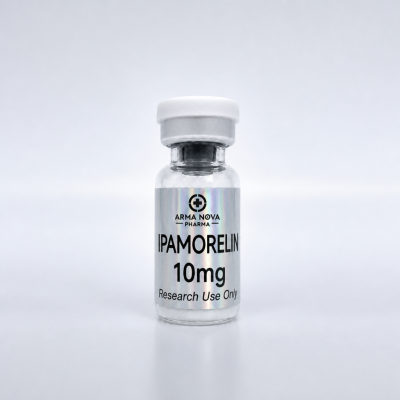
Ipamorelin UK: The Selective Growth Hormone Secretagogue for Researchers in 2026 Among the growth hormone-releasing peptides available to UK researchers, ipamorelin stands apart for a... Continue reading
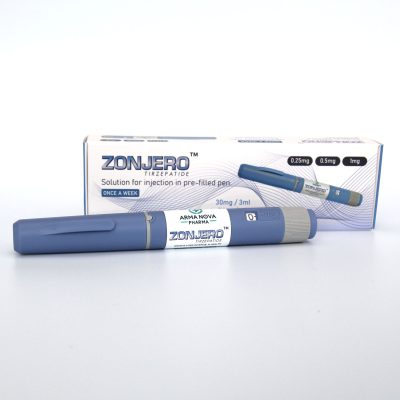
Tirzepatide 30mg UK: The Dual GIP/GLP-1 Receptor Agonist for Advanced Metabolic Research Tirzepatide represents the first dual glucose-dependent insulinotropic polypeptide (GIP) and glucagon-like peptide-1 (GLP-1)... Continue reading
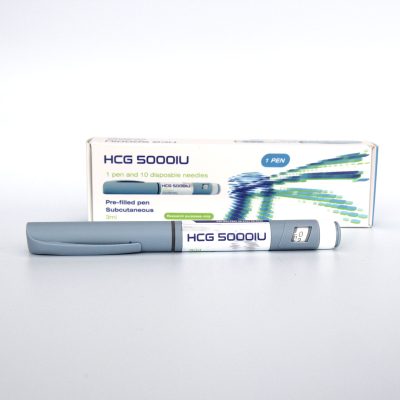
HCG 5000IU UK: Research-Grade Sourcing and Clinical Context Guide 2026 Human chorionic gonadotropin at the 5000 international unit dosage represents one of the most frequently... Continue reading
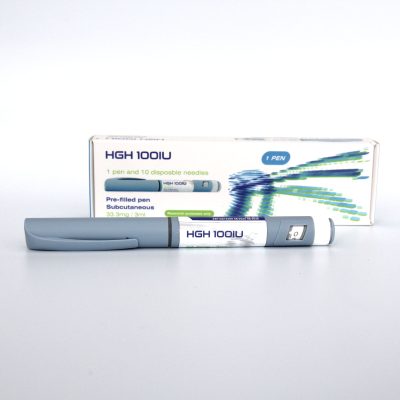
HGH 100 IU UK: Verified Research-Grade Sourcing, Purity Standards, and Regulatory Context for 2026 Securing genuine, laboratory-verified hgh 100 iu uk formulations presents distinct challenges... Continue reading
Add comment