
No products in the cart.
MOTS-C Peptide UK: Mitochondrial-Encoded Research Guide
MOTS-C Peptide UK: The Mitochondrial-Encoded Metabolic Regulator
The mots c peptide uk research community is expanding rapidly, yet most available content barely scratches the surface of what makes this peptide genuinely unique. Unlike the vast majority of peptides used in metabolic and performance research—which are encoded by nuclear DNA and manufactured via recombinant technology—MOTS-C is naturally encoded within the mitochondrial genome itself, specifically in the 12S rRNA region. This mitochondrial origin fundamentally distinguishes its biological role: MOTS-C functions as a direct signalling molecule from the mitochondria to the nucleus, activating AMP-activated protein kinase (AMPK), the cell’s master energy sensor.
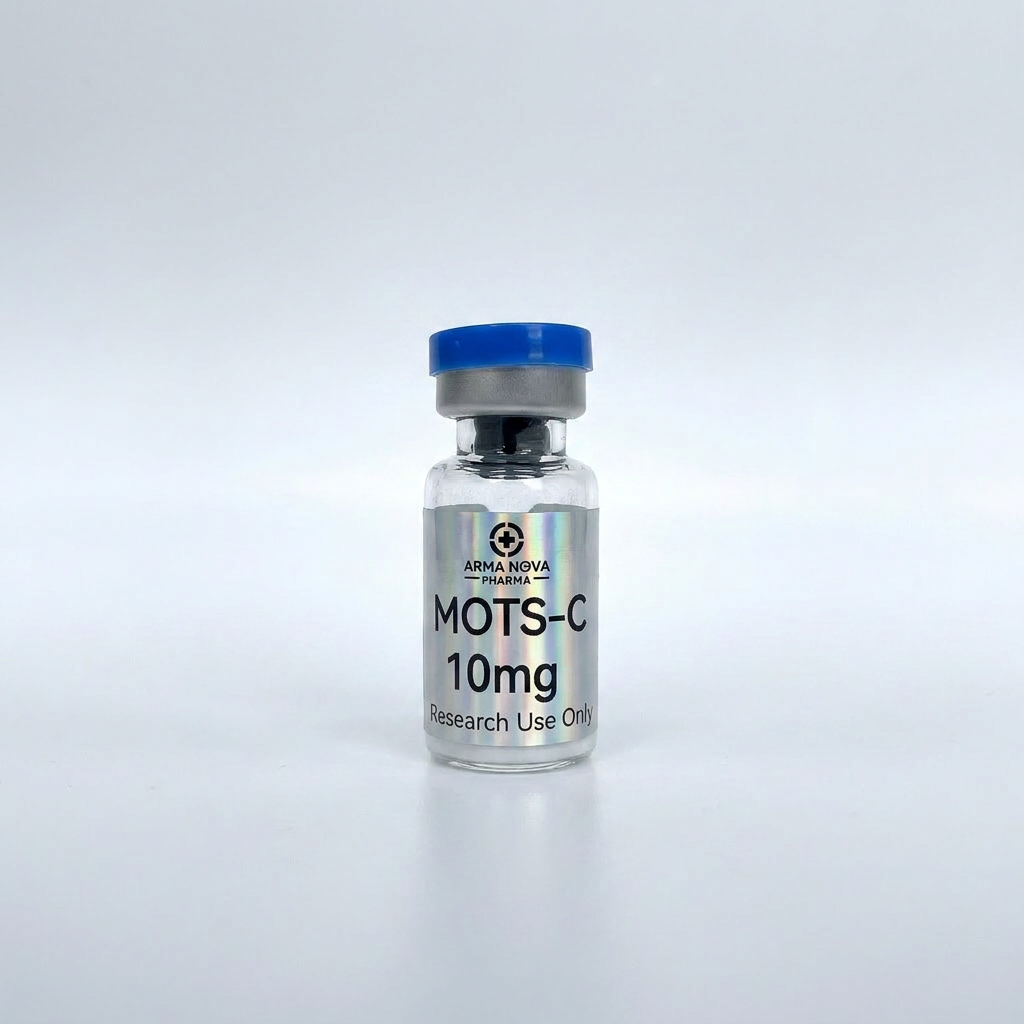
For UK-based researchers seeking verified, high-purity mots c peptide uk sources, understanding this mechanistic distinction isn’t academic pedantry—it’s the foundation for designing rigorous metabolic, exercise physiology, and ageing research protocols. This guide explains the science behind MOTS-C’s mitochondrial-nuclear crosstalk, reviews key published human and animal data, clarifies UK-specific sourcing and regulatory considerations, and provides practical guidance for researchers evaluating purity standards and supplier credibility.
mots c peptide uk: What Makes MOTS-C Different: Mitochondrial-Encoded Peptide Biology
MOTS-C (Mitochondrial Open reading frame of the 12S rRNA-c) was first characterised by Lee et al. (2015) in Cell Metabolism, who demonstrated that this 16-amino-acid peptide is encoded directly within mitochondrial DNA—a vanishingly small fraction of the human genome. While mitochondria contain only 37 genes (compared to roughly 20,000 nuclear genes), MOTS-C represents a previously unrecognised class of signalling peptides: mitochondrial-derived peptides (MDPs).
The functional significance is profound. When mitochondria experience metabolic stress—whether from nutrient deprivation, exercise, or ageing-related decline—MOTS-C expression increases and the peptide translocates to the cell nucleus. There, it binds to nuclear DNA and regulates the expression of genes involved in glucose and lipid metabolism, particularly those responsive to AMPK activation. AMPK itself is a highly conserved energy sensor activated during low cellular energy states (high AMP:ATP ratio), promoting catabolic pathways that generate ATP while inhibiting anabolic processes that consume it.
This mitochondrial-to-nuclear signalling axis means MOTS-C acts as a retrograde signal—the mitochondria communicating their energetic status directly to the nucleus to coordinate whole-cell metabolic responses. For researchers evaluating metabolic interventions, this places MOTS-C at a fundamentally different mechanistic node than exogenous hormones or growth factors: it mimics an endogenous mitochondrial stress signal rather than simply binding a surface receptor.
AMPK Activation and Metabolic Homeostasis: Published Evidence
The seminal 2015 study by Lee and colleagues remains the cornerstone reference for MOTS-C metabolic activity. In high-fat diet (HFD)-fed mice, MOTS-C administration significantly improved insulin sensitivity and reduced weight gain compared to controls—not through appetite suppression, but via enhanced glucose uptake in skeletal muscle and white adipose tissue. Critically, these effects were abolished in AMPK-knockout models, confirming AMPK activation as the primary mechanism.
Key findings from the Lee et al. Cell Metabolism study included:
- MOTS-C treatment prevented diet-induced obesity in HFD-fed mice (approximately 40% reduction in weight gain over 8 weeks)
- Improved glucose tolerance (area under the curve reduced by ~30% in glucose tolerance tests)
- Enhanced insulin sensitivity (measured via insulin tolerance tests and HOMA-IR calculations)
- Increased fatty acid β-oxidation gene expression (CPT1, ACOX1) in skeletal muscle
- Reduced hepatic lipid accumulation and improved liver function markers
Importantly, these effects were dose-dependent and reversible, with metabolic parameters returning toward baseline after cessation—consistent with a pharmacological intervention rather than permanent epigenetic modification.
Exercise, Muscle Function, and Age-Dependent Decline
A particularly relevant development for UK sports science and gerontology researchers came from Reynolds et al. (2021) in Nature Communications, who demonstrated that MOTS-C is an exercise-induced peptide whose circulating levels increase following physical activity. This study examined both rodent models and human cohorts, revealing several key points:
- Acute exercise (both resistance and endurance modalities) increased skeletal muscle MOTS-C expression and serum levels in young healthy adults
- Older adults (≥65 years) showed blunted MOTS-C responses to exercise compared to younger cohorts—a potential contributor to age-related metabolic inflexibility
- Exogenous MOTS-C administration to aged mice restored exercise capacity (measured by treadmill running time to exhaustion) to levels comparable with younger controls
- MOTS-C treatment improved muscle mitochondrial respiration (measured via Seahorse metabolic flux analysis) and reduced markers of mitochondrial dysfunction
- Genetic polymorphisms in the mt-12S rRNA region (where MOTS-C is encoded) correlated with variations in human physical performance metrics across population studies
These findings position MOTS-C not merely as a metabolic intervention, but as a potential mediator of the well-established link between mitochondrial health and physical function across the lifespan. For UK researchers designing exercise physiology or healthy ageing protocols, this exercise-mimetic property represents a distinct research angle.
Current Research Frontiers and Therapeutic Potential
A comprehensive 2023 review by Zheng et al. in Frontiers in Endocrinology synthesised emerging evidence for MOTS-C across multiple therapeutic contexts, including type 2 diabetes, cardiovascular health, neurodegenerative disease, and longevity research. Several observations merit attention for UK-based investigators:
Cardiovascular and Ischemia-Reperfusion Protection: Preclinical models demonstrate that MOTS-C administration prior to ischemic events (myocardial infarction, stroke) significantly reduces infarct size and preserves tissue function. Proposed mechanisms include improved mitochondrial calcium handling, reduced oxidative stress, and preservation of ATP production under hypoxic conditions.
Neurodegeneration and Cognitive Function: Emerging rodent data suggest MOTS-C may cross the blood-brain barrier and exert neuroprotective effects. In Alzheimer’s disease models, MOTS-C treatment reduced amyloid-β accumulation and improved spatial memory performance—potentially via AMPK-mediated enhancement of autophagy and mitochondrial quality control in neurons.
Longevity and Healthspan Extension: While human longevity data remain observational (correlating natural MOTS-C variants with lifespan in population studies), interventional rodent studies show that chronic MOTS-C administration extends median lifespan by approximately 12-15% in some strains—comparable to caloric restriction effects.
It’s crucial to emphasise that most of these applications remain in preclinical stages. Human clinical trials registered on ClinicalTrials.gov remain limited, with most completed studies focused on safety and pharmacokinetics rather than efficacy endpoints. UK researchers should approach claims of therapeutic benefit with appropriate scientific scepticism—the mechanistic rationale is sound, but clinical validation is incomplete.
MOTS-C Peptide UK: Sourcing, Purity Standards, and Regulatory Context
For researchers seeking mots c peptide uk supply, verification standards matter enormously. Peptide synthesis quality directly impacts experimental reproducibility and safety—particularly for a relatively novel peptide where reference standards and quality benchmarks are still being established in the wider research community.
HPLC Purity and Certificate of Analysis (COA) Requirements
High-performance liquid chromatography (HPLC) remains the gold standard for peptide purity verification. Reputable UK peptide suppliers, including Arma Peptides, provide batch-specific Certificates of Analysis demonstrating ≥99% purity. This specification is not arbitrary—impurities below 1% can include truncated sequences, deletion peptides, or synthesis by-products that may alter biological activity or introduce confounding variables.
When evaluating MOTS-C 10mg (Vial) or MOTS-C 10mg (Pre-Filled Pen) options, researchers should verify:
- HPLC chromatogram availability: The supplier should publish actual chromatograms, not just summary purity percentages
- Mass spectrometry confirmation: MS analysis verifies the exact molecular weight, confirming correct amino acid sequence
- Endotoxin testing: LAL (Limulus Amebocyte Lysate) assay results should demonstrate <1 EU/mg endotoxin—critical for any in vivo research
- Batch-to-batch consistency: COAs should be batch-specific with unique lot numbers, not generic documents reused across shipments
- Sterility testing: For injectable-grade research peptides, sterility certificates per batch are non-negotiable
Arma Peptides publishes verified COAs for each batch, with HPLC purity consistently exceeding 99% and full mass spec confirmation. This transparency is rare in the UK peptide market and represents a minimal standard for credible research supply.
UK Regulatory Context: Research Use Only
In the UK, MOTS-C is classified for research purposes only. It is not approved by the Medicines and Healthcare products Regulatory Agency (MHRA) for human therapeutic use, nor is it licensed as a medicine. This legal status is identical to most research peptides and places specific responsibilities on purchasers:
- MOTS-C may only be acquired for bona fide scientific research, institutional studies, or in vitro experimentation
- It is not intended for human consumption, self-administration, or clinical treatment
- Researchers affiliated with universities, research institutes, or registered laboratories typically meet eligibility criteria
- Compliance with institutional ethics approval (where applicable) and adherence to Home Office regulations (for animal studies under the Animals (Scientific Procedures) Act 1986) remains mandatory
This regulatory framework mirrors the broader landscape for research peptides in the UK. Reputable suppliers enforce these restrictions through customer verification processes and explicit terms of sale. For detailed guidance on UK-specific regulatory considerations and research applications, the Mots C 10mg Uk Research Guide provides targeted practical information.
Practical Considerations: Reconstitution, Storage, and Dosing Protocols
MOTS-C peptide arrives lyophilised (freeze-dried) and requires reconstitution with bacteriostatic water or sterile water for injection prior to use. Proper handling preserves peptide stability and ensures experimental consistency.
Reconstitution Protocol
For a standard 10mg vial, the following reconstitution approach ensures accurate concentration and minimal peptide degradation:
- Bring lyophilised vial to room temperature (approximately 15 minutes) before opening
- Inject bacteriostatic water (typically 2ml for a 10mg vial, yielding a 5mg/ml concentration) slowly down the inside wall of the vial—avoid injecting directly onto the peptide cake, which can cause aggregation
- Gently swirl (do not shake vigorously) until the peptide dissolves completely—MOTS-C typically dissolves within 2-3 minutes
- Visually inspect for particulates or cloudiness; properly reconstituted MOTS-C should be clear and colourless
- Label the vial with reconstitution date and concentration
For researchers preferring pre-mixed convenience, the MOTS-C 10mg (Pre-Filled Pen) format eliminates reconstitution steps entirely—peptide arrives pre-dissolved at verified concentration with integrated sterile administration mechanism. This format reduces handling variability and is increasingly preferred in longitudinal animal studies where dosing consistency is paramount.
Storage and Stability
Lyophilised MOTS-C remains stable at -20°C for at least 24 months when stored with desiccant protection. Once reconstituted, stability depends on storage conditions:
- Short-term (≤7 days): Refrigerate at 2-8°C; bacteriostatic water extends stability to approximately 14 days
- Long-term (>14 days): Aliquot into single-use portions and store at -20°C or -80°C to avoid freeze-thaw cycles, which degrade peptide structure
- Room temperature: Reconstituted peptide should not be left at room temperature for extended periods (>2 hours); MOTS-C is relatively stable but enzymatic degradation and bacterial contamination risks increase with time and temperature
Researchers conducting multi-week protocols should prepare working aliquots and thaw only what is needed for each experimental session to maintain peptide integrity.
Dosing Considerations in Rodent Research Models
Published preclinical studies utilise a range of MOTS-C doses depending on experimental objectives. The Lee et al. 2015 study employed intraperitoneal (IP) administration at 5-15 mg/kg body weight, delivered daily or every other day. Reynolds et al. 2021 used similar ranges with both IP and subcutaneous (SC) routes showing comparable efficacy.
Conversion to human-equivalent doses (HED) using standard FDA scaling factors (based on body surface area) suggests approximately 0.4-1.2 mg/kg HED—though direct human dosing data remain limited. UK researchers designing translational protocols should consult institutional ethics committees and veterinary officers when establishing dose-response curves in novel experimental contexts.
Comparisons with Related Research Peptides
Researchers evaluating MOTS-C often compare it with other metabolic and regenerative peptides common in UK research environments. Understanding these distinctions helps position MOTS-C within broader experimental frameworks.
MOTS-C vs. BPC-157 and TB-500
BPC-157 (Body Protection Compound-157) and TB-500 (Thymosin Beta-4 fragment) are extensively researched for tissue repair, wound healing, and inflammatory modulation—mechanisms largely distinct from MOTS-C’s metabolic AMPK activation. The Bpc 157 Tb 500 Blend Review What Researchers Need To Know article on the Blog details these peptides in depth, but the key distinction is mechanistic focus: BPC-157 promotes angiogenesis and tissue remodelling via growth factor pathways, while MOTS-C primarily enhances metabolic flexibility and mitochondrial function.
In practice, some research protocols combine MOTS-C with BPC-157/TB-500 when investigating recovery from metabolic plus structural injury (e.g., post-surgical metabolic dysfunction or diabetic wound healing). These are complementary rather than redundant interventions.
MOTS-C vs. GHK-Cu
GHK-Cu (Glycyl-L-Histidyl-L-Lysine copper complex) is another mitochondrial-active peptide, but its primary actions involve copper-dependent enzyme activation, collagen synthesis, and gene expression modulation—particularly in dermal tissue. The Ghk Cu Skin Uk Pre Filled Pen Hplc Verified Research Guide provides detailed context, but GHK-Cu is most commonly deployed in skin regeneration and anti-ageing dermatology research, whereas MOTS-C targets systemic metabolic and exercise physiology endpoints.
Mitochondrial health is a common denominator—both peptides appear to enhance mitochondrial respiration and reduce oxidative stress—but their tissue distribution, receptor interactions, and experimental applications diverge significantly.
Common Misconceptions and Research Limitations
As with any emerging research molecule, MOTS-C has attracted both legitimate scientific interest and speculative claims that outpace the evidence. UK researchers should be aware of several key limitations:
Human Clinical Data Remain Limited
Despite robust preclinical evidence, published human clinical trials for MOTS-C are sparse. Most human data are observational (genetic association studies linking natural MOTS-C polymorphisms with metabolic outcomes) rather than interventional. Phase I safety trials have been conducted, but large-scale efficacy studies in human cohorts have not yet been published in peer-reviewed journals.
This evidence gap means that claims about specific human metabolic benefits—weight loss, insulin sensitivity improvement, exercise performance enhancement—remain extrapolations from animal models. Such extrapolations are scientifically reasonable, but they are not clinically validated.
AMPK Activation Is Not Universally Beneficial
While AMPK activation is generally associated with improved metabolic health, chronic AMPK overactivation may have downsides in specific contexts. For example, excessive AMPK activity can inhibit mTOR signalling—critical for muscle protein synthesis and hypertrophy. Researchers designing protocols combining MOTS-C with resistance training or anabolic interventions should consider potential mechanistic conflicts.
Similarly, AMPK activation promotes autophagy (cellular “clean-up” processes), which is protective in many contexts but could theoretically interfere with tissue growth or repair under certain conditions. These nuances underscore the importance of context-specific experimental design rather than assuming universal benefit.
Inter-Individual Variability and Genetic Factors
The Reynolds et al. 2021 study identified specific single-nucleotide polymorphisms (SNPs) in the mitochondrial 12S rRNA region that influence endogenous MOTS-C expression and activity. Individuals carrying certain variants showed altered metabolic responses to exercise and different baseline metabolic health markers.
This genetic variability suggests that exogenous MOTS-C supplementation in research models may produce heterogeneous responses depending on genetic background—a factor rarely controlled in rodent studies but highly relevant for translational human research.
Next-Day UK Delivery and Practical Logistics
For UK-based research institutions and independent researchers, access to verified mots c peptide uk supply with reliable logistics is non-negotiable. Arma Peptides offers next-day UK delivery on all peptide orders, with temperature-controlled packaging ensuring peptide stability during transit.
Practical logistics considerations include:
- Order timing: Orders placed before 2pm (UK time) typically dispatch same-day for next-day delivery
- Packaging: Peptides ship with cold packs in insulated containers, maintaining 2-8°C during transport
- Weekend and bank holiday logistics: Deliveries scheduled to avoid weekend delays, ensuring peptides don’t sit in ambient conditions
- Delivery confirmation: Tracked delivery with signature required, minimising loss or theft risk
- International delivery: While this guide focuses on UK supply, Arma Peptides accommodates international orders with appropriate customs documentation and temperature-controlled international shipping where regulations permit
Pricing for mots c peptide uk supply is competitive within the verified high-purity segment. While generic peptide suppliers may offer lower per-milligram costs, the absence of batch-specific COAs, HPLC verification, and sterility testing renders such products unsuitable for serious research—any cost savings evaporate when experiments yield inconsistent or confounded results due to impure starting material.
Designing Rigorous MOTS-C Research Protocols
For UK researchers initiating MOTS-C studies, several methodological best practices enhance reproducibility and scientific rigour:
Control Groups and Vehicle Administration
Always include vehicle-only control groups receiving the reconstitution solution (bacteriostatic water or saline) via the same route and schedule as peptide-treated groups. MOTS-C is relatively inert as a vehicle, but the injection procedure itself can induce mild stress responses that confound metabolic measurements.
Timing Relative to Metabolic Challenges
The metabolic effects of MOTS-C are context-dependent—responses differ significantly between fasted vs. fed states, sedentary vs. exercised conditions, and young vs. aged subjects. Experimental designs should explicitly control and document these variables. For example, administering MOTS-C prior to glucose tolerance testing may yield different results than post-exercise administration, even at identical doses.
Longitudinal Measurement and Metabolic Flexibility
Single-timepoint measurements often miss MOTS-C’s most interesting effects: improvements in metabolic flexibility (the ability to switch between glucose and fatty acid oxidation depending on availability). Protocols incorporating repeated metabolic measurements—glucose tolerance tests, respiratory exchange ratio monitoring, or metabolomic profiling—capture dynamic responses that static measurements miss.
Sex as a Biological Variable
Most published MOTS-C research has used male rodents exclusively. Emerging data suggest sex-specific differences in MOTS-C responses, potentially mediated by oestrogen’s effects on mitochondrial function and AMPK sensitivity. UK research protocols should include both sexes or explicitly justify single-sex designs with scientific rationale.
Frequently Asked Questions: MOTS-C Peptide UK
What is the difference between MOTS-C vials and pre-filled pens?
Vials contain lyophilised MOTS-C requiring reconstitution, offering flexibility in concentration and dosing. Pre-filled pens contain pre-dissolved peptide at fixed concentration with integrated sterile needle, eliminating reconstitution steps and reducing handling variability—preferred for longitudinal studies where dosing consistency is critical.
How long does reconstituted MOTS-C remain stable?
When stored at 2-8°C with bacteriostatic water, approximately 14 days. For longer storage, aliquot and freeze at -20°C or -80°C; avoid repeated freeze-thaw cycles which degrade peptide structure.
Can MOTS-C be combined with other research peptides?
Yes, in principle, though careful consideration of mechanistic interactions is necessary. MOTS-C’s AMPK activation may interact with mTOR-dependent peptides (potentially opposing anabolic signals), while complementing regenerative peptides like BPC-157 in metabolic-injury models. Always pilot combination protocols with appropriate controls.
What concentration should I reconstitute MOTS-C to?
Common concentrations range from 2.5-5 mg/ml depending on dosing volume preferences. Higher concentrations (5mg/ml) reduce injection volume but may increase local irritation in some animal models. Lower concentrations (2.5mg/ml) are gentler but require larger volumes per dose.
Is MOTS-C legal to purchase in the UK?
Yes, for bona fide research purposes. MOTS-C is not a controlled substance but is classified for research use only—not approved for human therapeutic use or self-administration. Purchasers should be affiliated with research institutions or conducting legitimate scientific studies.
What evidence exists for MOTS-C in human subjects?
Direct interventional human trials are limited; most human data are observational genetic association studies. Phase I safety studies have been conducted, demonstrating tolerability, but large-scale efficacy trials have not been published. Extrapolations from rodent data are scientifically plausible but clinically unvalidated.
Conclusion: MOTS-C Peptide UK Research Applications
The unique biology of mots c peptide uk—a mitochondrial-encoded peptide that activates AMPK and mediates mitochondrial-nuclear crosstalk—positions it as a mechanistically distinct tool for metabolic, exercise physiology, and ageing research. Published data from Lee et al., Reynolds et al., and comprehensive reviews by Zheng et al. establish a solid preclinical foundation demonstrating improvements in insulin sensitivity, exercise capacity, and age-related metabolic decline in rodent models.
For UK researchers, access to verified high-purity mots c peptide uk supply with published COAs, HPLC purity ≥99%, and next-day delivery ensures experimental reproducibility and compliance with institutional quality standards. Arma Peptides meets these specifications with transparent batch verification and fast UK & EU logistics tailored to research timelines.
As the MOTS-C evidence base expands—particularly into human clinical trials currently in early phases—UK researchers are well-positioned to contribute novel insights into mitochondrial-derived peptide biology and its translational potential. Rigorous experimental design, mechanistic clarity, and appropriate scepticism about extrapolating preclinical findings to human applications remain essential.
Whether investigating metabolic disease models, exercise-induced adaptations, or interventions targeting healthy ageing, MOTS-C represents a research tool grounded in genuine mitochondrial biology rather than speculative supplementation trends—a distinction that matters profoundly in an era of scientific rigour and reproducibility.
Disclaimer: MOTS-C peptide is supplied for research purposes only and is not intended for human consumption, self-administration, or therapeutic use. All research involving MOTS-C should be conducted in accordance with institutional ethics approval, UK Home Office regulations (where applicable), and appropriate biosafety standards. This article is intended as educational scientific content for researchers and does not constitute medical advice or endorsement of off-label use.

Related posts

Tesamorelin 10mg UK: Research-Grade Growth Hormone-Releasing Hormone Analogue for 2026 UK-based researchers investigating growth hormone-releasing hormone (GHRH) analogues frequently encounter a critical sourcing challenge:… Continue reading
Ipamorelin UK: The Selective Growth Hormone Secretagogue for Researchers in 2026 Among the growth hormone-releasing peptides available to UK researchers, ipamorelin stands apart for a... Continue reading

Tirzepatide 30mg UK: The Dual GIP/GLP-1 Receptor Agonist for Advanced Metabolic Research Tirzepatide represents the first dual glucose-dependent insulinotropic polypeptide (GIP) and glucagon-like peptide-1 (GLP-1)... Continue reading

HCG 5000IU UK: Research-Grade Sourcing and Clinical Context Guide 2026 Human chorionic gonadotropin at the 5000 international unit dosage represents one of the most frequently... Continue reading

HGH 100 IU UK: Verified Research-Grade Sourcing, Purity Standards, and Regulatory Context for 2026 Securing genuine, laboratory-verified hgh 100 iu uk formulations presents distinct challenges... Continue reading
Add comment