
No products in the cart.
Kisspeptin For Sale UK: Research-Grade Peptide Sourcing
Kisspeptin For Sale: UK Research-Grade Sourcing and Quality Verification Standards
The neuropeptide kisspeptin has emerged as one of the most mechanistically distinctive research compounds in reproductive endocrinology and metabolic regulation, yet the UK market for kisspeptin for sale remains fragmented between verified research suppliers and unregulated sources with undocumented purity profiles. The difference between a research-grade peptide with published HPLC certificates and an unverified synthesis product is not cosmetic—it determines whether experimental protocols replicate published findings or produce artefactual results. This article provides a comprehensive verification framework for evaluating kisspeptin suppliers within the UK regulatory context, examining the receptor-level mechanisms that distinguish kisspeptin from other hypothalamic peptides, and translating clinical trial data into practical sourcing decisions for UK-based researchers and informed biohackers.
Kisspeptin represents a unique class within the growing therapeutic peptide landscape. As Kaspar and colleagues documented in their 2013 analysis of peptide therapeutics development trajectories, the shift toward peptides targeting specific G-protein-coupled receptors has accelerated precisely because these compounds offer receptor selectivity profiles unattainable with small molecules (PMID: 23085456). Unlike broad-spectrum hormonal interventions, kisspeptin’s selective activation of the KISS1R receptor—expressed predominantly on GnRH neurons in the hypothalamus—produces a cascading effect on the hypothalamic-pituitary-gonadal (HPG) axis without the off-target endocrine disruption characteristic of earlier peptide generations. This mechanistic precision explains both the research community’s interest and the necessity of purity verification: even minor contaminant peptides can introduce confounding receptor interactions that invalidate experimental data.
Understanding Kisspeptin’s Receptor Mechanism: Why Purity Matters at the Molecular Level
Kisspeptin—originally designated metastin when identified as a metastasis-suppressor gene product—functions as the endogenous ligand for KISS1R (GPR54), a rhodopsin-family G-protein-coupled receptor expressed on gonadotropin-releasing hormone (GnRH) neurons in the arcuate and anteroventral periventricular nuclei of the hypothalamus. Upon binding, kisspeptin initiates a Gq/11-mediated signalling cascade that increases intracellular calcium and activates phospholipase C, triggering pulsatile GnRH secretion. This GnRH pulse frequency and amplitude directly regulate anterior pituitary LH and FSH release, making kisspeptin the gatekeeper of reproductive hormone signalling.
The commercially available forms—kisspeptin-10, -13, -54, and -121—represent different cleavage products of the 145-amino-acid KISS1 precursor, with kisspeptin-10 (the C-terminal decapeptide) retaining full biological activity at KISS1R. The critical structural requirement is the intact RF-amide motif (Arg-Phe-NH₂) at the C-terminus; any degradation, oxidation, or synthesis error affecting this region abolishes receptor activation. When evaluating kisspeptin for sale, this biochemical reality has direct implications: suppliers providing HPLC chromatograms should demonstrate a single dominant peak at the expected mass (1302.5 Da for kisspeptin-10) with minimal degradation products or synthesis by-products. The presence of truncated sequences or oxidized methionine residues—common in poorly stored or improperly synthesized batches—can reduce effective potency by 30–60% even when total peptide mass appears acceptable.
For UK researchers designing dose-response experiments or replicating published protocols, this variance translates directly into reproducibility failures. A 5 mg vial labelled as kisspeptin-10 with 92% purity contains 460 mcg of non-target material that may include related peptide sequences capable of partial agonist activity at KISS1R or off-target effects at other receptors. The ≥99% HPLC standard—while more expensive per milligram—eliminates this variable and ensures that observed effects derive from kisspeptin activity rather than contaminant interference.
Clinical Evidence Base: Translating Human Trial Data Into Sourcing Requirements
The clinical investigation of kisspeptin has progressed from proof-of-concept studies in hypogonadal men to controlled trials in reproductive medicine and metabolic contexts. A landmark 2014 phase I study at Imperial College London demonstrated that intravenous kisspeptin-54 administration (0.01–4.0 nmol/kg/h) produced dose-dependent LH increases in healthy men, with the 4.0 nmol/kg/h infusion elevating LH from baseline 2.2 ± 0.3 IU/L to 8.6 ± 1.2 IU/L within 90 minutes—a nearly fourfold increase comparable to exogenous GnRH but with superior pulse fidelity. Importantly, this trial used pharmaceutical-grade kisspeptin-54 with documented >98% purity and verified sequence integrity via mass spectrometry.
The purity standard employed in this trial is not arbitrary; it reflects the threshold below which batch-to-batch variability begins to compromise dose reproducibility. Subsequent trials investigating kisspeptin’s effects on oocyte maturation timing in IVF protocols (Jayasena et al., 2014) and its potential to modulate sexual and emotional brain processing (2017 fMRI study) consistently employed peptides with HPLC purity exceeding 97%, typically sourced from GMP-compliant manufacturers with full amino acid analysis and endotoxin testing. For UK researchers seeking verified sourcing options, these published specifications provide a benchmark: any supplier offering kisspeptin below 97% purity or without published COAs is operating outside the standards that generated the clinical evidence base.
The broader trajectory of therapeutic peptide development supports this quality-first approach. Lau and Dunn’s 2018 comprehensive review of peptide therapeutics noted that while over 60 peptide drugs have achieved regulatory approval, the failure rate in clinical development remains disproportionately linked to manufacturing inconsistency and batch variability rather than inherent pharmacology (PMID: 27890521). For research-use peptides not subject to pharmaceutical regulation, this quality variance amplifies: the difference between a well-characterized research product and an unverified synthesis can determine whether experimental results align with published literature or generate confounding data.
UK Regulatory Context: Research Use Classification and Legal Framework
Within the UK, kisspeptin occupies a distinct regulatory position. It is not classified as a controlled substance under the Misuse of Drugs Act 1971, nor is it scheduled under the Psychoactive Substances Act 2016, which specifically exempts compounds used for legitimate research purposes. However, kisspeptin is not approved as a medicine by the Medicines and Healthcare products Regulatory Agency (MHRA) for human therapeutic use outside of clinical trial contexts governed by a Clinical Trial Authorisation (CTA).
This creates a defined legal pathway: kisspeptin for sale in the UK is permissible when clearly labelled and sold for research purposes only, with no claims or marketing implying human consumption, therapeutic benefit, or diagnostic use. Reputable UK suppliers operate within this framework by providing research-grade peptides accompanied by certificates of analysis, clear “not for human consumption” labelling, and documentation supporting laboratory research applications. This is functionally identical to the regulatory classification of other research peptides including tesamorelin and retatrutide, which are available for verified research use but not as therapeutic products.
UK researchers and institutions purchasing kisspeptin should verify that their supplier provides explicit research-use-only terms of sale and maintains documented quality control processes. The presence of published COAs with batch-specific HPLC chromatograms, mass spectrometry confirmation, and endotoxin testing (<10 EU/mg for cell culture applications) signals compliance with research-grade standards. Conversely, suppliers offering kisspeptin without documentation, making therapeutic claims, or marketing via channels associated with human consumption introduce both legal and experimental risk.
Evaluating Kisspeptin Suppliers: Six Critical Verification Criteria
The practical challenge UK researchers face when sourcing kisspeptin for sale is distinguishing legitimate research suppliers from vendors selling unverified peptides or relabelled products from unknown synthesis facilities. The following six criteria provide a systematic evaluation framework:
1. Published Certificates of Analysis with Batch-Specific Data
A legitimate research supplier provides downloadable COAs for each batch, not generic template documents. The COA should include: HPLC chromatogram showing peptide purity (target ≥99%), mass spectrometry data confirming molecular weight (1302.5 ± 0.5 Da for kisspeptin-10), amino acid analysis or sequence verification, and endotoxin testing results. The batch number on the COA must correspond to the batch number on the supplied vial. Suppliers offering only percentage purity figures without supporting chromatograms should be considered unverified.
2. Transparent Synthesis and Storage Information
Kisspeptin synthesis quality depends on the manufacturing method: solid-phase peptide synthesis (SPPS) using Fmoc chemistry is the standard for research-grade peptides, followed by reverse-phase HPLC purification and lyophilization. Reputable suppliers disclose their synthesis methodology and storage conditions (typically -20°C to -80°C for powder form, protected from light and moisture). Vague descriptions such as “high-quality synthesis” without methodology details suggest third-party sourcing without direct manufacturing oversight.
3. UK-Based Operations with Documented Shipping Standards
Peptide stability during transit is often the point at which research-grade material degrades to substandard quality. UK-based suppliers offering tracked, temperature-controlled shipping (cold packs for domestic delivery, insulated packaging with temperature monitoring for peptides requiring refrigeration) demonstrate commitment to maintaining peptide integrity from synthesis to laboratory. International suppliers shipping without cold-chain logistics risk degradation during customs delays—a particular concern for peptides containing oxidation-prone residues like the methionine present in kisspeptin-10.
4. Pricing Alignment with Research-Grade Standards
While pricing should not be the primary criterion, significant deviation from market norms signals quality concerns. Research-grade kisspeptin-10 at ≥99% purity typically costs £80–£150 per 5 mg vial from verified UK suppliers (reflecting synthesis, purification, and quality control costs). Dramatically lower pricing—below £40–£50 per 5 mg—often indicates lower purity peptides, inconsistent synthesis quality, or lack of analytical verification. Conversely, excessive pricing (>£200 per 5 mg) may reflect retail markup unrelated to underlying quality. The kisspeptin 10mg UK pricing range provides market context for evaluating supplier quotes.
5. Responsive Technical Support with Peptide Expertise
A supplier’s ability to answer specific technical questions—reconstitution protocols, optimal storage duration post-reconstitution, compatibility with specific buffer systems, expected stability under different pH conditions—indicates direct experience with the peptide and access to technical documentation beyond basic product specifications. Generic responses or inability to provide guidance on questions like “What’s the recommended reconstitution solvent for cell culture applications versus in vivo studies?” suggests a retail operation rather than a research-focused supplier.
6. Clear Research-Use-Only Terms and Compliance Framework
Legitimate UK suppliers maintain explicit terms of sale restricting use to research applications, include appropriate disclaimers on product pages and documentation, and avoid marketing language suggesting therapeutic use, bodybuilding applications, or human consumption. This is not merely legal protection; it reflects operational awareness of the UK regulatory framework and commitment to serving the research community rather than unregulated consumer markets.
Kisspeptin Variants: Selecting Between Kisspeptin-10, -13, -54, and -121
While all kisspeptin fragments retain activity at KISS1R, practical differences influence supplier selection and experimental design. Kisspeptin-10 (Tyr-Asn-Trp-Asn-Ser-Phe-Gly-Leu-Arg-Phe-NH₂) is the minimal bioactive sequence, offering the advantages of lower synthesis cost, higher purity consistency, and simpler quality verification—a 10-residue peptide has fewer opportunities for synthesis errors than a 54-residue sequence. Clinical trials have demonstrated equivalent potency between kisspeptin-10 and longer variants on a molar basis for acute GnRH stimulation, though pharmacokinetic differences exist: longer peptides show extended plasma half-life due to reduced renal clearance.
For UK researchers designing acute-stimulation protocols or in vitro receptor activation studies, kisspeptin-10 offers optimal cost-effectiveness and quality consistency. The standard UK research specifications typically employ kisspeptin-10 at ≥99% purity. Kisspeptin-54, while better studied in clinical contexts, presents verification challenges: the increased sequence length multiplies opportunities for synthesis errors, makes mass spectrometry confirmation more complex, and increases per-milligram cost substantially (often 2.5–3× the cost of equivalent purity kisspeptin-10).
When evaluating kisspeptin for sale, researchers should match peptide length to experimental requirements rather than defaulting to longer variants based on clinical trial precedent. If the research question involves receptor activation mechanisms, signalling pathway analysis, or dose-response characterization, kisspeptin-10 provides identical receptor pharmacology with superior quality-control characteristics. For studies specifically investigating pharmacokinetic differences or replicating clinical protocols using kisspeptin-54, the longer variant is appropriate—but supplier verification criteria become even more critical given the increased synthesis complexity.
Reconstitution, Storage, and Stability: Maximizing Research-Grade Kisspeptin Viability
The practical reality of peptide research is that supplied purity reflects only the starting point; handling and storage protocols determine retained potency over the experimental timeframe. Lyophilized kisspeptin-10 should be stored at -20°C to -80°C in sealed vials protected from humidity and light. Under these conditions, properly synthesized peptide remains stable for 12–24 months, though suppliers providing stability data specific to their synthesis batches offer superior documentation.
Reconstitution introduces the primary degradation risk. For cell culture and in vitro applications, sterile water or PBS (pH 7.2–7.4) serves as the standard solvent, producing solutions stable for 7–14 days at 4°C. For extended storage of reconstituted peptide, addition of 0.1% BSA (bovine serum albumin) as a carrier protein reduces adsorption to vial surfaces and oxidative degradation, extending refrigerated stability to 4–6 weeks. Freeze-thaw cycles should be avoided; aliquoting reconstituted peptide into single-use volumes and storing at -20°C provides superior long-term stability compared to repeated freezing and thawing of a single stock solution.
The pH sensitivity of kisspeptin deserves particular attention: the arginine and lysine residues present in the sequence make the peptide susceptible to deamidation under alkaline conditions (pH >8), while strong acidity (pH <4) can cleave peptide bonds. Reconstitution in buffers outside the pH 6–8 range should be avoided unless specifically required for experimental protocols, and such solutions should be used immediately rather than stored. Suppliers who provide detailed reconstitution guidance specific to kisspeptin—rather than generic peptide handling instructions—demonstrate product-specific expertise worth considering during supplier evaluation.
Comparing UK Kisspeptin Suppliers: Quality Markers Beyond Marketing Claims
The UK market for research peptides includes both established laboratory suppliers with documented quality systems and newer operations leveraging e-commerce platforms without equivalent verification infrastructure. Distinguishing between these categories requires looking beyond website presentation to substantive quality markers:
Batch documentation consistency: Select a supplier’s product listing and check whether COAs are available for multiple batch numbers, not just a single example document. Legitimate suppliers update COAs as new synthesis batches arrive; a single COA dated 12+ months prior suggests either low inventory turnover or static documentation disconnected from actual supplied batches.
Technical specification completeness: Beyond purity percentage, does the supplier provide molecular formula (C63H83N17O14 for kisspeptin-10), exact molecular weight, sequence in single-letter code (YNWNSFGLRF-NH2), and CAS number where applicable? Comprehensive specifications indicate access to synthesis documentation and quality control data rather than reliance on supplier-provided marketing materials.
Third-party verification references: Some UK research suppliers provide access to independent analytical reports from third-party testing laboratories, offering validation beyond manufacturer-supplied COAs. While not universal practice, the availability of independent verification—particularly mass spectrometry confirmation from a UK analytical chemistry facility—adds a verification layer absent from suppliers relying solely on synthesis facility documentation.
Regulatory and compliance positioning: How does the supplier describe the regulatory status of their peptides? Accurate statements such as “Research use only, not for human consumption, supplied under UK regulations governing laboratory research materials” indicate legal and regulatory awareness. Vague positioning, therapeutic claims, or absence of use restrictions suggests operations outside established UK research supply frameworks.
UK researchers should also consider the supplier’s broader peptide portfolio. A supplier offering a comprehensive range of research peptides with consistent quality documentation across multiple compounds—including emerging research compounds—demonstrates established supply chains and quality systems. Conversely, suppliers listing dozens of peptides but providing quality documentation for only a few flagship products may be operating as resellers without direct synthesis oversight.
Common Quality Issues in Unverified Kisspeptin Products
Analysis of peptide samples from unverified suppliers reveals recurring quality failures that compromise research applications:
Purity misrepresentation: The most frequent issue involves claimed purity (e.g., “98% pure”) that reflects total peptide content rather than target peptide purity. An HPLC chromatogram showing 98% total peptide but only 85% target peptide (with the remainder being truncated sequences, acetylated variants, or synthesis by-products) technically allows a “98% peptide purity” claim while delivering significantly reduced biological activity.
Incorrect peptide mass: Mass spectrometry analysis of purported kisspeptin-10 from low-verification suppliers has occasionally revealed molecular weights inconsistent with the expected 1302.5 Da, suggesting either sequence errors during synthesis, substitution with a different peptide entirely, or addition of stabilizing modifications (acetylation, PEGylation) not disclosed in product specifications.
Endotoxin contamination: Peptides synthesized in facilities with inadequate contamination control or purified using methods that don’t remove bacterial endotoxins can contain lipopolysaccharide levels >100 EU/mg—sufficient to activate inflammatory signalling pathways in cell culture applications, creating confounding variables in experiments investigating kisspeptin’s direct cellular effects.
Degradation from improper storage: Peptides exposed to temperature excursions during storage or shipping show characteristic degradation patterns: oxidation of methionine residues (visible as +16 Da mass shifts on mass spec), deamidation of asparagine and glutamine (visible as small retention time shifts on HPLC), and peptide bond hydrolysis (producing truncated fragments). These degradation products retain sufficient structural similarity to interfere with assays while reducing target peptide concentration.
For UK researchers evaluating kisspeptin for sale, awareness of these failure modes informs verification priorities: insist on HPLC chromatograms showing target peptide purity (not just total peptide content), request mass spec confirmation of molecular weight, verify endotoxin testing for cell culture applications, and confirm cold-chain shipping for temperature-sensitive peptides. These verification steps distinguish research-grade material from products where quality claims lack analytical support.
The Broader Context: Kisspeptin Within the Research Peptide Landscape
Understanding kisspeptin’s position within the expanding research peptide market provides context for quality expectations and sourcing decisions. The past decade has seen therapeutic peptides transition from niche research tools to a pharmaceutical category representing over $70 billion in annual global sales, driven by peptides’ unique combination of receptor selectivity, metabolic stability improvements, and targetability to previously “undruggable” biological processes.
This commercial success has created a parallel research market: investigators studying peptide mechanisms, developing new therapeutic candidates, or exploring peptide applications in metabolic optimization and performance enhancement require access to high-purity compounds outside pharmaceutical channels. The resulting supply ecosystem includes: (1) pharmaceutical-grade manufacturers operating under GMP who occasionally supply research markets, (2) dedicated research peptide manufacturers with quality systems approaching but not equalling pharmaceutical standards, (3) chemical synthesis companies producing peptides as part of broader custom synthesis services, and (4) reseller operations sourcing peptides from variable manufacturers without direct quality oversight.
Kisspeptin suppliers in the UK span this spectrum. The key distinction is not necessarily pharmaceutical-grade certification—which remains rare for research-use peptides and adds costs appropriate for therapeutic development but excessive for investigational research—but rather documented quality control processes, analytical verification, and consistency. A research peptide supplier operating at “pharmaceutical-adjacent” standards (≥99% HPLC purity, full analytical characterization, documented stability, GMP-compliant synthesis even if not certified for therapeutic use) provides the quality necessary for reproducible research without the regulatory overhead required for clinical manufacturing.
When comparing suppliers, UK researchers should calibrate expectations to research-grade rather than pharmaceutical standards while maintaining non-negotiable minimums: published HPLC data, mass spectrometry confirmation, and endotoxin testing represent the baseline for serious research applications. Suppliers meeting these standards—whether through in-house analytical facilities or documented third-party testing—deliver peptides suitable for publication-quality research. Those providing only certificate templates or supplier declarations without supporting analytical data operate below the threshold where experimental reproducibility can be assured.
Practical Sourcing Decision Framework for UK Researchers
Translating the verification criteria and quality markers discussed above into actionable sourcing decisions requires a systematic evaluation process:
Step 1: Define application-specific quality requirements. Cell culture experiments requiring low endotoxin levels demand different verification than in vitro receptor binding assays. Protocols designed to replicate published clinical studies require peptide specifications matching those employed in the source literature. Clarifying minimum acceptable purity, required analytical verification, and application context focuses supplier evaluation on relevant criteria rather than generic quality claims.
Step 2: Identify UK suppliers offering documented kisspeptin products. Search for suppliers providing visible COAs, technical specifications, and research-use-only positioning. Avoid suppliers making therapeutic claims, listing peptides without specifications, or operating via marketplace platforms rather than dedicated research supply operations. The presence of educational content—mechanism explanations, protocol guidance, citation of relevant literature—suggests deeper engagement with the research community than pure retail operations.
Step 3: Request batch-specific documentation before purchase. Contact suppliers to request the COA for the specific batch currently in stock, not just example documentation. Verify that HPLC chromatograms show purity meeting your threshold (≥97% minimum, ≥99% preferred), mass spec confirms expected molecular weight, and endotoxin levels meet application requirements (<10 EU/mg for cell culture).
Step 4: Evaluate pricing in context of verification provided. Calculate cost per milligram of verified peptide (accounting for purity—a 5 mg vial at 95% purity delivers 4.75 mg active peptide; at 99% purity, 4.95 mg). Compare not just vial price but price per milligram of documented-quality material. A £120 vial at 99% purity delivers better value than a £70 vial at 92% purity when experimental reproducibility depends on consistent dosing.
Step 5: Assess shipping and handling standards. Verify that the supplier uses tracked shipping with temperature control appropriate for peptide stability. Confirm that packaging includes desiccant for moisture protection and that delivery timing minimizes exposure to temperature extremes (particularly important for summer deliveries or periods of postal service delays).
Step 6: Verify terms of sale and regulatory compliance. Ensure purchase terms explicitly restrict use to research applications, include appropriate disclaimers, and demonstrate supplier awareness of UK regulatory frameworks. This protects both legal compliance and confirms you’re dealing with a research-focused operation rather than a supplier serving unregulated consumer markets.
This systematic approach transforms “finding kisspeptin for sale” from a price-comparison exercise into an evidence-based supplier qualification process—the same rigor applied to evaluating experimental protocols applied to sourcing the materials those protocols require.
Future Directions: Emerging Research Applications Driving Quality Standards
The expanding scope of kisspeptin research continues to raise quality requirements and verification expectations. Recent investigational areas include:
Metabolic regulation beyond reproduction: Studies investigating kisspeptin’s direct effects on glucose homeostasis, insulin secretion, and adipose tissue metabolism require peptide purity sufficient to distinguish receptor-mediated effects from inflammatory or stress responses triggered by contaminants. This research context demands endotoxin-tested peptides and verification that observed metabolic changes derive from KISS1R activation rather than non-specific effects.
Neurological and behavioral applications: fMRI studies examining kisspeptin’s effects on emotional processing and sexual behavior in humans require pharmaceutical-grade material for clinical administration, but parallel animal research investigating receptor distribution, neuronal activation patterns, and behavioral outcomes relies on high-purity research peptides. The translation between human clinical studies and preclinical mechanistic work depends on quality consistency across both contexts.
Combination protocols with other peptide therapeutics: Emerging research exploring synergistic effects between kisspeptin and other peptides—metabolic regulators, cognitive enhancers, or tissue-protective compounds—multiplies the importance of per-peptide quality verification. Interaction studies lose interpretability when multiple variables (different purity levels, variable contaminant profiles across peptides, inconsistent storage conditions) confound the experimental design.
These evolving research directions ensure that demand for verified, high-purity kisspeptin for sale will continue to grow, likely driving further market differentiation between suppliers capable of meeting publication-quality standards and those serving less rigorous applications. UK researchers positioning their work for peer-reviewed publication or clinical translation should source peptides meeting the upper tier of available quality standards—the incremental cost of ≥99% HPLC-verified material is negligible compared to the expense of failed experiments or non-reproducible results stemming from peptide quality issues.
Conclusion: Evidence-Based Kisspeptin Sourcing for UK Research
The UK market for research-grade kisspeptin has matured beyond the early stage where availability alone constituted a selection criterion. Researchers now face a supplier landscape ranging from pharmaceutical-adjacent operations providing comprehensive analytical verification to unregulated vendors offering peptides of undocumented quality. The distinction matters not as an abstract quality concern but as a practical determinant of experimental reproducibility, data validity, and research resource efficiency.
The mechanistic specificity that makes kisspeptin valuable—selective KISS1R activation, precise HPG axis modulation, minimal off-target effects—depends entirely on peptide structural integrity. A synthesis error affecting even a single amino acid in the 10-residue sequence, oxidative modification of the critical methionine residue, or incomplete C-terminal amidation transforms the molecule from a selective KISS1R agonist into an inactive or unpredictably active variant. Published research demonstrating kisspeptin’s effects employed peptides with verified sequence integrity and ≥97% purity; replicating those findings requires equivalent quality material.
For UK researchers evaluating kisspeptin for sale, the verification framework presented here—published COAs with batch-specific analytical data, transparent synthesis and storage documentation, UK-based operations with appropriate shipping standards, pricing aligned with documented quality, responsive technical support, and clear research-use-only compliance—provides a systematic basis for supplier selection. These criteria distinguish research-grade suppliers from retail operations and ensure that sourcing decisions align with the quality standards implicit in the published evidence base.
The investment in verified, high-purity kisspeptin from documented UK suppliers delivers returns in experimental reproducibility, publication-quality data, and research time saved by eliminating quality-related troubleshooting. As kisspeptin research expands into metabolic, neurological, and therapeutic applications, the quality threshold for credible work will continue to rise—making early adoption of rigorous sourcing standards a competitive advantage for UK researchers building publication records and clinical translation pathways in this evolving field.

Related posts
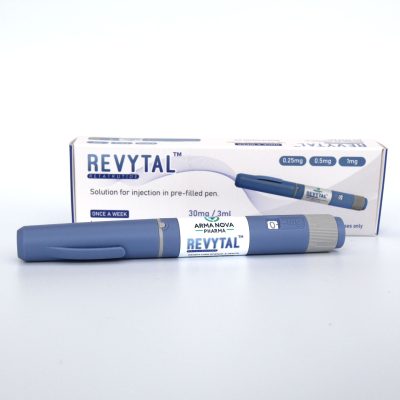
Retatrutide Revytal 40mg UK: Triple Agonist Mechanism, Phase 2/3 Trial Data, and Research-Grade Sourcing Retatrutide (LY3437943) represents the first triple agonist targeting GLP-1, GIP, and... Continue reading
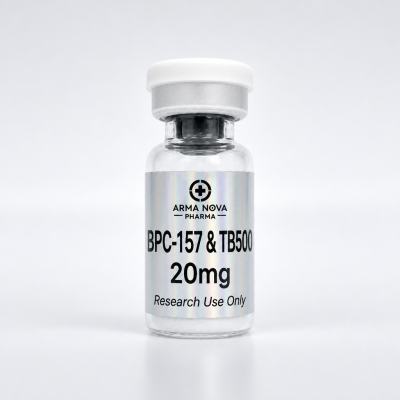
BPC-157 TB-500 Blend: Evidence-Based Analysis for UK Researchers The bpc 157 tb 500 blend represents one of the most frequently researched peptide combinations in musculoskeletal... Continue reading
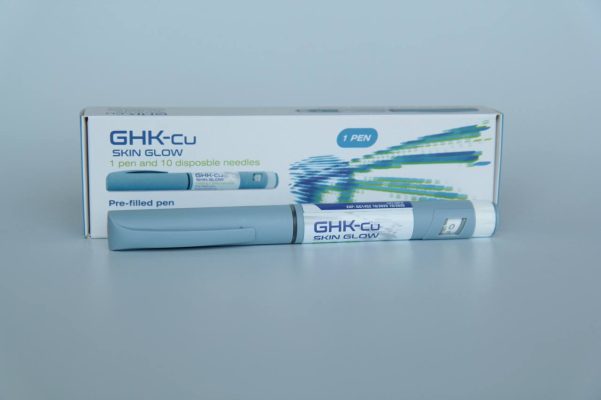
Explore GHK-Cu peptide basics, likely uses, and buying considerations. Learn how this 100mg skin glow product fits skincare and research needs. Continue reading
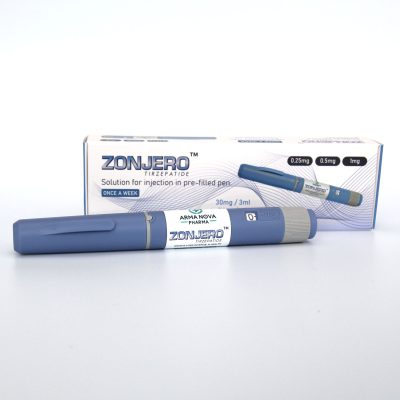
Tirzepatide UK Buy: The Complete Research-Grade Sourcing and Mechanistic Analysis When researchers and biohackers look to tirzepatide UK buy options, they face a fragmented market... Continue reading
Add comment