
No products in the cart.
Ipamorelin UK: HPLC-Verified GH Secretagogue | 2026
Ipamorelin UK: The Selective Growth Hormone Secretagogue for Researchers in 2026
Among the growth hormone-releasing peptides available to UK researchers, ipamorelin stands apart for a reason that matters more than its popularity suggests: it triggers growth hormone secretion without the cortisol and prolactin elevation characteristic of earlier-generation GHRPs. This selectivity—documented in peer-reviewed endocrinology literature since the late 1990s—makes ipamorelin uk the preferred research peptide for investigators studying pituitary signalling mechanisms, body composition modulation, and GH secretagogue receptor (GHS-R1a) pharmacology.
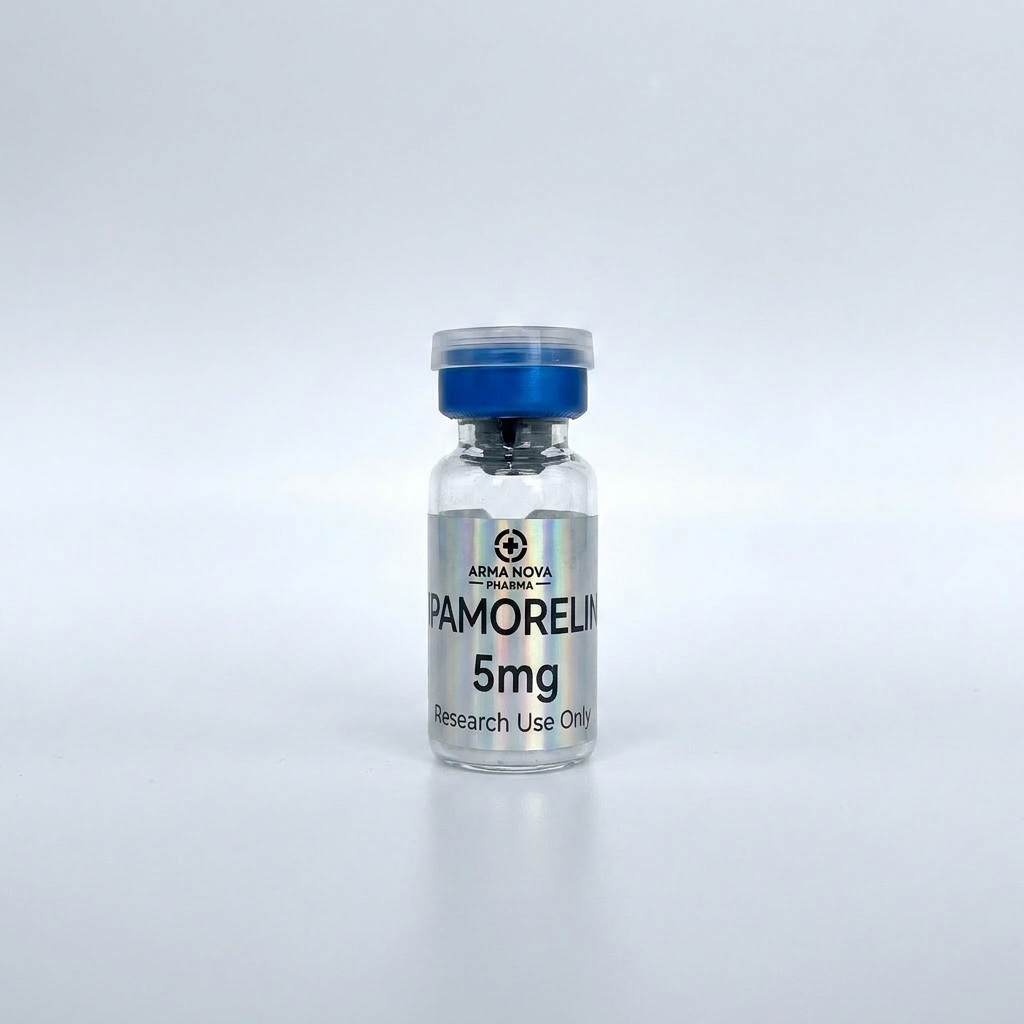
This article delivers what short product pages and competitor summaries omit: the mechanistic basis for ipamorelin’s selective agonism, the published human and animal data establishing its effects, and the quality assurance standards UK researchers should demand when sourcing peptides for laboratory use. All ipamorelin supplied by Arma Peptides undergoes HPLC verification to ≥99% purity, with batch-specific certificates of analysis (COAs) published per shipment, and next-day delivery across the United Kingdom.
Ipamorelin is supplied strictly for research purposes only under UK law. It is not authorised for human consumption, and researchers must handle it within institutional or laboratory settings compliant with UK regulations.
What Distinguishes Ipamorelin from Other Growth Hormone Secretagogues
To understand why ipamorelin uk has become the standard reference compound for GH secretagogue research, it helps to see where earlier peptides fell short. GHRP-2 and GHRP-6—both potent GH releasers—produce measurable increases in cortisol and prolactin alongside growth hormone. These off-target endocrine effects complicate experimental designs and confound interpretation when researchers aim to isolate GH-mediated outcomes.
Ipamorelin was engineered to solve this problem. In the seminal 1998 study by Raun K et al., published in the European Journal of Endocrinology, ipamorelin was characterised as “the first selective growth hormone secretagogue.” The研究 team demonstrated that ipamorelin stimulated GH release in rats with a potency comparable to GHRP-6, yet produced no significant elevation in plasma ACTH, cortisol, or prolactin—even at doses exceeding those required for maximal GH stimulation.
This selectivity arises from ipamorelin’s binding profile at the GHS-R1a receptor, the ghrelin receptor subtype responsible for GH secretion. Unlike broader-spectrum ghrelin mimetics, ipamorelin exhibits minimal activity at receptors mediating appetite (a confounding variable in body composition studies) and does not trigger the hypothalamic-pituitary-adrenal axis activation seen with less selective peptides.
For UK researchers, this translates to cleaner experimental data: changes in lean mass, lipolysis, or IGF-1 levels can be attributed to GH axis modulation without the noise introduced by concurrent cortisol-driven catabolism or prolactin-mediated metabolic shifts.
Mechanism of Action: GHS-R1a Agonism and Pulsatile GH Release
Ipamorelin functions as a synthetic pentapeptide agonist at the type 1a growth hormone secretagogue receptor (GHS-R1a), which is densely expressed on somatotroph cells of the anterior pituitary. Receptor activation triggers intracellular calcium mobilisation and subsequent exocytosis of growth hormone from secretory granules. Unlike exogenous GH administration—which delivers a sustained pharmacological elevation—ipamorelin induces a pulsatile release pattern that more closely mimics endogenous somatotroph activity.
Pulsatility matters. The biological effects of GH, particularly its anabolic and lipolytic actions, are modulated by both peak amplitude and interpulse intervals. Continuous GH elevation can induce receptor downregulation and insulin resistance, whereas pulsatile secretion preserves receptor sensitivity and metabolic responsiveness. This is one reason researchers prefer secretagogues over direct GH supplementation when studying physiological GH dynamics.
Ipamorelin’s half-life in circulation is approximately 2 hours post-subcutaneous administration, with GH levels peaking within 30–60 minutes and returning to baseline by 3–4 hours. This pharmacokinetic profile enables researchers to design dosing protocols that either isolate single-pulse effects or, when combined synergistically with other peptides, create sustained yet pulsatile GH elevation patterns.
Published Research: Bone Growth, Fat-Free Mass, and Growth Hormone Dynamics
The preclinical literature on ipamorelin is both methodologically rigorous and mechanistically informative. In a 1999 study by Johansen PB et al. published in Growth Hormone & IGF Research, adolescent rats received ipamorelin via subcutaneous injection over a 15-day period. The peptide induced dose-dependent longitudinal bone growth, measured by tibial epiphyseal plate width and femur length, with efficacy comparable to recombinant human GH at equipotent GH-releasing doses.
What set ipamorelin apart in this model was the absence of adverse effects seen with GHRP-2, including hyperphagia and adrenal hypertrophy—both mediated by off-target receptor activation. The study concluded that ipamorelin represented “a new class of GH secretagogues with a selectivity profile superior to existing GHRPs,” a finding that catalysed its adoption in body composition and endocrinology research.
Human data, while more limited due to regulatory constraints on GH secretagogue clinical trials, provides corroborative evidence from related compounds. The 2000 trial by Svensson J et al., published in the Journal of Clinical Endocrinology & Metabolism, examined the oral GH secretagogue MK-677 in obese subjects over two months. Treatment increased fat-free mass by 1.1 kg and reduced visceral adipose tissue, with GH secretion elevated in a pulsatile fashion. Though MK-677 differs structurally from ipamorelin, the study demonstrates a proof-of-principle: selective GHS-R1a agonism can drive measurable shifts in body composition via GH and IGF-1 upregulation.
For UK researchers sourcing ipamorelin uk, these studies underscore the peptide’s utility in models examining:
- Sarcopenia and age-related muscle loss
- Bone mineral density and fracture healing
- Adipose tissue metabolism and lipolysis
- GH/IGF-1 axis dysregulation in metabolic disease
- Comparative pharmacology of GH secretagogues
The Ipamorelin + CJC-1295 DAC Stack: Amplified and Sustained GH Pulses
One of the most studied—and misunderstood—applications of ipamorelin involves its combination with CJC-1295 DAC (Drug Affinity Complex). This peptide duo is frequently referenced in research protocols, yet the mechanistic rationale behind the stack is rarely explained accurately.
CJC-1295 DAC is a growth hormone-releasing hormone (GHRH) analogue with an extended half-life (~6–8 days) due to covalent albumin binding. GHRH acts on pituitary somatotrophs via the GHRH receptor, stimulating both GH synthesis and secretion. Ipamorelin, as a ghrelin mimetic, acts via the separate GHS-R1a receptor pathway. These two signalling cascades converge on the somatotroph, producing a synergistic rather than merely additive effect.
In practical terms: CJC-1295 DAC establishes a baseline elevation in GH secretory capacity, while ipamorelin triggers distinct GH pulses. The combination yields higher peak GH levels and more frequent pulses than either peptide alone. This stack is particularly valued in research models examining sustained anabolism, recovery kinetics, or chronic body composition changes.
Arma Peptides supplies both Ipamorelin 5mg UK and CJC-1295 DAC 5mg UK, each batch HPLC-verified to ≥99% purity with published certificates of analysis. UK researchers designing stack protocols should account for CJC-1295’s extended duration when scheduling dosing intervals; ipamorelin can be administered 1–3 times daily, whereas CJC-1295 DAC is typically dosed once or twice weekly.
Sourcing Ipamorelin in the UK: HPLC Purity, COAs, and Regulatory Context
The UK research peptide market in 2026 is a landscape of variable quality. Peptides synthesised offshore, shipped without third-party verification, or stored improperly degrade rapidly—particularly hydrophilic sequences like ipamorelin, which are vulnerable to oxidation and aggregation. For researchers, peptide integrity is non-negotiable: impure or degraded samples produce irreproducible results and compromise study validity.
Arma Peptides addresses these concerns through several quality assurance measures:
- HPLC verification: Every batch of ipamorelin uk undergoes high-performance liquid chromatography to confirm purity ≥99%. Chromatograms are included in the published COA.
- Mass spectrometry: Molecular weight is verified via mass spec to ensure the correct peptide sequence and detect impurities or synthesis byproducts.
- Batch-specific COAs: Certificates of analysis are published per batch, not per product line, allowing researchers to verify the exact material received.
- Cold-chain logistics: Peptides are stored at ≤-20°C and shipped with insulated packaging to preserve stability during UK transit.
- Next-day UK delivery: Orders placed before 3 PM ship same-day, arriving next business day across England, Scotland, Wales, and Northern Ireland.
Under UK law, ipamorelin is classified for research use only. It is not approved by the Medicines and Healthcare products Regulatory Agency (MHRA) for human therapeutic use, and researchers must handle it within appropriate laboratory or institutional settings. This regulatory status is consistent across the European research peptide market post-2020.
Researchers should be wary of suppliers offering ipamorelin without COAs, claiming purity without published chromatography, or shipping from non-UK jurisdictions without customs compliance. These red flags correlate strongly with substandard product quality and legal ambiguity.
Dosing Considerations for UK Laboratory Protocols
While this article does not provide human dosing advice—given ipamorelin’s research-only status—UK researchers designing in vivo or cellular models will find the following parameters from published literature useful as reference points:
In the Johansen et al. bone growth study, effective doses in rats ranged from 18 to 300 µg/kg subcutaneously, with maximal GH stimulation observed at the higher end of this range. Translating these to human-equivalent doses (HED) using standard allometric scaling yields approximate ranges of 2.9 to 48 µg/kg HED, though direct extrapolation is complicated by species differences in GHS-R1a receptor density and GH secretory dynamics.
Ipamorelin is typically reconstituted in bacteriostatic water at concentrations of 2–5 mg/mL, stored at 2–8°C, and used within 30 days post-reconstitution to minimize degradation. Researchers should avoid repeated freeze-thaw cycles, which accelerate peptide aggregation.
For those combining ipamorelin with CJC-1295 DAC, dosing schedules often stagger the two peptides: CJC-1295 administered in the evening to coincide with nocturnal GH secretion, and ipamorelin dosed in morning and post-exercise windows when GH pulses are physiologically primed. These are general frameworks, not prescriptions, and should be adapted to the specific research question and model organism.
Ipamorelin UK Supplier Comparison: What to Verify Before Ordering
UK researchers evaluating ipamorelin suppliers should conduct due diligence across several dimensions:
| Criterion | Red Flag | Quality Standard |
|---|---|---|
| Purity Documentation | No COA available or generic “certificate” without batch numbers | Batch-specific HPLC chromatogram and mass spec data published per order |
| Regulatory Clarity | Marketed for human use or performance enhancement | Explicitly labeled “research use only,” compliant with UK regulations |
| Storage & Handling | Shipped at ambient temperature or without insulation | Cold-chain shipping, stored at ≤-20°C, thermal packaging for transit |
| Geographic Authenticity | Non-UK business address, unclear customs status | UK-based supplier with next-day domestic delivery and VAT compliance |
| Pricing Transparency | Unusually low pricing (suggesting impure or counterfeit product) | Fair market pricing (£35–60 range for 5mg ≥99% purity as of 2026) |
Arma Peptides meets or exceeds these benchmarks. The Ipamorelin 10mg UK formulation, for instance, offers cost efficiency for larger-scale studies while maintaining the same ≥99% HPLC purity standard as the 5mg vials. Both sizes are stocked in the UK and ship with batch-matched COAs.
Common Misconceptions About Ipamorelin and GH Secretagogues
Misconception 1: “Ipamorelin is just synthetic ghrelin.”
Ipamorelin is a ghrelin mimetic, not ghrelin itself. While both bind GHS-R1a, ipamorelin lacks ghrelin’s orexigenic (appetite-stimulating) effects because it does not activate the receptor to the same extent at hypothalamic sites regulating hunger. This selectivity is precisely why it was developed as an alternative to earlier GHRPs.
Misconception 2: “All GHRPs produce the same results.”
GHRP-6, GHRP-2, hexarelin, and ipamorelin differ significantly in receptor selectivity, side effect profiles, and downstream signaling. GHRP-6 strongly stimulates appetite; hexarelin has cardioprotective but also pro-fibrotic effects; GHRP-2 elevates cortisol and prolactin. Ipamorelin’s unique selling point is its absence of these off-target activities.
Misconception 3: “More GH is always better.”
Supraphysiological GH elevation—whether via secretagogues or exogenous GH—can induce insulin resistance, edema, joint pain, and cardiomegaly. Pulsatile, physiologically-patterned GH release (as induced by ipamorelin) is metabolically distinct from continuous elevation. Research protocols should prioritize mimicking natural GH dynamics rather than maximizing absolute levels.
Misconception 4: “Ipamorelin works indefinitely without desensitization.”
While ipamorelin does not downregulate GHS-R1a to the degree seen with chronic ghrelin exposure, prolonged daily dosing in animal models shows a gradual attenuation of GH response. Pulsed or intermittent protocols may preserve receptor sensitivity better than continuous administration—a consideration for long-duration studies.
Why UK Researchers Choose Ipamorelin Over Alternatives
In 2026, the UK research community continues to favor ipamorelin uk for several converging reasons:
- Regulatory simplicity: As a non-scheduled research peptide, ipamorelin can be procured and used within UK laboratories without the administrative burden attached to controlled substances.
- Methodological cleanness: The absence of cortisol and prolactin confounders allows for more straightforward causal inference in GH-focused studies.
- Synergistic flexibility: Ipamorelin stacks well with GHRH analogues (CJC-1295 DAC) and other research peptides (e.g., BPC-157, TB-500) without overlapping receptor pathways.
- Supply reliability: suppliers offering fast UK delivery like Arma Peptides offer next-day delivery, avoiding the customs delays, seizure risks, and legal ambiguities associated with offshore sourcing.
- Affordability: At ≥99% purity, ipamorelin offers a cost-per-microgram profile competitive with other GH secretagogues, making it accessible for both pilot studies and larger research programs.
These practical advantages, combined with the robust mechanistic and preclinical data, explain why ipamorelin remains the first-choice GH secretagogue for UK research institutions, independent labs, and biohacking researchers in 2026.
Comparing Ipamorelin to MK-677 (Ibutamoren) and Other Oral Secretagogues
Researchers occasionally ask whether injectable ipamorelin offers advantages over oral GH secretagogues like MK-677. Both compounds act via GHS-R1a, but their pharmacokinetics and practical handling differ substantially.
MK-677 is orally bioavailable and has a half-life of approximately 24 hours, yielding sustained GH elevation with once-daily dosing. This convenience comes at a cost: MK-677’s longer duration blunts the pulsatility that characterizes endogenous GH secretion, and its appetite-stimulating effects (mediated by sustained ghrelin-like activity) can confound body composition outcomes.
Ipamorelin, administered subcutaneously, produces sharper GH pulses with rapid clearance. This allows researchers to design dosing regimens that replicate physiological pulsatility—critical for studies examining GH receptor signaling, IGF-1 kinetics, or metabolic adaptations to pulsed versus sustained GH exposure.
In models where daily oral dosing simplifies logistics (e.g., chronic supplementation studies in rodents), MK-677 may be preferable. For acute-response studies, receptor pharmacology investigations, or protocols requiring precise temporal control of GH peaks, injectable ipamorelin remains superior.
Future Directions: Ipamorelin in Aging, Metabolic, and Regenerative Research
The research trajectory for ipamorelin and related GH secretagogues is expanding into several high-impact domains:
Sarcopenia and frailty: Age-related GH decline contributes to muscle loss, functional impairment, and metabolic dysregulation. Ipamorelin’s selective GH stimulation without cortisol-driven catabolism positions it as a candidate intervention in preclinical aging models. Ongoing studies (as of 2026) are exploring whether pulsatile GH restoration via secretagogues can preserve muscle function and mitochondrial health in aged rodents.
Metabolic dysfunction: Insulin resistance, visceral adiposity, and fatty liver disease are associated with blunted GH secretion. Ipamorelin’s capacity to enhance lipolysis and fat-free mass without appetite stimulation makes it a mechanistic tool for dissecting GH’s role in metabolic health. Researchers are investigating whether intermittent ipamorelin administration can reverse metabolic decline in diet-induced obesity models.
Tissue regeneration: GH and IGF-1 are implicated in wound healing, tendon repair, and bone remodeling. Ipamorelin’s bone-growth effects (documented in the Johansen study) are being re-examined in the context of fracture healing and osteoporosis. Some UK research groups are pairing ipamorelin with other regenerative peptides—such as BPC-157 or TB-500—to explore synergistic tissue repair mechanisms.
These emerging applications underscore ipamorelin’s continued relevance as a research tool, even as the peptide therapeutics landscape evolves.
Ordering Ipamorelin UK: Arma Peptides Quality Assurance and Delivery
Researchers in the United Kingdom seeking ipamorelin uk can order directly from Arma Peptides with confidence in product integrity, regulatory compliance, and logistical efficiency. The Ipamorelin 5mg UK formulation is the standard choice for pilot studies and individual protocols, while the 10mg option suits larger research programs requiring bulk quantities.
Every vial is accompanied by a batch-specific certificate of analysis (COA) documenting:
- HPLC purity (≥99%)
- Mass spectrometry confirmation of molecular weight
- Peptide sequence verification
- Endotoxin levels (≤1 EU/mg)
- Storage and handling recommendations
Orders placed before 3 PM Monday–Friday ship same-day via tracked courier, arriving next business day across England, Scotland, Wales, and Northern Ireland. Peptides are packaged with gel ice packs and insulated mailers to maintain cold-chain integrity during transit, even in warmer months.
Arma Peptides operates under UK business regulations, charges VAT where applicable, and provides full invoicing for institutional procurement. Customer support is available via email and responds within 24 hours to technical inquiries, dosing references, or protocol consultation requests.
Conclusion: Why Selectivity Matters in GH Secretagogue Research
The enduring appeal of ipamorelin uk among researchers is rooted not in hype, but in its pharmacological specificity. In a field cluttered with peptides that promise growth hormone elevation, ipamorelin delivers it without the confounding variables—cortisol spikes, prolactin surges, appetite dysregulation—that complicate interpretation and limit experimental utility.
For UK researchers in 2026, sourcing ipamorelin means choosing a peptide with nearly three decades of published data, a well-characterized mechanism at the GHS-R1a receptor, and a selectivity profile unmatched by earlier-generation GHRPs. It means working with a supplier—Arma Peptides—that prioritizes HPLC verification, batch transparency, and next-day UK delivery, ensuring that what arrives in your laboratory matches what the literature describes.
Whether investigating bone metabolism, body composition shifts, or the synergistic potential of the ipamorelin + CJC-1295 DAC stack, the quality of your peptide determines the quality of your data. Ipamorelin’s reputation is earned, not assumed—and that distinction matters when the integrity of your research is on the line.
Ipamorelin is supplied strictly for research purposes only and is not intended for human consumption. UK researchers should ensure compliance with institutional ethics guidelines and national regulations when designing and conducting peptide-based studies.
Related posts
Tesamorelin 10mg UK: Research-Grade Growth Hormone-Releasing Hormone Analogue for 2026 UK-based researchers investigating growth hormone-releasing hormone (GHRH) analogues frequently encounter a critical sourcing challenge:… Continue reading
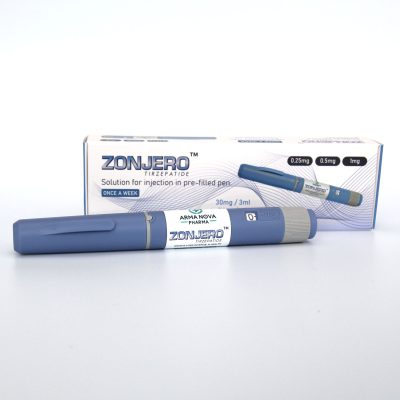
Tirzepatide 30mg UK: The Dual GIP/GLP-1 Receptor Agonist for Advanced Metabolic Research Tirzepatide represents the first dual glucose-dependent insulinotropic polypeptide (GIP) and glucagon-like peptide-1 (GLP-1)... Continue reading
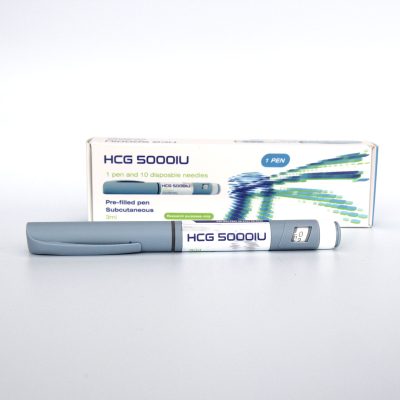
HCG 5000IU UK: Research-Grade Sourcing and Clinical Context Guide 2026 Human chorionic gonadotropin at the 5000 international unit dosage represents one of the most frequently... Continue reading
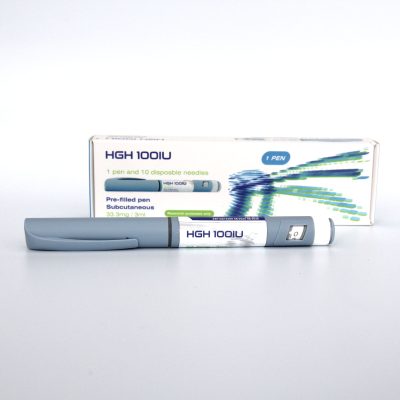
HGH 100 IU UK: Verified Research-Grade Sourcing, Purity Standards, and Regulatory Context for 2026 Securing genuine, laboratory-verified hgh 100 iu uk formulations presents distinct challenges... Continue reading
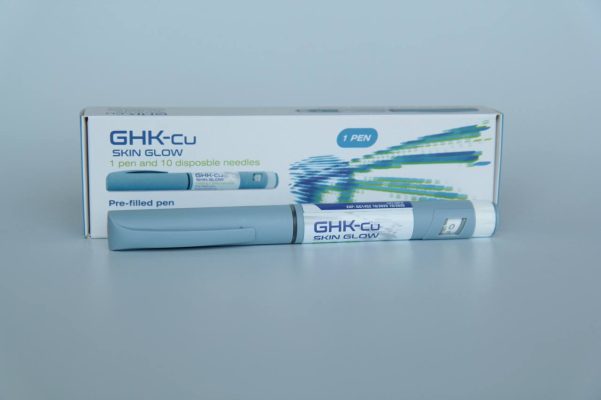
Looking for ghk cu 50mg copper peptide uk ? This guide covers the verified science, HPLC purity documentation, correct handling and UK sourcing for ghk... Continue reading
Add comment