
No products in the cart.
HCG 5000IU UK: Research-Grade Sourcing Guide 2026
HCG 5000IU UK: Research-Grade Sourcing and Clinical Context Guide 2026
Human chorionic gonadotropin at the 5000 international unit dosage represents one of the most frequently requested peptide hormone preparations in UK research settings. Yet most commercial content targeting hcg 5000iu uk offers little beyond thin product listings and generic copy-paste descriptions. This guide addresses the evidence gap: we’ll examine the specific receptor mechanisms that underpin HCG’s biological activity, cite the clinical trials that define its current research applications, and provide UK-specific sourcing criteria that separate verified suppliers from resellers marketing substandard or mislabeled product.
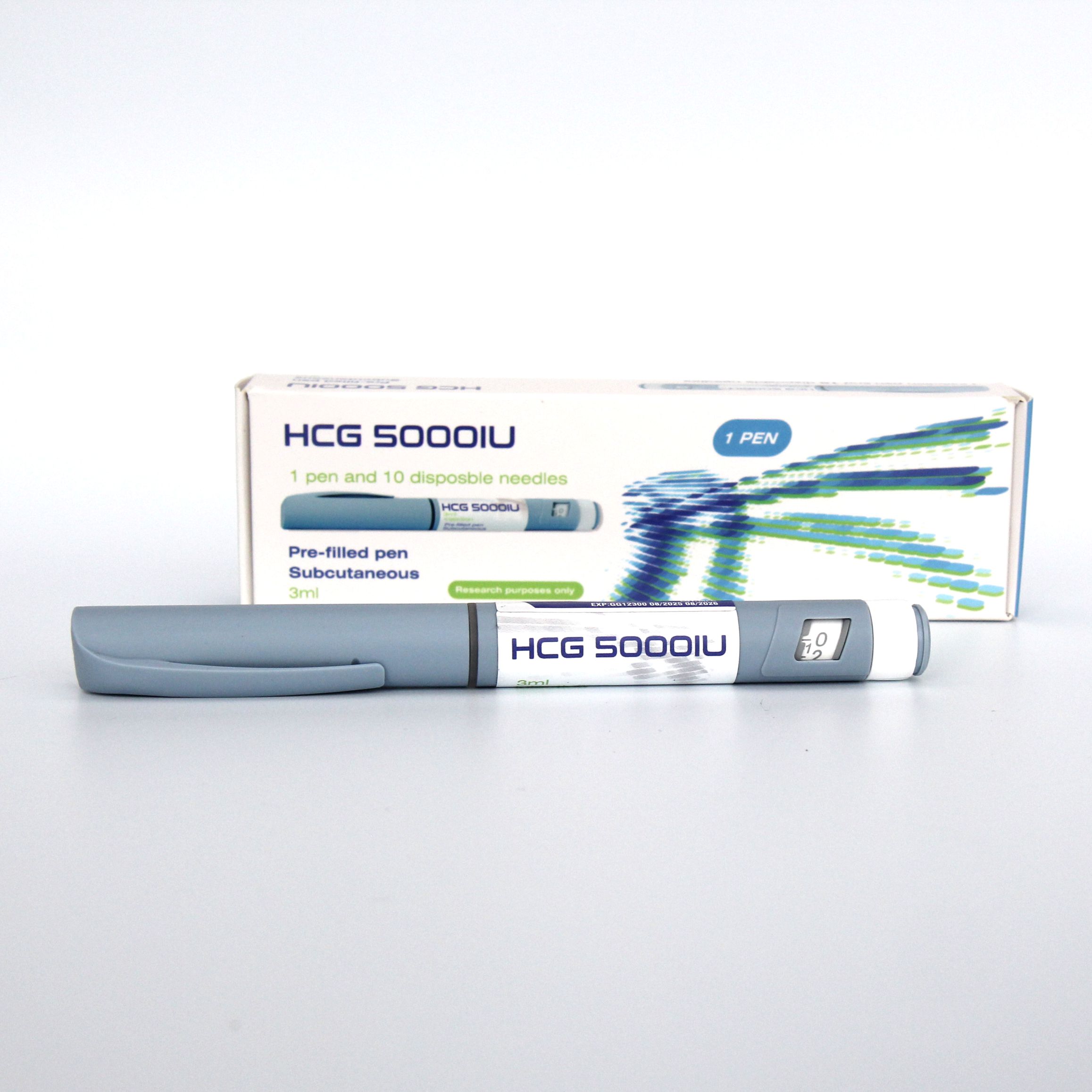
UK researchers, athletes exploring performance recovery protocols, and practitioners evaluating peptide therapeutics share a common challenge: distinguishing genuine research-grade material—backed by HPLC verification and published certificates of analysis—from the flood of under-dosed or contaminated product saturating the market. The 5000IU presentation has become a de facto standard in both clinical trials and investigational use, making procurement quality a non-negotiable variable in experimental design and outcome consistency.
For those seeking Hcg 5000iu that meets laboratory-grade specifications, this article delivers the biochemical foundation, regulatory context, and supplier verification framework required to make informed sourcing decisions in 2026.
hcg 5000iu uk: Understanding HCG’s Receptor Mechanism and Biological Activity
Human chorionic gonadotropin is a glycoprotein hormone comprising two non-covalently linked subunits: an alpha subunit shared with luteinising hormone (LH), follicle-stimulating hormone (FSH), and thyroid-stimulating hormone (TSH), and a hormone-specific beta subunit that confers biological specificity. The beta-hCG subunit contains 145 amino acids and includes a unique carboxy-terminal peptide (CTP) extension absent in LH, extending the hormone’s serum half-life to approximately 24-36 hours compared to LH’s 20-minute half-life.
HCG exerts its primary effects through high-affinity binding to the LH/choriogonadotropin receptor (LHCGR), a G-protein coupled receptor expressed predominantly on Leydig cells in males and theca/luteal cells in females. Receptor activation triggers Gs-mediated cAMP production, which in turn activates protein kinase A (PKA) and downstream steroidogenic enzyme expression—primarily StAR (steroidogenic acute regulatory protein), CYP11A1 (cholesterol side-chain cleavage enzyme), and 3β-HSD (3-beta-hydroxysteroid dehydrogenase)—culminating in testosterone synthesis in testicular tissue.
The 5000IU dosage reflects a standardised bioactivity measure defined against international reference preparations, not an absolute mass measurement. One international unit represents the biological activity contained in approximately 0.1 micrograms of the WHO International Standard preparation. This bioassay-based quantification introduces sourcing complexity: stated IU values require validation through potency assays, not merely peptide mass confirmation by HPLC. Genuine suppliers provide both purity certificates (confirming the absence of contaminants and correct molecular identity) and potency data demonstrating functional receptor activity.
Clinical Evidence Base: What Research Actually Demonstrates
The therapeutic application of HCG spans reproductive medicine, hypogonadism management, and investigational protocols in metabolic research. Understanding what the evidence actually supports—versus speculative or off-label applications—requires examining specific trial data rather than promotional generalisations.
Fertility and Reproductive Function
In women undergoing assisted reproductive technology (ART), HCG serves as an LH surrogate to trigger final oocyte maturation. Controlled trials comparing recombinant hCG to urinary preparations at doses ranging from 5000 to 10,000 IU demonstrate comparable oocyte retrieval rates and fertilisation outcomes. The 5000IU dose typically achieves supraphysiological serum concentrations (>100 mIU/mL) within 4-6 hours post-administration, sufficient to activate LHCGR-mediated ovulation cascades in primed follicles.
In male fertility applications, HCG’s LH-mimetic activity supports spermatogenesis induction in hypogonadotropic hypogonadism. Regimens typically employ 1500-3000 IU administered two to three times weekly, though some protocols utilise the full 5000IU dose at less frequent intervals. Meta-analyses indicate that hCG monotherapy or hCG combined with FSH yields sperm production in 60-90% of previously azoospermic men with gonadotropin deficiency, though response timelines extend 12-24 months.
Testosterone Restoration During Androgen Suppression
One of the most extensively studied applications involves HCG co-administration during exogenous testosterone therapy or following anabolic steroid cycles. Exogenous androgens suppress the hypothalamic-pituitary-gonadal (HPG) axis via negative feedback, reducing endogenous LH secretion and causing testicular atrophy and impaired spermatogenesis.
Clinical trials evaluating HCG as maintenance therapy during testosterone replacement demonstrate that doses of 250-500 IU administered two to three times weekly preserve intratesticular testosterone (ITT) concentrations and testicular volume. While the 5000IU single dose exceeds typical maintenance protocols, some research-use applications explore pulsed high-dose regimens to rapidly restore ITT following prolonged suppression. These protocols remain investigational, with limited long-term safety data.
Metabolic Research and Body Composition Studies
HCG gained notoriety through the controversial Simeons protocol, which combined a 500-calorie daily diet with daily HCG injections, purportedly targeting “abnormal” fat deposits. Rigorous placebo-controlled trials—including multiple double-blind studies from the 1970s through 1990s—consistently found no difference in weight loss, fat distribution, or hunger suppression between HCG and saline placebo groups when caloric intake was controlled. The observed weight loss was entirely attributable to severe caloric restriction.
Despite the absence of supportive evidence, HCG continues to appear in metabolic research contexts, often as an investigational variable in studies examining hormone interactions with lipid metabolism or as a control condition in trials evaluating other peptide therapeutics. For comprehensive context on emerging peptide therapeutics, see our Blog covering the latest developments in research peptide applications.
The UK Regulatory Landscape for HCG Research Use in 2026
In the United Kingdom, human chorionic gonadotropin occupies a unique regulatory position. As a prescription-only medicine (POM) under the Human Medicines Regulations 2012, HCG intended for human therapeutic use requires a valid prescription from a registered medical practitioner. This classification extends to all HCG products marketed for weight loss, fertility treatment, or hormone replacement—applications that fall under the Medicines and Healthcare products Regulatory Agency (MHRA) jurisdiction.
However, substances supplied explicitly and exclusively for in vitro research use—not for human consumption or administration—fall outside medicinal product regulations, provided they are clearly labelled “For Research Use Only” and not marketed with therapeutic claims. This creates a legal pathway for UK researchers, academic institutions, and private laboratories to procure hcg 5000iu uk preparations without prescription, contingent on several critical conditions:
- Clear non-therapeutic labelling: Product must explicitly state “Not for human or veterinary use” and “For laboratory research purposes only”
- No therapeutic marketing claims: Supplier websites and product descriptions must avoid language implying medical use, treatment benefits, or dosing protocols for human application
- Purchaser attestation: Responsible suppliers require buyer confirmation of research-use intent and institutional affiliation where applicable
- No clinical administration support: Provision of injection supplies, dosing calculators, or reconstitution instructions framed for human use may constitute unlawful supply of a POM
This regulatory framework mirrors the approach taken for other research peptides in the UK market. As discussed in our Best Peptide Supplier Uk Verification Guide 2026, understanding these legal boundaries is essential not only for compliance but for identifying suppliers who operate with appropriate oversight versus those marketing controlled substances outside proper channels.
It bears emphasising that “research use only” is not a loophole for personal therapeutic use—it represents a genuine exemption for legitimate scientific investigation. UK buyers considering HCG for any in-vivo application in humans should consult appropriately qualified medical professionals and obtain lawful prescriptions through regulated channels.
Verification Criteria: HPLC Purity, COAs, and Potency Validation
The peptide therapeutics market has expanded dramatically over the past decade, with Lau and Dunn documenting the acceleration of peptide drug development pipelines in their 2018 review of therapeutic peptides (PMID: 27890521). This growth has unfortunately been accompanied by a proliferation of under-verified suppliers offering products of questionable authenticity and purity.
When sourcing hcg 5000iu uk for research applications, the following verification hierarchy separates genuine laboratory-grade suppliers from resellers marketing unverified product:
High-Performance Liquid Chromatography (HPLC) Purity Analysis
HPLC represents the gold standard for confirming peptide identity and purity. The technique separates molecular components based on their interaction with a stationary phase, producing a chromatogram that reveals both the primary peptide peak and any contaminating substances (degradation products, synthesis by-products, residual solvents, or bacterial endotoxins).
For HCG, HPLC analysis should demonstrate:
- Minimum 99% purity: The integrated area under the primary hCG peak should represent ≥99% of total integrated area, with remaining 1% comprising minor process-related impurities within acceptable limits
- Correct retention time: The primary peak should elute at the expected retention time for intact hCG under the specified mobile phase conditions, confirming molecular identity
- Absence of significant degradation products: No secondary peaks indicating beta-subunit fragmentation, deglycosylation, or oxidative damage
Critically, suppliers should provide batch-specific HPLC reports, not generic certificates applied to all inventory. Each production batch presents unique purity profiles; certificate reuse across multiple batches is a red flag indicating inadequate quality control.
Certificates of Analysis (COA) Published Per Batch
A comprehensive COA for HCG 5000IU should include:
- Batch/lot number matching the product label
- HPLC chromatogram with integration values
- Mass spectrometry (MS) data confirming molecular weight (intact hCG heterodimer: approximately 36.7 kDa)
- Endotoxin levels (LAL assay results, typically <1 EU/mg for research-grade material)
- Appearance and reconstitution characteristics
- Storage stability data
- Testing laboratory identification and date of analysis
Reputable UK suppliers publish COAs on their websites or provide them upon request before purchase. Refusal to supply batch-specific analytical data is grounds for avoiding that supplier entirely. The transparency standards we discuss in our Tirzepatide Uk Buy Research Grade Sourcing Guide 2026 apply equally to HCG procurement: documentation accessibility correlates strongly with product quality.
Potency Assays: Beyond Purity to Functional Activity
HPLC confirms molecular identity and purity but does not validate biological activity. A peptide may be 99% pure yet lack functional potency due to improper folding, disulfide bond misformation, or loss of critical post-translational modifications. For HCG—a glycoprotein whose activity depends on intact glycosylation patterns—potency validation is particularly important.
Cell-based bioassays measuring cAMP production in LHCGR-expressing cells provide functional confirmation. These assays expose receptor-bearing cells to serial dilutions of the HCG preparation and quantify cAMP generation via luminescence or fluorescence readouts. Results are compared to international reference standards to confirm that stated IU values reflect genuine biological activity, not merely peptide mass.
While not all research suppliers perform in-house bioassays, premium providers commission third-party potency testing for batch verification. This represents a significant cost and quality commitment—and a key differentiator in the UK market for hcg 5000iu uk research preparations.
UK Delivery Logistics and Storage Considerations
Peptide stability depends critically on storage temperature and reconstitution handling. Lyophilized HCG maintains potency for 12-36 months when stored at 2-8°C, protected from light. Once reconstituted in bacteriostatic water or saline, stability decreases to approximately 30-60 days under refrigeration (4°C), with significant activity loss observed at room temperature beyond 48-72 hours.
UK suppliers offering next-day delivery with appropriate cold-chain packaging provide a measurable advantage in maintaining peptide integrity. Shipments should include:
- Insulated packaging with gel ice packs or dry ice for shipments exceeding 24 hours in transit
- Temperature monitoring indicators or data loggers documenting that product remained below 25°C throughout shipping
- Vacuum-sealed individual vials protecting lyophilized powder from moisture exposure
- Discreet packaging without external labelling disclosing contents
Domestic UK sourcing eliminates customs clearance delays and the temperature excursions common in international shipments. Products spending weeks in customs holds or unrefrigerated postal facilities experience degradation that no certificate of analysis can remedy—the COA documents quality at manufacture, not at your doorstep.
Pricing Context and Value Assessment in the UK Market
As of 2026, UK market pricing for research-grade HCG 5000IU ranges from approximately £25 to £85 per vial, with significant variation based on purity verification, supplier reputation, and order volume. This price spread reflects genuine quality differences, not merely marketing or brand premium.
At the lower end (£25-£40), products frequently lack batch-specific COAs, provide no potency validation, and originate from undisclosed overseas manufacturers. Mid-tier suppliers (£40-£60) typically offer HPLC certificates and established UK presence but may source from third-party wholesalers rather than direct manufacturing relationships. Premium suppliers (£60-£85) distinguish themselves through published batch COAs, optional potency testing, direct manufacturing partnerships, and comprehensive customer support.
Value assessment should prioritise cost per verified international unit, not merely price per vial. A £30 vial containing 3000 IU of functional activity (due to degradation or under-dosing) delivers worse value than a £70 vial providing the full 5000 IU potency. Without independent verification, buyers have no reliable basis for comparison beyond supplier reputation and analytical transparency.
Cross-Referencing Peptide Supplier Credibility Across Product Lines
A supplier’s credibility with HCG often correlates with their quality standards across other research peptides. Examining how a vendor handles other compounds provides useful triangulation data. For instance, a supplier offering thoroughly documented TB-500 with published analytical data or transparently priced retatrutide with batch-specific purity certificates likely maintains consistent quality protocols across their HCG inventory.
Conversely, suppliers with inconsistent documentation—providing COAs for some products but not others, or publishing generic certificates clearly copied across different peptides—signal unreliable quality systems. Product-specific quality control is not selectively applied in legitimate laboratories; it represents systemic operational standards applied uniformly.
Common Pitfalls in HCG Research Procurement
UK buyers frequently encounter specific procurement errors that compromise research outcomes or legal compliance:
Confusing Stated Dose with Functional Potency
Vial labels claim 5000 IU, but without potency bioassays, the actual functional activity may be significantly lower. Peptide degradation during manufacturing, shipping, or storage reduces bioactivity without changing the labeled dose. Only functional testing validates true IU content.
Purchasing From Suppliers Making Therapeutic Claims
Websites advertising “weight loss,” “testosterone boost,” or “fertility support” violate UK regulations governing medicinal product marketing. Purchasing from such suppliers—even if the product itself is labeled “research use only”—potentially implicates the buyer in unlawful supply chains. Legitimate research suppliers maintain clear boundaries between analytical product descriptions and therapeutic promotion.
Neglecting Reconstitution and Storage Protocols
Reconstituting lyophilized HCG in tap water instead of bacteriostatic water introduces microbial contamination risk and eliminates preservative protection. Storing reconstituted solutions at room temperature or repeatedly freeze-thawing samples destroys potency through protein denaturation and aggregation. Even the highest-purity material becomes useless through improper handling.
Overlooking Batch-to-Batch Variability
Researchers sometimes assume that reordering from the same supplier guarantees identical product. Peptide synthesis is inherently variable; different production batches yield different purity profiles and potentially different potency. Experimental reproducibility requires recording and reporting specific batch/lot numbers, not merely supplier names.
The Evolution of Peptide Therapeutics and HCG’s Position
The broader peptide therapeutics field has undergone remarkable expansion, with Kaspar and colleagues noting in their 2013 review that peptides represent one of the fastest-growing therapeutic modalities, with over 60 peptide drugs approved globally and hundreds in clinical development (PMID: 23085456). This growth reflects several convergent trends: improved synthesis technologies reducing manufacturing costs, better understanding of peptide pharmacokinetics enabling rational design of longer-acting formulations, and expanding recognition of peptide specificity advantages over small molecules.
HCG occupies an interesting position in this landscape—it’s neither a cutting-edge discovery nor an obsolete relic. As a naturally occurring hormone with well-characterised receptor pharmacology and decades of clinical use data, HCG serves as a reference standard against which newer gonadotropin analogues and LH receptor agonists are compared. Recombinant DNA technology has enabled production of recombinant hCG (r-hCG) that’s molecularly identical to urinary-derived preparations but with improved batch consistency and reduced immunogenicity risk.
Yet HCG also illustrates the limitations of peptide therapeutics: its glycoprotein structure complicates oral delivery (requiring injectable administration), its relatively short half-life necessitates frequent dosing despite being longer-lived than LH, and its dual-subunit structure creates manufacturing complexity exceeding that of simple linear peptides. These challenges explain ongoing research into modified HCG variants with extended half-lives and simplified structures.
Future Research Directions and Investigational Applications
Current and emerging research applications for HCG extend beyond established reproductive medicine uses:
Male Contraception Development
Combination protocols using testosterone plus HCG are being investigated as reversible male contraceptive regimens. The testosterone component suppresses spermatogenesis via negative HPG axis feedback, while HCG co-administration maintains intratesticular testosterone, potentially preserving Leydig cell function and fertility recovery speed upon discontinuation. Early-phase trials suggest promising efficacy, though regulatory approval timelines remain distant.
Neuroprotection and Neurosteroid Synthesis
Emerging preclinical evidence suggests HCG may influence neurosteroid production in brain tissue through LH receptor-independent mechanisms. Several rodent studies have documented neuroprotective effects in stroke and traumatic brain injury models, though whether these findings translate to human applications remains entirely speculative. This represents an active area of basic neuroscience investigation with no current clinical applications.
Metabolic Syndrome and Insulin Sensitivity Studies
Some research groups are re-examining HCG’s metabolic effects using rigorous controlled methodologies absent from the Simeons-era studies. These investigations focus not on weight loss claims but on potential insulin sensitivity modulation and lipid partitioning effects mediated through testicular or ovarian steroid production changes. Results remain preliminary and contradictory, with no consensus on clinical significance.
Integrating HCG into Multi-Peptide Research Protocols
In research settings, HCG rarely functions in isolation. Common multi-peptide protocols under investigation include:
- HCG + FSH combinations: Mimicking physiological gonadotropin patterns in hypogonadism models or fertility research
- HCG + selective estrogen receptor modulators (SERMs): Investigating HPG axis recovery dynamics following androgen suppression
- HCG + GnRH analogues: Studying pituitary-gonadal response patterns and receptor desensitisation/resensitisation kinetics
- HCG alongside metabolic peptides: Examining interactions between reproductive hormones and compounds like GLP-1 agonists in metabolic research
These complex protocols demand exceptional quality control across all peptide components. A single degraded or under-dosed element introduces confounding variables that invalidate experimental results. This reality underscores the importance of sourcing all research peptides—whether HCG, TB-500, tirzepatide, or others—from suppliers maintaining uniform quality standards across their product catalogue.
UK-Specific Sourcing Advantages for Research Peptides
While international suppliers offer lower headline prices, UK-based sourcing provides several practical advantages for British researchers:
- Eliminated customs risk: No seizure or delay risk at border control; no import VAT complications
- Same-currency transactions: Pricing in GBP eliminates foreign exchange fees and conversion rate uncertainty
- UK consumer protection: Transactions covered by UK consumer law, providing recourse for non-delivery or quality disputes
- Faster issue resolution: Communication in matching time zones and domestic business hours; no language barriers
- Temperature stability: Shorter shipping distances reduce heat exposure risk; UK climate is relatively peptide-friendly compared to warmer regions
- Regulatory alignment: UK suppliers understand and comply with British research-use exemptions; reduced legal ambiguity
These factors become particularly important for temperature-sensitive compounds like HCG. A glycoprotein that degrades measurably at room temperature cannot tolerate week-long international transit through variable climate zones. Domestic UK sourcing of hcg 5000iu uk materially improves the probability that the peptide arriving at your facility retains the potency documented in the manufacturer’s COA.
Documentation Standards for Research Reproducibility
Scientific reproducibility requires meticulous documentation of reagent sources and specifications. For HCG research protocols, essential documentation includes:
- Supplier name and contact information
- Product catalog number
- Specific batch/lot number used in experiments
- COA reference (stored with research records)
- Reconstitution date and storage conditions
- Potency testing results if available
- Any observed deviations from expected appearance or behaviour
This documentation standard serves two functions: it enables other researchers to source equivalent material for replication studies, and it provides an evidence trail if experimental results later prove anomalous or contradictory. Peptide quality issues represent a common but under-reported source of experimental variability—transparent reagent documentation helps identify whether unexpected results stem from biological phenomena or material quality problems.
Evaluating Supplier Transparency and Communication Quality
Beyond published COAs and analytical data, supplier transparency manifests in communication practices. High-quality UK peptide suppliers typically demonstrate:
- Technical competence in customer support: Representatives who can discuss HPLC methodology, storage recommendations, and reconstitution protocols with scientific accuracy, not just sales scripts
- Honest acknowledgment of limitations: Willingness to specify what testing has and hasn’t been performed; no exaggerated purity claims or therapeutic benefit suggestions
- Batch-specific inventory tracking: Ability to confirm which batch number will ship before order completion, not after
- Clear research-use terms: Purchase terms explicitly stating research-only provisions and requiring buyer attestation
- Responsive issue resolution: Established protocols for handling quality complaints, including replacement or refund policies for verified defects
Testing supplier responsiveness before placing large orders—asking specific technical questions about COA interpretation or storage recommendations—provides valuable signal about operational sophistication. Suppliers unable or unwilling to discuss technical details likely lack the laboratory infrastructure and expertise necessary for genuine quality control.
Practical Considerations for First-Time HCG Research Procurement
Researchers new to HCG procurement benefit from a staged approach:
- Start with single-vial orders: Verify supplier claims and product quality with minimal financial exposure before committing to bulk purchases
- Request COAs before purchasing: Legitimate suppliers provide analytical certificates for current inventory upon request; refusal signals potential quality issues
- Verify batch number matching: Confirm the batch number on received product matches the COA provided; discrepancies indicate poor inventory control or certificate manipulation
- Document baseline appearance: Photograph lyophilized powder appearance and reconstituted solution clarity; deviations from expected appearance warrant immediate supplier contact
- Conduct internal verification if possible: If your facility has HPLC or mass spectrometry capability, random spot-checking of supplier claims validates quality and identifies potential issues before they compromise research
- Establish backup sources: Identify at least two verified suppliers; single-source dependency creates research continuity risk if supply interruptions occur
This cautious approach adds upfront time investment but substantially reduces the risk of experimental failures due to degraded or misrepresented material—a far costlier outcome than the additional procurement effort.
Connecting HCG Research to Broader Peptide Investigation
Researchers working with HCG often investigate related peptide compounds as comparative controls or synergistic combinations. The analytical standards and supplier evaluation frameworks developed for HCG procurement transfer directly to other peptide sourcing decisions. Whether evaluating novel GLP-1 receptor agonists, growth factors, or other hormone analogues, the same verification hierarchy applies: published COAs, batch-specific HPLC data, potency validation where applicable, and transparent supplier communication.
The UK peptide research community benefits from increasingly sophisticated supplier options as the field matures. Standards that seemed exceptional five years ago—published COAs, ≥98% purity, next-day delivery—now represent baseline expectations from reputable suppliers. The current leading edge involves potency bioassays, third-party verification programs, and comprehensive stability testing under various storage conditions. Researchers should calibrate quality expectations to these evolving standards, not to outdated norms from the early peptide market era.
Final Considerations for UK HCG Research Sourcing in 2026
The decision to procure hcg 5000iu uk research material involves balancing multiple variables: analytical verification depth, supplier reputation, pricing structure, delivery logistics, regulatory compliance, and alignment with experimental requirements. No single supplier optimises all dimensions simultaneously; researchers must prioritise based on their specific context.
For hypothesis-generating preliminary work with modest sample sizes, mid-tier suppliers offering solid HPLC verification at moderate pricing may suffice. For pivotal experiments intended for publication, grant-funded studies, or protocols where reproducibility is paramount, premium suppliers providing potency validation and comprehensive documentation justify their higher cost through reduced experimental risk.
What remains non-negotiable across all use cases: (1) verification of molecular identity and purity through third-party HPLC analysis, (2) clear research-use labelling and legally compliant supplier practices, (3) appropriate cold-chain handling from manufacture through delivery, and (4) transparent communication enabling informed procurement decisions. Suppliers meeting these minimum standards separate themselves from the numerous vendors offering unlabeled, unverified, or misrepresented product that saturates search results for peptide research materials.
As peptide therapeutics continue their trajectory from niche research tools to mainstream pharmaceutical modalities—a trend comprehensively documented in recent reviews of the field (PMID: 27890521)—quality standards will continue rising and supplier differentiation will increasingly center on analytical rigor rather than mere availability. UK researchers sourcing HCG and related compounds in 2026 occupy an advantageous position: a maturing domestic supplier ecosystem, established regulatory frameworks enabling legitimate research-use procurement, and accumulating evidence base defining best practices in peptide quality verification. Leveraging these advantages requires active engagement with supplier documentation, critical evaluation of analytical claims, and systematic documentation practices that support reproducible research outcomes.
Disclaimer: This article is intended for educational and informational purposes, providing scientific context and sourcing guidance for legitimate research applications. Human chorionic gonadotropin is regulated as a prescription-only medicine in the UK for therapeutic use. The information presented here relates exclusively to research-grade material supplied for in vitro laboratory investigation, not for human consumption or administration. Researchers should ensure compliance with applicable UK regulations and institutional oversight requirements. Any individuals considering HCG for therapeutic applications must consult qualified medical professionals and obtain appropriate prescriptions through regulated channels.
Related posts
Tesamorelin 10mg UK: Research-Grade Growth Hormone-Releasing Hormone Analogue for 2026 UK-based researchers investigating growth hormone-releasing hormone (GHRH) analogues frequently encounter a critical sourcing challenge:… Continue reading
Ipamorelin UK: The Selective Growth Hormone Secretagogue for Researchers in 2026 Among the growth hormone-releasing peptides available to UK researchers, ipamorelin stands apart for a... Continue reading
Tirzepatide 30mg UK: The Dual GIP/GLP-1 Receptor Agonist for Advanced Metabolic Research Tirzepatide represents the first dual glucose-dependent insulinotropic polypeptide (GIP) and glucagon-like peptide-1 (GLP-1)... Continue reading
HGH 100 IU UK: Verified Research-Grade Sourcing, Purity Standards, and Regulatory Context for 2026 Securing genuine, laboratory-verified hgh 100 iu uk formulations presents distinct challenges... Continue reading
Looking for ghk cu 50mg copper peptide uk ? This guide covers the verified science, HPLC purity documentation, correct handling and UK sourcing for ghk... Continue reading
Add comment