
No products in the cart.
Ipamorelin 10mg UK: HPLC-Verified GH Secretagogue 2026
Ipamorelin 10mg UK: The Selective GH Secretagogue Without Cortisol or Prolactin Elevation
Most growth hormone-releasing peptides (GHRPs) carry an inconvenient trade-off: they stimulate GH release, but also trigger spikes in cortisol and prolactin that can undermine the very adaptations researchers aim to study. Ipamorelin stands apart. As the first truly selective growth hormone secretagogue (GHS), it activates the GHS-R1a receptor with remarkable specificity, inducing robust GH pulses without the hormonal cascade seen with earlier compounds like GHRP-2 and GHRP-6.
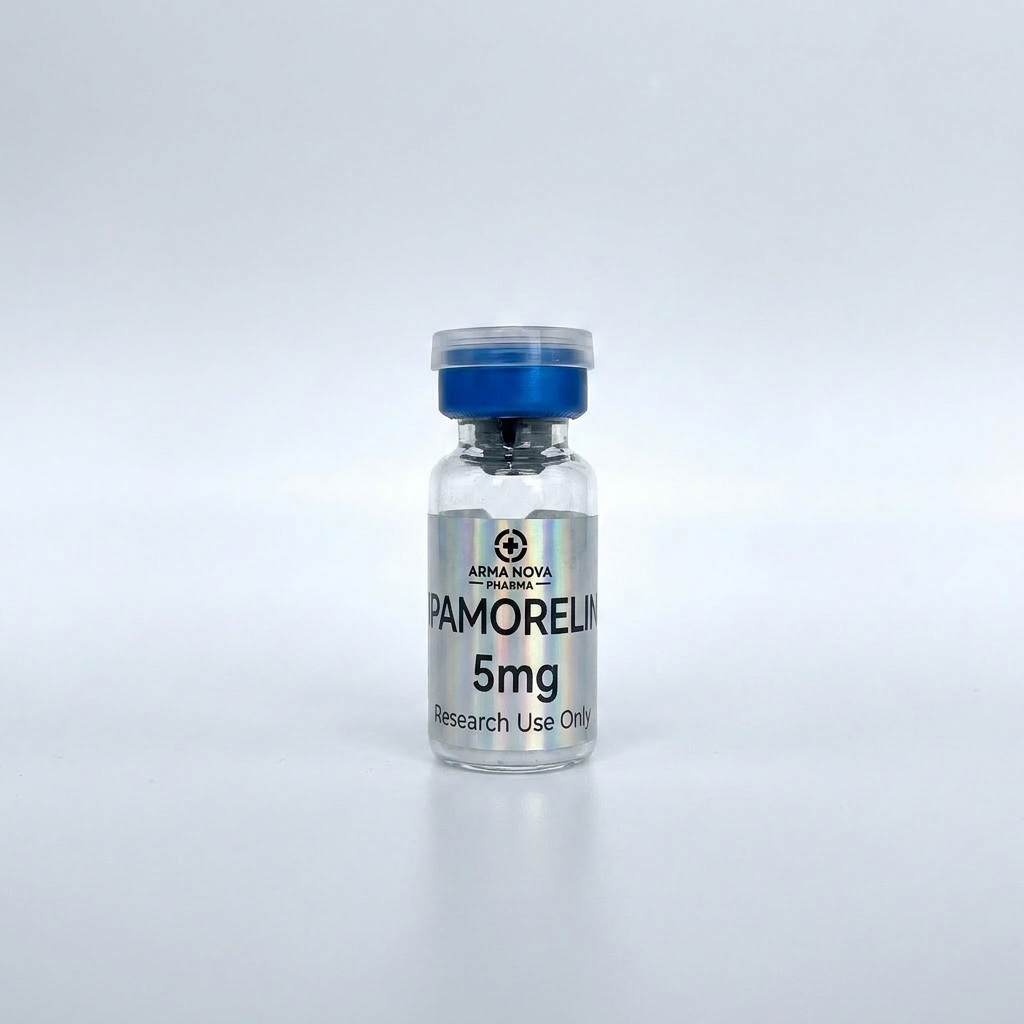
For UK-based researchers investigating growth hormone dynamics, metabolic modulation, or peptide stacking protocols, sourcing pharmaceutical-grade Ipamorelin 10mg UK with verified purity and transparent third-party testing has become non-negotiable. This article dissects the receptor pharmacology that makes ipamorelin unique, reviews the pivotal clinical and preclinical evidence base, and maps out precisely what UK researchers need to know about HPLC verification, batch-specific COAs, and regulatory compliance under UK law.
Why Ipamorelin 10mg UK Is the Preferred Dose for Research Protocols
The 10mg vial format has become the de facto standard in UK peptide research for several practical reasons. First, dosing precision: most experimental protocols utilise ipamorelin in the 200–300 mcg per administration range, meaning a single 10mg vial yields 33–50 discrete doses when reconstituted appropriately. This aligns well with multi-week study designs without requiring frequent vial changes or risking peptide degradation from repeated freeze-thaw cycles.
Second, cost efficiency at scale. UK researchers conducting extended protocols—particularly those investigating the synergistic effects of ipamorelin stacked with CJC-1295 DAC 5mg UK—benefit from the economies inherent in the 10mg format compared to multiple smaller vials. When sourcing from UK-based suppliers offering next-day delivery and GBP pricing, the 10mg concentration reduces both per-dose cost and logistical complexity.
Third, stability considerations. Lyophilised ipamorelin acetate, when stored correctly at -20°C, demonstrates exceptional stability in the 10mg lyophilised powder form. Once reconstituted with bacteriostatic water, the peptide maintains structural integrity for 30 days under refrigeration—a timeline that matches the consumption rate of a 10mg vial in typical research applications.
Receptor Pharmacology: GHS-R1a Selectivity and the Absence of Cortisol Elevation
Ipamorelin’s defining characteristic is its exquisite selectivity for the growth hormone secretagogue receptor 1a (GHS-R1a), located primarily on somatotroph cells in the anterior pituitary. Unlike broad-spectrum GHRPs, ipamorelin does not significantly activate receptors mediating ACTH release (which drives cortisol) or prolactin secretion.
This selectivity was first documented rigorously by Raun K et al. (1998) in their landmark European Journal of Endocrinology paper, which established ipamorelin as “the first selective growth hormone secretagogue.” The study demonstrated that ipamorelin induced dose-dependent GH release in rats with potency comparable to GHRP-6, yet produced no measurable increase in plasma ACTH or prolactin—even at doses several-fold higher than those required for maximal GH stimulation.
The molecular basis for this selectivity lies in ipamorelin’s binding profile. Structural studies suggest that the peptide’s pentapeptide backbone (Aib-His-D-2-Nal-D-Phe-Lys-NH₂) interacts with the GHS-R1a transmembrane domains in a manner that stabilises the receptor conformation favouring Gαq/11 signalling and intracellular calcium mobilisation—the pathway directly linked to GH granule exocytosis—while minimising engagement of receptor states coupled to ACTH or prolactin pathways.
This pharmacological distinction matters profoundly in research contexts. Cortisol elevation can confound metabolic studies by promoting catabolic signalling, insulin resistance, and altered substrate utilisation. Prolactin spikes introduce variables affecting reproductive hormone axes and dopaminergic tone. By isolating GH stimulation from these pleiotropic effects, ipamorelin enables cleaner experimental interrogation of GH-specific physiological responses.
Comparative Receptor Binding: Ipamorelin vs. GHRP-2, GHRP-6, and Hexarelin
The first-generation GHRPs—GHRP-2, GHRP-6, and hexarelin—were instrumental in mapping the GHS-R1a receptor but lacked the refinement researchers now expect. All three compounds stimulate GH release effectively, but they also activate pathways beyond the somatotroph axis:
- GHRP-6: Significant ghrelin-mimetic activity, stimulating appetite via hypothalamic neuropeptide Y circuits and triggering moderate cortisol and prolactin elevations at supra-physiological doses.
- GHRP-2: Moderately selective, but still produces measurable ACTH and cortisol responses, particularly with repeated dosing or in stressed physiological states.
- Hexarelin: Potent GH releaser, but notable for pronounced cortisol spikes and cardiovascular effects mediated by binding to CD36 scavenger receptors on cardiomyocytes.
Ipamorelin’s lack of appetite stimulation—a defining feature absent in GHRP-6—is particularly valued in metabolic research, where confounding changes in caloric intake would obscure body composition or insulin sensitivity outcomes. The peptide’s “clean” receptor profile is why it has largely supplanted earlier GHRPs in contemporary peptide stacking protocols.
Evidence Base: Preclinical and Human Studies Defining Ipamorelin’s Biological Activity
Three decades of published research have characterised ipamorelin’s effects across multiple biological systems. While the peptide is approved for research use only under UK law, the mechanistic insights from controlled trials inform every experimental design utilising this compound.
GH Release Kinetics and Dose-Response Relationships
The Raun et al. (1998) study established the foundational dose-response curve: intravenous ipamorelin at 0.05–5.0 µg/kg induced dose-dependent GH release in rats, with a ceiling effect observed around 0.5 µg/kg. Peak plasma GH concentrations occurred 15–20 minutes post-administration, returning to baseline within 90 minutes—a pulse pattern that closely mimics endogenous GH secretory bursts.
Critically, the study demonstrated that repeated dosing (three times daily for 15 days) did not induce tachyphylaxis or receptor desensitisation, a common limitation with continuous ghrelin agonists. GH responses remained consistent across the study period, suggesting ipamorelin’s pulsatile stimulation preserves physiological feedback mechanisms.
Anabolic Effects and Longitudinal Bone Growth
Johansen PB et al. (1999) extended these findings into the domain of anabolic signalling, demonstrating that chronic ipamorelin administration induced longitudinal bone growth in hypophysectomised rats—a stringent model for assessing GH-mediated anabolism in the absence of endogenous pituitary function. Over 15 days, ipamorelin-treated rats showed statistically significant increases in tibial length and epiphyseal cartilage width compared to saline controls.
These effects were abolished by co-administration of a GH receptor antagonist, confirming that ipamorelin’s growth-promoting actions are mediated via GH-IGF-1 axis activation rather than direct tissue effects. The study also noted significant increases in body weight gain and nitrogen retention, consistent with enhanced protein synthesis—outcomes directly relevant to researchers investigating muscle hypertrophy, wound healing, or age-related sarcopenia models.
Metabolic and Body Composition Effects: Insights from MK-677 as a Comparator
While ipamorelin itself has limited human trial data published (owing to its research-only regulatory status), the broader class of GH secretagogues has been extensively characterised in clinical populations. Svensson J et al. (2000) investigated the oral GHS MK-677 (ibutamoren) in obese subjects over two months, reporting significant increases in fat-free mass (+1.1 kg, p<0.01), reductions in total and visceral fat mass, and sustained elevations in 24-hour GH and IGF-1 concentrations.
The MK-677 data provide a useful pharmacological reference point: as a non-peptidic ghrelin mimetic, MK-677 shares GHS-R1a activation with ipamorelin but differs in half-life (24 hours vs. 2 hours) and route of administration. The comparable magnitude of GH elevation between MK-677 and peptide GHS like ipamorelin suggests that the 2–3-fold increases in 24-hour GH AUC observed with MK-677 likely represent the ceiling for what chronic GHS stimulation can achieve without exogenous GH replacement.
Importantly, MK-677 did increase cortisol and prolactin in some subjects—effects not observed with ipamorelin in the Raun study—underscoring ipamorelin’s superior selectivity profile.
Ipamorelin + CJC-1295 DAC: The Mechanistic Rationale for the UK’s Most-Researched Peptide Stack
The combination of ipamorelin with CJC-1295 DAC (Drug Affinity Complex) has become the archetype of synergistic peptide stacking in UK research circles. The rationale rests on complementary mechanisms of GH axis modulation: ipamorelin provides acute, pulsatile GH release via GHS-R1a agonism, while CJC-1295 DAC—a long-acting growth hormone-releasing hormone (GHRH) analogue—amplifies and sustains those pulses by sensitising somatotrophs to subsequent secretagogue stimulation.
GHRH vs. GHS: Two Pathways, One Axis
GHRH (naturally secreted by the hypothalamus) and GHS act on distinct receptors:
- GHRH receptor (GHRHR): Expressed on somatotrophs, coupled to Gs/adenylyl cyclase/cAMP signalling. GHRH increases GH gene transcription and primes secretory vesicles for exocytosis.
- GHS-R1a receptor: Expressed on the same somatotrophs, coupled to Gq/phospholipase C/calcium signalling. GHS (like ipamorelin) trigger immediate calcium influx and vesicle fusion.
When administered together, CJC-1295 DAC elevates baseline cAMP and primes the somatotroph population, while ipamorelin delivers the calcium signal that triggers degranulation. The result is a GH pulse that is both higher in amplitude and more sustained in duration than either compound alone would produce—an effect demonstrated in rodent models showing 2–3-fold greater GH AUC with combination therapy versus monotherapy.
The DAC modification (which conjugates lysine residues to extend half-life from ~30 minutes to ~8 days) enables twice-weekly dosing of CJC-1295, while ipamorelin is typically dosed 2–3 times daily to maintain pulsatility. This dosing asymmetry mimics physiological GH secretion patterns: basal GHRH tone (simulated by sustained CJC levels) punctuated by discrete GH pulses (simulated by ipamorelin boluses).
UK researchers investigating this stack commonly utilise Ipamorelin 10mg UK alongside the referenced CJC-1295 DAC vial, dosing ipamorelin at 200–300 mcg per administration and CJC-1295 DAC at 2mg twice weekly—a regimen informed by extrapolation from published animal and limited human data.
HPLC Purity, COAs, and Why ≥99% Matters for Reproducibility
Peptide purity is not a vanity metric—it directly governs experimental reproducibility, biological activity, and safety profiles. High-performance liquid chromatography (HPLC) remains the gold standard for peptide characterisation, separating target peptide from synthesis byproducts, truncated sequences, and epimerised variants that may exhibit altered or antagonistic receptor activity.
What HPLC Reveals (and What It Doesn’t)
A certified HPLC assay quantifies the percentage of the sample represented by the intended peptide sequence. For ipamorelin 10mg UK supplied by Arma Peptides, batch-specific certificates of analysis (COAs) document ≥99% purity, meaning <1% impurities. These impurities typically include:
- Deletion sequences (missing one or more amino acids)
- Oxidised methionine or histidine residues
- Acetate or trifluoroacetate salt residues from purification
- Aggregated or dimerised peptide forms
Even minor impurities can skew dose-response curves. A 95% pure peptide dosed at “200 mcg” delivers only 190 mcg of active compound, with 10 mcg of unknown constituents potentially activating off-target receptors or inducing immune responses. Over a multi-week protocol, this 5% error compounds, introducing variance that obscures genuine biological effects.
Arma Peptides publishes third-party COAs for every batch, accessible via the product page. These documents include HPLC chromatograms, mass spectrometry confirmation of molecular weight, and endotoxin testing to ensure <1 EU/mg—critical for protocols involving repeated subcutaneous administration.
UK Regulatory Context: Research Use Only
Under UK law, ipamorelin is classified for research purposes only and is not approved for human or veterinary therapeutic use by the Medicines and Healthcare products Regulatory Agency (MHRA). This classification mirrors the regulatory stance of the European Medicines Agency (EMA) and US FDA, where peptides like ipamorelin exist in a research-grade category pending formal clinical development and licensing.
UK researchers must ensure institutional ethics approval and compliance with the Human Tissue Act 2004 and Animals (Scientific Procedures) Act 1986 if conducting in vivo studies. Arma Peptides supplies all products with explicit labelling—”For research use only. Not for human or veterinary use”—in accordance with UK regulatory requirements.
Dosing Protocols and Reconstitution: Practical Guidance for UK Researchers
Ipamorelin arrives as a lyophilised white powder in a sterile 10mg vial. Reconstitution requires bacteriostatic water (0.9% benzyl alcohol), which inhibits bacterial growth and permits multi-dose use over 30 days post-reconstitution.
Standard Reconstitution Protocol
- Volume selection: Add 2.0 mL bacteriostatic water to the 10mg vial, yielding a 5 mg/mL solution (5000 mcg/mL). This concentration allows precise dosing with standard insulin syringes (1 mL, 100-unit).
- Technique: Inject bacteriostatic water slowly down the vial wall (not directly onto the powder) to minimise foaming and peptide shearing. Gently swirl—never shake—to dissolve.
- Storage: Refrigerate reconstituted vials at 2–8°C. Protect from light by storing in the original carton or amber vial.
- Dose calculation: For a 250 mcg dose from a 5 mg/mL solution: (250 mcg / 5000 mcg/mL) = 0.05 mL = 5 units on a 100-unit insulin syringe.
Typical Dosing Regimens in Published Research
While human clinical data on ipamorelin remain limited, extrapolation from rodent mg/kg dosing and comparison with structurally similar GHS suggests the following research benchmarks:
- Single-dose protocols: 200–300 mcg per administration, 1–3 times daily (morning, post-training, pre-sleep) to mimic physiological GH pulse frequency.
- Stacked with CJC-1295 DAC: Ipamorelin 250 mcg twice daily + CJC-1295 DAC 2 mg twice weekly. The CJC component provides sustained GHRH receptor activation, while ipamorelin delivers acute GH pulses.
- Cycle length: Most experimental designs run 8–12 weeks, with washout periods to assess whether benefits persist post-cessation (indicative of genuine tissue remodelling vs. transient fluid retention).
Researchers should note that ipamorelin’s GH-releasing effects are enhanced when administered in a fasted state and are blunted by hyperglycemia or elevated free fatty acids, consistent with the known physiology of GH secretion.
Comparative Analysis: Ipamorelin 10mg vs. 5mg Vial Formats
Arma Peptides supplies both Ipamorelin 5mg UK and the 10mg format. Choosing between them depends on study duration, dosing frequency, and cost considerations:
| Parameter | Ipamorelin 5mg | Ipamorelin 10mg |
|---|---|---|
| Total doses (250 mcg each) | 20 doses | 40 doses |
| Shelf life post-reconstitution | 30 days | 30 days |
| Ideal for | Short pilots, single-subject feasibility | Extended studies, stacking protocols |
| Cost per dose (approximate) | Higher per-dose cost | Lower per-dose cost (bulk efficiency) |
| Waste risk | Lower (smaller volume) | Higher if not consumed within 30 days |
For researchers running 8-week protocols with twice-daily dosing, the 10mg vial is clearly more cost-effective. For exploratory work or infrequent dosing schedules, the 5mg format reduces waste and upfront expense.
Common Misconceptions and Methodological Pitfalls in Ipamorelin Research
Misconception 1: “More GH Always Equals More Muscle”
GH elevation alone does not guarantee anabolic outcomes. The lipolytic and protein-synthetic effects of GH are context-dependent, influenced by nutritional status, concurrent training stimulus, insulin sensitivity, and thyroid function. Studies administering exogenous GH to athletes without caloric surplus or resistance training often show negligible lean mass gains despite elevated GH and IGF-1.
Ipamorelin’s value lies in restoring or optimising physiological GH pulsatility—not in replicating the supra-physiological GH levels achieved with pharmaceutical GH injections. Researchers should design studies with appropriate control arms and avoid conflating GH stimulation with guaranteed body composition changes.
Misconception 2: “Ipamorelin and Ghrelin Are Interchangeable”
Though both activate GHS-R1a, ipamorelin and ghrelin differ substantially. Ghrelin is a 28-amino acid peptide hormone with an acylated serine residue essential for receptor binding; it potently stimulates appetite via hypothalamic agouti-related peptide (AgRP) neurons. Ipamorelin, a synthetic pentapeptide, lacks ghrelin’s orexigenic effects and does not undergo acylation.
Researchers investigating metabolic signalling should not assume findings from ghrelin studies generalise to ipamorelin, particularly regarding energy balance, gastric motility, or neuropeptide Y circuitry.
Methodological Pitfall: Ignoring Baseline GH Status
Ipamorelin’s efficacy is greatest in contexts of relative GH deficiency or blunted pulsatility—aging populations, caloric restriction, or overtraining states. Young, healthy individuals with robust endogenous GH secretion may exhibit ceiling effects, where exogenous secretagogue administration produces minimal incremental GH elevation.
Study designs should stratify subjects by baseline IGF-1 levels or 24-hour GH secretion profiles to identify responder phenotypes and avoid Type II errors (failing to detect an effect that exists in a subpopulation).
UK Delivery, Pricing Transparency, and Supply Chain Integrity
Arma Peptides operates exclusively within the UK, offering next-day delivery on all ipamorelin 10mg UK orders dispatched before 2 PM. All shipments utilise cold-chain packaging with gel ice packs to maintain the 2–8°C temperature range during transit, preserving peptide integrity from dispatch to delivery.
Pricing is transparently displayed in GBP, with no hidden fees or customs delays inherent to international shipments. Each order includes:
- Sterile lyophilised peptide in a tamper-evident vial
- Batch-specific COA (available for download or included upon request)
- Storage and reconstitution guidelines
- Research-use-only disclaimer and regulatory information
For researchers requiring bacteriostatic water, sterile vials, or insulin syringes, these ancillary supplies are available on-site, streamlining procurement and ensuring compatibility with best-practice reconstitution protocols.
Ipamorelin in the Broader Landscape of Peptide Research
Ipamorelin’s introduction in the late 1990s marked a pivotal refinement in peptide pharmacology—proof that medicinal chemistry could isolate a single desirable signalling axis (GH release) from the pleiotropic noise of earlier-generation compounds. This selectivity principle has since been applied across peptide therapeutics, from GLP-1 agonists (targeting incretin receptors without glucagon activation) to selective melanocortin-4 receptor agonists in obesity research.
For UK researchers, ipamorelin represents a validated tool for dissecting the GH-IGF-1 axis in isolation, free from the confounding variables introduced by cortisol, prolactin, or appetite modulation. Whether investigating metabolic remodelling, tissue repair, or aging biology, the peptide’s clean pharmacological profile and robust preclinical evidence base make it a foundational reference compound.
As the research landscape evolves—with renewed interest in longevity science, regenerative medicine, and personalised endocrine optimisation—ipamorelin’s role as the benchmark selective GHS is unlikely to be displaced. Its combination of efficacy, safety, and mechanistic clarity ensures its continued prominence in both academic and translational research contexts.
Final Considerations for UK Researchers Sourcing Ipamorelin 10mg
Three non-negotiable criteria should guide procurement decisions:
- Verified purity: Demand HPLC-verified ≥99% purity with published COAs. Peptides below 98% introduce unacceptable variability.
- Transparent sourcing: UK-based suppliers with traceable supply chains reduce contamination risk and legal ambiguity. Arma Peptides maintains full documentation from synthesis to dispatch.
- Regulatory compliance: Ensure all materials are labelled for research use only and that your institution’s ethics and governance frameworks are satisfied before commencing studies.
Ipamorelin’s selectivity for GH release—without cortisol or prolactin spikes—positions it as the cleanest secretagogue available to UK researchers. When sourced at pharmaceutical-grade purity and integrated into rigorously designed protocols, it offers unparalleled clarity in interrogating the GH axis. For those seeking the highest-quality ipamorelin 10mg UK with next-day delivery, published COAs, and HPLC verification, Arma Peptides provides the transparency and consistency that genuine scientific inquiry demands.
Disclaimer: Ipamorelin is supplied for research purposes only and is not approved for human or veterinary therapeutic use under UK law. Researchers are responsible for ensuring compliance with institutional ethics, the Human Tissue Act 2004, and relevant scientific procedures legislation. This article does not constitute medical advice or endorsement of off-label use.
Related posts
Tesamorelin 10mg UK: Research-Grade Growth Hormone-Releasing Hormone Analogue for 2026 UK-based researchers investigating growth hormone-releasing hormone (GHRH) analogues frequently encounter a critical sourcing challenge:… Continue reading
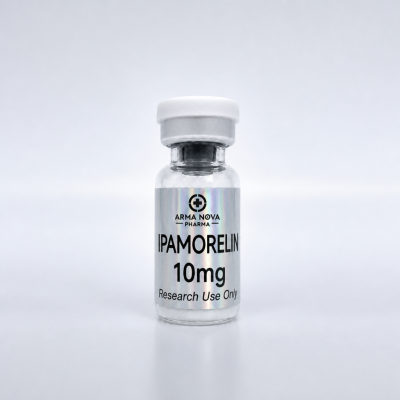
Ipamorelin UK: The Selective Growth Hormone Secretagogue for Researchers in 2026 Among the growth hormone-releasing peptides available to UK researchers, ipamorelin stands apart for a... Continue reading
Tirzepatide 30mg UK: The Dual GIP/GLP-1 Receptor Agonist for Advanced Metabolic Research Tirzepatide represents the first dual glucose-dependent insulinotropic polypeptide (GIP) and glucagon-like peptide-1 (GLP-1)... Continue reading
HCG 5000IU UK: Research-Grade Sourcing and Clinical Context Guide 2026 Human chorionic gonadotropin at the 5000 international unit dosage represents one of the most frequently... Continue reading
HGH 100 IU UK: Verified Research-Grade Sourcing, Purity Standards, and Regulatory Context for 2026 Securing genuine, laboratory-verified hgh 100 iu uk formulations presents distinct challenges... Continue reading
Add comment