
No products in the cart.
Tesamorelin For Sale UK: Clinical-Grade Research Supply
Tesamorelin For Sale: UK Research-Grade Sourcing Guide
Finding verified tesamorelin for sale requires more than scrolling through vendor listings. This synthetic growth hormone-releasing hormone (GHRH) analogue has been the subject of over 300 clinical publications since its FDA approval in 2010, yet the UK research peptide market remains fragmented—populated by suppliers offering wildly inconsistent purity documentation and batch verification protocols. For researchers and informed biohackers seeking pharmaceutical-grade tesamorelin, understanding the biochemical mechanism, interpreting third-party purity data, and navigating UK regulatory context separate legitimate sourcing from speculative purchases.
Tesamorelin’s unique position as a stabilised GHRH analogue—distinguished from other growth hormone secretagogues by its specific action on pituitary somatotrophs without concurrent prolactin or cortisol elevation—makes purity and structural integrity non-negotiable. Unlike broad-spectrum peptides where minor degradation may pass unnoticed, tesamorelin’s 44-amino-acid sequence requires precise synthesis and storage to maintain receptor binding affinity. This guide examines the clinical evidence base, explains exactly what to verify when evaluating suppliers offering tesamorelin for sale, and provides UK-specific regulatory and sourcing context unavailable in generic peptide articles.
Clinical Evidence Foundation: Why Tesamorelin Matters in Research
Tesamorelin entered clinical focus through HIV-associated lipodystrophy trials, where it demonstrated statistically significant visceral adipose tissue (VAT) reduction without proportional loss in subcutaneous fat—a profile distinguishing it from general caloric restriction or non-selective lipolytic agents. The pivotal trials (NCT00517335, NCT00435006) showed mean VAT reductions of 15–18% at 26 weeks with 2mg daily subcutaneous administration, alongside improvements in triglyceride profiles and liver fat fraction in subgroup analyses.
What elevates tesamorelin beyond anecdotal status is the mechanistic clarity: it binds growth hormone-releasing hormone receptors (GHRHR) on anterior pituitary somatotrophs with enhanced affinity compared to native GHRH-44, triggering endogenous growth hormone pulses that mirror physiological secretion patterns rather than creating supraphysiological spikes. This preserves negative feedback regulation—growth hormone elevation stimulates hepatic IGF-1 production, which in turn moderates further GHRH release through hypothalamic somatostatin upregulation.
The broader therapeutic peptide landscape, as reviewed by Lau and Dunn (2018), identifies structural modification as central to peptide drug viability: native GHRH-44 has a plasma half-life under 10 minutes due to rapid dipeptidyl peptidase-4 (DPP-IV) degradation, rendering it clinically impractical. Tesamorelin incorporates trans-3-hexenoic acid conjugation at the N-terminus, which sterically hinders enzymatic cleavage while maintaining receptor binding specificity—extending functional half-life to approximately 26 minutes and enabling once-daily dosing.
For researchers examining growth hormone dynamics, body composition modulation, or metabolic syndrome interventions, tesamorelin’s defined pharmacokinetics and receptor selectivity provide advantages over growth hormone secretagogues (GHS) like ipamorelin or CJC-1295/GHRP-2 blends, which act via ghrelin receptors and may produce variable GH responses depending on endogenous ghrelin tone and feeding status. The Tesamorelin Ipamorelin Blend 18mg formulation offered by select suppliers represents an attempt to combine GHRHR and ghrelin receptor pathways, though this introduces additional variables requiring distinct analytical verification.
Receptor Mechanism: How Tesamorelin Differs from Generic GH Secretagogues
The specificity of tesamorelin’s action warrants detailed examination, particularly when evaluating purity requirements for research applications. GHRHR is a seven-transmembrane G-protein-coupled receptor (GPCR) expressed predominantly on somatotroph cells in the anterior pituitary. Upon tesamorelin binding, the receptor activates Gαs proteins, stimulating adenylyl cyclase and elevating intracellular cyclic AMP (cAMP). This cAMP surge activates protein kinase A (PKA), which phosphorylates transcription factors regulating growth hormone gene expression and promotes fusion of GH-containing secretory vesicles with the plasma membrane.
Critically, tesamorelin does not directly stimulate growth hormone release from peripheral tissues, cross-react with ghrelin receptors (GHSR1a), or influence somatostatin tone beyond the indirect feedback mechanisms inherent to GH elevation. This selectivity explains the clinical observation that tesamorelin produces predictable GH pulses without the appetite stimulation, gastric motility changes, or transient hyperglycemia sometimes reported with ghrelin-mimetic peptides.
From a research protocol perspective, this mechanism dictates storage and handling requirements: tesamorelin’s modified N-terminus remains vulnerable to oxidative damage and deamidation at asparagine residues if stored improperly. Suppliers offering tesamorelin for sale without specifying lyophilised powder storage at -20°C or below, or those failing to provide high-performance liquid chromatography (HPLC) data confirming structural integrity post-reconstitution, should raise immediate verification concerns.
The broader context of peptide therapeutic development, as outlined by Kaspar and colleagues (2013), emphasises that sequence modifications—while extending half-life or enhancing binding—introduce new quality control challenges. Each substitution or conjugation creates potential impurity sites: incomplete acylation, incorrect stereochemistry at modified residues, or truncated sequences resulting from premature termination during solid-phase peptide synthesis (SPPS). High-purity tesamorelin (≥99% by HPLC) minimises these contaminants, which may otherwise compete for receptor binding or trigger non-specific immune responses in repeated-dose protocols.
Evaluating Tesamorelin For Sale: Non-Negotiable Verification Criteria
When assessing suppliers with tesamorelin for sale, the following data points separate research-grade material from uncertain provenance:
1. High-Performance Liquid Chromatography (HPLC) Purity Documentation
Request batch-specific HPLC chromatograms showing purity ≥99%, with clear identification of the primary tesamorelin peak and quantification of impurity peaks. The chromatogram should display retention time, peak area percentage, and detection wavelength (typically 214 nm or 280 nm for peptide bonds and aromatic residues respectively). Any peak exceeding 0.5% area warrants explanation—it may represent a deletion sequence, oxidised methionine, or synthesis by-product.
Arma Peptides publishes Certificate of Analysis (COA) documents for each batch, including HPLC data and mass spectrometry confirmation of molecular weight. The Tesamorelin 10mg product listing provides downloadable COAs directly on the product page—a transparency standard lacking among many UK suppliers who cite “proprietary testing” without releasing raw data.
2. Mass Spectrometry (MS) Verification
Mass spec confirms the molecular weight matches the theoretical value for tesamorelin (5135.89 Da for the free acid form). Electrospray ionisation (ESI-MS) or matrix-assisted laser desorption/ionisation time-of-flight (MALDI-TOF) should show the expected m/z ratios. Discrepancies of more than ±1 Da suggest incomplete synthesis, wrong amino acid incorporation, or degradation.
3. Amino Acid Analysis (AAA)
Quantitative amino acid analysis hydrolyses the peptide and measures individual amino acid content, confirming the sequence composition matches tesamorelin’s 44-residue structure. This catches substitution errors that HPLC alone might miss if the impurity has similar hydrophobicity.
4. Sterility and Endotoxin Testing
For subcutaneous or intramuscular research protocols, bacterial endotoxin levels must remain below 0.5 EU/mg (endotoxin units per milligram). LAL (Limulus Amebocyte Lysate) testing should be documented. While peptides intended for in vitro assays may tolerate higher endotoxin, any in vivo work—especially repeated-dose studies—requires pharmaceutical-grade sterility.
5. Storage and Stability Data
Tesamorelin degrades predictably under suboptimal conditions: deamidation accelerates above 4°C, oxidation occurs in the presence of oxygen and light, and aggregation begins if pH drifts above 7.5 post-reconstitution. Reputable suppliers provide storage recommendations (lyophilised powder at -20°C; reconstituted solution at 2–8°C for up to 14 days) and stability data showing purity retention over declared shelf life.
UK Regulatory Context: Research Use Classification
Tesamorelin is not licensed for human therapeutic use in the United Kingdom. The Medicines and Healthcare products Regulatory Agency (MHRA) does not authorise tesamorelin under the Human Medicines Regulations 2012, and it does not appear on the UK market authorisation list. Consequently, any tesamorelin for sale within UK borders is designated for research purposes only—in vitro studies, preclinical animal models, or analytical method development.
This classification aligns with the broader regulatory framework governing research peptides in the UK: substances not holding marketing authorisation may be supplied for bona fide research by academic institutions, contract research organisations, or individual researchers operating within recognised scientific frameworks. Suppliers must not make claims regarding human therapeutic use, dosing regimens for human consumption, or health benefits applicable to end-users.
UK researchers should verify that suppliers adhere to Good Manufacturing Practice (GMP) principles or equivalent quality standards, even for research-grade material. While full GMP certification (typically reserved for clinical-trial material) may not apply to early-stage research peptides, documented quality control processes—batch traceability, contamination monitoring, validated analytical methods—remain essential.
It is worth noting that growth hormone itself is a controlled substance under the UK Anti-Doping Regulations and the Misuse of Drugs Act in specific contexts (e.g., supply for performance enhancement), but tesamorelin’s legal status differs: it is not a scheduled substance, yet remains prescription-only if ever intended for human treatment. Researchers must ensure compliance with institutional ethics protocols and the Animals (Scientific Procedures) Act 1986 if conducting in vivo studies.
UK Sourcing Landscape: Why Domestic Supply Matters
Importing peptides from non-EU jurisdictions post-Brexit introduces customs complexity, extended shipping times, and potential temperature excursions during transit. Peptides are temperature-sensitive biologics; a lyophilised powder exposed to repeated freeze-thaw cycles or prolonged ambient temperature during customs clearance may degrade significantly before reaching the end-user, even if initially synthesised to ≥99% purity.
Domestic UK suppliers eliminate this variable, ensuring cold-chain integrity from synthesis or import through final delivery. Arma Peptides operates fast UK & EU logistics with temperature-monitored dispatch, providing next-day delivery for most mainland UK postcodes. Pricing in GBP removes foreign exchange risk and simplifies institutional procurement for UK-based labs requiring VAT invoices and defined payment terms.
The rise of research peptides like tesamorelin has paralleled broader interest in metabolic interventions and growth hormone modulation—similar dynamics visible in emerging peptides such as Retatrutide For Sale UK and Kisspeptin UK sourcing. Each peptide’s distinct receptor pharmacology and clinical dataset demands tailored verification criteria; generic “peptide shop” approaches risk substituting one compound for another or failing to detect sequence truncations invisible to non-specialised assays.
Common Sourcing Red Flags
The unregulated nature of the research peptide market introduces several recurring issues when evaluating tesamorelin for sale:
- Absence of batch-specific COAs: Generic certificates referencing “typical purity” without batch numbers or test dates suggest relabelling of bulk material without verification.
- HPLC chromatograms with unlabelled impurity peaks: Any peak exceeding 0.5% area should be identified—common impurities include deletion sequences (missing one or more amino acids) and oxidised variants (methionine sulfoxide).
- No mass spectrometry data: HPLC alone cannot definitively confirm molecular identity; MS is non-negotiable for first-time supplier verification.
- Vague storage instructions: “Store in a cool, dry place” lacks the specificity required for peptides. Lyophilised tesamorelin should be stored at -20°C or below; reconstituted solutions at 2–8°C with defined expiry (typically 14 days).
- Pricing significantly below market median: Pharmaceutical-grade peptide synthesis, third-party testing, and proper storage infrastructure have defined cost floors. Tesamorelin priced at half the UK market median (typically £90–£150 per 10mg vial depending on batch size) warrants scrutiny regarding purity or substitution.
Research Protocol Considerations
Designing studies with tesamorelin requires attention to its pulsatile GH release profile. Unlike exogenous growth hormone, which creates sustained supraphysiological levels, tesamorelin mimics endogenous secretion: peak GH occurs approximately 1–2 hours post-administration, returning to baseline by 4–6 hours. This kinetic profile suits research questions examining physiological GH dynamics, feedback regulation, or tissue-level IGF-1 responses—but may be less appropriate for protocols requiring stable 24-hour GH exposure.
Dose-response relationships in published literature typically employ 1–2 mg per administration (subcutaneous injection) in adult human subjects. Translating these to in vitro or animal models requires allometric scaling and consideration of receptor density differences across species. Rodent studies often use 0.5–1.5 mg/kg, though direct comparison to human data is complicated by species-specific GHRHR affinity and GH half-life variations.
For researchers combining tesamorelin with other peptides, pharmacodynamic interactions warrant attention: concurrent use of somatostatin analogues (octreotide, pasireotide) will blunt tesamorelin’s GH-releasing effect by inhibiting somatotroph responsiveness. Conversely, combining with ghrelin receptor agonists may produce additive GH release, though this introduces interpretation complexity—distinguishing GHRHR-mediated effects from GHSR1a-mediated effects requires appropriate controls.
Future Directions and Emerging Research
Tesamorelin’s role in metabolic research continues expanding beyond HIV-associated lipodystrophy. Ongoing trials examine applications in non-alcoholic fatty liver disease (NAFLD), cognitive function in mild cognitive impairment, and sarcopenic obesity. The mechanistic rationale—improving visceral fat distribution and metabolic parameters via endogenous GH pulses rather than exogenous GH replacement—addresses safety concerns about sustained GH exposure (insulin resistance, edema, joint pain).
Emerging peptide therapeutics, as discussed in the Arma Peptides Blog, increasingly incorporate receptor-selective modifications and combination approaches. Understanding tesamorelin’s specific GHRHR mechanism provides a reference point for evaluating next-generation GHRH analogues, dual agonists, and oral GH secretagogues under development.
The peptide therapeutic field, projected to exceed $50 billion globally by 2027, hinges on quality control advances that match the sophistication of peptide design. For researchers seeking tesamorelin for sale, this translates to one principle: verification infrastructure—documented purity, batch traceability, third-party testing—determines research validity more than brand recognition or pricing.
UK Delivery, Pricing, and Ordering Process
Arma Peptides offers tesamorelin for sale with transparent UK pricing in GBP, eliminating currency conversion uncertainty. Standard product offerings include the Tesamorelin 10mg single-vial format and the Tesamorelin Ipamorelin Blend 18mg for researchers exploring synergistic GHRHR/ghrelin receptor modulation.
Ordering requires account registration with institutional or research affiliation verification—a standard practice among legitimate research peptide suppliers ensuring compliance with research-use-only designations. Payment methods include bank transfer and major credit cards, with VAT-registered invoicing available for institutional purchasers.
Dispatch occurs within 24 hours for in-stock items, with temperature-controlled courier service providing next-day delivery to mainland UK addresses. Tracking information is provided automatically, and customer support handles delivery queries, reconstitution protocols, and COA requests.
Conclusion: Prioritising Quality in Tesamorelin Sourcing
The search for reliable tesamorelin for sale ultimately reduces to verification: documented purity via HPLC and mass spectrometry, batch-specific COAs, appropriate storage and handling, and transparent regulatory compliance with UK research-use requirements. Tesamorelin’s distinct mechanism—selective GHRHR activation producing physiological GH pulses—delivers unique research value only when peptide structural integrity and purity meet pharmaceutical standards.
UK researchers benefit from domestic suppliers providing cold-chain-protected delivery, GBP pricing, and regulatory clarity under UK law. Arma Peptides’ ≥99% HPLC-verified tesamorelin, published COA documentation, and research-focused customer support address the sourcing challenges that compromise study validity and reproducibility in the fragmented peptide market.
For investigators examining growth hormone dynamics, metabolic syndrome interventions, or body composition modulation, the quality of research-grade tesamorelin purchased determines whether data reflects genuine biological phenomena or artefacts of peptide degradation, impurity interference, or sequence error. Prioritising supplier verification over convenience or price remains the non-negotiable foundation of credible peptide research.
Related posts
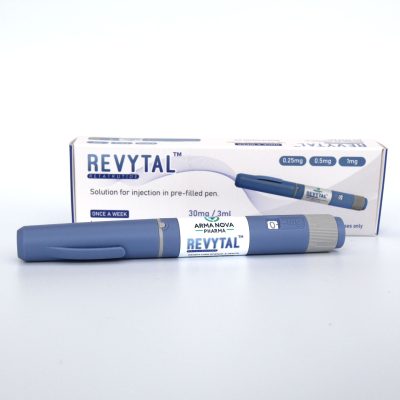
Retatrutide Revytal 40mg UK: Triple Agonist Mechanism, Phase 2/3 Trial Data, and Research-Grade Sourcing Retatrutide (LY3437943) represents the first triple agonist targeting GLP-1, GIP, and... Continue reading
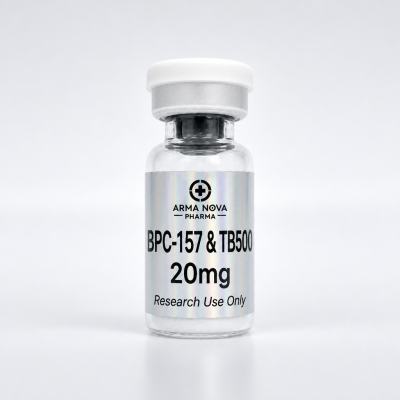
BPC-157 TB-500 Blend: Evidence-Based Analysis for UK Researchers The bpc 157 tb 500 blend represents one of the most frequently researched peptide combinations in musculoskeletal... Continue reading
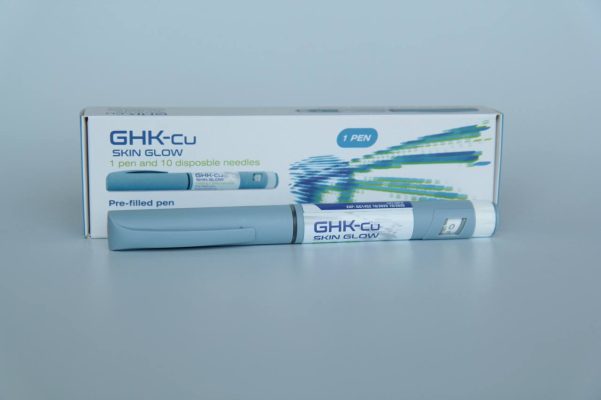
Explore GHK-Cu peptide basics, likely uses, and buying considerations. Learn how this 100mg skin glow product fits skincare and research needs. Continue reading
Add comment