
No products in the cart.
Retatrutide UK: where to buy for research

Written by
Arma Peptides Team
Research Content Editor


 20 Oct 2026
 4 min read

1. Match the listing to the exact Retatrutide 30MG product
Start with the product name, stated quantity, format and research-use status. If you are researching “retatrutide UK where to buy”, make sure the listing identifies retatrutide specifically and that its stated quantity matches the item you intend to assess. Do not infer details that are not shown.
Arma Peptides lists Retatrutide 30MG. Review the listing itself for its current specification and research-use wording; a product name alone does not establish its contents or suitability for any other purpose.

2. Check that batch documents match the product being sold
Look for a certificate of analysis (COA) tied to a specific batch, then compare its product identity and lot or batch identifier with the listing and the material supplied. A generic report, or one with no clear link to the relevant batch, is harder to assess.
Our supplier COA information provides an example of the kind of documentation to examine. You can also review Arma’s current listings to see the products currently shown; check each listing separately for its available batch information.

3. Read the HPLC details, not just the purity headline
HPLC, or high-performance liquid chromatography, is an analytical method that can provide information about a sample’s chromatographic profile and reported purity. Check whether the report identifies the tested material and batch, names the method and gives results in a form that can be interpreted—not only a headline percentage.
An HPLC result does not, by itself, establish sterility, safety, correct handling or suitability for human use. For a broader overview of source checks, see our guide to where to buy retatrutide.

4. Review seller contact details and order terms before paying
Before placing an order, check that the seller provides clear contact information and accessible terms covering payment, cancellations, returns and any limits on research-product orders. If anything is unclear, contact the seller through the channels stated on its website before proceeding.
For UK buyers comparing where to buy retatrutide, clear terms make it easier to understand what happens if an order needs attention. Do not assume a seller’s location or service area from a UK-facing listing alone.
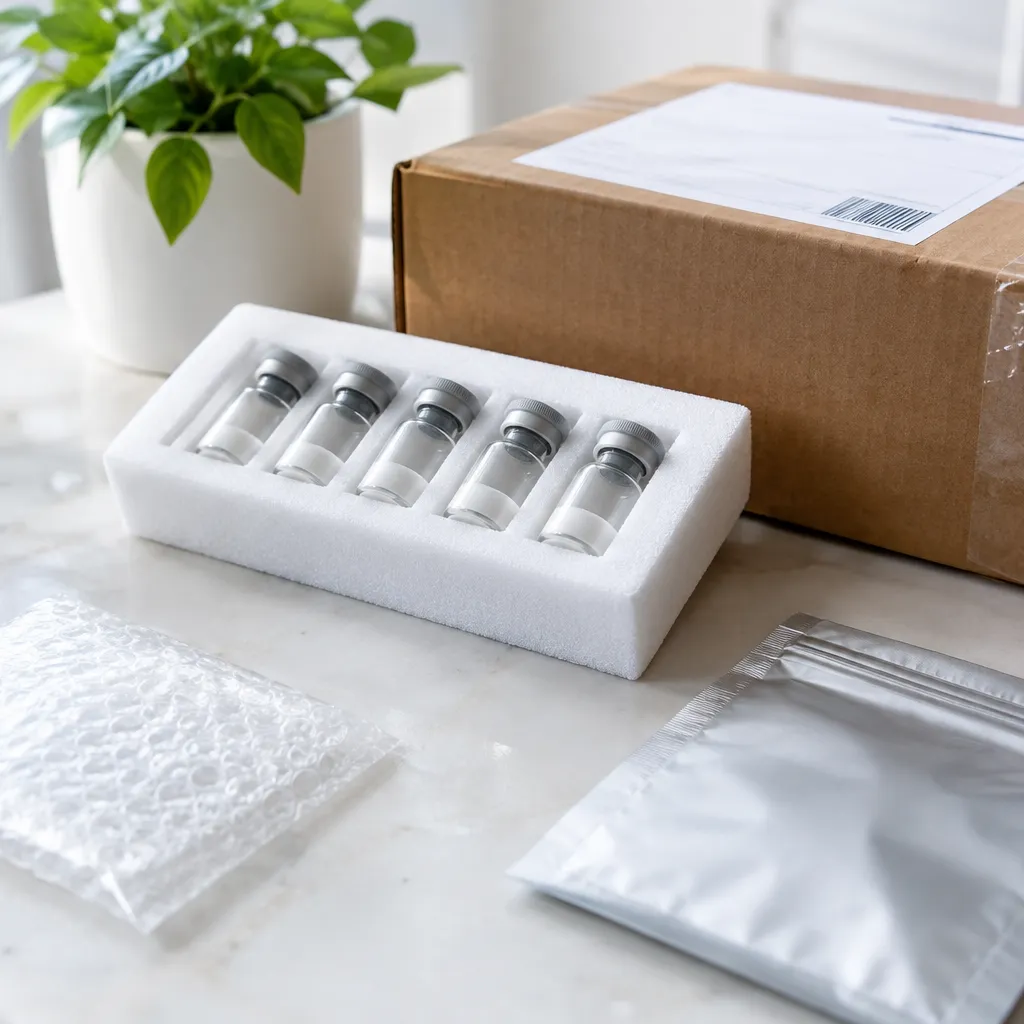
5. Confirm tracked UK delivery details and what is actually stated
Check the listing or delivery information for dispatch estimates, tracking availability, charges and any shipping restrictions. A claim of fast or tracked delivery is useful only when the terms explain what is offered and when tracking information is provided.
If those details are not clear, ask the seller before ordering. Delivery wording does not guarantee a particular arrival date, so avoid making plans around an estimate that the seller has not confirmed.

6. Compare the checks with Arma Peptides’ Retatrutide 30MG listing
Use the same criteria for the Arma Peptides Retatrutide 30MG listing: confirm the product identity and stated quantity, inspect any batch COA and HPLC information, then read the order and delivery terms. If a detail matters to your decision, check that it is stated on the page or ask the seller.
Retatrutide is not authorised for human use in the UK. This listing is for laboratory research use only; a research listing or COA should not be treated as evidence of a medicine’s approval or suitability for people. Consult a qualified healthcare professional about your own circumstances, especially if you are pregnant, breastfeeding, have a chronic condition or take other medicines.
Retatrutide Research Listing FAQs
What is retatrutide, and why is it listed for laboratory research?
Retatrutide is a research compound offered in some listings for laboratory research; that designation does not make it an authorised medicine or establish suitability for human use. Check the seller’s stated product identity and intended-use terms.
Is research-grade retatrutide approved for human use in the UK?
No: research-grade retatrutide is not authorised for human use in the UK. A research label or laboratory report does not change that status or establish that a product is safe or suitable for people.
How can I check whether a certificate of analysis is batch-specific?
Compare the COA’s product name and batch or lot identifier with the listing and the batch supplied. A report with no clear product or batch match is not a reliable confirmation for that specific item.
What does an HPLC result tell me about a research peptide?
An HPLC result reports analytical information about a tested sample, such as its chromatographic profile and reported purity. It does not establish suitability for human use, sterility or every aspect of product quality.
Can a certificate of analysis establish that a product is suitable for human use?
No: a COA documents specified tests and results for a sample, but it does not establish regulatory approval or suitability for human use. Read its scope and limitations rather than treating it as a safety guarantee.
What information should I keep with a research-material purchase record?
Keep the order confirmation, product and batch identifiers, the matching COA, seller terms and delivery record. These details help connect the material received with the listing and documentation reviewed.
How should research materials be handled and stored according to their documentation?
Follow the handling and storage instructions supplied with the specific material and its documentation. Do not substitute general advice for the product’s stated requirements or use research materials as medicines.
Where can I check current UK rules that may apply to ordering research materials?
Check current information from relevant UK regulators and official government sources, and confirm any uncertainty with a qualified professional. A seller’s research-use label is not a substitute for checking rules that apply to your situation.
Review the Research Listing
Use the listing to check the stated product identity, available documentation and order information before making any research-material decision.
About the author
Arma Peptides Team
Research Content Editor
Hannah Whitaker is a UK-based science writer with a background in life-sciences communications, specialising in research-use peptides and laboratory product information. She makes HPLC verification, batch certificates of analysis and product documentation clear and accessible for readers seeking well-documented research materials. Her articles draw on published research and supplier documentation, with a measured approach to product handling and evidence. She clearly distinguishes laboratory research use from clinical or personal use.
Research-use peptide resourcesHPLC verification and batch COAsLaboratory product documentationResearch-use handling information


Related posts

Kisspeptin is a family of signalling peptides studied for its role in communication between the brain and the reproductive hormone system. Continue reading

Reviews of peptide suppliers in the UK can help you assess communication and delivery, but customer ratings alone cannot verify what is in a product. Continue reading

Glow 70mg is a product name that raises two separate questions: what the label describes and what evidence supports the product. Continue reading

MGF and PEG-MGF names can look similar in search results, but a shared name does not establish that two listings describe the same material. Continue reading

Bac water is a term commonly used for bacteriostatic water: water formulated with a preservative intended to inhibit bacterial growth under specified conditions. Continue reading
Add comment