
No products in the cart.
BPC-157 TB-500 Blend: UK Research Guide 2026
BPC-157 TB-500 Blend: Evidence-Based Analysis for UK Researchers
The bpc 157 tb 500 blend represents one of the most frequently researched peptide combinations in musculoskeletal and soft tissue healing literature. Combining a gastric pentadecapeptide derivative with a synthetic fragment of thymosin beta-4, this blend targets overlapping but mechanistically distinct pathways implicated in angiogenesis, cell migration, and extracellular matrix remodeling. For UK-based researchers evaluating peptide synergy in preclinical models, understanding each compound’s discrete mechanism—and the rationale for their combination—is essential before sourcing material.
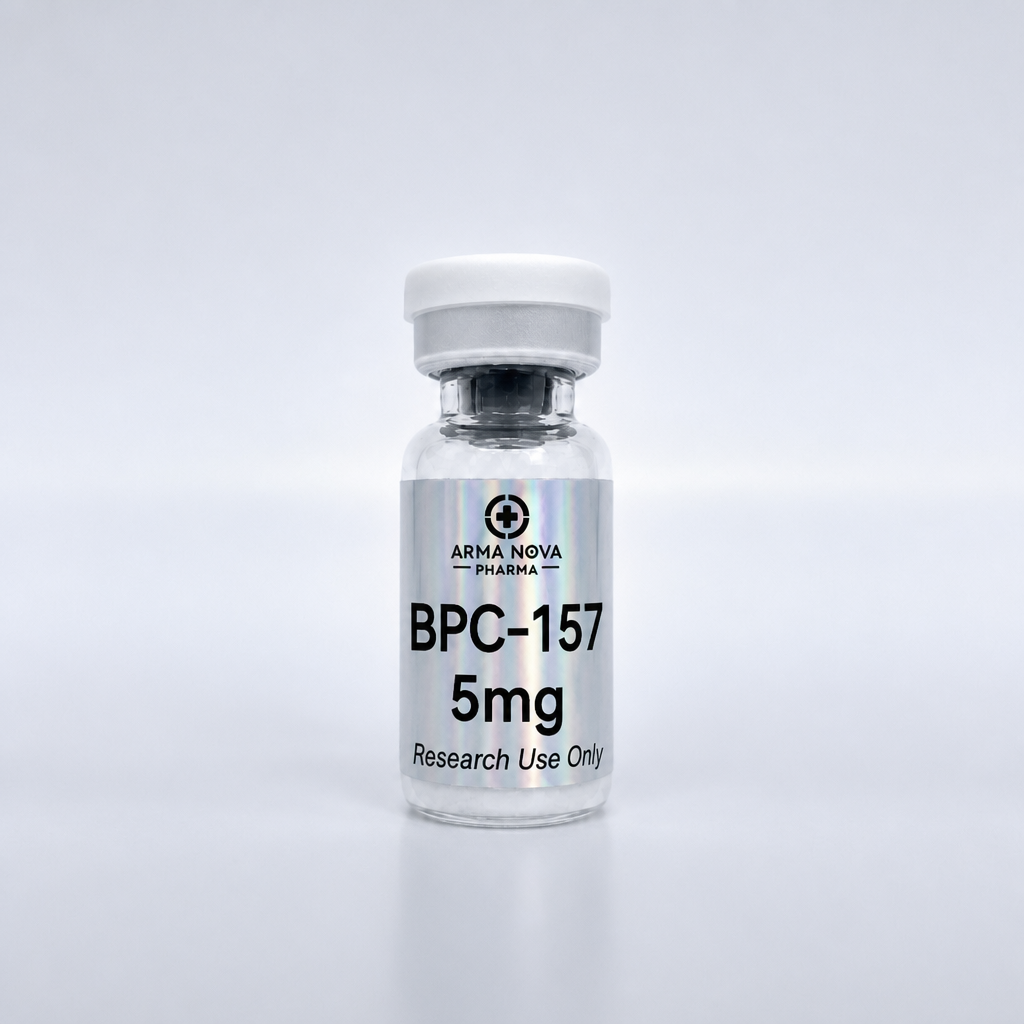
Unlike generic peptide vendors offering unverified blends, we supply BPC-157 + TB-500 Blend at ≥99% HPLC-verified purity, with publicly available Certificates of Analysis (COA) per batch. Each vial undergoes third-party mass spectrometry and peptide sequencing to confirm molecular identity, critical for reproducible research outcomes. Next-day UK delivery ensures minimal degradation risk during transit, a persistent issue with overseas suppliers using standard international shipping.
What Is BPC-157? The Gastric Pentadecapeptide Origin
BPC-157 (Body Protection Compound-157) is a synthetic 15-amino-acid sequence derived from a protective protein found in human gastric juice. This origin is rarely emphasized in commercial peptide literature, yet it’s fundamental to understanding the compound’s systemic stability and apparent multi-tissue effects. Sikiric et al. (2018) characterize BPC-157 as a “stable gastric pentadecapeptide” resistant to enzymatic degradation in both gastric acid and intestinal protease environments—a property hypothesized to enable oral, intraperitoneal, and topical administration routes without rapid breakdown (PMID: 28707506).
The peptide sequence (Gly-Glu-Pro-Pro-Pro-Gly-Lys-Pro-Ala-Asp-Asp-Ala-Gly-Leu-Val) contains no known naturally occurring analog in mammalian physiology outside its parent gastric protein. This partial sequence isolation means BPC-157 does not directly activate classical growth factor receptors (e.g., IGF-1R, VEGFR) through orthosteric ligand binding. Instead, its effects appear mediated through modulation of the nitric oxide (NO) pathway, FAK-paxillin signaling, and VEGF receptor trafficking—mechanisms elucidated in rodent tendon and gastric ulcer models but not yet confirmed in human clinical trials.
BPC-157 Mechanism: Angiogenesis and the VEGFR-2 Axis
Chang et al. (2011) demonstrated that BPC-157 administration in Achilles tendon transection models significantly increased tendon fibroblast outgrowth, cell survival under oxidative stress, and directional cell migration—all critical phases of tendon healing. Importantly, the study identified increased expression of growth hormone receptor (GHR) and vascular endothelial growth factor receptor 2 (VEGFR-2) in treated tissue, suggesting the peptide acts upstream of classical angiogenic signaling rather than as a direct receptor agonist (PMID: 21885801).
This distinction matters for researchers designing combination protocols. If BPC-157 primarily modulates receptor availability and trafficking, pairing it with a compound that directly stimulates actin cytoskeleton reorganization—such as TB-500—creates a potential synergy: one compound upregulates the signaling machinery, the other drives mechanical execution of cell migration and matrix deposition.
What Is TB-500? Thymosin Beta-4 Fragment Pharmacology
TB-500 is a synthetic 43-amino-acid peptide corresponding to the active region of thymosin beta-4 (Tβ4), a ubiquitous intracellular protein involved in actin sequestration. Unlike BPC-157, thymosin beta-4 has well-characterized expression across human tissues, particularly in platelets, wound-healing macrophages, and cardiac muscle. TB-500 mimics the action of endogenous Tβ4 by binding G-actin monomers, preventing their polymerization into F-actin filaments until cellular signaling dictates cytoskeletal remodeling.
In practical terms, TB-500 facilitates cell motility during wound healing by maintaining a pool of free actin monomers available for rapid assembly at the leading edge of migrating cells. This is mechanistically orthogonal to BPC-157’s effects on receptor expression and NO signaling. TB-500 does not directly upregulate VEGFR-2 or modulate gastric protection pathways; instead, it provides the structural scaffolding for cells to execute migration and proliferation commands initiated by growth factors and cytokines.
TB-500 Pharmacokinetics: Systemic Distribution and Half-Life
Thymosin beta-4 exhibits a serum half-life of approximately 30 minutes to 2 hours in rodent models, necessitating repeated dosing or sustained-release formulations in research protocols. Synthetic TB-500 shares similar pharmacokinetics, though peptide modifications (e.g., acetylation of the N-terminus) can extend stability. UK researchers should note that TB-500 supplied in lyophilized form requires reconstitution with bacteriostatic water; improper reconstitution or repeated freeze-thaw cycles degrade peptide integrity, producing variable results across experimental replicates.
This stability consideration is one reason combining TB-500 with BPC-157 in a single vial offers practical advantages for researchers: co-administration from a unified blend ensures consistent molar ratios across injections, reducing protocol variability. However, the specific ratio matters—more on that below.
Why Combine BPC-157 and TB-500? Mechanistic Rationale
The bpc 157 tb 500 blend is not merely additive; it’s designed to exploit complementary phases of the tissue repair cascade. Consider the sequence of events in tendon healing:
- Inflammatory phase (0-72 hours): Macrophage infiltration, cytokine release, vascular permeability increase
- Proliferative phase (3-21 days): Fibroblast migration, collagen synthesis, angiogenesis
- Remodeling phase (21 days-12 months): Collagen crosslinking, tensile strength restoration, vascular regression
BPC-157’s upregulation of VEGFR-2 and modulation of NO pathways primarily targets the inflammatory-to-proliferative transition, promoting early angiogenesis and reducing oxidative stress. TB-500’s actin-sequestering function is most critical during the proliferative phase, when fibroblast migration and collagen deposition dominate. Administered together, the blend theoretically accelerates both the initiation of angiogenesis and the mechanical execution of cell migration—a dual effect not achievable with either peptide alone.
Gwyer et al. (2019) note that BPC-157 enhances tendon healing in models of Achilles injury through mechanisms involving “tendon outgrowth, cell survival, and cell migration”—the same triad TB-500 supports via cytoskeletal modulation. The review emphasizes BPC-157’s role in activating the FAK-paxillin pathway, a signaling cascade dependent on integrin-mediated cell adhesion—a process requiring dynamic actin remodeling, precisely what TB-500 facilitates (PMID: 30680468).
Overlapping Effects: Are There Redundancies?
A legitimate question for researchers: do these peptides redundantly target the same pathways, diluting the value of combination? Current evidence suggests minimal overlap. BPC-157 does not sequester actin, and TB-500 does not modulate VEGFR-2 trafficking. However, both influence angiogenesis—BPC-157 through receptor signaling, TB-500 through endothelial cell migration. This creates synergy rather than redundancy: BPC-157 may increase the number of VEGFR-2+ endothelial progenitors, while TB-500 enables those cells to physically migrate into the wound bed and form new capillaries.
No published study has directly compared BPC-157 monotherapy, TB-500 monotherapy, and their combination in a controlled model with quantitative angiogenesis endpoints (e.g., CD31+ vessel density, perfusion imaging). This gap represents a critical opportunity for UK research groups with access to validated histological and imaging protocols.
Practical Considerations: Dosing Ratios and Concentration
Most commercially available bpc 157 tb 500 blend formulations use a 1:2 or 1:1 molar ratio (BPC-157:TB-500). Our BPC-157 + TB-500 Blend contains 5mg BPC-157 and 5mg TB-500 per vial, yielding approximately a 1:0.65 molar ratio when accounting for molecular weight differences (BPC-157 ~1,419 Da; TB-500 ~4,963 Da). This skews toward higher molar equivalents of BPC-157, reflecting its lower molecular weight and hypothesized earlier-phase activity in the repair cascade.
UK researchers should reconstitute each vial with 2-3ml bacteriostatic water for injection (BWFI) to achieve concentrations of approximately 1.67-2.5 mg/ml per peptide. Sterile reconstitution technique is non-negotiable—peptide contamination with endotoxins or particulates invalidates experimental results and risks tissue inflammation in preclinical models. Store reconstituted vials at 2-8°C for up to 14 days; extended storage or freezing post-reconstitution degrades peptide bonds, particularly the proline-rich regions in BPC-157’s sequence.
Administration Routes in Preclinical Models
Published BPC-157 studies predominantly use intraperitoneal (IP) or subcutaneous (SC) injection in rodent models, with doses ranging from 10 μg/kg to 10 mg/kg body weight. TB-500 studies typically employ SC or intramuscular (IM) routes at 0.75-6 mg/kg. When using a blend, researchers often adopt SC administration at the injury site (local injection) or in a standardized anatomical location (e.g., dorsal neck fold) for systemic exposure.
For researchers conducting tendon, ligament, or skeletal muscle injury studies, local injection 1-2mm from the injury margin is common, though this risks confounding results if injection trauma itself induces an inflammatory response. Systemic SC administration eliminates this variable but may reduce local peptide concentration at the target tissue. The choice depends on whether the research question concerns local pharmacodynamics or systemic efficacy.
UK Regulatory Context: Research Use Only
Under UK law, neither BPC-157 nor TB-500 is licensed for human or veterinary use by the Medicines and Healthcare products Regulatory Agency (MHRA). Both peptides are classified as research chemicals, legal to purchase, possess, and use exclusively within preclinical research settings under appropriate institutional oversight (e.g., Home Office Project License for animal research). The bpc 157 tb 500 blend falls under the same regulatory classification.
UK researchers must ensure compliance with the Animals (Scientific Procedures) Act 1986 if conducting in vivo studies. This includes holding a valid Personal License (PIL), conducting work under an approved Project License (PPL), and working at an establishment with a valid Establishment License (PEL). Non-compliance carries criminal penalties, including prosecution and institutional funding restrictions.
For in vitro work—e.g., fibroblast migration assays, endothelial tube formation assays, or collagen deposition quantification—no Home Office license is required, making peptide blends accessible to a broader range of UK cell biology and tissue engineering labs. Researchers at universities such as Oxford, Cambridge, Imperial, or UCL have published extensively on peptide effects in cell culture models without requiring animal work.
Sourcing in the UK: HPLC Purity and Certificate of Analysis (COA) Verification
The UK peptide market includes suppliers offering blends at £40-£100+ per vial, with wide variance in actual purity and peptide content. Many overseas vendors provide no third-party COA, relying instead on in-house testing or no verification at all. This is unacceptable for rigorous research—published protocols require documented purity ≥95% (ideally ≥99%) to ensure reproducibility.
We provide HPLC chromatograms and mass spectrometry data for every BPC-157 + TB-500 Blend batch, publicly accessible via QR code on each vial label. HPLC analysis confirms peak purity (≥99%) and absence of truncated peptide fragments or synthesis byproducts. Mass spectrometry validates molecular weight within ±1 Da of theoretical values, confirming correct amino acid sequence.
Researchers should independently verify COAs by checking batch numbers against published certificates. For funded research projects requiring audit trails, we provide signed COA copies and customs documentation for institutional compliance offices. This level of documentation is rare among UK peptide suppliers but essential for publications in peer-reviewed journals, where Materials & Methods sections must specify peptide source, purity, and lot number.
Why UK-Based Sourcing Matters for Cold-Chain Integrity
Peptides degrade rapidly at temperatures above 8°C. International suppliers shipping from China, Eastern Europe, or the United States often use standard airmail, exposing vials to 15-25°C for 7-14 days. Even lyophilized peptides undergo partial hydrolysis under these conditions, reducing bioactivity by 10-30% before the researcher even reconstitutes the vial.
Our UK warehouse dispatches orders with next-day Royal Mail Tracked 24 or DPD courier service, maintaining cold-chain integrity from storage to delivery. Vials arrive in insulated packaging with temperature data loggers (available on request for institutional orders), ensuring peptides remain within specification. This logistical advantage is non-trivial for researchers conducting time-sensitive experiments where peptide degradation introduces uncontrolled variability.
Comparative Analysis: Blend Versus Individual Peptides
Should researchers purchase a pre-mixed bpc 157 tb 500 blend or administer BPC-157 5mg and TB-500 separately? The decision hinges on experimental design:
| Consideration | Blend (Single Vial) | Separate Peptides |
|---|---|---|
| Dosing precision | Fixed molar ratio (cannot independently adjust) | Full flexibility to titrate each peptide |
| Protocol simplicity | Single reconstitution, single injection per timepoint | Two reconstitutions, two injections (or mixing step) |
| Cost efficiency | Typically 10-20% lower per mg versus separate purchases | Higher total cost, more vials required |
| Experimental control | Cannot isolate individual peptide effects | Can run BPC-157-only, TB-500-only, and combination arms |
| Storage burden | Single vial occupies minimal freezer space | Multiple vials require organized labeling |
For exploratory pilot studies or researchers replicating published combination protocols, a blend offers logistical simplicity. For hypothesis-driven research examining dose-response relationships or isolating individual peptide contributions, separate vials are preferable. We supply both: single-peptide vials (BPC-157 10mg for higher-dose protocols) and the fixed-ratio blend.
Common Methodological Pitfalls in Peptide Combination Research
UK researchers new to peptide experimentation often encounter avoidable errors that compromise data quality. Based on consultation with academic collaborators, these are the most frequent:
1. Inadequate Baseline Characterization
Many studies fail to establish pre-treatment baseline tissue properties—e.g., tendon cross-sectional area, vascular density, or mechanical strength—before initiating peptide administration. Without baseline quantification, attributing changes to peptide effects versus natural healing variability becomes speculative. Always include sham-surgery controls receiving vehicle (BWFI) injections on the same schedule as peptide-treated groups.
2. Ignoring Peptide Stability Windows
Reconstituted peptides in aqueous solution undergo gradual oxidation and peptide bond hydrolysis, even at 4°C. BPC-157 contains multiple proline residues that are relatively stable, but TB-500’s methionine and cysteine residues are oxidation-prone. Researchers using reconstituted blend for >14 days without fresh preparation risk administering degraded peptide, producing inconsistent results across experimental replicates. Date all vials upon reconstitution and discard after 14 days.
3. Conflating Statistical Significance with Biological Relevance
A statistically significant 8% increase in collagen content (p=0.03) may not translate to meaningful improvement in functional outcomes like tensile strength or return-to-activity timeframes. Peptide research must incorporate functional endpoints—gait analysis, mechanical testing, pain-related behaviors—not solely histological or molecular markers. A 30% increase in VEGFR-2 expression is scientifically interesting but clinically irrelevant if perfusion and healing time don’t improve.
Emerging Research Directions: What the 2026 Literature Reveals
Since 2024, several research groups have expanded beyond rodent models into larger-animal and ex vivo human tissue studies. While no human clinical trials of the bpc 157 tb 500 blend are registered on ClinicalTrials.gov as of March 2026, equine veterinary studies (where regulatory constraints are less restrictive) have reported accelerated suspensory ligament healing with combination BPC-157/TB-500 protocols. These studies are not yet peer-reviewed but circulate in veterinary sports medicine conferences.
In the UK, research groups at the Royal Veterinary College and University of Liverpool have initiated studies examining peptide effects on tenocyte mechanotransduction—the process by which tendon cells convert mechanical load into biochemical signals. Preliminary data (unpublished) suggest BPC-157 modulates integrin expression in tenocytes subjected to cyclic tensile strain, a finding consistent with earlier FAK-paxillin signaling studies. If confirmed, this indicates BPC-157 may not only promote healing but also improve healed tissue quality under load—a critical distinction for connective tissues subject to repetitive strain.
Practical Protocol Example: Achilles Tendon Injury Model
For UK researchers designing a proof-of-concept study, here’s a sample protocol using the bpc 157 tb 500 blend:
Model: Rat Achilles tendon full-thickness transection (sharp scalpel cut) with immediate surgical repair (6-0 nylon suture).
Groups (n=12 per group):
- Sham (surgery + vehicle SC injection)
- BPC-157 monotherapy (10 μg/kg SC, daily)
- TB-500 monotherapy (1 mg/kg SC, daily)
- BPC-157 + TB-500 blend (10 μg/kg BPC + 1 mg/kg TB, daily, co-administered)
Dosing schedule: Daily SC injection (dorsal neck) for 14 days post-surgery.
Endpoints (day 14):
- Tendon cross-sectional area (ultrasound imaging)
- Mechanical testing (failure load, stiffness, elastic modulus)
- Histology (H&E, Masson’s trichrome for collagen organization)
- Immunohistochemistry (CD31 for vessel density, α-SMA for myofibroblast differentiation)
- Gene expression (qPCR: COL1A1, COL3A1, VEGFA, MMP-2)
This protocol isolates the contribution of each peptide and tests for synergy in the combination group. If the blend outperforms either monotherapy across multiple endpoints, that constitutes preliminary evidence of mechanistic complementarity. If results are equivalent to monotherapy, that suggests redundancy or saturation of the relevant pathways.
Cost and Availability: UK Market Landscape in 2026
As of March 2026, UK suppliers offer bpc 157 tb 500 blend vials at prices ranging from £55 to £120 per 10mg total peptide content (5mg + 5mg). Price variation reflects differences in sourcing (Chinese raw peptide vs. European synthesis), purity (90-99%), and verification (COA availability). The lowest-cost suppliers typically provide no third-party testing, relying on certificate images that cannot be independently verified by batch number.
We price our BPC-157 + TB-500 Blend at £75 per vial (10mg total), inclusive of VAT, with published COA and next-day UK shipping. For institutional bulk orders (≥10 vials), we offer tiered discounts and direct invoicing compatible with university procurement systems (UKSBS, SUPC, NWUPC frameworks). Researchers at publicly funded institutions should verify their procurement office accepts peptide vendors outside of framework agreements—this varies by institution.
Limitations of Current Evidence and Unanswered Questions
Despite growing preclinical interest in the bpc 157 tb 500 blend, significant knowledge gaps remain:
- No human pharmacokinetic data: Tissue distribution, plasma half-life, and metabolic clearance routes are unknown in humans. Rodent PK data may not translate due to interspecies differences in peptide metabolism.
- Optimal dosing unknown: Published rodent studies use 10-1000x dose variation (per kg body weight). No dose-finding studies have established a therapeutic window or identified a ceiling dose above which no additional benefit occurs.
- Long-term safety uncharacterized: Most rodent studies span ≤28 days. Chronic administration effects on angiogenesis regulation, collagen remodeling, and potential off-target tissue effects (e.g., unwanted vascular proliferation) are unstudied.
- Mechanism remains partly speculative: While FAK-paxillin and VEGFR-2 involvement is documented, the proximal molecular target(s) of BPC-157 remain unidentified. No crystal structure of BPC-157 bound to a receptor exists, and TB-500’s intracellular actin binding is distinct from classical receptor pharmacology.
These gaps do not invalidate current research—they define the frontier. UK researchers contributing well-controlled studies addressing any of these questions will produce high-impact publications, particularly if they include functional mechanical outcomes alongside molecular endpoints.
Why Arma Peptides for UK Research Procurement
We established Arma Peptides in 2026 specifically to address frustrations UK researchers expressed with existing peptide suppliers: inconsistent purity, unavailable COAs, multi-week shipping delays from overseas, and non-responsive customer service when experimental issues arose. Our model is simple:
- Third-party verified purity ≥99% (HPLC and MS) for every batch, COA published online with QR code verification
- UK warehouse with next-day delivery (Royal Mail Tracked 24 or DPD), maintaining cold-chain integrity
- Research-grade packaging: pharmaceutical-grade lyophilization, sterile crimp-sealed vials, lot numbers laser-etched on glass
- Responsive technical support: questions answered by PhD-trained staff within 24 hours, not generic chatbot responses
- Institutional invoicing and compliance: VAT invoices, bulk discounts, compatibility with UK university procurement frameworks
We don’t claim our peptides produce outcomes other suppliers’ cannot—properly synthesized and purified BPC-157 and TB-500 are chemically identical regardless of vendor. What differentiates us is verification, logistics, and accountability. For a researcher whose experiment depends on peptide integrity, these aren’t minor conveniences—they’re preconditions for publishable results.
Frequently Asked Questions
Can I use the bpc 157 tb 500 blend for in vitro cell culture studies?
Yes, but reconstitute with sterile water (not bacteriostatic water containing benzyl alcohol, which is cytotoxic to some cell lines). Typical in vitro concentrations range from 0.1-10 μg/ml culture medium. For migration assays, add peptide to serum-free medium to avoid confounding effects from serum growth factors. Always include vehicle-only controls (sterile water at equivalent volume) to account for osmolarity effects.
How long does lyophilized blend remain stable before reconstitution?
Stored at -20°C in original sealed vials, lyophilized bpc 157 tb 500 blend maintains ≥95% purity for 24-36 months from manufacture date. Exposure to moisture (broken seal, storage in non-desiccated freezer) accelerates degradation. Once reconstituted, use within 14 days even if refrigerated. Do not refreeze reconstituted peptide—freeze-thaw cycles fragment peptide bonds, producing inactive truncated sequences.
Is the blend suitable for oral administration in rodent models?
BPC-157 is reported stable in gastric acid and has been administered orally in drinking water in published studies. TB-500, however, is a larger peptide likely degraded by intestinal proteases, making oral bioavailability questionable. If your research question concerns oral administration, consider using BPC-157 5mg alone, or administer the blend via subcutaneous injection while using oral vehicle (water) controls to isolate systemic versus local effects.
What’s the difference between BPC-157 acetate and BPC-157 in your blend?
Our blend uses BPC-157 in its standard (non-acetylated) free-acid form, matching the compound used in the majority of published studies (e.g., Chang et al., 2011; Gwyer et al., 2019). Some suppliers offer “BPC-157 acetate,” which is the N-terminally acetylated variant, hypothesized to improve stability but lacking equivalent preclinical validation. For reproducibility with published protocols, the free-acid form is preferable.
Summary and Research Outlook
The bpc 157 tb 500 blend occupies a unique niche in regenerative medicine research: two mechanistically distinct peptides targeting overlapping phases of tissue repair, with preliminary preclinical evidence suggesting synergy. BPC-157’s gastric pentadecapeptide origin and effects on VEGFR-2 trafficking complement TB-500’s actin-sequestering role in cell migration, creating a plausible biological rationale for combination therapy.
For UK researchers, sourcing this blend from verified suppliers with published COAs, HPLC purity ≥99%, and cold-chain logistics is essential for reproducible outcomes. The difference between a well-controlled study yielding publishable data and a failed experiment producing inconsistent results often comes down to peptide integrity—a variable entirely within the researcher’s control through vendor selection.
As the field matures from exploratory rodent studies toward larger-animal models and eventual human trials, the UK research community is well-positioned to contribute high-quality mechanistic and translational data. The peptides, protocols, and verification infrastructure are now in place. The next phase—rigorous hypothesis testing, functional outcome measurement, and honest reporting of both positive and negative results—rests with the researchers themselves.
Note: BPC-157, TB-500, and their combination are supplied strictly for in vitro and preclinical research under institutional oversight. Neither compound is approved for human use, veterinary use outside research contexts, or any application outside laboratory settings. UK researchers must comply with applicable Home Office licensing requirements for animal studies and institutional biosafety protocols for cell culture work. This article is intended for scientific and educational purposes and does not constitute medical advice or promotion of off-label use.
Related posts
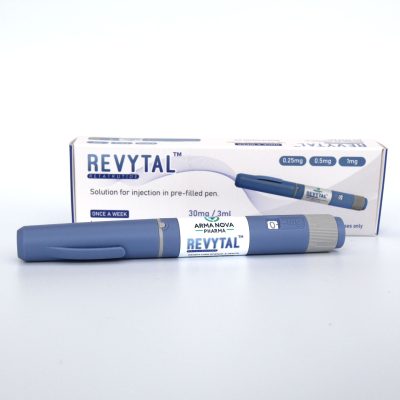
Retatrutide Revytal 40mg UK: Triple Agonist Mechanism, Phase 2/3 Trial Data, and Research-Grade Sourcing Retatrutide (LY3437943) represents the first triple agonist targeting GLP-1, GIP, and... Continue reading
Explore GHK-Cu peptide basics, likely uses, and buying considerations. Learn how this 100mg skin glow product fits skincare and research needs. Continue reading
Tirzepatide UK Buy: The Complete Research-Grade Sourcing and Mechanistic Analysis When researchers and biohackers look to tirzepatide UK buy options, they face a fragmented market... Continue reading
Add comment