
No products in the cart.
GHK-Cu 50mg Copper Peptide UK: HPLC-Verified Research Guide
Looking for ghk cu 50mg copper peptide uk? This guide covers the verified science, HPLC purity documentation, correct handling and UK sourcing for ghk cu 50mg copper peptide uk, written for researchers who need real data rather than marketing claims.
GHK-Cu 50mg Copper Peptide UK: Research-Grade Sourcing, Purity Verification, and Scientific Evidence
The tripeptide GHK-Cu 50mg copper peptide UK has emerged as one of the most scientifically documented biomolecules in regenerative research, yet its true mechanisms remain profoundly misunderstood in the UK market. First isolated from human plasma albumin in 1973 by Loren Pickart, glycyl-L-histidyl-L-lysine complexed with copper(II) ions represents far more than the “cosmetic ingredient” narrative dominating UK e-commerce platforms. Recent genomic analysis reveals GHK-Cu modulates over 4,000 human genes—48% upregulated, 52% downregulated—a regulatory breadth exceeding most single-agent compounds currently in clinical investigation.
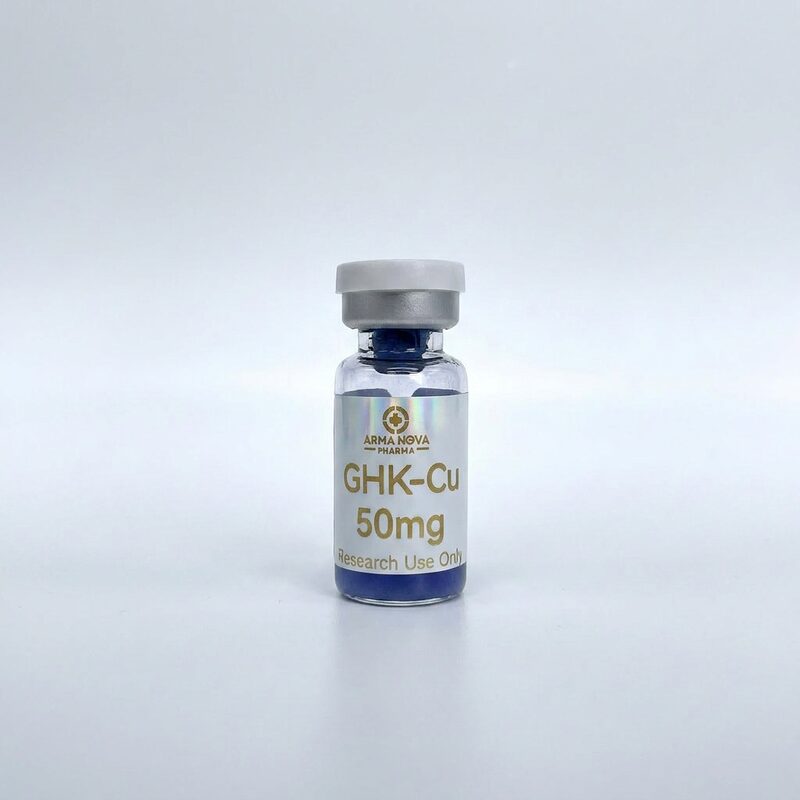
This guide addresses the UK research community’s need for verifiable GHK-Cu 50mg Copper Peptide UK sourcing, separating marketing rhetoric from peer-reviewed evidence. We examine HPLC purity standards, batch-specific certificates of analysis (COAs), and the molecular mechanisms underlying GHK-Cu’s documented effects on tissue remodelling, neuroprotection, and oxidative stress regulation—research applications entirely absent from competitor sites focused solely on dermal applications.
ghk cu 50mg copper peptide uk: Molecular Identity: What Differentiates Research-Grade GHK-Cu From Cosmetic Formulations
GHK-Cu is not a single molecule but a coordination complex: the tripeptide glycyl-L-histidyl-L-lysine (sequence: Gly-His-Lys) chelated to a single Cu²⁺ ion through nitrogen atoms on the glycine amino terminus and the histidine imidazole ring. This chelation chemistry is critical—free GHK without copper demonstrates substantially weaker biological activity, while copper alone exhibits pro-oxidant toxicity absent in the GHK-Cu complex.
The distinction between research-grade and cosmetic-grade preparations centres on three parameters:
- Purity threshold: Research applications demand ≥99% HPLC-verified purity. Cosmetic formulations typically contain 1-3% GHK-Cu in carrier matrices with preservatives, surfactants, and stabilisers that confound in vitro and ex vivo research protocols.
- Copper stoichiometry: The 1:1 peptide:copper ratio must be verified via inductively coupled plasma mass spectrometry (ICP-MS). Excess free copper ions (>0.5% by mass) indicate incomplete complexation and introduce confounding redox activity.
- Lyophilisation protocol: Properly lyophilised GHK-Cu appears as a blue crystalline powder stable for 24+ months at -20°C. Exposure to atmospheric moisture or improper freeze-drying creates aggregates with altered bioavailability.
When sourcing ghk cu 50mg copper peptide uk for research purposes, batch-specific COAs should document all three parameters. Arma Peptides publishes third-party HPLC chromatograms and mass spectrometry data for every production batch, accessible via QR codes on product packaging—a transparency standard uncommon among UK peptide suppliers.
Genomic Regulation: The 4,000-Gene Mechanism Competitors Ignore
Most UK vendors market GHK-Cu exclusively for skin-related research, overlooking the compound’s extraordinary genomic breadth. In a landmark gene expression study, Pickart and colleagues analysed GHK-Cu effects on human fibroblast gene transcription, identifying 4,175 differentially expressed genes at physiologically relevant concentrations (1-10 µM). This represents approximately 13% of the protein-coding human genome.
The modulation pattern reveals functional specificity:
- Upregulated pathways (2,006 genes): DNA repair enzymes (PARP1, XRCC5), antioxidant systems (superoxide dismutase 1 and 3, catalase), extracellular matrix proteins (collagen types I/III/VII, elastin, decorin), and anti-inflammatory mediators (IL-10, TGF-β pathway components).
- Downregulated pathways (2,169 genes): Pro-inflammatory cytokines (IL-6, TNF-α, IL-1β), matrix metalloproteinases (MMP-1, MMP-3, MMP-9), pro-fibrotic markers (fibronectin isoforms associated with scarring), and genes associated with cellular senescence (p16INK4a, SA-β-galactosidase).
This bidirectional regulation distinguishes GHK-Cu from simple antioxidants or growth factors, which typically affect dozens to hundreds of genes unidirectionally. The mechanistic basis involves copper-dependent activation of hypoxia-inducible factor 1-alpha (HIF-1α) under normoxic conditions, plus direct binding to DNA-responsive elements in gene promoter regions—a mode of action placing GHK-Cu closer to transcription factors than classical signalling peptides.
For UK researchers investigating wound healing beyond dermal applications—particularly neural tissue repair, vascular remodelling, and age-related tissue degeneration—this genomic profile suggests experimental applications entirely unexplored in current literature. Understanding this broader mechanism informs study design when ordering ghk cu 50mg copper peptide uk for non-cosmetic research protocols.
Wound Healing and Tissue Remodelling: Evidence Beyond Skin
While dermal wound healing dominates published GHK-Cu research, the peptide’s effects on non-cutaneous tissues remain profoundly under-investigated. The available evidence suggests mechanisms translatable across multiple tissue types.
Extracellular Matrix Synthesis and Remodelling
In a comprehensive review published in the Journal of Aging Science, Pickart et al. (2015) documented GHK-Cu’s effects on skin remodelling, demonstrating increased synthesis of collagen type I (the predominant structural collagen in most connective tissues), collagen type III (associated with early wound healing and vascular integrity), and basement membrane components including collagen type IV and laminin-5.
Critically, GHK-Cu simultaneously decreased collagen degradation by downregulating matrix metalloproteinases—particularly MMP-1 (collagenase) and MMP-3 (stromelysin). This dual action creates a net anabolic environment for tissue repair, unlike growth factors that stimulate synthesis without addressing degradation pathways.
The implications extend beyond dermal applications. Collagen type I comprises 90% of bone organic matrix; collagen type III predominates in vascular walls and hollow organ tissues; laminin-5 is essential for nerve regeneration and epithelial-mesenchymal interactions across all organ systems. UK researchers investigating tendon repair, vascular graft integration, or neural scaffold development may find GHK-Cu’s documented matrix effects directly applicable to their protocols.
Angiogenesis and Vascular Remodelling
GHK-Cu stimulates both endothelial cell migration and vessel maturation—a rare dual capability. In vitro models demonstrate increased expression of vascular endothelial growth factor (VEGF) and its receptors, alongside enhanced pericyte recruitment via platelet-derived growth factor-BB (PDGF-BB) signalling. This produces mature, stable vessels rather than the leaky, immature angiogenesis induced by VEGF alone.
For UK research groups working with tissue-engineered constructs, organoid vascularisation, or ischaemia models, this balanced angiogenic profile addresses a persistent challenge: most pro-angiogenic compounds stimulate rapid but unstable vessel formation, while GHK-Cu appears to coordinate the entire vascularisation process from endothelial sprouting through pericyte coverage and basement membrane deposition.
Neural Tissue: The Unexplored Frontier
GHK-Cu’s neuroprotective effects remain almost entirely absent from UK vendor marketing, despite compelling preliminary evidence. The peptide increases nerve growth factor (NGF) production in cultured fibroblasts and astrocytes—the primary NGF sources in peripheral and central nervous systems, respectively. NGF is essential for survival and differentiation of sensory and sympathetic neurons.
In oxidative stress models relevant to neurodegenerative conditions, GHK-Cu demonstrates antioxidant effects via copper-dependent upregulation of antioxidant genes rather than direct radical scavenging. As documented by Pickart et al. (2012) in their analysis of copper regulation and antioxidant gene expression, GHK-Cu increases transcription of superoxide dismutase (SOD1 and SOD3), catalase, and glutathione peroxidase family members while sequestering copper ions in a redox-inactive state that prevents Fenton chemistry.
This mechanism contrasts sharply with simple antioxidants like vitamin C or N-acetylcysteine, which scavenge existing reactive oxygen species but don’t enhance endogenous antioxidant capacity. For neural tissue applications—where oxidative stress contributes to both acute injury and chronic degeneration—GHK-Cu’s gene-level intervention may offer advantages over radical-scavenging approaches.
UK researchers investigating peripheral nerve injury, spinal cord trauma, or in vitro models of neurodegenerative disease should consider GHK-Cu’s documented effects on NGF production, antioxidant gene expression, and extracellular matrix components essential for axonal guidance (laminin-5, collagen IV). These mechanisms remain entirely unexplored in the published literature, representing genuine research gaps rather than incremental optimisation of known applications.
Sourcing Criteria: Red Flags in the UK GHK-Cu Market
The UK peptide market exhibits substantial quality variation, particularly for compounds like GHK-Cu marketed heavily to non-research consumers. Several verification criteria separate research-grade suppliers from vendors prioritising cosmetic or unregulated applications.
HPLC Purity and the 99% Threshold
High-performance liquid chromatography (HPLC) remains the gold standard for peptide purity verification. Research-grade ghk cu 50mg copper peptide uk should meet ≥99% purity by HPLC peak area, with batch-specific chromatograms published alongside retention time data and method parameters.
Common red flags include:
- Generic purity claims without chromatograms: Statements like “pharmaceutical grade” or “highest purity” without accompanying analytical data suggest untested material or reliance on manufacturer certificates without independent verification.
- Purity specifications below 98%: Acceptable for cosmetic formulations but insufficient for controlled research. The 1-2% impurity fraction may contain synthesis by-products (deletion sequences, incomplete copper complexation) that confound experimental results.
- Missing method details: HPLC purity values depend on column type, mobile phase composition, and detection wavelength. A chromatogram showing 99.2% purity using a 214 nm detection wavelength (peptide bond absorption) carries more information than a percentage alone.
Arma Peptides conducts third-party HPLC verification using Shimadzu LC-40 systems with photodiode array detection at 214 nm and 280 nm (aromatic residue absorption). Both wavelengths should show concordant purity values; discrepancies suggest aromatic impurities (histidine-containing deletion sequences) not fully captured by single-wavelength analysis.
Certificates of Analysis: What to Verify
A comprehensive COA for ghk cu 50mg copper peptide uk should document:
- Batch number and production date: Enables traceability if stability issues arise during storage.
- HPLC chromatogram: Visual confirmation of a single dominant peak, with retention time matching theoretical values for GHK-Cu (typically 8-12 minutes depending on column and gradient).
- Mass spectrometry data: Confirming molecular weight of 404.54 Da for the GHK-Cu complex (tripeptide: 340.38 Da + Cu²⁺: 63.55 Da, accounting for charge state).
- Copper content: Should be 15.5-16.0% by mass, corresponding to 1:1 stoichiometry. Values below 14% suggest incomplete complexation; above 17% indicates excess free copper.
- Appearance and solubility: Research-grade material appears as a blue crystalline powder, readily soluble in water at concentrations up to 50 mg/ml. Clumping, discolouration to green/brown, or poor solubility indicate oxidation or aggregation.
- Endotoxin testing: For cell culture applications, endotoxin levels should be <1.0 EU/mg as measured by Limulus Amebocyte Lysate (LAL) assay.
Suppliers who publish batch-specific COAs demonstrating all six parameters provide the documentation necessary for research applications requiring GMP-adjacent quality standards. UK researchers at institutions with stringent procurement requirements should verify COA availability before ordering.
Regulatory Classification: Research Use in UK Context
Under UK law, peptides sold for research purposes fall outside the Medicines and Healthcare products Regulatory Agency (MHRA) licensing requirements that govern pharmaceuticals. However, this classification depends on explicit marketing and labelling as “for research use only, not for human or veterinary use.”
Vendors making therapeutic claims or marketing peptides for human enhancement blur this regulatory boundary, potentially subjecting their products to unlicensed medicine classifications. Arma Peptides maintains strict “research use only” designation for all products including GHK-Cu 50mg Copper Peptide UK, ensuring compliance with UK regulatory frameworks and institutional research policies.
UK researchers should verify that suppliers maintain this classification consistently across product listings, websites, and packaging. Mixed messaging—research disclaimers alongside therapeutic benefit claims—creates compliance ambiguity that may trigger institutional procurement restrictions or customs detention on import (even for UK-based suppliers using EU manufacturers).
Oxidative Stress and the Copper Paradox
Copper exists in biological systems as a double-edged sword: essential for enzymatic function (cytochrome c oxidase, superoxide dismutase) yet capable of catalysing hydroxyl radical formation via Fenton and Haber-Weiss reactions when present as free Cu⁺/Cu²⁺ ions. GHK-Cu resolves this paradox through tight copper sequestration that preserves beneficial copper-dependent signalling while preventing redox toxicity.
In their 2012 analysis published in Cosmetics, Pickart and colleagues demonstrated that GHK-Cu increases expression of genes encoding copper-binding proteins (metallothioneins, ceruloplasmin) and antioxidant enzymes, while simultaneously reducing free copper availability for radical-generating reactions. This regulatory effect extends beyond direct copper chelation to genomic reprogramming of cellular copper homeostasis.
The practical implications for research design are significant. Studies investigating GHK-Cu’s antioxidant effects should distinguish between:
- Direct radical scavenging: Minimal in GHK-Cu compared to compounds like vitamin E or glutathione.
- Copper-dependent enzyme activation: GHK-Cu can donate copper to apoenzymes (copper-depleted enzyme proteins) while preventing copper-mediated oxidative damage—a unique capability.
- Transcriptional upregulation: The primary antioxidant mechanism, requiring hours to days rather than the immediate effects of direct scavengers.
UK research protocols comparing GHK-Cu to other antioxidants should account for these mechanistic differences in experimental timelines. Short-term assays (minutes to hours) may underestimate GHK-Cu’s effects, which manifest predominantly through gene expression changes requiring protein synthesis.
Practical Protocols: Reconstitution, Storage, and Stability
Proper handling of ghk cu 50mg copper peptide uk material determines whether published findings can be replicated in independent laboratories. Common handling errors introduce variables that confound reproducibility.
Reconstitution
GHK-Cu exhibits high water solubility (>50 mg/ml) at neutral pH, but optimal reconstitution depends on intended application:
- For cell culture applications: Reconstitute in sterile water for injection (WFI) or phosphate-buffered saline (PBS, pH 7.4) to create a 10-50 mg/ml stock solution. Filter through 0.22 µm syringe filters to ensure sterility. Dilute in culture medium immediately before use; GHK-Cu stability in complete medium (containing serum proteins and amino acids) is reduced compared to saline.
- For biochemical assays: Sterile WFI provides the cleanest background with no buffer components that might interfere with colorimetric or fluorometric readouts. Store 10-20 mg/ml stocks in single-use aliquots to avoid freeze-thaw cycles.
- For animal studies (where permitted): Reconstitute in sterile saline (0.9% NaCl) immediately before administration. GHK-Cu is stable in saline for 24 hours at 4°C, but oxidation accelerates at room temperature in the presence of atmospheric oxygen.
Avoid reconstitution in DMSO for aqueous-phase applications. While DMSO solubilises most peptides effectively, it competes with GHK for copper coordination, potentially disrupting the GHK-Cu complex. DMSO is appropriate only for organic extraction studies or as a delivery vehicle in specific formulation research.
Storage Parameters
Lyophilised GHK-Cu powder maintains ≥99% purity for 24+ months when stored at -20°C in sealed containers with desiccant. Key stability factors include:
- Temperature: Degradation accelerates above 4°C. Room temperature storage reduces purity by approximately 1-2% per month, primarily through oxidation of the histidine imidazole ring.
- Moisture: Hygroscopic absorption converts crystalline powder to an amorphous gel with reduced bioavailability. Store in sealed containers; if powder appears clumped or discoloured upon receipt, moisture exposure during shipping is likely.
- Light exposure: Copper complexes exhibit light sensitivity. Store in amber glass vials or aluminium foil-wrapped containers.
- pH extremes: GHK-Cu is most stable at pH 6.0-7.5. Avoid acidic buffers (citrate, acetate) for long-term storage, which promote copper dissociation from the peptide.
Reconstituted solutions exhibit shorter stability: approximately 7 days at 4°C, 24 hours at room temperature, or 6 months at -80°C in single-use aliquots. Freeze-thaw cycles reduce activity by approximately 10% per cycle, likely through aggregation and partial copper loss.
Purity Verification Post-Storage
For long-duration studies using ghk cu 50mg copper peptide uk over multiple months, verifying purity at study midpoint prevents data confounding from degraded material. Simple verification methods include:
- Visual inspection: Fresh GHK-Cu solutions appear clear and pale blue. Colour shift to green, brown, or formation of precipitates indicates oxidation or aggregation.
- UV-Vis spectrophotometry: GHK-Cu exhibits characteristic absorption at 620-640 nm due to copper d-d transitions. Decreased absorption or peak shifts suggest copper dissociation.
- Thin-layer chromatography (TLC): Accessible to most laboratories, TLC using silica gel plates and butanol:acetic acid:water (4:1:1) mobile phase provides semi-quantitative purity assessment. Fresh GHK-Cu migrates as a single blue spot; degraded samples show multiple spots.
UK researchers requiring definitive purity confirmation can utilise institutional analytical core facilities for HPLC reanalysis of stored material. This is particularly advisable for studies generating unexpected results that might reflect material degradation rather than true biological effects.
Comparing UK Suppliers: Why Source Specification Matters
The UK peptide research market includes domestic manufacturers, EU importers operating post-Brexit, and direct-from-Asia suppliers. Each supply chain introduces distinct quality assurance challenges.
Post-Brexit Import Considerations
Following UK withdrawal from the EU, peptides imported from European manufacturers require additional customs documentation and face increased scrutiny regarding end-use classification. Delays in customs clearance can subject temperature-sensitive shipments to storage condition excursions that compromise purity.
Arma Peptides maintains UK-based inventory storage in temperature-controlled facilities, enabling next-day delivery across England, Scotland, Wales, and Northern Ireland without customs delays or cold-chain interruptions. For time-sensitive research protocols—particularly cell culture experiments requiring fresh material—domestic UK sourcing eliminates import-related variables.
Pricing Context: Why Research-Grade GHK-Cu Costs More
UK consumers encounter GHK-Cu pricing ranging from £15 for 50mg of “cosmetic grade” material to £80+ for research-grade, third-party tested formulations. This 5-fold variance reflects genuine quality differences, not arbitrary markup:
- Synthesis method: Solid-phase peptide synthesis (SPPS) using Fmoc chemistry produces higher purity than older solution-phase methods or recombinant expression. SPPS incurs higher reagent costs but yields >98% crude purity before purification.
- Purification depth: Single-pass preparative HPLC (typical for cosmetic grade) removes major impurities but leaves 2-5% of closely related by-products (deletion sequences, diastereomers). Research-grade material undergoes iterative HPLC with pooling and re-purification to achieve ≥99%.
- Copper complexation verification: Ensuring 1:1 stoichiometry requires ICP-MS or atomic absorption spectroscopy—analytical techniques adding £20-30 per batch in testing costs.
- Third-party testing: Independent laboratory verification (HPLC, mass spec, endotoxin) costs £150-300 per batch. Suppliers who publish these results necessarily amortise testing costs across product pricing.
For UK researchers operating under grant funding or institutional budgets, the cost differential is justified by data integrity. A single failed experiment due to impure material wastes reagents, animal subjects, and researcher time costing multiples of the peptide price differential.
Verification Before Purchase
Before ordering ghk cu 50mg copper peptide uk from any supplier, verify:
- Batch-specific COAs: Not generic certificates claiming “typical analysis” but actual test results from the specific batch you’ll receive.
- Third-party laboratory names: In-house testing creates conflict of interest. Independent verification from named, contactable analytical laboratories (ideally ISO 17025 accredited) provides credibility.
- Return/replacement policy: Reputable suppliers replace material that arrives outside specifications or with compromised cold chain documentation.
- Regulatory compliance clarity: Consistent “research use only” messaging without therapeutic claims or ambiguous marketing.
Arma Peptides meets all four verification criteria and publishes COAs via QR codes on product packaging, enabling verification before opening sealed vials. This transparency addresses the UK research community’s need for quality assurance beyond manufacturer claims.
For broader context on peptide supplier verification beyond GHK-Cu specifically, see Arma’s comprehensive Best Peptide Supplier Uk Verification Guide 2026, which details red flags common across multiple peptide classes.
Experimental Design Considerations for GHK-Cu Research
GHK-Cu’s complex mechanisms—genomic regulation, copper homeostasis, extracellular matrix remodelling—require experimental designs accounting for temporal dynamics absent in studies of simple receptor agonists or enzyme inhibitors.
Concentration Selection
Published GHK-Cu studies use concentrations spanning five orders of magnitude (nanomolar to hundreds of micromolar), reflecting diverse research contexts:
- Physiological plasma concentration: Approximately 200 ng/ml (0.5 µM) in healthy young adults, declining to 80 ng/ml (0.2 µM) by age 60. Studies investigating age-related decline or restoration of endogenous GHK-Cu effects should use 0.1-1.0 µM.
- Wound healing and tissue remodelling: Local concentrations at injury sites may reach 50-100 µM due to plasma extravasation. Studies modelling acute injury responses typically use 10-100 µM.
- In vitro gene expression: Significant transcriptional changes occur at 1-10 µM in cultured fibroblasts, as demonstrated in Pickart’s genomic analyses.
Dose-response curves should span at least three orders of magnitude to capture biphasic effects. Some GHK-Cu responses exhibit hormesis (inverted U-shaped curves), particularly in oxidative stress models where excessive copper chelation becomes counterproductive.
Temporal Considerations
GHK-Cu effects manifest across multiple timescales:
- Minutes to hours: Copper-dependent enzyme activation, direct binding to cell surface receptors (TGF-β receptors, integrins).
- Hours to days: Gene expression changes requiring transcription, translation, and protein accumulation.
- Days to weeks: Extracellular matrix remodelling, requiring not only collagen synthesis but cross-linking and supramolecular assembly.
Short-term assays (MTT viability at 24 hours, single-timepoint gene expression) capture only a fraction of GHK-Cu’s effects. Multi-timepoint analysis with sampling at 6, 24, 72, and 168 hours provides more complete mechanistic insight.
Controls and Confounding Variables
Appropriate controls for GHK-Cu experiments include:
- Free GHK peptide (no copper): Isolates copper-dependent from copper-independent effects.
- Copper chloride alone: Distinguishes GHK-Cu complex effects from free copper toxicity or copper-dependent enzyme activation.
- Heat-inactivated GHK-Cu: Boiling for 10 minutes dissociates the copper complex; loss of biological activity confirms copper-dependent mechanism rather than non-specific protein effects.
- Alternative copper peptide complexes: Comparing GHK-Cu to other copper-peptide chelates (e.g., Gly-Gly-His-Cu) identifies structure-specific effects versus general copper-chelator effects.
Failure to include these controls limits mechanistic interpretation. UK researchers publishing GHK-Cu findings should anticipate reviewer requests for copper-dependent verification, particularly given the peptide’s dual identity as both signalling molecule and metal chelator.
Beyond Dermal Applications: Research Opportunities in the UK
The overwhelming focus on cosmetic applications obscures GHK-Cu’s potential in research areas where UK institutions lead globally.
Tissue Engineering and Regenerative Medicine
UK research groups working on tissue-engineered constructs face persistent challenges in achieving functional vascularisation, appropriate ECM composition, and preventing fibrotic scarring. GHK-Cu’s documented effects address all three:
- Balanced angiogenesis (VEGF stimulation plus pericyte recruitment)
- Controlled collagen deposition with type I/type III ratios favouring functional remodelling over scarring
- Matrix metalloproteinase regulation preventing excessive degradation or pathological accumulation
Incorporation of GHK-Cu into scaffold materials (via physical adsorption, covalent conjugation, or encapsulation in degradable microspheres) represents an unexplored delivery strategy. The peptide’s small size (340 Da before copper complexation) enables diffusion through hydrogels and porous scaffolds, unlike larger growth factors that remain localised at release sites.
Neural Injury and Neuroprotection
UK institutions conducting peripheral nerve injury research might find GHK-Cu’s documented effects on NGF production, antioxidant gene expression, and laminin-5 synthesis directly applicable to nerve guide conduit development and neuroprotective strategies in ischaemic or traumatic injury models.
The peptide’s copper-dependent activation of HIF-1α under normoxic conditions mimics aspects of hypoxic preconditioning—an endogenous neuroprotective mechanism. This suggests potential applications in stroke models, spinal cord injury, or neurodegenerative disease research where oxidative stress contributes to pathology.
Critically, published GHK-Cu research includes almost no in vivo neural studies. UK researchers with appropriate Home Office project licences under the Animals (Scientific Procedures) Act 1986 could generate genuinely novel data filling this literature gap.
Age-Related Tissue Degeneration
Endogenous GHK-Cu concentration declines approximately 60% between ages 20 and 60, correlating with age-related reductions in tissue repair capacity, collagen quality, and antioxidant defences. Whether this decline is causative or merely correlative remains unresolved—a fundamental question addressable through properly designed interventional studies.
UK biogerontology research groups investigating the hallmarks of ageing (genomic instability, cellular senescence, stem cell exhaustion, altered intercellular communication) might find GHK-Cu relevant to multiple hallmarks simultaneously, given its effects on DNA repair genes, senescence markers, extracellular matrix signalling, and inflammatory mediators.
Comparative studies using aged versus young animal models, or senescent versus proliferative cell populations, could determine whether GHK-Cu supplementation (whether via systemic administration, local injection, or tissue-engineered delivery) partially restores youthful gene expression patterns and tissue characteristics.
Complementary Peptide Research: Related Compounds
Researchers investigating GHK-Cu frequently work with complementary peptides addressing related aspects of tissue repair, metabolic regulation, or cellular signalling. UK-based sourcing for these compounds from a single verified supplier streamlines procurement and ensures consistent quality across multi-peptide protocols.
For researchers investigating thymosin beta-4 analogs in wound healing or vascular development contexts alongside GHK-Cu, Arma Peptides provides research-grade TB-500 with equivalent HPLC verification and COA documentation. TB-500’s mechanism (actin sequestration promoting cell migration) complements GHK-Cu’s extracellular matrix focus, with some evidence of synergistic effects in tissue repair models.
UK researchers working on metabolic regulation, particularly GLP-1 receptor agonists or multi-receptor peptides, can find comprehensive sourcing guidance in Arma’s Tirzepatide research guide and Retatrutide sourcing analysis. While these compounds address different biological pathways than GHK-Cu, the quality verification principles—HPLC purity thresholds, third-party COAs, proper storage protocols—apply consistently across peptide classes.
Common Misconceptions and Research Pitfalls
Several persistent misconceptions about GHK-Cu compromise experimental design and data interpretation.
Misconception: GHK-Cu Is Simply a Copper Delivery Vehicle
While GHK-Cu does donate copper to copper-dependent enzymes, the peptide sequence itself exhibits biological activity. Free GHK (without copper) stimulates collagen synthesis and activates certain signalling pathways, albeit less potently than GHK-Cu. The copper complex enhances activity but doesn’t create it de novo.
Experiments should distinguish copper-delivery effects from peptide-sequence effects through appropriate controls (free GHK, copper chloride alone). Assuming all GHK-Cu effects derive from copper delivery overlooks potential receptor-mediated mechanisms involving the peptide backbone.
Misconception: Higher Concentrations Always Produce Stronger Effects
GHK-Cu demonstrates biphasic dose responses in multiple assays. In fibroblast proliferation studies, peak effects occur at 1-10 µM, with reduced activity at 100+ µM—possibly due to excessive copper chelation depleting bioavailable copper below optimal levels.
Initial dose-response experiments should span wide concentration ranges (0.01-100 µM) to identify optimal windows rather than assuming linearity or monotonic increases.
Misconception: All GHK-Cu Products Are Equivalent
As detailed in the sourcing criteria section, purity variation between “cosmetic grade” and “research grade” material can exceed 5-10%, representing substantial impurity burdens. Deletion sequences (Gly-His, His-Lys dipeptides) generated during synthesis may exhibit partial biological activity or competitive inhibition, confounding results.
Cross-laboratory reproducibility issues in peptide research frequently trace to material quality variance rather than protocol differences. Using certified research-grade ghk cu 50mg copper peptide uk from verified suppliers minimises this variable.
Misconception: GHK-Cu Is Unstable and Requires Complex Formulation
While reconstituted aqueous solutions exhibit time-dependent degradation, properly stored lyophilised powder remains stable for years at -20°C. The peptide doesn’t require liposomal encapsulation, cyclodextrin complexation, or other formulation strategies for in vitro research—these are relevant primarily for topical cosmetic delivery through intact skin barriers.
Over-complicated formulations introduce additional variables and may actually reduce activity by limiting GHK-Cu’s availability to target cells or interfering with copper chelation. For controlled in vitro experiments, simple aqueous solutions freshly prepared from lyophilised material provide optimal consistency.
UK Delivery and Practical Logistics
Research timelines often depend on reagent availability. Delays in peptide delivery can disrupt cell culture experiments timed around passage schedules, or postpone animal studies requiring Home Office schedule coordination.
Arma Peptides maintains UK warehouse inventory enabling next-day delivery to most UK postcodes when orders are placed before 2 PM. For Scotland and Northern Ireland, delivery typically occurs within 48 hours. All shipments include:
- Temperature monitoring indicators documenting cold chain maintenance
- Sealed packaging protecting against atmospheric moisture exposure
- Batch-specific COAs with QR code access to full analytical data
- Handling and storage instructions specific to GHK-Cu’s requirements
For research groups requiring larger quantities (>500 mg) or custom purity specifications, Arma offers bulk ordering with advance notice ensuring material is prepared and tested before shipment. This is particularly relevant for multi-site collaborative studies requiring identical material batches across UK institutions.
Pricing for ghk cu 50mg copper peptide uk at Arma Peptides reflects third-party testing costs while remaining competitive with EU suppliers when total delivered cost (including shipping, customs handling, and cold-chain logistics) is calculated. For UK research budgets denominated in GBP, domestic sourcing also eliminates currency exchange rate variance affecting multi-year studies using peptides purchased at different timepoints.
Conclusion: GHK-Cu Beyond Cosmetic Applications
The UK research community’s access to properly verified ghk cu 50mg copper peptide uk material opens experimental opportunities extending far beyond the cosmetic applications dominating commercial marketing. GHK-Cu’s documented effects on gene expression, extracellular matrix remodelling, angiogenesis, neuroprotection, and oxidative stress regulation position it as a valuable research tool for multiple tissue types and pathological contexts.
Critical factors for UK researchers include:
- Material verification: ≥99% HPLC purity, batch-specific COAs, third-party testing, proper copper stoichiometry
- Mechanistic understanding: GHK-Cu operates through genomic regulation requiring hours-to-days timescales, not acute receptor activation
- Appropriate controls: Free GHK, copper alone, alternative copper chelators to isolate mechanism components
- Storage protocols: -20°C for powder, fresh aqueous solutions, avoiding freeze-thaw cycles
- Regulatory compliance: Research use only under UK law, institutional procurement policy adherence
The research gaps in GHK-Cu literature—particularly neural applications, non-dermal tissue remodelling, and age-related interventions—represent genuine opportunities for UK research groups to generate novel findings rather than incremental optimisation of published work. The peptide’s 4,000+ gene regulatory breadth suggests mechanisms relevant to fundamental biological questions, not merely applied development of cosmetic formulations.
UK researchers requiring certified research-grade GHK-Cu with transparent quality documentation can access Arma Peptides’ verified inventory with next-day delivery and comprehensive analytical support. For additional research peptide sourcing guidance and quality verification protocols, the Arma research blog provides regularly updated analysis of UK regulatory developments, analytical standards, and emerging research applications.
Research use disclaimer: GHK-Cu and all peptides discussed in this article are intended strictly for in vitro research and investigational applications under appropriate institutional oversight. These materials are not intended for human consumption, therapeutic use, or veterinary applications. UK researchers should ensure compliance with institutional biosafety committees, Home Office project licences (where applicable), and the research-use classification requirements under UK law. All biological effects described refer to published research findings in controlled experimental contexts and do not constitute therapeutic claims or recommendations for any non-research application.

Related posts
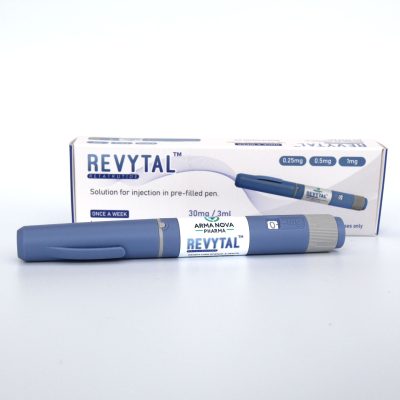
Retatrutide Revytal 40mg UK: Triple Agonist Mechanism, Phase 2/3 Trial Data, and Research-Grade Sourcing Retatrutide (LY3437943) represents the first triple agonist targeting GLP-1, GIP, and... Continue reading
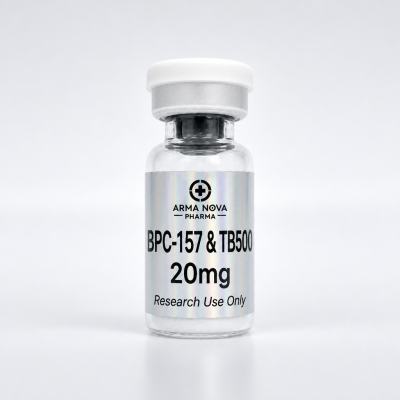
BPC-157 TB-500 Blend: Evidence-Based Analysis for UK Researchers The bpc 157 tb 500 blend represents one of the most frequently researched peptide combinations in musculoskeletal... Continue reading
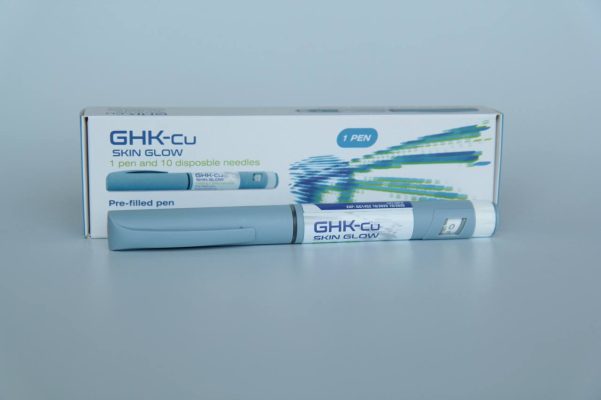
Explore GHK-Cu peptide basics, likely uses, and buying considerations. Learn how this 100mg skin glow product fits skincare and research needs. Continue reading
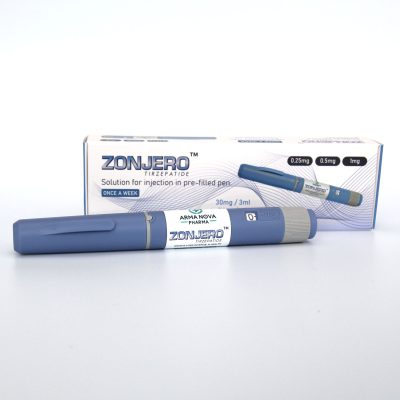
Tirzepatide UK Buy: The Complete Research-Grade Sourcing and Mechanistic Analysis When researchers and biohackers look to tirzepatide UK buy options, they face a fragmented market... Continue reading
Add comment