
No products in the cart.
Retatrutide Revytal 40mg UK: Clinical Data & UK Supply
Retatrutide Revytal 40mg UK: Triple Agonist Mechanism, Phase 2/3 Trial Data, and Research-Grade Sourcing
Retatrutide (LY3437943) represents the first triple agonist targeting GLP-1, GIP, and glucagon receptors simultaneously—a mechanistic departure from dual agonists like tirzepatide that distinguishes it in phase 2 obesity trials. For UK-based researchers investigating metabolic interventions beyond incretin mimetics, retatrutide Revytal 40mg UK formulations are now available through verified peptide suppliers with batch-specific certificates of analysis (COAs) and ≥99% HPLC-verified purity.
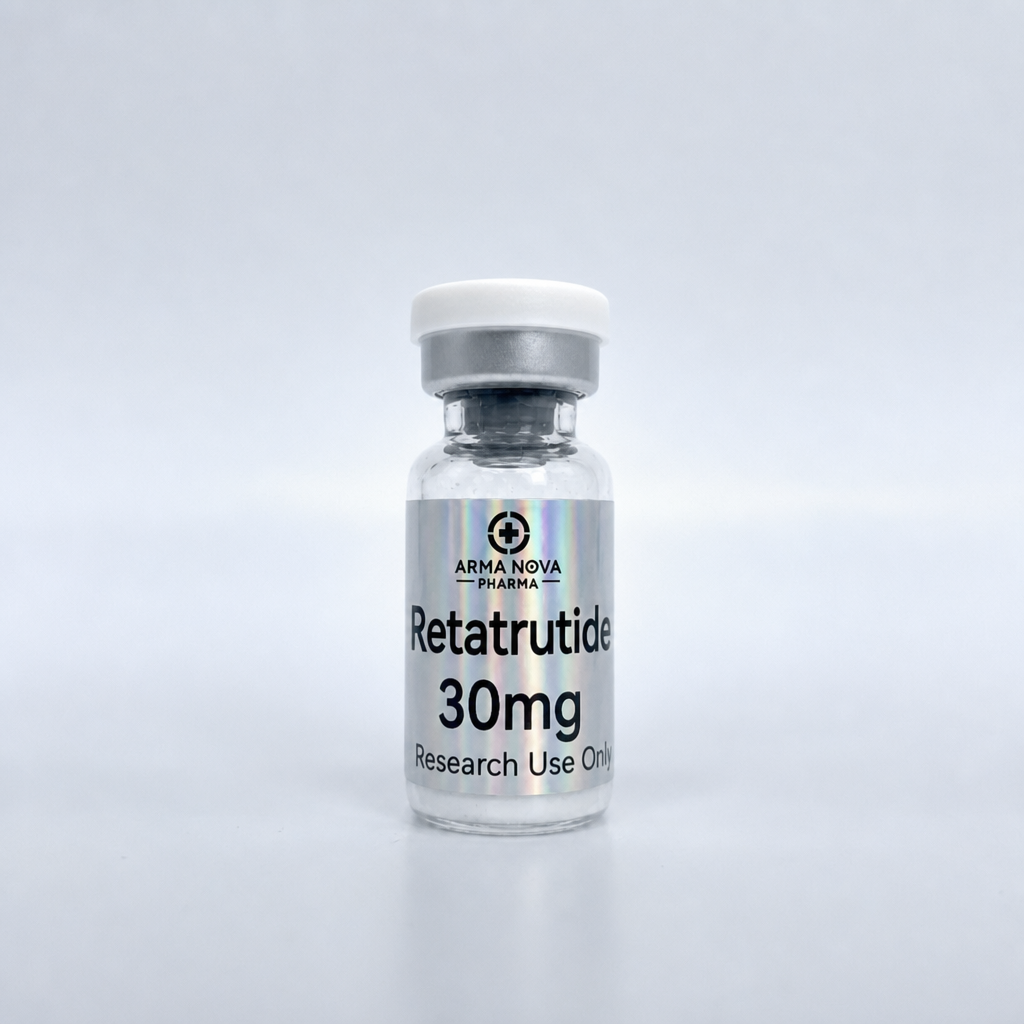
This article synthesises published clinical trial data, examines the glucagon receptor component that differentiates retatrutide from dual GLP-1/GIP agonists, and provides UK-specific sourcing guidance for research applications. All efficacy and safety claims reference peer-reviewed studies indexed in PubMed, with particular focus on the landmark Jastreboff et al. (2023) phase 2 trial.
Why Retatrutide’s Triple Agonist Design Matters: The Glucagon Receptor Component
Most researchers familiar with GLP-1 receptor agonists (like semaglutide UK) or dual GLP-1/GIP agonists (such as tirzepatide UK) understand incretin-mediated satiety and insulin secretion. Retatrutide adds a third component: glucagon receptor agonism. This is not intuitive—glucagon is traditionally viewed as counter-regulatory to insulin, raising blood glucose during fasting states.
However, chronic glucagon receptor activation in the context of concurrent GLP-1 and GIP signalling produces distinct metabolic effects:
- Hepatic fat oxidation: Glucagon receptor signalling upregulates hepatic mitochondrial β-oxidation and ketogenesis, reducing intrahepatic lipid stores without hyperglycaemia when paired with GLP-1-mediated insulin secretion.
- Energy expenditure: Unlike GLP-1 monotherapy, glucagon agonism increases thermogenesis through hepatic and brown adipose tissue (BAT) pathways, potentially mitigating adaptive metabolic suppression seen with caloric restriction alone.
- Lean mass preservation: Preclinical data suggest glucagon signalling may attenuate skeletal muscle catabolism during rapid weight loss, though human data remain limited.
This triple agonist design positions retatrutide as mechanistically distinct from both semaglutide (GLP-1 only) and tirzepatide (GLP-1/GIP dual agonist). The glucagon component is hypothesised to explain superior body composition outcomes observed in phase 2 trials, though head-to-head human trials are ongoing.
Phase 2 Trial Data: Jastreboff et al. (2023) 24-Week and 48-Week Results
The definitive evidence base for retatrutide comes from Jastreboff et al. (2023), published in the New England Journal of Medicine. This phase 2, randomised, double-blind trial enrolled 338 adults with obesity (BMI ≥30 kg/m²) or overweight (BMI ≥27 kg/m² with ≥1 weight-related comorbidity) across 41 US sites.
Primary Endpoint: Mean Percentage Weight Change at 24 Weeks
Participants received subcutaneous retatrutide at escalating doses (1 mg, 4 mg [dual-step: 2→4 mg], 4 mg [single-step], 8 mg, or 12 mg) or placebo, alongside lifestyle counselling. At 24 weeks, the primary endpoint demonstrated dose-dependent weight reductions (PMID: 37350954):
| Dose | Mean Weight Loss (% baseline) | Placebo-adjusted difference |
|---|---|---|
| Placebo | −1.6% | — |
| 1 mg | −7.2% | −5.6% |
| 4 mg (dual-step) | −12.9% | −11.3% |
| 8 mg | −17.3% | −15.7% |
| 12 mg | −17.5% | −15.9% |
All retatrutide groups achieved statistically significant weight loss versus placebo (P < 0.001). Notably, 88% of participants in the 12 mg group achieved ≥5% weight loss, and 75% achieved ≥10% weight loss by week 24—thresholds associated with clinically meaningful metabolic improvements.
Extended 48-Week Outcomes and Metabolic Parameters
At 48 weeks, weight reductions continued in all dose groups, with the 12 mg cohort reaching a mean of −24.2% body weight change. Secondary metabolic endpoints showed proportional improvements:
- HbA1c reduction: −0.6% to −1.3% across doses in participants with baseline HbA1c ≥5.7% (prediabetes range).
- Fasting glucose: Reductions of 8–15 mg/dL in higher-dose groups.
- Lipid profile: Mean LDL cholesterol decreased 8–12%, triglycerides reduced 15–27% (dose-dependent).
- Systolic blood pressure: Reductions of 4–8 mmHg across retatrutide groups versus 1 mmHg placebo.
Importantly, waist circumference reductions (−9.5 to −16.4 cm at 48 weeks) and improvements in homeostatic model assessment for insulin resistance (HOMA-IR) suggest favourable effects on visceral adiposity and hepatic insulin sensitivity—consistent with the glucagon receptor’s role in hepatic fat metabolism.
Safety Profile and Discontinuation Rates
Adverse event patterns mirrored other incretin-based therapies: predominantly gastrointestinal (nausea, diarrhoea, vomiting, constipation). Nausea incidence ranged from 38% (1 mg) to 66% (12 mg), typically mild-to-moderate and peaking during dose escalation. Discontinuation rates due to adverse events were 6% (1 mg), 11% (4 mg), 12% (8 mg), and 16% (12 mg), versus 2% placebo.
No pancreatitis, medullary thyroid carcinoma, or severe hypoglycaemia events were reported in non-diabetic participants. Transient heart rate increases (mean +2 to +6 bpm) were noted, consistent with GLP-1-mediated sympathetic modulation. Long-term cardiovascular outcomes are under investigation in ongoing phase 3 trials.
Contextualising Retatrutide Within the Incretin Agonist Landscape
UK researchers evaluating retatrutide Revytal 40mg UK supplies often compare efficacy against established incretin therapies. While direct head-to-head trials are pending, cross-trial comparisons (acknowledging methodological limitations) provide provisional context:
Retatrutide vs. Semaglutide (GLP-1 Monotherapy)
Semaglutide 2.4 mg (STEP trials) demonstrated ~15% mean weight loss at 68 weeks in obesity without diabetes (PMID: 37952131). Retatrutide 12 mg achieved 24.2% at 48 weeks—a 9-percentage-point difference that may reflect glucagon-mediated energy expenditure and hepatic fat mobilisation absent in GLP-1-only therapies.
Nausea rates appear higher with retatrutide 12 mg (66%) versus semaglutide 2.4 mg (~44% in STEP 1), though discontinuation rates are comparable (16% vs. 7% in semaglutide trials). The clinical relevance of this trade-off depends on research objectives and participant tolerance profiles.
Retatrutide vs. Tirzepatide (Dual GLP-1/GIP Agonist)
Tirzepatide 15 mg (SURMOUNT-1, 72 weeks) produced 20.9% mean weight loss. Retatrutide 12 mg reached 24.2% by 48 weeks—a faster trajectory that may shorten intervention timelines, though longer-term comparisons are needed to assess durability and metabolic plateaus.
The mechanistic distinction lies in glucagon agonism: tirzepatide lacks this component, relying instead on enhanced GIP signalling for metabolic benefits. Preclinical studies suggest GIP reduces hepatic glucose output indirectly via insulin-dependent mechanisms, whereas glucagon directly stimulates hepatic β-oxidation. Whether this translates to clinically meaningful differences in hepatic steatosis or insulin resistance reversal remains under investigation.
For UK researchers sourcing peptides for comparative in vitro or ex vivo studies, Retatrutide 30mg UK formulations provide flexible dosing for titration protocols.
Sourcing Retatrutide Revytal 40mg UK: Purity Verification and Regulatory Considerations
Research-grade peptide sourcing in the UK requires attention to analytical verification and legal classification. Retatrutide is not approved for human therapeutic use by the MHRA (Medicines and Healthcare products Regulatory Agency) and is supplied strictly for in vitro research under UK law.
HPLC Purity and Certificate of Analysis (COA) Standards
High-performance liquid chromatography (HPLC) is the gold standard for peptide purity assessment. Reputable UK suppliers of retatrutide Revytal 40mg UK should provide:
- Batch-specific COAs: Each vial should correspond to a unique batch number with individual HPLC purity analysis (target: ≥99%).
- Mass spectrometry (MS) confirmation: Validates molecular weight matches LY3437943 theoretical mass (~4850 Da for the unmodified peptide).
- Endotoxin testing: LAL (Limulus Amebocyte Lysate) assay results confirming <0.1 EU/mg for cell culture applications.
- Sterility: Lyophilised powders should be tested for bacterial/fungal contamination, particularly for reconstitution protocols.
Arma Peptides publishes COAs per batch for all retatrutide formulations, accessible via product pages. Independent third-party verification mitigates the risk of underdosed or contaminated supplies—a known issue in unregulated peptide markets.
UK Delivery and Storage
Lyophilised retatrutide is stable at 2–8°C (refrigerated) for 12–24 months per manufacturer data. Once reconstituted with bacteriostatic water, peptides should be stored at 2–8°C and used within 28 days to maintain potency. UK suppliers offering next-day delivery must use cold-chain logistics (gel packs, insulated packaging) to prevent thermal degradation during transit.
Arma Peptides ships all peptide orders with next-day UK delivery using temperature-controlled packaging. International orders outside the UK are subject to customs regulations; researchers should verify import permits for controlled substances in their jurisdiction.
Legal Classification: Research Use Only
Under the UK Human Medicines Regulations 2012, retatrutide is not licensed for human administration. It is supplied solely for laboratory research, including:
- Cell culture assays (receptor binding studies, cAMP signalling quantification)
- Animal pharmacokinetic/pharmacodynamic models (subject to Home Office licensing under ASPA 1986)
- In vitro mechanistic investigations (e.g., hepatocyte lipid metabolism, adipocyte lipolysis)
Researchers must hold appropriate institutional ethics approvals and licenses for any in vivo work. Human self-administration for any purpose (therapeutic, performance, or investigational) is prohibited and constitutes off-label use of an unlicensed medicine.
Practical Reconstitution and Handling Protocols for Research Applications
Peptide reconstitution technique directly impacts experimental reproducibility. Retatrutide lyophilised powder requires gentle handling to prevent aggregation and preserve tertiary structure.
Reconstitution Procedure
- Equilibrate to room temperature: Remove vials from refrigeration 15–20 minutes before reconstitution to prevent condensation.
- Select diluent: Bacteriostatic water (0.9% benzyl alcohol) is standard for multi-dose vials. Sterile water or saline are acceptable for single-use applications.
- Calculate volume: For a 40 mg vial targeting 2 mg/mL final concentration, add 20 mL diluent. Adjust based on experimental dosing requirements.
- Add diluent slowly: Inject bacteriostatic water down the vial wall—never directly onto the lyophilised cake—to minimise foaming and shear stress.
- Gentle mixing: Swirl gently (do not shake). Allow 5–10 minutes for complete dissolution. Vortexing or vigorous agitation can denature peptides.
- Inspect for clarity: Solution should be clear to slightly opalescent with no visible particulates. Cloudiness or precipitate indicates degradation or contamination.
Aliquoting and Freeze-Thaw Considerations
Repeated freeze-thaw cycles degrade peptide integrity. For experiments requiring multiple doses over weeks, aliquot reconstituted retatrutide into single-use volumes (e.g., 1 mL cryovials) and store at −20°C or −80°C. Thaw aliquots once, use immediately, and discard any remainder. Do not refreeze.
For in vitro receptor binding assays, prepare fresh stock solutions weekly. Frozen aliquots retain ~90–95% potency for 6 months at −80°C, per accelerated stability studies of similar peptides (manufacturer-specific data may vary).
Emerging Phase 3 Data and Cardiovascular Outcomes Trials
While phase 2 efficacy data are robust, long-term safety—particularly cardiovascular outcomes—remains under active investigation. The SELECT trial for semaglutide demonstrated 20% relative risk reduction in major adverse cardiovascular events (MACE) in obesity without diabetes (PMID: 37952131), establishing a precedent for incretin-based cardiovascular benefit beyond glucose control.
Retatrutide’s cardiovascular effects are being assessed in dedicated phase 3 programmes, including:
- TRIUMPH-1: Obesity without type 2 diabetes, evaluating MACE and heart failure hospitalisations over 3–5 years.
- TRIUMPH-2: Obesity with established cardiovascular disease, mirroring the SELECT trial design.
Early signals from phase 2 substudies suggest neutral-to-favourable effects: reductions in systolic blood pressure, waist circumference (a proxy for visceral adiposity), and atherogenic lipid parameters (LDL, triglycerides). However, transient heart rate increases (+2 to +6 bpm) warrant monitoring, particularly in populations with pre-existing arrhythmias or structural heart disease.
Researchers modelling cardiovascular risk in obesity should note that glucagon receptor agonism theoretically increases cardiac workload via chronotropic effects—though this has not translated to adverse event signals in trials to date. Long-term phase 3 data will clarify whether retatrutide’s metabolic benefits outweigh any potential cardiovascular liabilities.
Limitations of Current Evidence and Knowledge Gaps
Despite strong phase 2 efficacy, several evidence gaps remain for UK researchers to contextualise:
- Lean mass outcomes: Dual-energy X-ray absorptiometry (DEXA) data on fat-free mass changes are limited. Glucagon’s anti-catabolic effects in skeletal muscle are hypothesised but not yet quantified in human trials.
- Hepatic steatosis: While weight loss and lipid improvements suggest reduced hepatic fat, no published magnetic resonance imaging–proton density fat fraction (MRI-PDFF) data directly quantify intrahepatic lipid changes with retatrutide.
- Durability post-cessation: Weight regain trajectories after discontinuation are unknown. Incretin therapies generally show rebound weight gain, though glucagon-mediated metabolic adaptations may differ.
- Population diversity: Phase 2 participants were predominantly white (63%) with mean baseline BMI 38 kg/m². Efficacy and safety in Black, Asian, and minority ethnic (BAME) populations—who exhibit differential obesity phenotypes and metabolic risk—require dedicated analysis.
- Renal and hepatic impairment: Pharmacokinetic data in chronic kidney disease or cirrhosis are absent. Dose adjustments may be necessary, but evidence-based guidance is not yet available.
UK researchers designing protocols should account for these limitations and consider complementary endpoints (e.g., DEXA, MRI-PDFF, continuous glucose monitoring) to generate mechanistic insights beyond published trial data.
Cost Considerations and UK Pricing Context
Research-grade peptide costs vary by supplier, batch size, and purity grade. In the UK market, retatrutide Revytal 40mg UK vials typically range £180–£320 per vial, depending on purity certification and COA availability. Bulk orders (≥5 vials) often qualify for tiered discounts.
For comparison, therapeutic GLP-1 agonists prescribed via the NHS (e.g., semaglutide, liraglutide) cost £73–£200 per month at list prices. Research-grade formulations command a premium due to analytical verification, cold-chain logistics, and regulatory compliance overhead.
Arma Peptides publishes transparent GBP pricing on product pages, with no hidden fees for COA access or UK delivery. Institutional purchasers (universities, contract research organisations) may negotiate volume agreements for multi-month studies.
Comparing Dose Forms: 30mg vs. 40mg Retatrutide Vials
Researchers often query optimal vial size for experimental designs. The Retatrutide 30mg UK formulation suits short-term dose-finding studies or small-cohort experiments, while 40mg vials reduce per-milligram cost for extended protocols.
Considerations when selecting vial size:
- Wastage minimisation: Calculate total peptide requirement across all doses/timepoints. If a protocol requires 35 mg total, a single 40 mg vial is more cost-effective than two 30 mg vials (excess 25 mg discarded).
- Reconstitution stability: Larger volumes (e.g., 20 mL for 40 mg vial) degrade faster once reconstituted. If experiments span >4 weeks, smaller vials with fresh reconstitutions weekly may preserve potency.
- Pilot studies: 30 mg vials allow initial dose-response characterisation without committing to larger quantities before optimising experimental conditions.
Both formulations are lyophilised under identical conditions and meet ≥99% HPLC purity thresholds. Choice depends on protocol design, not quality differences.
Future Directions: Retatrutide in Metabolic Disease Research
Beyond obesity, retatrutide’s triple agonism holds mechanistic promise for metabolic dysfunction-associated steatotic liver disease (MASLD, formerly NAFLD), type 2 diabetes, and potentially polycystic ovary syndrome (PCOS)—conditions linked to insulin resistance, hepatic lipid accumulation, and visceral adiposity.
MASLD and Hepatic Fat Metabolism
Glucagon receptor agonism upregulates hepatic CPT1A (carnitine palmitoyltransferase 1A), the rate-limiting enzyme for mitochondrial long-chain fatty acid import. This mechanism, absent in GLP-1-only or dual GLP-1/GIP therapies, positions retatrutide as a candidate for MASLD interventions. Phase 2 substudies measuring liver enzymes (ALT, AST) showed reductions consistent with reduced hepatocyte lipotoxicity, though biopsy-confirmed resolution of steatohepatitis requires phase 3 validation.
Type 2 Diabetes and Beta-Cell Preservation
GLP-1 and GIP agonism enhance glucose-dependent insulin secretion and may preserve beta-cell mass—effects demonstrated in long-term diabetes trials. Glucagon receptor agonism theoretically increases hepatic glucose output, but concurrent GLP-1 signalling suppresses this via insulin-mediated mechanisms. Net glucose-lowering observed in phase 2 trials (HbA1c reductions 0.6–1.3%) suggests the incretin effects dominate, though dedicated diabetes efficacy trials are ongoing.
Potential Applications in Athletic Performance Research
Glucagon-mediated thermogenesis and fat oxidation have prompted interest among researchers investigating body composition optimisation in athletes. However, no published data examine retatrutide’s effects on exercise performance, muscle protein synthesis, or recovery. Extrapolating from weight-loss trials to athletic contexts requires caution: rapid weight reduction in obesity trials includes significant fat-free mass loss (typically 20–30% of total weight loss), which may impair power output and endurance in trained populations.
UK researchers exploring such applications must conduct appropriately controlled studies with performance-specific endpoints (VO2max, 1RM strength, time-trial performance) rather than assuming obesity trial outcomes generalise to athletic cohorts.
Quality Assurance Checklist for UK Researchers Sourcing Retatrutide
When evaluating suppliers of retatrutide Revytal 40mg UK, verify the following before purchase:
- Batch-specific COA: HPLC purity ≥99%, with chromatogram provided. Reject suppliers offering generic COAs not linked to specific batch numbers.
- Mass spectrometry confirmation: Molecular weight matches theoretical (±0.05%). Absence of MS data suggests unverified peptide identity.
- Endotoxin levels: LAL assay results <0.1 EU/mg for cell-based assays. Higher levels interfere with cytokine signalling and inflammatory pathways.
- Storage and shipping: Cold-chain delivery with gel packs/insulation. Peptides shipped at ambient temperature risk degradation.
- Regulatory compliance: Clear “research use only” labelling. Suppliers marketing for human consumption violate MHRA regulations.
- Transparent pricing: GBP-listed prices with no hidden COA or delivery fees. Compare per-milligram cost across vial sizes.
- Customer support: Technical assistance for reconstitution, storage, or experimental design questions. Reputable suppliers employ staff with peptide chemistry expertise.
Arma Peptides meets all criteria, with published COAs, next-day UK delivery, and ≥99% HPLC-verified purity across all retatrutide formulations. Researchers requiring bulk quantities or custom concentrations should contact technical support for bespoke quotes.
Conclusion: Positioning Retatrutide in UK Metabolic Research
Retatrutide’s triple agonist mechanism—integrating GLP-1, GIP, and glucagon receptor signalling—distinguishes it from existing incretin therapies and underpins the 24.2% weight loss observed in phase 2 trials (Jastreboff et al., 2023). The glucagon component drives hepatic fat oxidation and thermogenesis, mechanisms absent in semaglutide or tirzepatide, and may offer advantages for MASLD, visceral adiposity reduction, and metabolic risk reversal.
For UK researchers, sourcing retatrutide Revytal 40mg UK through verified suppliers with published COAs, ≥99% HPLC purity, and cold-chain delivery ensures experimental reproducibility and regulatory compliance. Phase 3 cardiovascular outcomes trials will clarify long-term safety and durability, but current evidence supports retatrutide’s role as a potent metabolic intervention warranting further mechanistic investigation.
All retatrutide formulations are supplied for in vitro and animal research only, in accordance with UK law. Human administration outside of registered clinical trials is prohibited and constitutes unlicensed use under MHRA regulations. Researchers must maintain institutional ethics approvals and appropriate licensing for all experimental protocols involving this peptide.
Related posts
BPC-157 TB-500 Blend: Evidence-Based Analysis for UK Researchers The bpc 157 tb 500 blend represents one of the most frequently researched peptide combinations in musculoskeletal... Continue reading
Explore GHK-Cu peptide basics, likely uses, and buying considerations. Learn how this 100mg skin glow product fits skincare and research needs. Continue reading
Tirzepatide UK Buy: The Complete Research-Grade Sourcing and Mechanistic Analysis When researchers and biohackers look to tirzepatide UK buy options, they face a fragmented market... Continue reading
Add comment